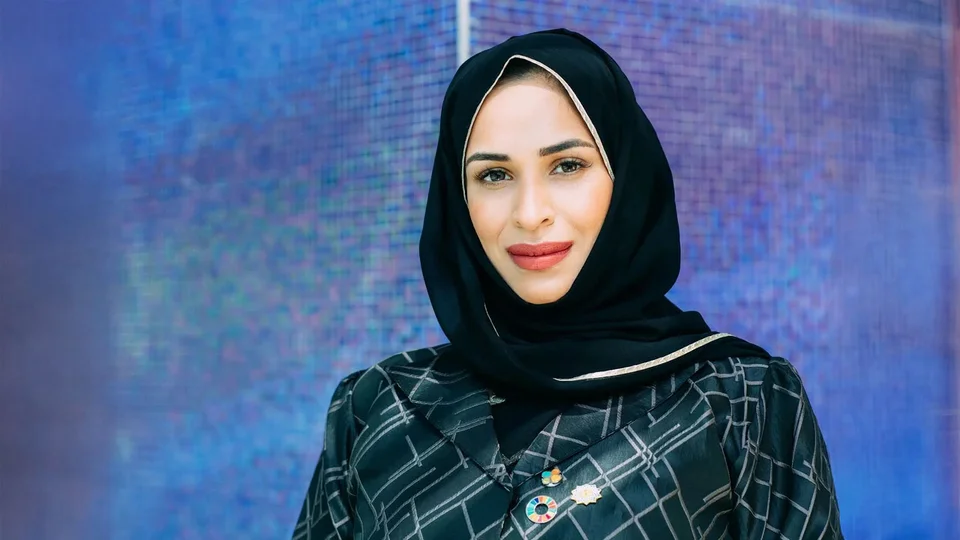
Rabab Alomairy becomes the University’s first Saudi female faculty member in computer science
After earning her M.S. and Ph.D. at KAUST and conducting postdoctoral research at MIT, Rabab Alomairy returns to the University as its first Saudi faculty member in Computer Science, where she will establish the Tuwaiq Intelligent Computing Lab.
About
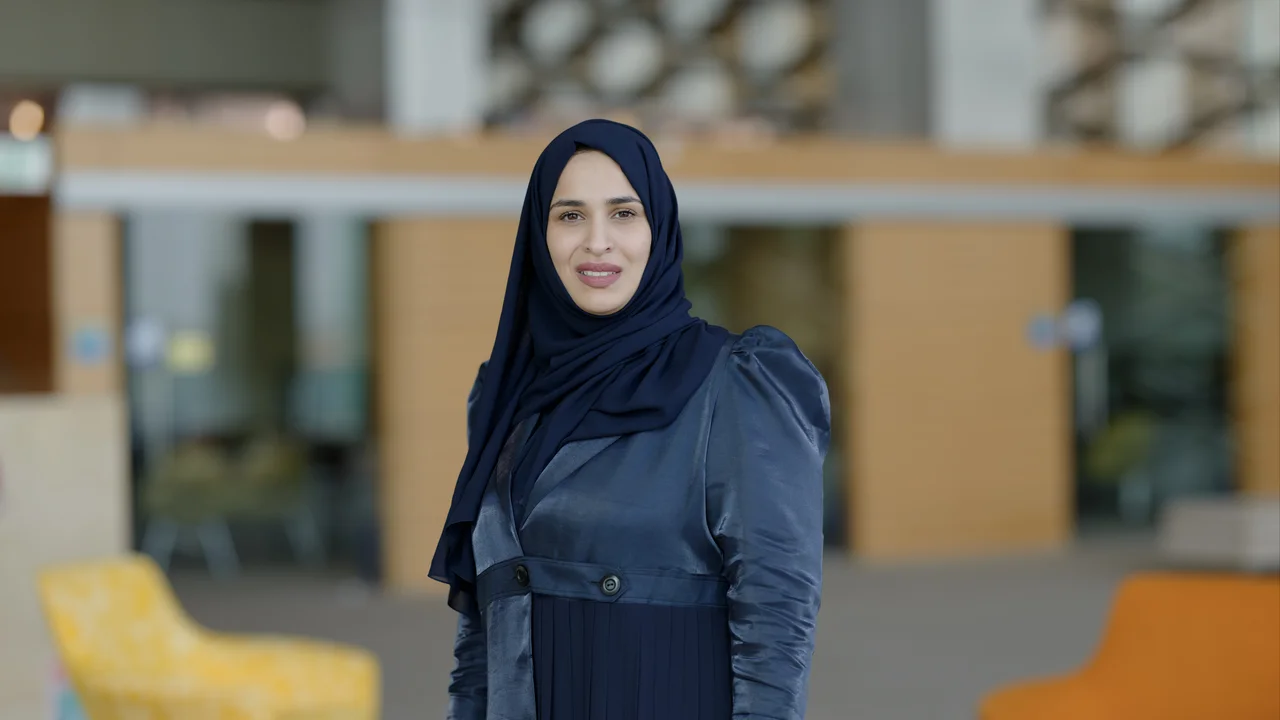
When Professor Rabab Alomairy first joined KAUST as a student with a passion for high-performance computing (HPC), few could have predicted that she would one day return to the shores of the Red Sea as a faculty member intent on shaping a new generation of Kingdom-educated computer scientists. Now, as the first Saudi and currently the only woman faculty member in the Computer Science (CS) program, she intends to do exactly that.
"If you told me when I first arrived at KAUST that I would one day return as a professor, I would not have believed you. Yet today, that journey has come full circle. It is a moment I am incredibly proud of, but it also comes with a deep sense of responsibility. I now must endeavor to support, mentor, and inspire future cohorts of researchers, just as so many people did for me."
For Alomairy, the interdisciplinary nature of KAUST was as formative as the research itself: "One of the most valuable aspects of the University is the opportunity to think beyond disciplinary boundaries. A collaborative research environment means I can focus on working at the intersection of algorithms, systems, artificial intelligence (AI) and applications, which defines my research today."
Where algorithms and ambition meet
Her current research focuses on integrating HPC, intelligent computing systems, AI infrastructure, and scalable algorithms, particularly the design of algorithms and software systems that efficiently leverage modern and emerging computing platforms.
A central theme is co-design: the belief that the next wave of computing breakthroughs will arise from the joint design of algorithms, software and hardware. One of the biggest challenges in computing today is that advances in hardware are outpacing our ability to fully utilize them, as systems increasingly combine central processing units (CPUs), graphics processing units (GPUs), AI accelerators and emerging computing technologies.
"My research aims to develop algorithms, runtime systems, and AI infrastructure that bridge the gap between applications and increasingly complex computing platforms. I am particularly interested in creating intelligent computing systems that can adapt to different hardware architectures, optimize performance automatically, and make advanced computing more accessible."
Receiving the KAUST Ibn Rushd Fellowship was another pivotal milestone, one that opened the door to MIT’s JuliaLab, a research group within the university's renowned Computer Science and Artificial Intelligence Laboratory. While there, Alomairy developed advanced algorithms that account for hardware characteristics such as memory structures, low-precision processing units and parallel task execution—particularly on heterogeneous supercomputers.
As she begins this next phase at KAUST, one of Alomairy’s primary goals is to establish the Tuwaiq Intelligent Computing Lab, named after the Kingdom's iconic Tuwaiq mountain range, which, for this proud Saudi citizen, has become a symbol of ambition, resilience, and determination. The research group will be dedicated to advancing intelligent computing systems, AI infrastructure, algorithms and future computing technologies.
"I see a strong connection between what Tuwaiq represents and the challenges we tackle in advanced computing. Just as Tuwaiq stands as a strong and enduring foundation, HPC serves as the foundation that enables discoveries in AI, simulations, genomics, or materials discovery.
"Advanced computing will be a critical enabler of Saudi Arabia's long-term ambitions. Many of the national priorities we see today, including AI, digital transformation, healthcare, energy and smart cities, depend on the ability to process massive amounts of data and perform increasingly sophisticated computations. My research focuses on developing the algorithms, systems, and computing infrastructure that enable these capabilities."
The unwavering path to success
Alomairy’s path has never been without obstacles, from the pursuit of a Ph.D. to working on some of the world's most advanced supercomputers and, ultimately, the prospect of returning to KAUST as a faculty member.
"Looking back, I realize that growth often comes from pursuing opportunities before you feel completely ready for them. Research is a journey filled with challenges, setbacks, and uncertainty, but those challenges are often what make the discoveries most rewarding. Some of the opportunities that had the greatest impact on my career were the ones that initially seemed the most difficult or intimidating."
In her new role, she looks forward to building an impactful research program and providing students the same opportunities, support and inspiration that KAUST gave her.
Alomairy’s former academic advisor, Professor David Keyes, put her appointment in its broader historical context: “Rabab is the first Saudi female faculty member in the CS program. Colleagues who knew King Abdullah remind me that she is part of what he envisioned when he chartered KAUST.”
“KAUST invested in me; now it is my turn to give back. Having rejoined the University, I see a significant opportunity to help build human capital, to train a new group of researchers, engineers, and innovators who will lead the Kingdom’s future in advanced computing and AI.”
Related People
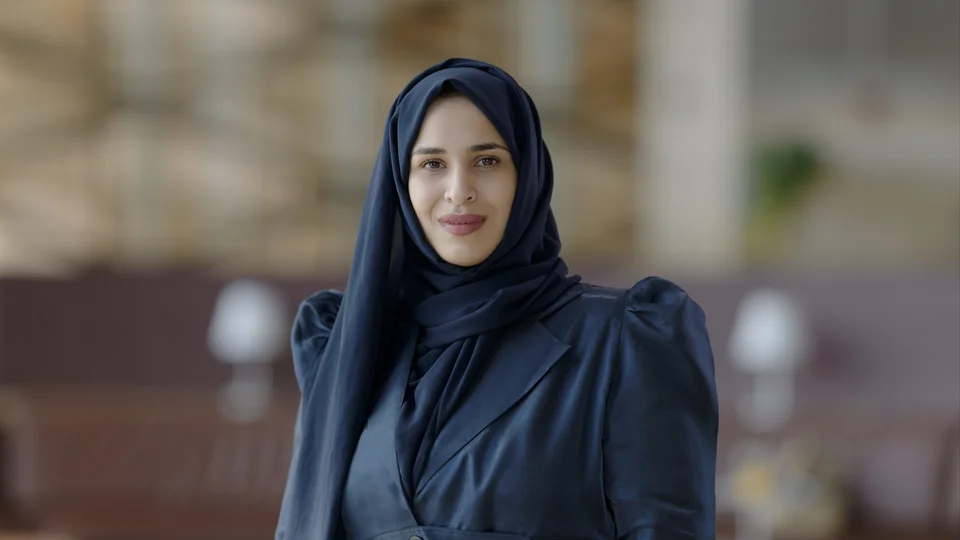
Rabab Alomairy
- Ibn Rushd Assistant Professor, Computer Science