Geospatial Data Science for Public Health Surveillance
This talk presents an overview of our research on innovative statistical methods and computational tools for geospatial data analysis and health surveillance, and how this work has directly informed strategic policy to reduce disease burden.
Overview
Geospatial health data are essential to inform public health decision-making and policy. These data can be used to understand geographic and temporal patterns, identify risk factors, measure inequalities, and quickly detect outbreaks. In this talk, I will give an overview of statistical methods and computational tools for geospatial data analysis and health surveillance. I will discuss models for infectious disease nowcasting and forecasting, with a particular focus on dengue surveillance in Brazil during the 2024 dengue epidemic, highlighting challenges related to data biases and availability. I will also present modeling advancements to integrate complex health, climate, and digital data sources at multiple spatial and temporal resolutions to predict disease risk and environmental variables. Finally, I will discuss the importance of effective communication and dissemination to inform policymaking and improve population health.
Presenters
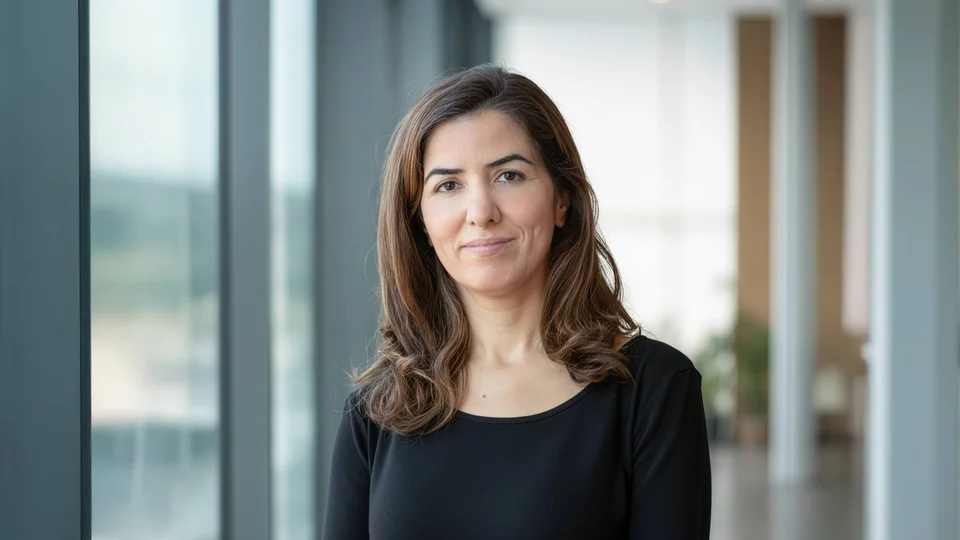
Paula Moraga, Associate Professor, Statistics
Brief Biography
Paula Moraga is an associate professor of Statistics at KAUST and the principal investigator of the GeoHealth research group. Before joining KAUST in 2020, she held academic statistics positions at Lancaster University, Harvard School of Public Health, London School of Hygiene & Tropical Medicine, Queensland University of Technology and the University of Bath. She received a Ph.D. in statistics from the University of Valencia and a master’s in biostatistics from Harvard University.
Moraga’s research focuses on developing innovative statistical methods and computational tools for geospatial data analysis and health surveillance. She has developed modeling architectures to identify targets for intervention for diseases such as malaria in Africa, leptospirosis in Brazil and cancer in Australia. Additionally, she has created several R packages for Bayesian risk modeling, cluster detection and travel-related spread of disease.
Her work has directly informed strategic policy in reducing the burden of diseases such as malaria and cancer in several countries. Moraga has published extensively in leading journals and authored the books "Geospatial Health Data" and "Spatial Statistics for Data Science." In 2023, she received the Letten Prize from the Letten Foundation and the Young Academy of Norway for her pioneering research in disease surveillance and her contributions to sustainable health and environmental solutions globally.