New research tool for precision substance delivery in plants
A reusable system combines microneedles with a miniature pump to deliver chemical and biological substances into specific regions of living plants, giving researchers greater control over experiments.
About
- Precise delivery of substances is essential for studying how plants respond to different treatments.
- The new device uses microneedles to access selected regions of a leaf, while an externally controlled pump regulates fluid delivery.
- This method could support plant biotechnology and the development of systems that use signals from plants to trigger targeted delivery.
Why do researchers need targeted delivery into plants?
To understand how plants respond to a chemical or biological substance, researchers often need to introduce it into a particular region of tissue and observe the response.
Common laboratory methods can require manual application or expose larger areas than intended. This makes it harder to control precisely where and when a substance reaches the desired tissue.
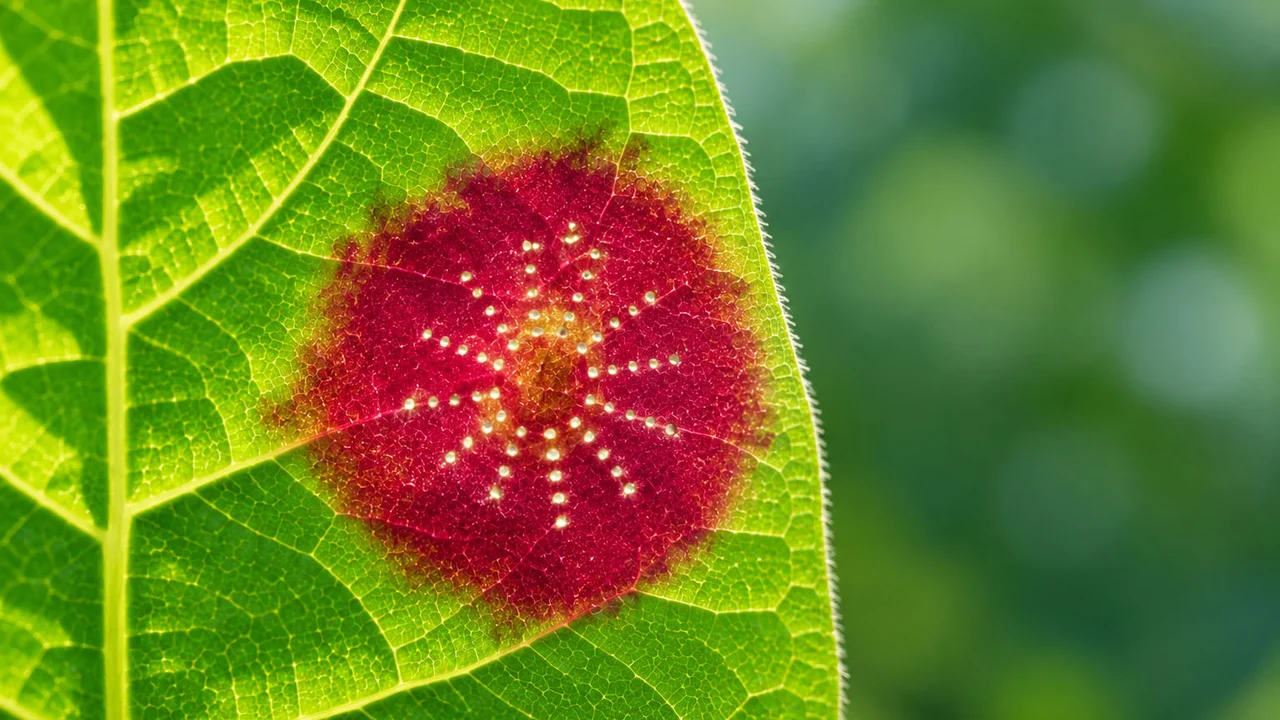
KAUST researchers have developed a system called a phytoinjector that combines tiny needles with a lightweight pump. This device enables researchers to deliver substances into defined regions of living leaves and control the process externally[1].
How do the needles and pump work together?
The device uses an array of microneedles with open channels running along their sides. These channels carry fluid from an external supply into the leaf through several predefined access points.
A miniature pump drives the fluid. It uses a small speaker to move a flexible silicone membrane, pushing liquid through the system. Adjusting the applied voltage and the frequency of this movement changes the pump’s output.
Read the full story on KAUST Discovery.