
Causal Reasoning in Medical Digital Twins: Methods and Architectures
This dissertation develops a principled computational framework for causal reasoning in Medical digital twins (MDT) systems, moving beyond correlation-driven approaches toward explainable and biologically grounded decision support.
Overview
Medical digital twins (MDTs) offer a promising paradigm for personalized medicine. The proposed framework, DeepCARES-DT, integrates genetic, clinical, and knowledge-based components within a unified multi-layered architecture. It combines risk aggregation from genetic data, causal discovery from clinical biomarkers, and large-scale knowledge graph integration, enabling structured representation of biomedical evidence. A causal-oriented reasoning agent further supports interpretable exploration and explanation of these relationships, while graph-based models incorporate causal structure into clinical prediction.
Validation on real-world clinical data demonstrates improved predictive performance. Overall, this work provides a computational blueprint for developing interpretable, causally informed AI systems for personalized risk assessment and precision medicine.
Presenters
Brief Biography
Sakhaa Alsaedi is a Ph.D. graduate in Computer Science at King Abdullah University of Science and Technology (KAUST), under the supervision of Prof. Xin Gao and Prof. Takashi Gojobori. She received her bachelor’s degree in Computer Science from Taibah University in 2018 and her master’s degree in Computer Science from KAUST in 2020. She is the founder of the Medvation startup company, inventing educational kits that teach children concepts of robotics and Machine Learning (ML) in fun ways. She worked as a product developer at the Namma Al-Munawara company, Madinah.
Related People
Related Researchers
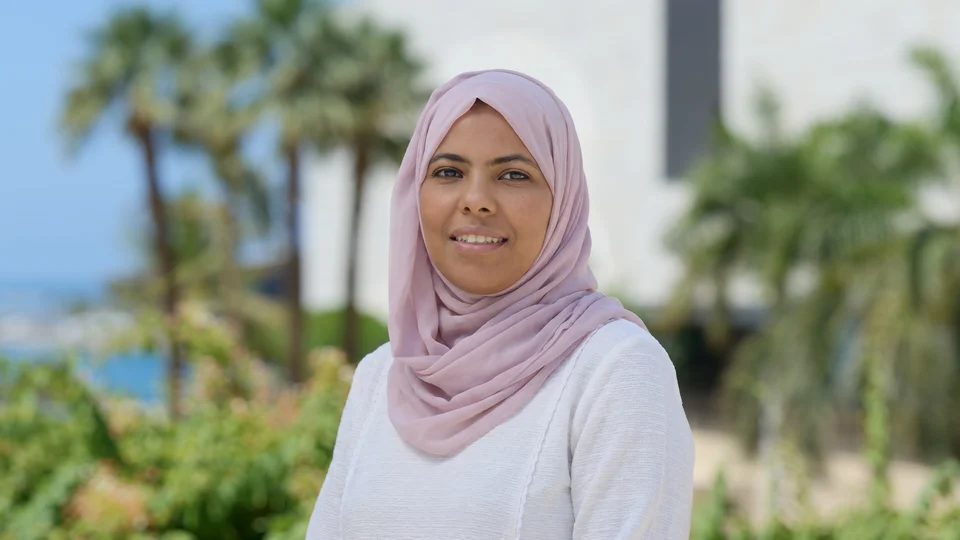
Sakhaa Alsaedi
- Ph.D. (former), Computer Science
Advisors
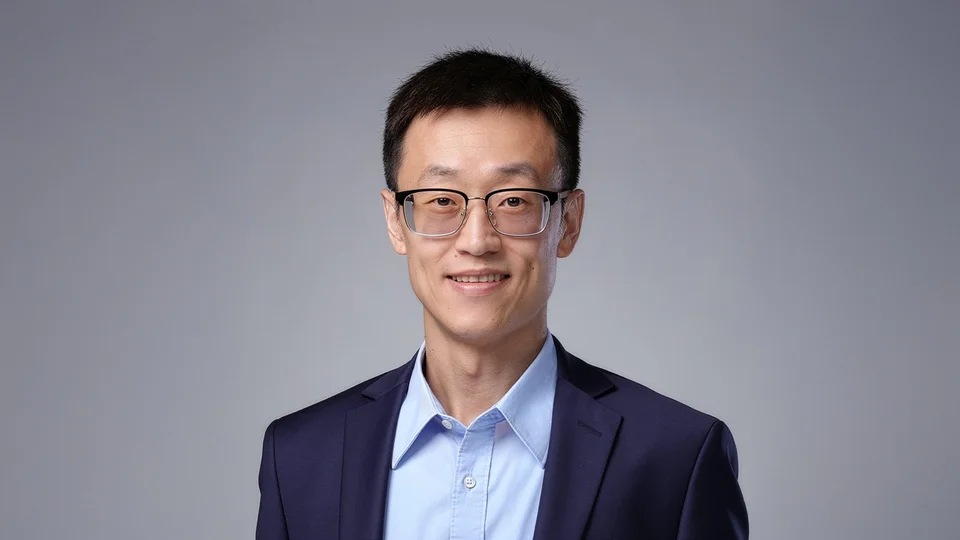

Takashi Gojobori
- Ibn Sina Distinguished Professor (former), Bioscience