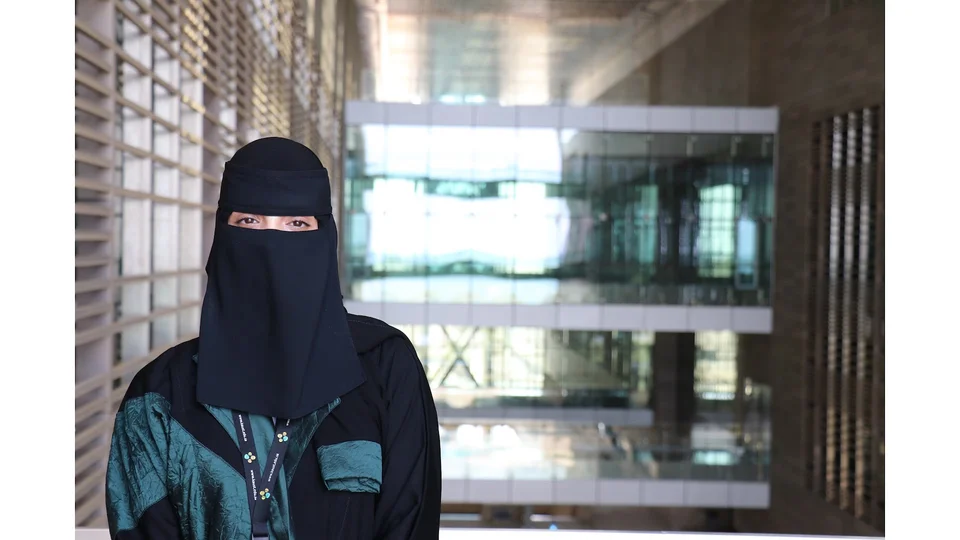
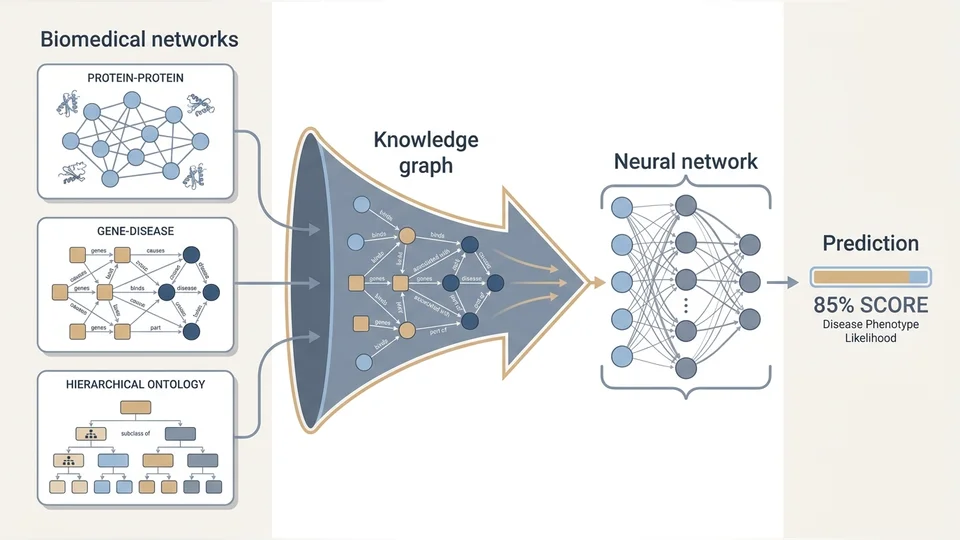
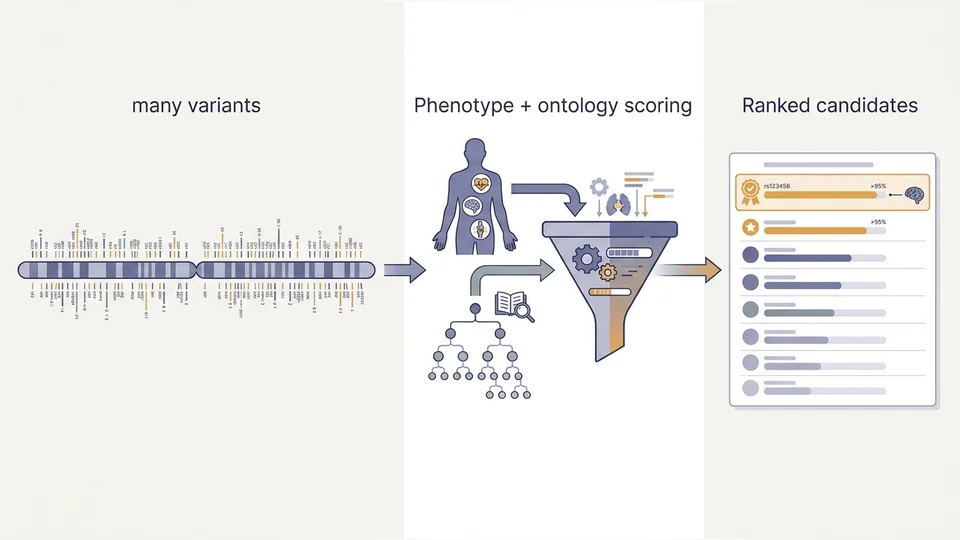
About Azza Althagafi Azza Althagafi Ph.D. Student (former), Computer Science Biomedical Informatics artificial intelligence machine learning data mining Azza Althagafi is a Ph.D. candidate in the Bio-Ontology Research Group (BORG) at King Abdullah University of Science and Technology (KAUST) under the supervision of Professor Robert Hoehndorf. Professional Profile 2016 to present Graduate Student, KAUST, Thuwal, Saudi Arabia. 2015 - 2016: Teaching Assistant, Taif University, Taif, Saudi Arabia. 2014 – 2015: Volunteer Teaching Assistant, Umm Al-Qura University, Makkah, Saudi Arabia. 2013 – 2016: Assistant Trainer, Mawhiba, The King Abdulaziz and His Companions' Foundation for Giftedness and Creativity, Makkah, Saudi Arabia. Scientific and Projects Related Projects 2021 IBNSINA-QI: Integrating Biomedical Networks and Semantic Information for Neural network Analysis of Quantitative Information Fri, Jan 1 2021 - Sun, Dec 31 2023 Applied Ontology Neuro-Symbolic AI Rare disease Biological measurements are inherently high-dimensional and heterogeneous: omics platforms produce thousands to millions of features per individual, and they coexist with qualitative information such as diagnoses, phenotype calls, and prescriptions. Biomedical ontologies and knowledge graphs encode rich qualitative background knowledge, but they are largely disconnected from the quantitative measurements that gave rise to the categorical phenotypes in the first place. Conversely, graph neural networks and other methods that handle quantitative data on graphs do not yet exploit the formal 2019 CompleX: Variant Prioritization in Complex Disease Tue, Jan 1 2019 - Fri, Dec 31 2021 Applied Ontology Neuro-Symbolic AI Rare disease Semantic similarity The hardest cases in clinical genome sequencing are the ones where no single variant explains the disease. As Mendelian gene discovery slows and the diagnostic rate for whole-exome sequencing stalls below 50%, growing evidence points to oligogenic and polygenic origins: combinations of medium-rare or common alleles that, individually, look unremarkable. Population-level approaches lack the power to find them, and traditional single-gene Mendelian reasoning ignores them. The CompleX project (2019–2021, with the Universities of Cambridge and Birmingham) set out to break this impasse by extending
IBNSINA-QI: Integrating Biomedical Networks and Semantic Information for Neural network Analysis of Quantitative Information Fri, Jan 1 2021 - Sun, Dec 31 2023 Applied Ontology Neuro-Symbolic AI Rare disease Biological measurements are inherently high-dimensional and heterogeneous: omics platforms produce thousands to millions of features per individual, and they coexist with qualitative information such as diagnoses, phenotype calls, and prescriptions. Biomedical ontologies and knowledge graphs encode rich qualitative background knowledge, but they are largely disconnected from the quantitative measurements that gave rise to the categorical phenotypes in the first place. Conversely, graph neural networks and other methods that handle quantitative data on graphs do not yet exploit the formal
CompleX: Variant Prioritization in Complex Disease Tue, Jan 1 2019 - Fri, Dec 31 2021 Applied Ontology Neuro-Symbolic AI Rare disease Semantic similarity The hardest cases in clinical genome sequencing are the ones where no single variant explains the disease. As Mendelian gene discovery slows and the diagnostic rate for whole-exome sequencing stalls below 50%, growing evidence points to oligogenic and polygenic origins: combinations of medium-rare or common alleles that, individually, look unremarkable. Population-level approaches lack the power to find them, and traditional single-gene Mendelian reasoning ignores them. The CompleX project (2019–2021, with the Universities of Cambridge and Birmingham) set out to break this impasse by extending
Related Sites Bio-Ontology Research Group (BORG) Computer Science (CS) Related Content Articles 2 Projects 2 Events 3 Related Links Also view Publications in the KAUST Repository. Personal Website