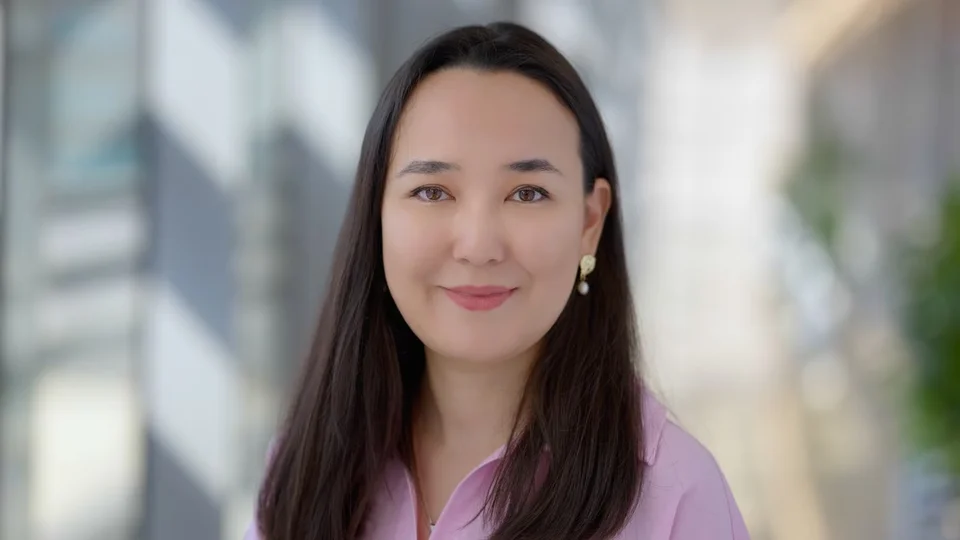
About Kamilya Smagulova Kamilya Smagulova Postdoctoral Research Fellow (former), Communication and Computing Systems Lab machine learning memristors neural network accelerator Education and early career Kamilya received her bachelor degree in Radio Engineering and Telecommunications from Almaty University of Power Engineering and Telecommunications (2008) and masters degree in Nanotechnology from University College London (2011). In 2021 she obtained her PhD degree in Electrical and Computer Engineering from Nazarbayev University. Currently Kamilya is a postdoctoral fellow at Communication and Computing Systems Lab (CCSL) under supervision of Prof. Ahmed Eltawil. Her research interests lie primarily in the area of machine learning and resistive hardware accelerators Projects Related Projects 2025 Efficient AI Across Edge, Near-Edge, and Cloud Thu, Sep 25 2025 Research Applied Artificial Intelligence Modern applications — smart cameras, self-driving cars, AR/VR headsets, on-device assistants — depend on increasingly large AI models. The catch is that the appetite of these models is growing far faster than the hardware meant to run them, especially at the edge. Closing that gap is not just a matter of building bigger chips; it requires rethinking where each part of a model executes across the devices a user actually has access to. Our work develops two complementary frameworks that address this directly. DONNA decides how to split a model across heterogeneous devices — CPUs, GPUs, and
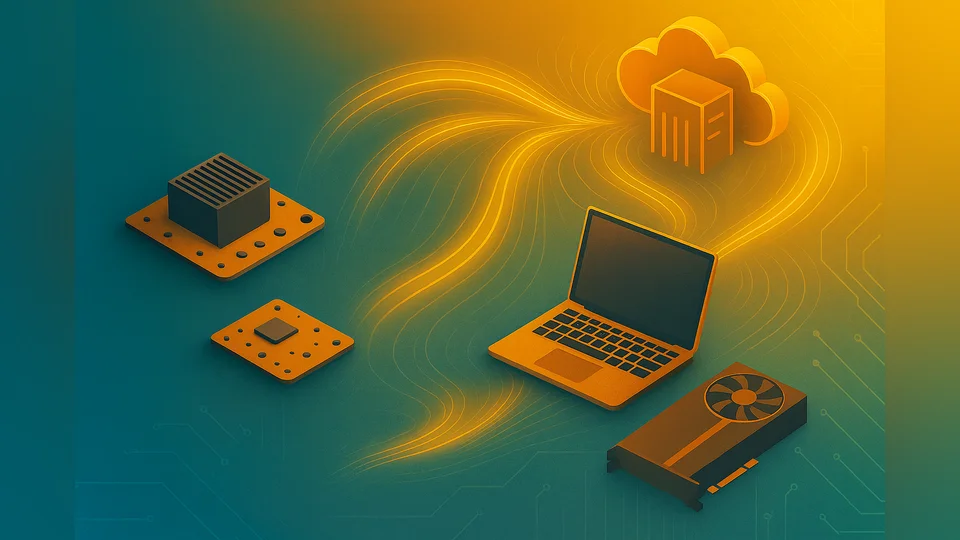
Efficient AI Across Edge, Near-Edge, and Cloud Thu, Sep 25 2025 Research Applied Artificial Intelligence Modern applications — smart cameras, self-driving cars, AR/VR headsets, on-device assistants — depend on increasingly large AI models. The catch is that the appetite of these models is growing far faster than the hardware meant to run them, especially at the edge. Closing that gap is not just a matter of building bigger chips; it requires rethinking where each part of a model executes across the devices a user actually has access to. Our work develops two complementary frameworks that address this directly. DONNA decides how to split a model across heterogeneous devices — CPUs, GPUs, and
Engage ORCID ShareClipboard Related Sites Communication and Computing Systems Lab (CCSL) Related Content Projects 1