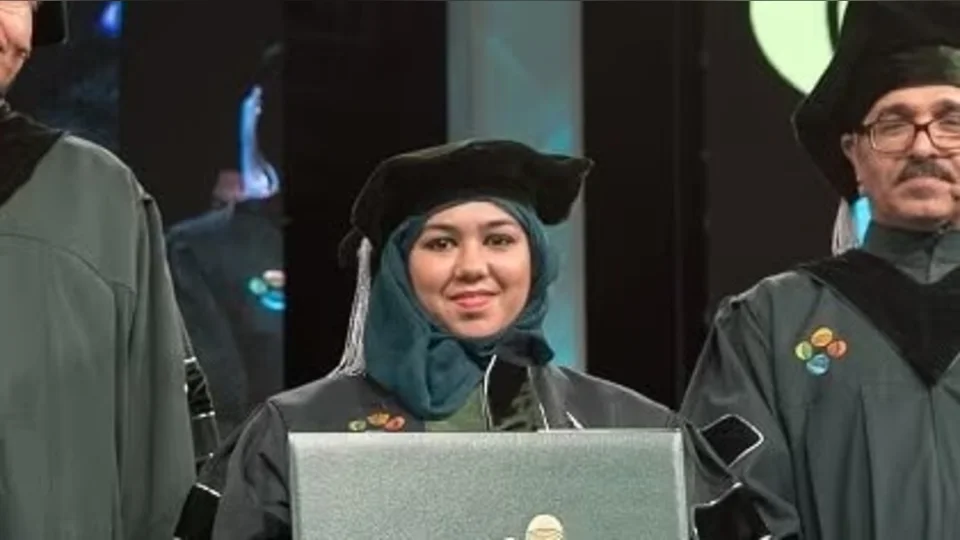
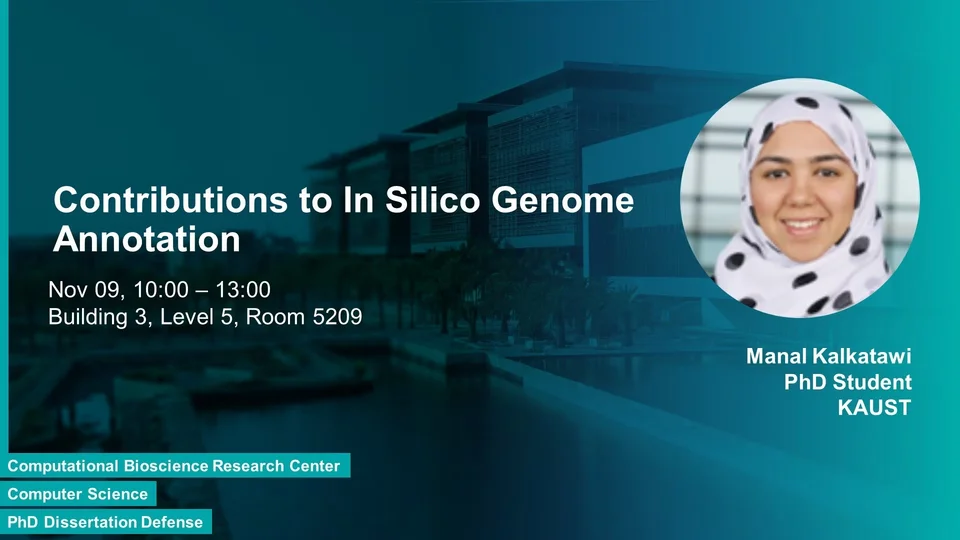
About Manal Kalkatawi Manal Kalkatawi Ph.D., Computer Science Manal Kalkatawi obtained her PhD Degree in Computer Science with specialization in Bioinformatics. She has an extensive experience in many disciplines related to bioinformatics, but mainly in genomic signals recognition and genome assembly and annotation. She is a hard-working and self-motivated team player with strong interpersonal skills and positive work ethics. Her work has been published in several high impact bioinformatics journals. Research Interests Manal research interests are in Bioinformatics more specifically in genome analysis, genomic signals recognition and genomic sequences Events Presented Events Nov 5 - Nov 11, 2017 Contributions to In Silico Genome Annotation Manal Kalkatawi, Ph.D., Computer Science Nov 9, 10:00 - 13:00 B3 L5 R5209 bioinformatics data mining machine learning Deep learning genomics Abstract Genome annotation is an important topic since it provides information for the foundation of downstream genomic and biological research. It is considered as a way of summarizing part of existing knowledge about the genomic characteristics of an organism. Annotating different regions of a genome sequence is known as structural annotation while identifying functions of these regions are considered as a functional annotation. In silico approaches can facilitate both tasks that otherwise would be difficult and time-consuming. This study contributes to genome annotation by introducing
Contributions to In Silico Genome Annotation Manal Kalkatawi, Ph.D., Computer Science Nov 9, 10:00 - 13:00 B3 L5 R5209 bioinformatics data mining machine learning Deep learning genomics Abstract Genome annotation is an important topic since it provides information for the foundation of downstream genomic and biological research. It is considered as a way of summarizing part of existing knowledge about the genomic characteristics of an organism. Annotating different regions of a genome sequence is known as structural annotation while identifying functions of these regions are considered as a functional annotation. In silico approaches can facilitate both tasks that otherwise would be difficult and time-consuming. This study contributes to genome annotation by introducing