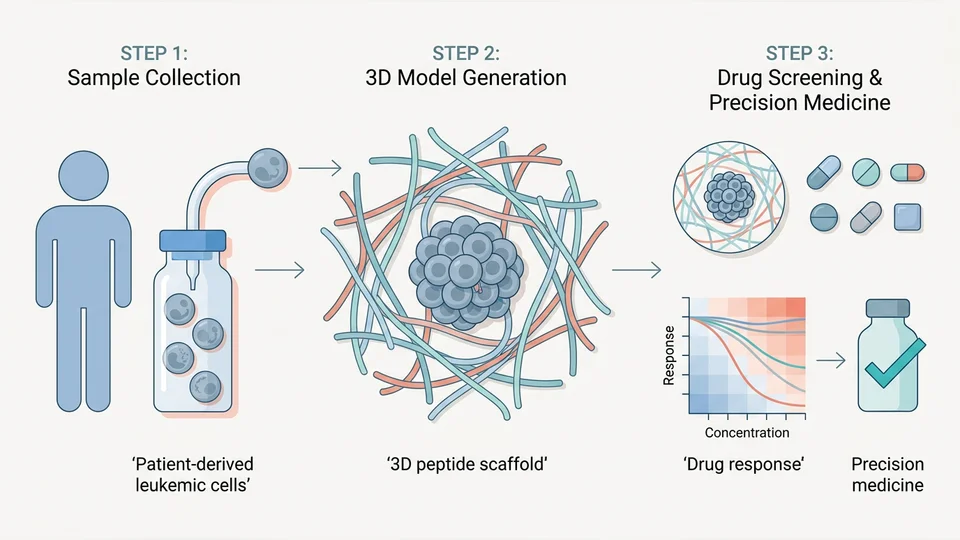
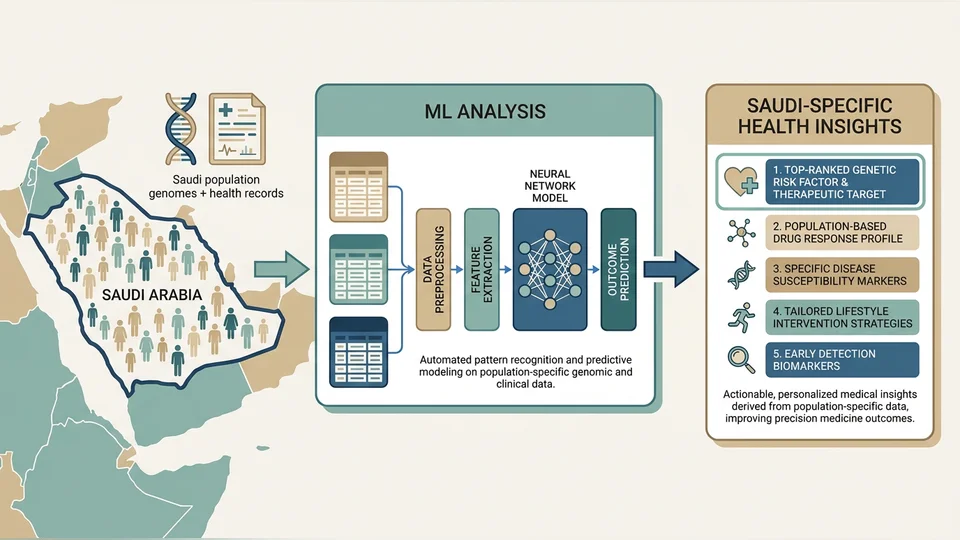
About Yang Liu Yang Liu Ph.D. Student (former), Computer Science bioinformatics data analysis machine learning Yang Liu is an M.S./Ph.D. candidate in the KAUST Bio-Ontology research group under the supervision of Professor Robert Hoehndorf. Before joining KAUST. Research Interests Yang's interests include bioinformatics, machine learning and human genomics. She is interested in building models for human disease diagnosis and prognosis, especially for cancer, and applying statistical methods to analyze human omics data. Education Profile B.Sc, Bioengineering, Harbin Institute of Technology, Harbin, China, 2016-2020. M.Sc, Bioengineering, King Abdullah University of Science and Technology, Thuwal, Saudi Projects Related Projects 2023 Disease Models from Patient-derived Leukemic Cells in Biomimetic Peptide Scaffolds for Precision Medicine Applications Sun, Jan 1 2023 - Thu, Dec 31 2026 Neuro-Symbolic AI Rare disease Acute myeloid leukemia (AML) has a five-year survival rate of roughly 24% in Saudi Arabia and is the second most common adult leukemia subtype in the Kingdom. Treatment selection still rests on cytogenetic risk stratification — a coarse instrument that misses much of the molecular heterogeneity now known to drive drug response. Compounding the problem, almost every published AML drug-response prediction model has been trained on Western cohorts, and existing 3D culture systems for leukemia rely on animal-derived matrices that resist standardization. This project (2023–2026, KAUST Smart-Health 2019 Improving health of Saudi population Tue, Jan 1 2019 - Fri, Dec 31 2021 Neuro-Symbolic AI Rare disease Translating modern biomedical knowledge into healthcare for Saudi Arabia requires methods that work on local data: a population with high consanguinity, a distinctive spectrum of inborn errors of metabolism, and clinical phenotypes that are not always well represented in international reference resources. The project, led by Hoehndorf at KAUST's Computational Bioscience Research Center (CBRC, now dissolved), developed health-informatics methods and resources oriented towards Saudi-population data, with a focus on rare disease, drug treatment, and the formal representation of phenotype
Disease Models from Patient-derived Leukemic Cells in Biomimetic Peptide Scaffolds for Precision Medicine Applications Sun, Jan 1 2023 - Thu, Dec 31 2026 Neuro-Symbolic AI Rare disease Acute myeloid leukemia (AML) has a five-year survival rate of roughly 24% in Saudi Arabia and is the second most common adult leukemia subtype in the Kingdom. Treatment selection still rests on cytogenetic risk stratification — a coarse instrument that misses much of the molecular heterogeneity now known to drive drug response. Compounding the problem, almost every published AML drug-response prediction model has been trained on Western cohorts, and existing 3D culture systems for leukemia rely on animal-derived matrices that resist standardization. This project (2023–2026, KAUST Smart-Health
Improving health of Saudi population Tue, Jan 1 2019 - Fri, Dec 31 2021 Neuro-Symbolic AI Rare disease Translating modern biomedical knowledge into healthcare for Saudi Arabia requires methods that work on local data: a population with high consanguinity, a distinctive spectrum of inborn errors of metabolism, and clinical phenotypes that are not always well represented in international reference resources. The project, led by Hoehndorf at KAUST's Computational Bioscience Research Center (CBRC, now dissolved), developed health-informatics methods and resources oriented towards Saudi-population data, with a focus on rare disease, drug treatment, and the formal representation of phenotype
Engage ORCID ShareClipboard Related Sites Biological and Environmental Science and Engineering (BESE) Bio-Ontology Research Group (BORG) Computer Science (CS) Related Content Articles 1 Projects 2 Related Links Yang Liu on ORCID