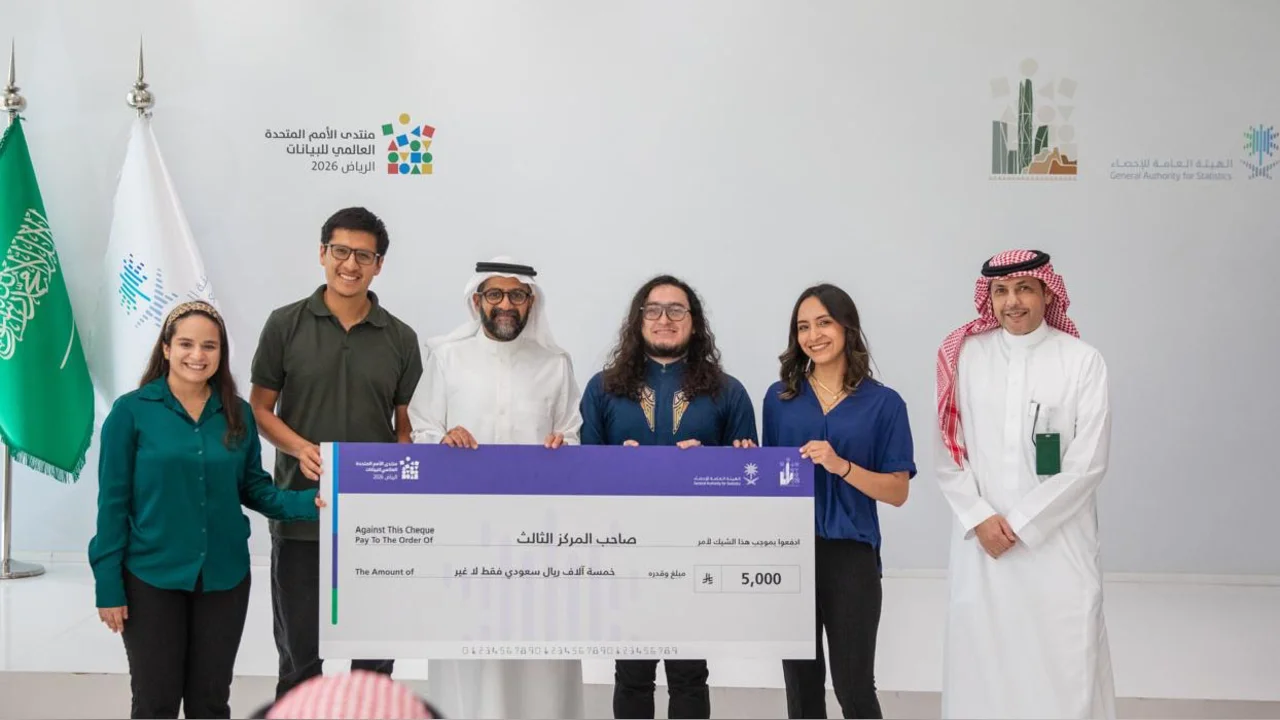
KAUST students earned third place at Saudi Arabia’s GASTAT Data Innovation Hackathon for developing “The Semantic Guardian,” an AI-powered system that detects inconsistencies in survey data in real time.
About
A single inconsistency in survey data may seem minor. But when thousands of responses shape national statistics, hidden errors can influence decisions tied to healthcare, transportation, public spending and national development strategies.
To help address this challenge, a team of students from King Abdullah University of Science and Technology (KAUST) developed “The Semantic Guardian,” an AI-powered system designed to identify subtle inconsistencies in survey responses in real time.
The initiative earned third place at the Data Innovation Hackathon in Riyadh, organized by Saudi Arabia’s General Authority for Statistics (GASTAT), where participants were tasked with developing technology-driven solutions using institutional data and public-sector use cases.
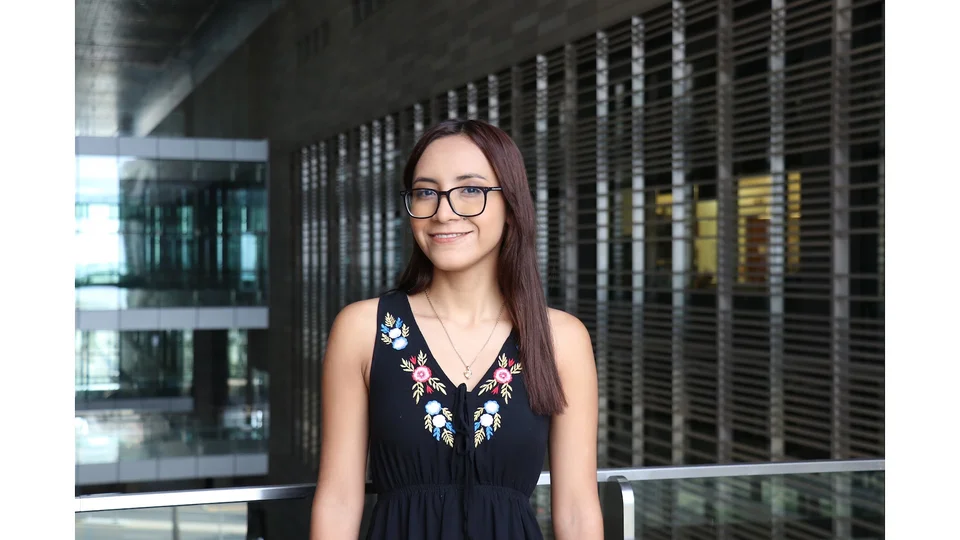
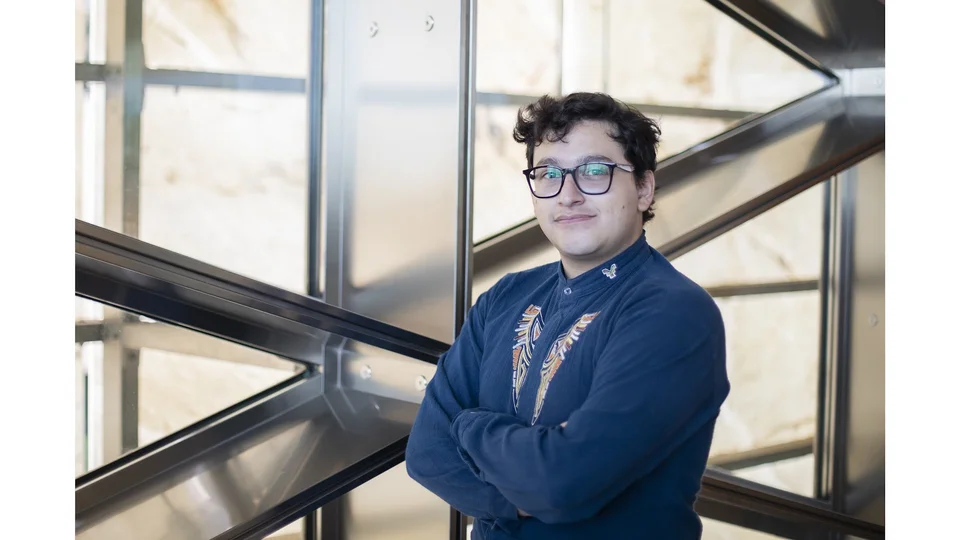
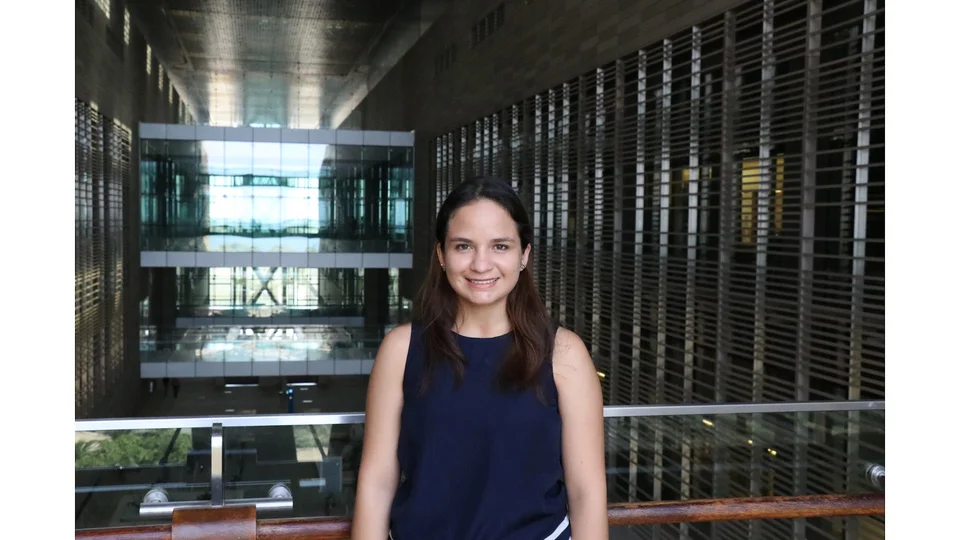
The project was developed by KAUST students Alejandra Lopez-Velazquez, Anthony Ramos-Cisneros, Fernando Zhapa-Camacho and María de los Ángeles Gómez-Castillo from the Computational Sciences Group and the Bio-Ontology Research Group at KAUST.
Real-time validation
The system analyzes relationships between responses as data is entered, helping detect contradictions that may otherwise be difficult to identify during large-scale survey collection. “The system reviews survey responses in real time and flags inconsistencies as data is entered, using AI to understand context rather than just check fixed rules,” said Fernando Zhapa-Camacho.
Beyond securing third place, the project also received recognition from GASTAT, which invited the team to further develop the solution for potential presentation at the upcoming United Nations Statistics Conference. “The recognition is an encouraging validation of our work,” said Alejandra Lopez-Velazquez. “If confirmed, we hope to continue strengthening the solution and present it at the conference as a meaningful contribution to the field.”
By helping improve the reliability of institutional datasets, the project contributes to broader efforts focused on data quality and statistical accuracy in Saudi Arabia.
“The trustworthiness of public data is central to good governance,” team member Anthony Ramos-Cisneros said. “Accurate data helps governments make better decisions and ensures statistics reflect real-world conditions.”