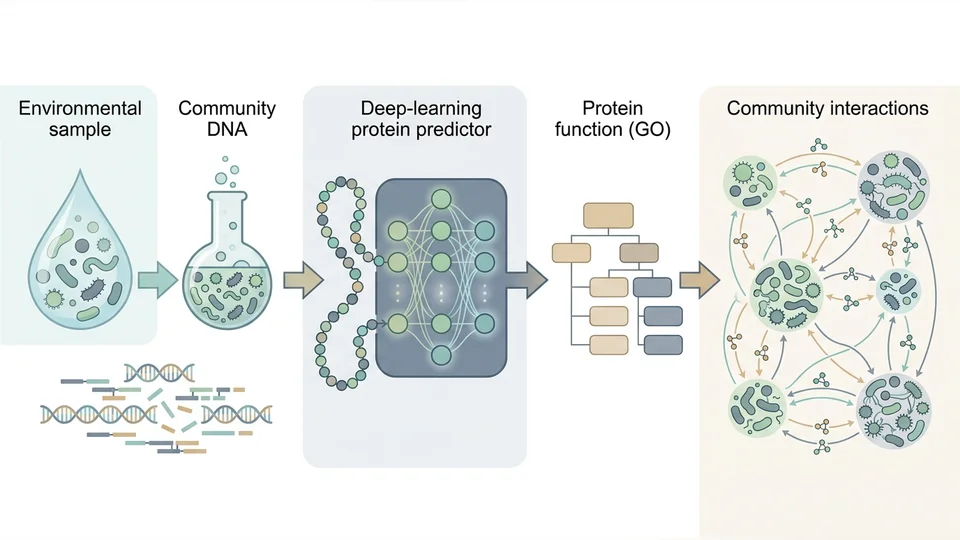
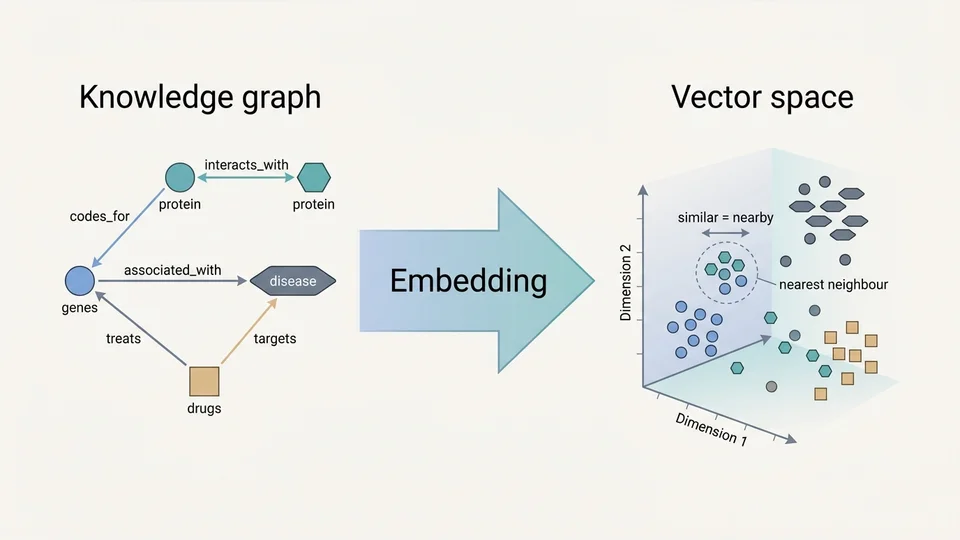
About Maxat Kulmanov Maxat Kulmanov Research Scientist (former), Bio-Ontology Research Group bioinformatics artificial intelligence machine learning neural network Semantic web Maxat Kulmanov is a Research Scientist in the Bio-Ontology Research Group at King Abdullah University of Science and Technology (KAUST). Research Interests Maxat's research interests include bioinformatics, knowledge representation and reasoning, machine learning, neural networks, semantic web, and algorithms. He is interested in knowledge discovery and data integration using artificial intelligence and semantic web technologies in biology and biomedicine. Professional Profile 2020-Present: Postdoctoral Research Fellow, Computational Bioscience Research Center, King Abdullah University of Projects Related Projects 2022 Computational methods for functional metagenomics: from protein functions to multi-scale interactions Sat, Jan 1 2022 - Tue, Dec 31 2024 Applied Ontology Microbial communities Neuro-Symbolic AI protein function Metagenomic sequencing has made it routine to read the DNA of an entire microbial community, but most analysis pipelines stop at taxonomic composition or at the level of individual protein families. The really biologically informative questions, which proteins do what, which proteins interact, which metabolic pathways are reconstructible, and how the community as a whole interacts with its environment or host, remain largely out of reach computationally. Even associations that are very robust empirically, for example between gut microbiome composition and colorectal cancer or inflammatory 2018 Bio2Vec: Smart analytics infrastructure for the life sciences Mon, Jan 1 2018 - Thu, Dec 31 2020 Applied Ontology Neuro-Symbolic AI Semantic similarity By the mid-2010s the life sciences had produced an extraordinary investment in machine-readable knowledge: biomedical ontologies were used throughout biology to annotate data, and large RDF knowledge graphs such as Bio2RDF aggregated billions of statements from dozens of major databases. At the same time, large personal genomic datasets, the UK 100,000 Genomes project, UK Biobank, and the Saudi Human Genome Program, were coming online, and translating these into clinical insight depended on integrating them with that existing background knowledge. Generic knowledge-graph machine learning
Computational methods for functional metagenomics: from protein functions to multi-scale interactions Sat, Jan 1 2022 - Tue, Dec 31 2024 Applied Ontology Microbial communities Neuro-Symbolic AI protein function Metagenomic sequencing has made it routine to read the DNA of an entire microbial community, but most analysis pipelines stop at taxonomic composition or at the level of individual protein families. The really biologically informative questions, which proteins do what, which proteins interact, which metabolic pathways are reconstructible, and how the community as a whole interacts with its environment or host, remain largely out of reach computationally. Even associations that are very robust empirically, for example between gut microbiome composition and colorectal cancer or inflammatory
Bio2Vec: Smart analytics infrastructure for the life sciences Mon, Jan 1 2018 - Thu, Dec 31 2020 Applied Ontology Neuro-Symbolic AI Semantic similarity By the mid-2010s the life sciences had produced an extraordinary investment in machine-readable knowledge: biomedical ontologies were used throughout biology to annotate data, and large RDF knowledge graphs such as Bio2RDF aggregated billions of statements from dozens of major databases. At the same time, large personal genomic datasets, the UK 100,000 Genomes project, UK Biobank, and the Saudi Human Genome Program, were coming online, and translating these into clinical insight depended on integrating them with that existing background knowledge. Generic knowledge-graph machine learning
Engage ORCID ShareClipboard Related Sites Bio-Ontology Research Group (BORG) Computer Science (CS) Related Content Articles 11 Projects 2 Events 2 Related Links Publications list on ORCID Also view Publications in the KAUST Repository Publications on Google Scholar Dblp Computer science bibliography