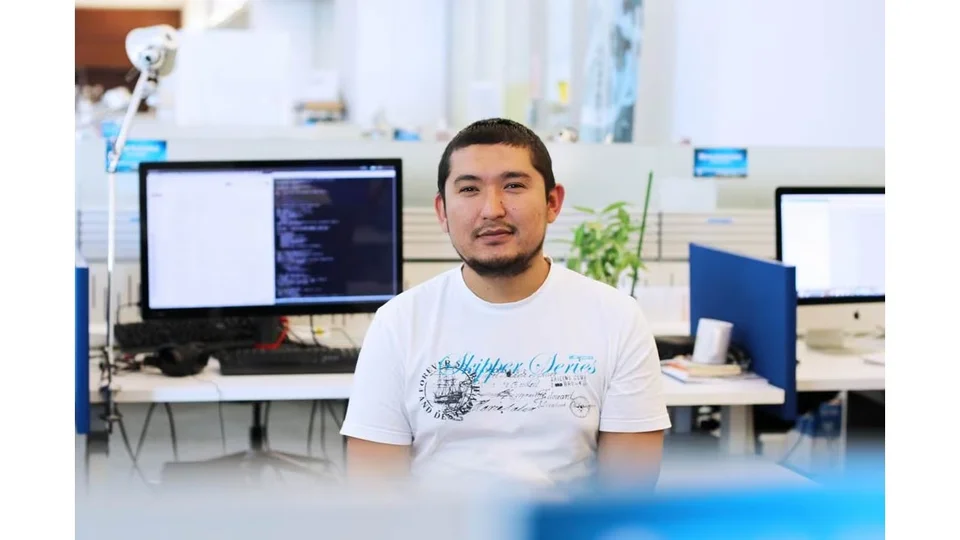
About Maxat Kulmanov Maxat Kulmanov Research Scientist (former), Bio-Ontology Research Group bioinformatics artificial intelligence machine learning neural network Semantic web Maxat Kulmanov is a Research Scientist in the Bio-Ontology Research Group at King Abdullah University of Science and Technology (KAUST). Research Interests Maxat's research interests include bioinformatics, knowledge representation and reasoning, machine learning, neural networks, semantic web, and algorithms. He is interested in knowledge discovery and data integration using artificial intelligence and semantic web technologies in biology and biomedicine. Professional Profile 2020-Present: Postdoctoral Research Fellow, Computational Bioscience Research Center, King Abdullah University of Articles Related News June 2026 New publication uses ontology reasoning to evaluate genome-scale function annotations 2 min read · Tue, Jun 30 2026 News Our new paper in Briefings in Bioinformatics uses the Gene Ontology, GO-Plus and logical constraints to evaluate whether genome-scale function annotations are complete, coherent and consistent. September 2025 AI speeds up human embryo model research 1 min read · Thu, Sep 11 2025 News Clip News genome genome sequencing precision medicine genetics smart health AI AI for healthcare Deep-learning tool outperforms human experts at classifying lab-grown embryo-like structures, enabling advances in developmental biology and drug discovery. February 2024 AI tool predicts function of unknown proteins 2 min read · Sun, Feb 18 2024 News artificial intelligence bioinformatics biotechnology Powered by logic and large language models, DeepGO-SE predicts the biological role of proteins and could be used to aid drug discovery. October 2022 BORG team win at the KAUST-NVIDIA GPU Hackathon 2022 2 min read · Sun, Oct 16 2022 News machine learning ontology artificial intelligence GPU Congratulations to Senay Kafkas, Maxat Kulmanov and Fernando Zhapa Camacho of the Bio-Ontology Research Group (BORG) on winning at the KAUST-NVIDIA GPU Hackathon 2022. The 8th edition of the Hackathon on Accelerating Scientific Applications using Graphical Processing Units (GPUs) was held at King Abdullah University of Science and Technology (KAUST), twelve teams of students and researchers enjoyed the opportunity to accelerate their codes in GPU’s under the guidance of expert mentors of NVIDIA, Codee, KAUST Supercomputing Lab (KSL) and KAUST core labs. July 2020 Studying COVID-19’s envelope protein 1 min read · Tue, Jul 28 2020 News COVID-19 human health genomics A likeness between genes of the SARS and COVID-19 viruses could inform research into potential treatments. October 2019 Symbol of change for AI development 1 min read · Sun, Oct 20 2019 News artificial intelligence Computer science Bridging the knowledge gap in artificial intelligence requires an embedding function that helps step between different types of "thinking." August 2018 CBRC goes to ECCB 2018 3 min read · Thu, Aug 9 2018 News Computational biology Nanopore Sequencing cwDTW algorithm ontology phenotypes SmuDGE The European Conference on Computational Biology (ECCB) is one of the most important conferences in the field of bioinformatics and computational biology. Held in a different European city annually, this year's conference will take place in the historic city of Athens, Greece on September 8-12, 2018. July 2018 Maxat Kulmanov defends his thesis proposal 1 min read · Tue, Jul 31 2018 News bioinformatics artificial intelligence neural network Semantic web machine learning Maxat Kulmanov, a Ph.D. candidate under the supervision of Assistant Professor Robert Hoehndorf, defended his thesis proposal on July 31, 2018. December 2017 BORG students present research in KAUST Research Conference on Big Data Analyses in Evolutionary Biology 1 min read · Tue, Dec 12 2017 News Two students from the Bio-Ontology Research Group presented their research at KAUST Research Conference on Big Data Analyses in Evolutionary Biology. October 2017 Congratulations to Ph.D. student Maxat Kulmanov for new publication 1 min read · Thu, Oct 5 2017 News Ph.D. student Maxat Kulmanov's paper, "DeepGO: predicting protein functions from sequence and interactions using a deep ontology-aware classifier" was recently published in Bioinformatics. Authored News June 2026 New publication uses ontology reasoning to evaluate genome-scale function annotations 2 min read · Tue, Jun 30 2026 News Our new paper in Briefings in Bioinformatics uses the Gene Ontology, GO-Plus and logical constraints to evaluate whether genome-scale function annotations are complete, coherent and consistent.
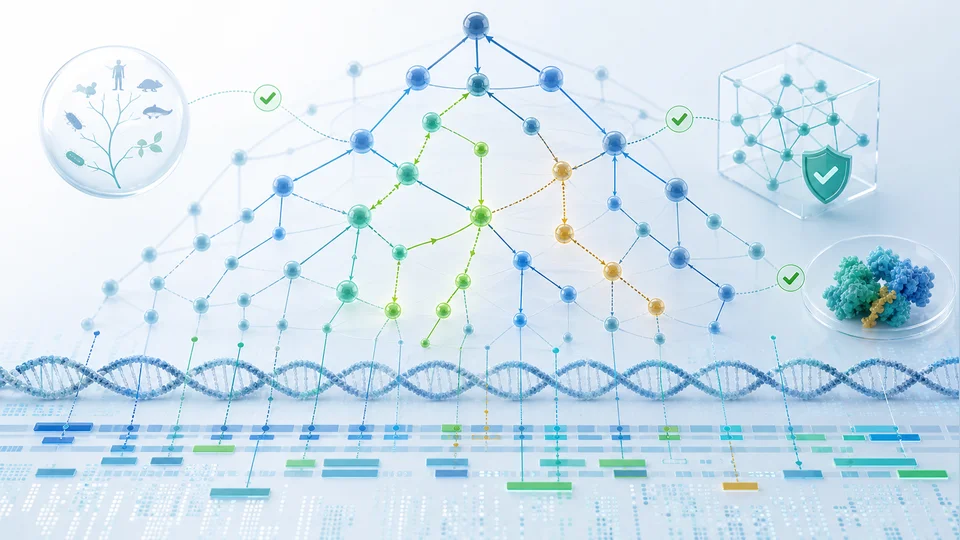
New publication uses ontology reasoning to evaluate genome-scale function annotations 2 min read · Tue, Jun 30 2026 News Our new paper in Briefings in Bioinformatics uses the Gene Ontology, GO-Plus and logical constraints to evaluate whether genome-scale function annotations are complete, coherent and consistent.
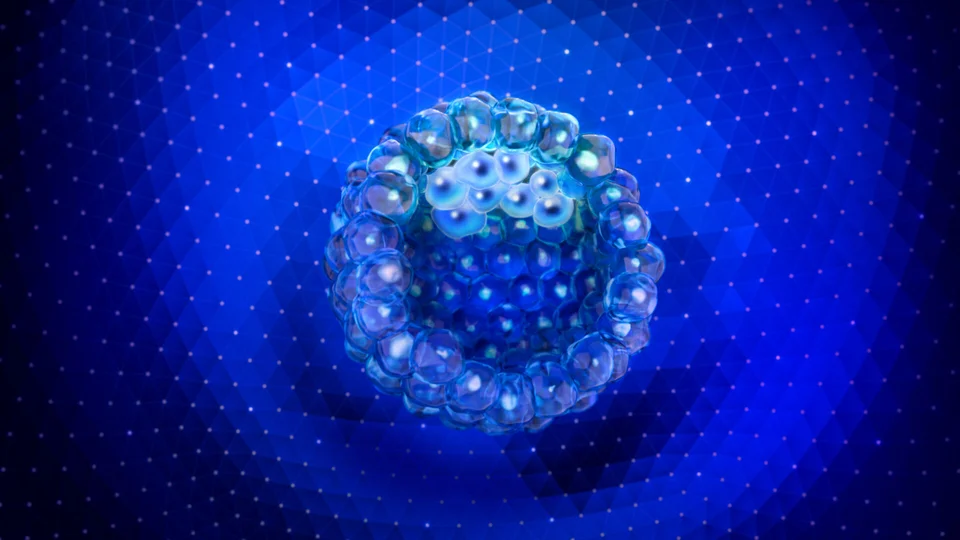
AI speeds up human embryo model research 1 min read · Thu, Sep 11 2025 News Clip News genome genome sequencing precision medicine genetics smart health AI AI for healthcare Deep-learning tool outperforms human experts at classifying lab-grown embryo-like structures, enabling advances in developmental biology and drug discovery.
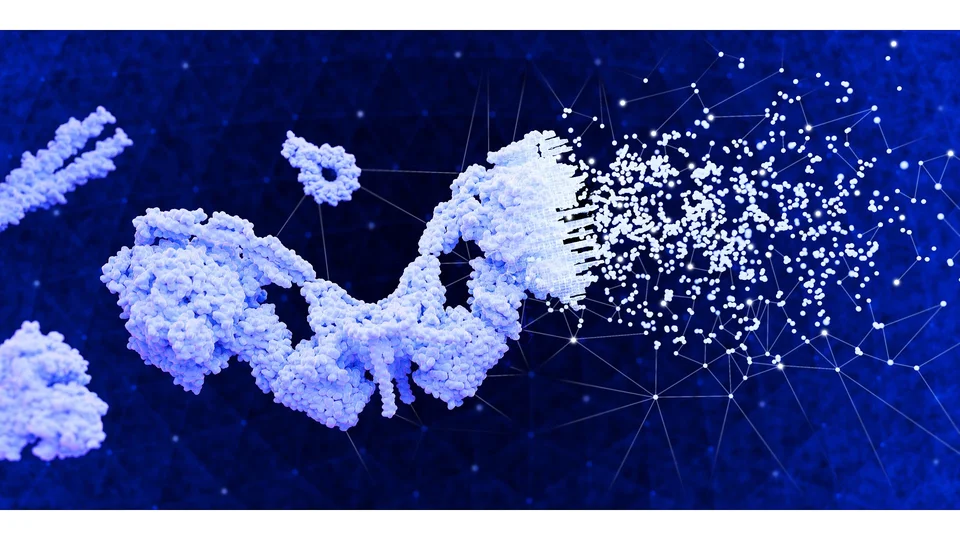
AI tool predicts function of unknown proteins 2 min read · Sun, Feb 18 2024 News artificial intelligence bioinformatics biotechnology Powered by logic and large language models, DeepGO-SE predicts the biological role of proteins and could be used to aid drug discovery.
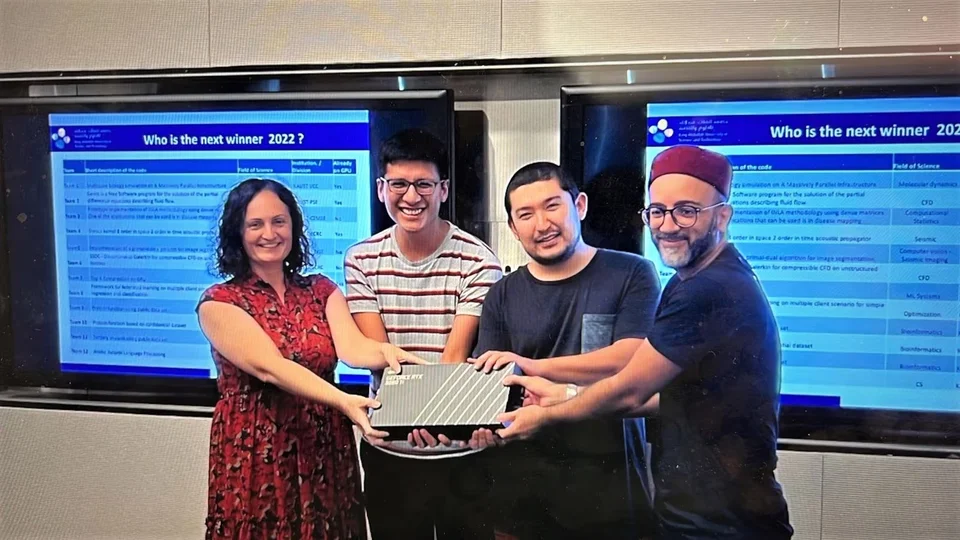
BORG team win at the KAUST-NVIDIA GPU Hackathon 2022 2 min read · Sun, Oct 16 2022 News machine learning ontology artificial intelligence GPU Congratulations to Senay Kafkas, Maxat Kulmanov and Fernando Zhapa Camacho of the Bio-Ontology Research Group (BORG) on winning at the KAUST-NVIDIA GPU Hackathon 2022. The 8th edition of the Hackathon on Accelerating Scientific Applications using Graphical Processing Units (GPUs) was held at King Abdullah University of Science and Technology (KAUST), twelve teams of students and researchers enjoyed the opportunity to accelerate their codes in GPU’s under the guidance of expert mentors of NVIDIA, Codee, KAUST Supercomputing Lab (KSL) and KAUST core labs.
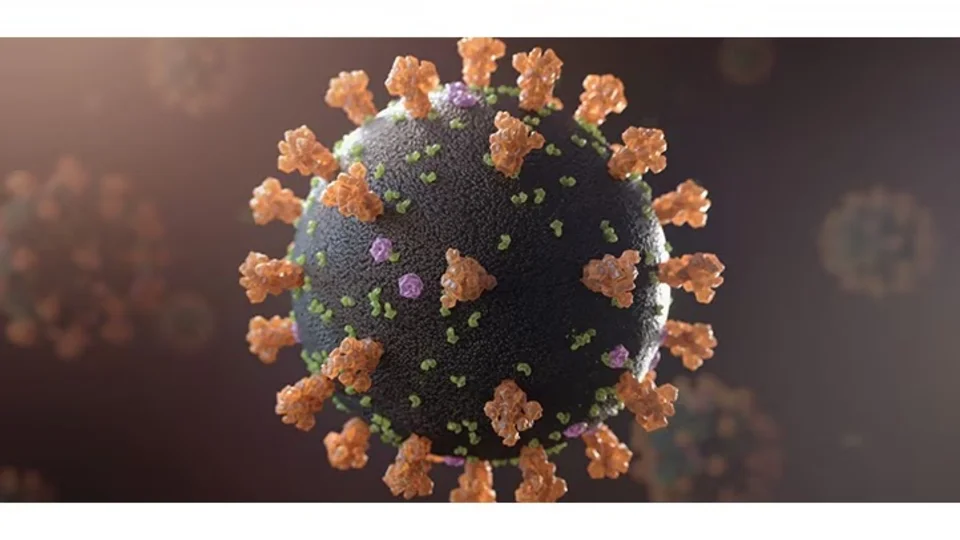
Studying COVID-19’s envelope protein 1 min read · Tue, Jul 28 2020 News COVID-19 human health genomics A likeness between genes of the SARS and COVID-19 viruses could inform research into potential treatments.
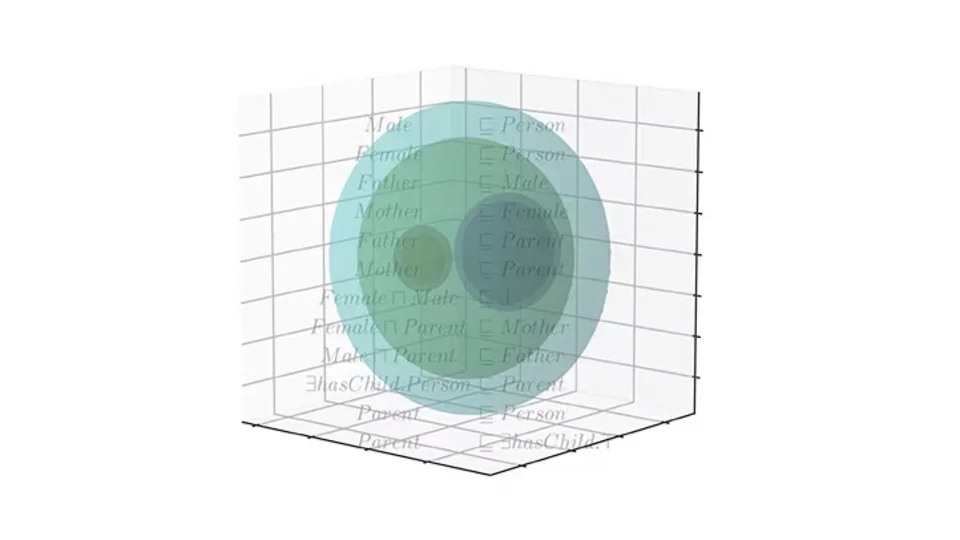
Symbol of change for AI development 1 min read · Sun, Oct 20 2019 News artificial intelligence Computer science Bridging the knowledge gap in artificial intelligence requires an embedding function that helps step between different types of "thinking."
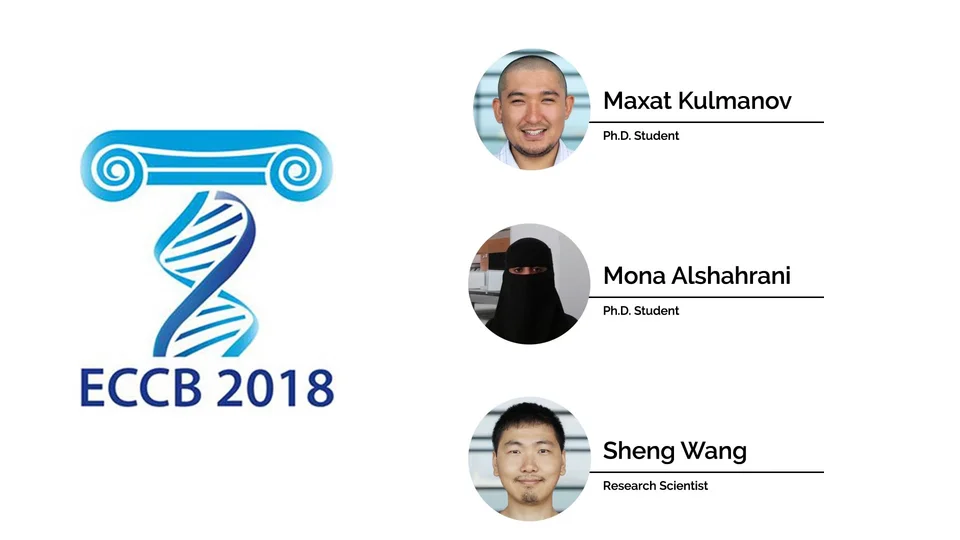
CBRC goes to ECCB 2018 3 min read · Thu, Aug 9 2018 News Computational biology Nanopore Sequencing cwDTW algorithm ontology phenotypes SmuDGE The European Conference on Computational Biology (ECCB) is one of the most important conferences in the field of bioinformatics and computational biology. Held in a different European city annually, this year's conference will take place in the historic city of Athens, Greece on September 8-12, 2018.
Maxat Kulmanov defends his thesis proposal 1 min read · Tue, Jul 31 2018 News bioinformatics artificial intelligence neural network Semantic web machine learning Maxat Kulmanov, a Ph.D. candidate under the supervision of Assistant Professor Robert Hoehndorf, defended his thesis proposal on July 31, 2018.
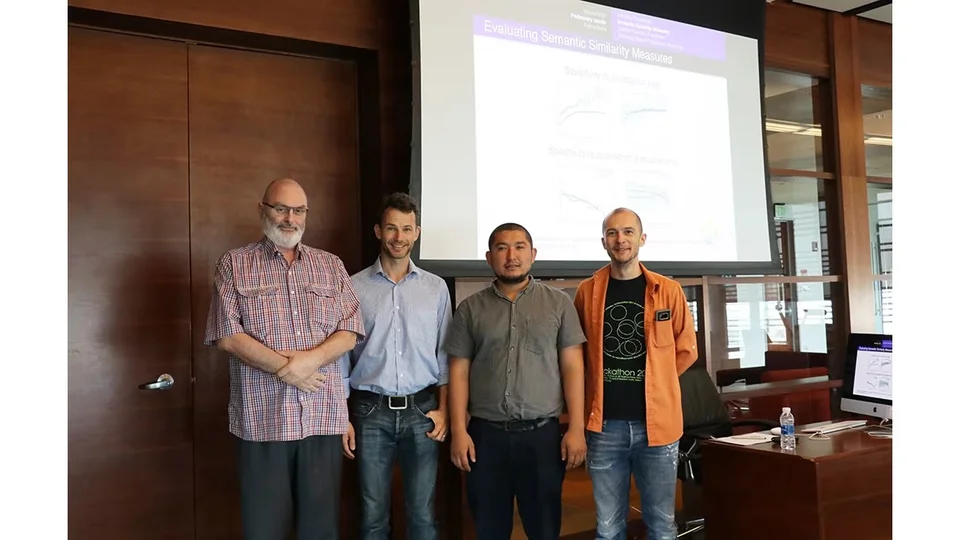
BORG students present research in KAUST Research Conference on Big Data Analyses in Evolutionary Biology 1 min read · Tue, Dec 12 2017 News Two students from the Bio-Ontology Research Group presented their research at KAUST Research Conference on Big Data Analyses in Evolutionary Biology.
Congratulations to Ph.D. student Maxat Kulmanov for new publication 1 min read · Thu, Oct 5 2017 News Ph.D. student Maxat Kulmanov's paper, "DeepGO: predicting protein functions from sequence and interactions using a deep ontology-aware classifier" was recently published in Bioinformatics.
New publication uses ontology reasoning to evaluate genome-scale function annotations 2 min read · Tue, Jun 30 2026 News Our new paper in Briefings in Bioinformatics uses the Gene Ontology, GO-Plus and logical constraints to evaluate whether genome-scale function annotations are complete, coherent and consistent.
Engage ORCID ShareClipboard Related Sites Bio-Ontology Research Group (BORG) Computer Science (CS) Related Content Articles 11 Projects 2 Events 2 Related Links Publications list on ORCID Also view Publications in the KAUST Repository Publications on Google Scholar Dblp Computer science bibliography