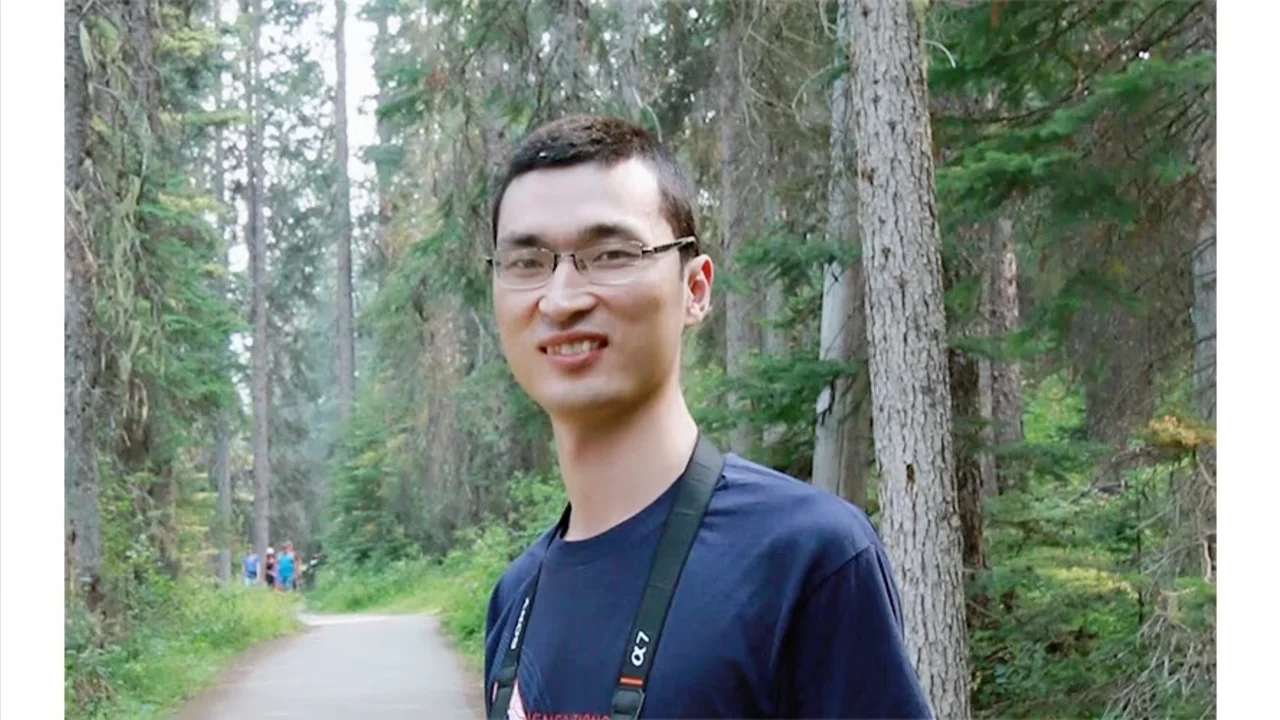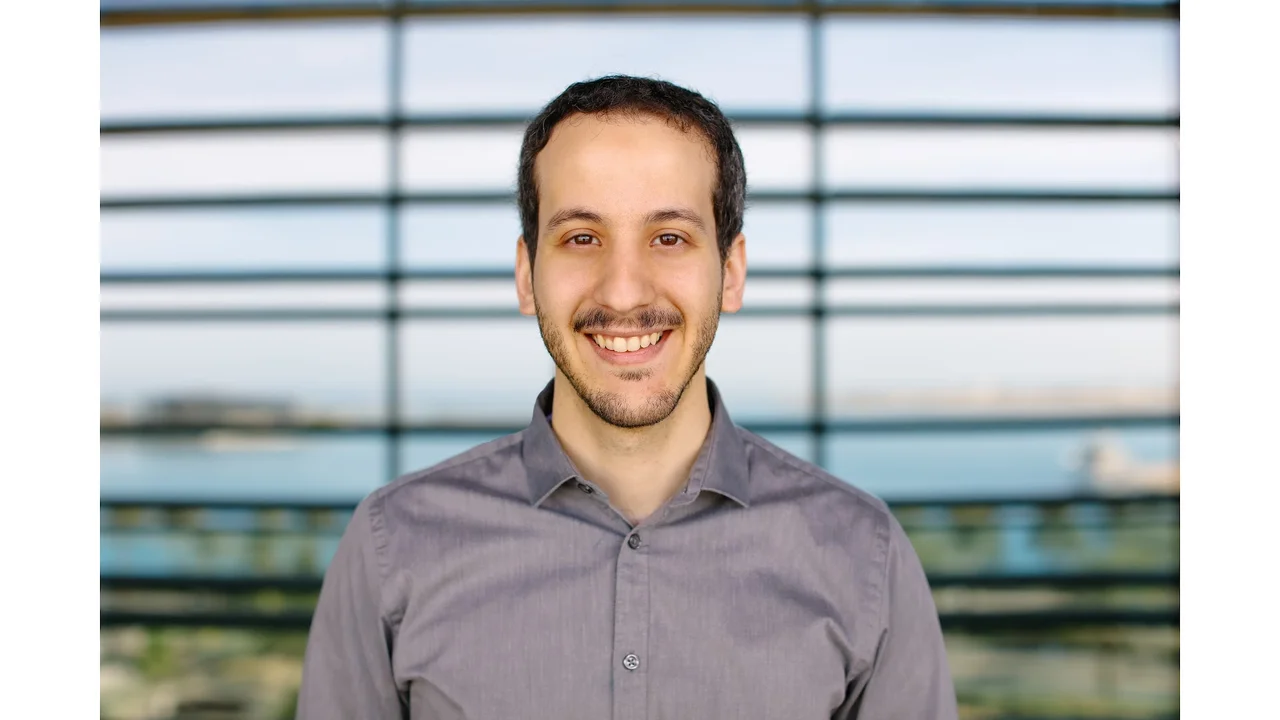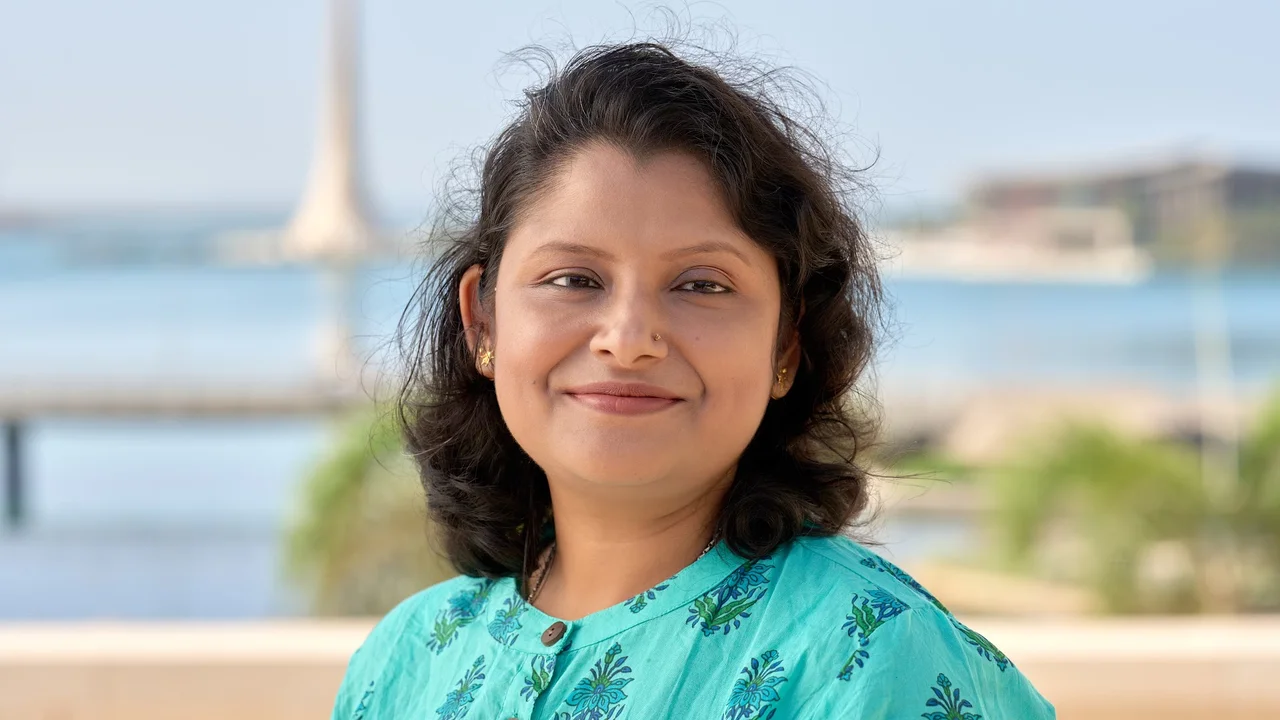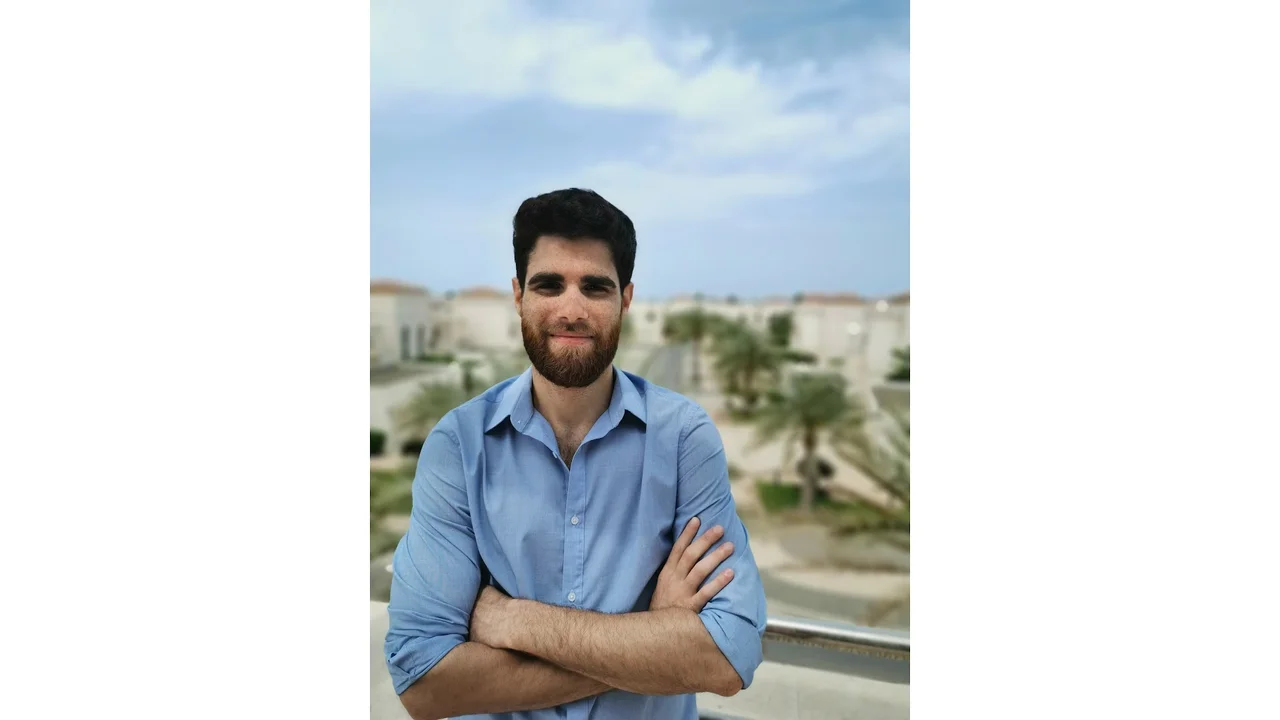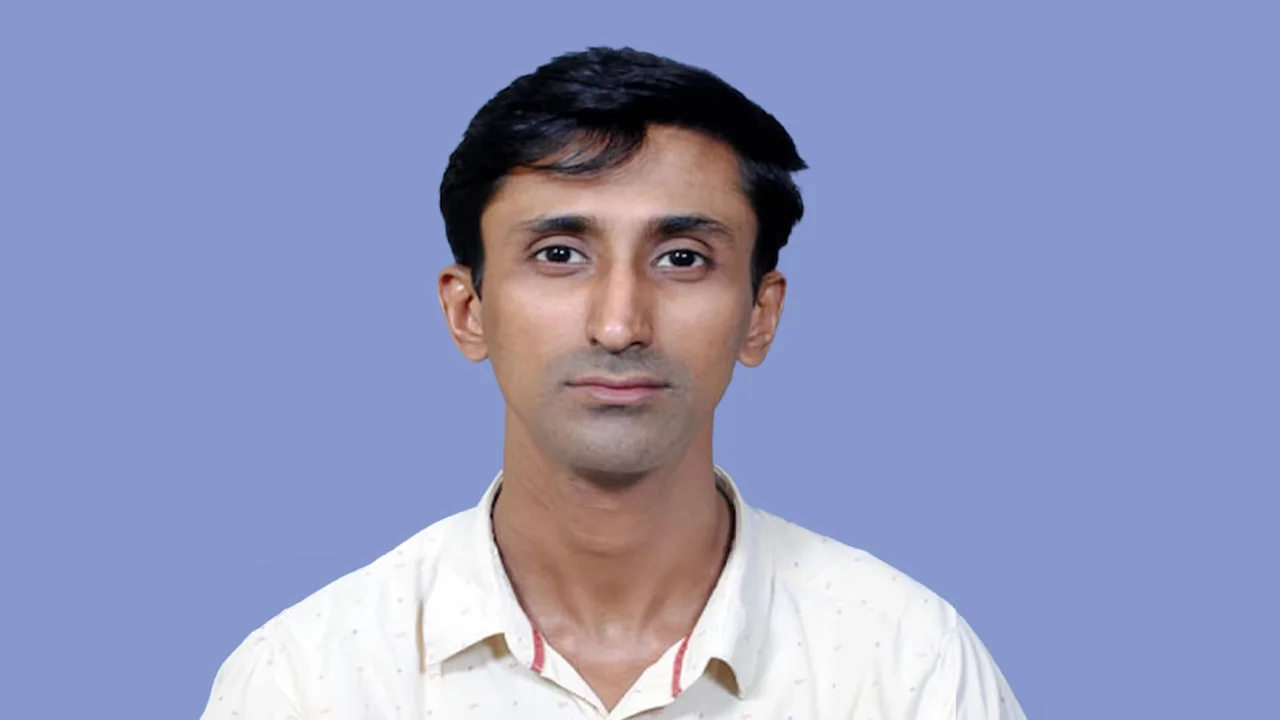
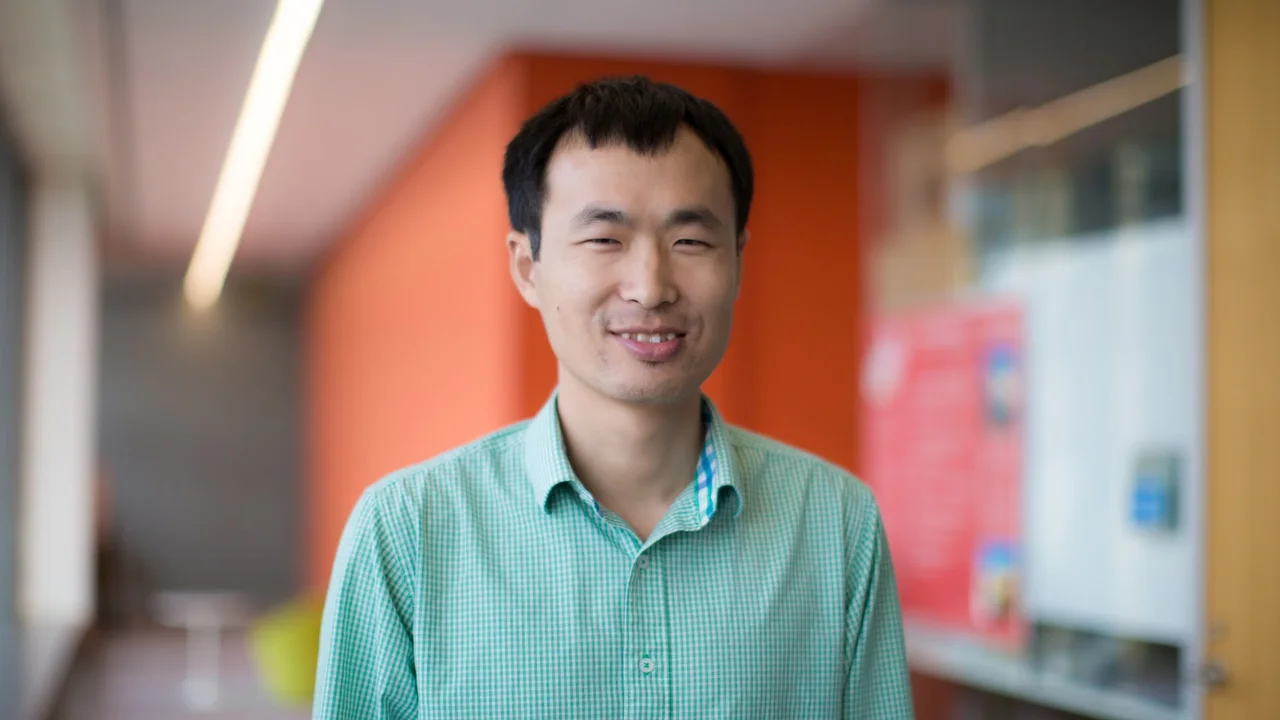
Xiaokai Huo
- Postdoctoral Research Fellow, Applied Mathematics and Computational Science
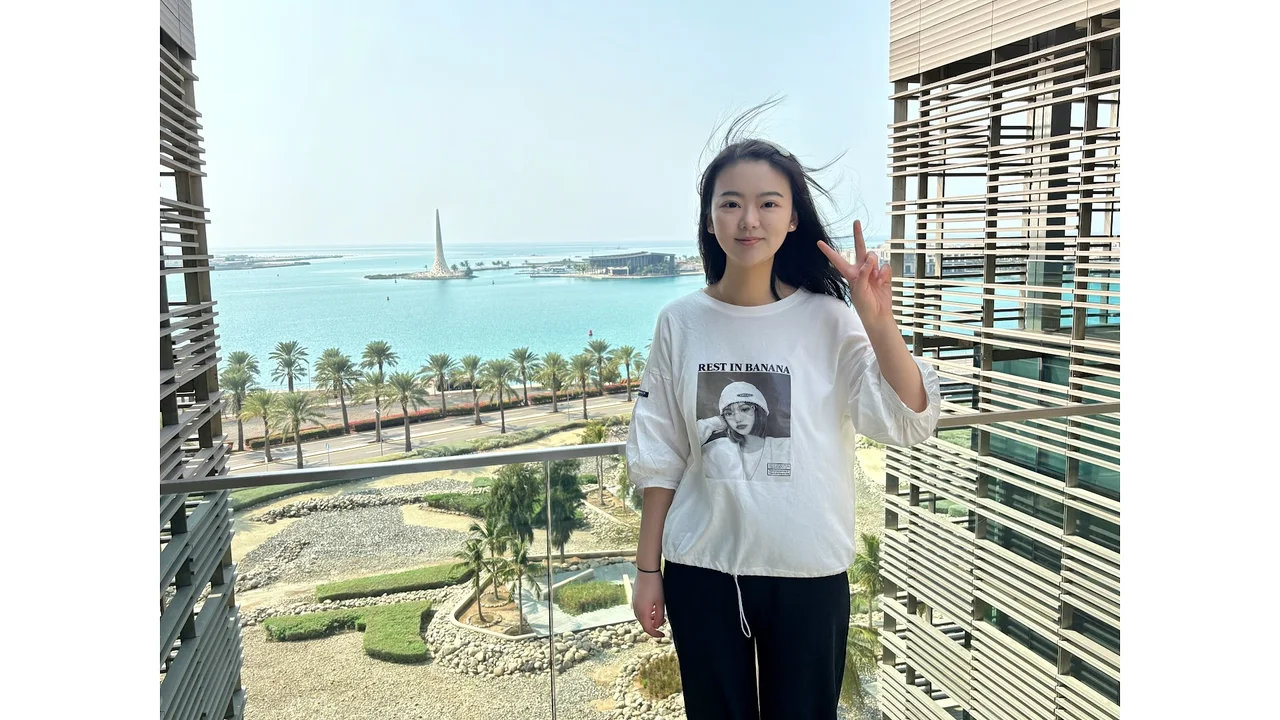
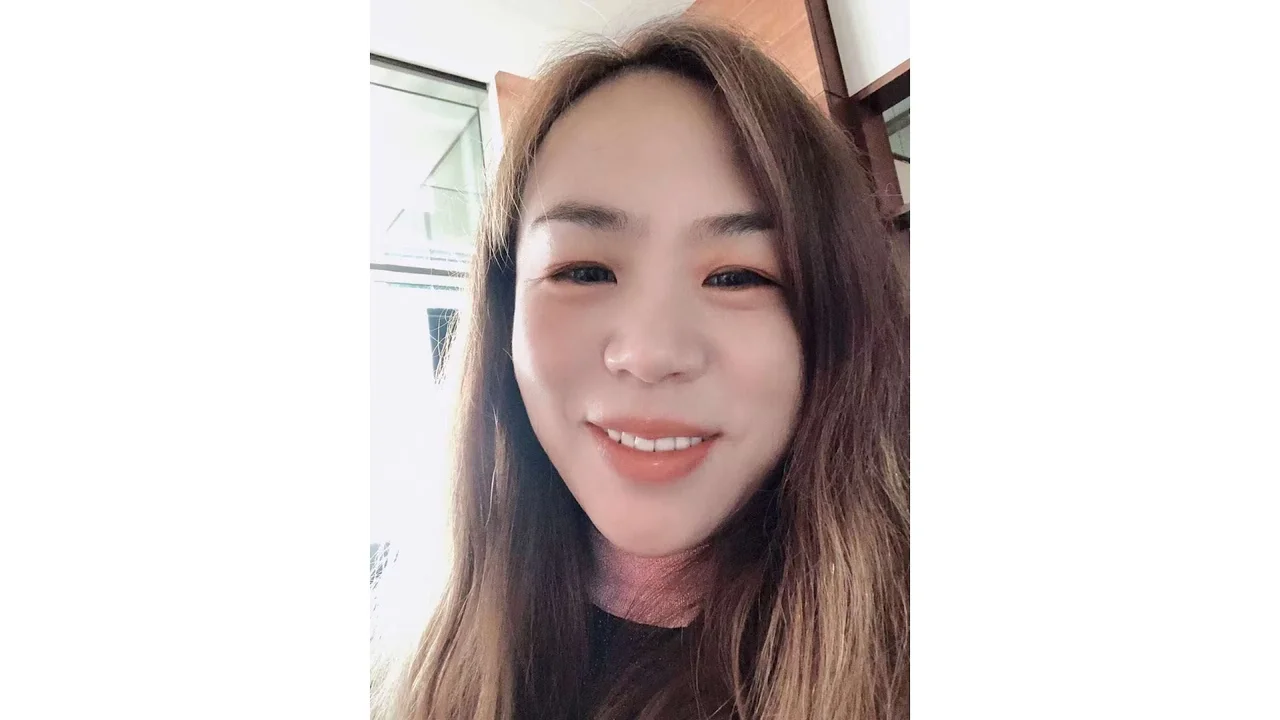
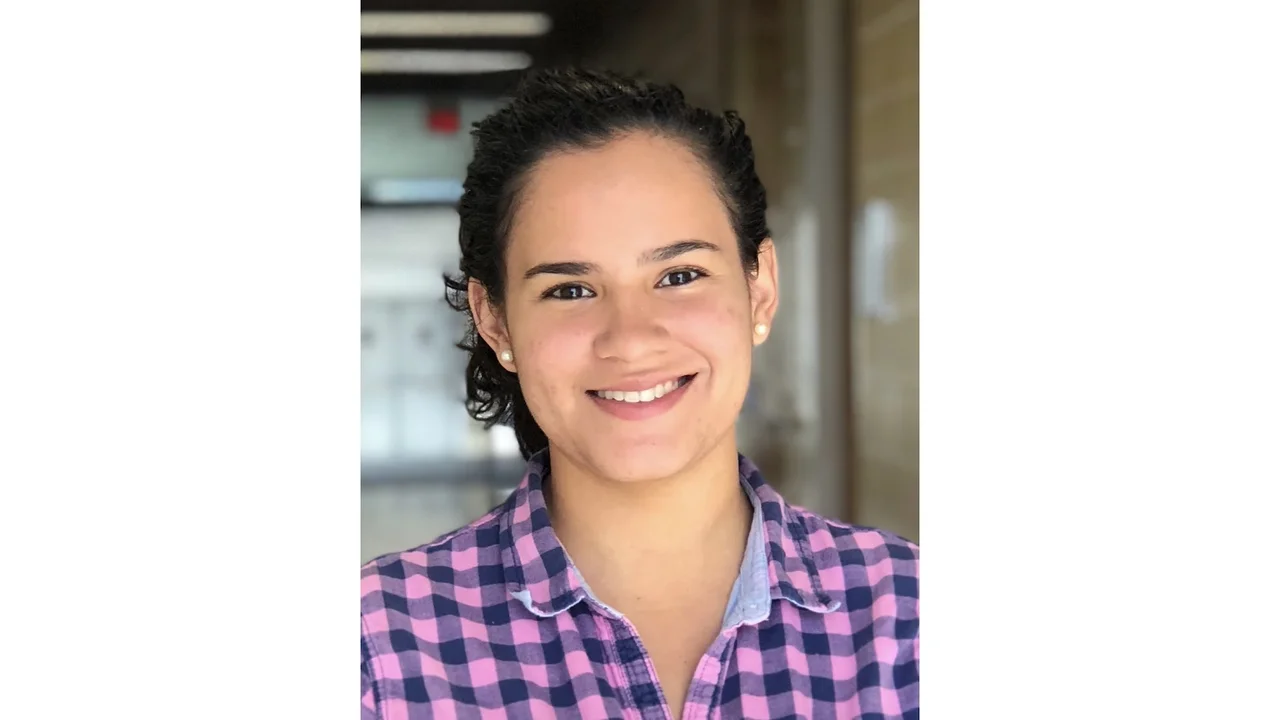
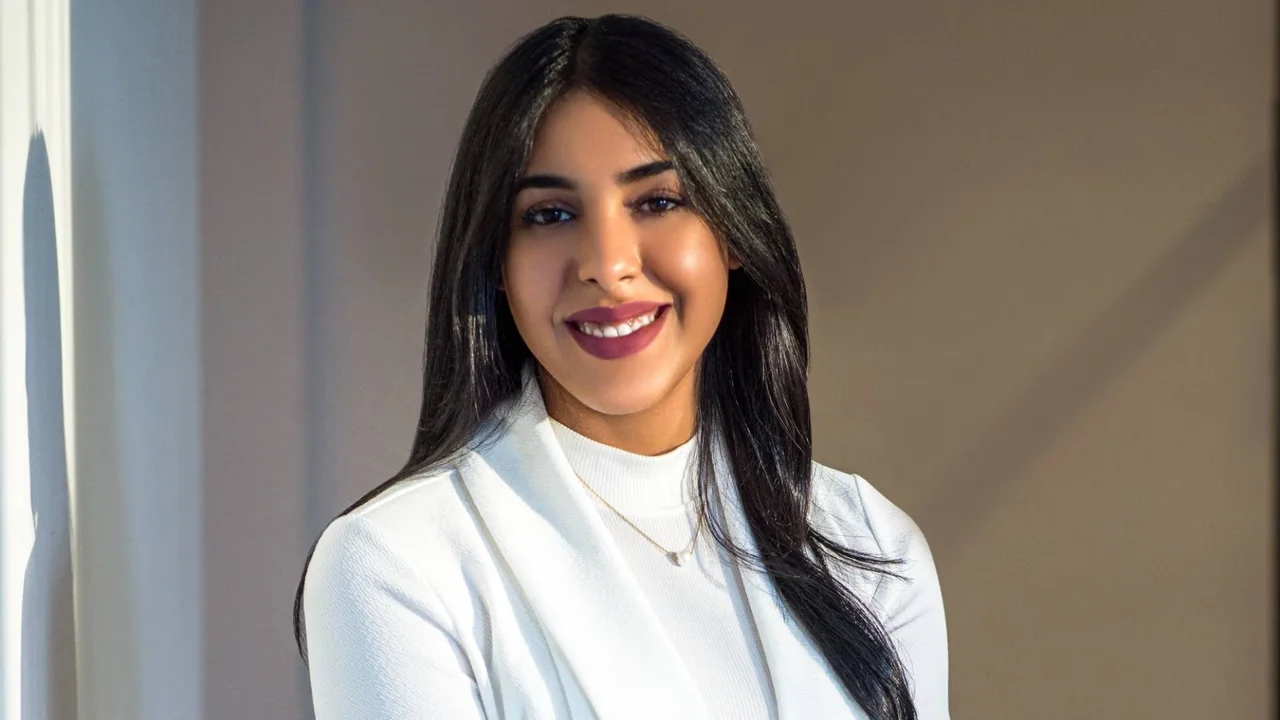
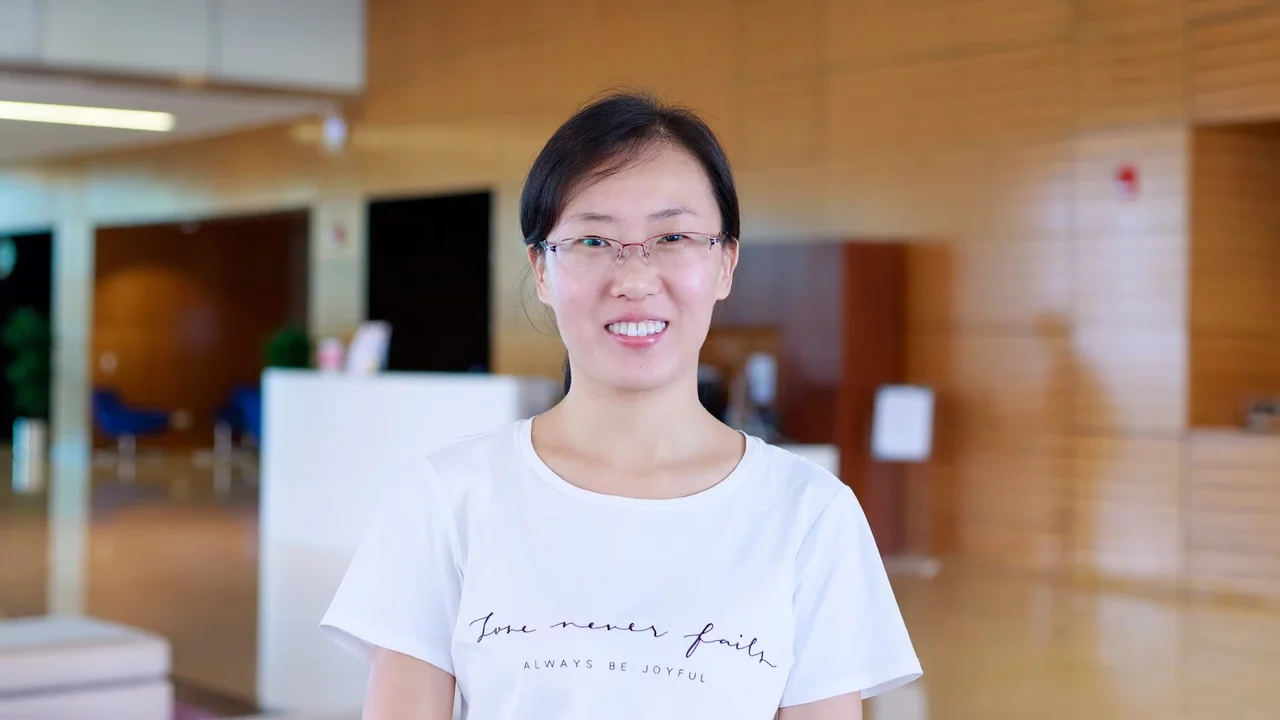
Yue Wang is a Ph.D. candidate at the Photonics Laboratory at King Abdullah University of Science and Technology (KAUST), under the mentorship of Prof. Boon S. Ooi. She earned her B.Eng. in Electronic Science and Technology from the University of Electronic Science and Technology of China (UESTC) in 2020. She received her master's degree in Electrical Engineering from KAUST in 2021.
Yue Wang's research focuses on semiconductor optoelectronics, high-speed color-converting luminescent devices, and optical wireless communication. She specializes in characterizing color-converting materials, designing and fabricating luminescent optoelectronic devices, and developing optical wireless communication systems.
Yue Wang has explored emerging luminescent materials such as perovskites, metal-organic frameworks (MOFs), and organic fluorophores, enabling Gb/s visible light communication and wavelength-division multiplexing with enhanced channel capacity. To relieve the stringent requirements of pointing, acquisition, and tracking in underwater optical wireless communication channels, she employed scintillating fibers and luminescent solar concentrators for wide field-of-view, high-speed photodetection. Her work also extends to optical amplification, where she has developed a high-gain visible-light amplifier based on perovskite quantum dots, potentially addressing the optical loss during long-distance optical data transmission.
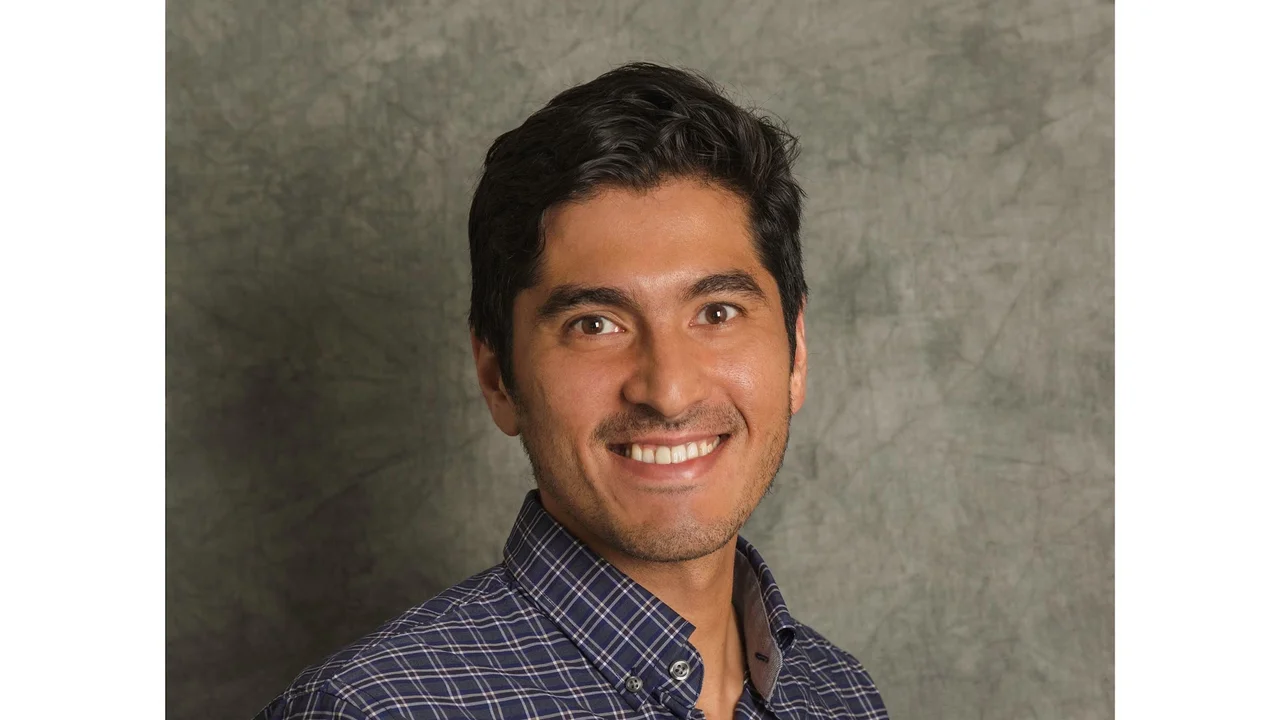
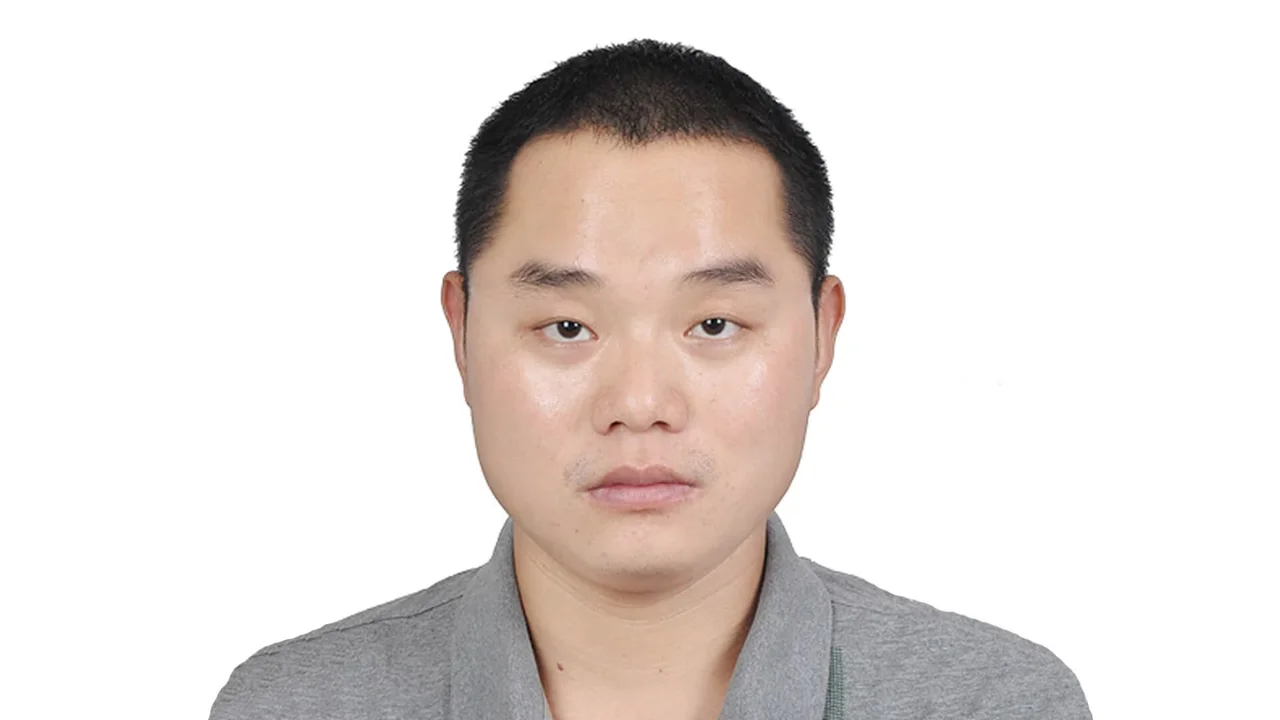
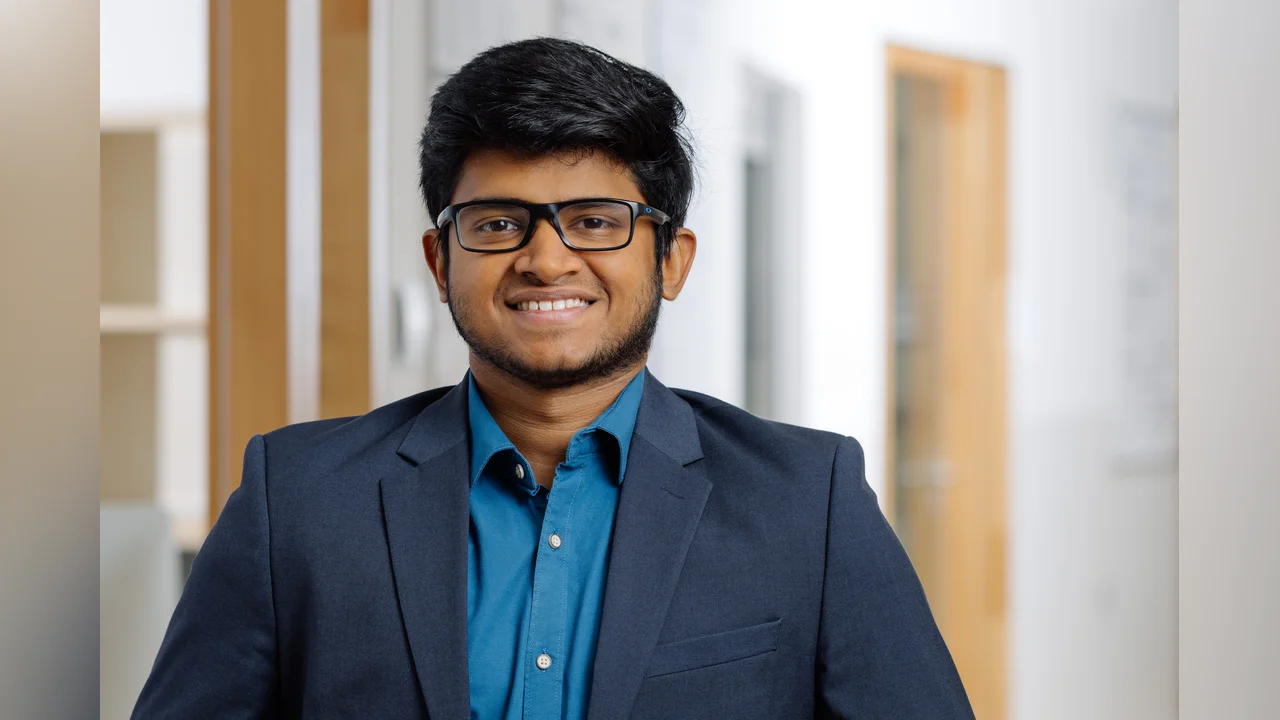
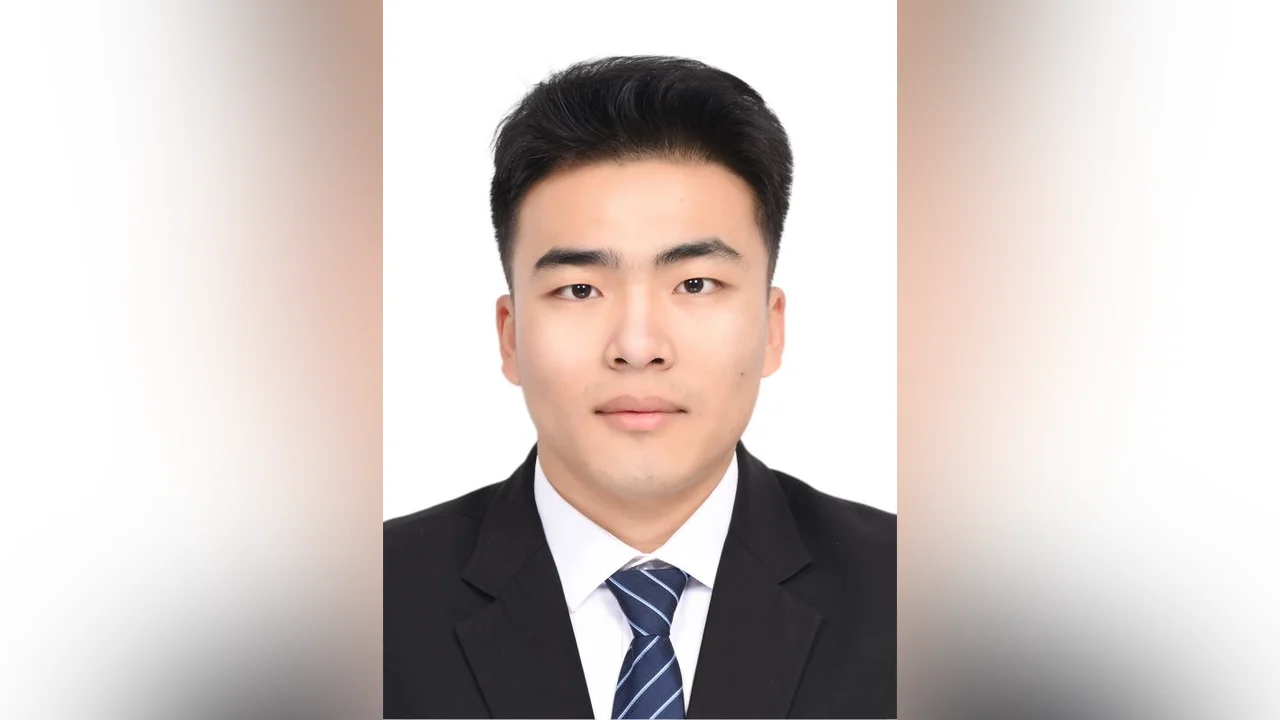
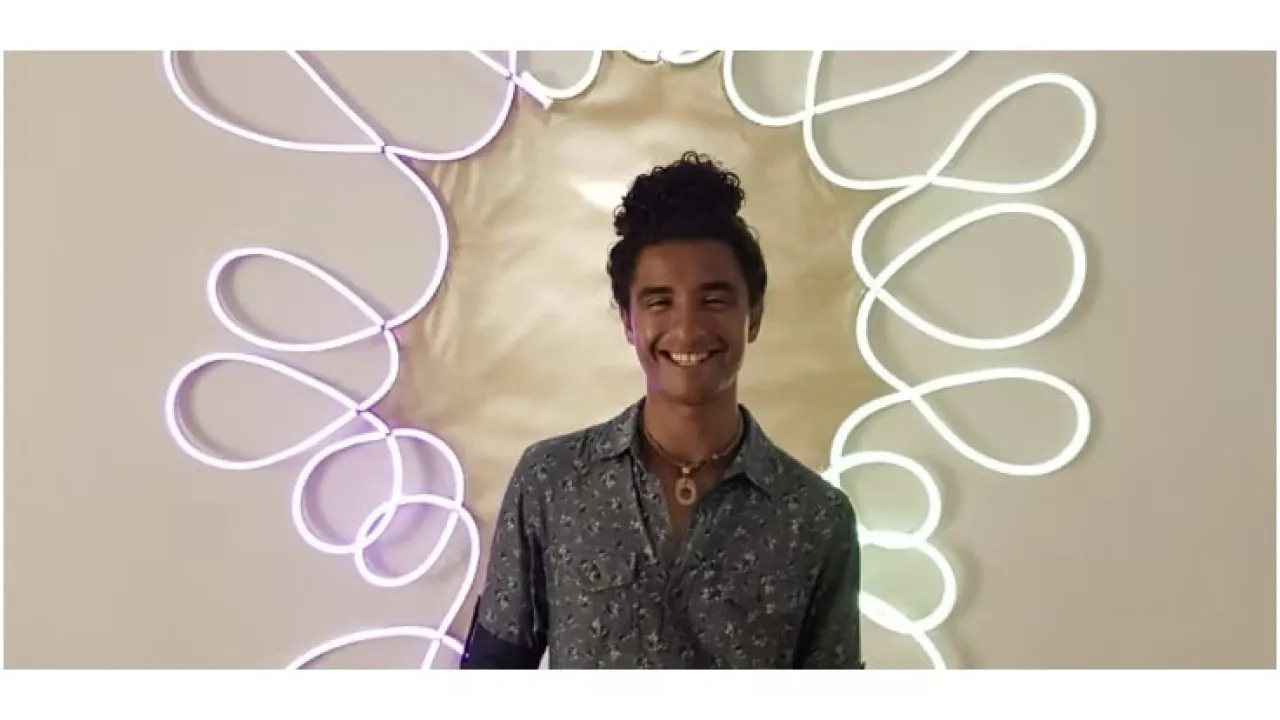
Shyam Mohan Subbiah Pillai is a remote postdoctoral researcher in the Stochastic Numerics group, specializing in stochastic optimal control, uncertainty quantification, and numerical methods for stochastic differential equations. He earned his Ph.D. in Mathematics from RWTH Aachen University, where his work focused on the development and analysis of computational methods for chance-constrained stochastic control problems and rare-event simulation.
Shyam's research interests include Monte Carlo methods for rare events, numerical methods for McKean—Vlasov SDEs, and optimal control problems in engineering.
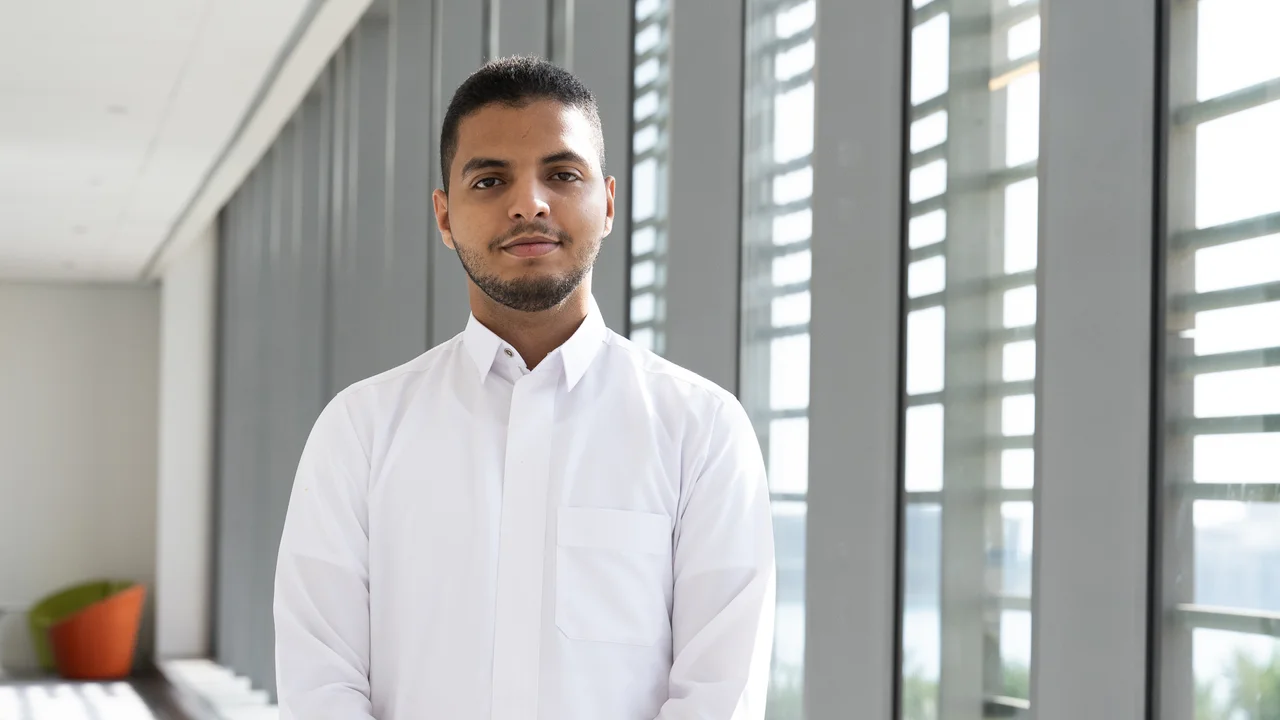
Education Profile
Bachelor's degree in Electrical Engineering from the University of Hail and is currently pursuing his Master's degree in Electrical and Computer Engineering at KAUST.
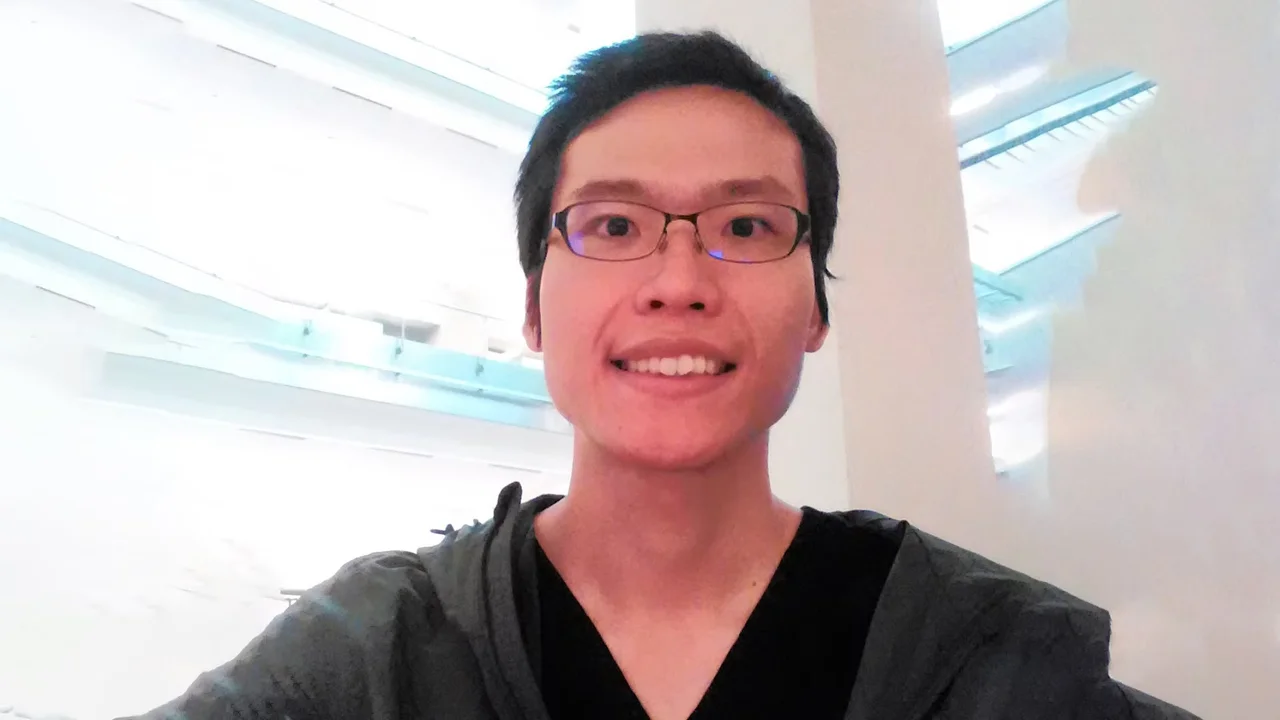
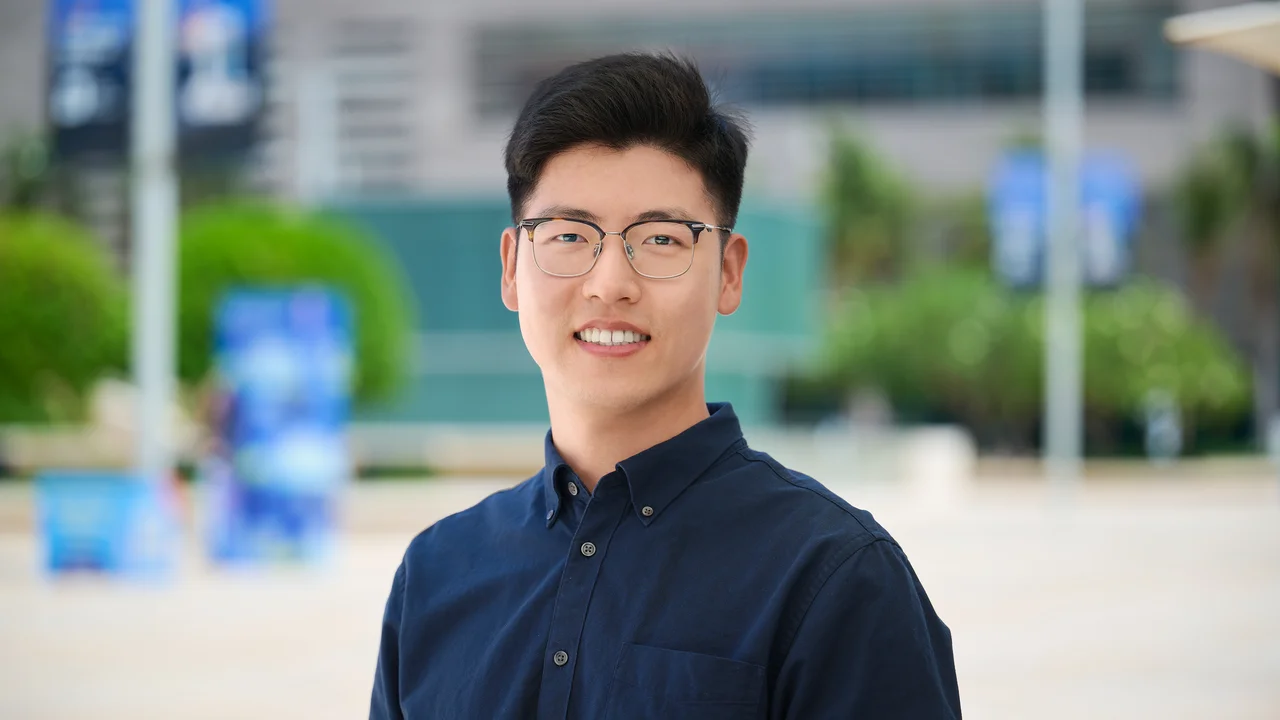
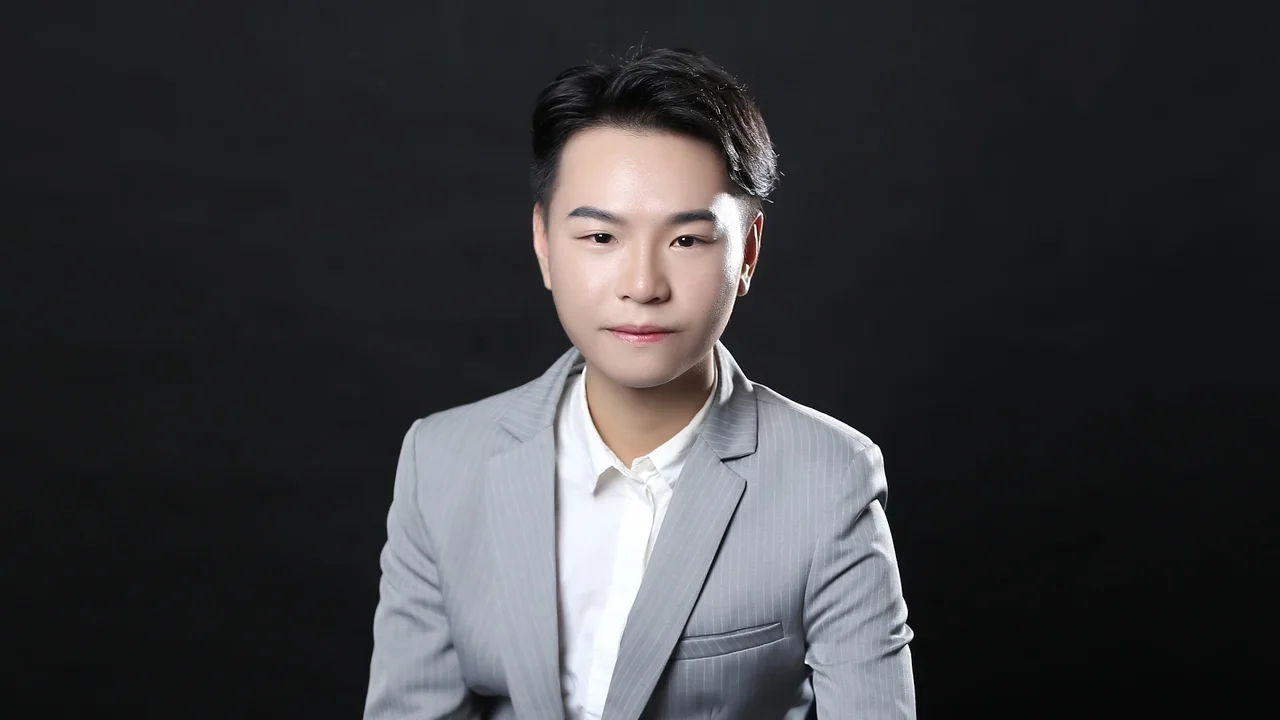
Haoyang Li is a Ph.D. candidate in Computer Science at King Abdullah University of Science and Technology (KAUST) supervised by Prof. Xin Gao. His research focuses on developing AI-driven methods to integrate multimodal biomedical data, spanning spatial multi-omics, histopathology, and single-cell genomics, with the goal of decoding spatial heterogeneity in diseases and advancing diagnosis, prognosis, and biomarker discovery for personalized therapies. His research has been published in prestigious journals and conferences such as Nature Machine Intelligence, Nature Communications, Science Advances, Bioinformatics, IEEE TMI, and MICCAI. One of his first-authored papers in Nature Communications is recognized as Editor’s Highlight and the 50 best papers in 'Biotechnology and methods'. In addition, Haoyang had two internships at Yale University and Stanford University as visiting student researcher in 2023 and 2024. He has served as a teaching assistant and guest lecturer for the Ministry of Interior in Saudi Arabia, Saudi Aramco, and KAUST. Currently, he serves as an editorial board member and a guest editor for Molecular & Cellular Biomechanics and Biomedical Informatics.
Haoyang has a broad interest in developing AI models to address biological and healthcare problems. Recently, his research has focused on developing AI models for spatial biology, including spatial multi-omics, spatiotemporal omics, and pathological imaging, aimed at translational and clinical research.
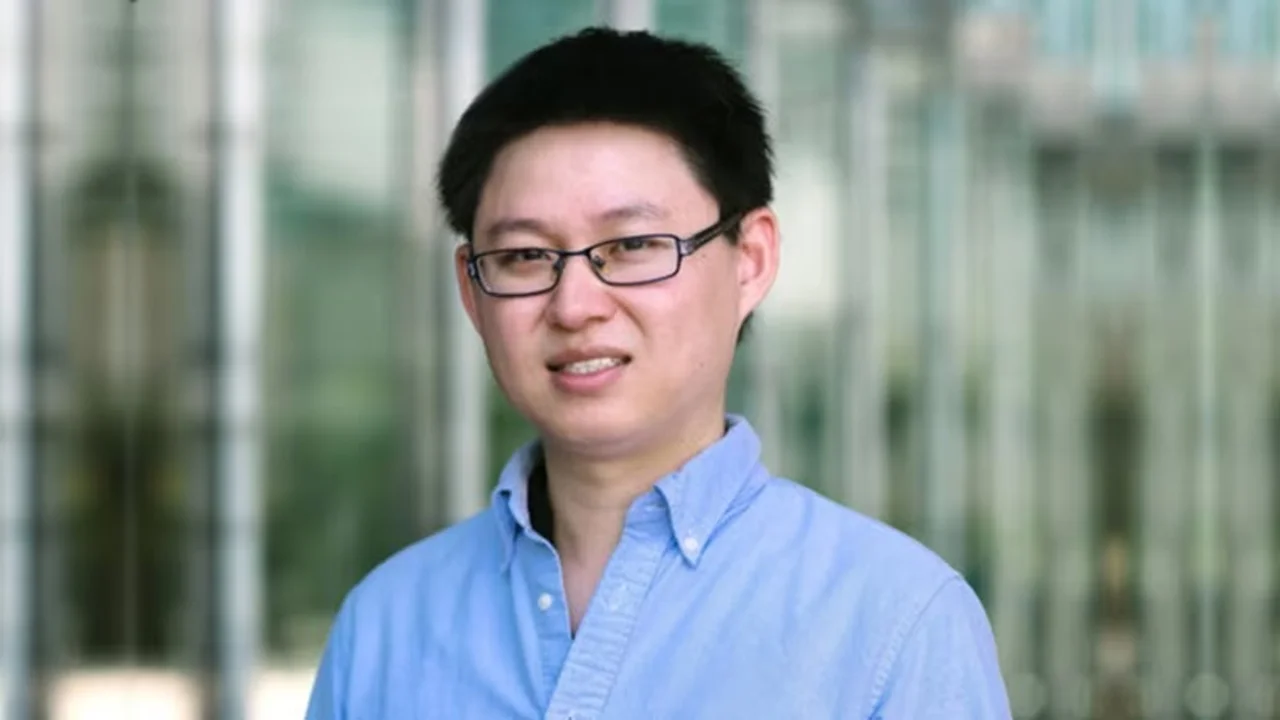
Juexiao Zhou is a PhD candidate at King Abdullah University of Science and Technology (KAUST), Saudi Arabia, under the supervision of Professor Xin Gao. He is also the co-founder and Chief AI Scientist at DermAssure.ai, MOSS.ai, and BeautyX.ai. His research lies at the intersection of computer science and biomedicine, with a primary focus on AI-driven intelligent healthcare, bioinformatics, and ethical and trustworthy AI in healthcare. Juexiao develops cutting-edge deep learning models and large language models (LLMs) to enable disease detection, prognosis, and risk assessment across clinical settings. In the domain of bioinformatics, he builds intelligent computational frameworks to decode gene regulatory networks, predict protein structure and function, and model complex biological systems. His recent research also explores curiosity-driven AI agents as autonomous scientific researchers. He is committed to advancing ethical AI in healthcare, tackling key challenges such as data privacy, bias, fairness, security, toxicity, and the broader implications of emerging Artificial General Intelligence (AGI) in clinical practice. Juexiao has authored over 30 publications in top-tier journals and conferences, including Science Advances, Nature Machine Intelligence, Nature Computational Science, Nature Communications, The Lancet, Genome Research, Trends in Genetics, Bioinformatics, IEEE TMI, and MICCAI. His work has been featured by major media outlets such as Arab News, Radio Television Hong Kong (RTHK), and Inside Precision Medicine. He is an active member of CAAI, APBioNET, and GBD. He serves as a reviewer for leading journals and conferences, including Nature, Nature Methods, Nature Communications, Medical Image Analysis, Genome Biology, Genome Research, NeurIPS, SIGKDD, and MICCAI. He is also an editorial board member of BMC Bioinformatics, a guest editor for Biomedical Informatics, and currently serves as co-chair of the IS-HIS 2025 Symposium at ICCNS 2025 in Varna, Bulgaria.