
Profiles
Students
Biography
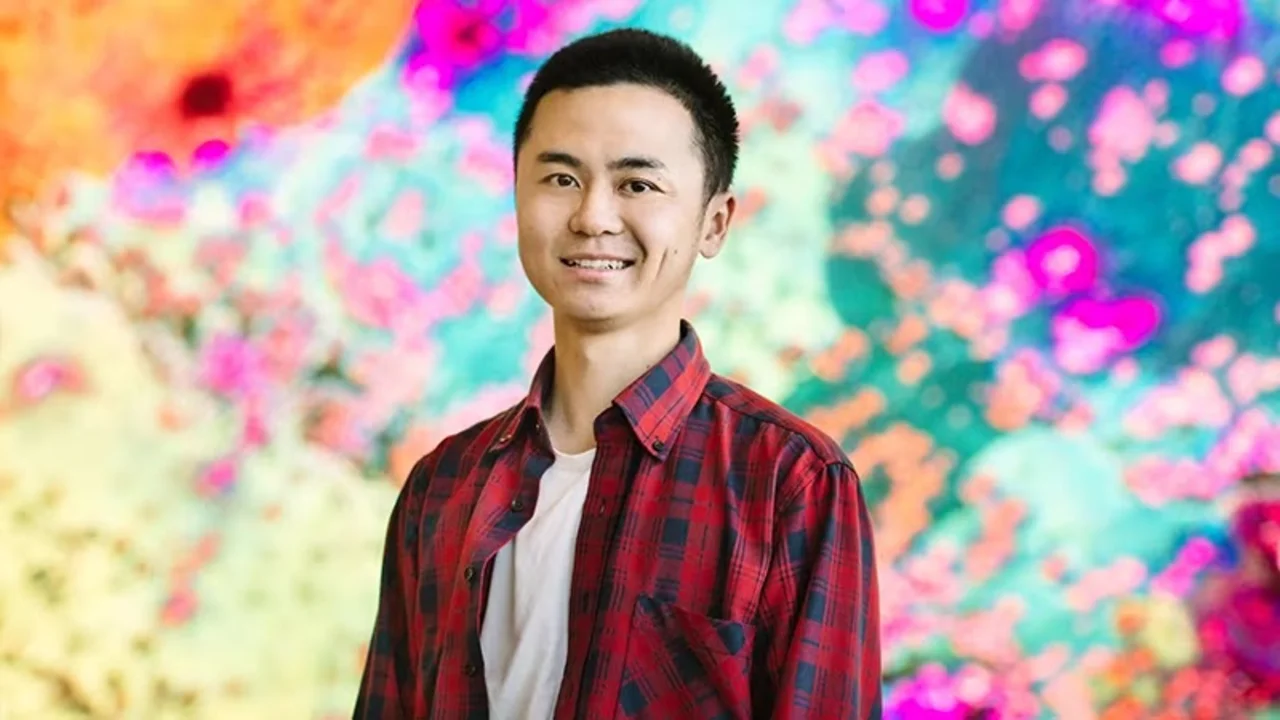
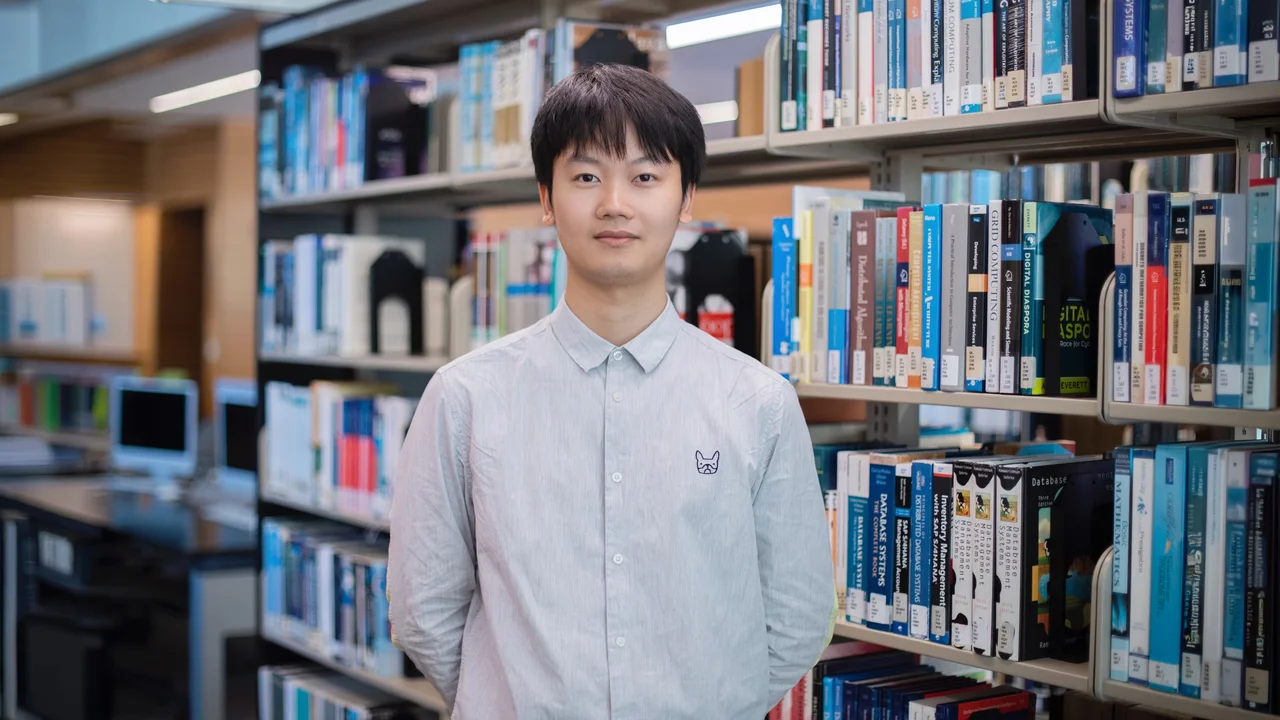
Mingchen Zhuge is a Ph.D. candidate in the Computer Science program at King Abdullah University of Science and Technology (KAUST), working on AI agents, world models, and recursive self-improvement under the supervision of Professor Jürgen Schmidhuber. He has authored more than 20 top-tier publications with over 6,300 citations, of which more than 70% are from first-author papers. His representative projects include MetaGPT, NLSOM, GPTSwarm, Agent-as-a-Judge, Kaleido-BERT, and NeuralComputer.
His work has been recognized through six oral presentations at leading AI conferences, including the International Conference on Learning Representations (ICLR 2024, 2025, 2026; acceptance rate <1.2%) and the International Conference on Machine Learning (ICML 2024; acceptance rate <1.5%). He also received the Best Paper Award at the NeurIPS Ro-FoMo Workshop and an Outstanding Paper Nomination at the Conference on Empirical Methods in Natural Language Processing (EMNLP 2025). Beyond research, he was nominated for the WAIC Future Star Award, recognized as an Outstanding Reviewer at the Conference on Computer Vision and Pattern Recognition (CVPR 2023; 232 out of 7,000+ reviewers), served as Lead Organizer of ICLR RSI 2026, and served as an Area Chair for COLM 2026 and ACM CAIS 2026.
Education

Biography
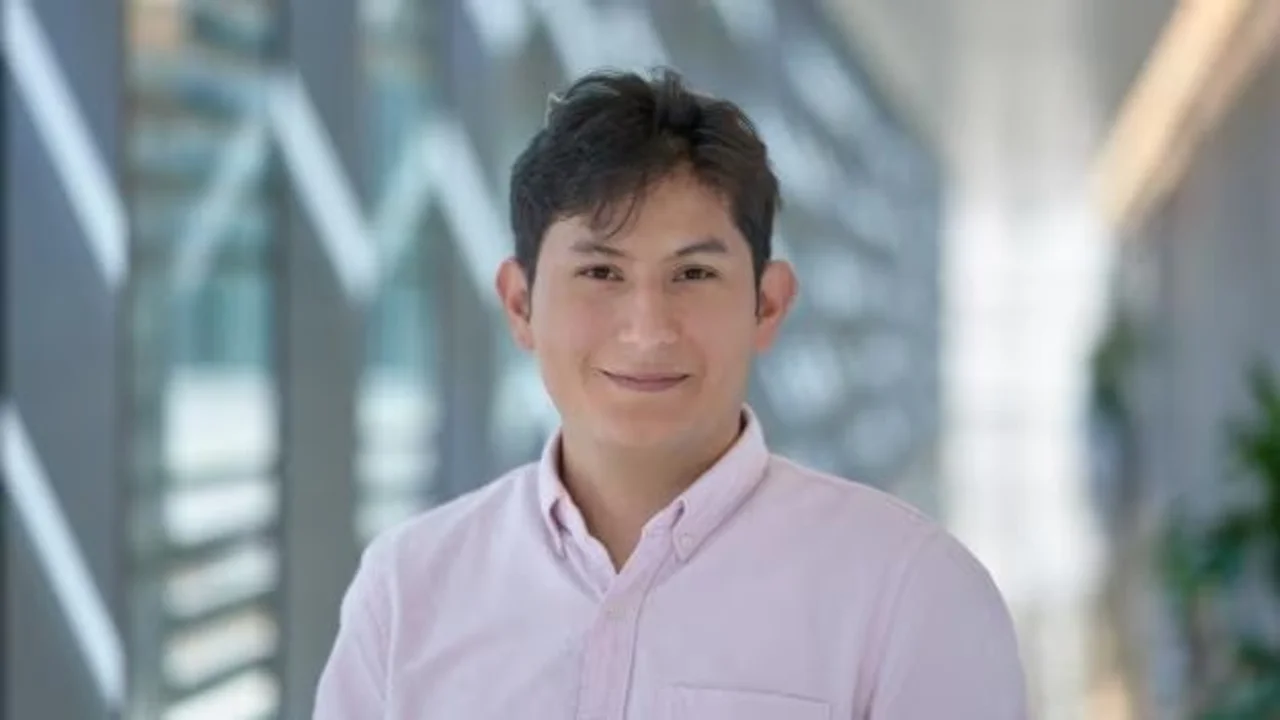
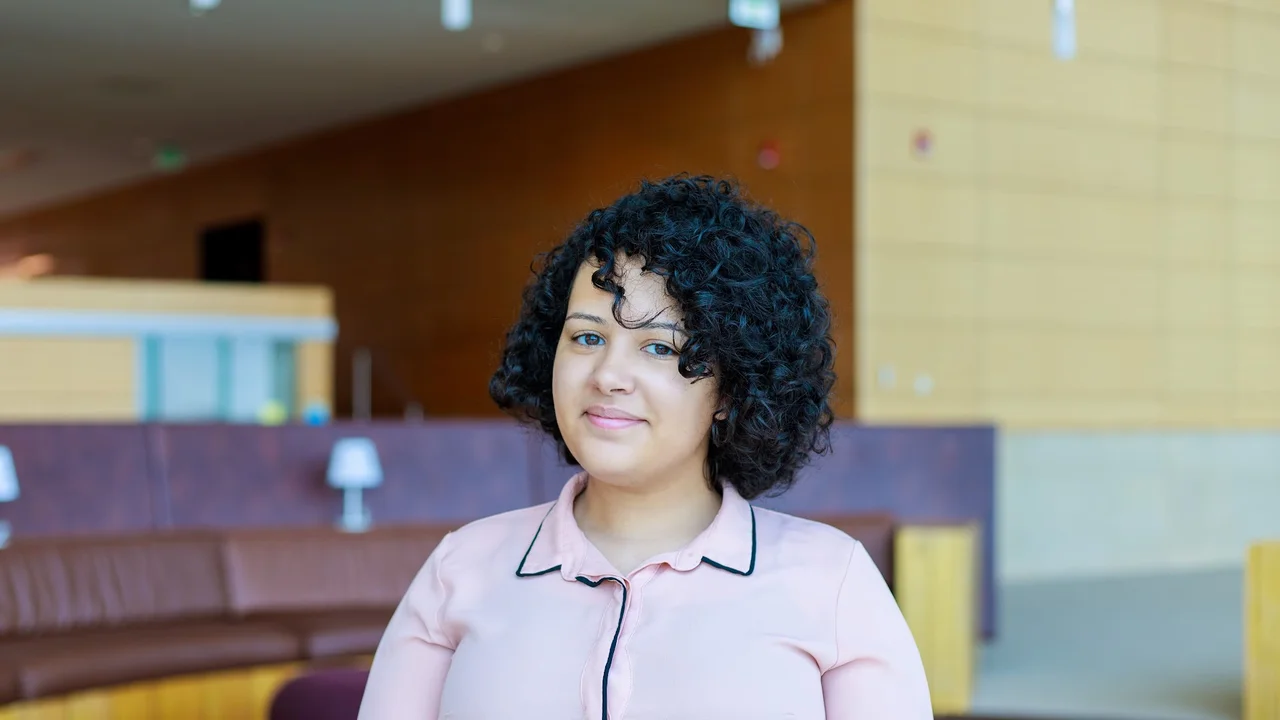
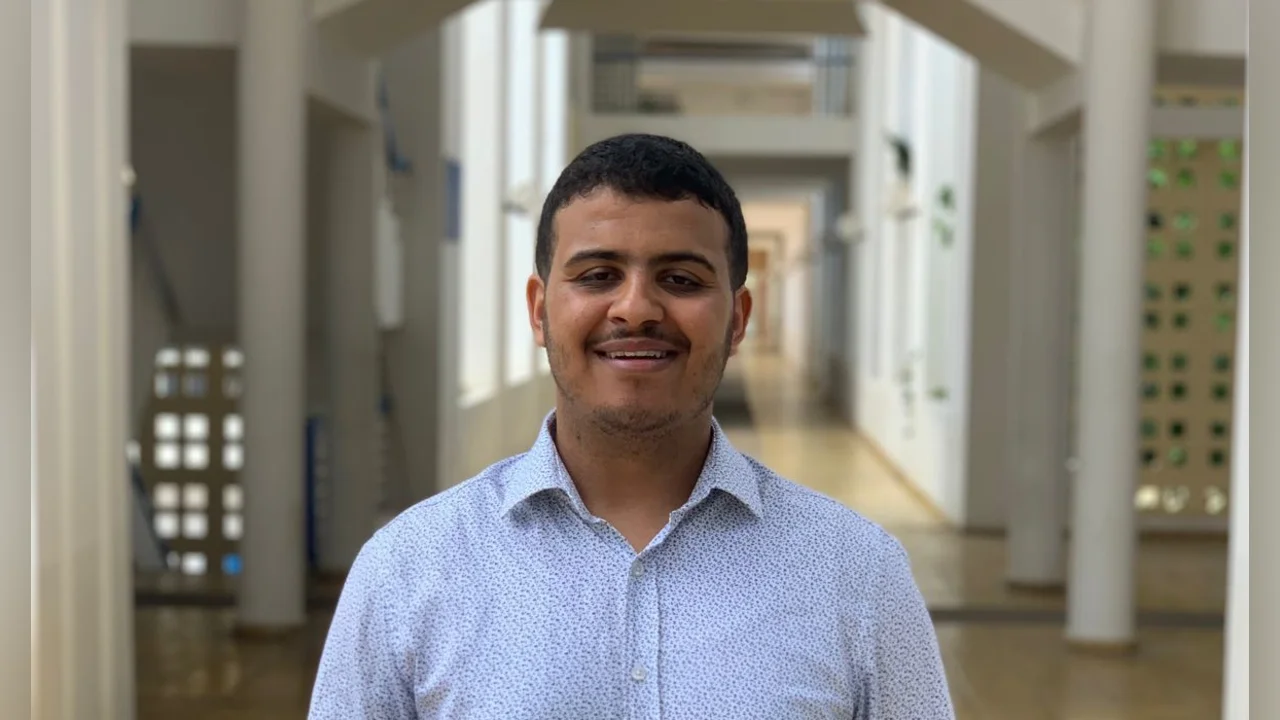
Mohamed Aziz Benhouichet is pursuing his M.S./Ph.D. in Electrical and Computer Engineering at KAUST, where he works on embedded artificial intelligence, IoT, and multimodal perception systems. Before starting his graduate studies, he gained hands-on research experience at KAUST as a visiting student, contributing to projects on multimodal fusion between event-based cameras and LiDAR sensors. Prior to joining KAUST, Mohamed earned his Engineering Diploma in Signals and Systems from Ecole Polytechnique de Tunisie (EPT), graduating with first-class honors. He ranked among the top 1% of students in Tunisia
in the 2022 national entrance exam for engineering schools. His academic path reflects a strong multidisciplinary foundation, bridging theory and application in intelligent systems, robotics, and digital hardware.
Expertise and Interests
- Artificial Intelligence (AI)
- Embedded AI and TinyML
- Internet of Things (IoT)
- Multimodal sensor fusion
- Signals and Systems
- Robotics
Education
Education
Mohamed Fakeih
- M.S. Student, Computer Science
Education
Mohammad Alhyari
- Ph.D. Student, Statistics
Mohammad Ashhad
- Ph.D. Student, Bioengineering
Biography
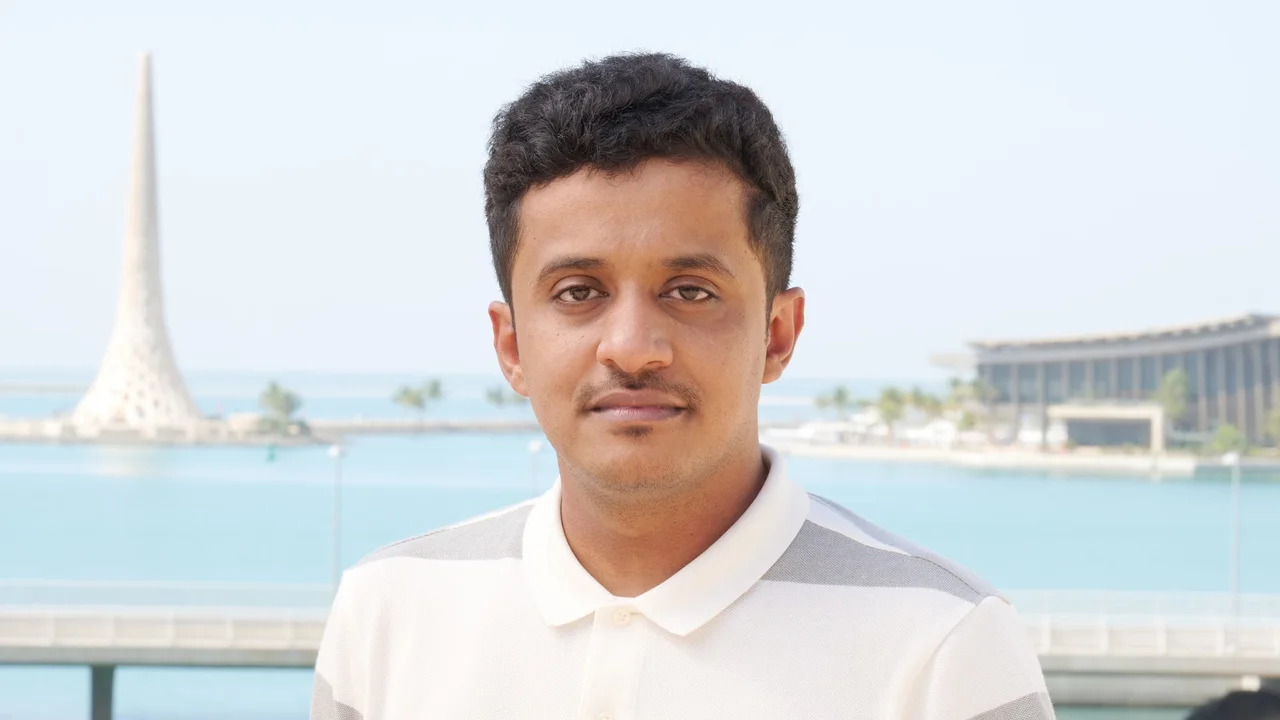
Mohammad Ashhad is a Ph.D. student at King Abdullah University of Science and Technology (KAUST), where he completed his M.S. in Bioengineering with a specialization in Bioinformatics and Machine Learning. He holds a Bachelor's degree in Computer Science and Engineering from Jamia Hamdard, New Delhi, India, which he completed with a Gold Medal. His academic journey has taken him across leading research institutions — as a Mitacs Globalink Research Intern at Queen's University, Canada and a Visiting Research Scholar at Duke University, USA.
Expertise and Interests
Ashhad's research interests include neurosymbolic AI, deep learning and machine learning for biomedical applications, survival analysis and applied statistics.
Education
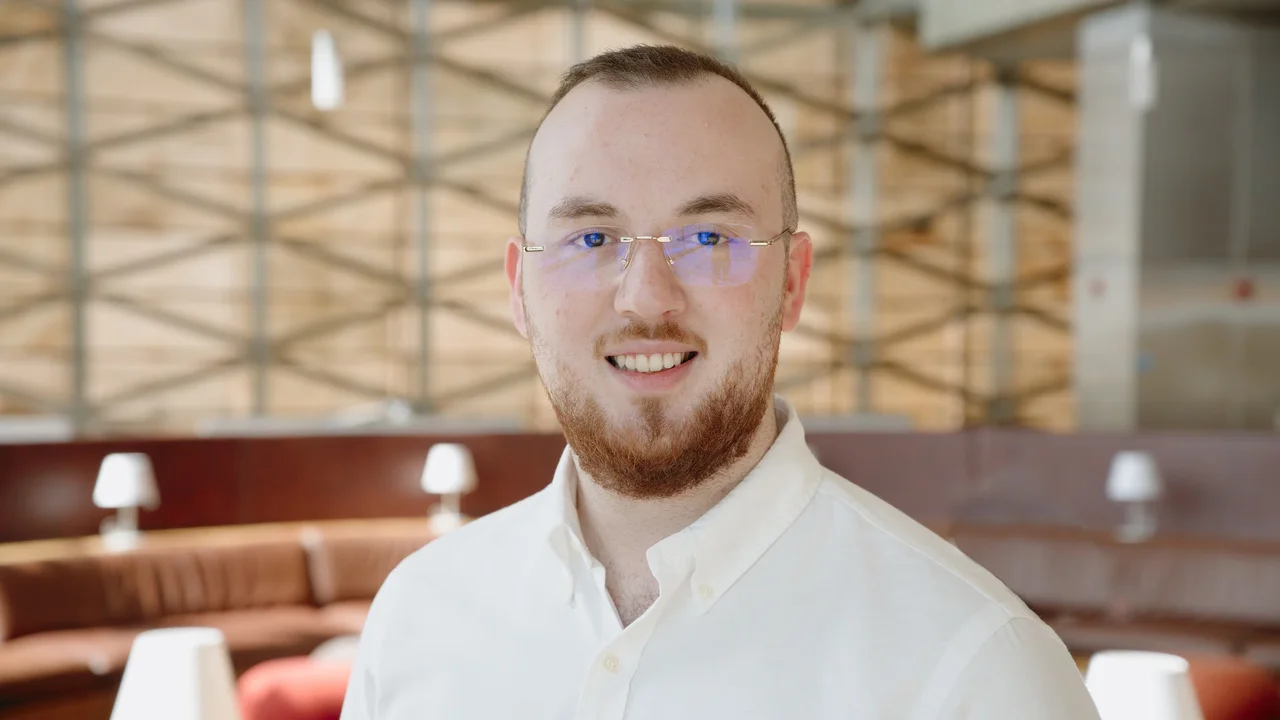
Mohammad F. Hashem
- Senior Consultant, Oliver Wyman
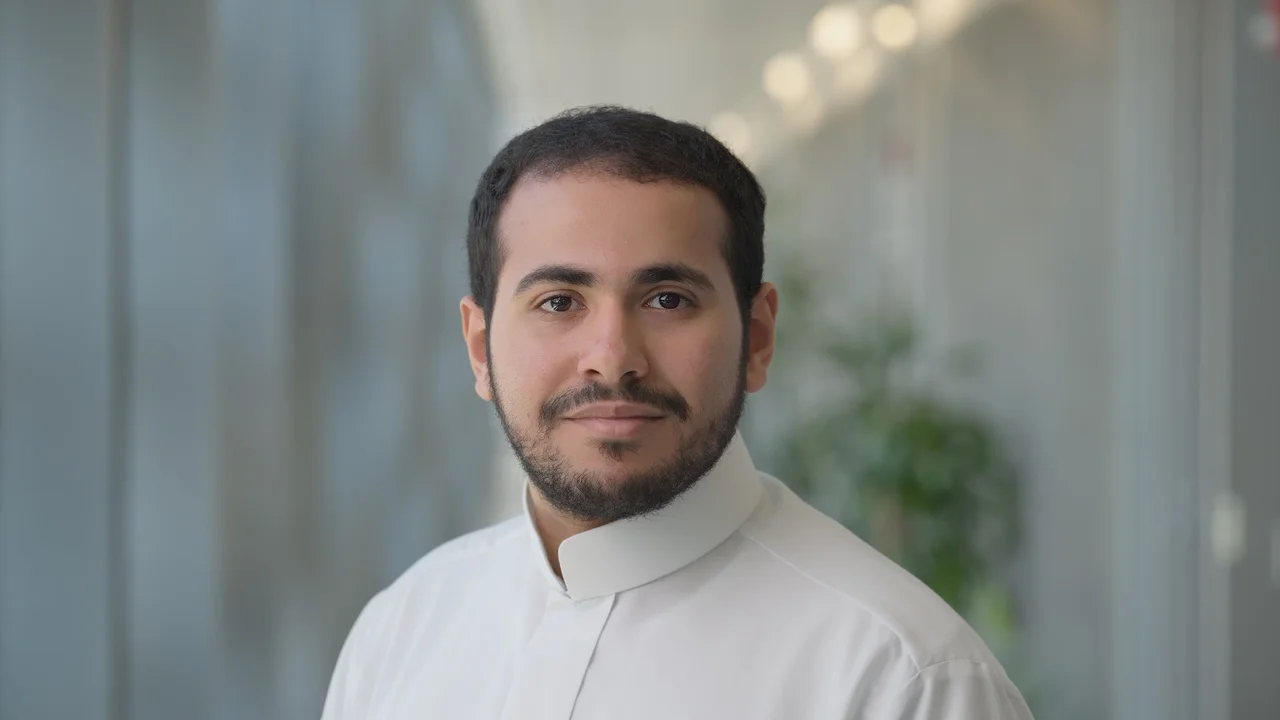
Mohammed Al Saleem
- M.S. Student, Statistics
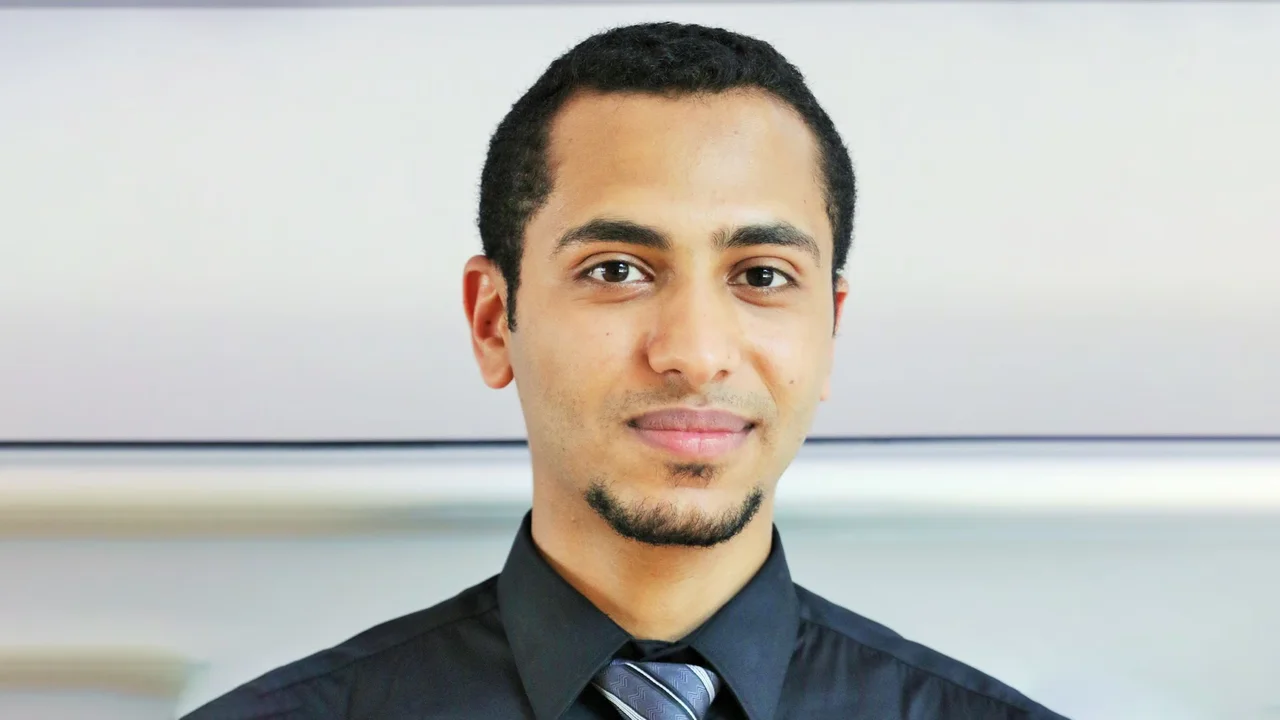
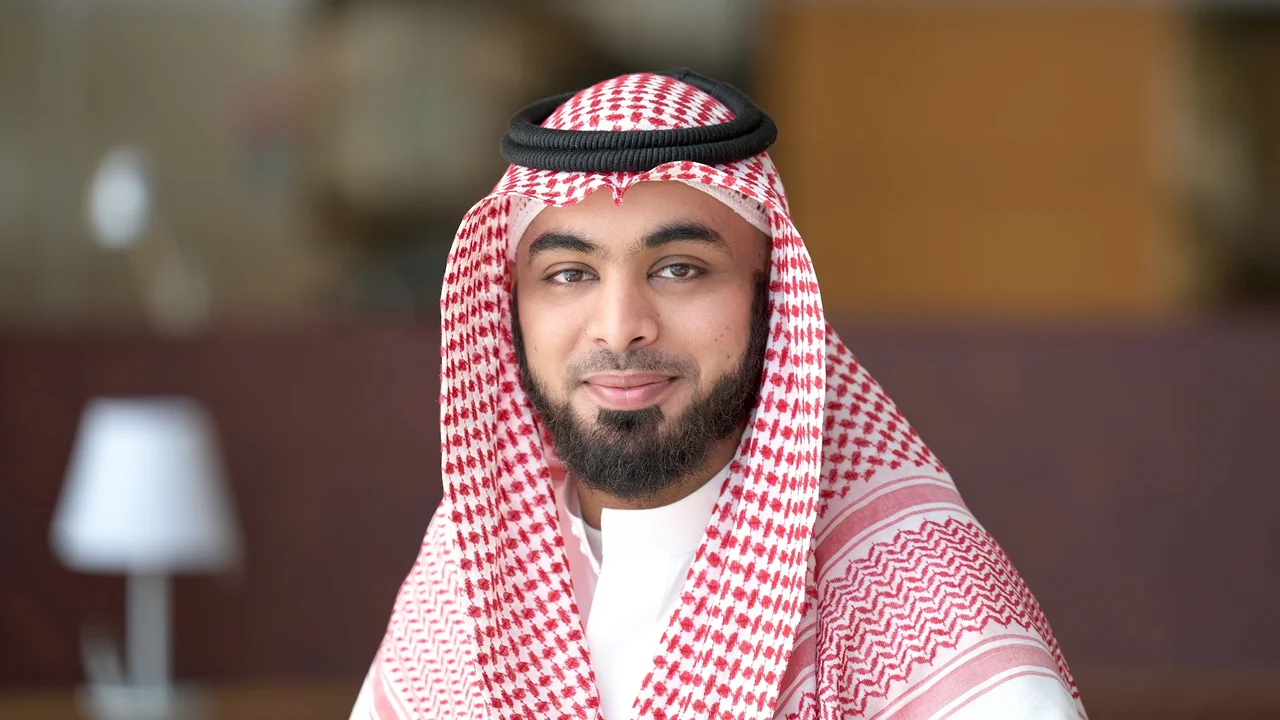
Mohammed Alsubaie
- M.S. Student, Statistics
Biography
Mohammed is currently a PhD student in Electrical and Computer Engineering program (ECE) at KAUST. He received his Master degree in Advanced Control and Systems Engineering with Distinction from UOM, Manchester. He has experience in academia working as Lecturer and worked as Head of the committee of the Engineering Training Program. He also worked as Project Engineer in Saudi Electrical Company in the power plant project PP13 carried by SEC.
Expertise and Interests
His research interests span various topics in systems and control engineering, Robotics, and fault detection and diagnosis.
Education
Biography
- M.S., Electrical Engineering, University of Central Florida (2016).
- B.S., Electrical Engineering, Umm Al-Qura University (2009).
Expertise and Interests
Research interests focus on the characterization and nonlinear behavior of semiconductor optoelectronic devices and photonic systems. Areas of interest include device dynamics, modulation characteristics, performance optimization, and physics-based modeling, with applications in semiconductor lasers, optical wireless communication, and integrated photonics.
Expertise and Interests
- Artificial Intelligence
- Deep Learning
- Robotics
- Control Systems
Education
Biography
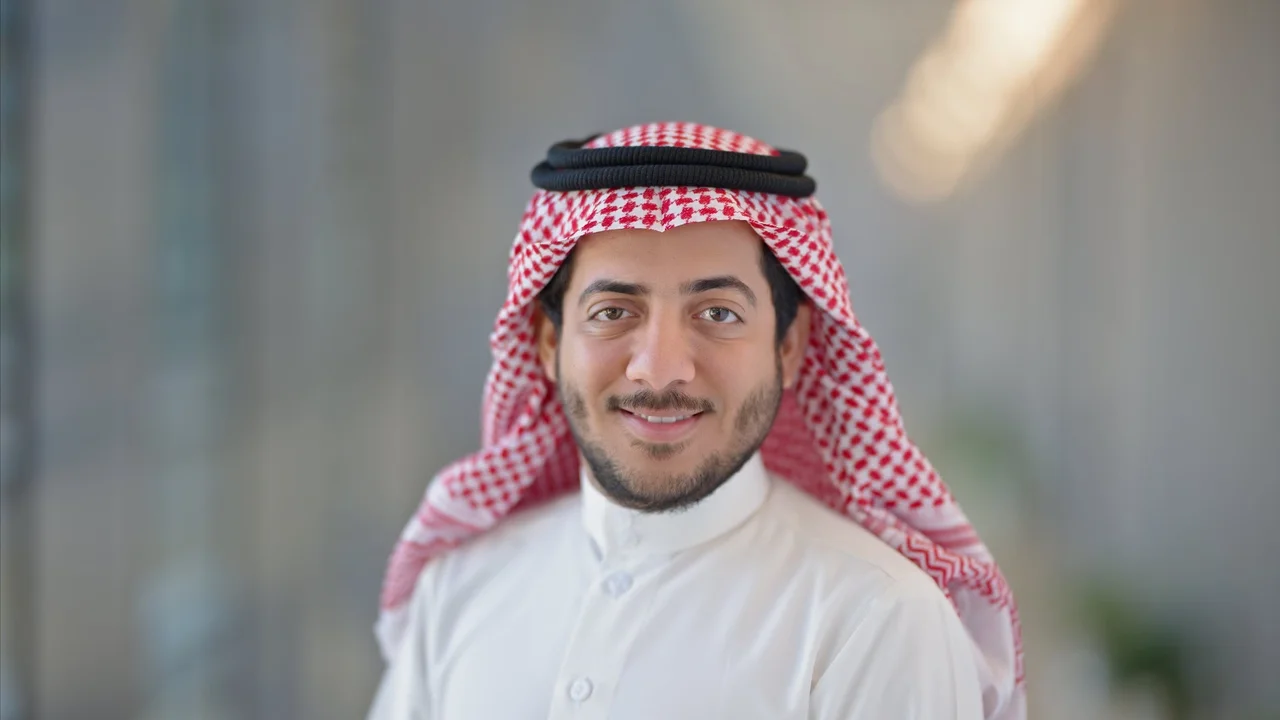
Mojtaba AlShams is a Ph.D. student in Electrical and Computer Engineering at King Abdullah University of Science and Technology (KAUST), specializing in distributed machine learning and hardware-aware inference. He holds a Master’s degree from KAUST and a Bachelor’s degree from King Fahd University of Petroleum and Minerals (KFUPM).
Mojtaba has a strong academic foundation in computing systems, embedded design, and machine learning, complemented by hands-on experience in electrical engineering roles. He has also demonstrated impactful leadership through national educational initiatives, effectively combining deep technical expertise with strategic leadership capabilities.
Expertise and Interests
His research interests focus on edge computing paradigms and distributed learning, with an emphasis on hardware-aware, energy-efficient inference across heterogeneous edge devices.
Education
Biography
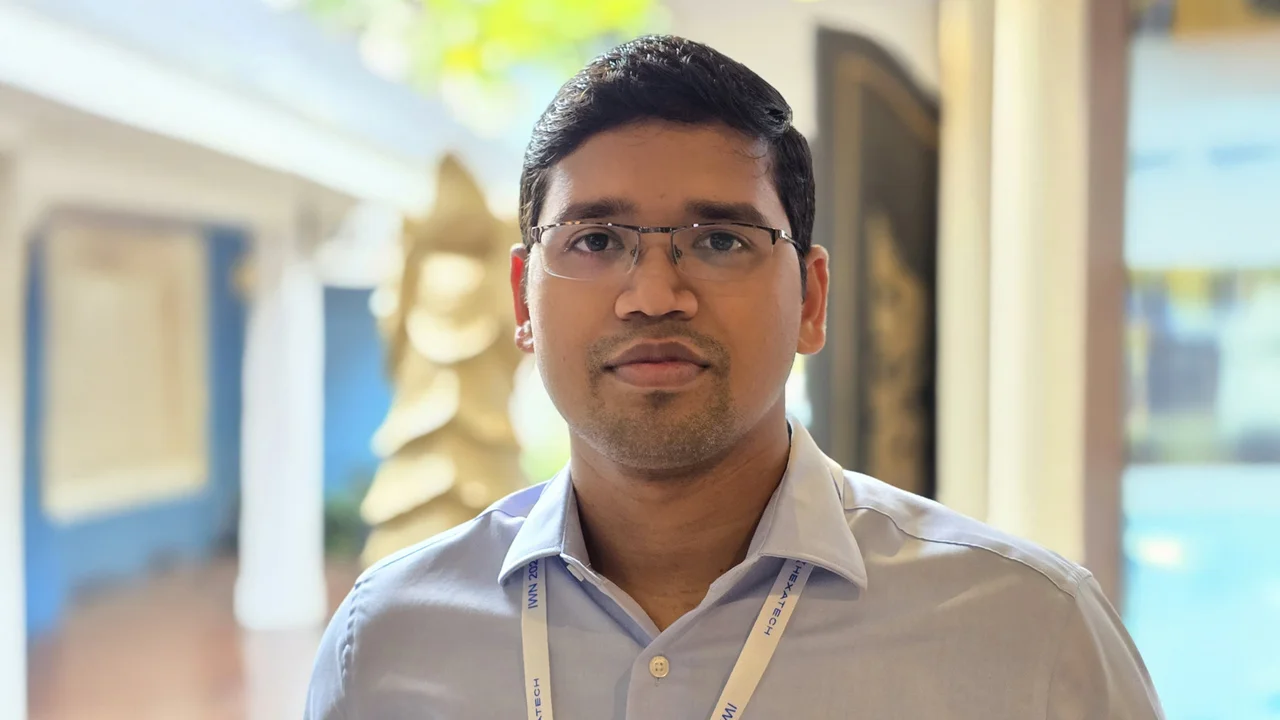
Mritunjay Kumar is a Ph.D. candidate in Electrical Engineering at King Abdullah University of Science and Technology (KAUST), Saudi Arabia, under the supervision of Prof. Xiaohang Li. Before joining KAUST, he earned his Master of Technology from the Indian Institute of Technology (IIT) Dhanbad. His research focuses on developing advanced wide-bandgap semiconductor devices for extreme-temperature power electronics applications, addressing challenges such as threshold voltage instability and high gate leakage currents in GaN HEMTs through innovative materials and gate design techniques.
Mritunjay has made significant contributions to the field of power electronics for extreme temperature, as evidenced by publications in reputed journals such as Applied Physics Letters (APL) and Japanese Journal of Applied Physics (JJAP). His achievements include the development of a high-threshold voltage (7.4 V) enhancement-mode GaN HEMT and the implementation of bi-layer gate stacks for stable operation at temperatures up to 450°C. His work also explores heterogeneous integration, such as combining GaN HEMTs with indium oxide-based driver circuits and gallium oxide transistors, demonstrating stable operation in harsh environments.
Expertise and Interests
Mritunjay’s research interest includes Optoelectronics, and III-Nitrides Power semiconductor devices.
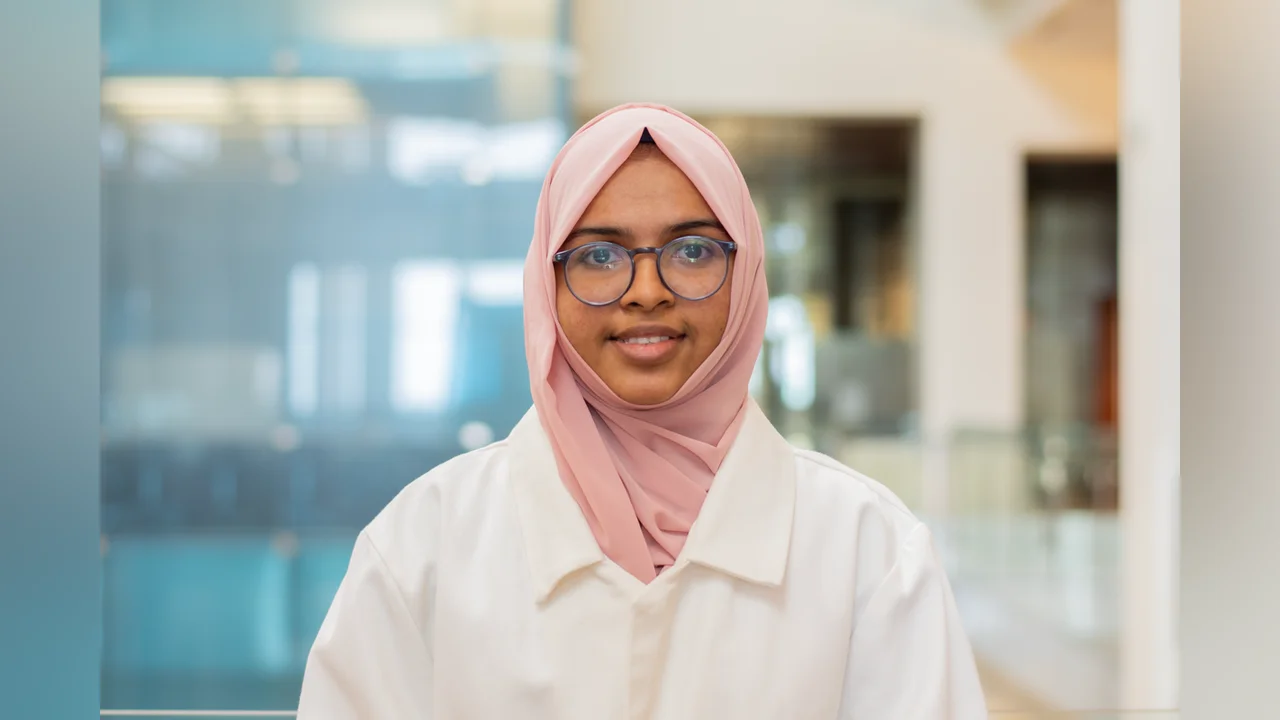
Mufeeda Mundummal
- Ph.D. Student, Bioengineering
Biography
Mufeeda earned her Bachelor’s degree in Chemistry from the University of Calicut, Kerala, India, in 2020. During her studies, she completed an internship at the Indian Institute of Science (IISc), Bengaluru, where she worked on electrocatalysts for sodium hybrid air batteries. She went on to obtain her M.Sc. in Analytical Chemistry from the National Institute of Technology (NIT), Warangal, India, where she specialized in electrochemical analysis and sensor development. Following her master’s, she worked as a Research Assistant, focusing on electrochemical sensors for biomedical applications with an emphasis on novel two-dimensional materials such as MXenes, and published her work in leading Q1 journals. In 2024, she joined King Abdullah University of Science and Technology (KAUST), Saudi Arabia, as a Ph.D. student in Bioengineering. Her current research focuses on the development of wearable sensors for stress monitoring in plants, integrating interdisciplinary approaches across nanotechnology, bioelectronics, and materials science.
Expertise and Interests
Mufeeda’s research focuses on the development of wearable and implantable electrochemical sensors for real-time stress monitoring in plants. She is exploring various electrode systems, including laser scribed graphene and microneedle arrays integrated platforms, for the highly sensitive and selective detection of reactive oxygen species and other stress biomarkers. By combining Materials engineering and bioelectronics, she aims to create innovative sensing systems that provide direct, in vivo insights into plant physiological status, contributing to sustainable agriculture. Beyond plant monitoring, Mufeeda is also interested in extending her research toward the development of advanced sensing platforms for biomedical applications, leveraging similar interdisciplinary strategies to address challenges in healthcare diagnostics.
Education
Education
Biography
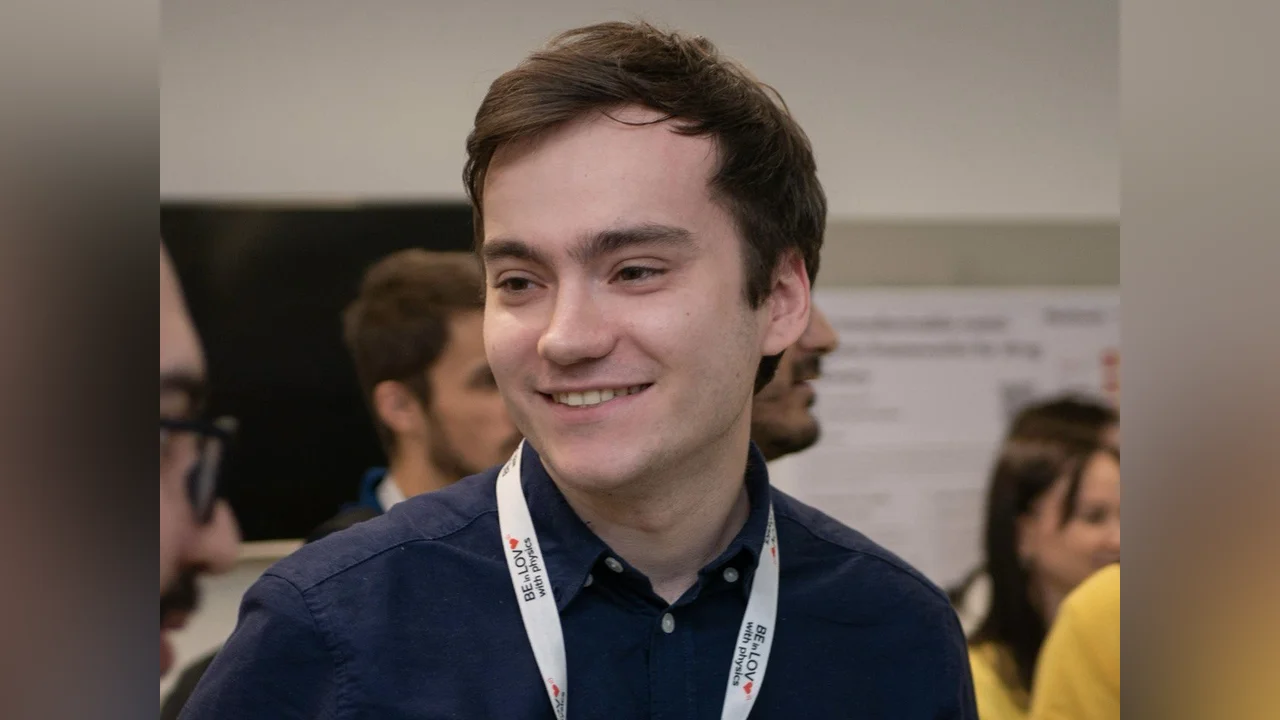
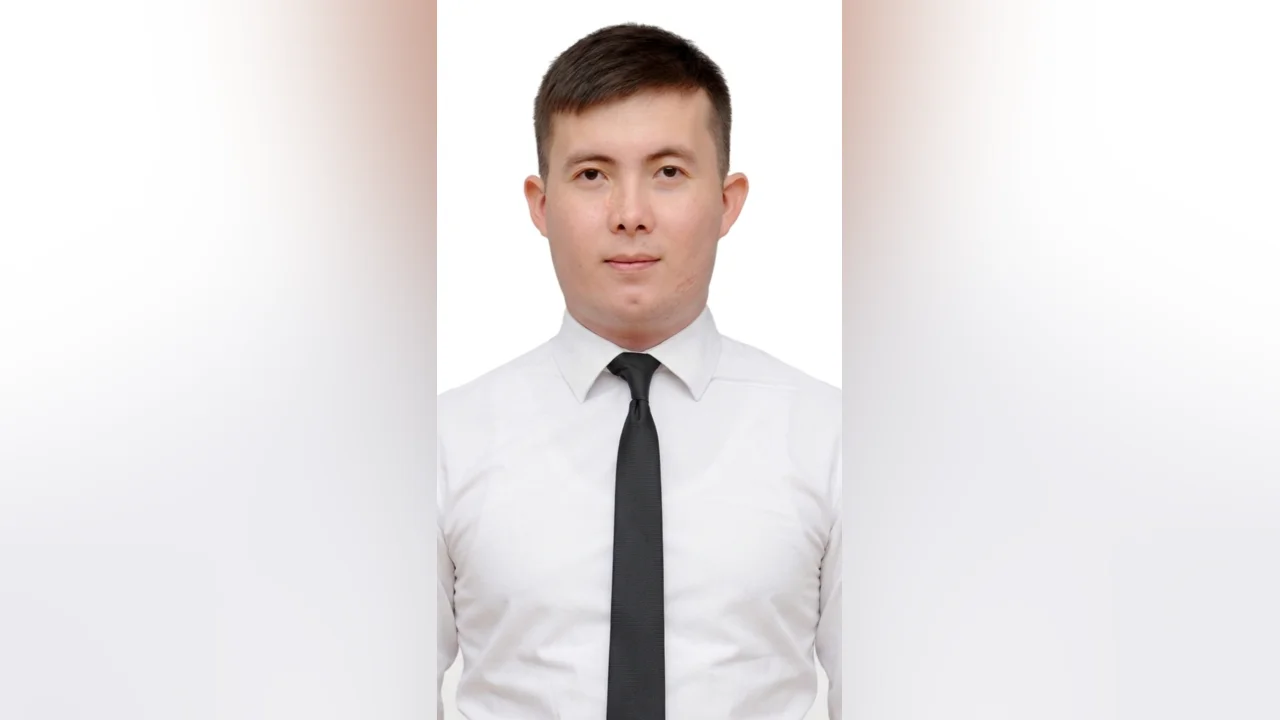
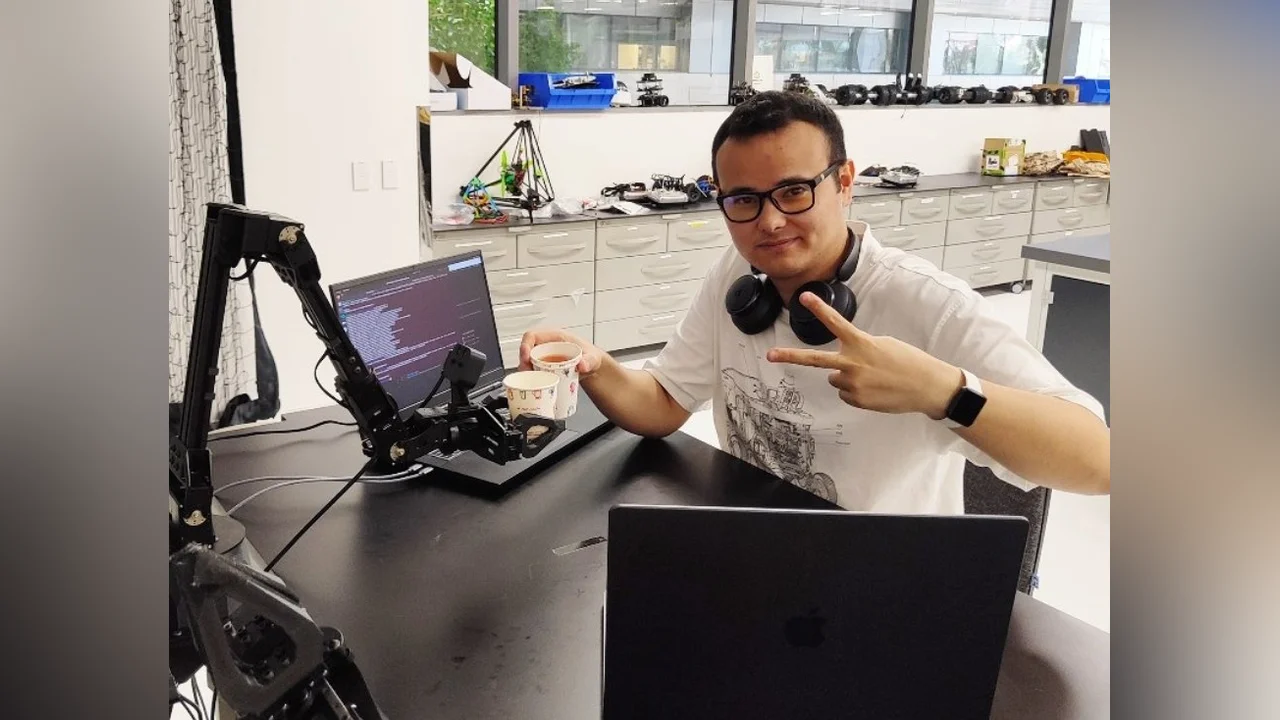
Previously studied at MIPT, top Russian research university, and worked on pre-training YandexVLM, a part of Alice AI virtual assistant.
Expertise and Interests
Interested in world model based planning, robotic manipulation, vision-language-action (VLA) models and generative policies.
Education
Biography
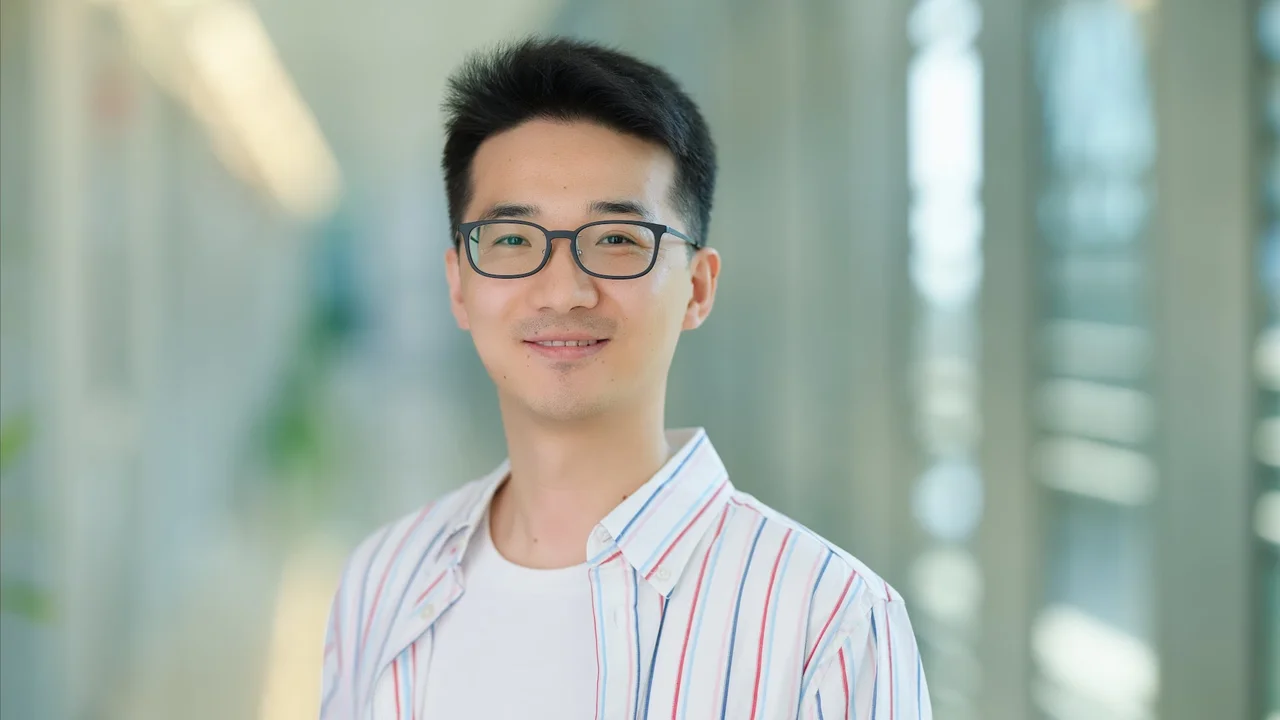
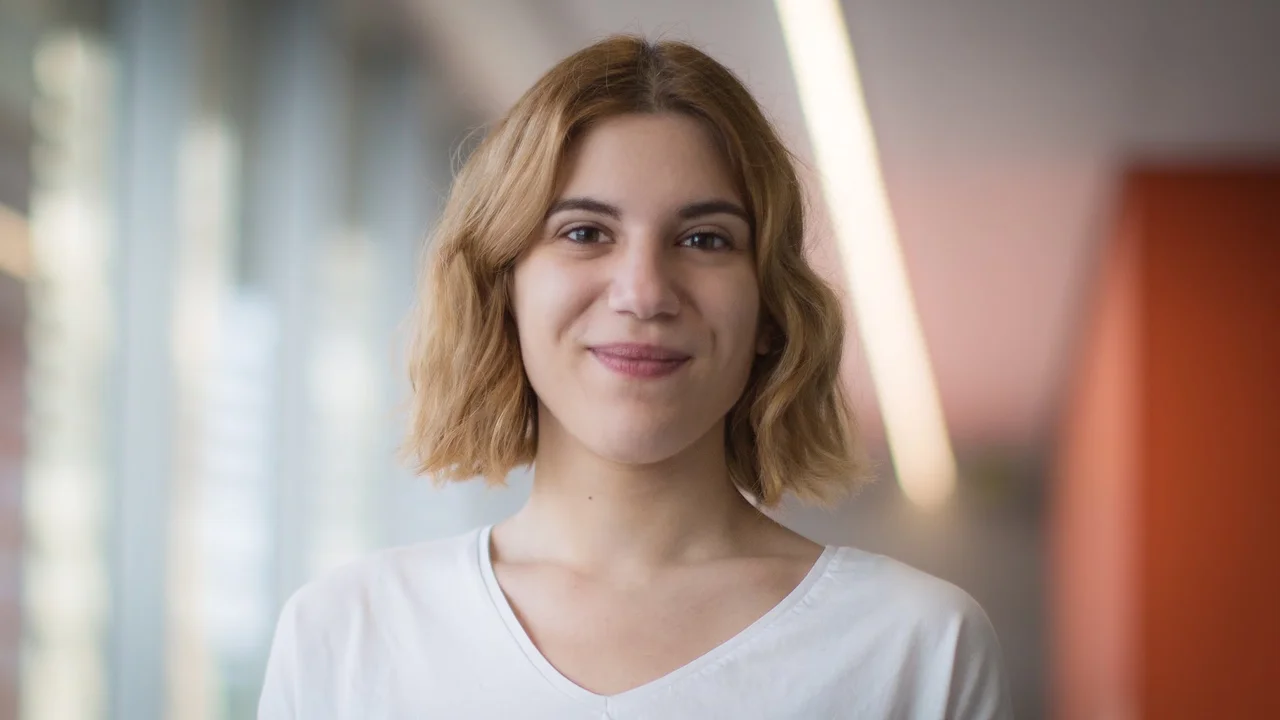
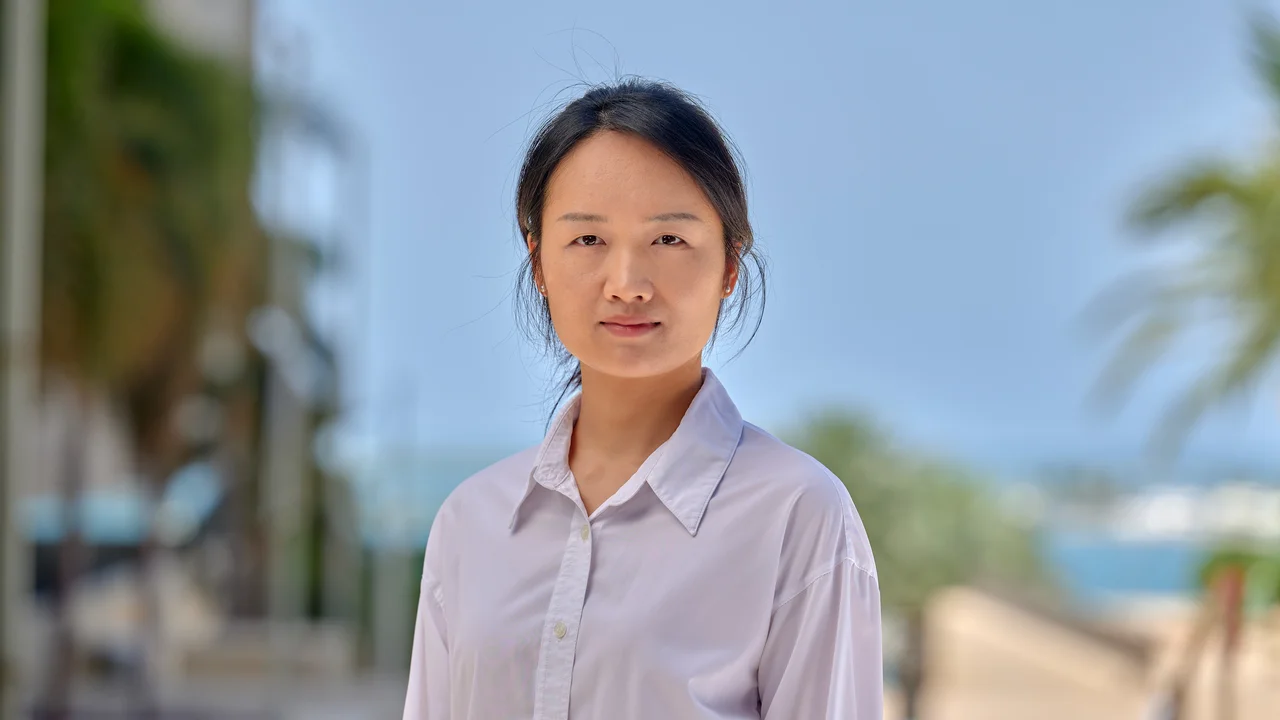
Na Xiao is a Ph.D. candidate in Electrical and Computer Engineering at King Abdullah University of Science and Technology (KAUST), under the supervision of Professor Xiaohang Li. She earned her M.S. degree in Chemistry from Soochow University at Institute of Functional Nano & Soft Materials (FUNSOM) in 2018.
Expertise and Interests
Na Xiao's research focuses on semiconductor fabrication, semiconductor materials and devices, oxide semiconductors, and nanoscale device technologies, and characterization of wide band gap materials.
Education
Biography
Najwa Alshehri is a dedicated Saudi researcher with a strong background in numerical analysis. Her academic journey began with a Bachelor of Mathematics from King Faisal University, where she graduated with honors. Supported by the prestigious King Abdullah Scholarship Program (KASP), she pursued her Master's in Applied and Computational Mathematics at Old Dominion University, USA, followed by a graduate certificate in modeling and simulation.
Najwa is a PhD candidate in Applied Mathematics and Computational Sciences at King Abdullah University of Science and Technology (KAUST), supervised by Professor Daniele Boffi. Najwa received a full governmental scholarship from the Royal Commission of Jubail and Yanbu. She also received the CEMSE Dean's List award for exceptional academic achievements and dedication to research work at KAUST. Alongside her studies, she is serving as president of the SIAM Student Chapter at KAUST.
Expertise and Interests
Najwa's research focuses on the numerical approximation of partial differential equations, specifically, in fluid dynamics and interface problems such as fluid-structure interactions. Her expertise lies in finite element methods and mixed finite elements.
Biography
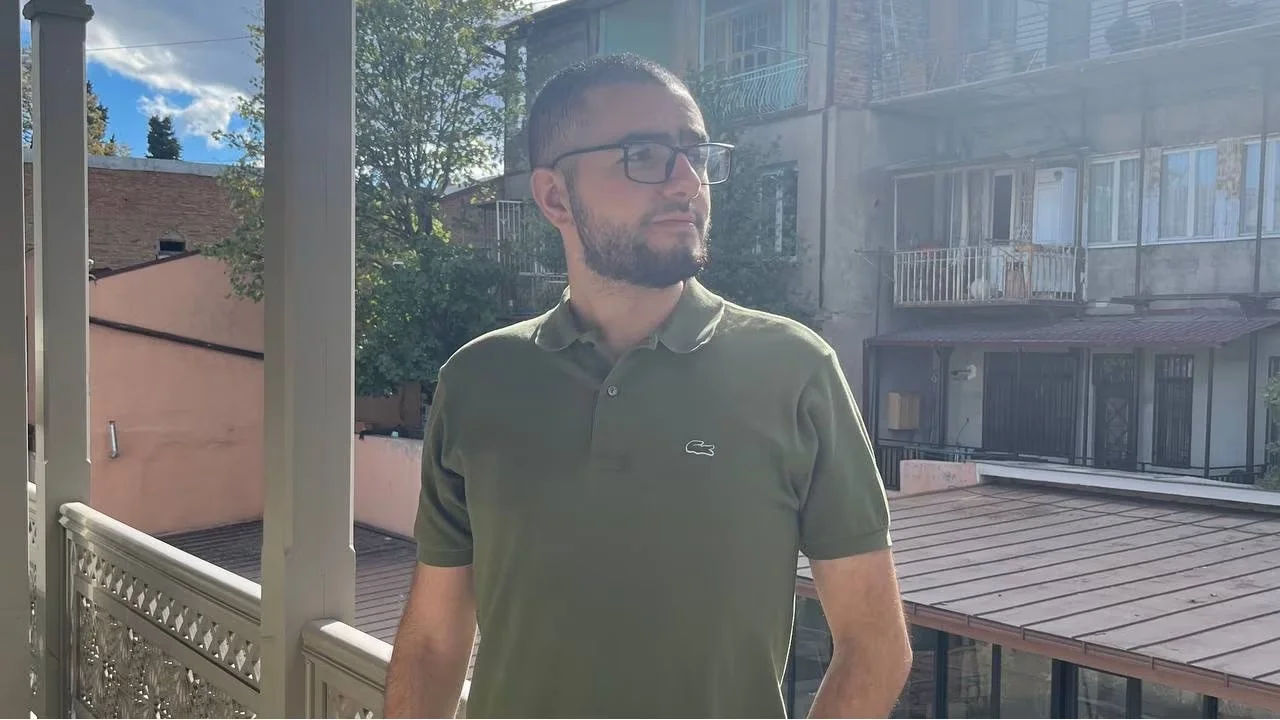
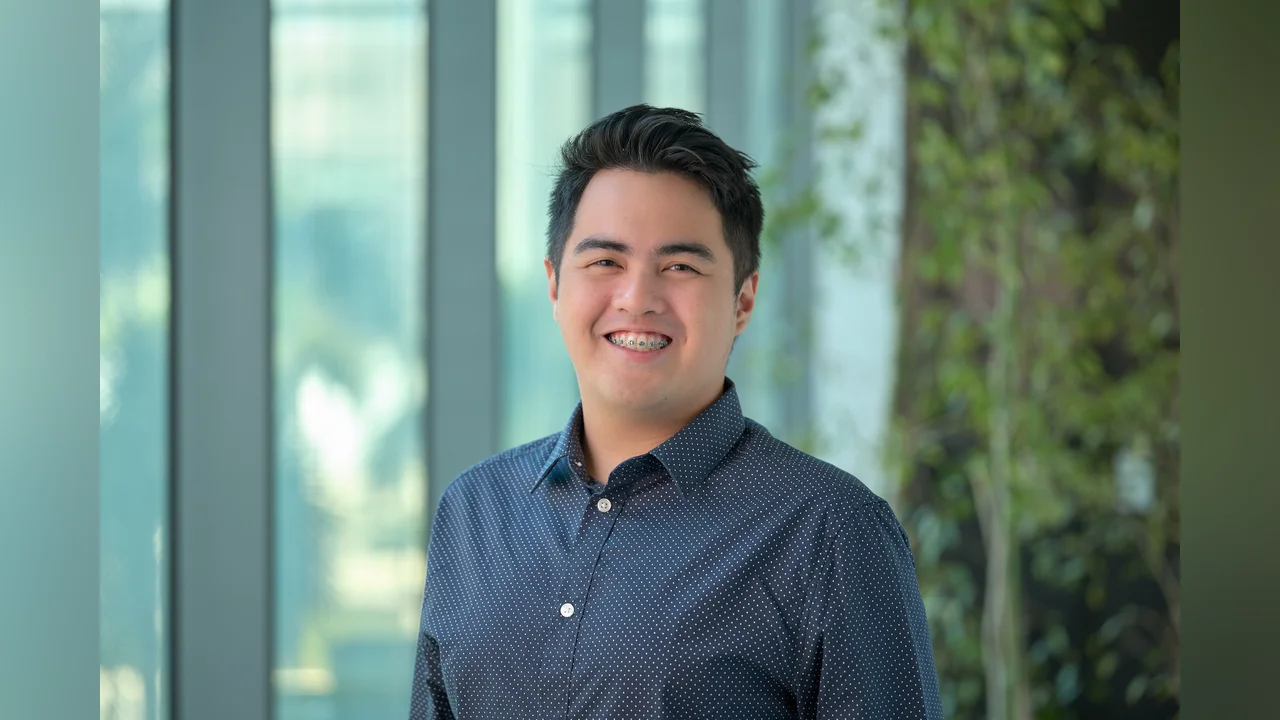
Neil Joshua Limbaga received his bachelor’s degree with honors in Computer Engineering from Ateneo de Manila University, Philippines in 2023, and the master’s degree in Electrical and Computer Engineering in 2025 from King Abdullah University of Science and Technology, Saudi Arabia, where he is currently working toward the doctoral PhD degree in Electrical and Computer Engineering. He has experience both in academia, with publications involving areas in Brain-Computer Interfaces and Embedded AI Applications, and in industry having interned and collaborated for companies like McLaren Racing, Western Digital and Ateneo Innovation Center.
Expertise and Interests
His research interests and areas of expertise involve Computer Architecture, Cyber-Physical Systems, Sensors and Embedded Systems, Artificial Intelligence, FPGA, and Software Engineering
Education
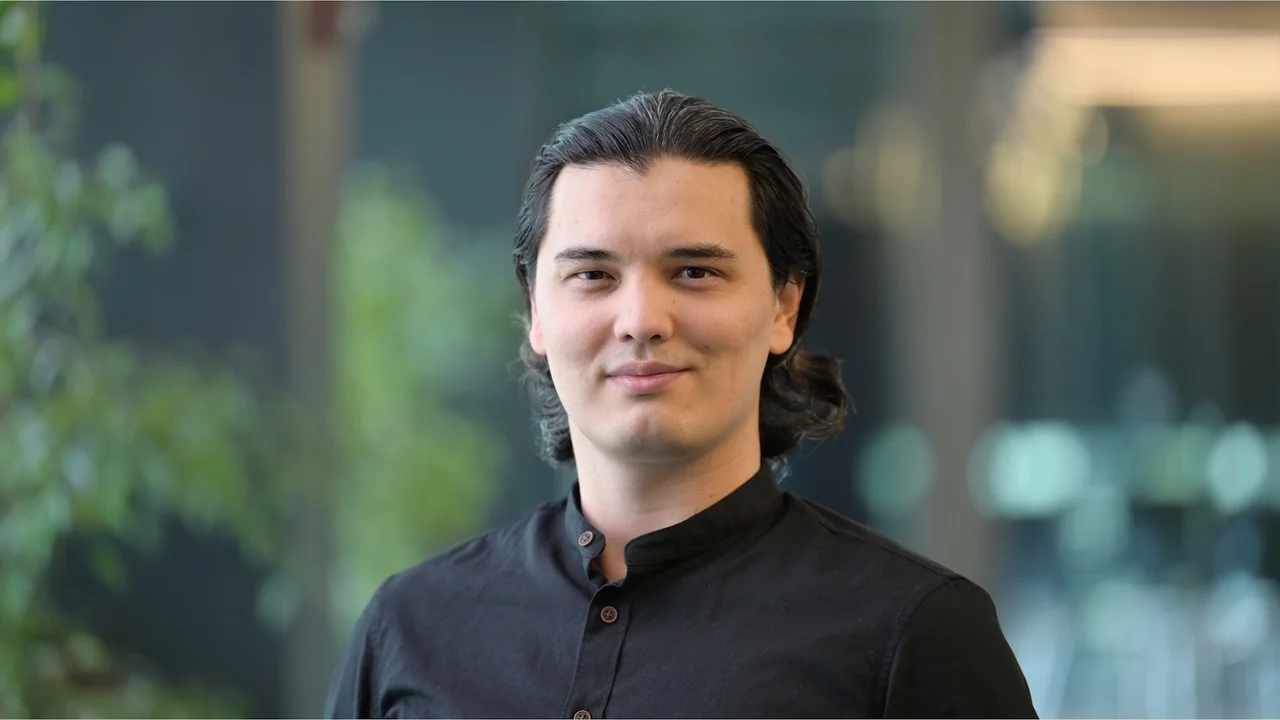
Nussair Hroub
- Ph.D. Student, Computer Science
Biography
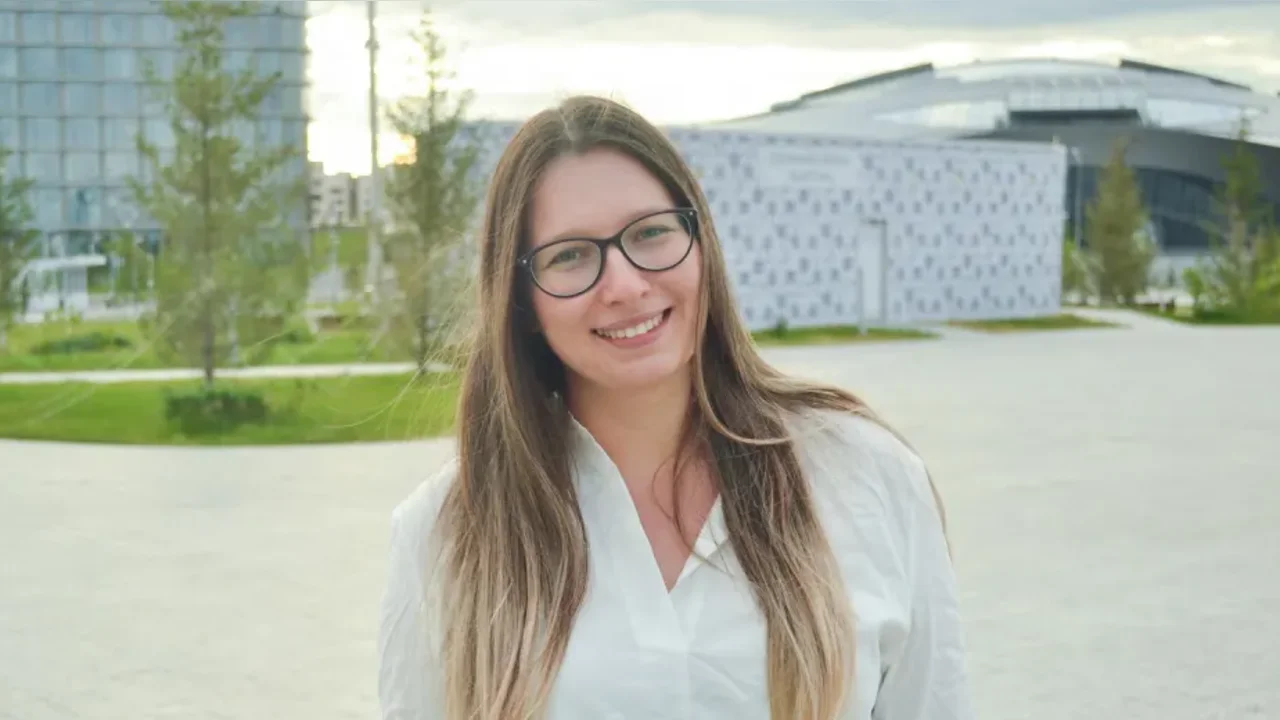
Olga Krestinskaya (Graduate Student Member, IEEE) is a Ph.D. candidate at King Abdullah University of Science and Technology (KAUST), Saudi Arabia. Her research focuses on software–hardware co-design for in-memory computing (IMC) architectures and AI hardware, with a particular interest in hardware-aware neural architecture search (NAS) algorithms, memristor-based systems, neuromorphic computing, and mixed-signal IMC implementations. She has authored several high-impact works on analog memristive neural networks, mixed-signal circuit-level implementations of in-memory computing architectures, quantized neural networks, and brain-inspired algorithms, with a focus on developing energy-efficient and scalable IMC hardware for AI applications.
Olga is the recipient of the 2019 IEEE CASS Predoctoral Award, the 2025 Web of Talents STEM Award (1st place), and multiple KAUST Dean’s Awards. Her work was recognized with the Best Poster Award at the 2nd Nature Conference on Neuromorphic Computing (2024), and she was shortlisted for the prestigious Rising Stars Women in Engineering Workshop (Asian Deans’ Forum 2024).
Expertise and Interests
Olga`s research area is neuromorphic and brain-inspired algorithms, circuits, and architectures. In particular, she is interested in memristor-based architectures for neural networks and neuro-inspired systems. Currently, Olga is focusing on analog circuit-level implementations of reconfigurable memristive neural network architecture and optimization of hyperparameters.
Education
Biography
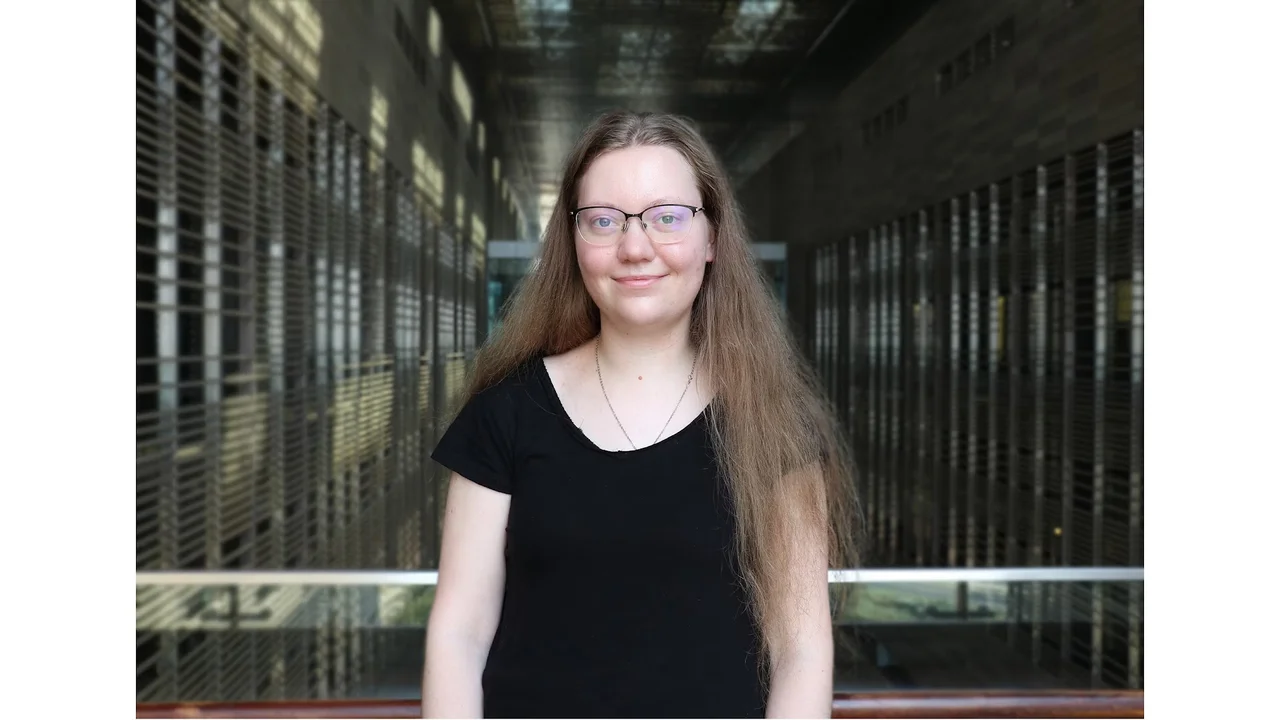
I am a PhD student of computer science in Bio-Ontology Research Group under the supervision of Professor Robert Hoehndorf interested in mathematical and programming applications to natural sciences. In 2023 I graduated from Moscow State University, Faculty of Mechanics and Mathematics, Department of Mathematical Logic and Theory of Algorithms. In 2021 I acquired a second degree in the field of algorithmic bioinformatics. From 2020 to 2023 I worked as a research assistant in Ivannikov Institute for System Programming of the Russian Academy of Sciences; my research there was related to ECG signal classification with deep learning techniques and ECG delineation.
Expertise and Interests
My current research interests are related to the development of ontology embedding methods and knowledge-enhanced learning with application to natural sciences.
Education
Expertise and Interests
AI, IoT, Wireless Communications.
Education
Biography
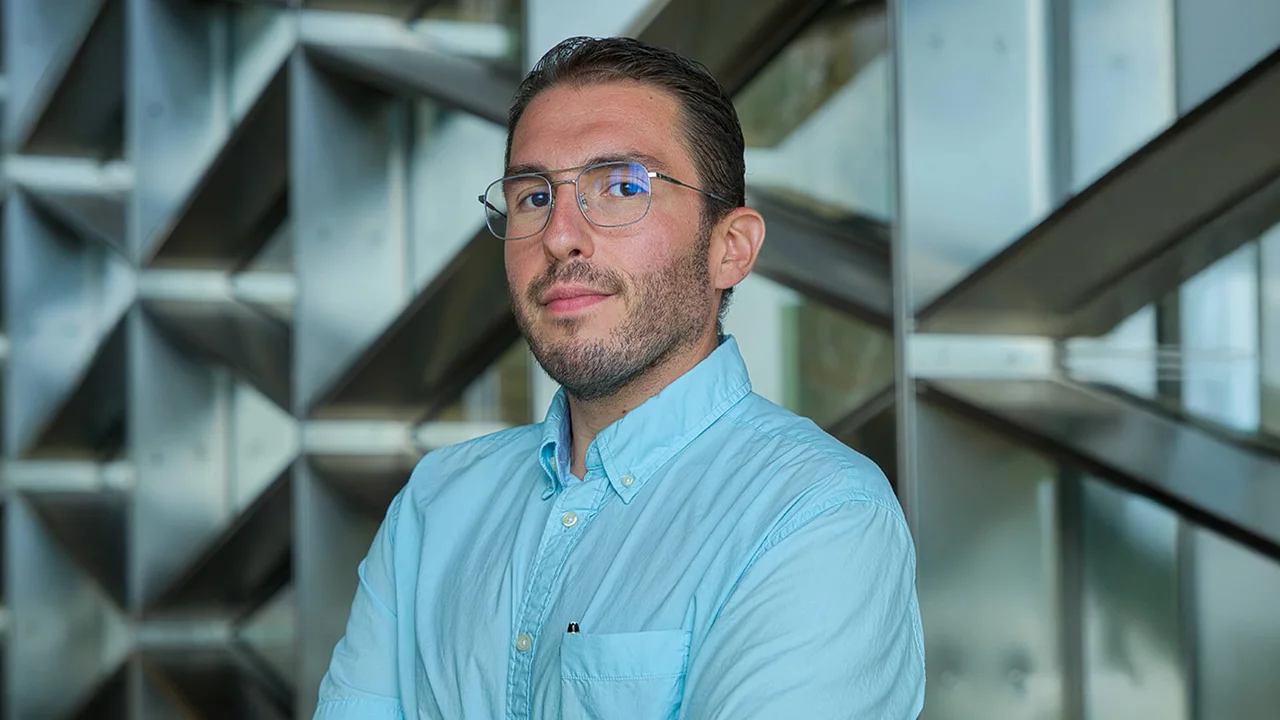
Otavio Bertozzi received his B.Sc. in Electrical Engineering from UNESP, Brazil (2018), and his M.Sc. in Electrical and Computer Engineering from KAUST (2020), where he is currently completing his Ph.D. under the supervision of Prof. Shehab Ahmed. His research focuses on the modeling, analysis, and control of mixed-generation power systems, emphasizing stability in converter-dominated grids. His work spans the development of power system simulation models and the design of control solutions for grid-integrated power electronic systems.
Expertise and Interests
Control systems and power systems engineering. Modeling, simulation, analysis and design of solutions applied to power system stability and control. Optimal and data-driven approaches to the integration of renewable energy resources.
Education
Biography
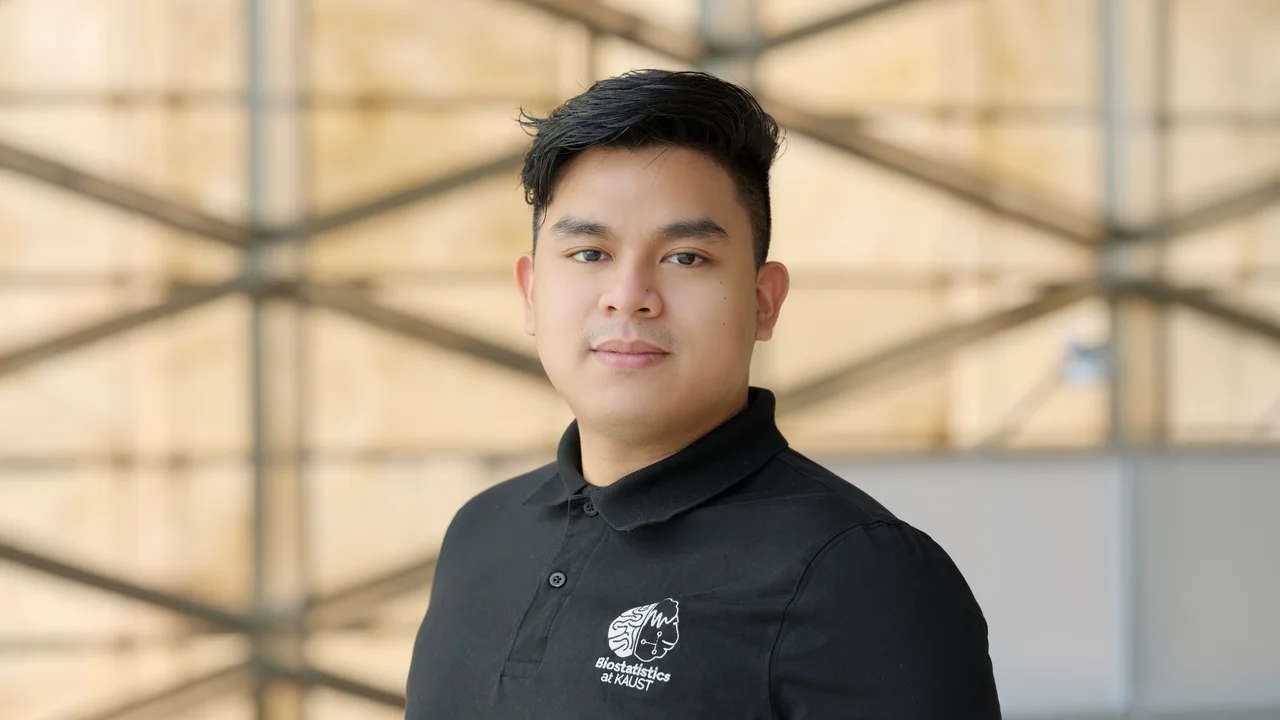
Paolo Redondo obtained his B.S. and M.S. degrees in Statistics from the University of the Philippines Diliman. He is a member of the Biostatistics and Extreme Statistics research groups.
Expertise and Interests
Paolo's research focus on developing methodologies to characterize nonlinear dependence in brain networks and to understand the tail behavior of brain dynamics during abnormal events such as epileptic seizures.