Profiles
Students
Biography
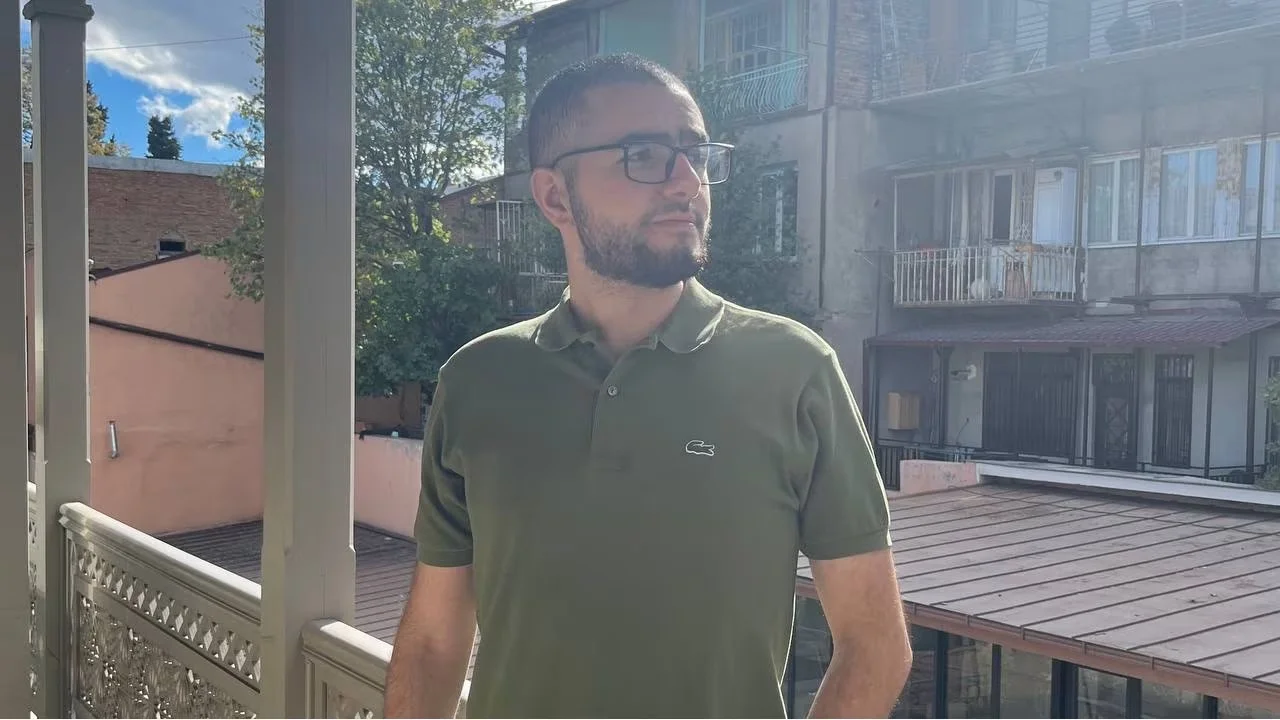
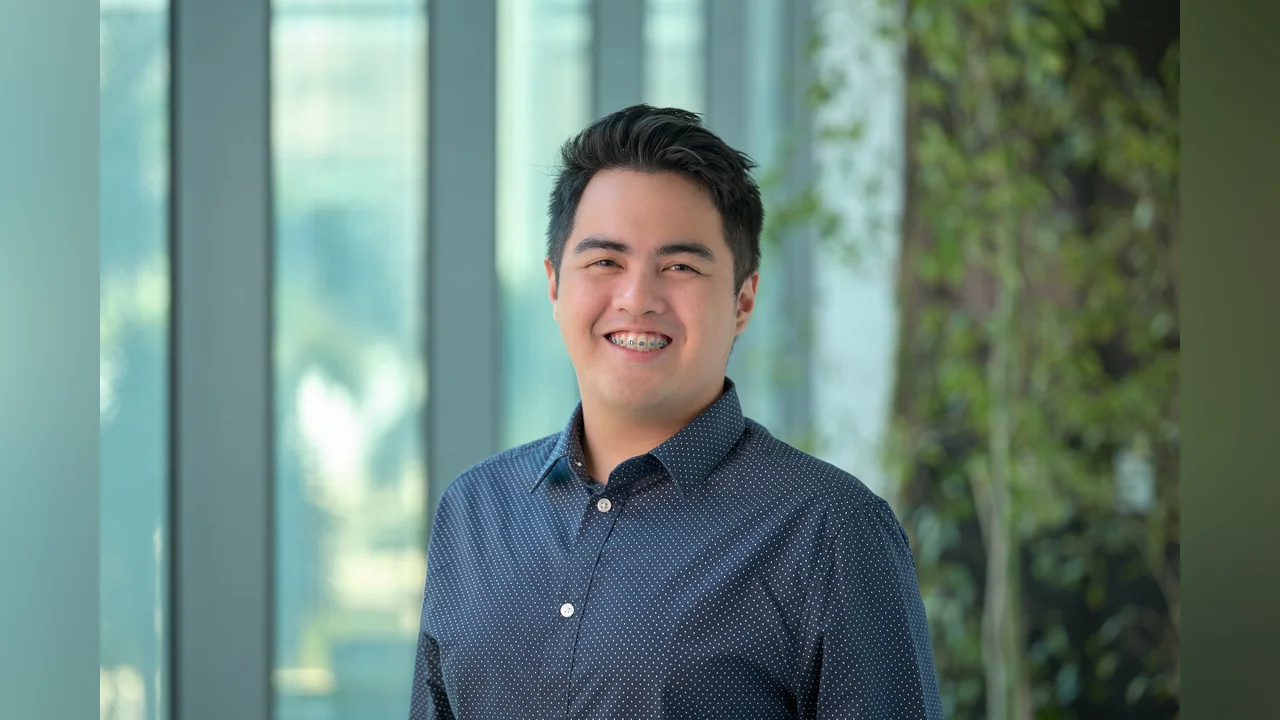
Neil Joshua Limbaga received his bachelor’s degree with honors in Computer Engineering from Ateneo de Manila University, Philippines in 2023, and the master’s degree in Electrical and Computer Engineering in 2025 from King Abdullah University of Science and Technology, Saudi Arabia, where he is currently working toward the doctoral PhD degree in Electrical and Computer Engineering. He has experience both in academia, with publications involving areas in Brain-Computer Interfaces and Embedded AI Applications, and in industry having interned and collaborated for companies like McLaren Racing, Western Digital and Ateneo Innovation Center.
Expertise and Interests
His research interests and areas of expertise involve Computer Architecture, Cyber-Physical Systems, Sensors and Embedded Systems, Artificial Intelligence, FPGA, and Software Engineering
Education

Biography
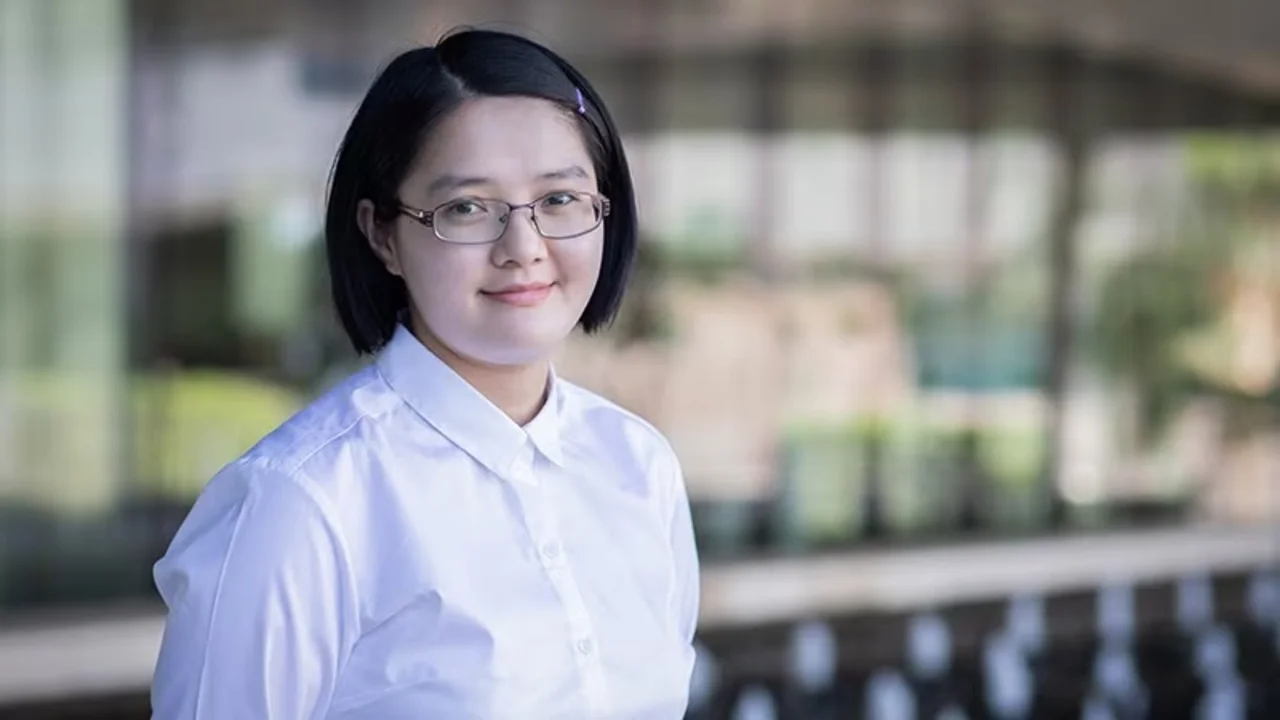
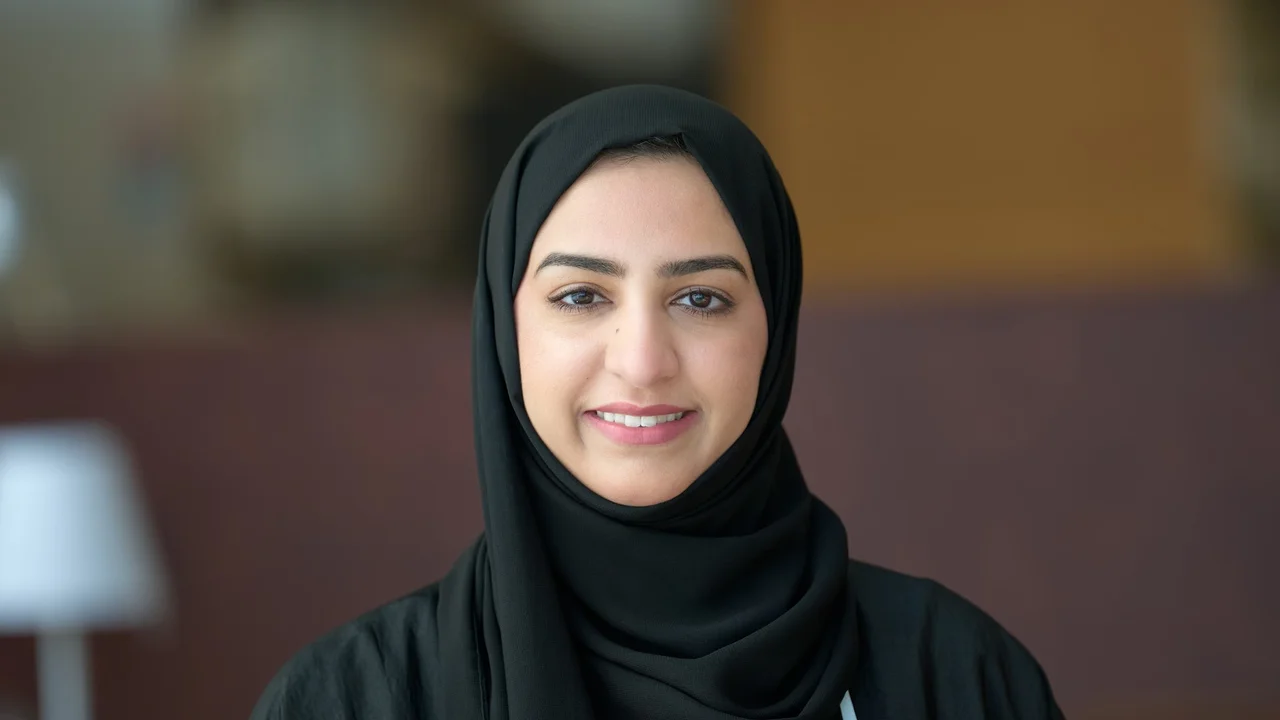
Norah Alballa is a Ph.D. student in Computer Science at King Abdullah University of Science and Technology (KAUST), advised by Professor Marco Canini. She received her M.Sc. in Computer Science from Portland State University, USA, and her B.Sc. in Information Technology from King Saud University, graduating with First-Class Honors in both degrees. During her Ph.D. studies, she received the KAUST CEMSE Division's Dean’s List Award. She has also been involved in teaching and mentoring activities.
Expertise and Interests
Norah Alballa's research focuses on collaborative and distributed machine learning, knowledge distillation, federated learning, and efficient inference with large language models.
Education
Biography
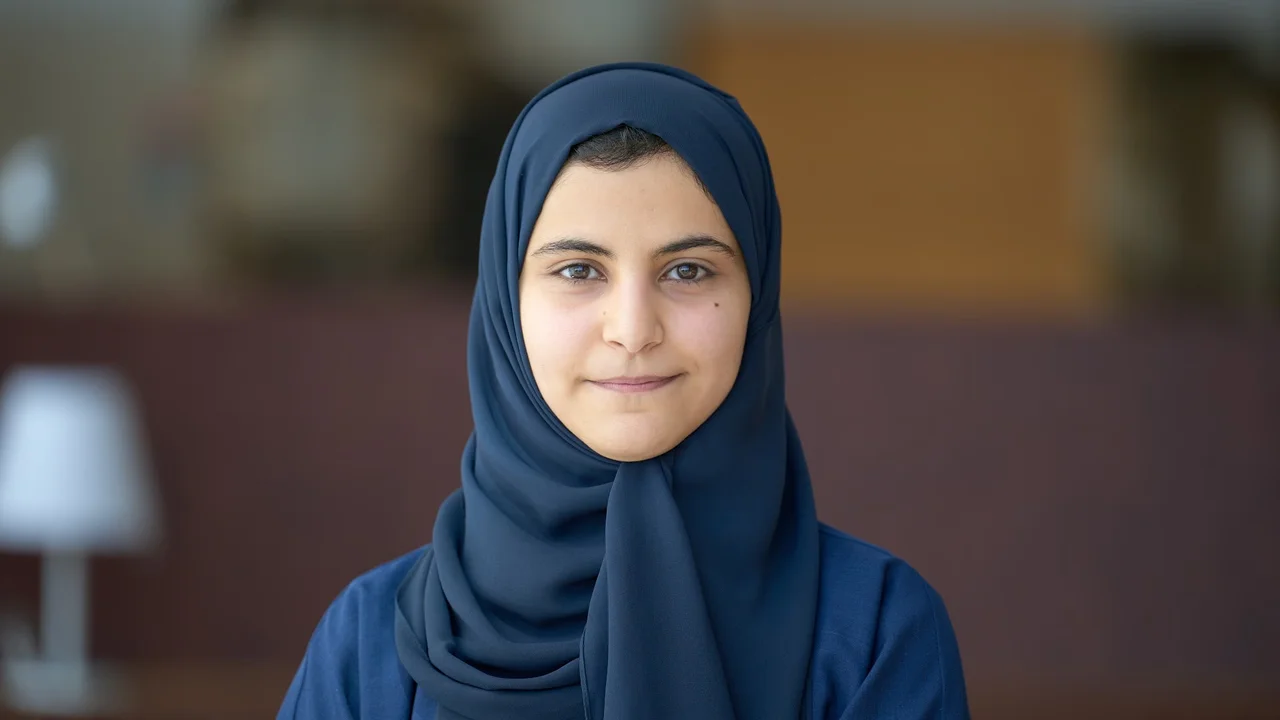
Noura Alotaibi is a Ph.D. student in Statistics at King Abdullah University of Science and Technology (KAUST), under the supervision of Prof. Raphaël G. Huser. Before joining KAUST, Noura obtained an M.S. degree in Statistics from Ohio University, United States.
Expertise and Interests
Noura Alotaibi's research focuses on multivariate and spatial extreme-value statistics, with particular interests in flexible dependence modeling, Bayesian inference, and neural simulation-based methods for computationally challenging statistical models.
Biography
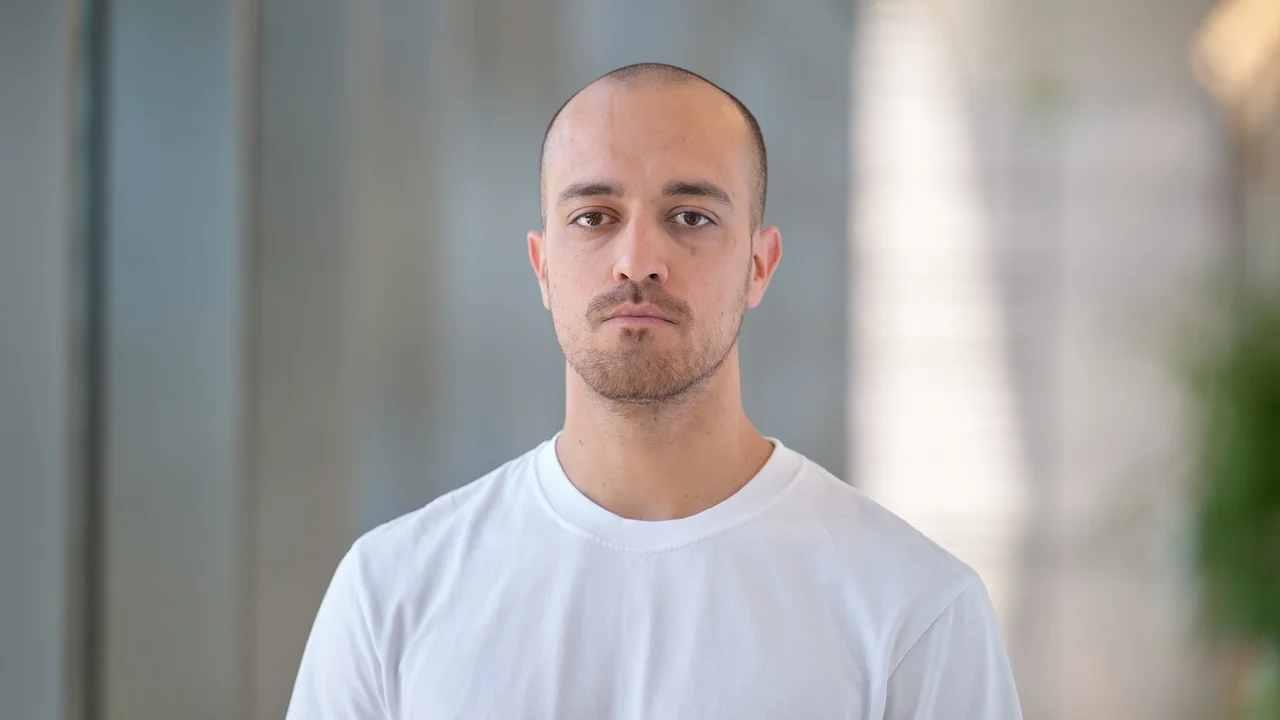
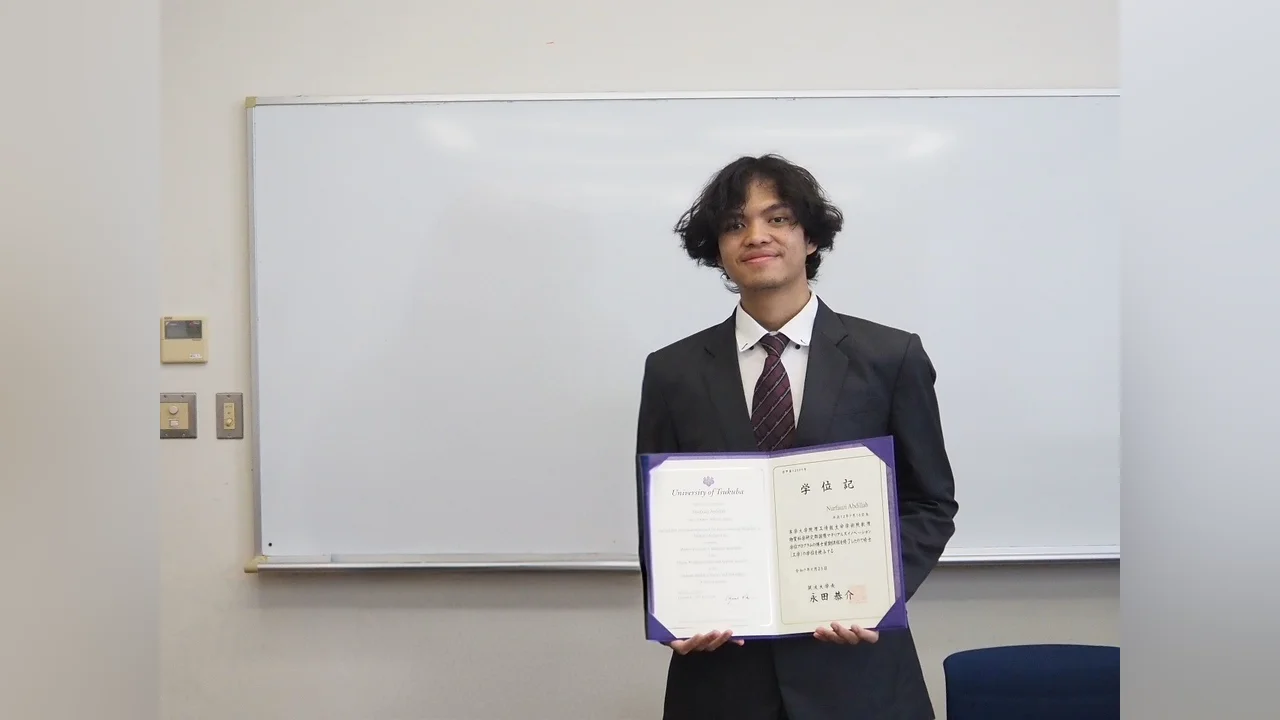
Nurfauzi Abdillah is a PhD student in Electrical and Computer Engineering at King Abdullah University of Science and Technology (KAUST). He received his B.S. in Engineering Physics from Bandung Institute of Technology (ITB) in 2022 and his M.Eng. in Materials Innovation from the University of Tsukuba in 2025. His work spans density functional theory calculations, semiconductor device TCAD simulation, and thin-film growth and characterization. He is now working on ultrawide-bandgap semiconductors for power electronics.
Expertise and Interests
Expertise:
- Density functional theory (DFT) calculations
- Semiconductor device TCAD simulations
- Thin film growth and characterization
Research interests: Ultrawide-bandgap semiconductors for power electronics.
Education
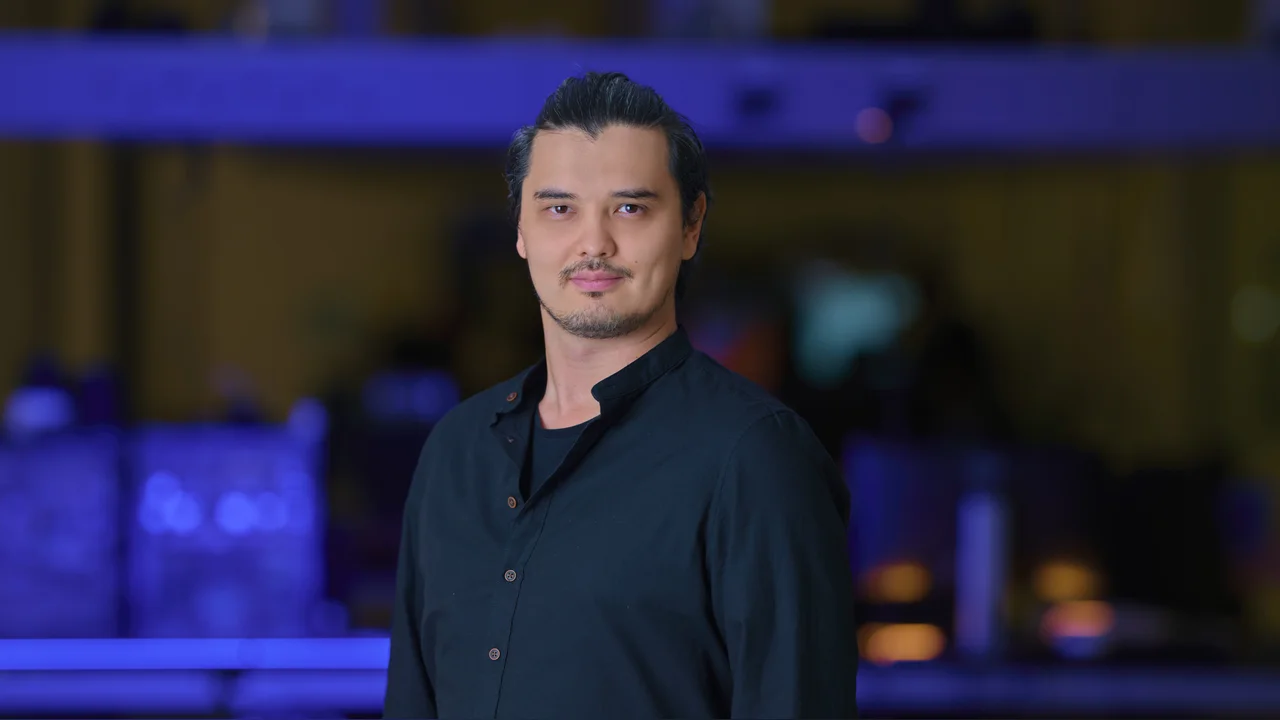
Nurzhan Yesmagambet
- Ph.D. Student, Electrical and Computer Engineering
Education
Nussair Hroub
- Ph.D. Student, Computer Science
Biography
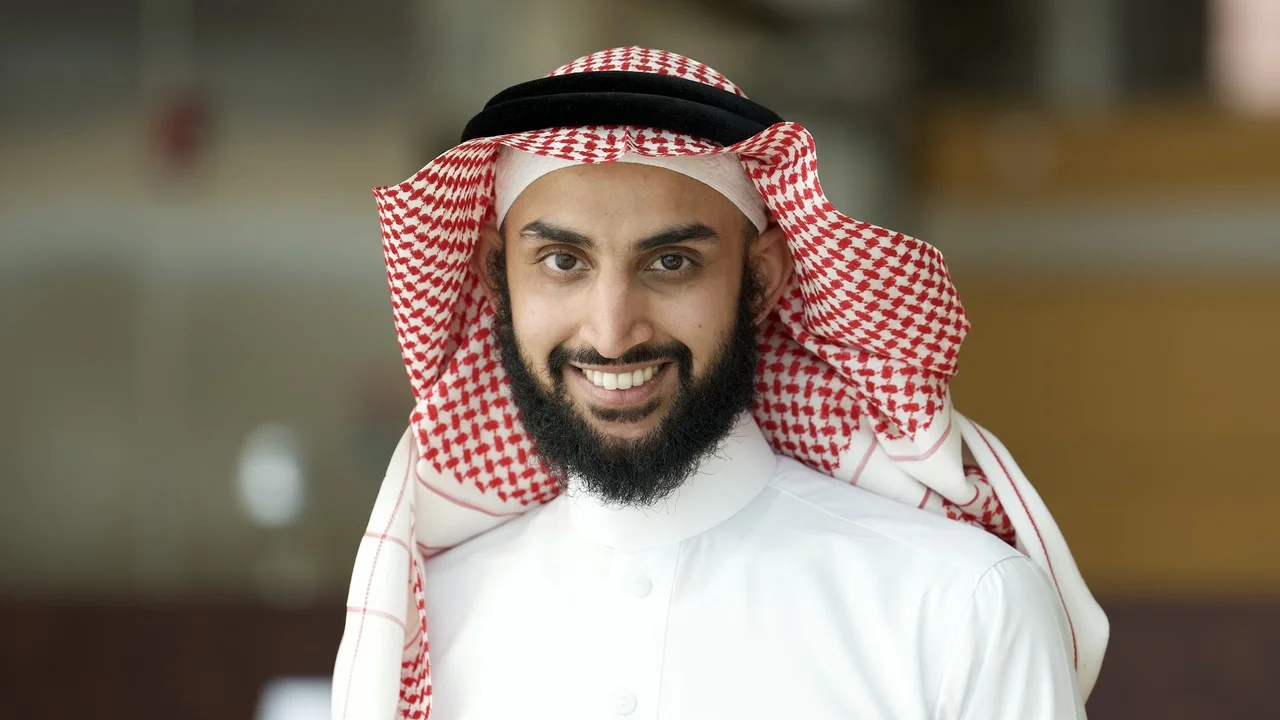
Nuzhat Yousf is a Ph.D. student in Electrical and Computer Engineering at King Abdullah University of Science and Technology (KAUST), Saudi Arabia.
She received her Master’s degree in Electronics and Communication Engineering from Jamia Millia Islamia (JMI), New Delhi, in 2024, and her Bachelor’s degree in Electronics and Communication Engineering from Jamia Millia Islamia in 2021.
Expertise and Interests
Nuzhat’s expertise includes Tunnel Field-Effect Transistors (TFETs), Negative-Capacitance (NC) vertical TFETs, and semiconductor device modeling and simulation for energy-efficient sensing and computing applications.
Her current research interests include monolithic 3D integration, emerging logic and memory devices, wide-bandgap semiconductors, and energy-efficient computing.
Education
Biography
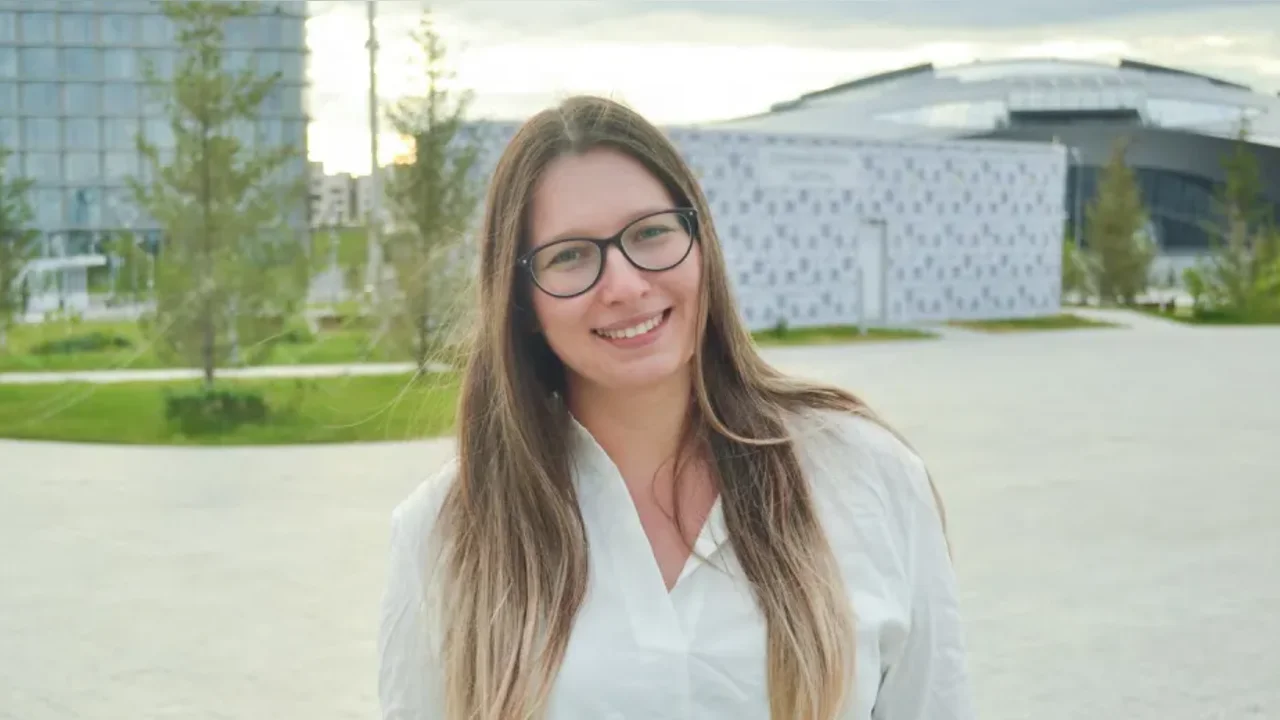
Olga Krestinskaya (Graduate Student Member, IEEE) is a Ph.D. candidate at King Abdullah University of Science and Technology (KAUST), Saudi Arabia. Her research focuses on software–hardware co-design for in-memory computing (IMC) architectures and AI hardware, with a particular interest in hardware-aware neural architecture search (NAS) algorithms, memristor-based systems, neuromorphic computing, and mixed-signal IMC implementations. She has authored several high-impact works on analog memristive neural networks, mixed-signal circuit-level implementations of in-memory computing architectures, quantized neural networks, and brain-inspired algorithms, with a focus on developing energy-efficient and scalable IMC hardware for AI applications.
Olga is the recipient of the 2019 IEEE CASS Predoctoral Award, the 2025 Web of Talents STEM Award (1st place), and multiple KAUST Dean’s Awards. Her work was recognized with the Best Poster Award at the 2nd Nature Conference on Neuromorphic Computing (2024), and she was shortlisted for the prestigious Rising Stars Women in Engineering Workshop (Asian Deans’ Forum 2024).
Expertise and Interests
Olga`s research area is neuromorphic and brain-inspired algorithms, circuits, and architectures. In particular, she is interested in memristor-based architectures for neural networks and neuro-inspired systems. Currently, Olga is focusing on analog circuit-level implementations of reconfigurable memristive neural network architecture and optimization of hyperparameters.
Education
Biography
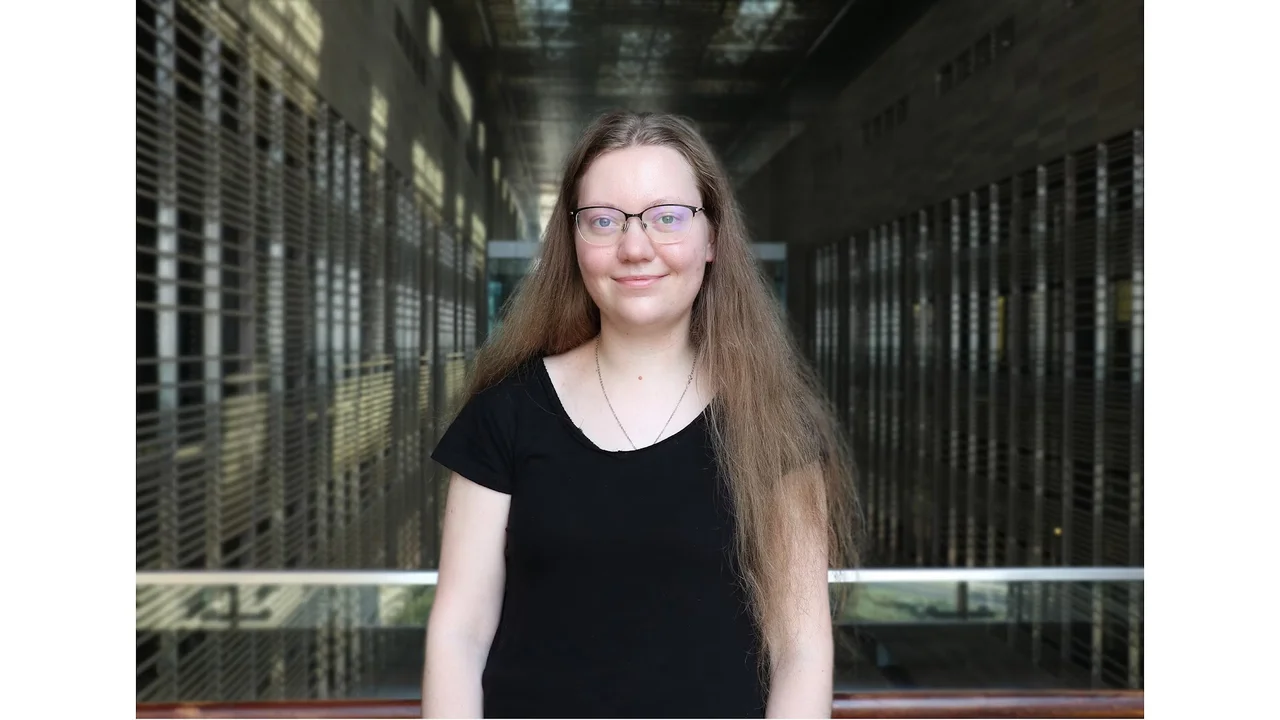
I am a PhD student of computer science in Bio-Ontology Research Group under the supervision of Professor Robert Hoehndorf interested in mathematical and programming applications to natural sciences. In 2023 I graduated from Moscow State University, Faculty of Mechanics and Mathematics, Department of Mathematical Logic and Theory of Algorithms. In 2021 I acquired a second degree in the field of algorithmic bioinformatics. From 2020 to 2023 I worked as a research assistant in Ivannikov Institute for System Programming of the Russian Academy of Sciences; my research there was related to ECG signal classification with deep learning techniques and ECG delineation.
Expertise and Interests
My current research interests are related to the development of ontology embedding methods and knowledge-enhanced learning with application to natural sciences.
Education
Expertise and Interests
AI, IoT, Wireless Communications.
Education
Biography
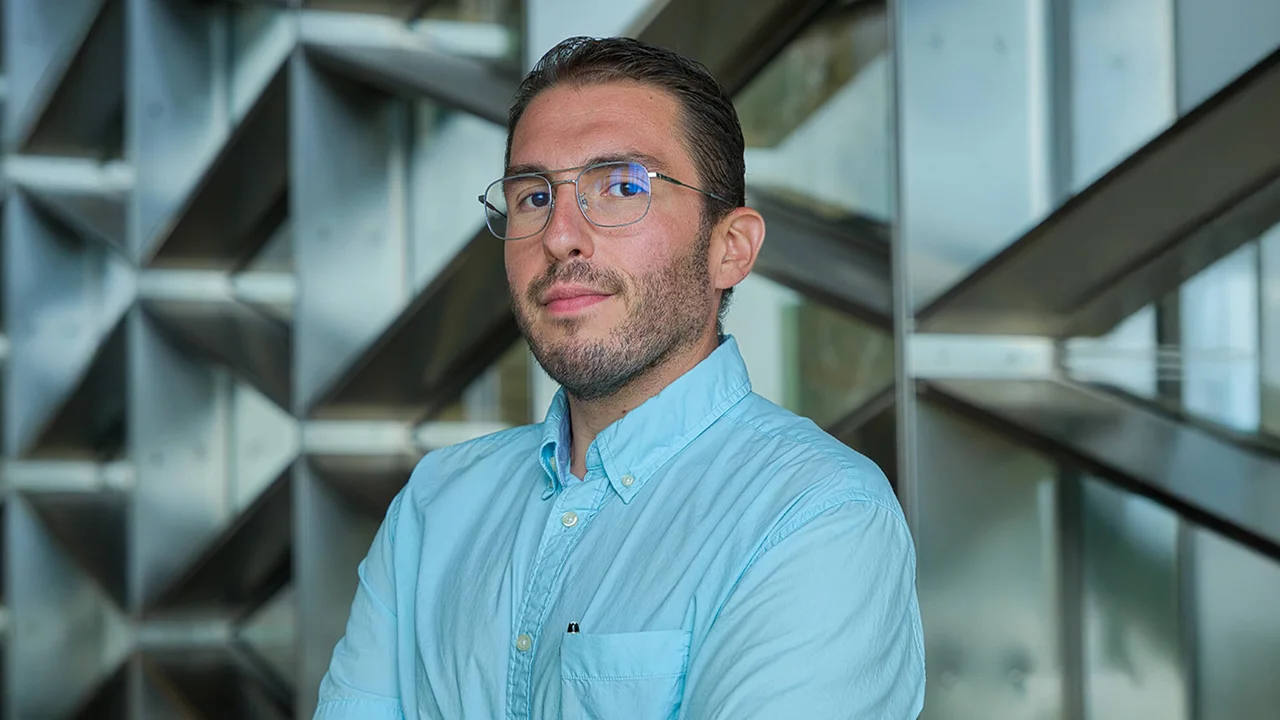
Otavio Bertozzi received his B.Sc. in Electrical Engineering from UNESP, Brazil (2018), and his M.Sc. in Electrical and Computer Engineering from KAUST (2020), where he is currently completing his Ph.D. under the supervision of Prof. Shehab Ahmed. His research focuses on the modeling, analysis, and control of mixed-generation power systems, emphasizing stability in converter-dominated grids. His work spans the development of power system simulation models and the design of control solutions for grid-integrated power electronic systems.
Expertise and Interests
Control systems and power systems engineering. Modeling, simulation, analysis and design of solutions applied to power system stability and control. Optimal and data-driven approaches to the integration of renewable energy resources.
Education
Biography
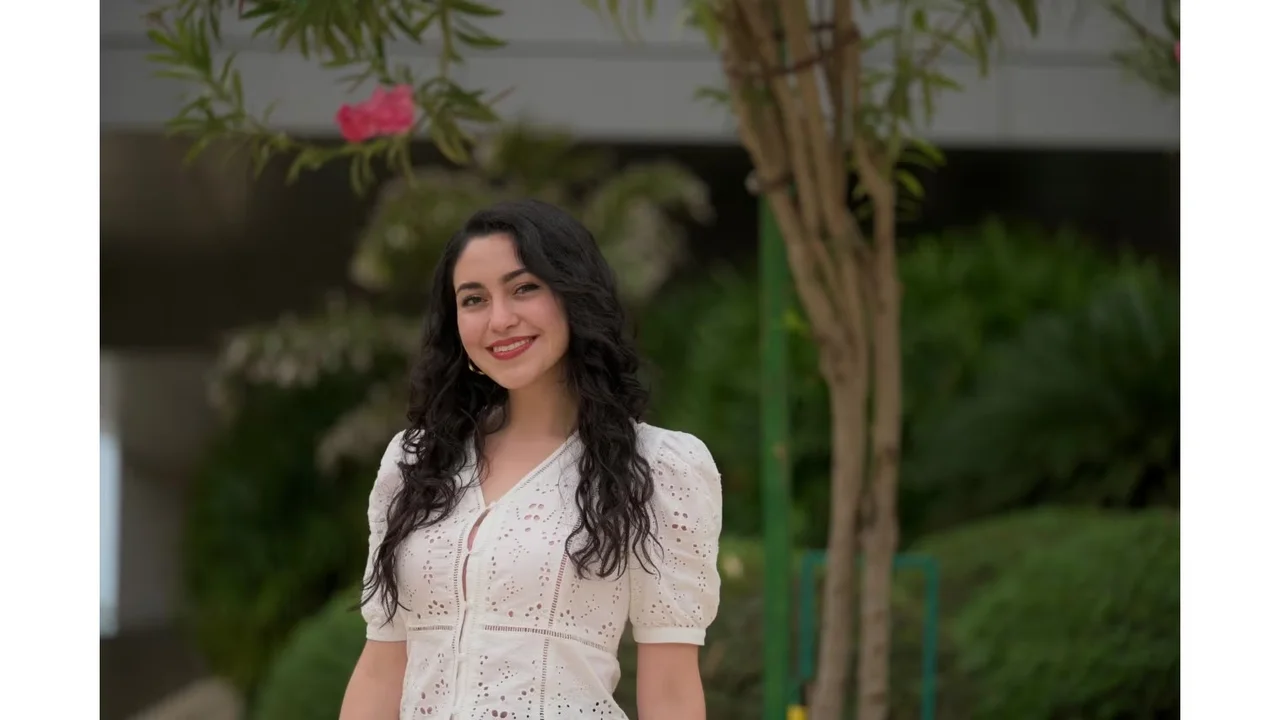
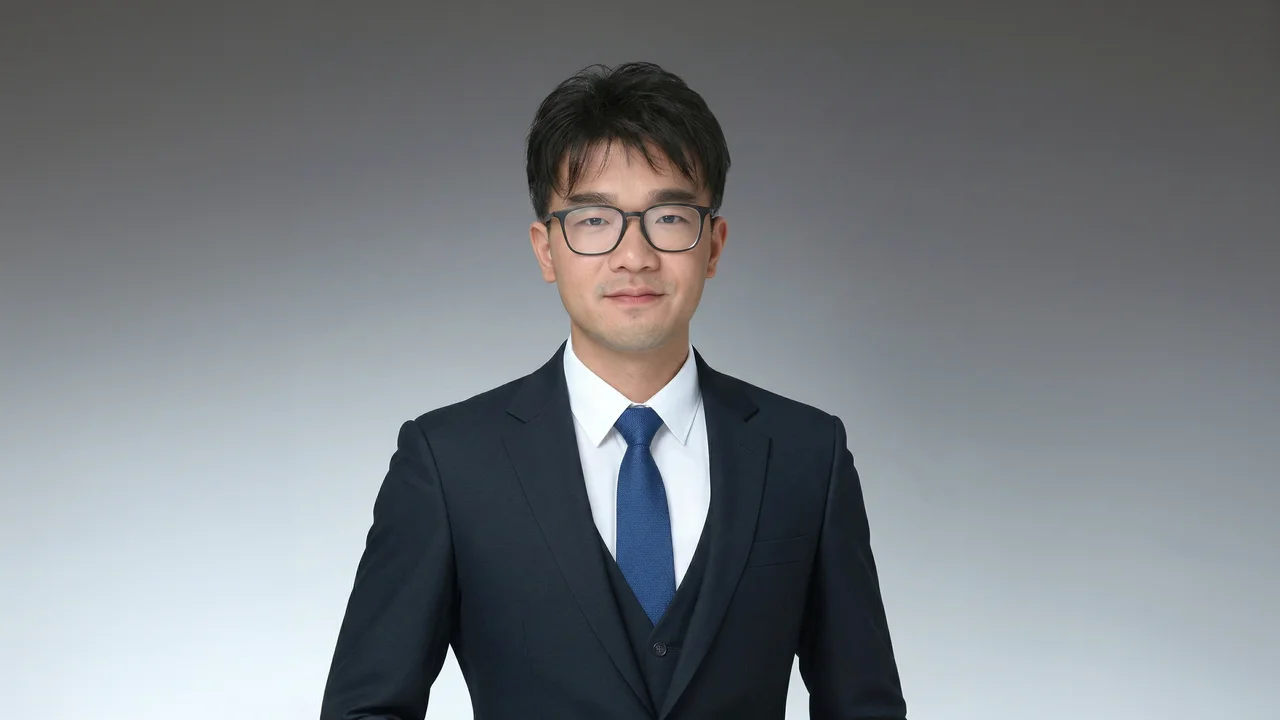
Peihao Li obtain his Ph.D. and M.S. degrees in Electrical Engineering from King Abdullah University of Science and Technology (KAUST) Computer, Electrical and Mathematical Sciences and Engineering (CEMSE) Division. He got a B.S. in Engineering with specialization in Observation, Navigation and Control from Northwestern Polytechnical University (NWPU), China.
Expertise and Interests
Peihao Li's research interests include UAV navigating, image processing and robust control. He is developing algorithms and applications in signal processing and semi-classical signal analysis (SCSA).
At KAUST, his research encompassed such areas as validating adaptive Lyapunov controller at the solar collector setup, and gained experimental results that comes from the real data, as an extension to related literature work. Developing algorithms based on semi-classical signal analysis (SCSA) and we have developed a denoising algorithm with a curvature constraint that performs well compared to other existing denoising method. And denoising pulse shaped signals based on the Schrodinger operator and a curvature constraint.
Education
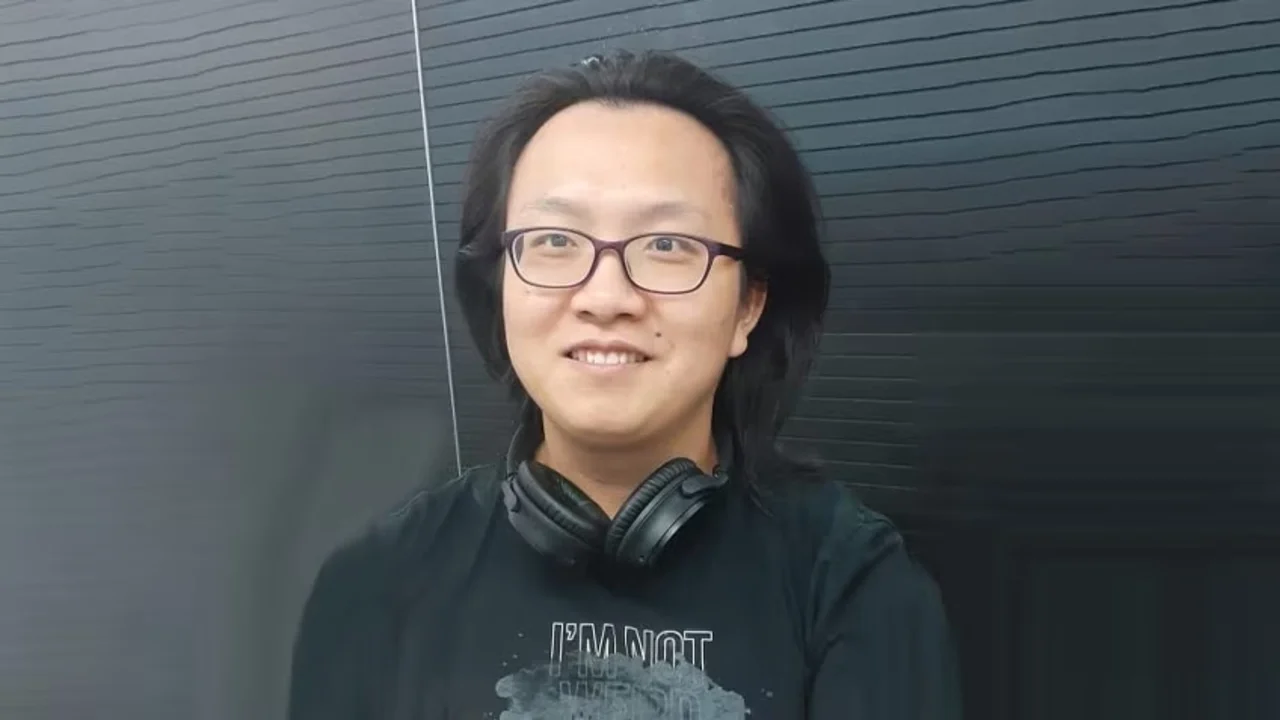
Piotr Piękos
- Ph.D. Student, Computer Science
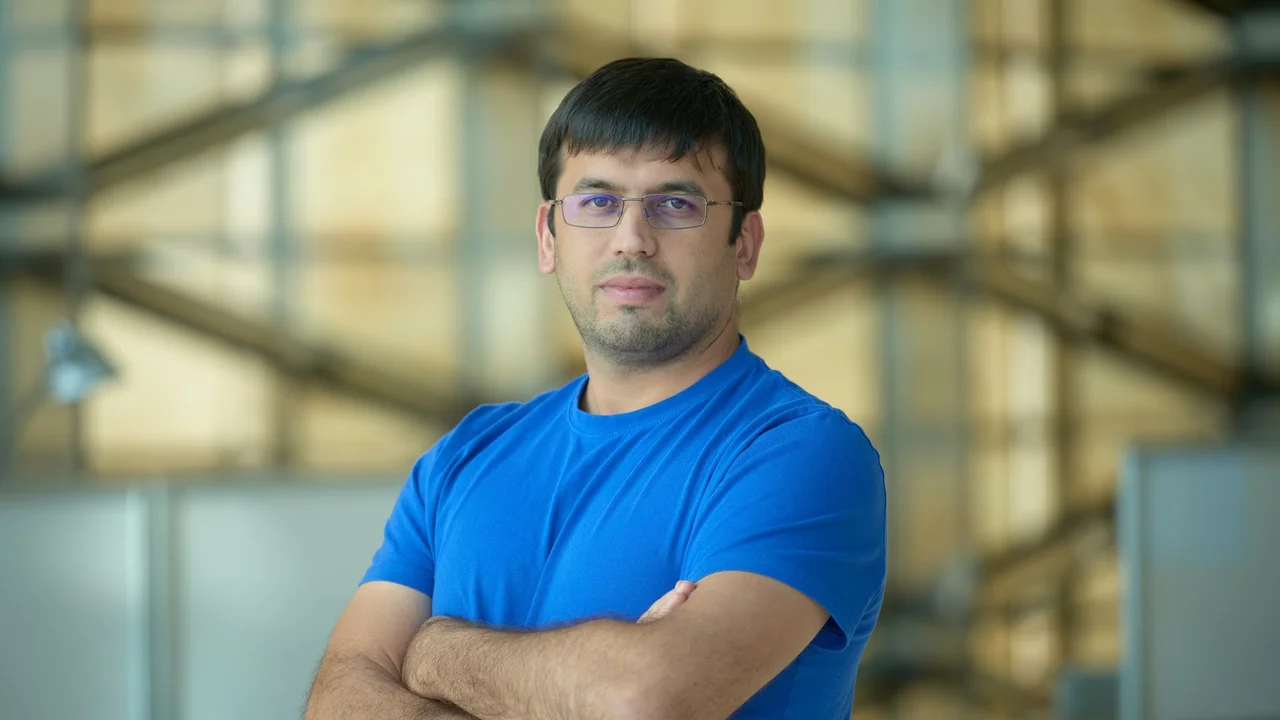
Biography
Pirahmad Olimjoni is a Ph.D. candidate in Applied Mathematics and Computational Science (AMCS) at King Abdullah University of Science and Technology (KAUST), specializing in Discrete Differential Geometry and Applied Mathematics. He earned his bachelor’s degree from TNU and completed his master’s studies at the Moscow Institute of Physics and Technology (MIPT).
Expertise and Interests
Olimjoni's research focuses on exploring mathematical structures and developing solutions to problems arising in applied mathematics. He enjoys tackling challenging analytical problems and translating theoretical ideas into practical insights.
Education
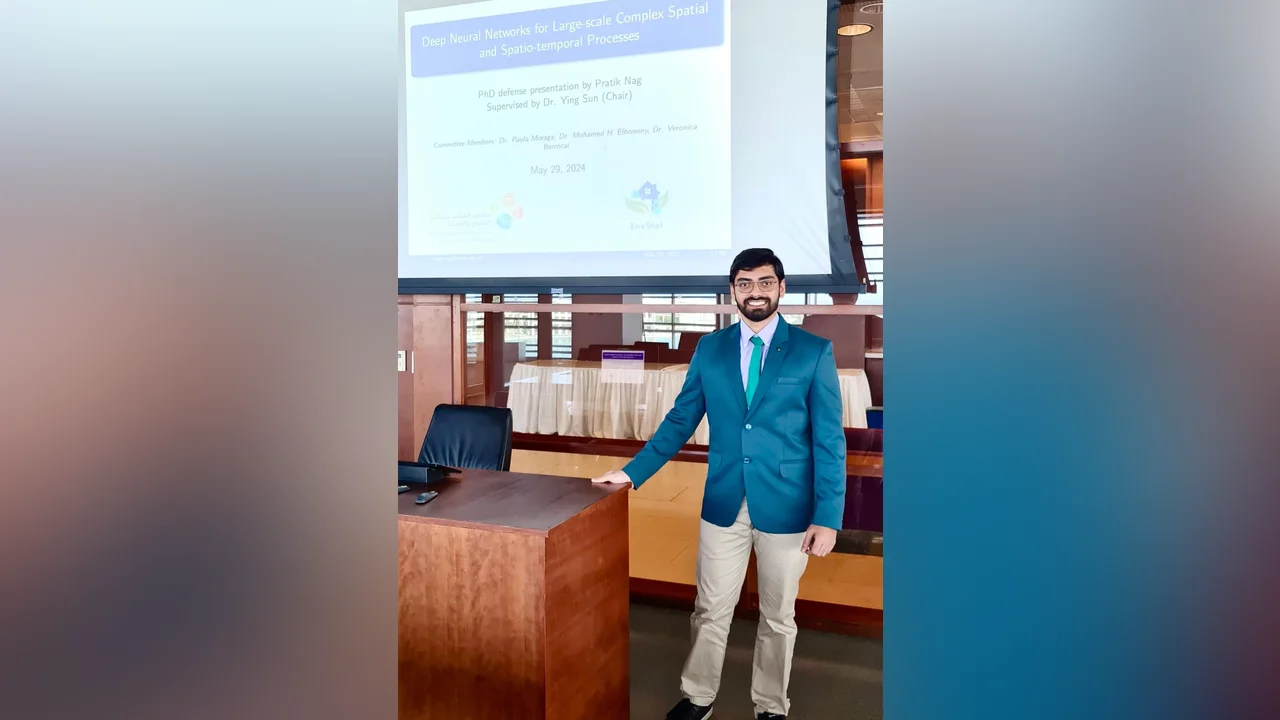
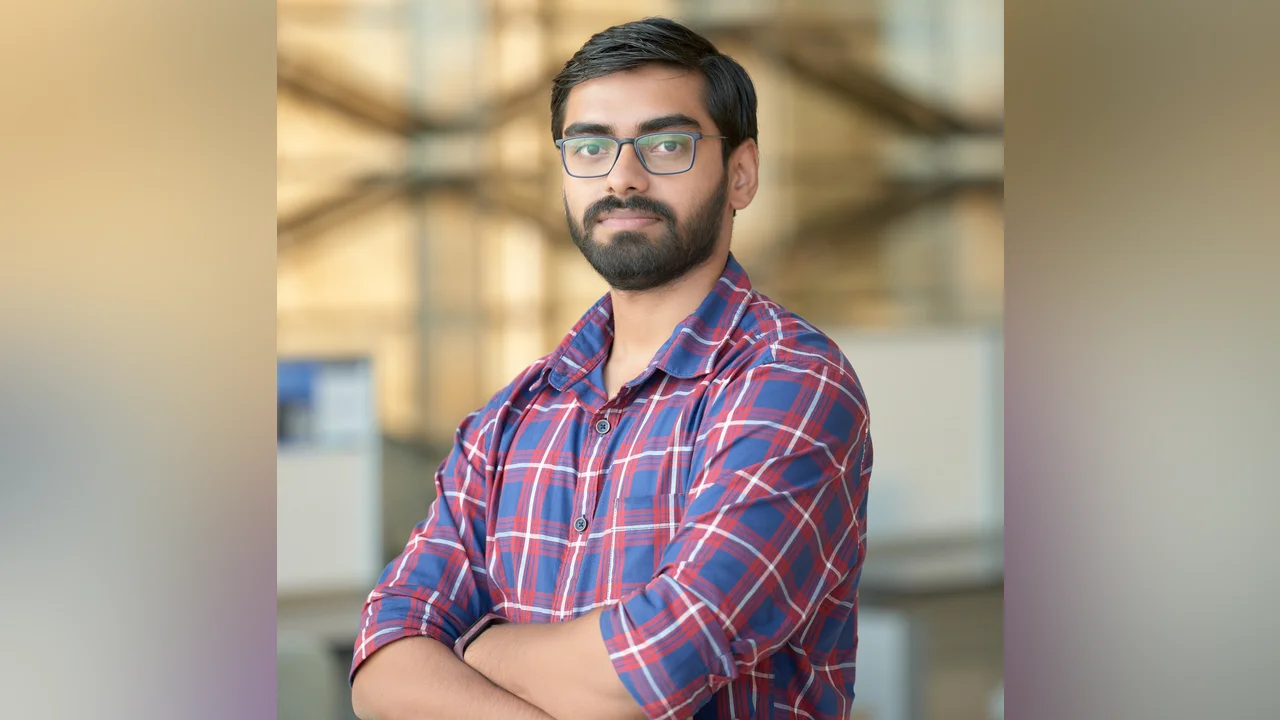
Qihao Duan
- Ph.D. Student, Statistics
Biography
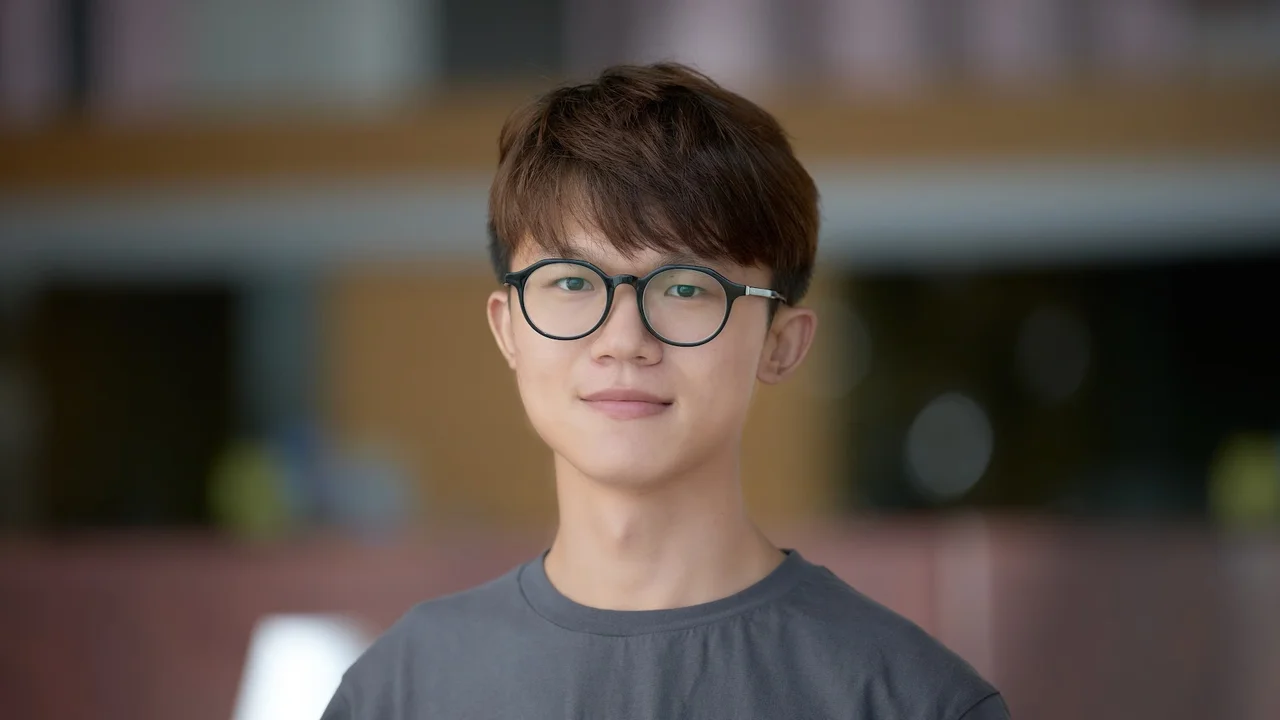
Qilong Pan is a Ph.D. candidate in Statistics at KAUST, supervised by Prof. Ying Sun. His research focuses on scalable Gaussian Process modeling, high-performance statistical computing, and GPU-accelerated inference for large-scale spatial and computer experiment data.
Expertise and Interests
Qilong Pan's work bridges statistical modeling, optimization, and high-performance computing (HPC) to tackle complex challenges in geospatial analytics and machine learning. He develops efficient algorithms and software for Vecchia-based approximations, aiming to enable practical Gaussian Process applications on modern supercomputers.
Education
Biography
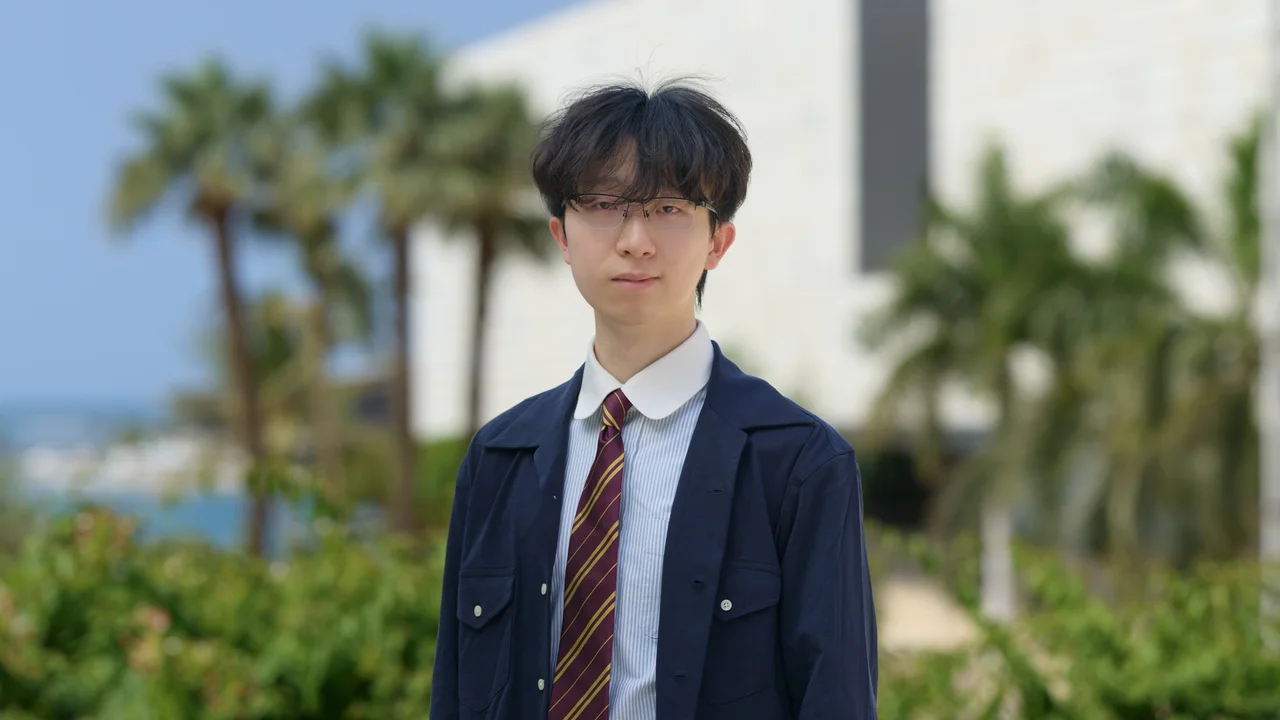
Qizhou Wang is a Ph.D. candidate in Electrical and Computer Engineering (ECE) at King Abdullah University of Science and Technology (KAUST). During his Ph.D. studies, he received CEMSE Division Dean’s List Award. He received his B.S. degree in Communication Engineering from University of Electronic Science and Technology of China (UESTC) in 2020 and M.S. degree in Electrical and Computer Engineering from King Abdullah University of Science and Technology (KAUST) in 2021. He dedicated his doctoral work to integrating nanophotonics with machine learning to create smarter imaging hardware as a member of the Primalight Laboratory research group under the supervision of Professor Andrea Fratalocchi.
Expertise and Interests
Qizhou’s vision is centered on providing the multimodal raw data necessary to fuel the next generation of artificial intelligence. This commitment to innovation extends beyond the lab; as a co-founder of a startup specializing in hyperspectral imaging solutions, he is actively translating complex scientific breakthroughs into practical, real-world tools. By merging inverse design with computational imaging, he is building the foundational hardware that will allow machine vision to see further, deeper, and more intelligently.
Education
Expertise and Interests
security, distributed systems
Biography
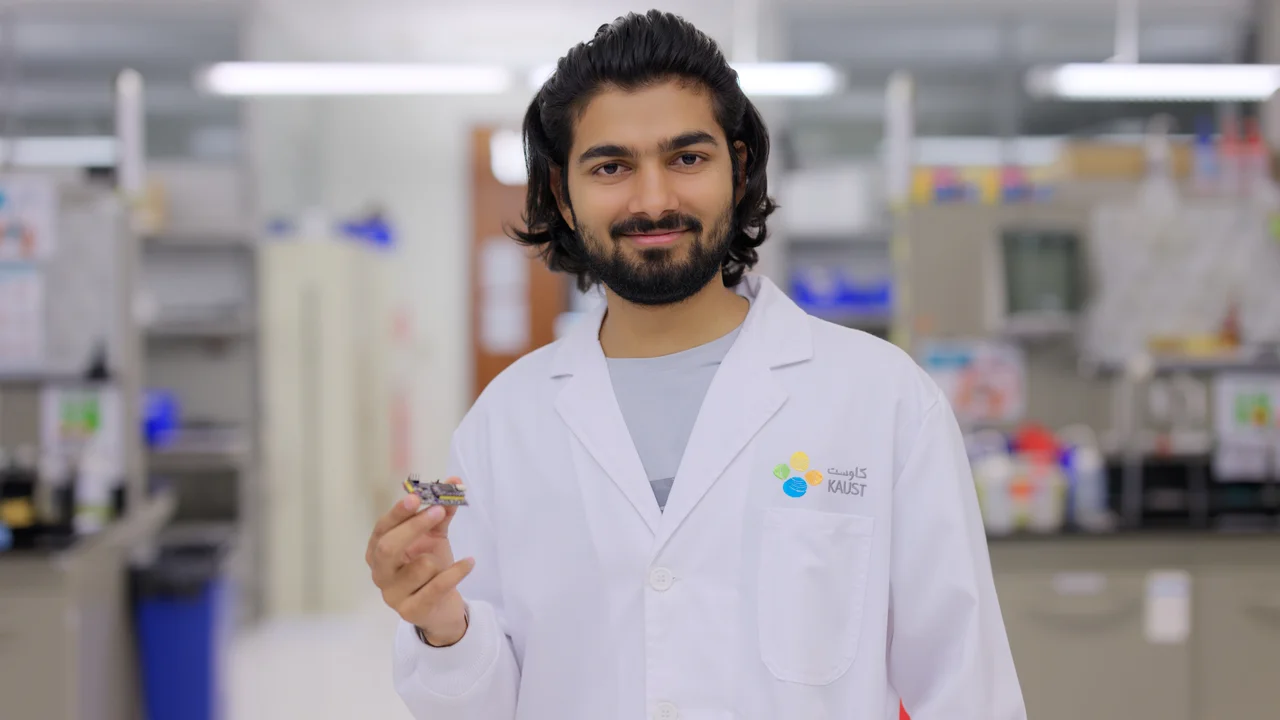
Rajat received his B.Tech. in Electronics and Communication Engineering from the National Institute of Technology (NIT) Hamirpur, India, in 2019, and his M.Tech. in Electrical Engineering with specialization in VLSI from the Indian Institute of Technology (IIT) Mandi, India, in 2021. He is currently pursuing his Ph.D. in Electrical and Computer Engineering at King Abdullah University of Science and Technology (KAUST), Saudi Arabia. At KAUST, his work centers on the design and development of energy-efficient wearable and body-integrated systems for digital health and Internet of Bodies applications.
Expertise and Interests
Rajat’s research interests focus on low-power wearable and body-centric electronic systems for digital health applications. His current work centers on Human Body Communication for Internet of Bodies platforms, encompassing body area networks, mixed-signal and system-level design, sensing interfaces, data integrity in wearable devices, and energy-efficient hardware for continuous health monitoring. His broader technical background includes hardware security, spin-based circuits, and emerging technologies for sustainable and autonomous electronic systems.
Education
Rana A. AlAhmadi
- M.S. Student, Computer Science
Biography
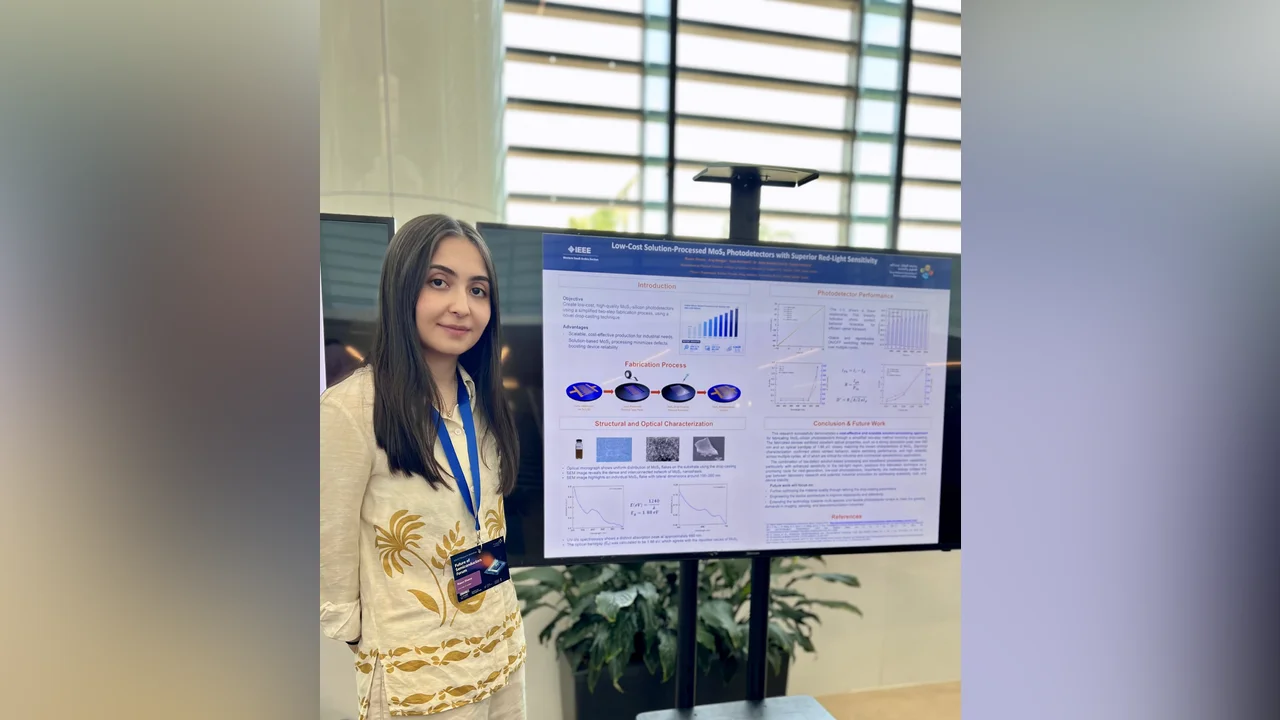
Razan Shams is an MS student in Electrical and Computer Engineering at KAUST, joining the Integrated Intelligent Systems (I2S) Lab in 2025. Her research focuses on micro-electromechanical systems (MEMS) and biomedical devices, particularly magnetic membranes for electromagnetic pumping applications.
She previously worked as a research intern at KAUST, where she contributed to projects in the Nanofabrication Core Lab focused on semiconductor device fabrication and 2D material-based photodetectors. She presented her research on scalable MoS₂ photodetectors at the IEEE EDS Future of Semiconductors Forum 2025 among PhD students and researchers.
Razan holds a BS in Physics (Nanophysics) with first-class honours from the University of Jeddah, where her research received the Gold Award at the Student Scientific Forum.
Expertise and Interests
- Semiconductor Device Fabrication
- 2D Materials for Optoelectronics
- Micropumps and Biomedical MEMS
- Magnetic Materials and Electromagnetic Actuation
Education
Biography
I earned my Bachelor's degree in Artificial Intelligence from Imam Abdulrahman bin Faisal University, where I focused on applying machine learning to medical data. I then joined KAUST as an MS/PhD student, where I have published research in Natural Language Processing (NLP). Currently, my work centers on Multi-Modal Large Language Models, exploring the intersection of NLP and computer vision to advance AI systems that can understand both language and visual information.
Expertise and Interests
My research focuses on Multi-Modal Large Language Models, Vision-Language Models, natural language processing, and computer vision. I am particularly interested in identifying and addressing the limitations of current AI models, exploring where they fail and developing methods to overcome these gaps. My work aims to improve model robustness, reliability, and performance, advancing the capabilities of AI systems to better understand and process both textual and visual information.
Education
Education
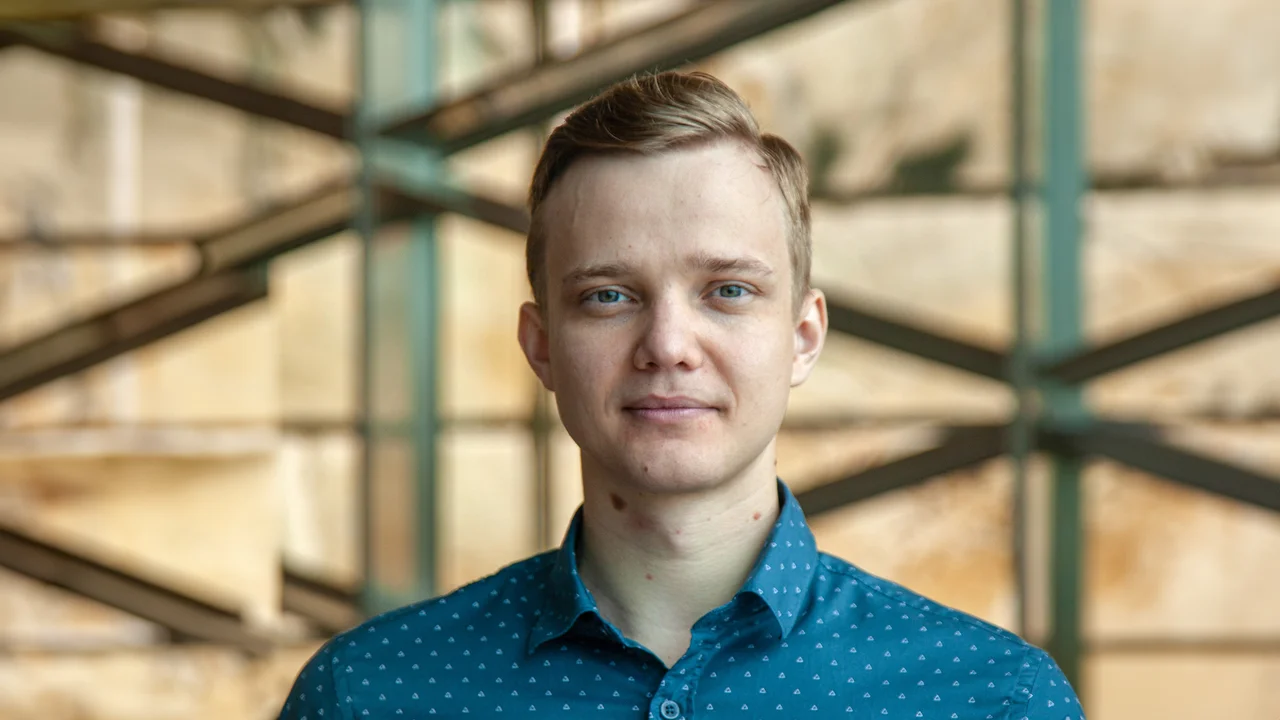
Roman Zamchii
- Ph.D. Student, Electrical and Computer Engineering
Biography
Roman received the B.S. and M.S. degrees from the Faculty of Physics, Saint Petersburg State University, Saint Petersburg, Russia, in 2012 and 2014, respectively. Since 2018, he has been pursuing a Ph.D. degree at the King Abdullah University of Science and Technology, Thuwal, Saudi Arabia. His research mainly focuses on gas discharge plasma at atmospheric pressure and its application. Roman's academic advisor is Professor Deanna Lacoste.
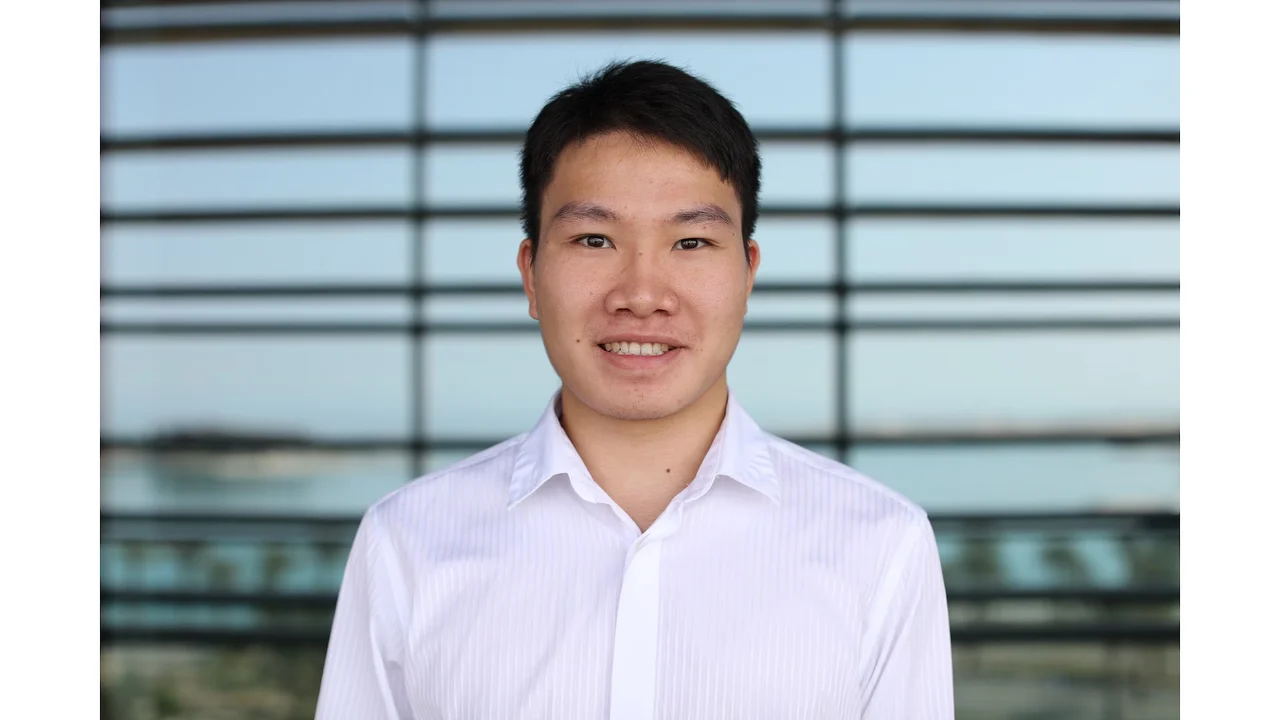
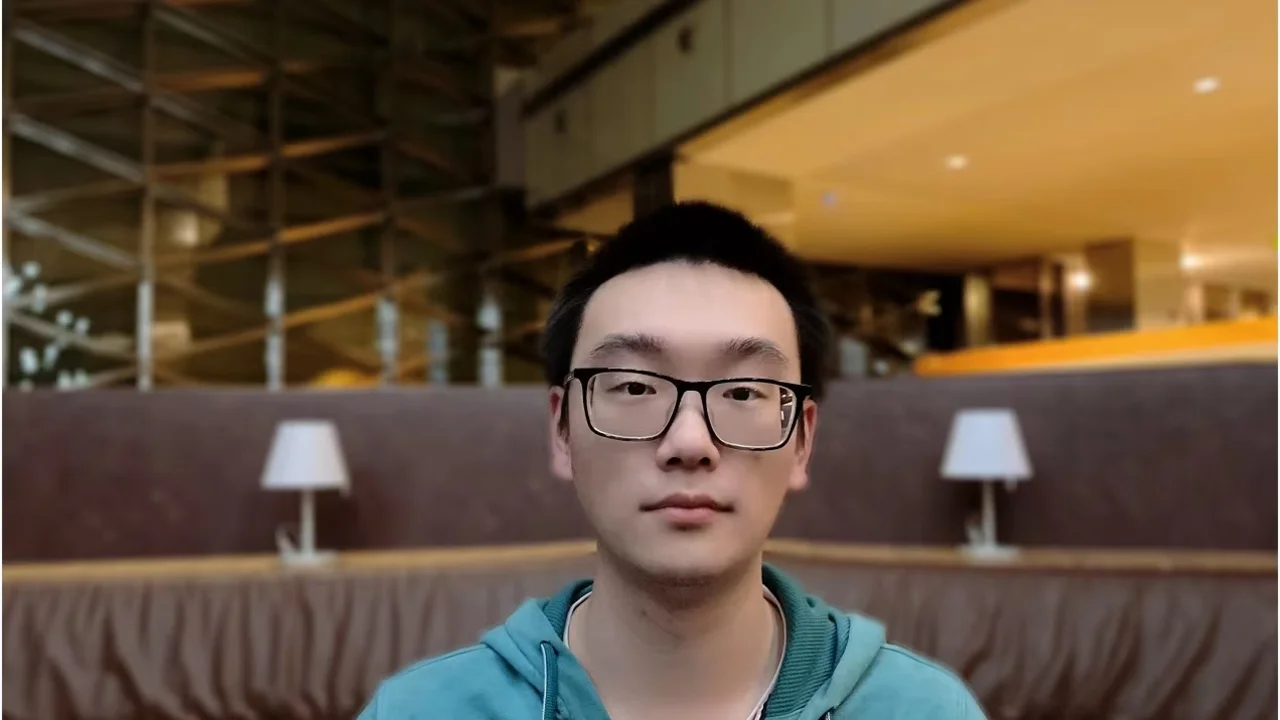
Ruibo Wang
- Postdoctoral Research Fellow, Electrical and Computer Engineering
Biography
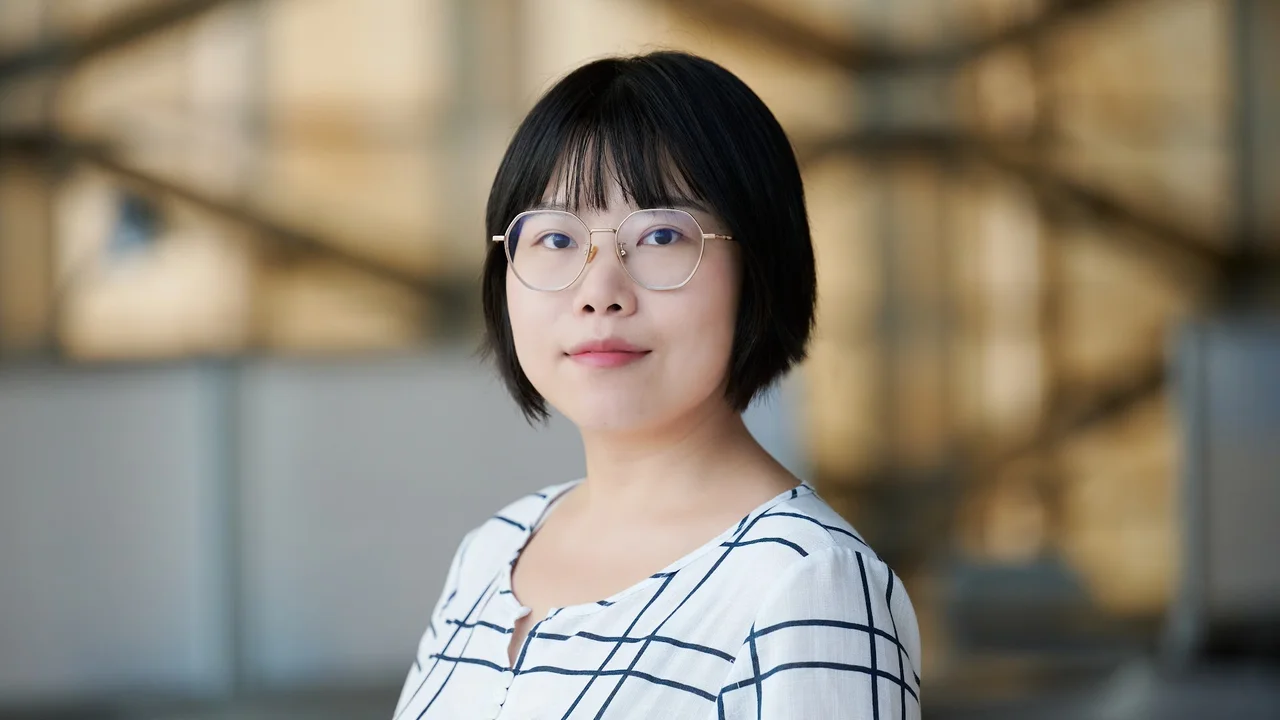
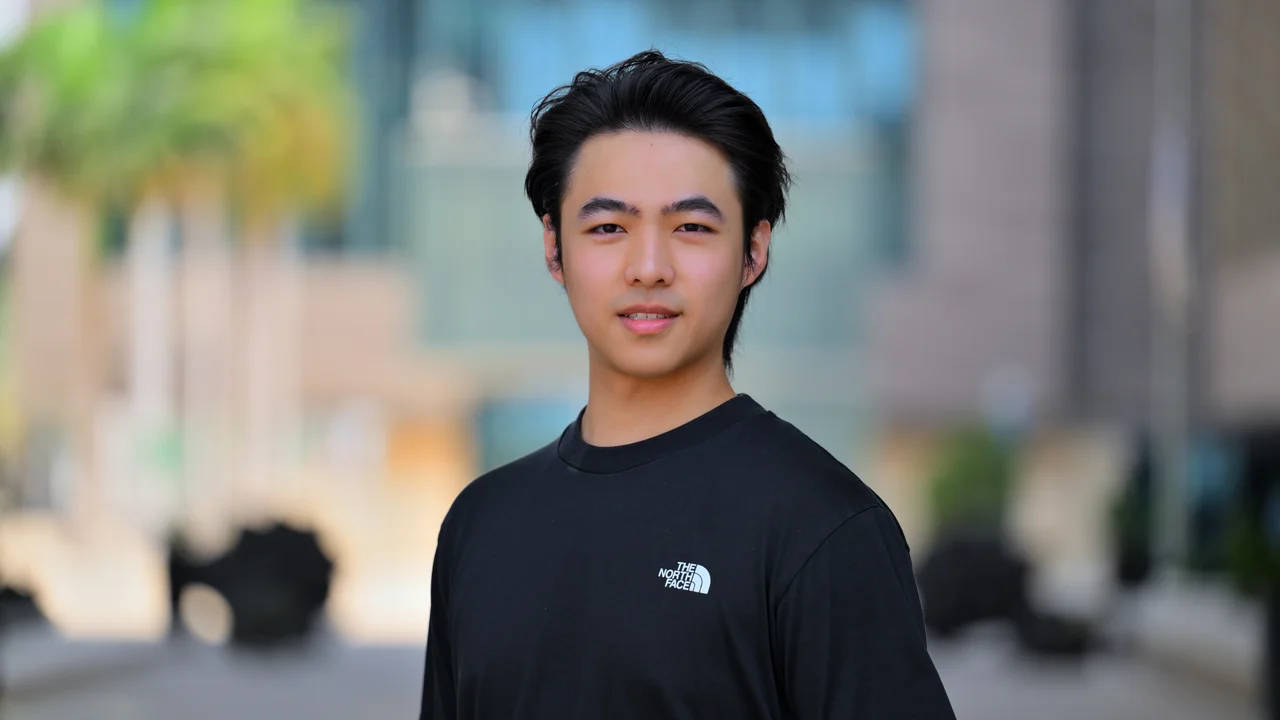
Ruochen Zhu received his B.S. degree in Information Engineering from the University of Electronic Science and Technology of China in 2024. He is currently pursuing M.S. and Ph.D. degrees in the Electrical and Computer Engineering (ECE) program at King Abdullah University of Science and Technology (KAUST), under the supervision of Prof. Ahmed Eltawil.
Education
Ruwaydah Alharbi
- Ph.D. Student, Computer Science