Profiles
Alumni
Biography
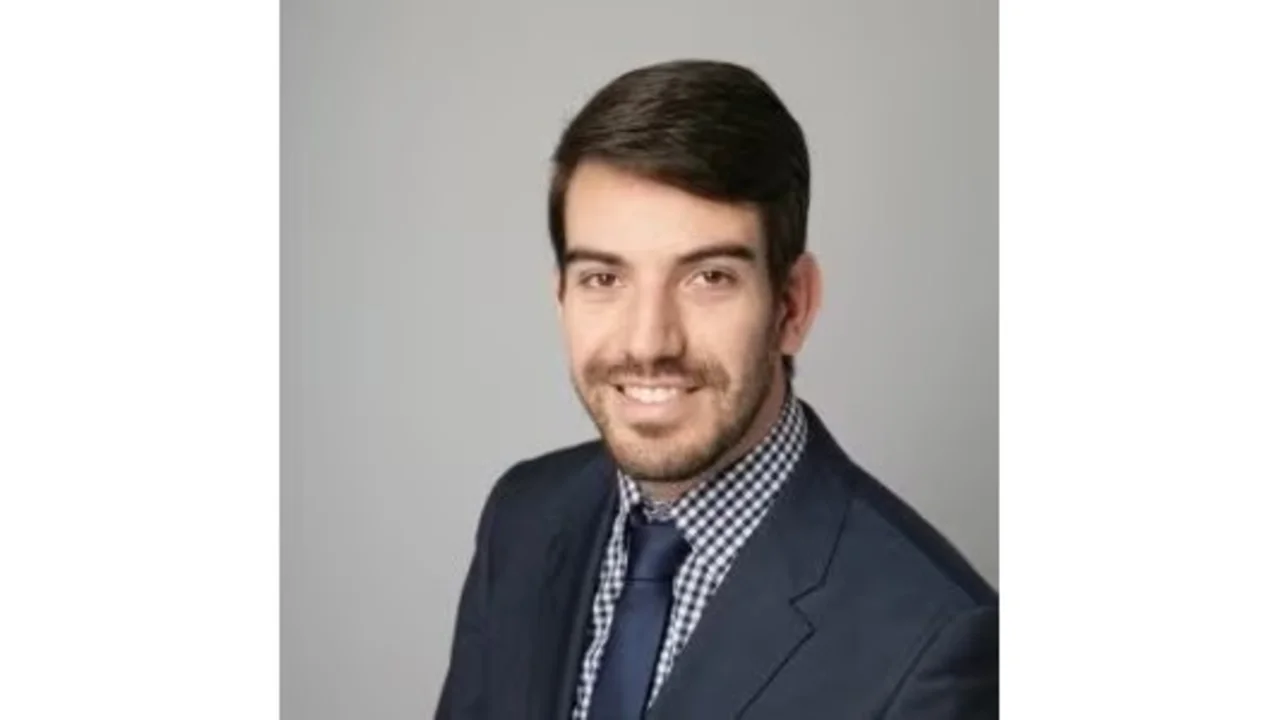
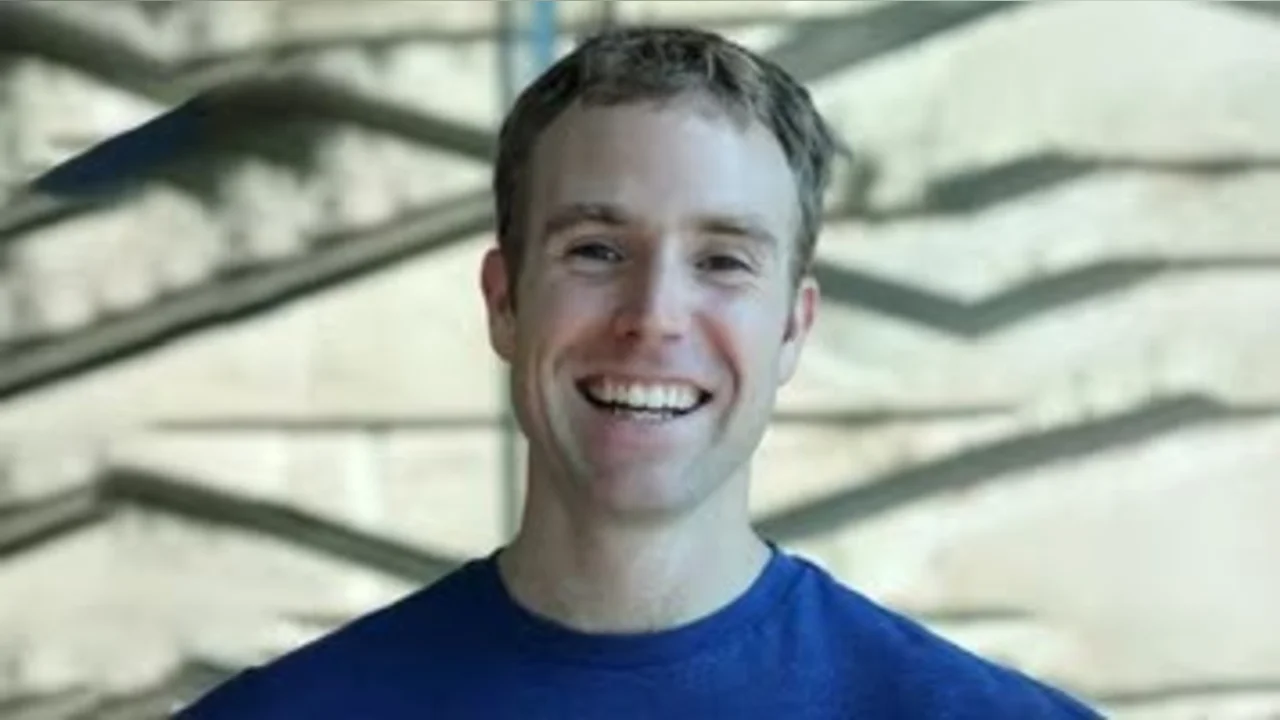
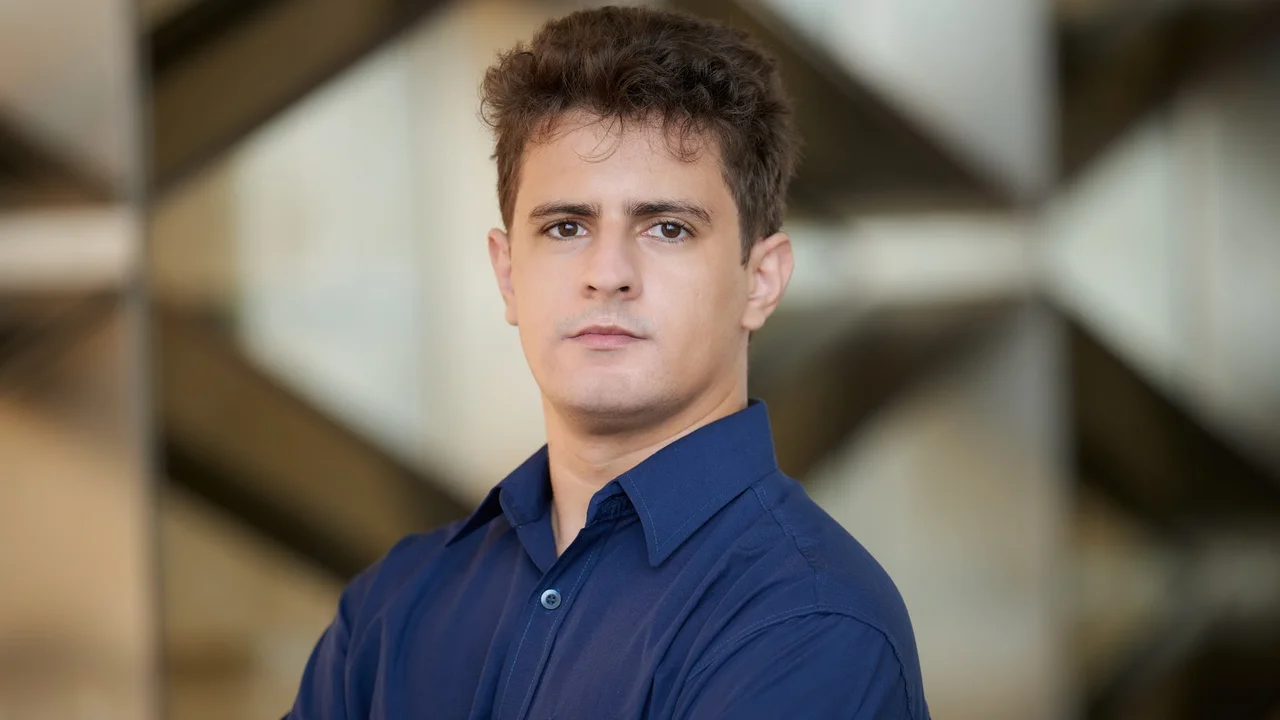
Diego Augusto Silva is a Ph.D. candidate at the Communications and Computing Systems Laboratory (CCSL) within the Computer, Electrical, and Mathematical Sciences and Engineering (CEMSE) Division at King Abdullah University of Science and Technology (KAUST), Saudi Arabia. His research focuses on event-based vision, object recognition, deep learning, and neuromorphic computing.
He received his Bachelor’s degree in Electrical Engineering from the Federal University of São João del-Rei (UFSJ), Brazil, in 2018, and his M.Sc. degree in Electronic Engineering and Computing from the Technological Institute of Aeronautics (ITA), Brazil, in 2020, with a specialization in Electronic Devices and Systems.
Diego’s technical expertise spans both theoretical and practical aspects, with significant experience in FPGA prototyping and asynchronous logic design. His innovative work has been recognized through two hackathon awards in his research areas, highlighting his ability to translate advanced neuromorphic computing and event-based vision concepts into real-world solutions.
Expertise and Interests
Diego's research interests include the digital logic design of algorithms and event-based cameras.
Education
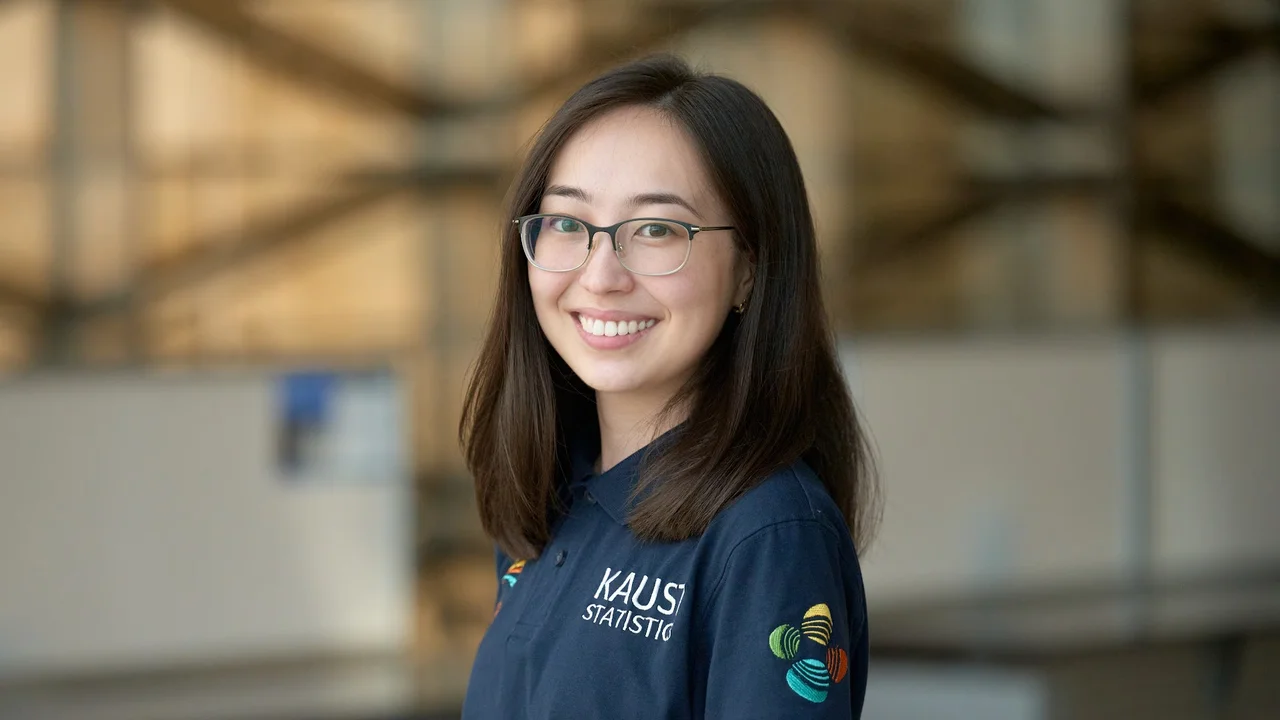
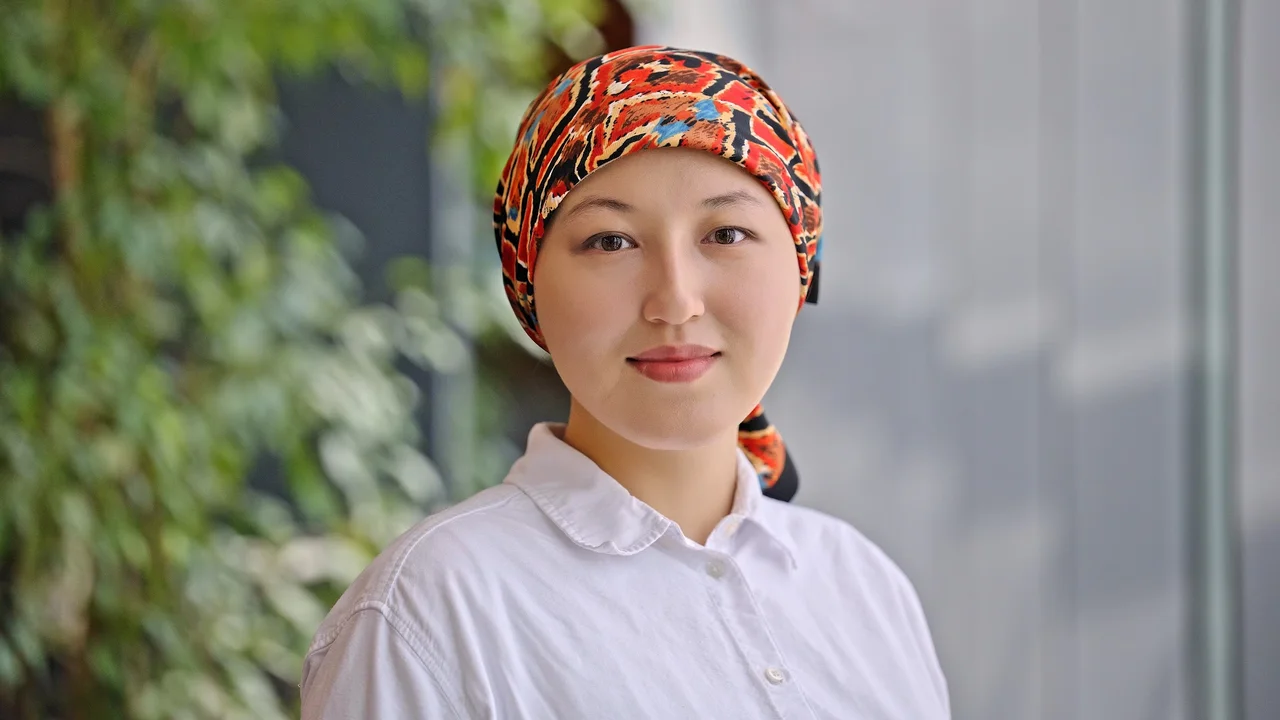
Dilyara Uvasheva
- M.S. Student, Statistics

Biography
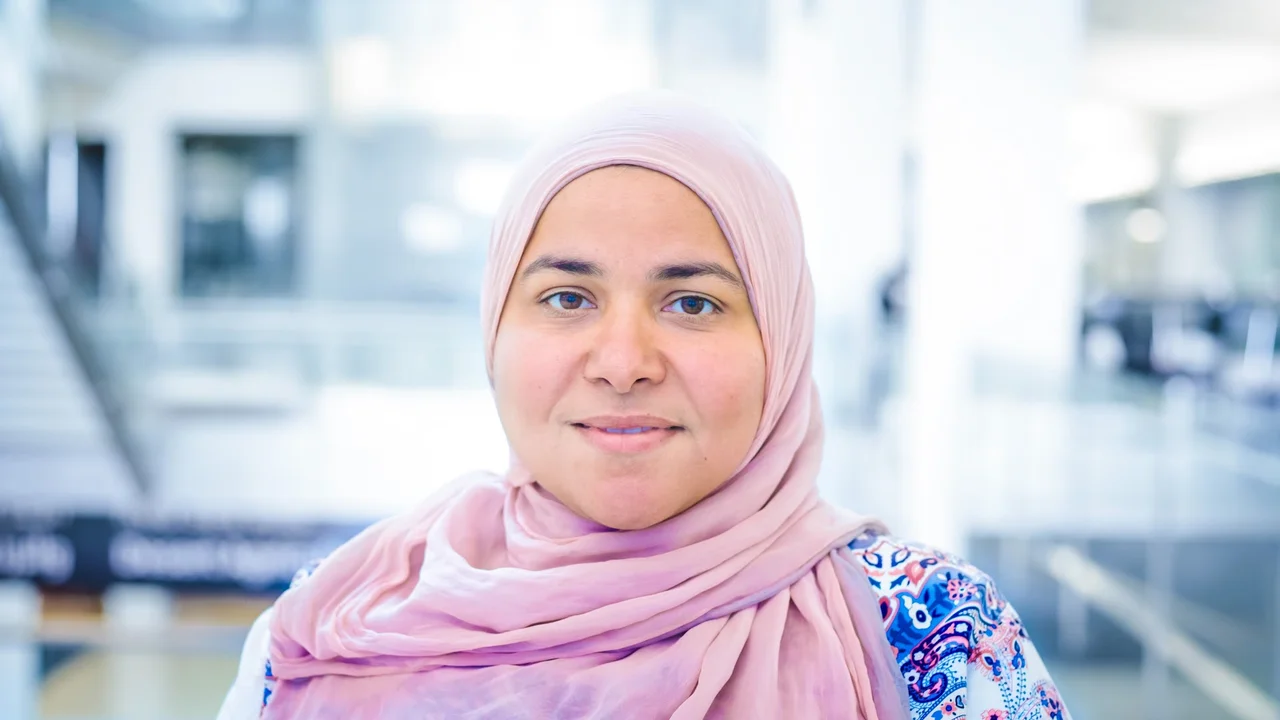
Eman Kabbas is a Saudi researcher specializing in Bayesian statistics and modeling. She earned her Bachelor’s degree in Mathematics from Imam Abdulrahman bin Faisal University, then continued her studies in the United States through the King Abdullah Scholarship Program, obtaining a Master’s degree in Applied Mathematics from the University of North Carolina. Supported by scholarships from KAUST and the Royal Commission of Jubail and Yanbu, Eman is currently a PhD student in Applied Mathematics and Computational Science (AMCS) at King Abdullah University of Science and Technology (KAUST), supervised by Professor Håvard Rue. Beyond her research, Eman is a Mathematics and Statistics faculty member at Jubail Industrial College under the Royal Commission of Jubail and Yanbu, and co-founder of Sorat Alardh, a startup advancing environmental monitoring and climate analytics. She envisions combining theory and real-world application by transforming scientific research into practical tools that enhance environmental resilience and data-driven innovation in Saudi Arabia. Eman enjoys reading, learning new languages, playing the piano, and exploring strategic games like chess.
Expertise and Interests
Eman Kabbas's research interests focus on developing and applying spline models in non-parametric regression. She addresses the limitations of splines in prediction tasks with insufficient data by proposing a spline model suitable for both regular and irregular observations, leverages Bayesian techniques to ensure efficient modeling and reliable predictions.
Enas Mohammad Odat
- M.S. Student, Computer Science
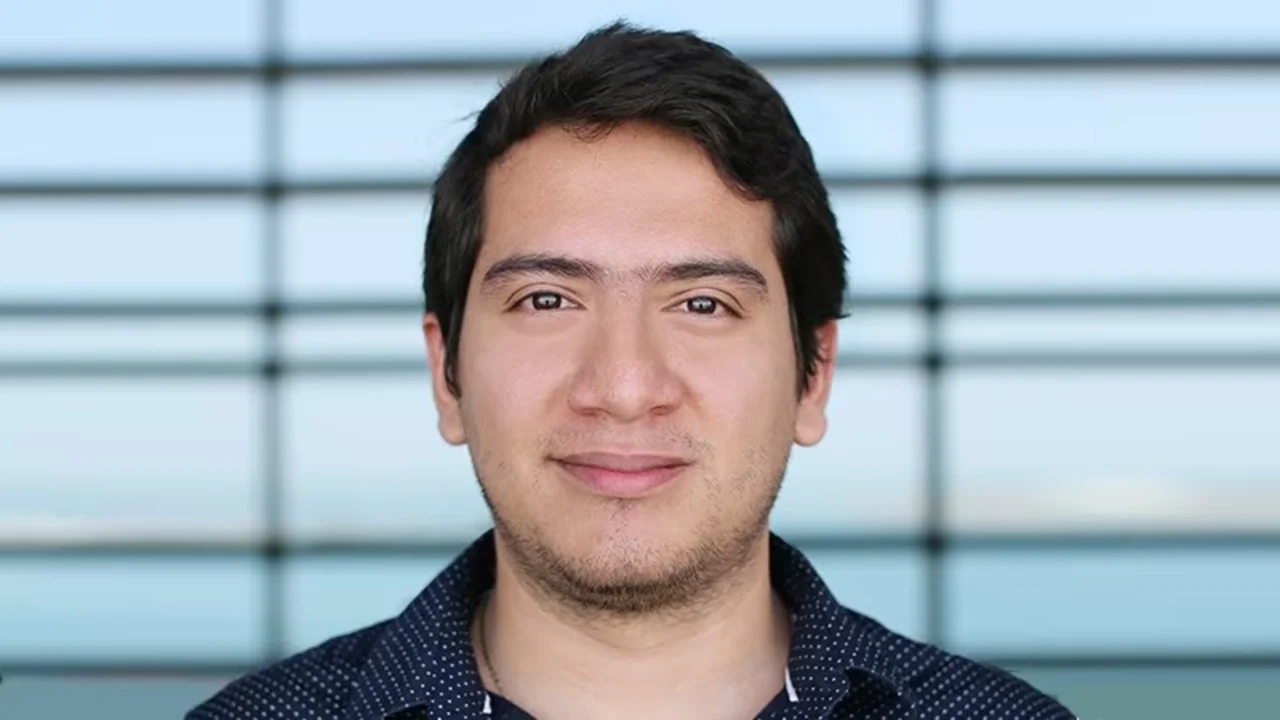
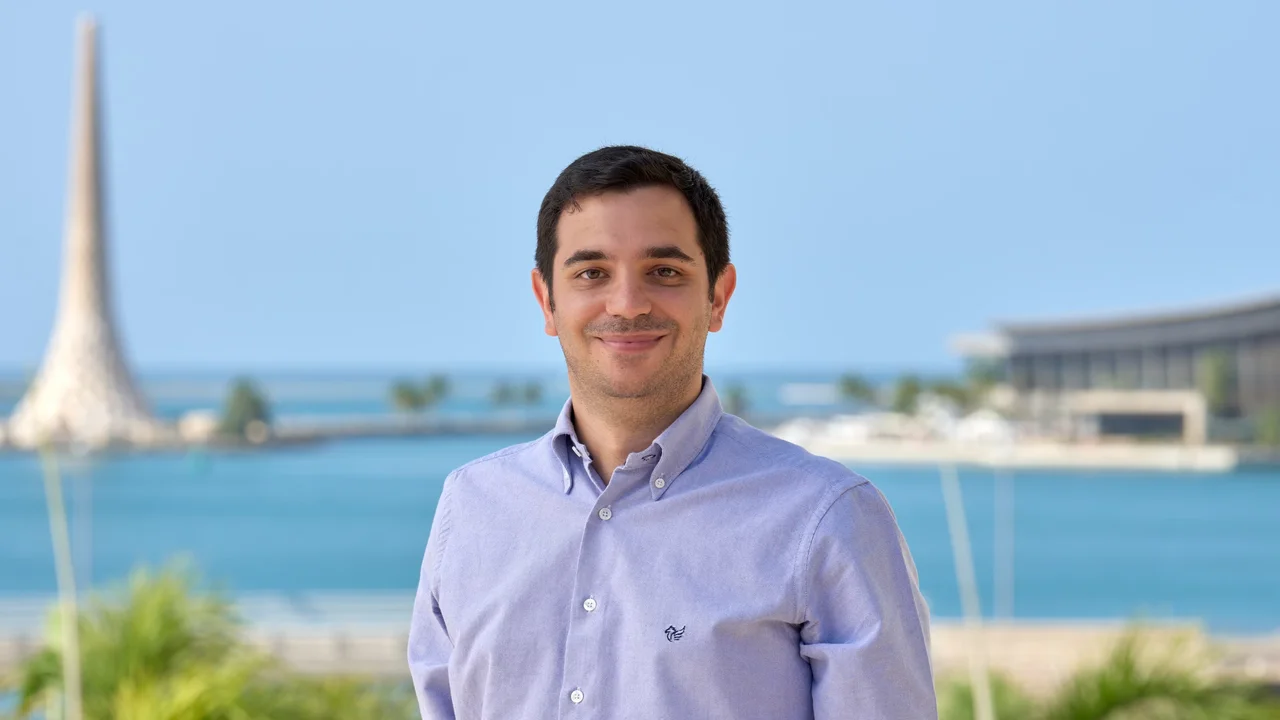
Fabio Credali
- Postdoctoral Research Fellow, Applied Mathematics and Computational Science
Biography
Fabio Credali is a postdoctoral fellow in Prof. Daniele Boffi's NumPDE group at KAUST. He obtained the Ph.D. in Applied Mathematics and Computational Sciences at KAUST in 2023, in cotutelle with the joint Ph.D. program in Computational Mathematics of the Università di Pavia (Italy) and the Università della Svizzera italiana (Switzerland). After a one-year postdoc at IMATI–CNR in Pavia, he returned to KAUST, where he currently holds a postdoctoral position. His research concerns the numerical approximation of PDEs, with emphasis on fluid-structure interaction problems, finite element and virtual element methods.
Expertise and Interests
Numerical approximation of fluid-structure interaction problems, Finite Element methods (FEM), Virtual Element methods (VEM).
Biography
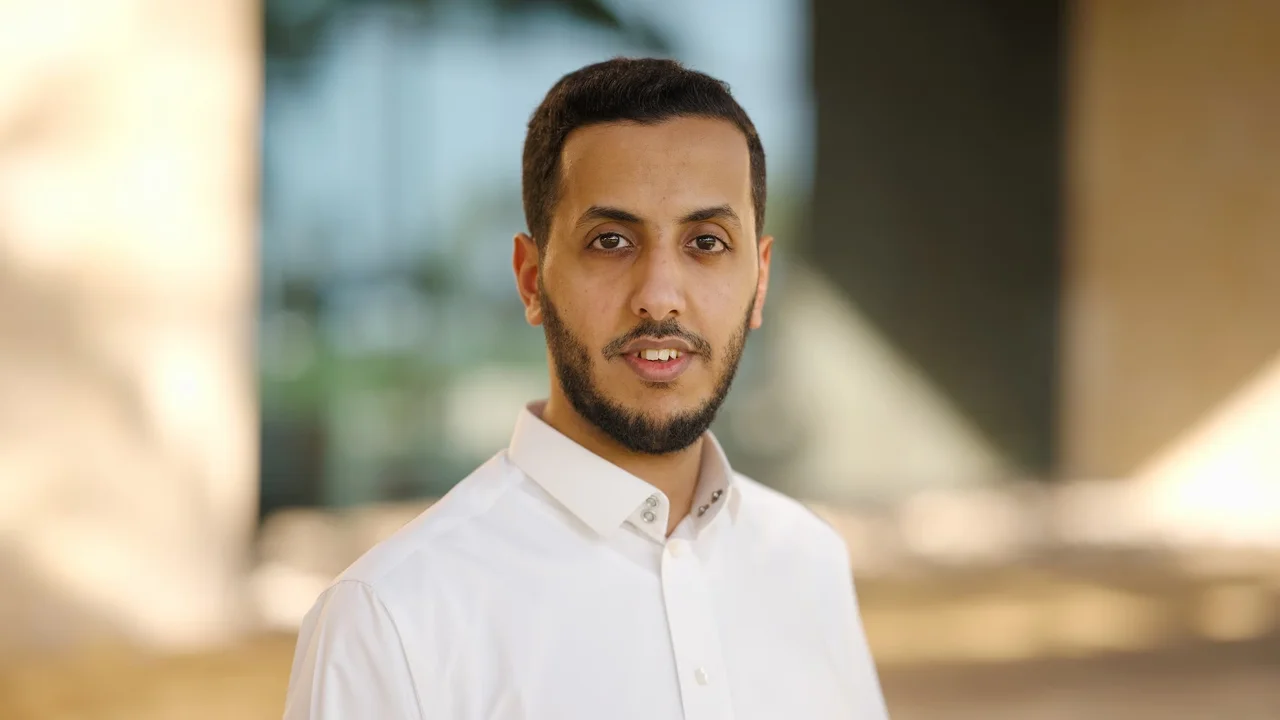
Fahad S. Alqurashi is a Ph.D. candidate in Electrical and Computer Engineering at King Abdullah University of Science and Technology (KAUST), under the supervision of Professor Mohamed-Slim Alouini. His research focuses on advanced wireless communication technologies for connecting underserved and remote regions, emphasizing cost-effective and high-capacity solutions. His work explores Free Space Optics (FSO), TV White Space (TVWS), and hybrid RF/mmWave systems to achieve point-to-point data rates exceeding 10 Gbps, with a particular interest in maritime and rural connectivity.
Fahad holds a Master of Science in Electrical Engineering from KAUST, where his thesis focused on modeling FSO communication channels for next-generation deployment scenarios. He completed his Bachelor of Science in Electrical Engineering (Electronics and Communication track) at Umm Al-Qura University in Makkah, Saudi Arabia.
Fahad has led strategic connectivity projects in collaboration with global technology leaders such as Google Taara, Meta, Cambium, and national operators like Zain and STC. He is currently spearheading national-scale initiatives with the Communication, Space and Technology Commission (CST), Red Sea Global, and Neom to deliver resilient, sustainable, and scalable wireless infrastructure—including projects connecting offshore islands and rural villages using hybrid FSO/RF links powered by solar systems.
His research has been presented at major international venues including IEEE ICC and the Optical Wireless Communication Conference, and he is an active member of IEEE and the Optical Wireless Communication community. Fahad’s interdisciplinary work supports Saudi Vision 2030 and reflects a strong commitment to impactful digital transformation through cutting-edge wireless innovation.
Expertise and Interests
Alongside the Saudi Vision 2030, Fahad’s interest lies in supporting the future of 5G and 6G. Because of this, he focuses on wireless communication systems, especially in free space optical communication (FSO).
Education
Biography
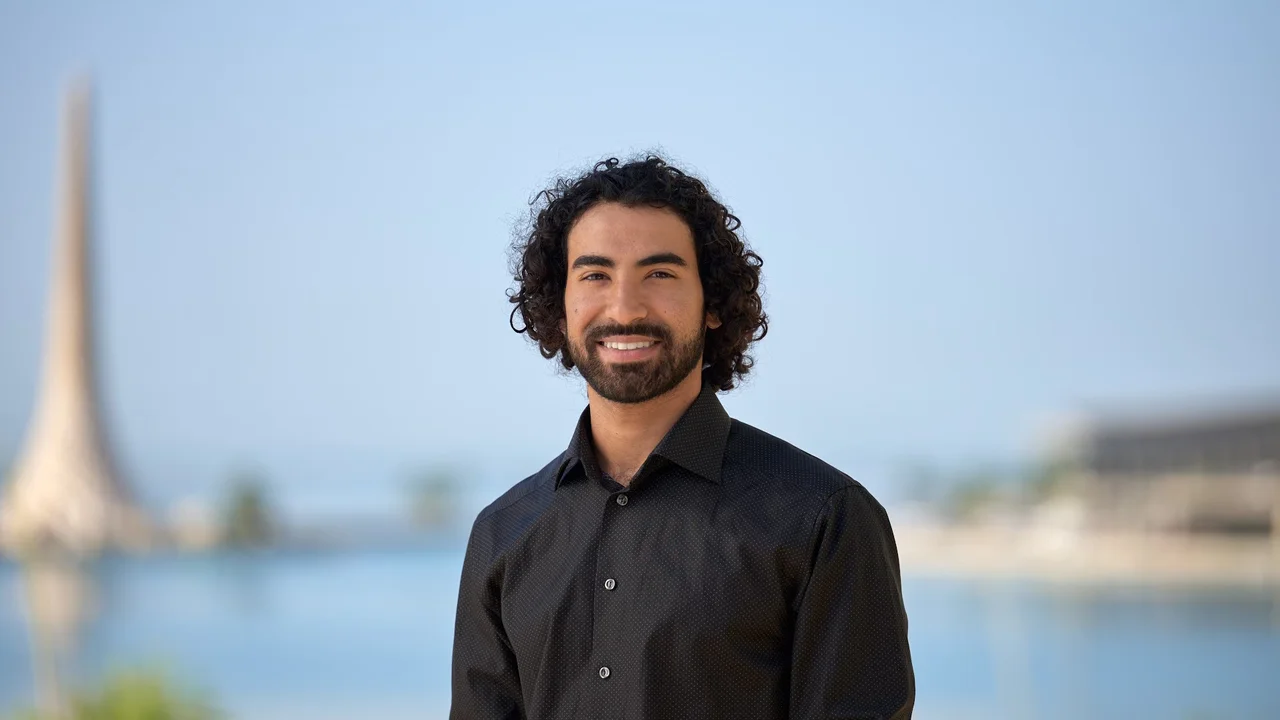
Fares Fourati is a Ph.D. candidate in Electrical and Computer Engineering at King Abdullah University of Science and Technology (KAUST). His work has been published in leading AI and machine learning venues, including ICML, AAAI, AISTATS, EMNLP, and ECAI.
He has received several distinctions, including consecutive CEMSE Dean’s List Awards, first place in the ACM-SIAM Student Competition (2024), and first place at the Marconi Society Connectivity Summit (2021). Fares earned his Diplôme d’Ingénieur from École Polytechnique de Tunisie in 2020 and an M.S. in Electrical and Computer Engineering from KAUST in 2022.
In addition to his research, he has been actively involved in teaching and mentoring in AI and machine learning at KAUST and across Saudi Arabia. He is also the author of To What End? Meditations on AI and Humanity, reflecting his broader interest in the philosophical implications of AI.
Expertise and Interests
Fares' research focuses on reinforcement learning, deep learning, large language models, and optimization, with an emphasis on advancing the foundations of intelligent systems.
Education
Biography
Fernando Rodriguez Avellaneda is a postdoctoral researcher at King Abdullah University of Science and Technology (KAUST). He completed his Ph.D. in Statistics at KAUST in 2026 under the supervision of Professor Paula Moraga. He also holds an M.Sc. in Mathematics and a diploma in Artificial Intelligence from the National University of Colombia.
His doctoral research focused on Bayesian spatial and spatio-temporal modeling for environmental monitoring and epidemiology. His work included statistical methods for spatially disaggregating air-pollution data and estimating the velocity and direction of infectious-disease spread.
In his current research, Fernando develops statistical methods for ecological and fisheries data, with particular emphasis on coral-reef systems, reef-fish biomass, spatial ecological processes, and uncertainty quantification.
Expertise and Interests
• Bayesian spatial and spatio-temporal statistics
• Bayesian hierarchical and latent Gaussian models
• Spatial disaggregation and change-of-support problems
• Environmental and ecological statistics
• Coral-reef ecology and fisheries
• Uncertainty quantification and propagation
Education
Biography
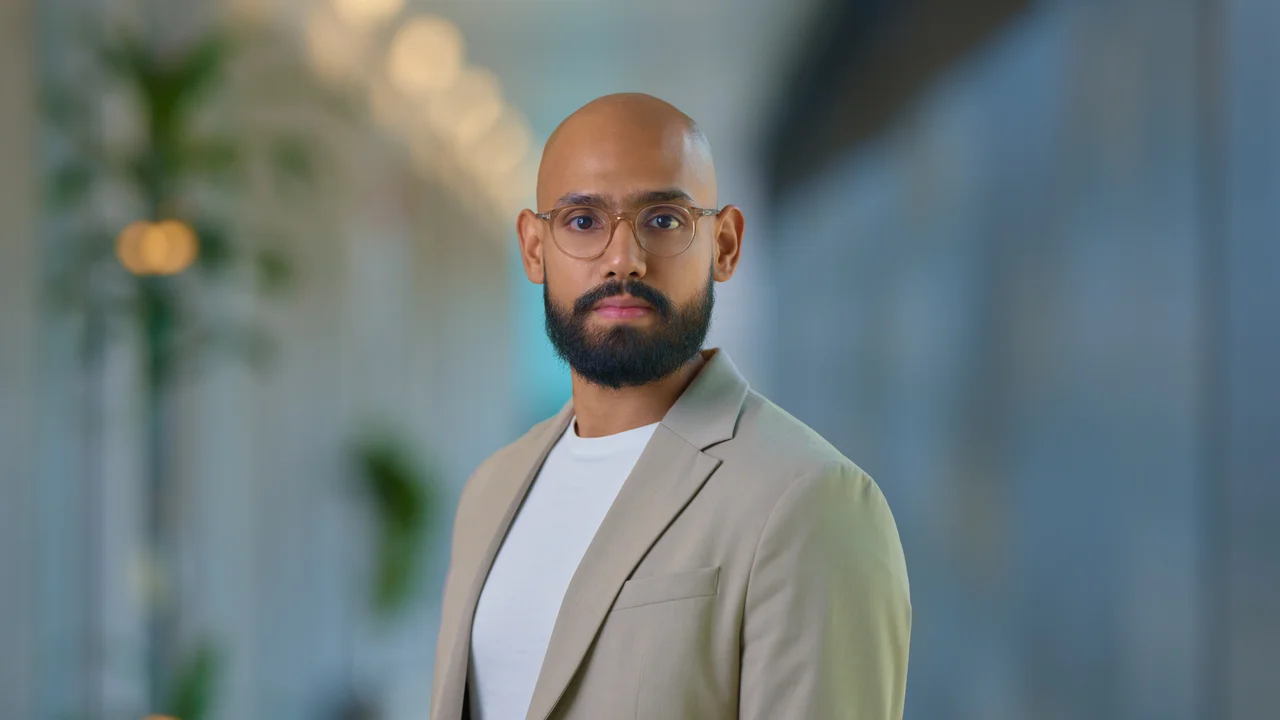
Firas Fatani is a Ph.D. candidate in Electrical and Computer Engineering at King Abdullah University of Science and Technology (KAUST), where he conducts his research in the Integrated Microwave Packaging Antennas & Circuits Technology (IMPACT) Lab under the supervision of Professor Atif Shamim. His research focuses on printed, flexible, and battery-free microwave biosensors for non-invasive health monitoring through sweat analysis. By combining RF and microwave engineering with electrochemical sensing and Internet of Things (IoT) integration, his work advances the development of next-generation wearable and wireless diagnostic platforms.
Throughout his doctoral studies, Firas has demonstrated strong leadership in interdisciplinary research, product innovation, and academic collaboration. He has authored several high-impact publications, including ACS Sensors—where his research was featured on the journal cover—IEEE Sensors Journal, and Scientific Reports. His conference contributions include presentations at IEEE Sensors 2024 (Kobe, Japan), IEEE Sensors 2025 (Vancouver, Canada), and the APS March Meeting. His ongoing projects explore multi-analyte sensing, data fusion, and AI-assisted signal interpretation for wireless biomedical systems.
Firas holds a Master of Science degree in Electrical Engineering from KAUST, specializing in IoT systems, and a Bachelor of Science degree in Electrical Engineering with High Honors from the Milwaukee School of Engineering (MSOE). MSOE is recognized by U.S. News & World Report as one of the nation’s leading engineering institutions—ranked #10 in undergraduate engineering programs and #2 among regional universities in the Midwest.
Before pursuing his Ph.D., Firas gained international industrial experience in the manufacturing and IoT sectors. He served as an Electrical and Controls Engineer at C&D Technologies Inc. in the United States, where he introduced process automation and quality improvements in large-scale battery manufacturing. In Saudi Arabia, he contributed to smart infrastructure initiatives as an IoT consultant at NEOM’s Food Sector Technology team and as a PLC Controls Engineer at Red Sea Farms, designing AI-assisted automation systems for sustainable agriculture.
Beyond academia, Firas co-founded FreshSense, a startup that developed patented smart flexible sensors for food safety and inventory optimization. The venture was a finalist in the TAQADDAM Innovation Accelerator and secured pilot implementation with Radwa Farms.
He is a recipient of the King Abdullah Scholarship Program for undergraduate study abroad and the KAUST Fellowship for both his master’s and doctoral research. Firas has represented KAUST in multiple national and international events and is an active IEEE member. His academic excellence, industrial insight, and entrepreneurial spirit position him at the intersection of research innovation and real-world technology translation.
Expertise and Interests
Firas Fatani’s research focuses on advancing wireless sensing, flexible electronics, and intelligent systems for next-generation connectivity and health technologies. His work combines electromagnetics, materials engineering, and data science to create innovative, low-cost, and battery-free sensing platforms for real-world applications in healthcare, environmental monitoring, and smart infrastructure.
Specific research interests include:
- Wireless and battery-free sensing systems
- Printed and flexible electronics for wearable and environmental applications
- Additive manufacturing and hybrid fabrication for RF and sensor integration
- Data analysis and machine learning for intelligent sensing and signal interpretation
- Internet of Things (IoT) architectures for scalable sensor networks
- Electromagnetic modeling and RF component design
- System-level integration of sensors, materials, and data analytics
- Translational applications of wireless technologies across biomedical and industrial domains