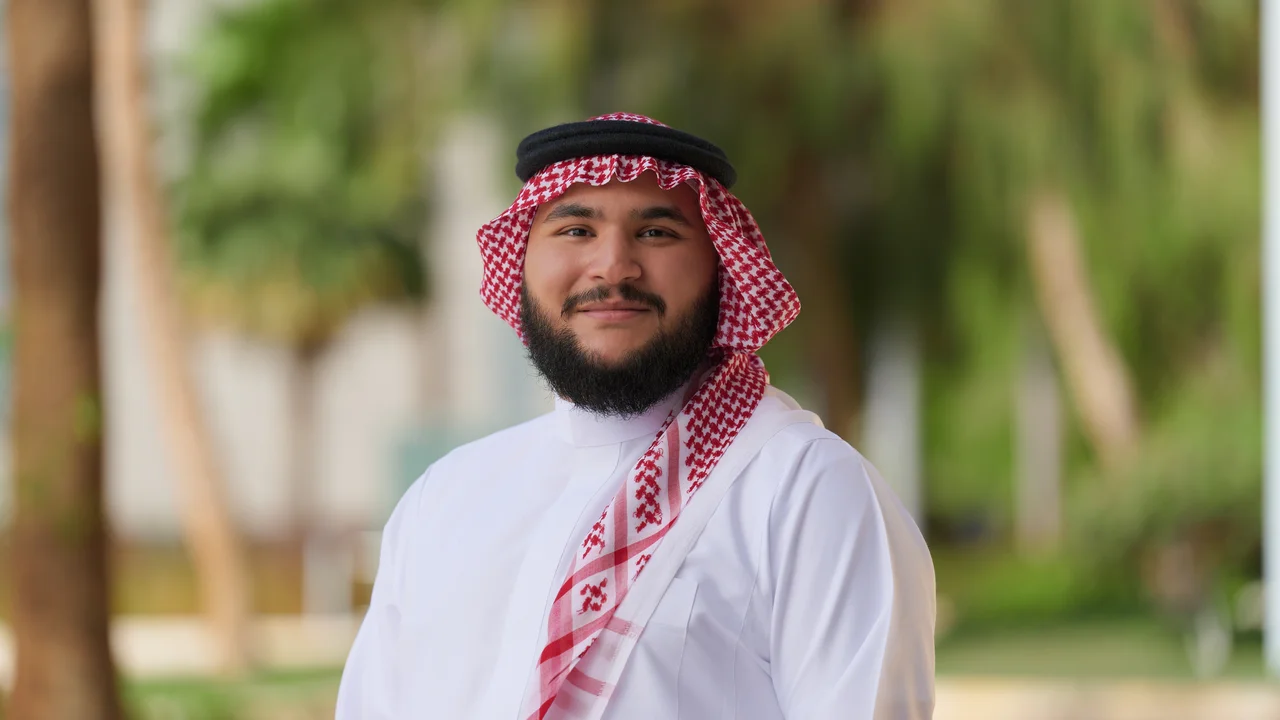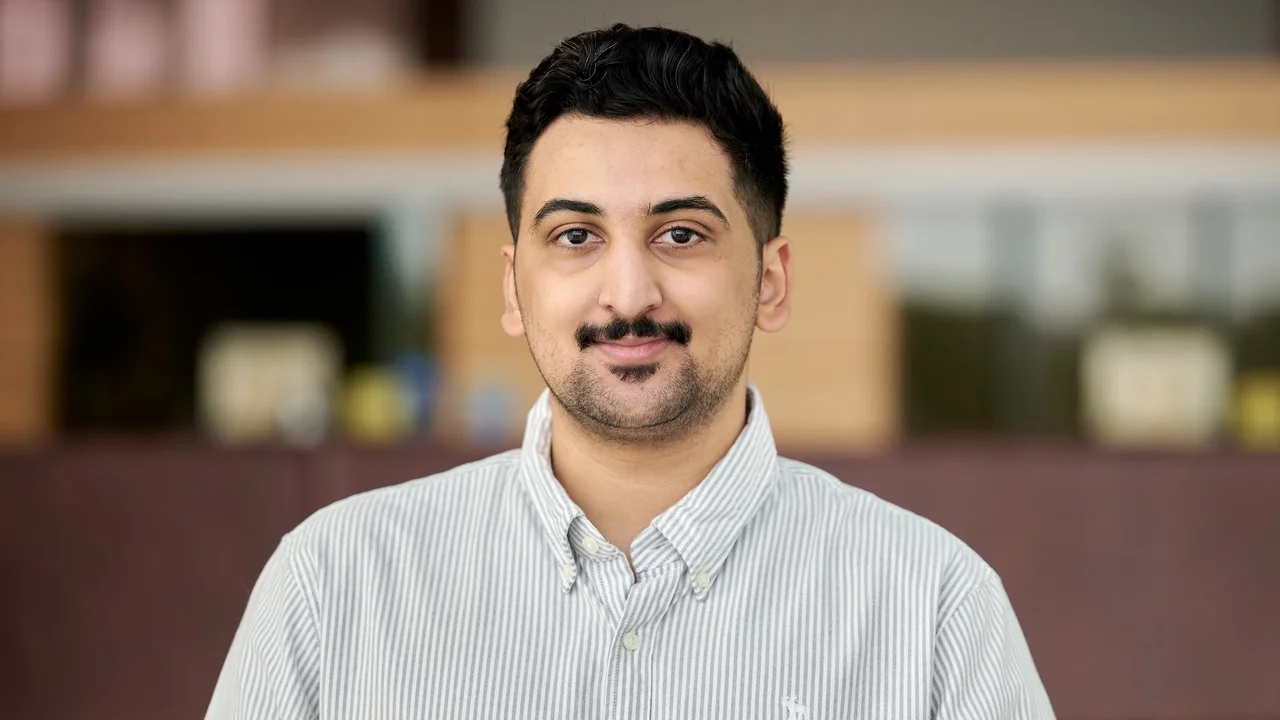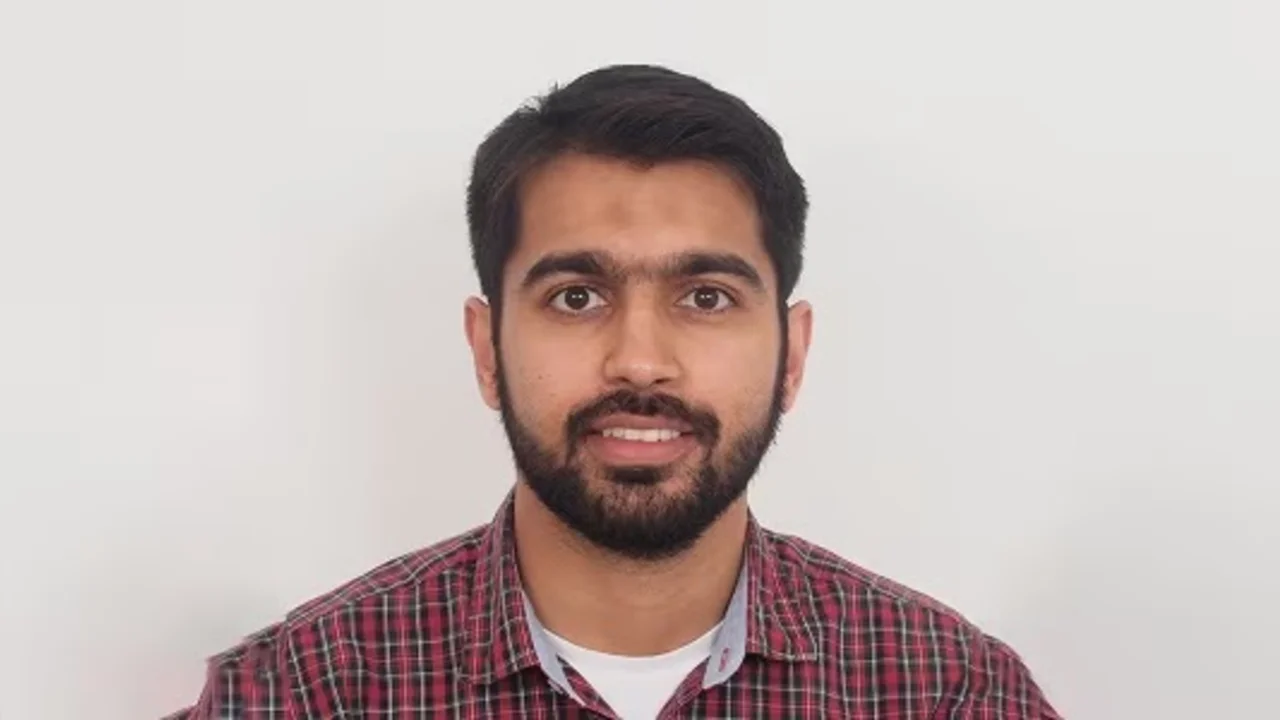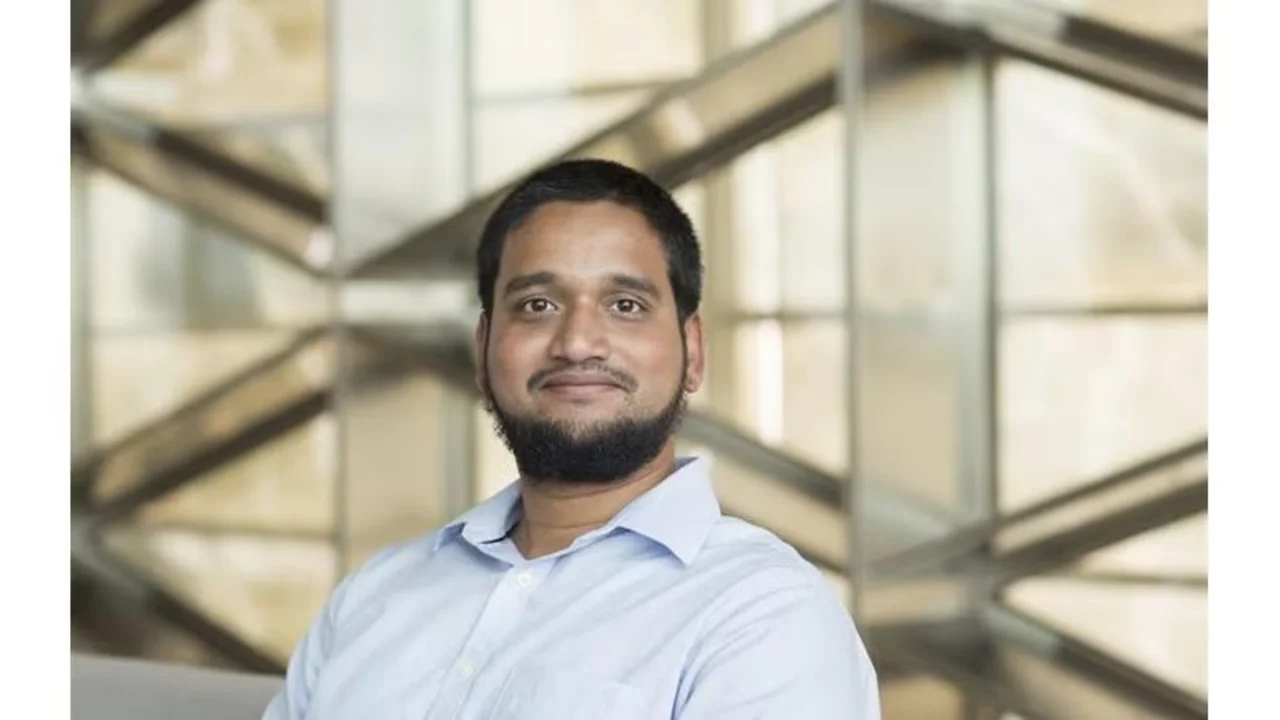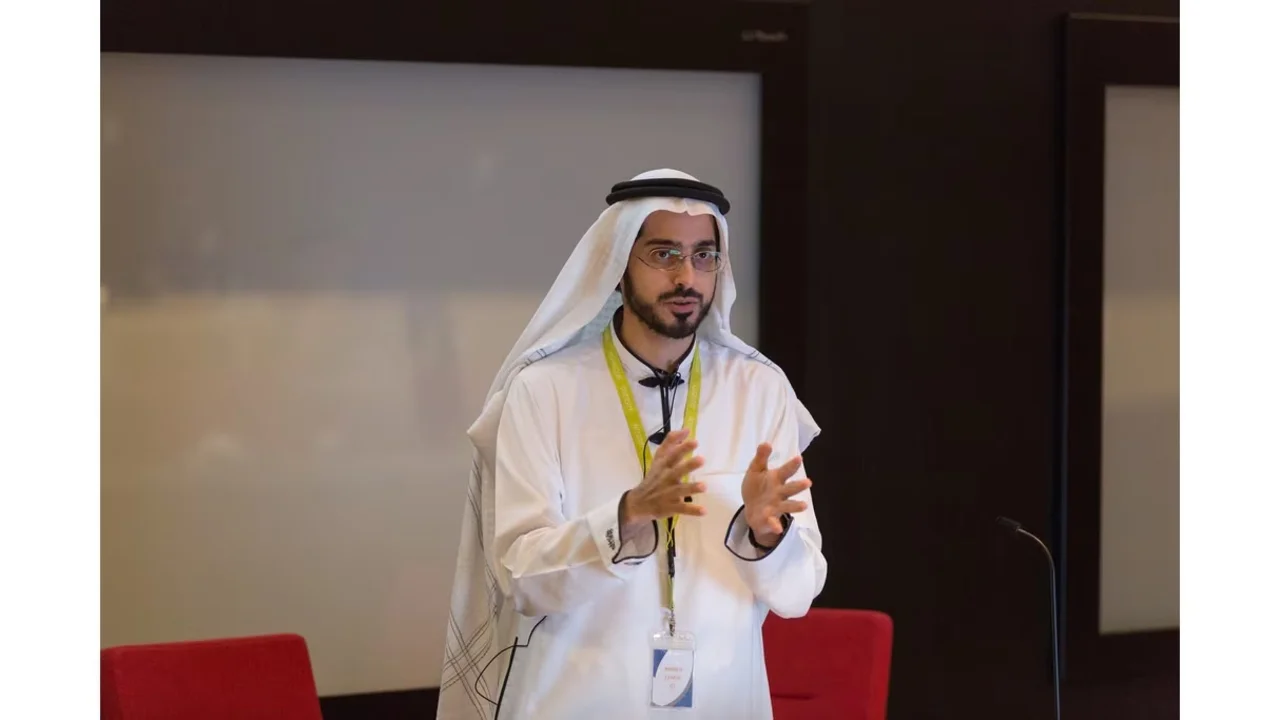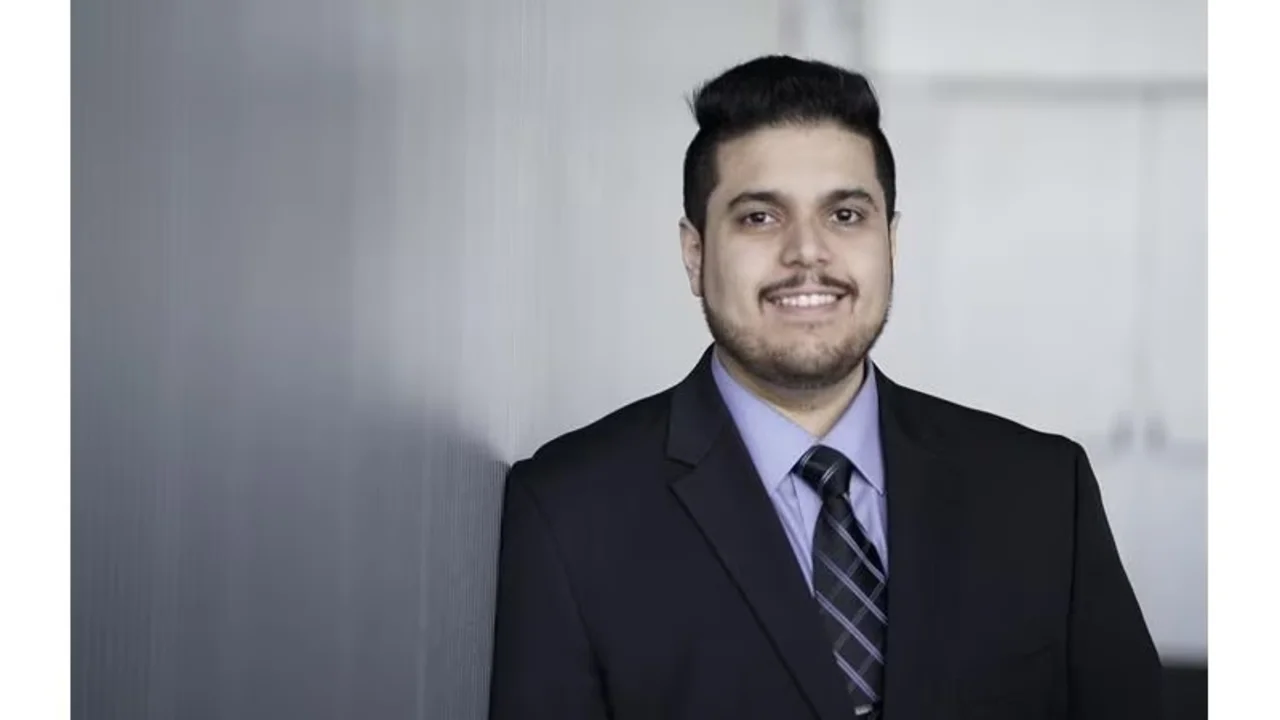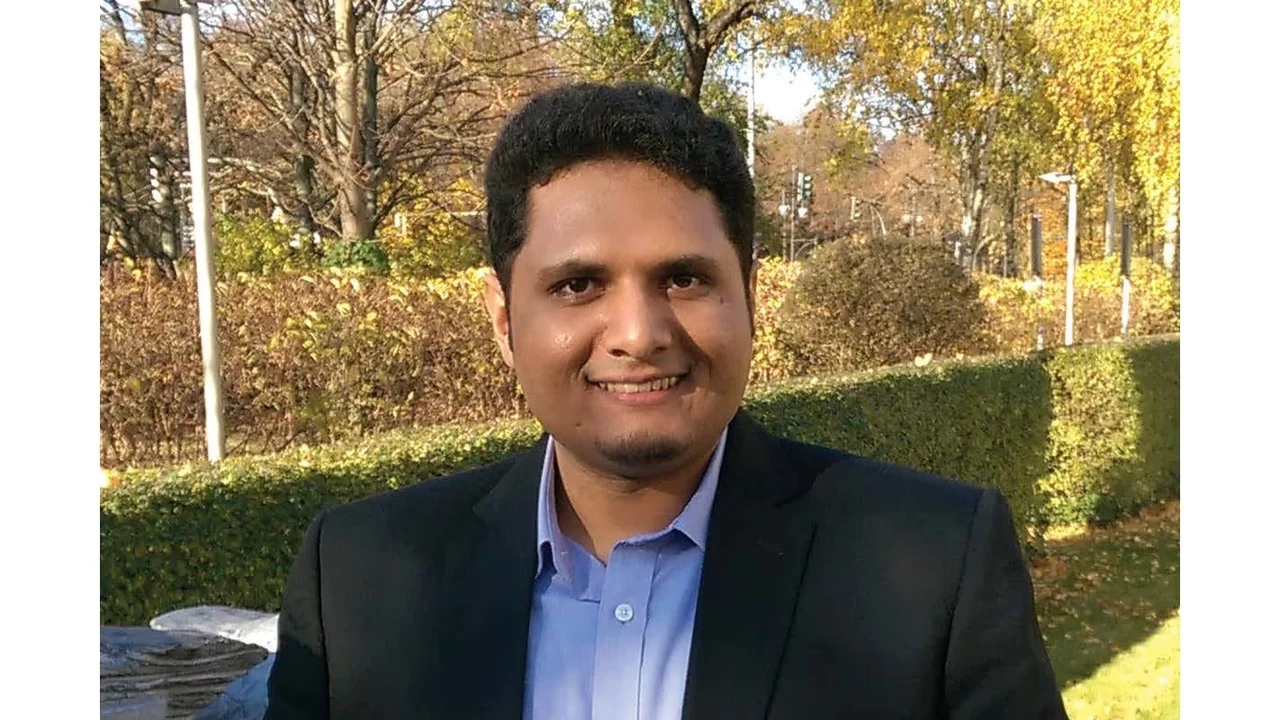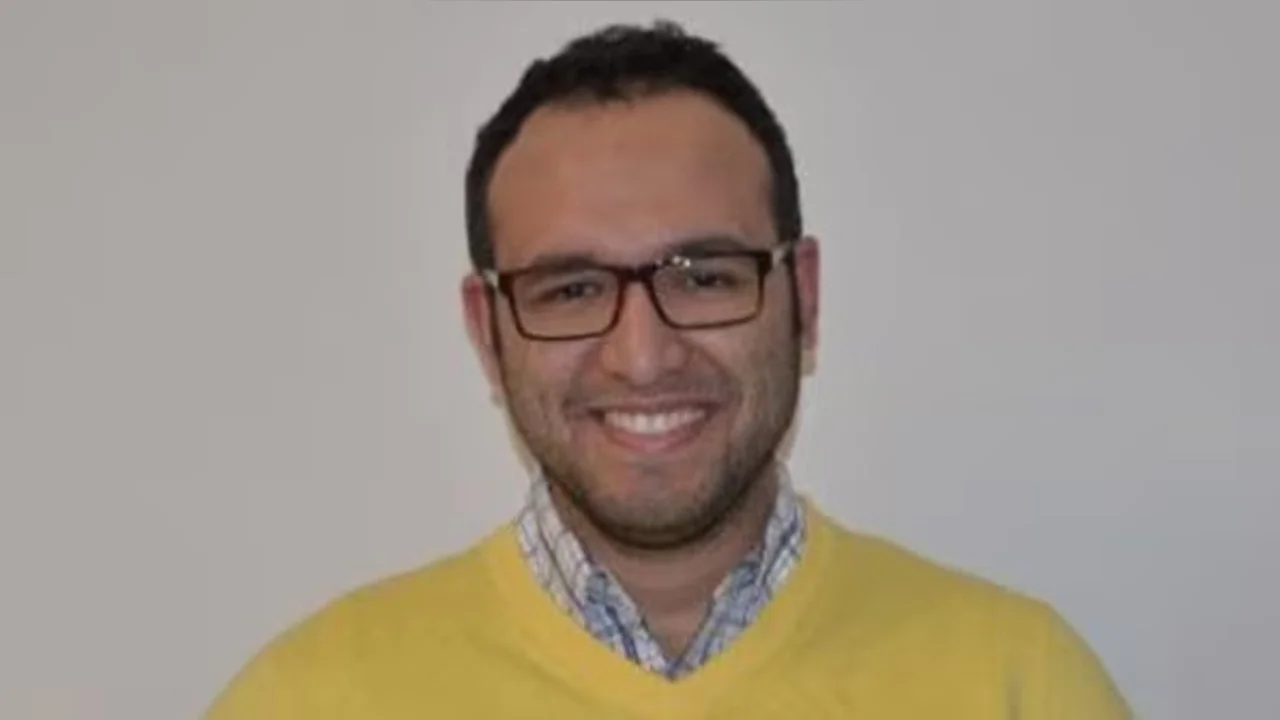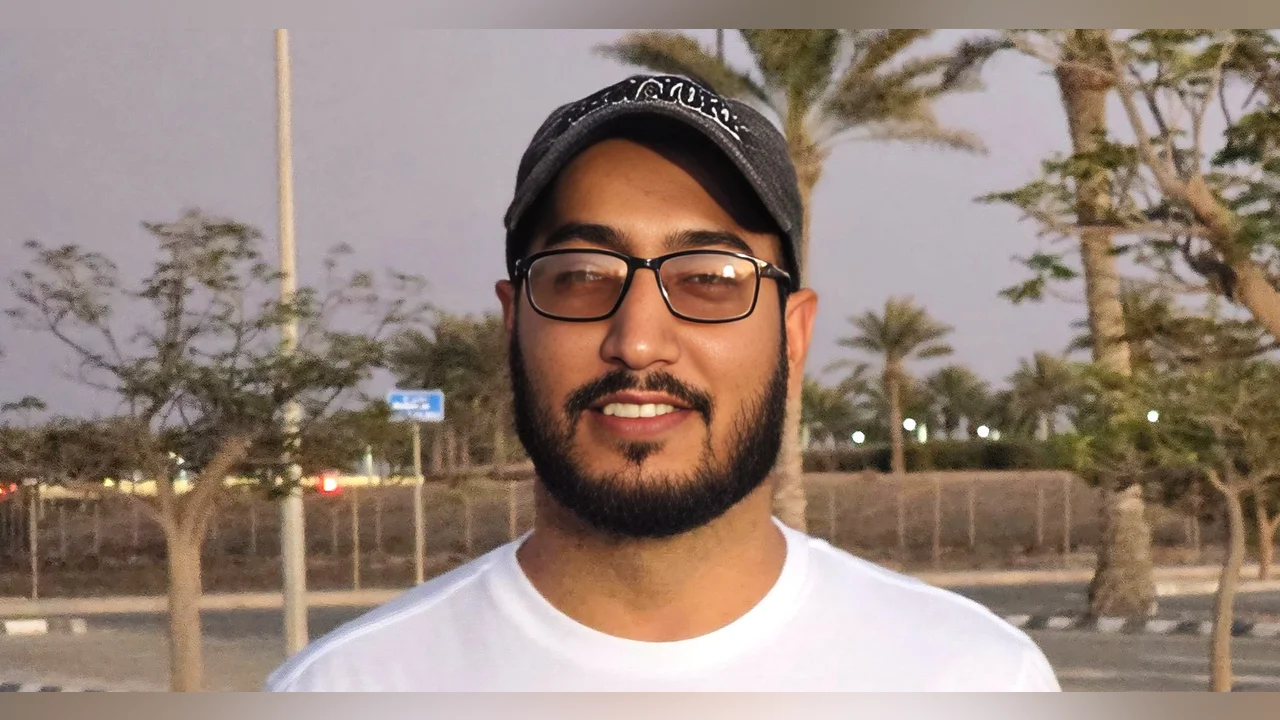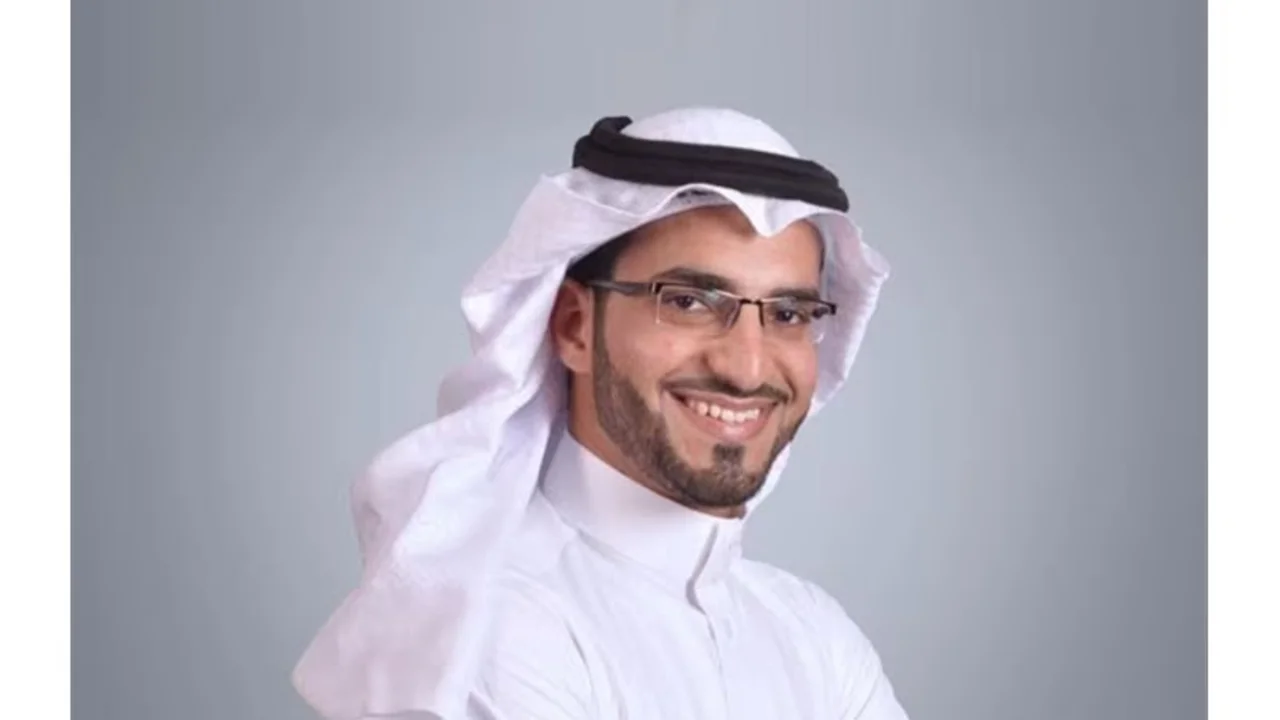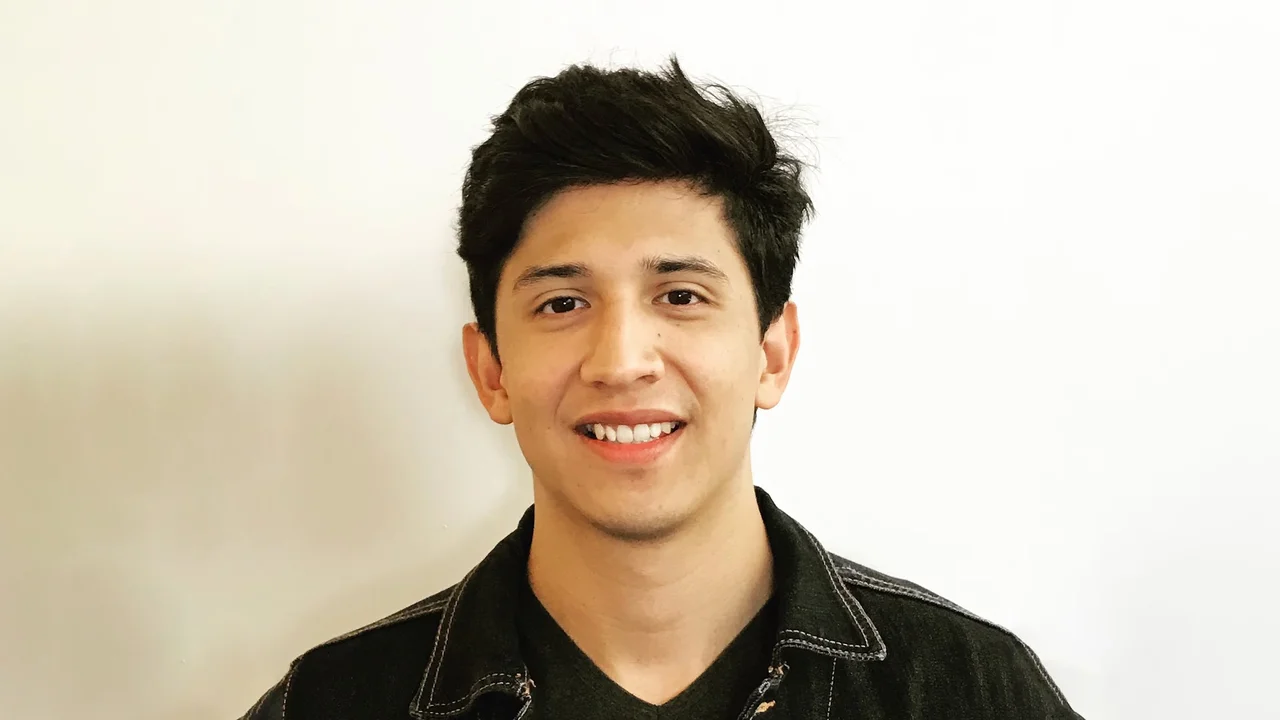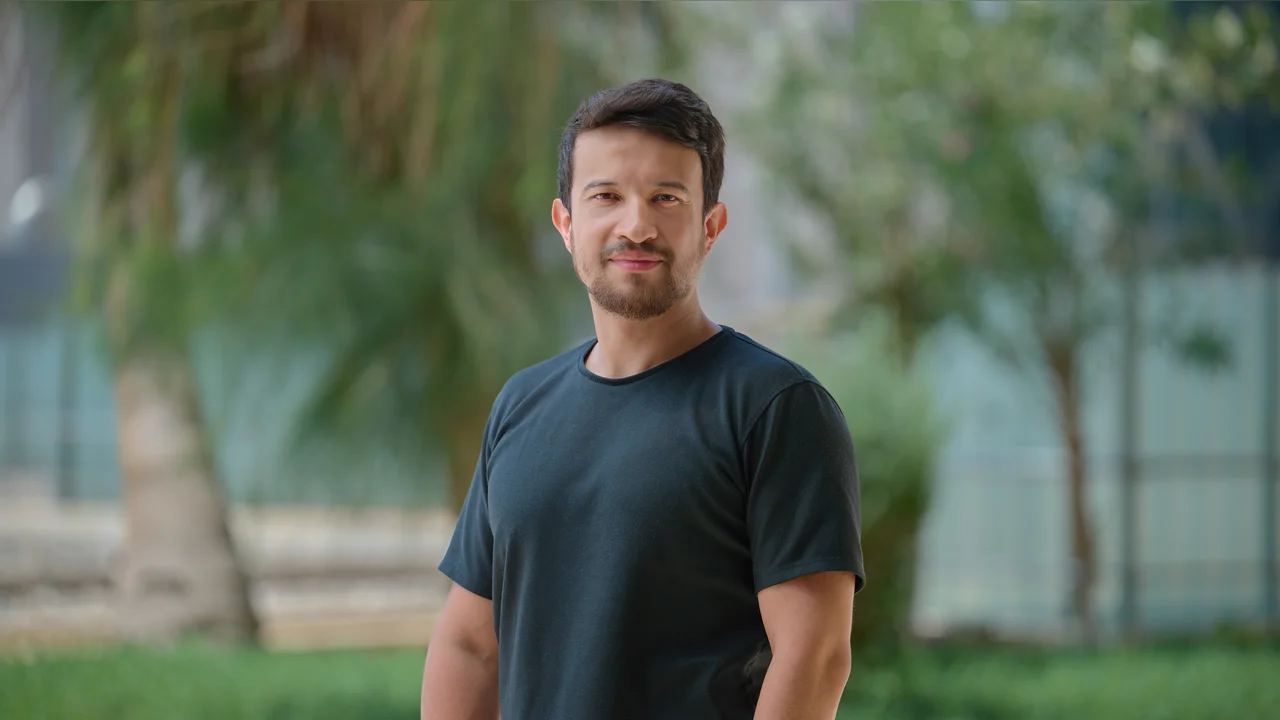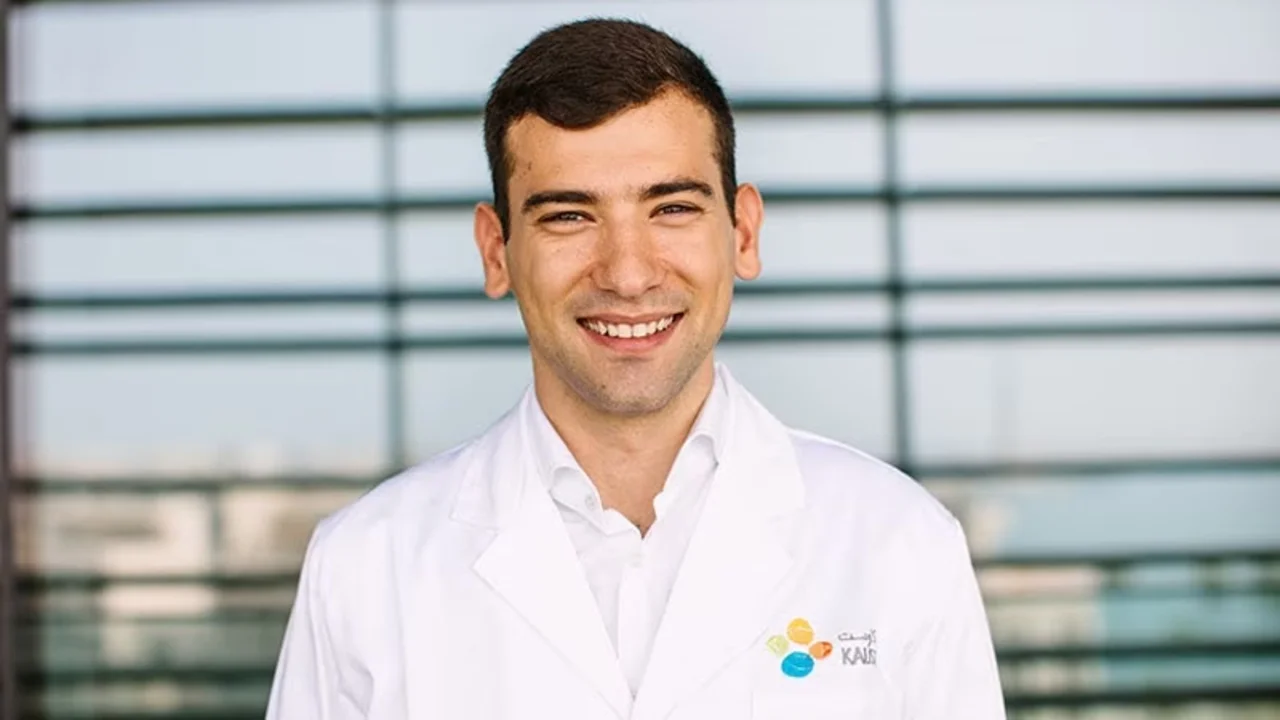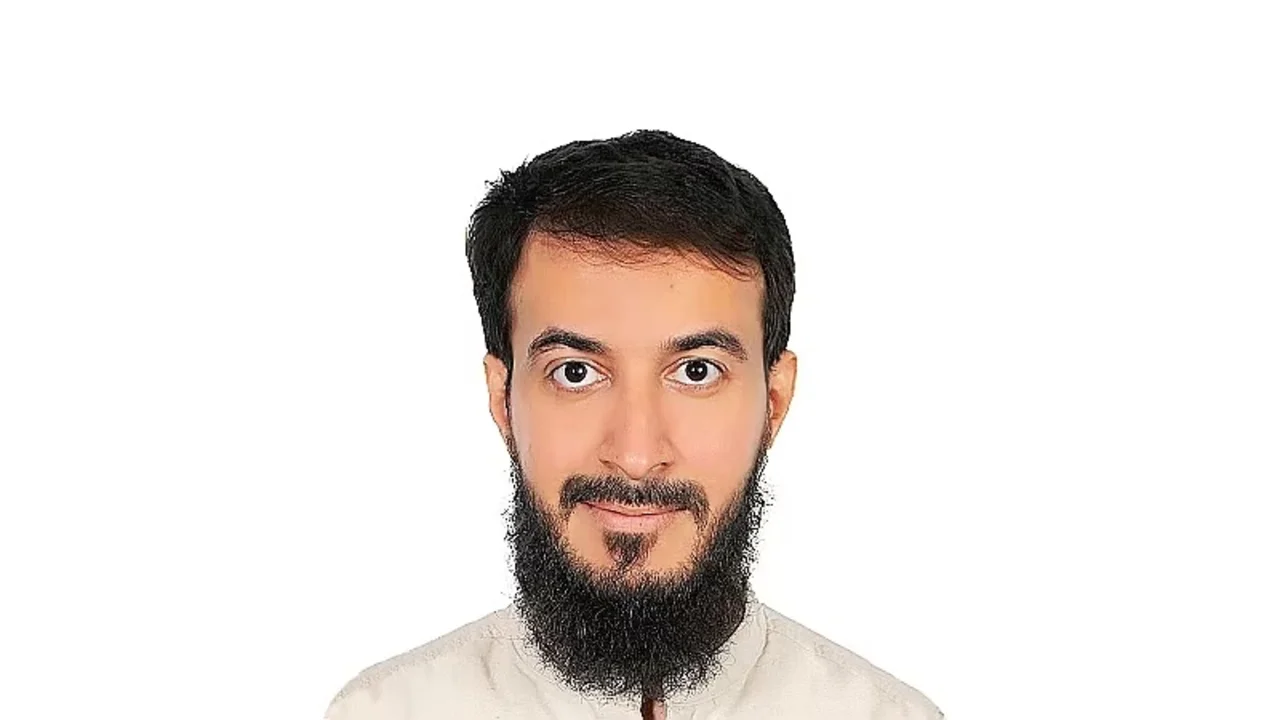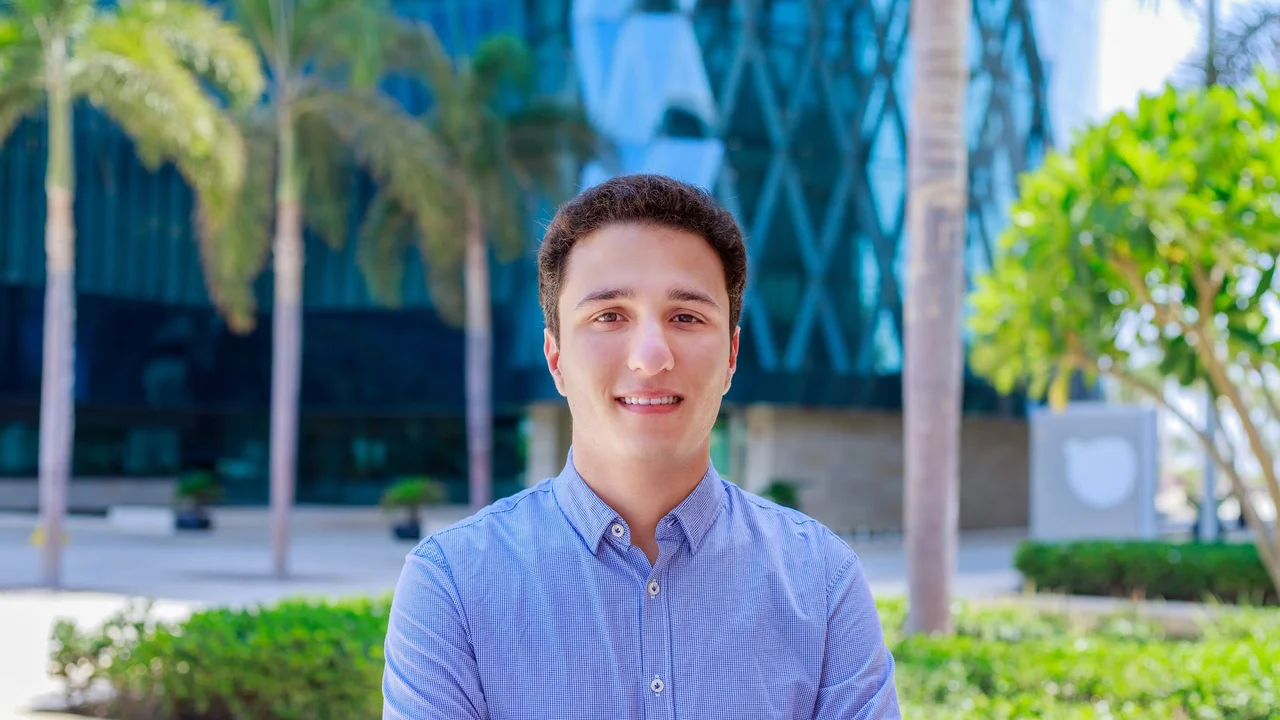

Abdulaziz Almutlaq
- M.S. Student, Statistics
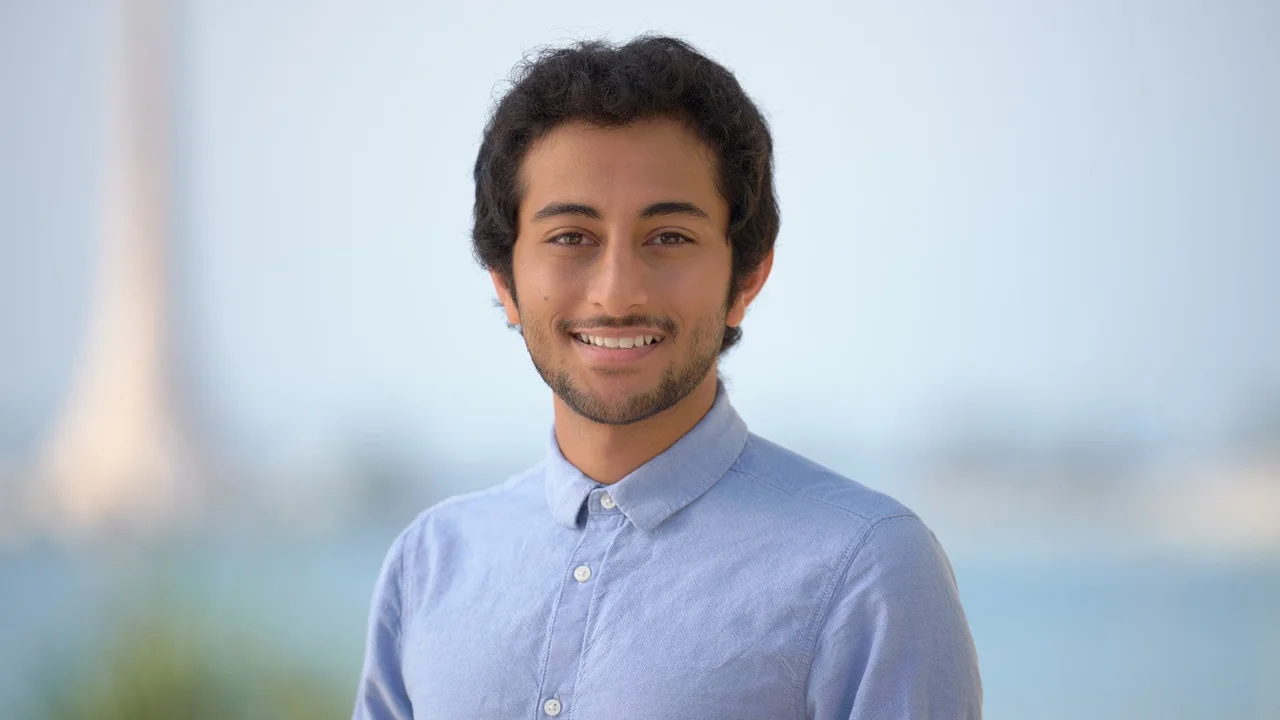
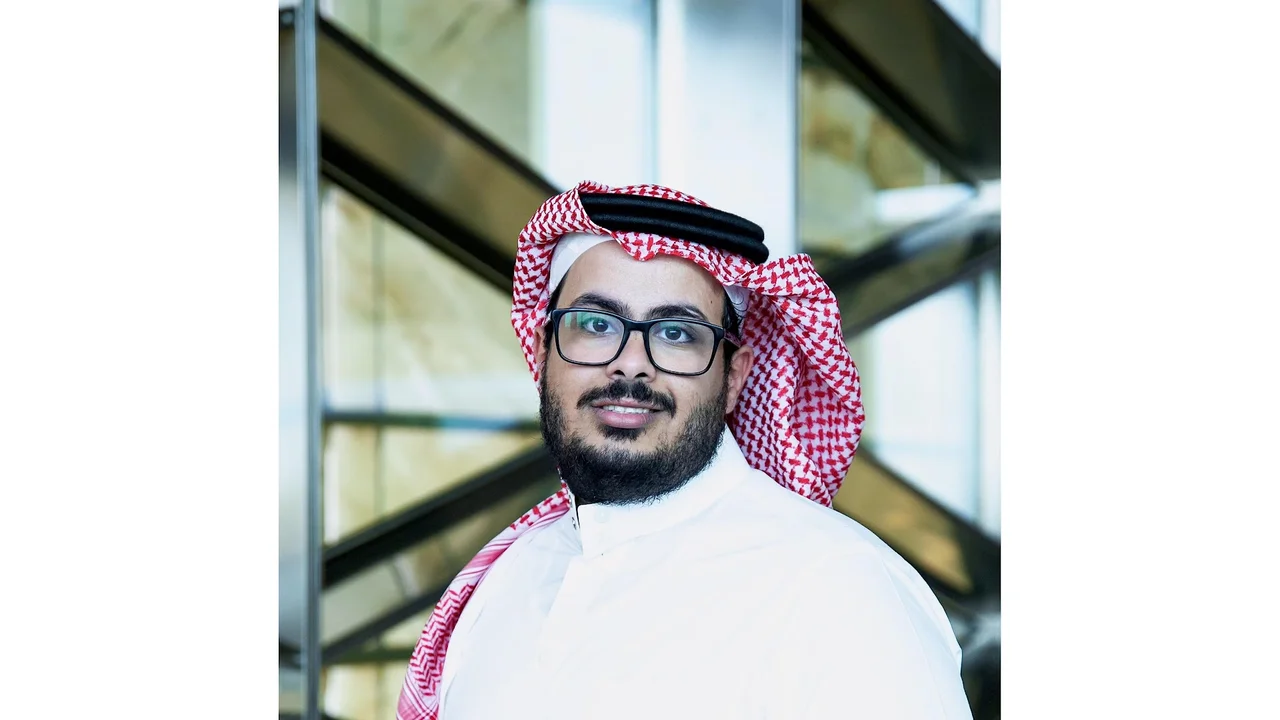
Abdullah obtained his master's degree in Electrical and Computer Engineering from KAUST in 2021 and his bachelor's degree from The University of Jordan in 2020. During his engineering studies, he did research in wireless sensor networks and cognitive radio. In 2024, Abdullah won the best paper award at the Global Advanced Air Mobility Academic Paper competition, organized by the International Civil Aviation Organization (ICAO).
Abdullah's current research interests include stochastic geometry modeling, and flying platforms.
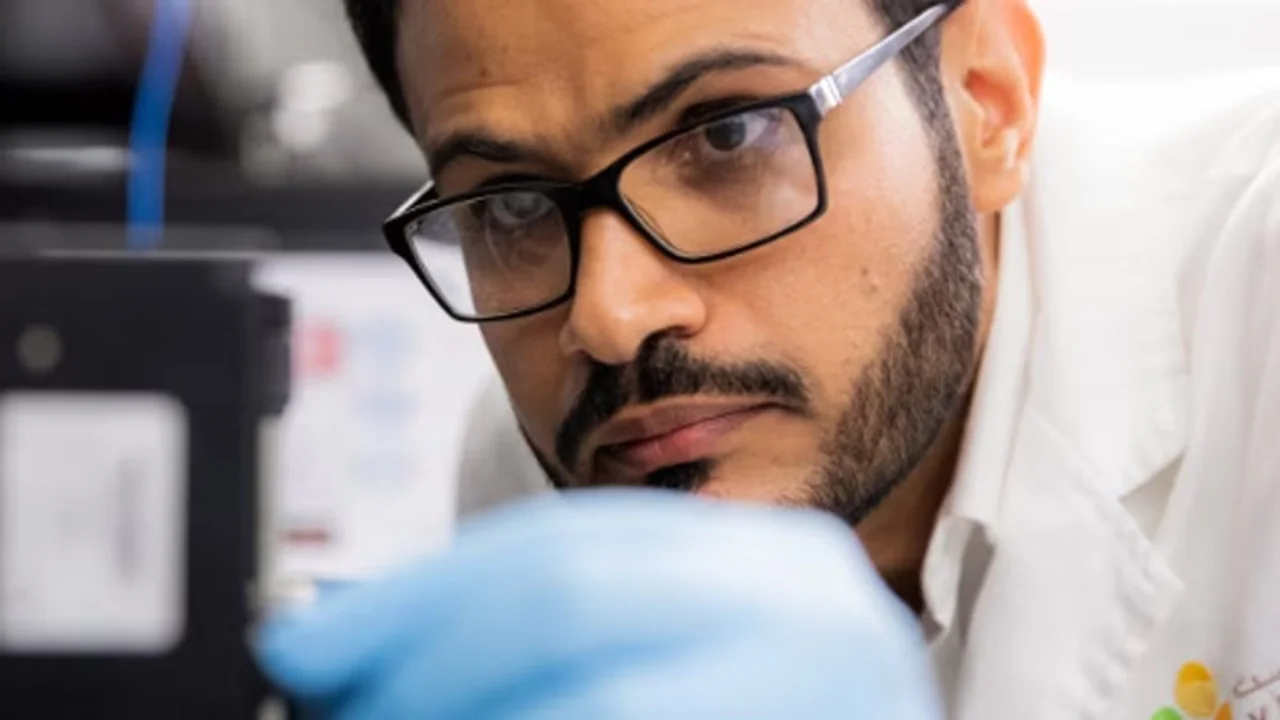
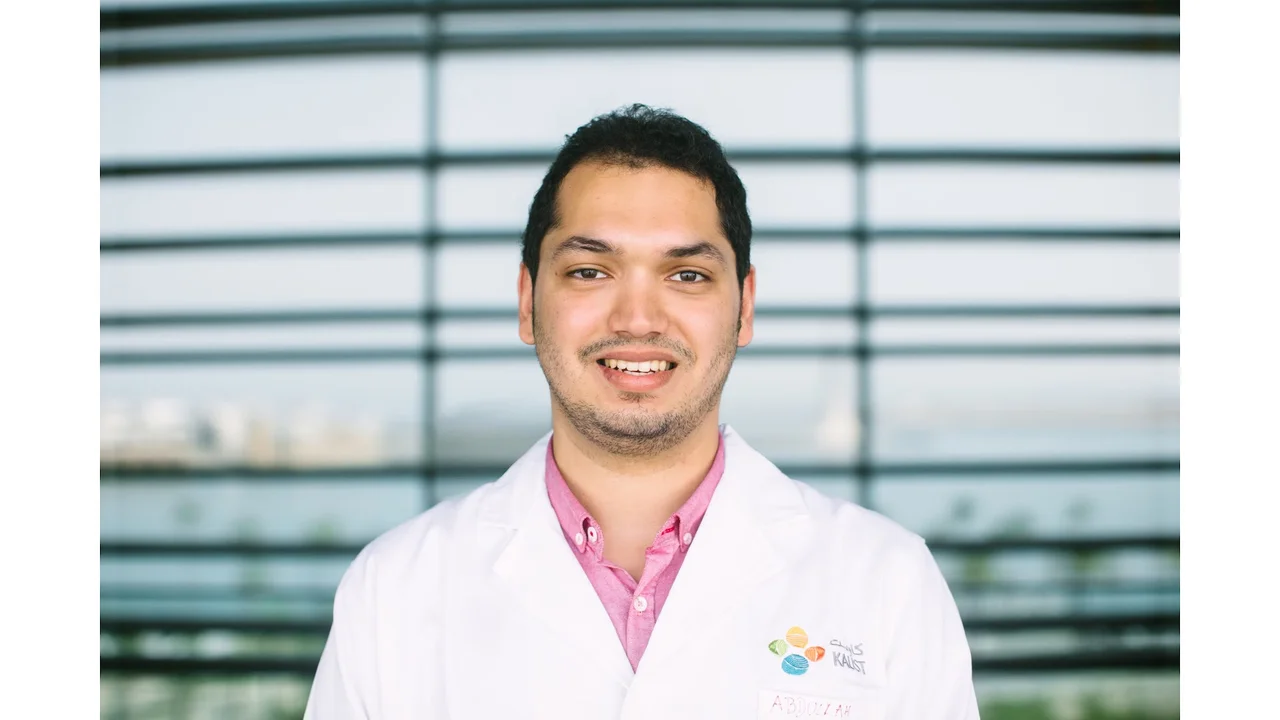
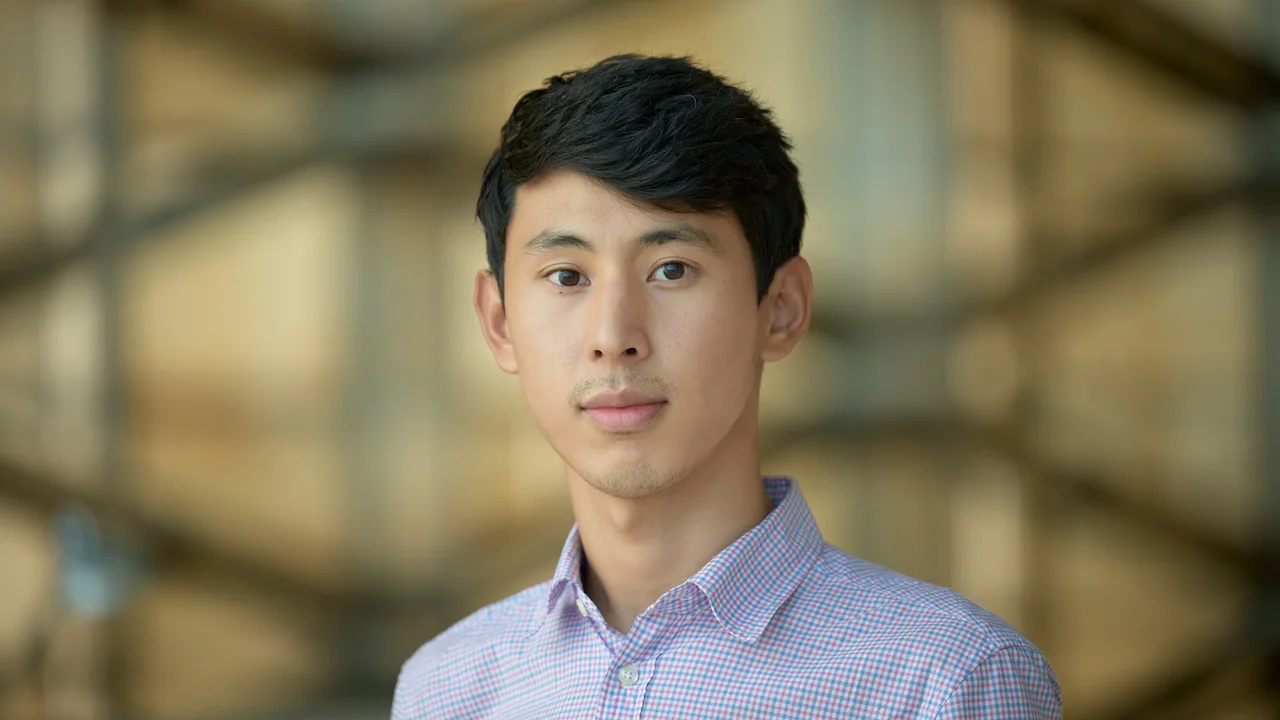
Abdullah Bukhamsin received his B.Sc. degree in Bioengineering from Rice University (Houston, Texas) in 2018. Following that, he completed his M.Sc. degree in Electrical Engineering from King Abdullah University of Science and Technology (Thuwal, Saudi Arabia) in 2020 under the supervision of Dr. Jurgen Kosel. In 2025, he completed his PhD degree in Bioengineering from King Abdullah University of Science and Technology (Thuwal, Saudi Arabia) under the supervision of Dr. Khaled N. Salama and co-supervision of Dr, Ikram Blilou.
Abdullah is interested in developing scalable micro-fabrication methods for 3D electrodes for electrochemical sensors pertaining to applications centered on physiological monitoring of biomarkers.
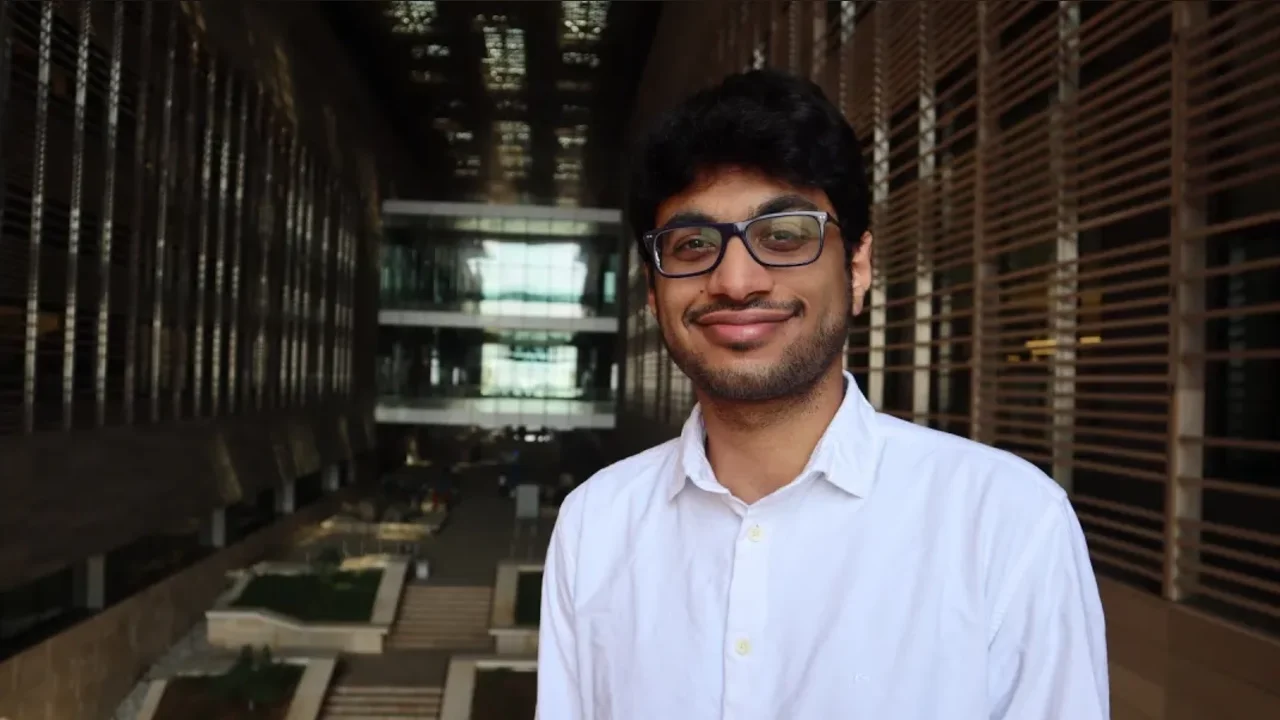
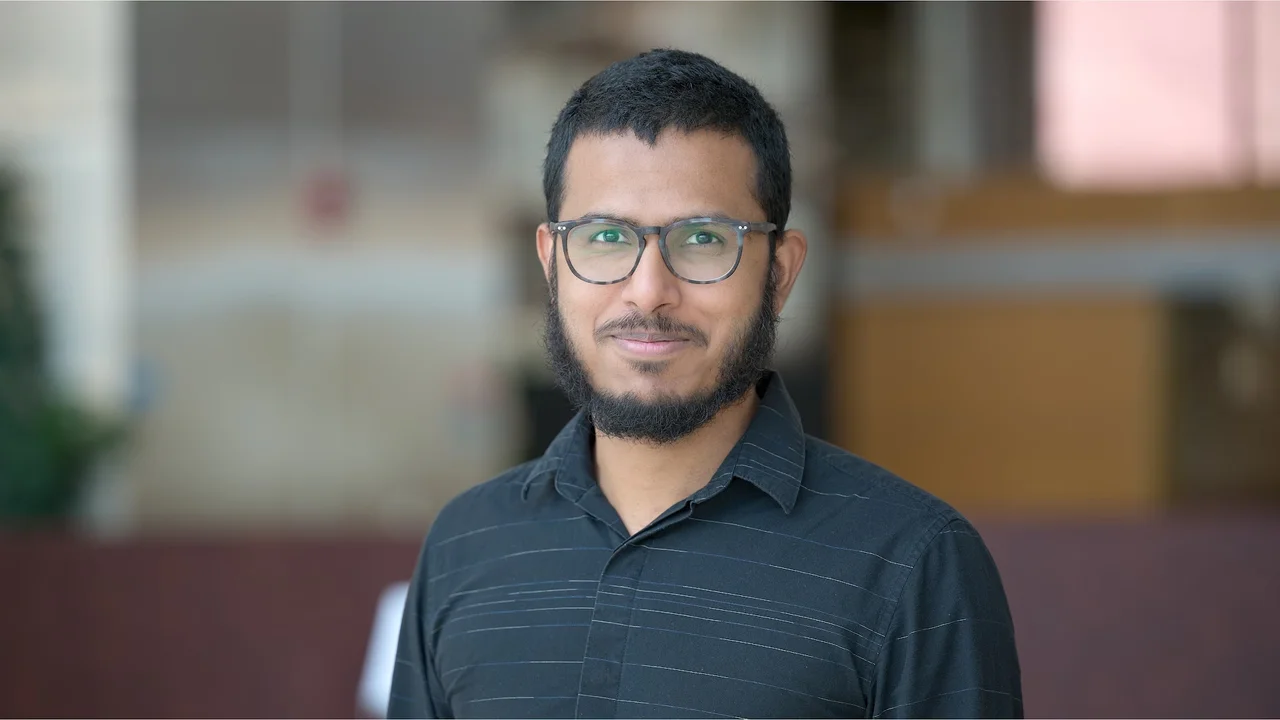
Aijaz H. Lone is a PhD candidate Integrated Intelligent Systems I2S group, under the guidance of Professor Gianluca Setti at King Abdullah University of Science and Technology (KAUST), I'm dedicated to pushing the boundaries of spintronic innovation. With a background in electrical and computer engineering from the Indian Institute of Technology (IIT-M), I've developed a passion for advancing spintronic devices for data storage and neuromorphic applications.
As a PhD candidate Integrated Intelligent Systems I2S group, under the guidance of Professor Gianluca Setti at King Abdullah University of Science and Technology (KAUST), I'm dedicated to pushing the boundaries of spintronic innovation. With a background in electrical and computer engineering from the Indian Institute of Technology (IIT-M), I've developed a passion for advancing spintronic devices for data storage and neuromorphic applications.
During my Ph.D., I focused on simulating and experimentally realizing spintronic devices tailored for neuromorphic (brain-inspired) computing. This includes advanced spintronic memories that emulate synapse and spiking neuron functionalities. By integrating these devices, I have explored their potential in implementing artificial neural networks (ANNs) and spiking neural networks (SNNs) at both circuit and system levels, aiming to improve the computational paradigms.
As a researcher, I bring expertise in modeling, simulations, and experimental realization to the table. My focus
lies in pioneering spintronic technologies like magnetic tunnel junctions (MTJs), domain wall devices, and
magnetic skyrmionic devices – all with the goal of revolutionizing AI and machine learning.
Through my research, I aim to bridge the gap between theoretical understanding and practical implementation, driving the development of novel spintronic-based solutions for AI.
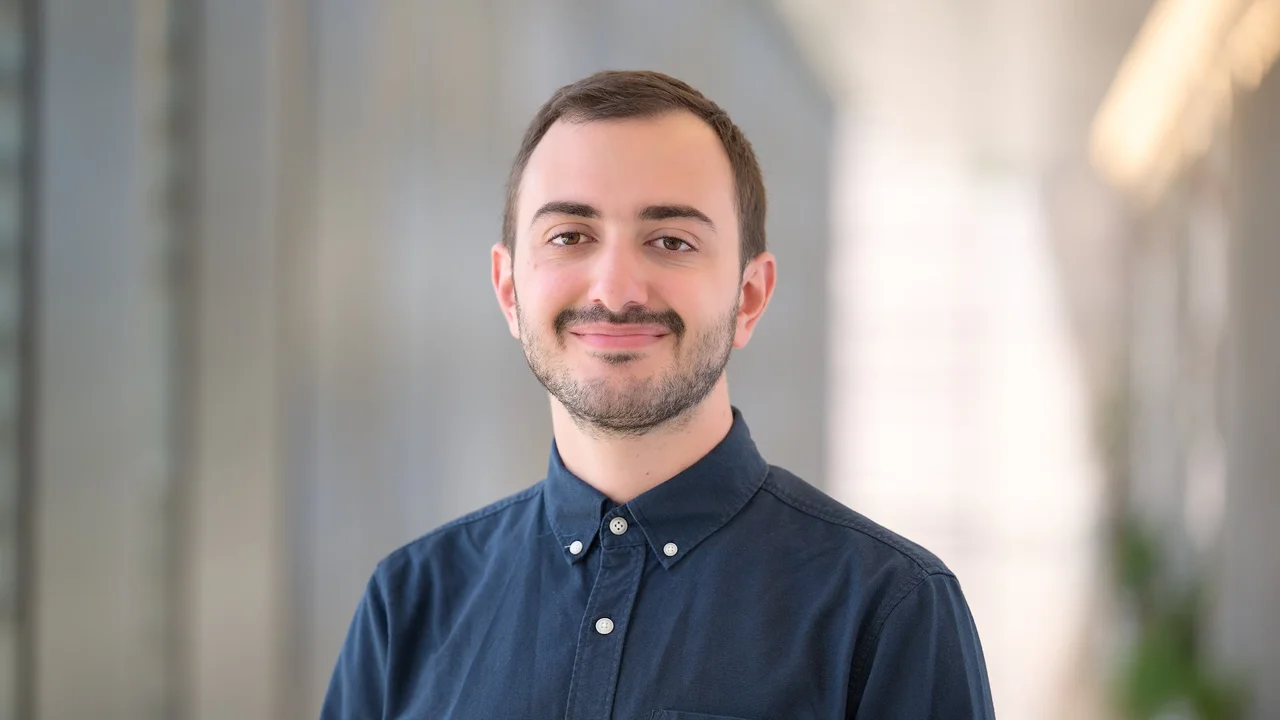
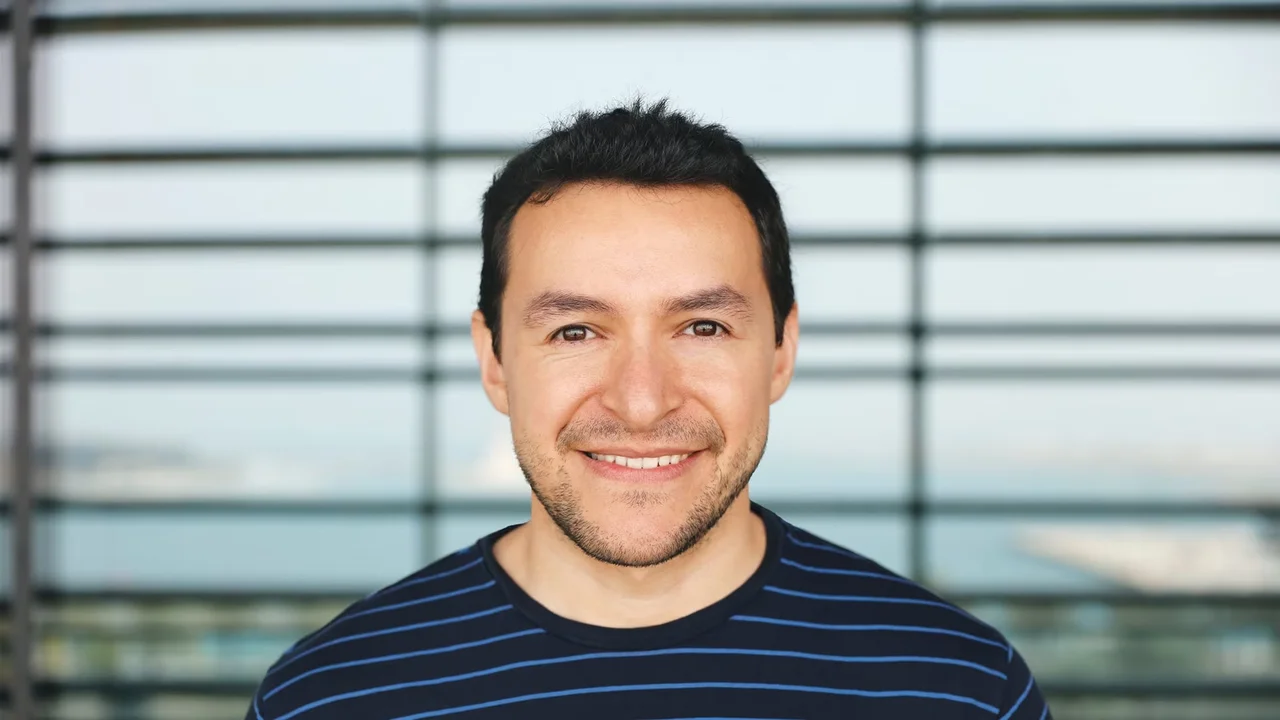
Alejandro Pardo is a final-year Ph.D. student at KAUST, advised by Prof. Bernard Ghanem. His research explores the intersection of computer vision and creativity, with a focus on automating video editing using generative models. He previously earned his M.Sc. under Pablo Arbeláez and has interned at Intel's Embodied AI Lab and Adobe Research. Alejandro is passionate about bridging technology and storytelling.
He is specialized in Image processing and analysis, and interested in topics related to the investigation in Artificial Intelligence and Computer Vision. Besides that, he’s knowledgeable in machine learning and deep learning.
Amal Alghamdi is a computational scientist and founder of Impact Alpha, Saudi Arabia. She holds a Ph.D. and M.S. in Computational Science, Engineering, and Mathematics from the University of Texas at Austin, and another M.S. in Computer Science from King Abdullah University of Science and Technology (KAUST). Before founding Impact Alpha, she was a postdoctoral researcher in the Scientific Computing section at the Technical University of Denmark.
Amal's research focuses on inverse problems, uncertainty quantification, optimization, and high-performance computing, with applications in geophysics and biomedicine, aiming to bridge advanced computing and mathematical modeling for real-world impact. Her M.S. Thesis topic was "Parallelization of a hyperbolic PDE solver in Python".
Amanat Kafizov received his B.S. and M.S. degrees in Electrical and Computer Engineering from Nazarbayev University, Kazakhstan, in 2019 and from King Abdullah University of Science and Technology (KAUST), Saudi Arabia, in 2021, respectively. Currently, he is a Ph.D. student at KAUST. His academic journey has been enriched by diverse experiences, including a summer research internship at the University at Buffalo, New York, USA, in 2018, where he developed the OFDM system for Terahertz communication. Later, from 2023 to 2024, he worked as a research engineer at CERN, Geneva, Switzerland.
Amanat's research interests include optical wireless communication, reconfigurable intelligent surfaces, system prototyping, signal processing on FPGA, and machine learning.
During his summer research internship 2018 at University at Buffalo, New York, USA, he was working on Terahertz (THz) communication networks under a supervision of professor Josep Jornet. To be more specific, Amanat developed OFDM transmitter and receiver blocks in Matlab tailored to THz channel properties and adapted to THz hardware specifications. Amanat was the first who demonstrated OFDM communication at THz frequencies ever.