Profiles
Alumni
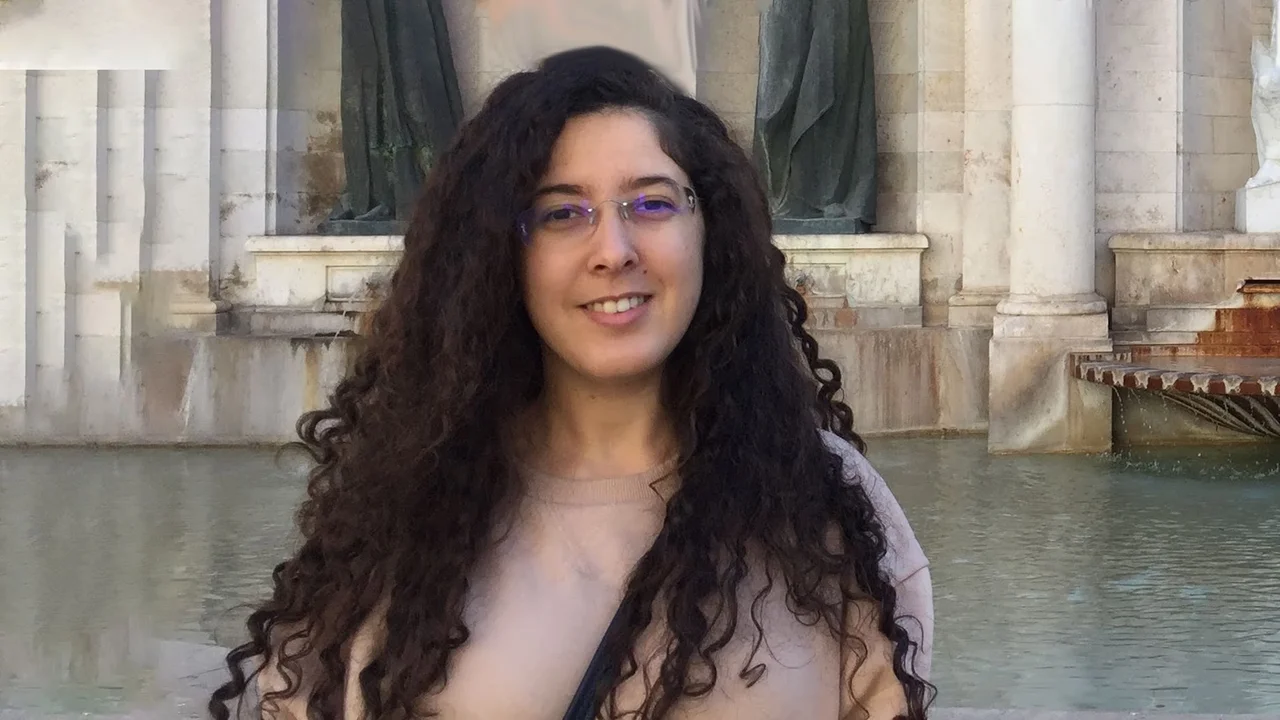
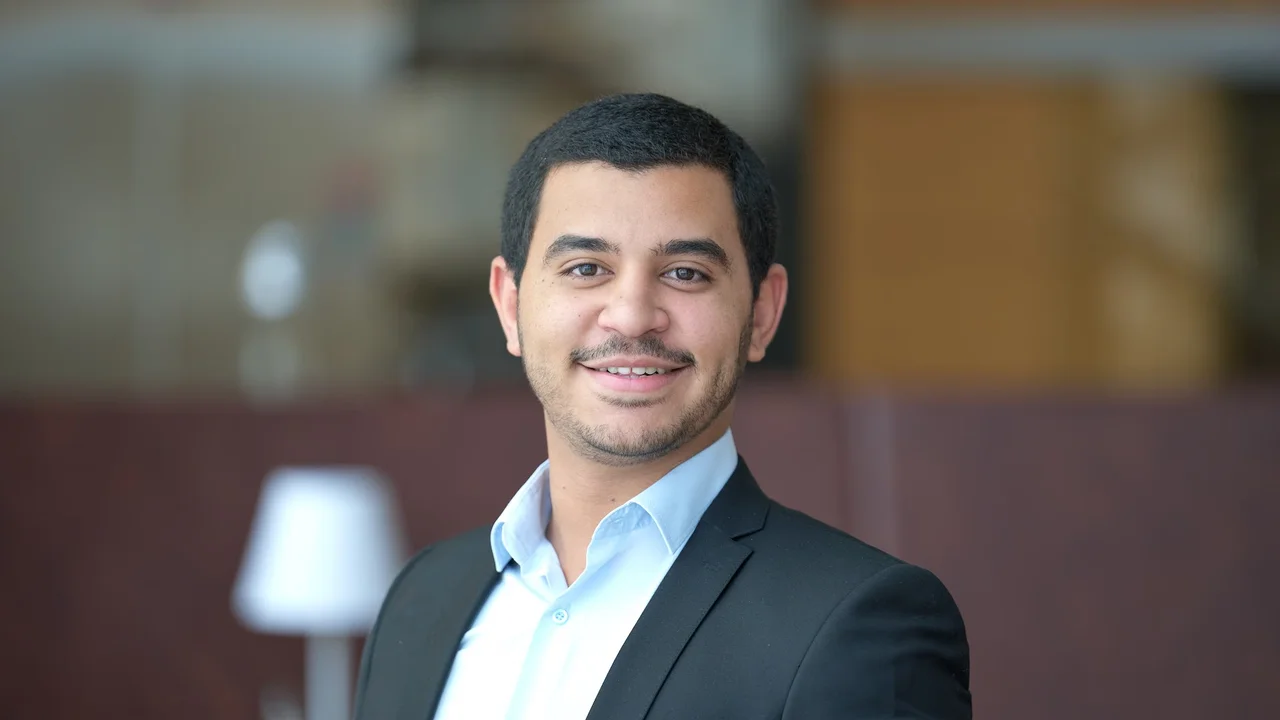
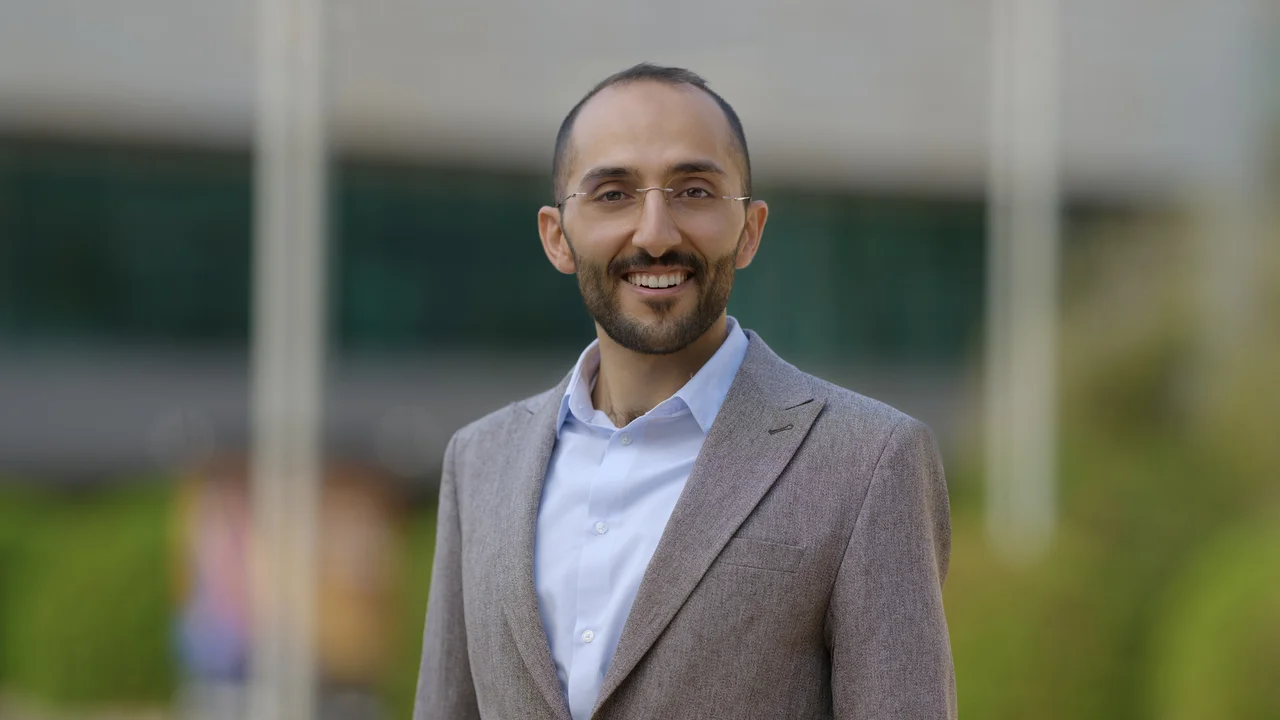

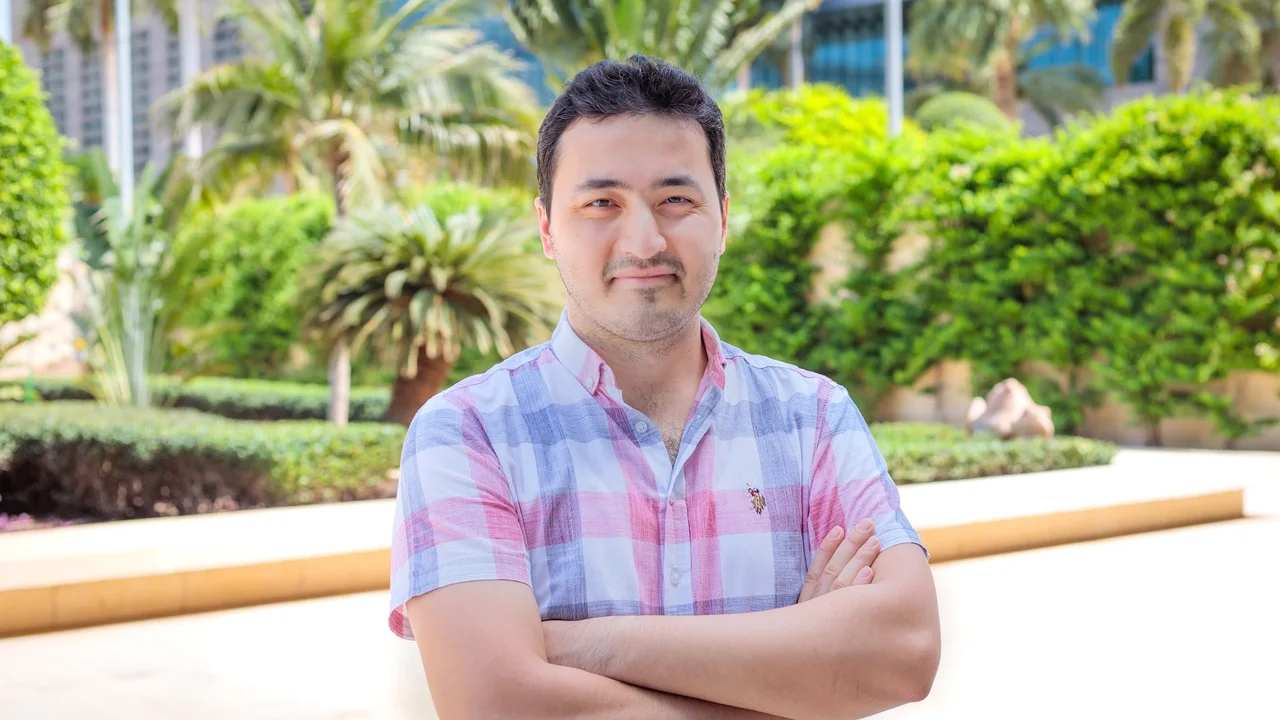
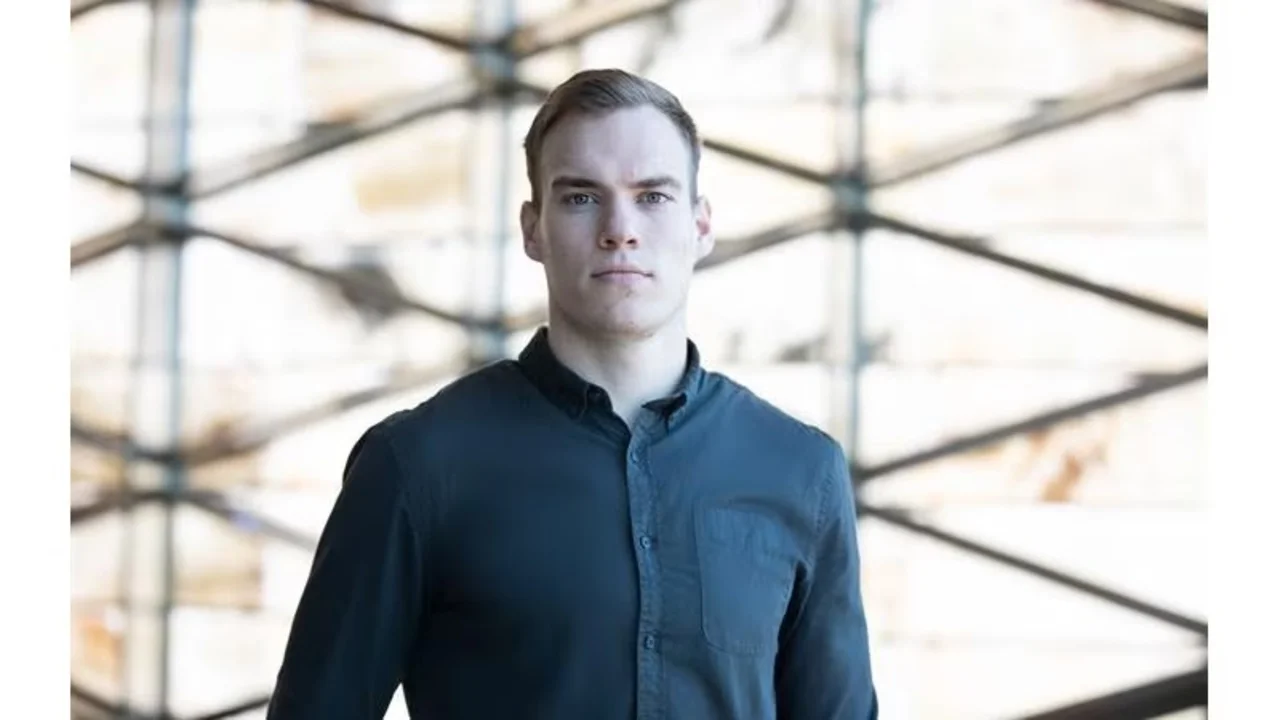
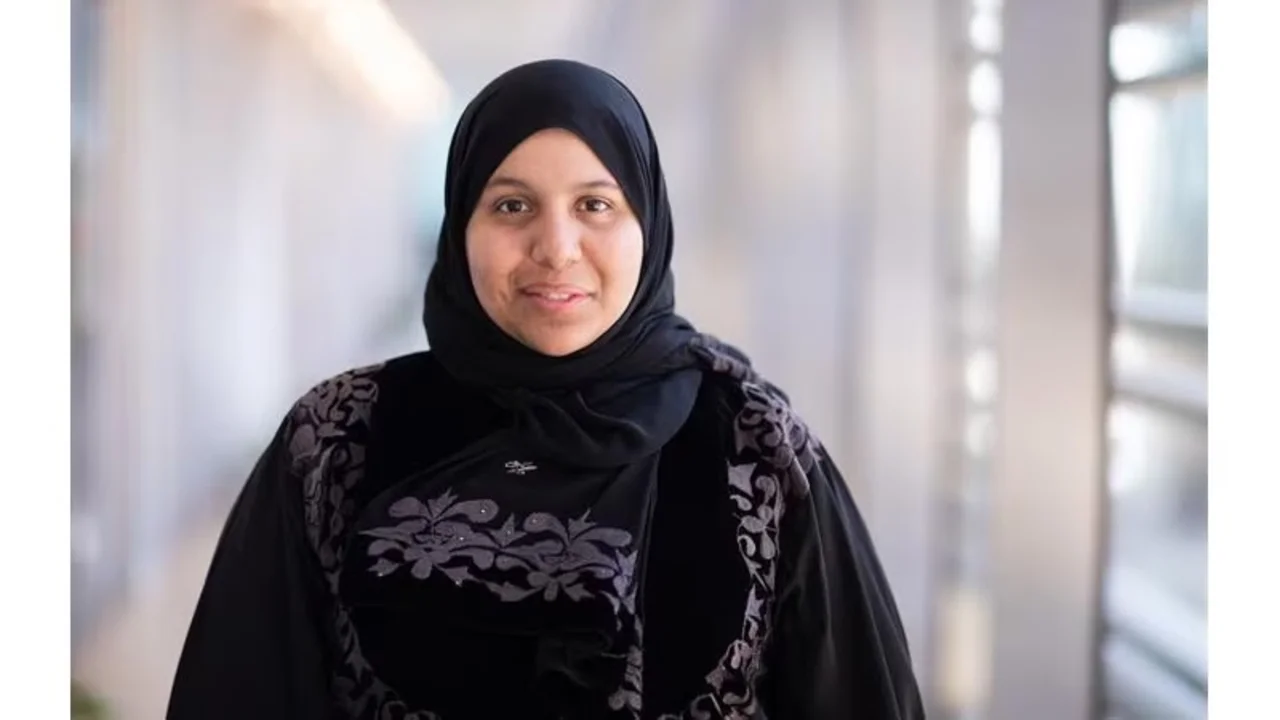
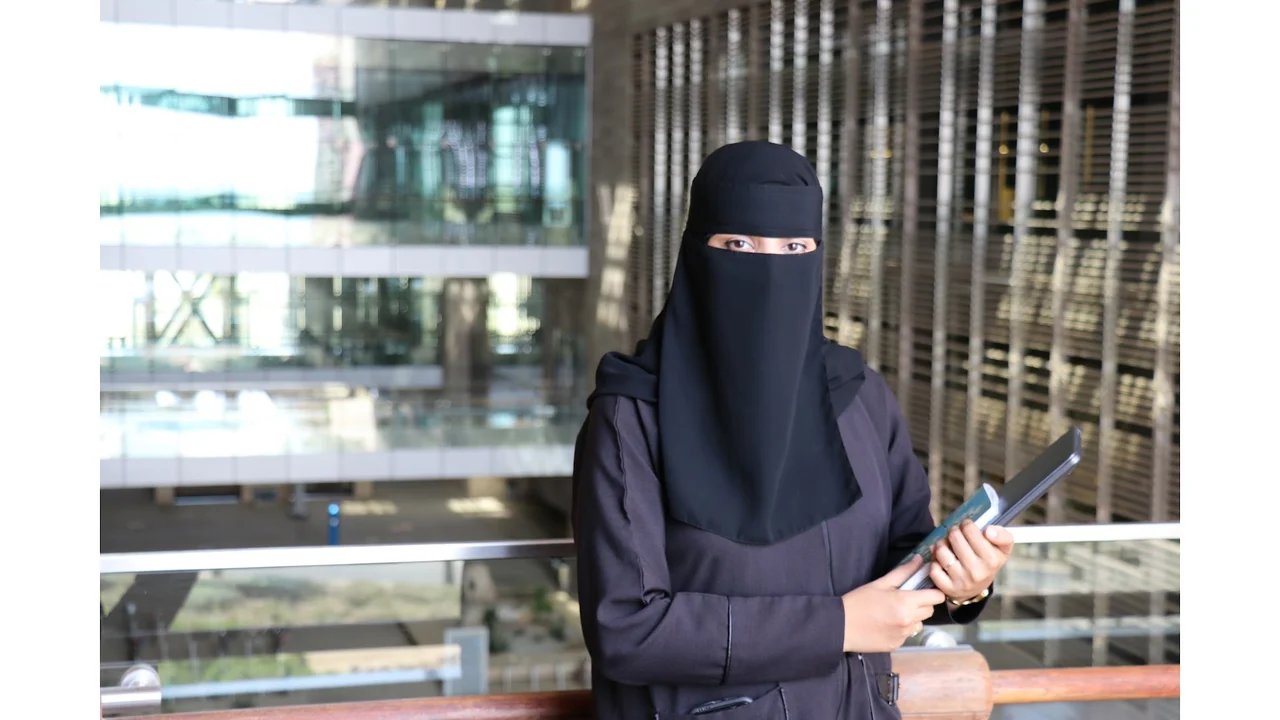
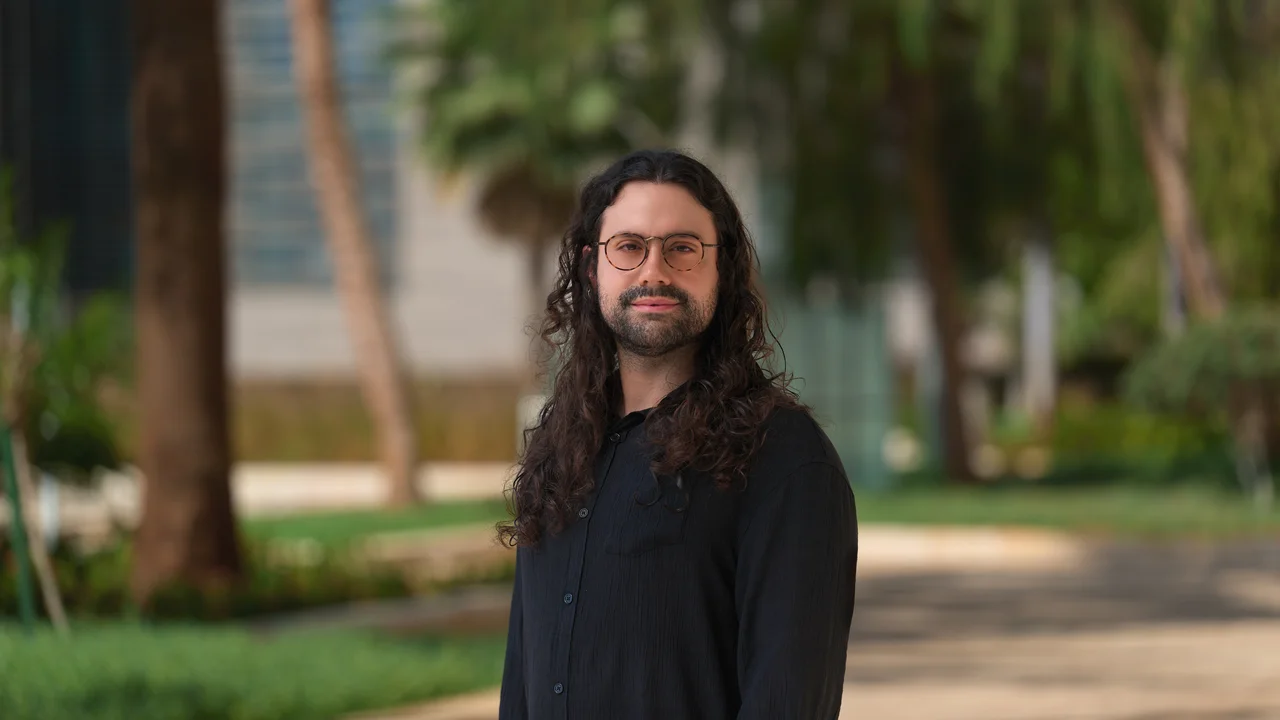
Sebastian Celis Sierra
- Postdoctoral Research Fellow, Electrical and Computer Engineering
Biography
Sebastian Celis Sierra received the B.Eng. degrees in Electrical and Electronics Engineering from Universidad de los Andes, Bogotá, in 2018, and the M.S. and Ph.D. degrees in Electrical and Computer Engineering from King Abdullah University of Science and Technology (KAUST), Thuwal, Saudi Arabia, in 2020 and 2026, respectively. He is currently a Postdoctoral Fellow at KAUST under the supervision of Hakan Bagci. His research interests include computational electromagnetics, specifically time-domain integral equation solvers, bianisotropic structures, and the characterization of 2D materials like graphene.
Research Interests
Sebastian's research focuses on formulating and implementing surface and volume integral-equation methods in both the time and frequency domains to capture complex electromagnetic behavior in arbitrarily shaped metasurfaces. By coupling these formulations with generalized sheet transition conditions (GSTCs), he aims to achieve both numerical efficiency and physical fidelity. His work advances the theoretical foundations and practical computational tools necessary for the next generation of communication systems.
Education
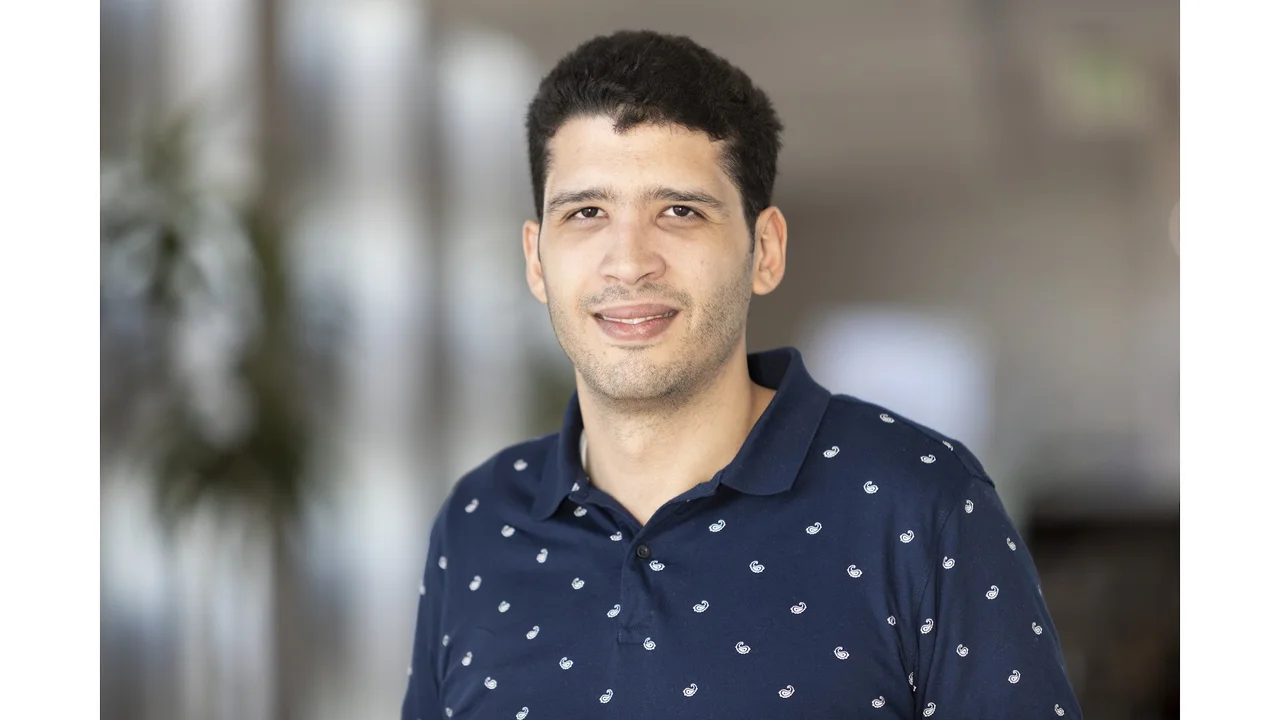
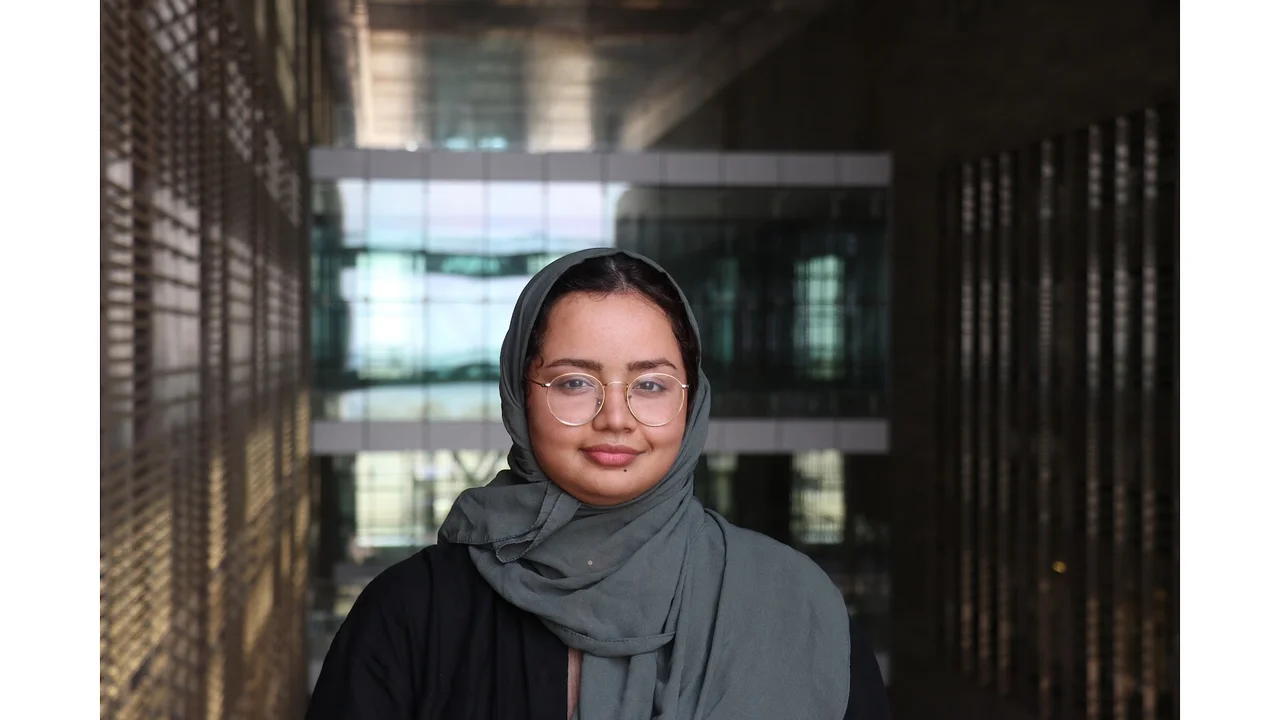
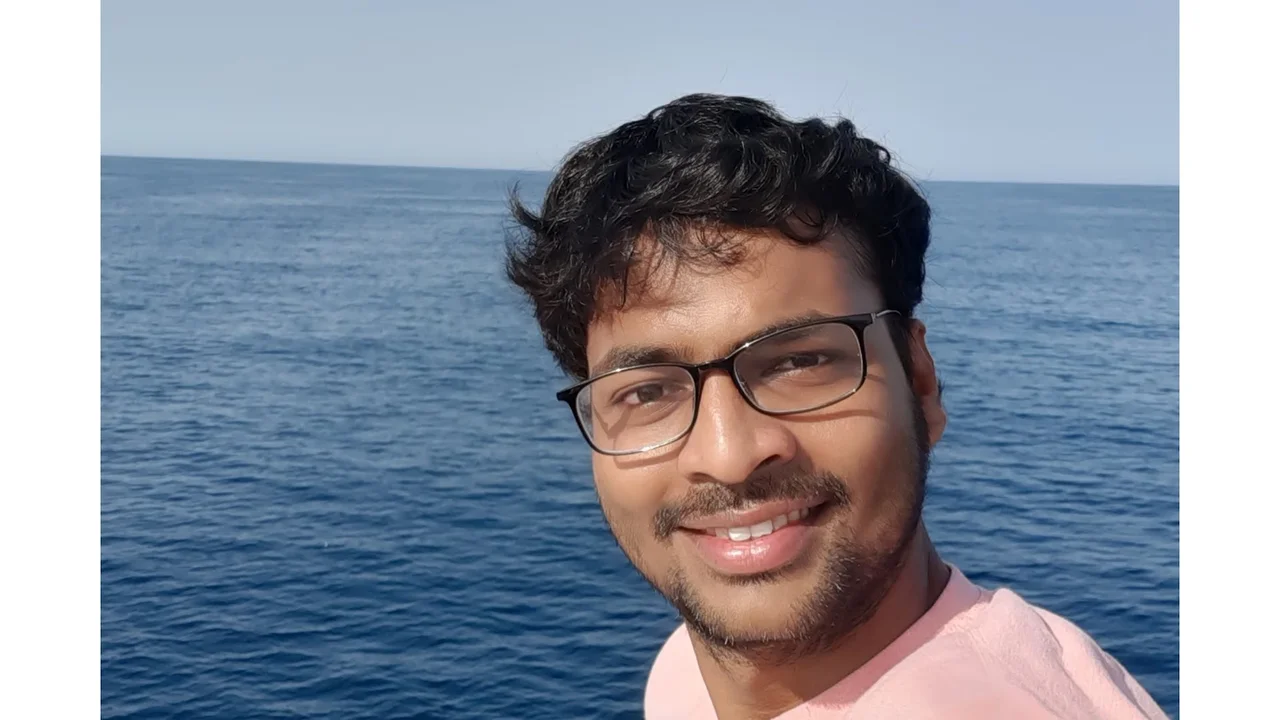
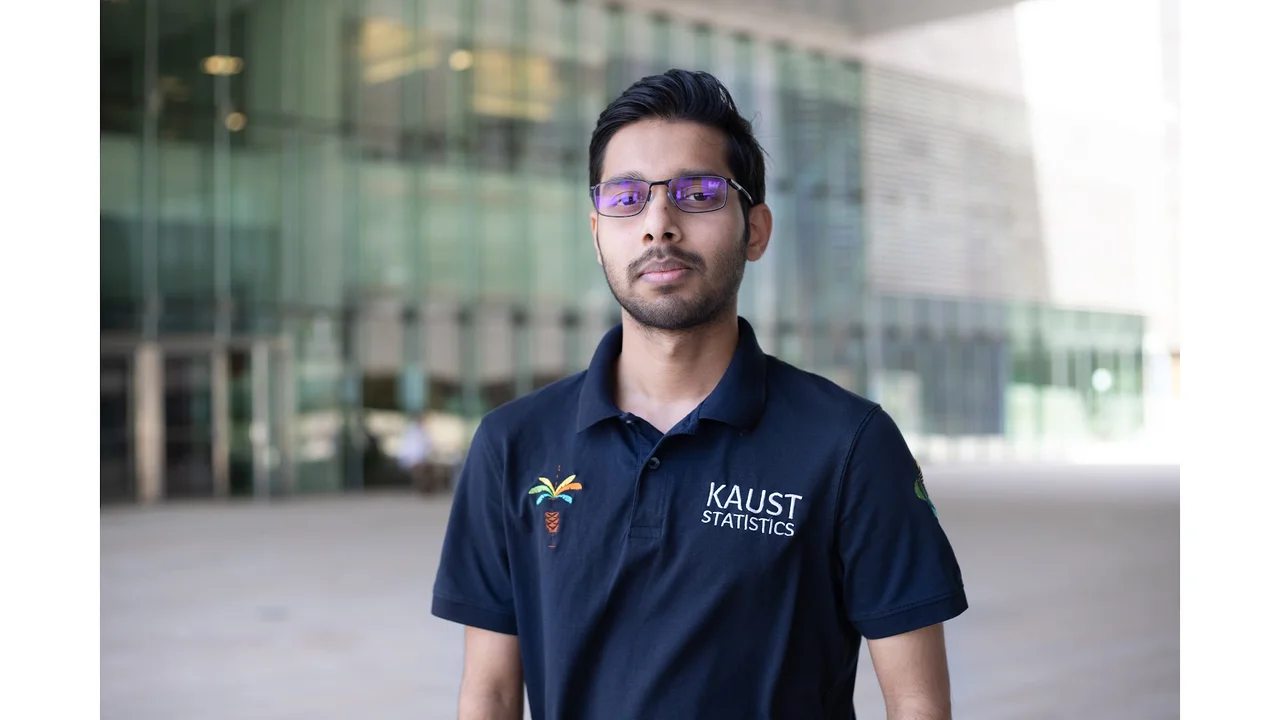
Shourya Dutta
- Ph.D. Student, Statistics
Biography
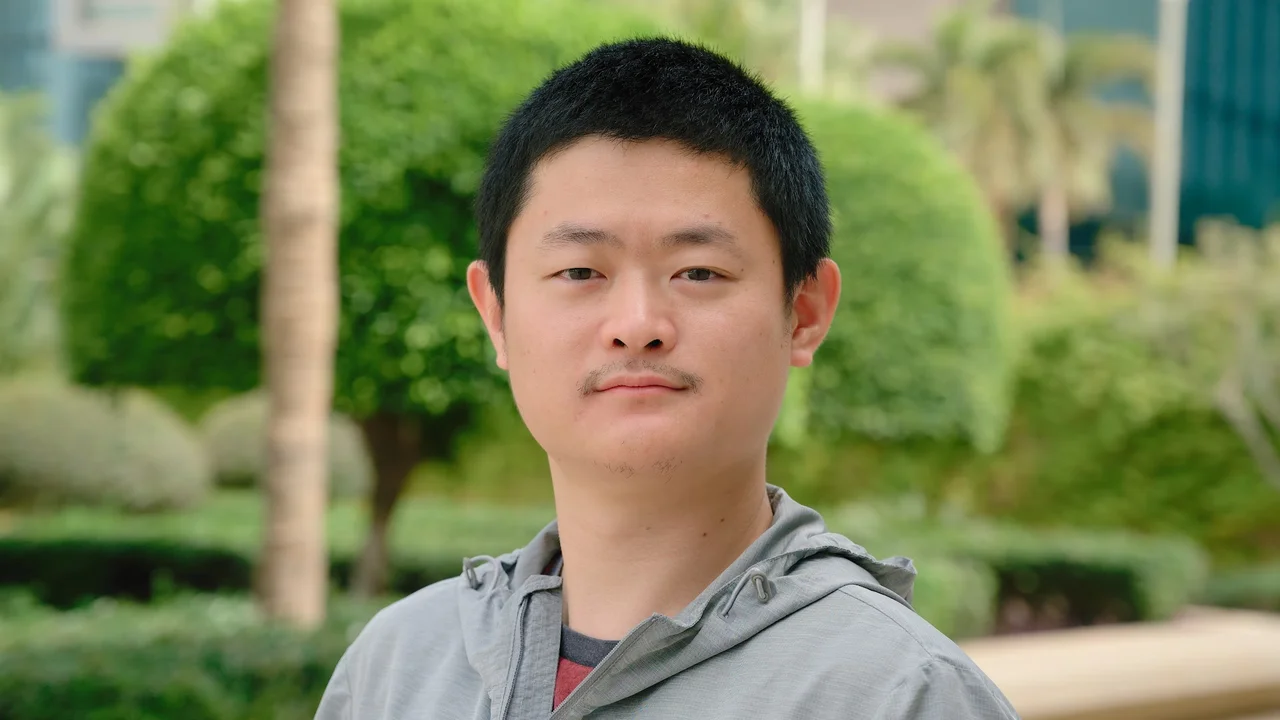
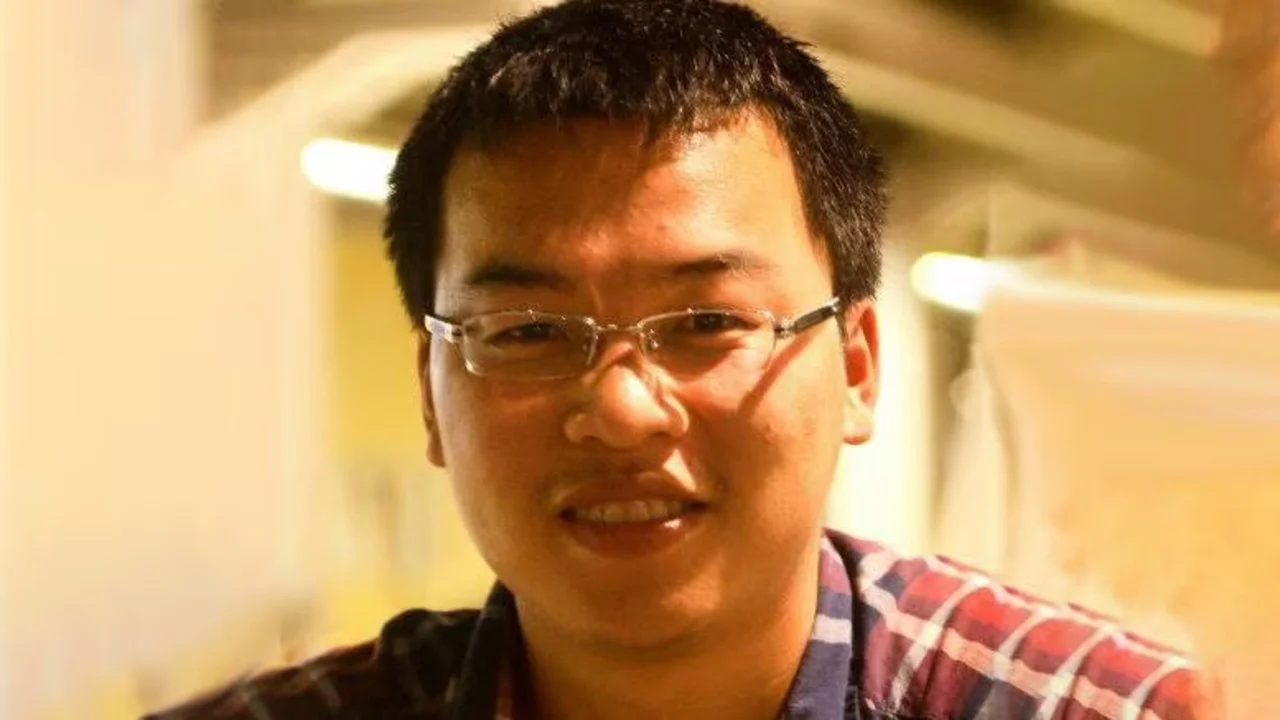
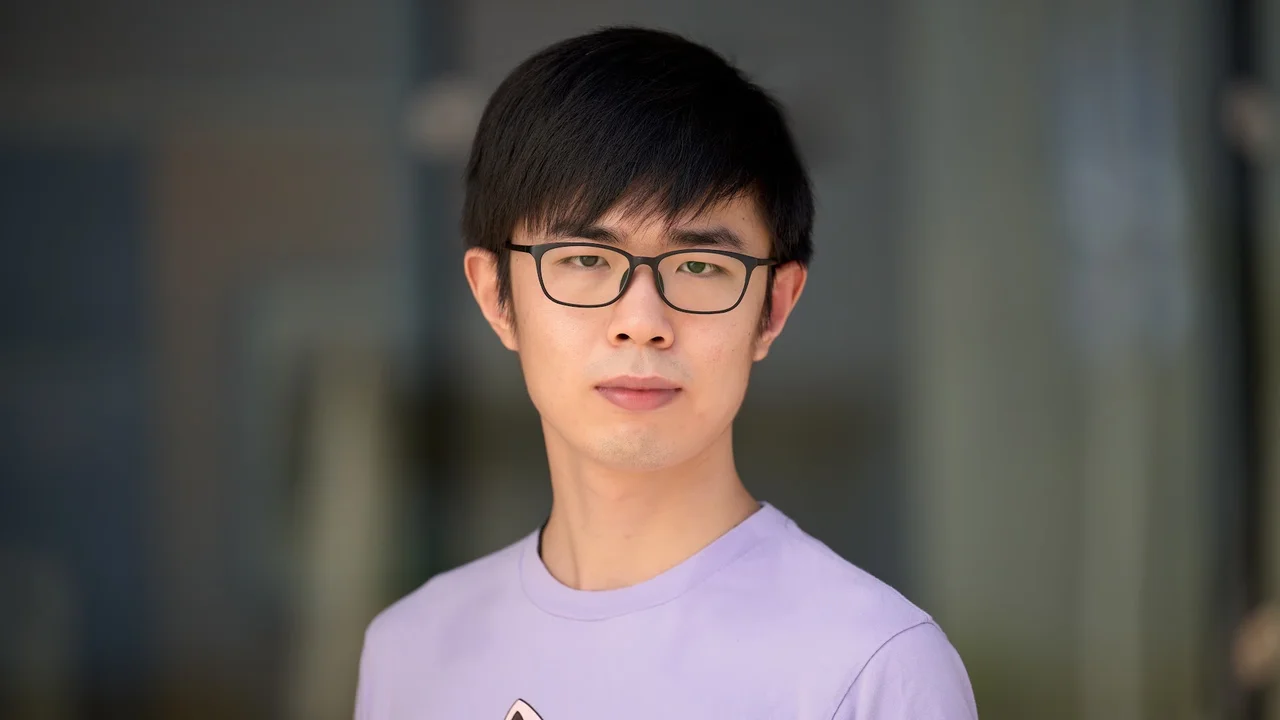
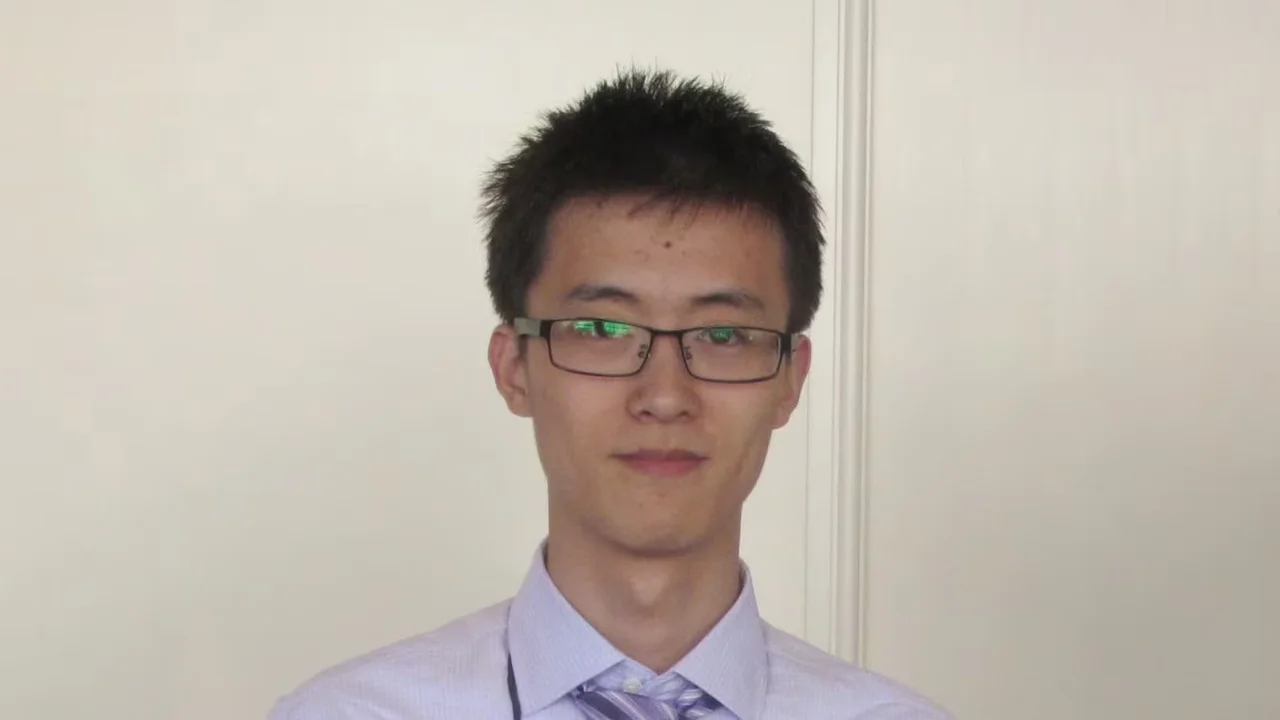
Sihan Chen joined the PhD program in Statistics at King Abdullah University of Science and Technology (KAUST) in 2021, under the supervision of Prof. Marc G. Genton. Prior to that, he received his Bachelor’s and Master’s degrees from The Chinese University of Hong Kong. Sihan's doctoral research focused on developing robust and scalable statistical methods for spatial data analysis. His research interests include spatial statistics, robust estimation, high-performance computing, and applied data science.
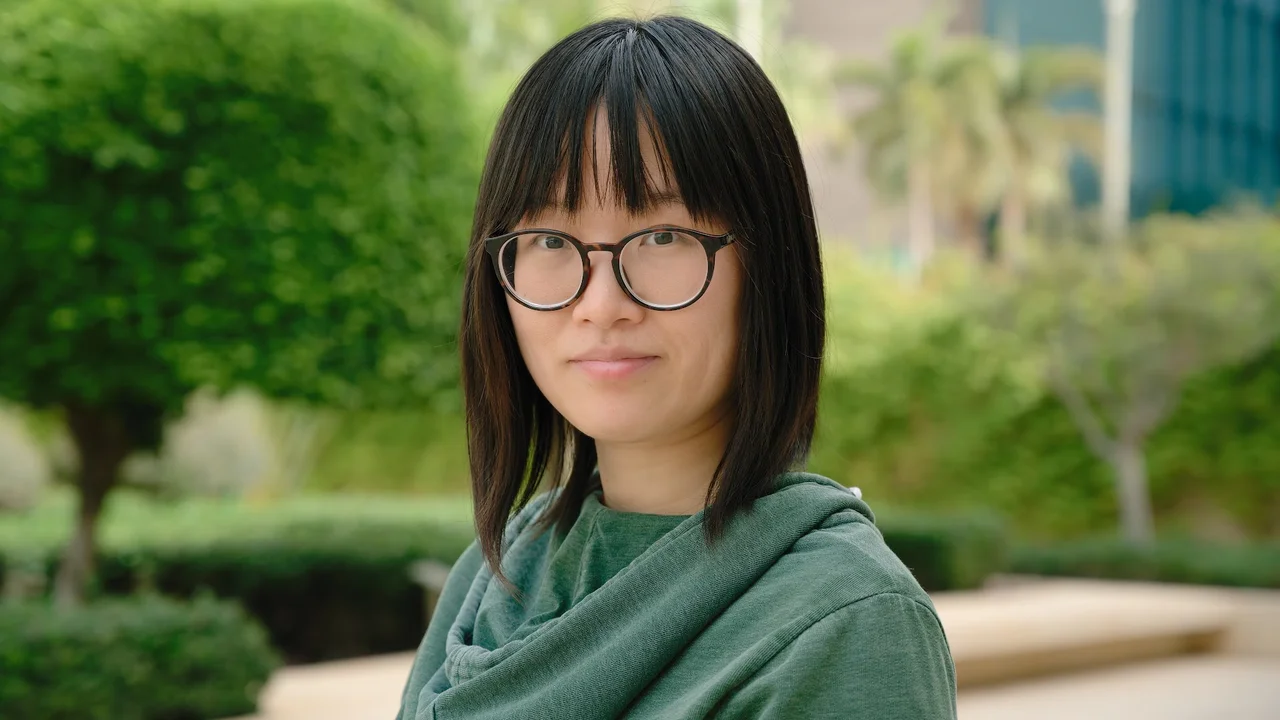
Sulaiman Binkhamis
- M.S. Student, Statistics
Taicheng Guo
- Ph.D. Student, Networking Research Lab
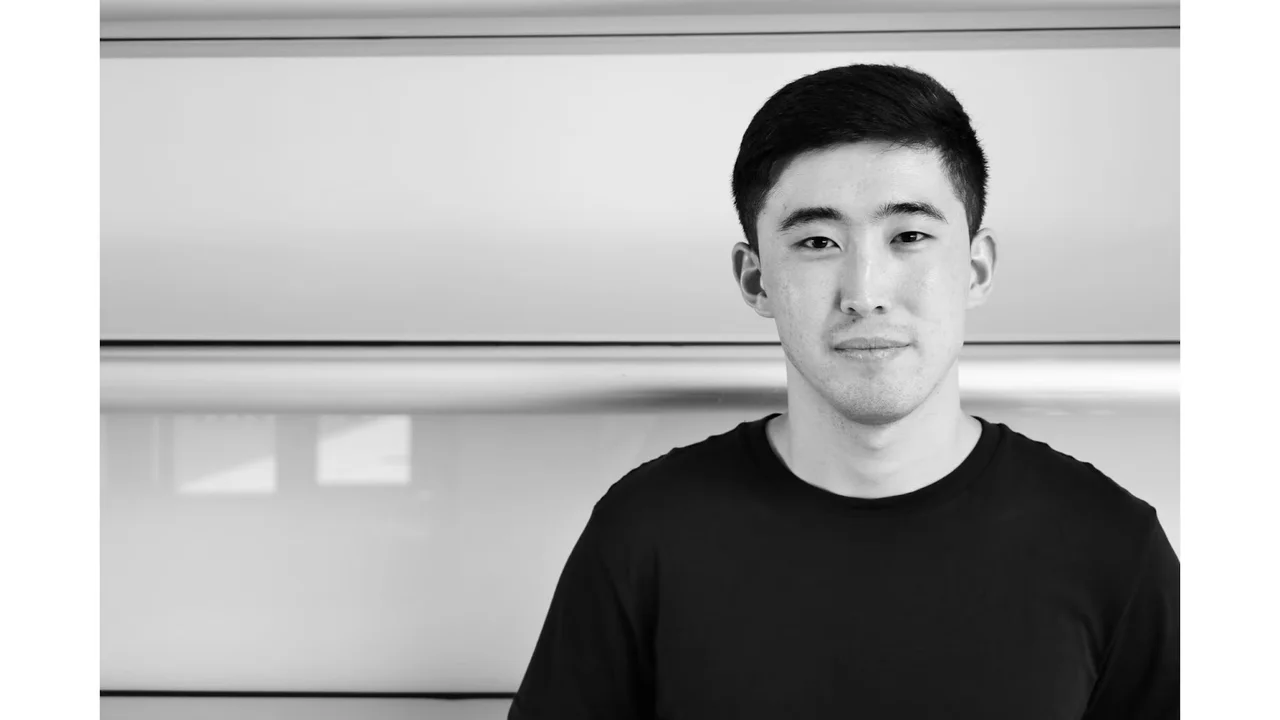
Talha Amin
- Ph.D. Student, Computer Science
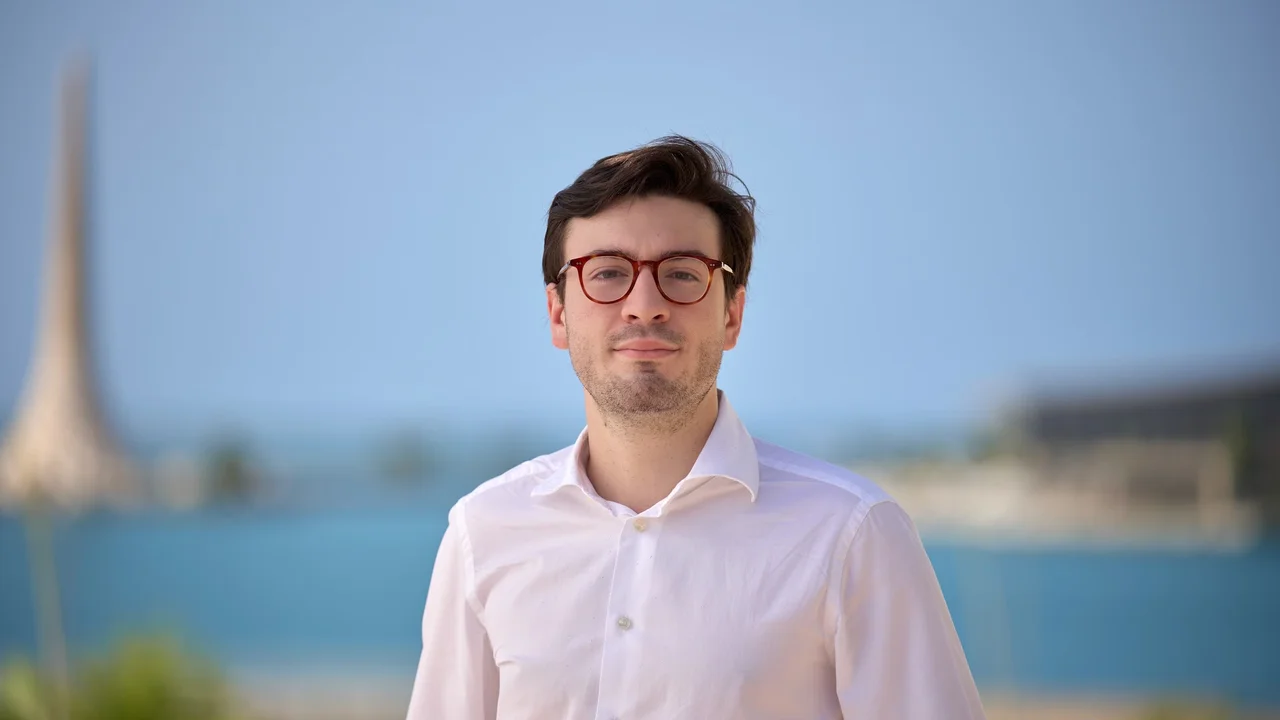
Biography
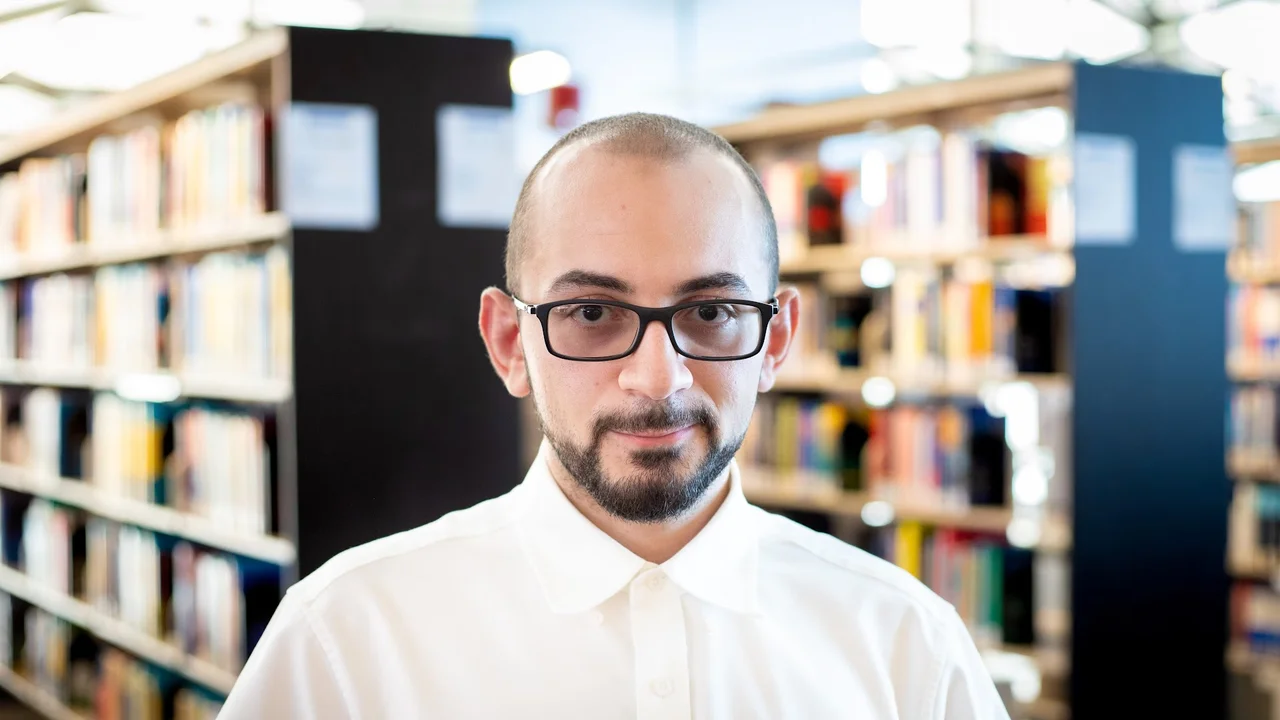
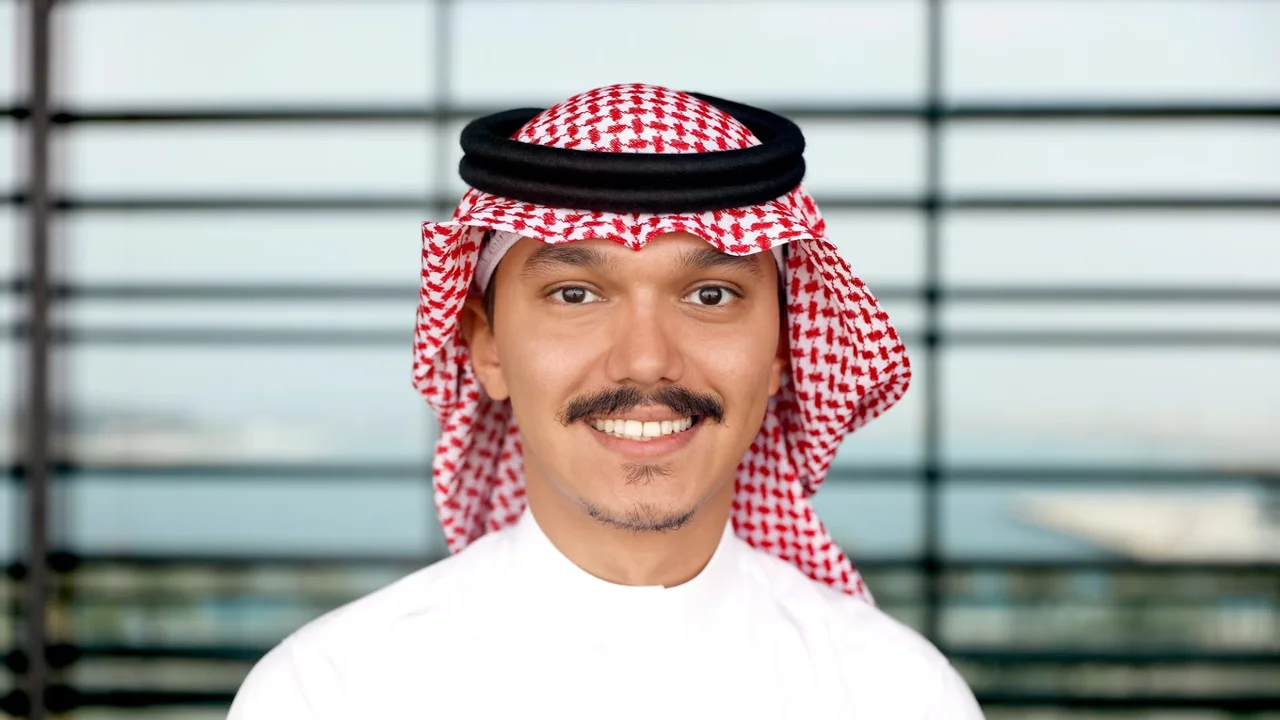
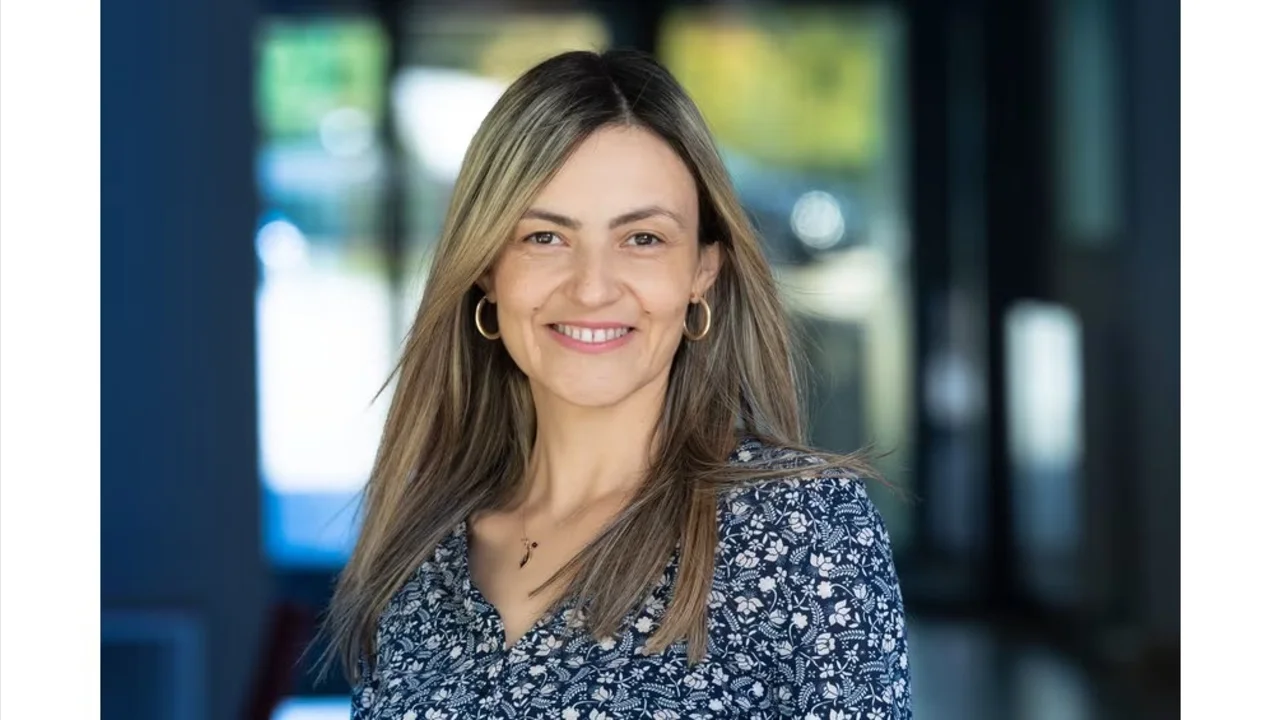
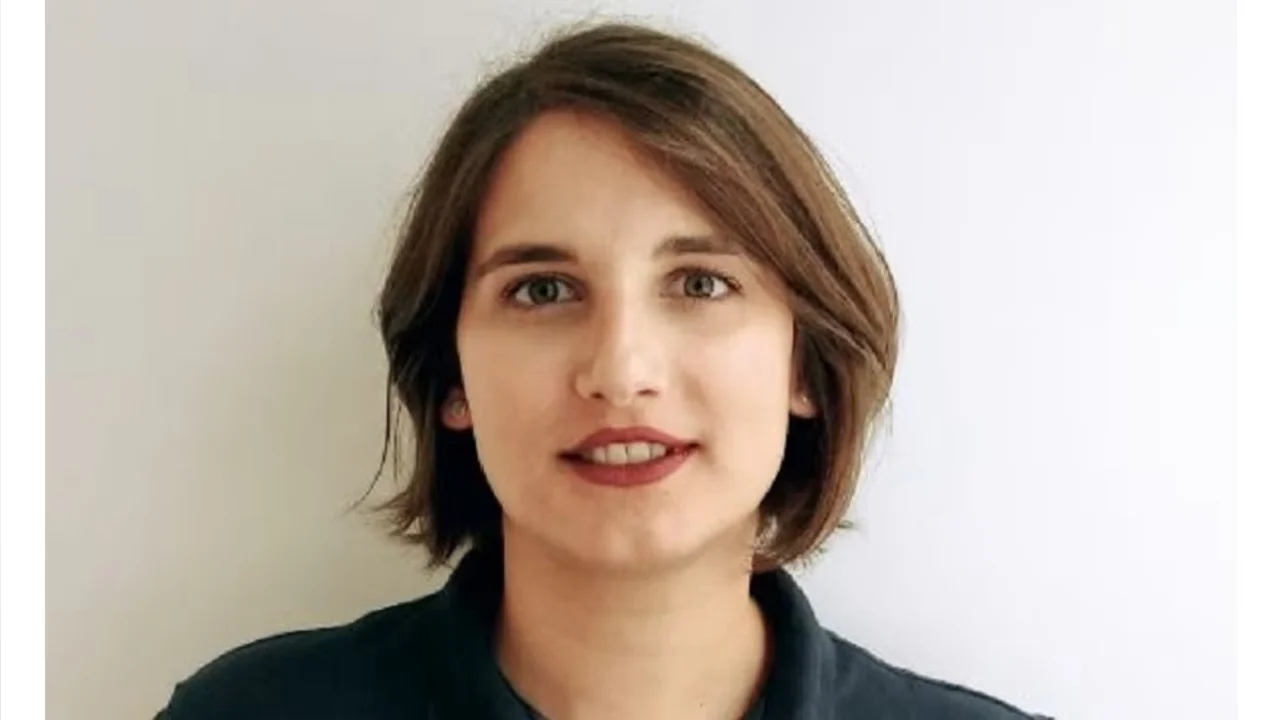
Umberto Zerbinati is a Stipendiary Lecturer in Applied Mathematics at Oriel College, University of Oxford, where he is also pursuing a D.Phil. in Mathematics. He completed his M.S. in Applied Mathematics at KAUST in 2022 and his B.S. in Mathematics from the University of Pavia in 2020.
Research Interests
Umberto's research interests are in Partial Differential Equations (PDE), Numerical Analysis and Scientific Computing. I focus on the derivation and analysis of models for fluids with ordering, such as liquid crystals, starting from a kinetic description.
Education
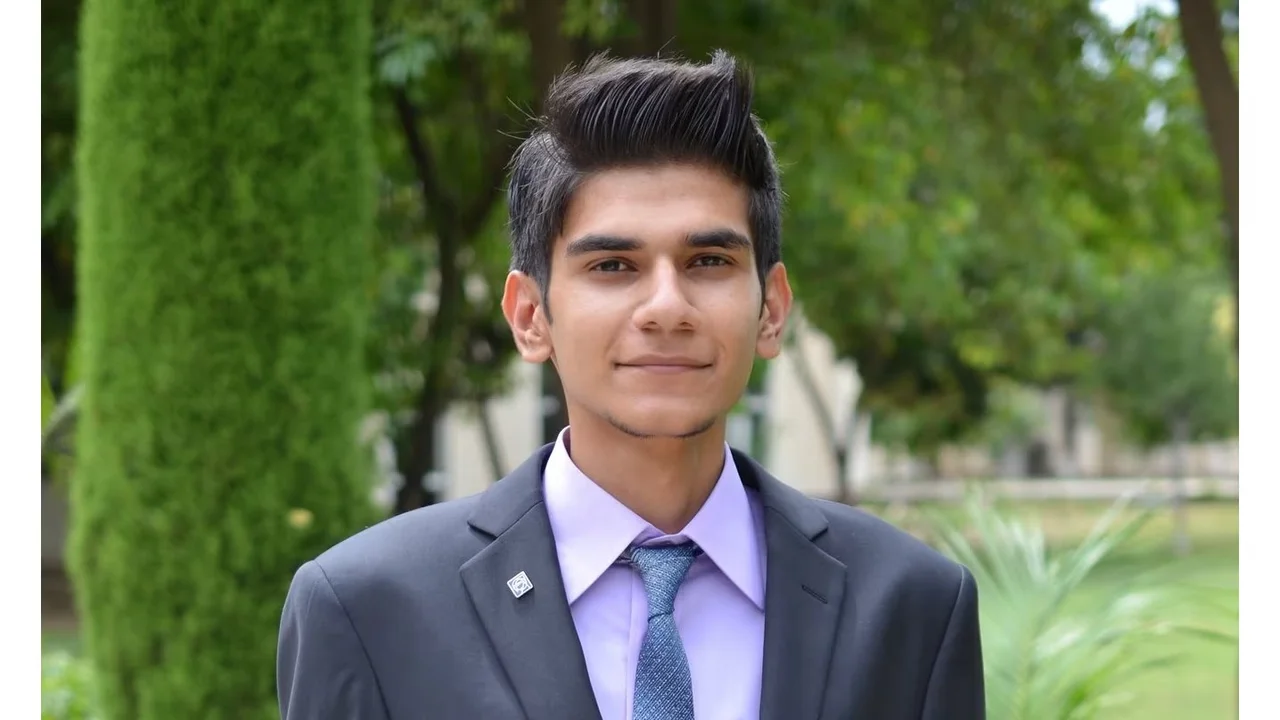
Education
Biography
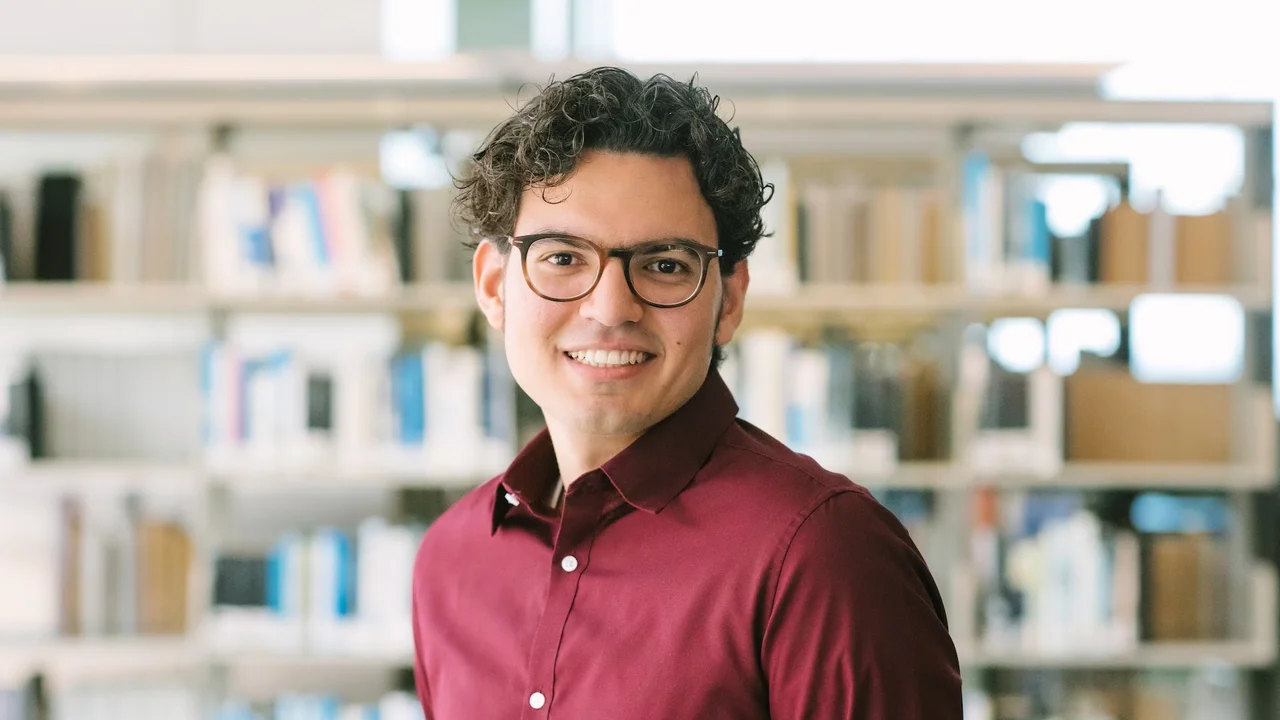
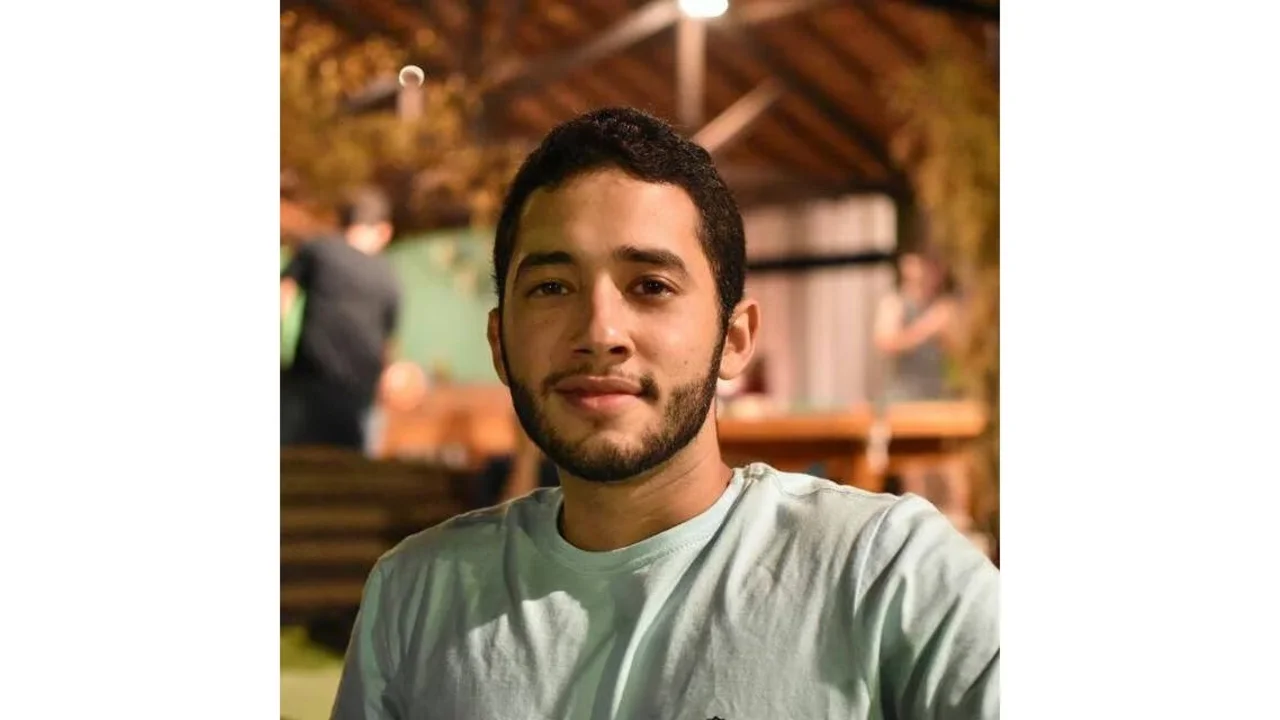
Research Scientist based in Cambridge (UK). Victor works at the Samsung AI Center, focusing on enhancing AI applications in creative and productivity domains. I earned my BSc and MSc in Electrical Engineering from Universidad del Norte, studying under the supervision of Ph.D Juan Carlos Niebles. Victor completed his PhD at KAUST under the mentorship of Prof. Bernard Ghanem, with a research focus on computer vision. My early career was marked by pioneering developments in efficient video and action understanding models. Once I joined industry, I am committed to developing advanced AI applications that empower human creativity and scale General AI, particularly in edge computing environments.
Research Interests
My research spans a wide array of AI disciplines, with a special focus on computer vision, efficient video understanding, and the development of AI agents with a strong interest for edge deployment. I am particularly passionate about build AI Agents to enhance human creativity and productivity. My ongoing projects aim to seamlessly integrate AI capabilities into user-centric applications, pushing the boundaries of what AI can achieve in real-world scenarios.
Education
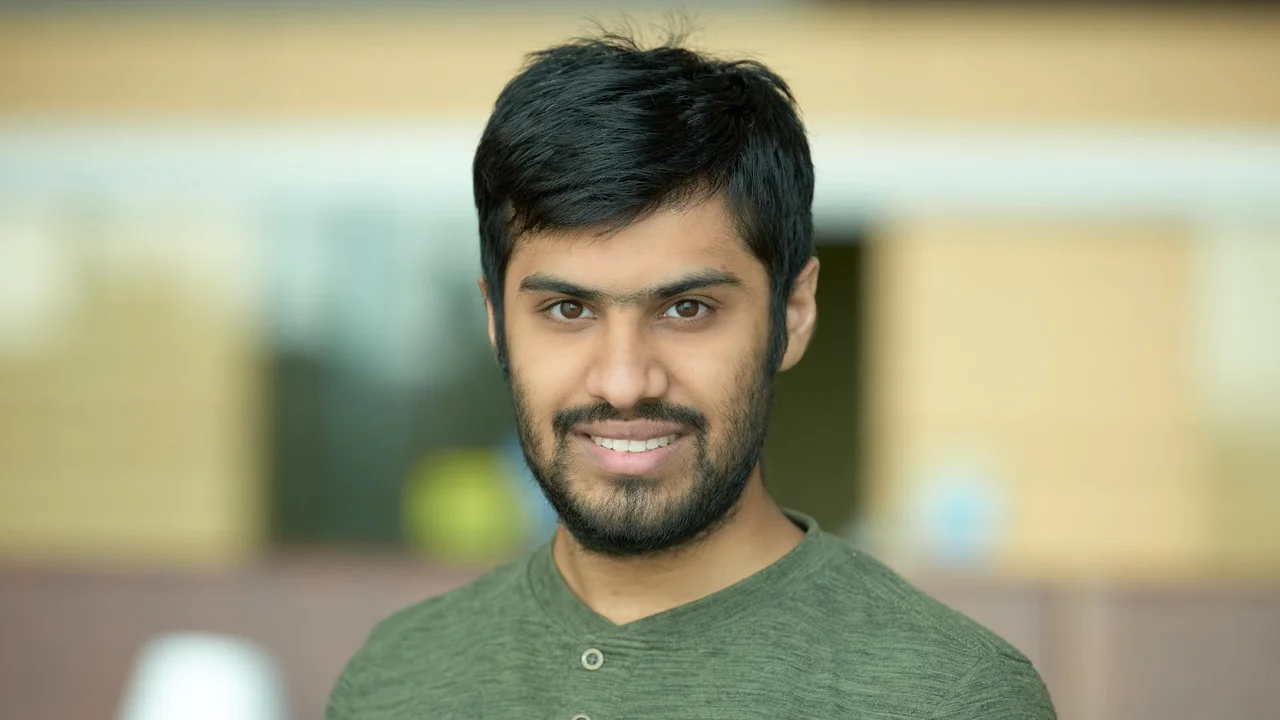
Biography
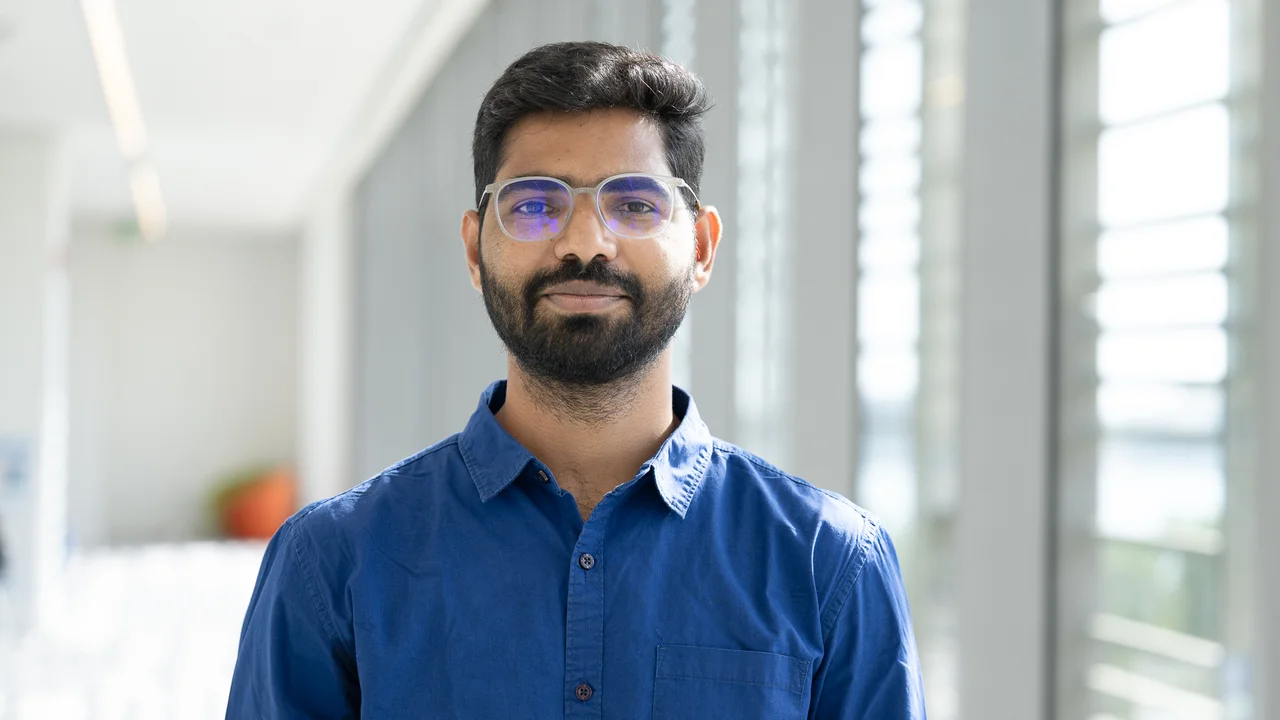
Vijith Varma Kotte is a Ph.D. candidate in Electrical and Computer Engineering at King Abdullah University of Science and Technology (KAUST), Saudi Arabia. He joined KAUST in 2020 under the supervision of Prof. Tareq Y. Al-Naffouri. He received his B.Tech. degree in Electronics and Communication Engineering from Amrita School of Engineering, Bengaluru, India, in 2015, and his M.Tech. degree from Indian Institute of Technology Delhi (IIT Delhi) in 2018.
Prior to joining KAUST, Vijith worked as a Research Engineer at the Centre for Development of Telematics (C-DOT) in New Delhi from 2018 to 2019.
Research Interests
His research interests span signal and image processing, deep learning, and wireless communications, with a particular focus on radar signal processing for biomedical and automotive applications.
- MIMO Radar signal processing.
- Wireless communications..
- Deep Learning.