Profiles
Students
Biography
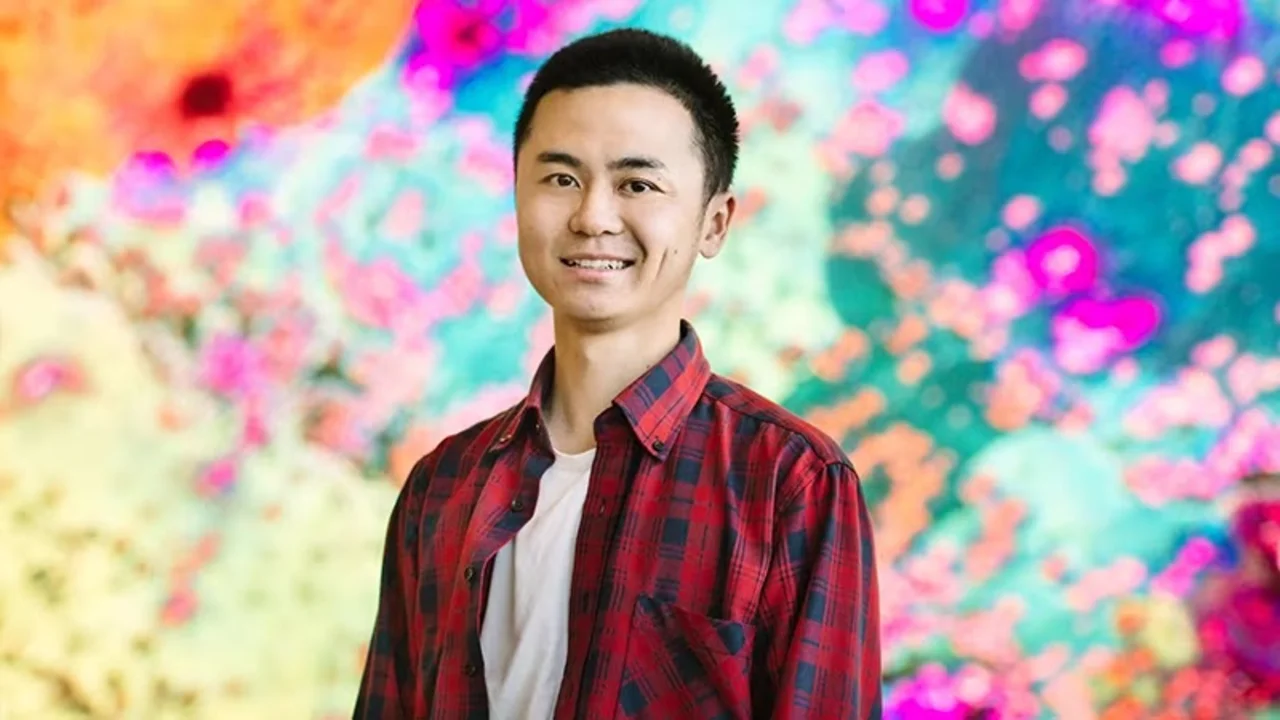
Kai Yi is a PhD candidate in Computer Science at King Abdullah University of Science and Technology (KAUST), supervised by Peter Richtarik and working in the Optimization and Machine Learning Lab. He earned his master’s degree in Computer Science at KAUST in 2021 under the supervision of Mohamed Elhoseiny. He completed his Bachelor of Engineering with honors at Xi’an Jiaotong University (XJTU) in 2019.
He has interned at several leading research institutions, including Sony AI, Vector Institute, Tencent AI Lab, CMU Xulab, NUS CVML Group, and SenseTime Research. His primary research focuses on centralized and federated LLM compression. His work is highly interconnected, featuring significant contributions such as the LLM post-training compression algorithms SymWanda and PV-Tuning (NeurIPS Oral); communication-efficient federated learning methods Cohort-Squeeze (NeurIPS-W Oral), FedP3 (ICLR), and EF-BV (NeurIPS); and multimodal language model projects DACZSL (ICCVW), HGR-Net (ECCV), and VisualGPT (CVPR).
He actively serves as a reviewer for leading journals, including TPAMI, IJCV, and TMC, as well as top conferences such as NeurIPS, ICLR, ICML, CVPR, ECCV, and ICCV.
Expertise and Interests
Kai Yi's primary research interest lies in centralized and federated LLM compression. My work is highly interconnected, featuring significant projects such as the LLM post-training compression algorithms SymWanda and PV-Tuning (NeurIPS Oral), with more on the way; communication-efficient federated learning methods CohortSqueeze (NeurIPS-W Oral), FedP3 (ICLR), and EF-BV (NeurIPS); and multimodal language model projects DACZSL (ICCVW), HGR-Net (ECCV), and VisualGPT (CVPR). His research interests include:
- Machine learning optimization in the large-scale data/model era.
- Conceptual-level knowledge transfer learning: theories and applications.
Specifically, he works on machine learning optimization, federated learning, and zero-shot learning. He is particularly interested in accelerated local training methods and personalized federated learning in data and system heterogeneity.
Education

Kaichuang (Kevin) Yang
- Ph.D. Student, Statistics
Education
Education
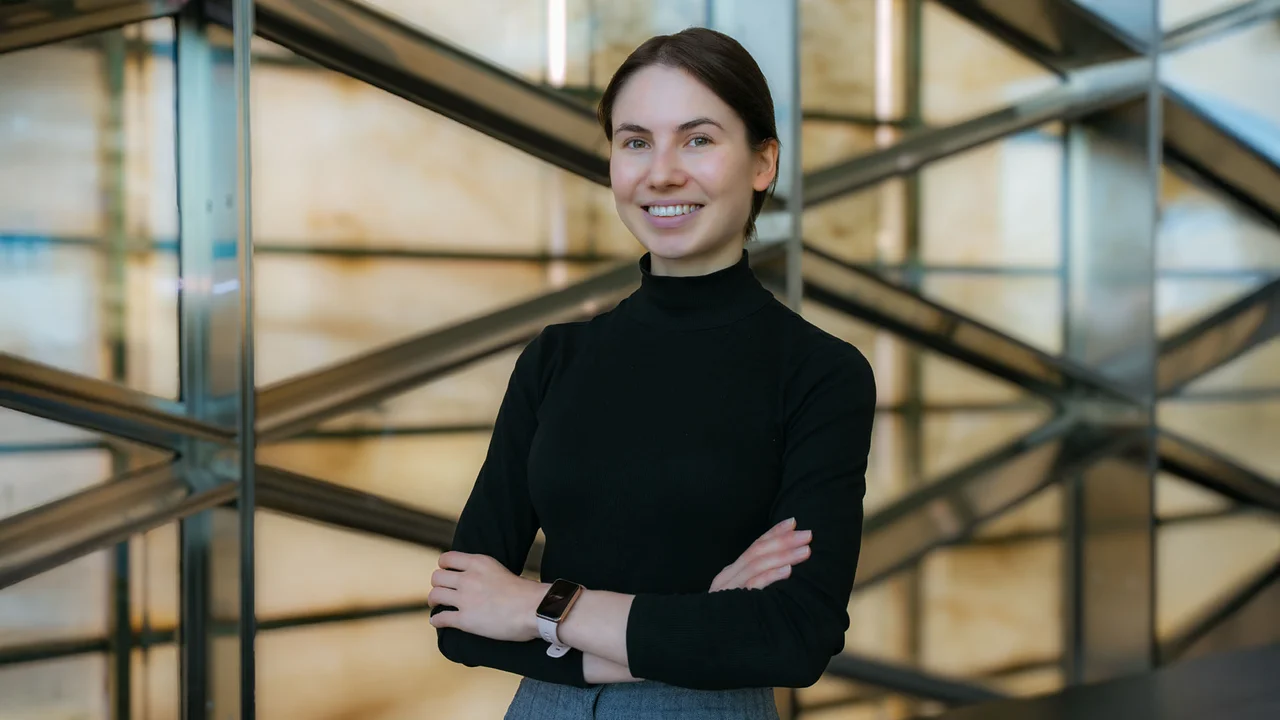
Kaja Gruntkowska
- Ph.D. Student, Statistics
Biography
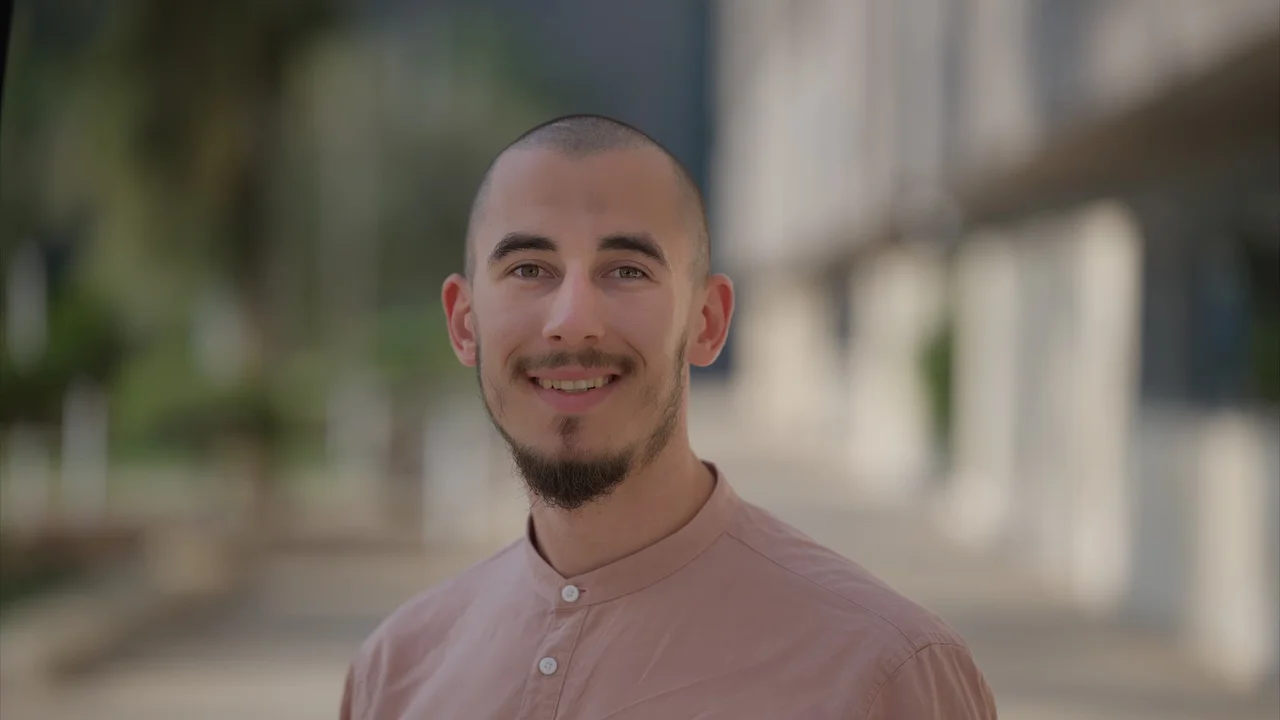
Karim is a graduate from Bauman Moscow State Technical University. He received a specialist degree in a field of electrical engineering (2014 – 2020), with a focus on radars and wireless communications. He worked at part-time job as embedded systems and DSP engineer for 2.5 years. After that he had internship in summer of 2019 at Huawei Russian Research Institute (RRI) and after graduating from university, he worked at Huawei RRI for 1 year. During his job he improved receiver’s sensitivity applying some convex and non-convex optimization approaches and provide some dimensionality reduction approaches for system identification.
Nowadays Karim works in topics related to Joint Sensing And Communication (JSAC), quantum computing and communications over unlicensed spectrum.
Expertise and Interests
Adaptive algorithms in wireless communications, Radar signal processing and machine learning. Quantum computing.
Education
Biography
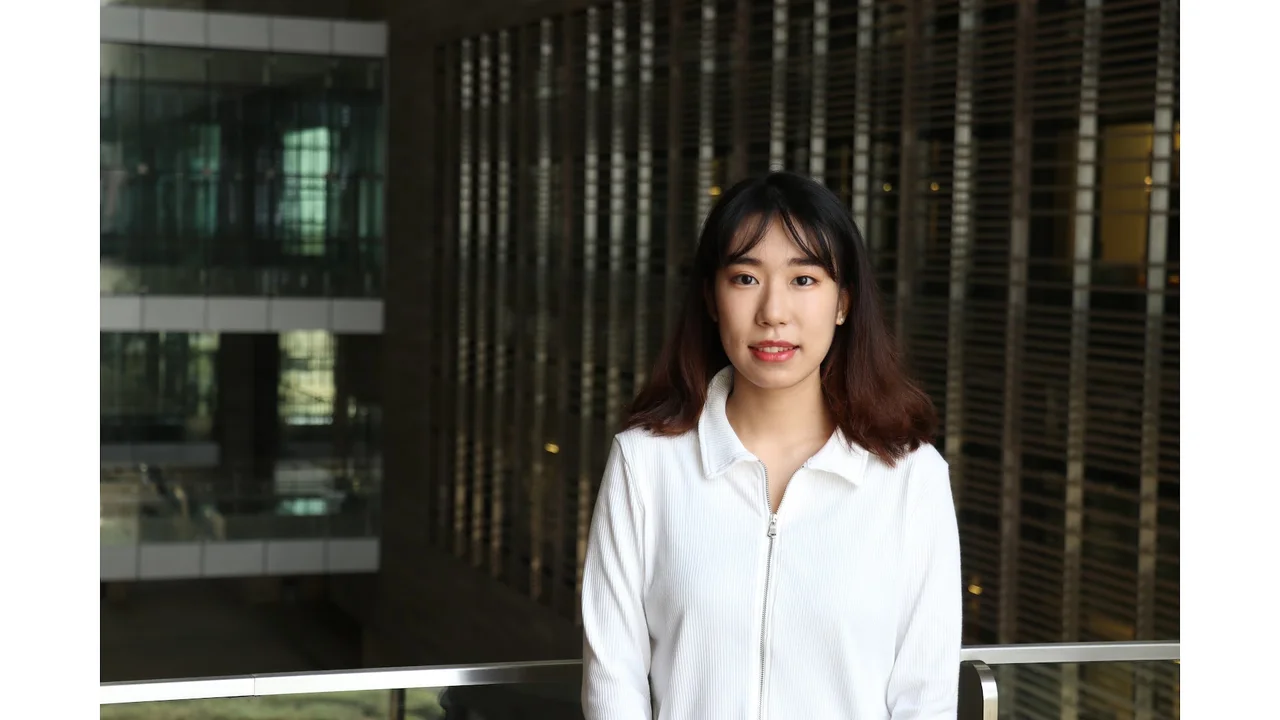
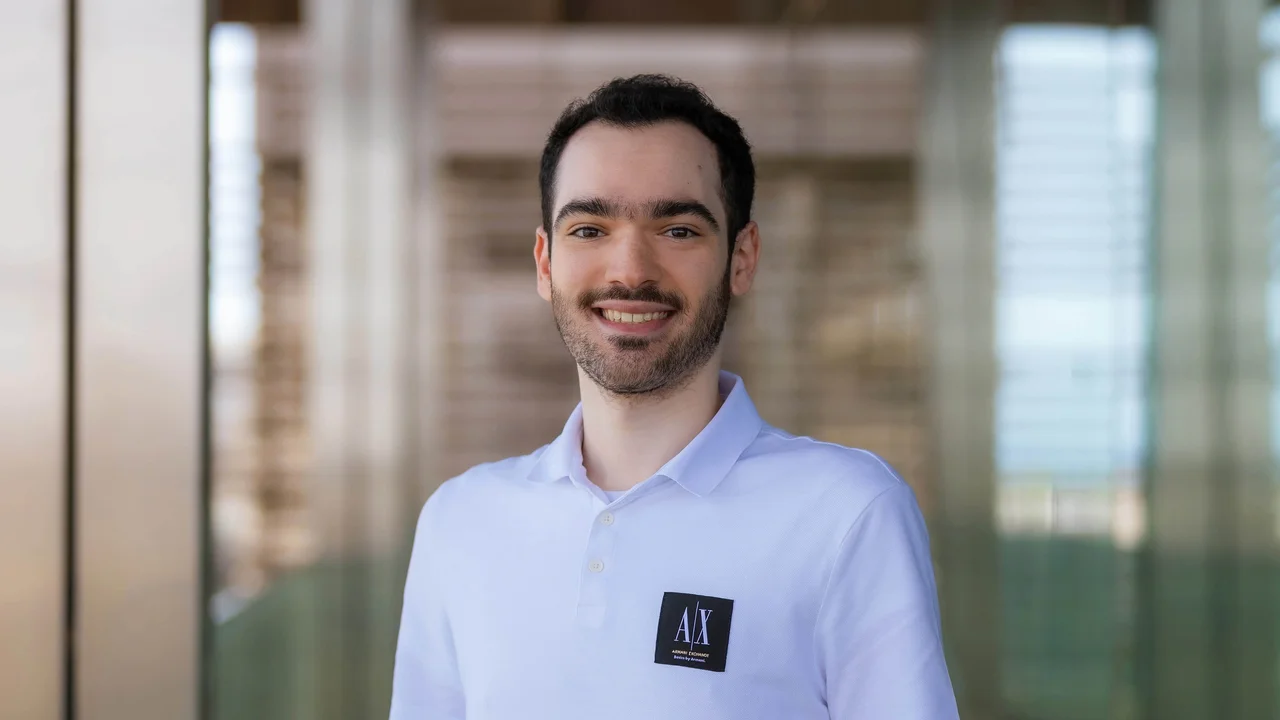
Khalid Kanaan received his bachelor’s degree in Electrical Engineering from Alfaisal University, Saudi Arabia, in 2022, graduating with First Honors. He obtained his M.S. degree in Electrical and Computer Engineering (ECE) from King Abdullah University of Science and Technology (KAUST), Saudi Arabia. During his undergraduate studies, he was awarded first place in the 4th Boeing Engineering Student Competition for his capstone project. He is currently pursuing a Ph.D. degree in ECE at KAUST.
Expertise and Interests
Khalid’s research interests include multimodal sensing, machine learning for wireless communication, millimeter-wave communication, and massive MIMO systems.
Education
Biography
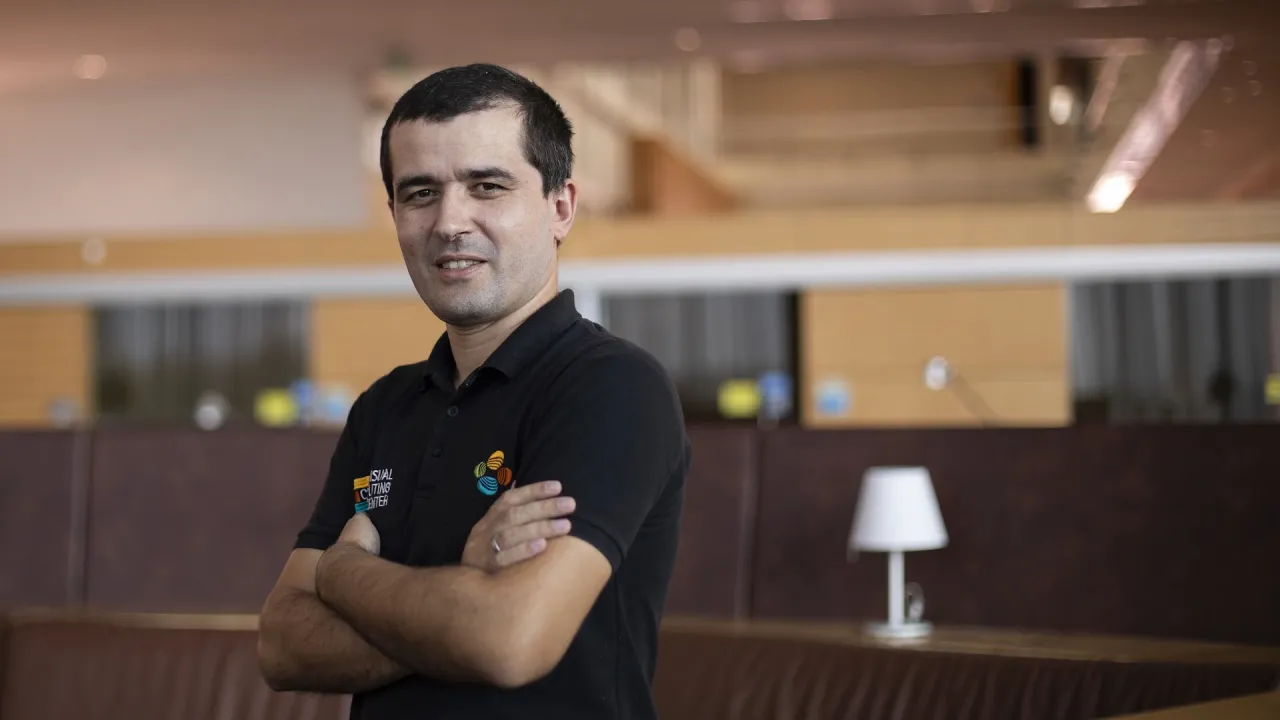
Khusrav Yorov is a Ph.D. candidate in Applied Mathematics and Computational Science (AMCS) at King Abdullah University of Science and Technology (KAUST), specializing in discrete differential geometry and applied mathematics. He earned his bachelor’s degree from Tajik National University and completed his master’s studies at the Moscow Institute of Physics and Technology (MIPT).
Education
Biography
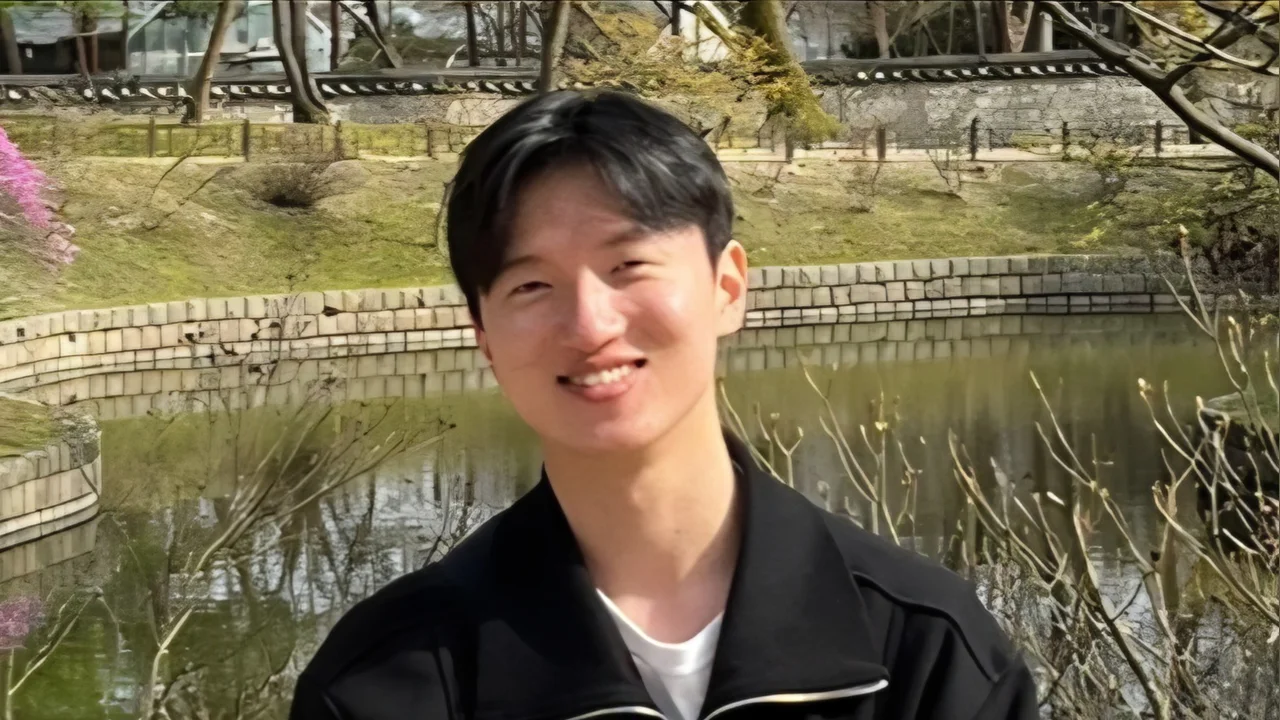
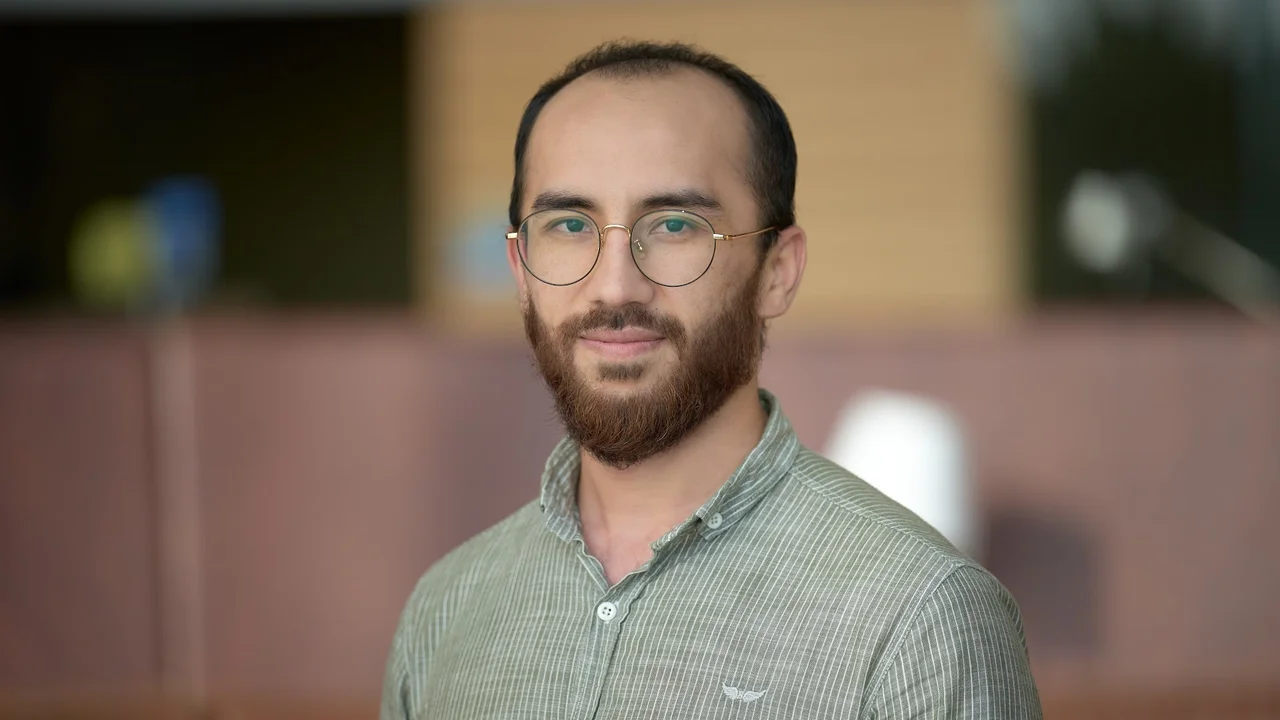
He completed his undergraduate studies in Computer Science and Engineering at Sejong University in South Korea. He then pursued a master’s degree in Computer Science at KAUST under the supervision of Prof. Mohamed Elhoseiny, focusing on machine learning and generative models. Building on this foundation, he continued into the PhD program at KAUST, where his research now spans affective vision–language modeling, generative AI, and Neuroscience + AI.
Expertise and Interests
His research focuses on affective vision–language modeling, generative AI, and the integration of Neuroscience with machine learning. He works on multimodal emotion understanding, interpretable generative models, and EEG-based neural signal modeling, aiming to build human-centered AI systems that connect perception, affect, and computational intelligence.
Education
Biography
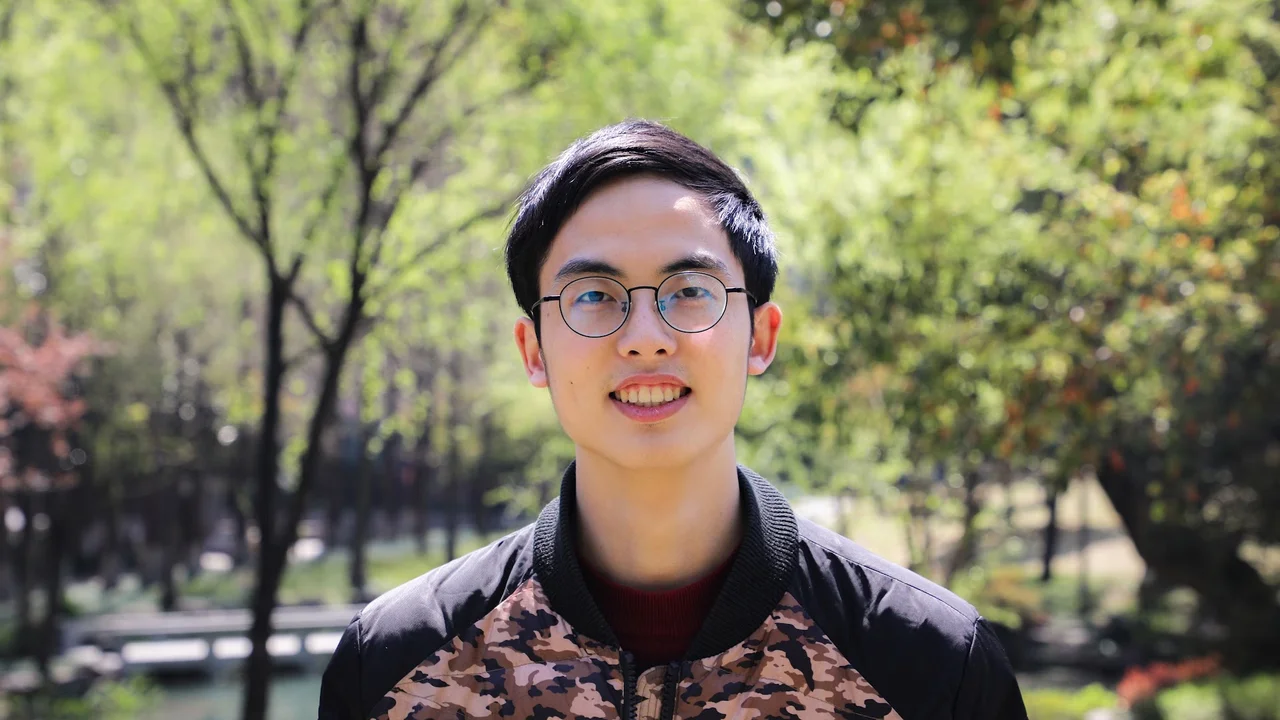
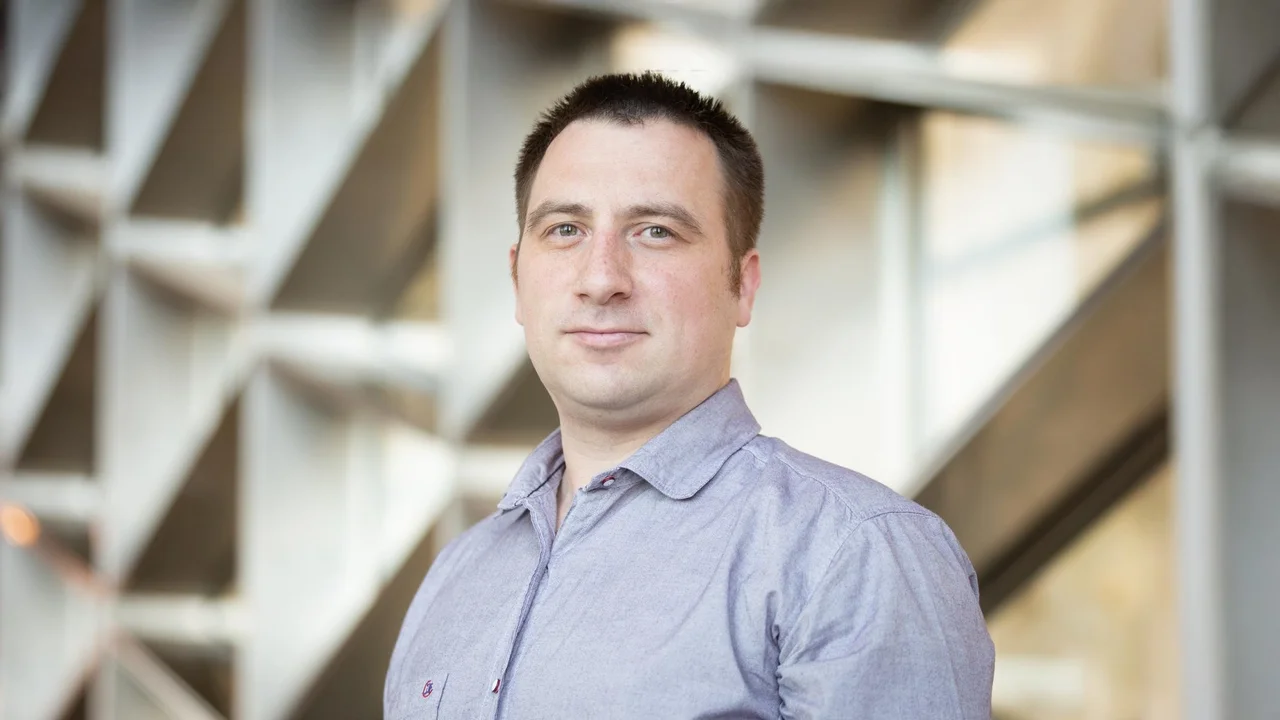
Konstantin Burlachenko is a Ph.D. candidate at the KAUST Optimization and Machine Learning Lab under the supervision of Professor Peter Richtarik. Before joining KAUST, Konstantin worked in several prominent Moscow companies, such as Huawei, NVIDIA, and Yandex. He holds a master’s degree in computer science from Bauman Moscow State Technical University, Russia.
After his graduation, he worked as a Senior Engineer for Acronis ,Yandex ,NVIDIA, and as a Principal Engineer for HUAWEI. Konstantin attended in Non-Degree Opportunity program at Stanford between 2015 and 2019 and obtained:
One of his sports achievements is the title of candidate Master of Sport in Chess.
Expertise and Interests
His dissertation title is ”Optimization Methods and Software for Federated Learning”. Current research interest is mainly focused is on various aspects of Distributed Stochastic Optimization and Federated Learning. The venues that accepted Konstantin’s works include:
- International Conference on Machine Learning (ICML)
- International Conference on Learning Representations (ICLR)
- Transactions on Machine Learning Research (TMLR)
- SIAM Journal on Mathematics of Data Science (SIAM SIMODS)
- ACM International Workshop on Distributed Machine Learning (ACM CoNext)
Education
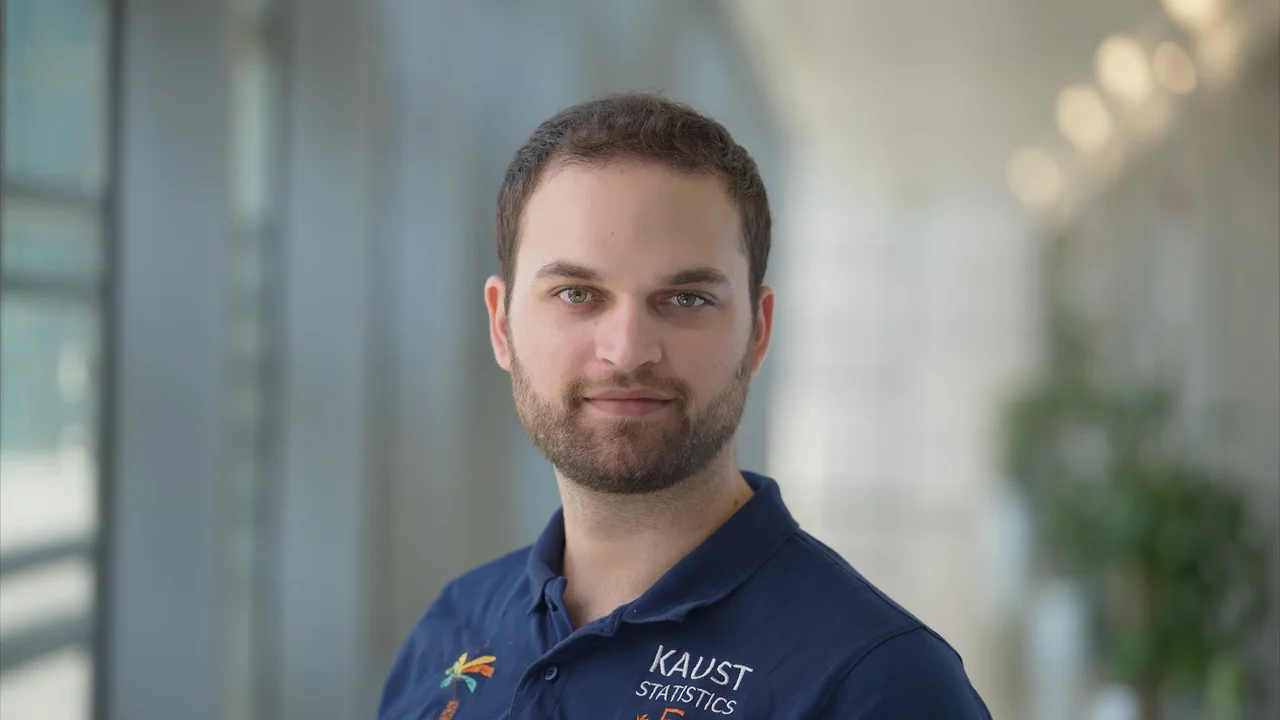
Konstantinos Bakas
- Ph.D. Student, Statistics
Education
Biography
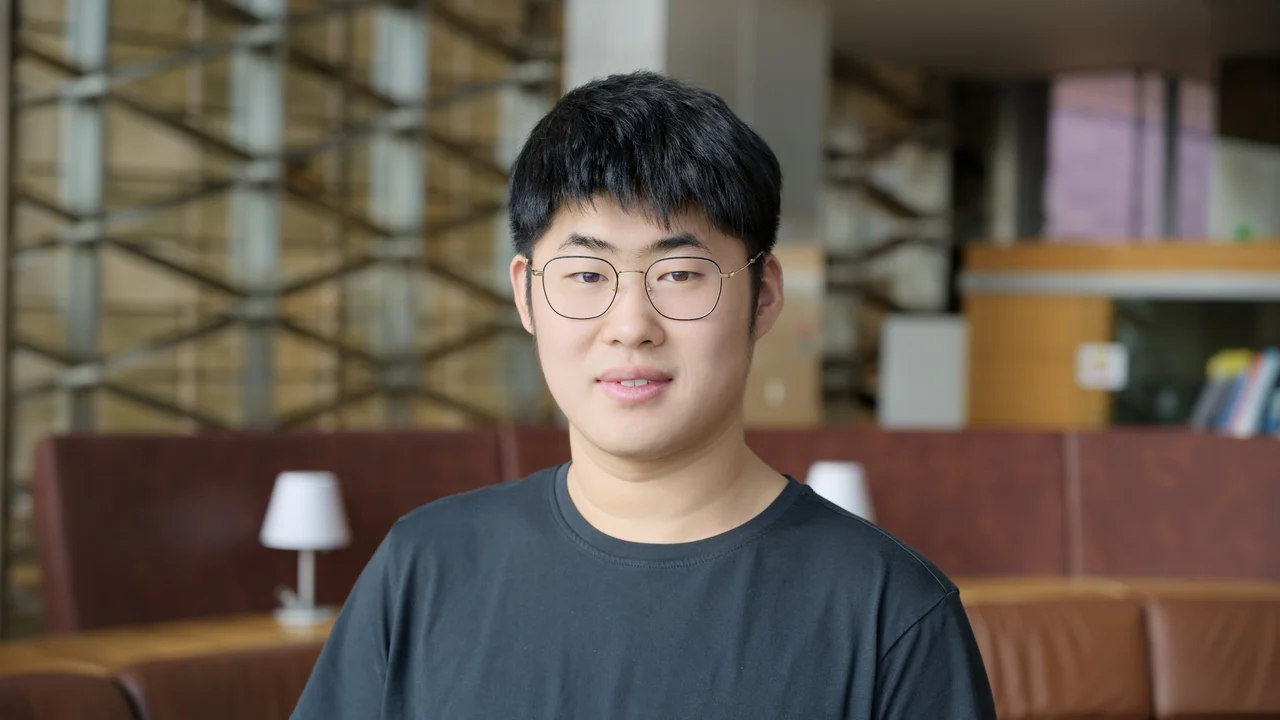
Kuilian Yang received the B.S. degree in Integrated Circuits and Systems from the University of Electronic Science and Technology of China (UESTC), Chengdu, China, in 2019, and the M.S. degree in Electrical and Computer Engineering from King Abdullah University of Science and Technology (KAUST), Thuwal, Saudi Arabia, in 2021. He is currently pursuing the Ph.D. degree in Electrical and Computer Engineering at KAUST.
Expertise and Interests
Kuilian's research focuses on neuromorphic computing and efficient hardware acceleration of Spiking Neural Networks (SNNs), including exploiting sparsity in streaming SNN accelerators and designing high-throughput, low-latency architectures for real-time edge intelligence applications.
Education
Biography
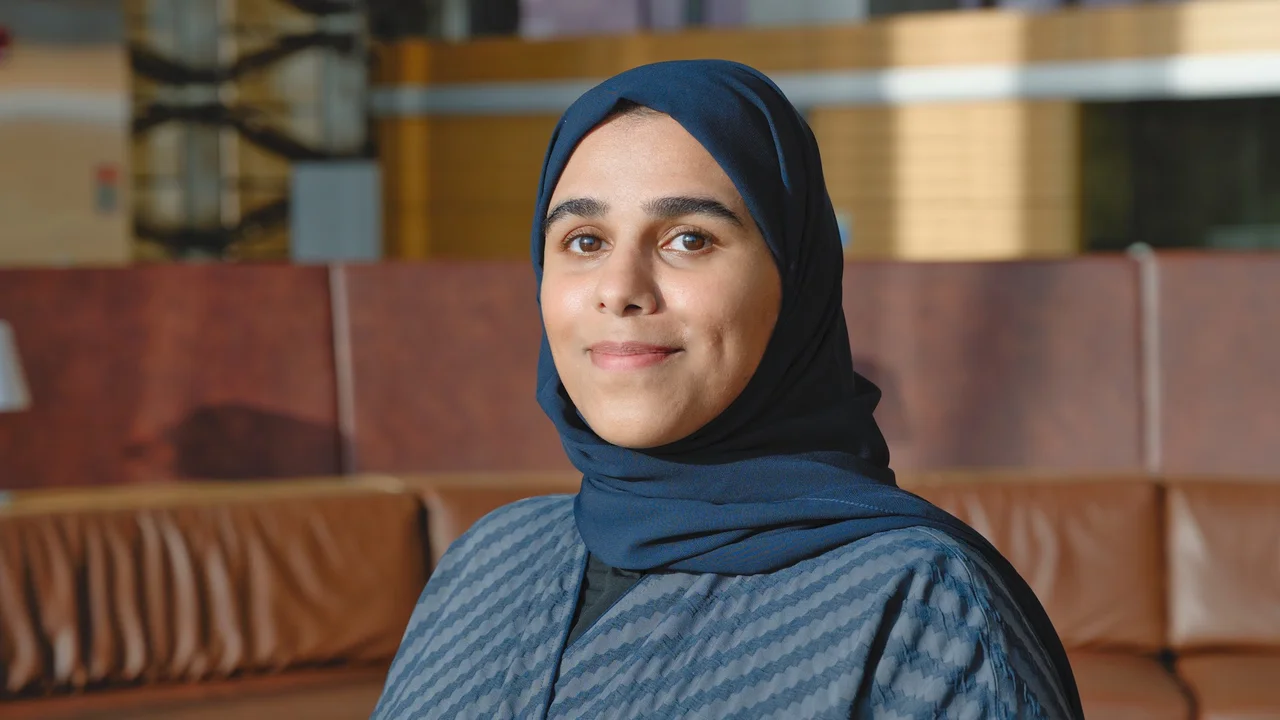
Lama studied Information technology at King Saud University (KSU) in Riyadh and graduated with a Bachelor degree in 2011. After her bachelor degree, she joined KSU as a Teaching Assistant. Later on, she continued her studies and earned her Master degree in Computer Science from the School of Computing Science at the University of Glasgow, United Kingdom.
Lama first joined KAUST as an Intern with Professor Jeff Shamma until she was enrolled for the Ph.D. program in Computer Science working in Professor Bernard Ghanem research group Image and Video Understanding Lab (IVUL).
Education
Expertise and Interests
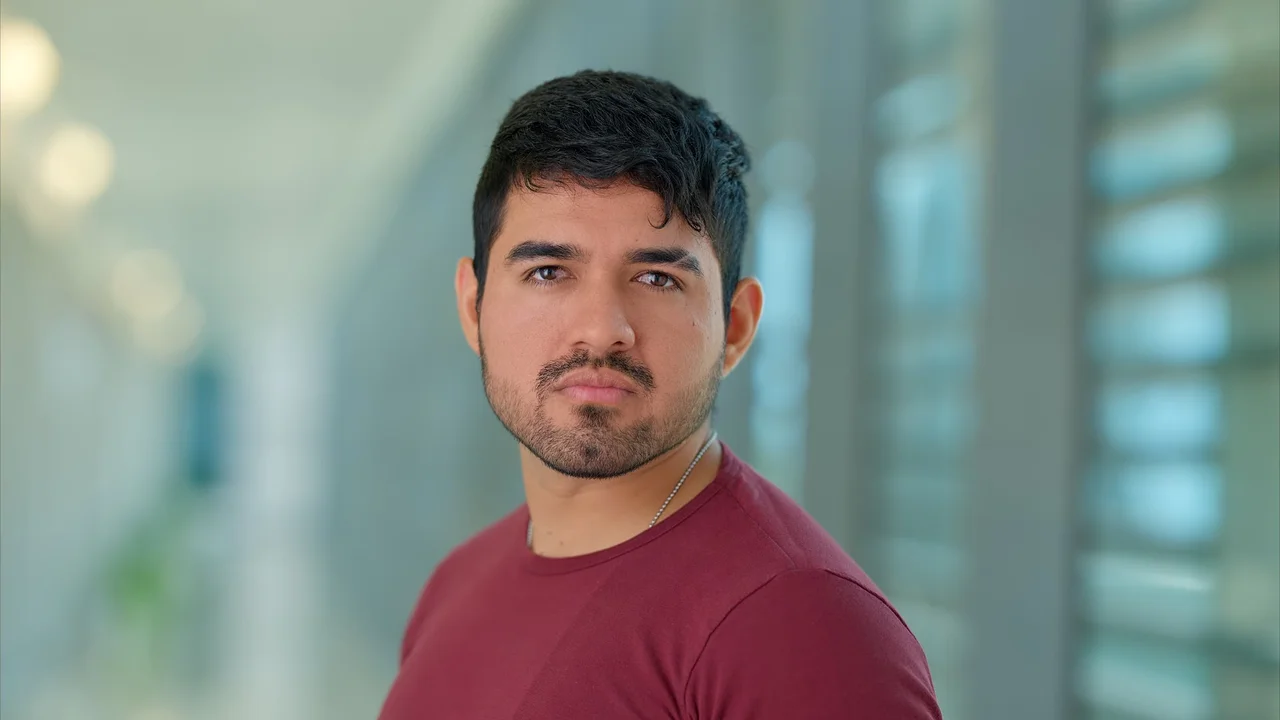
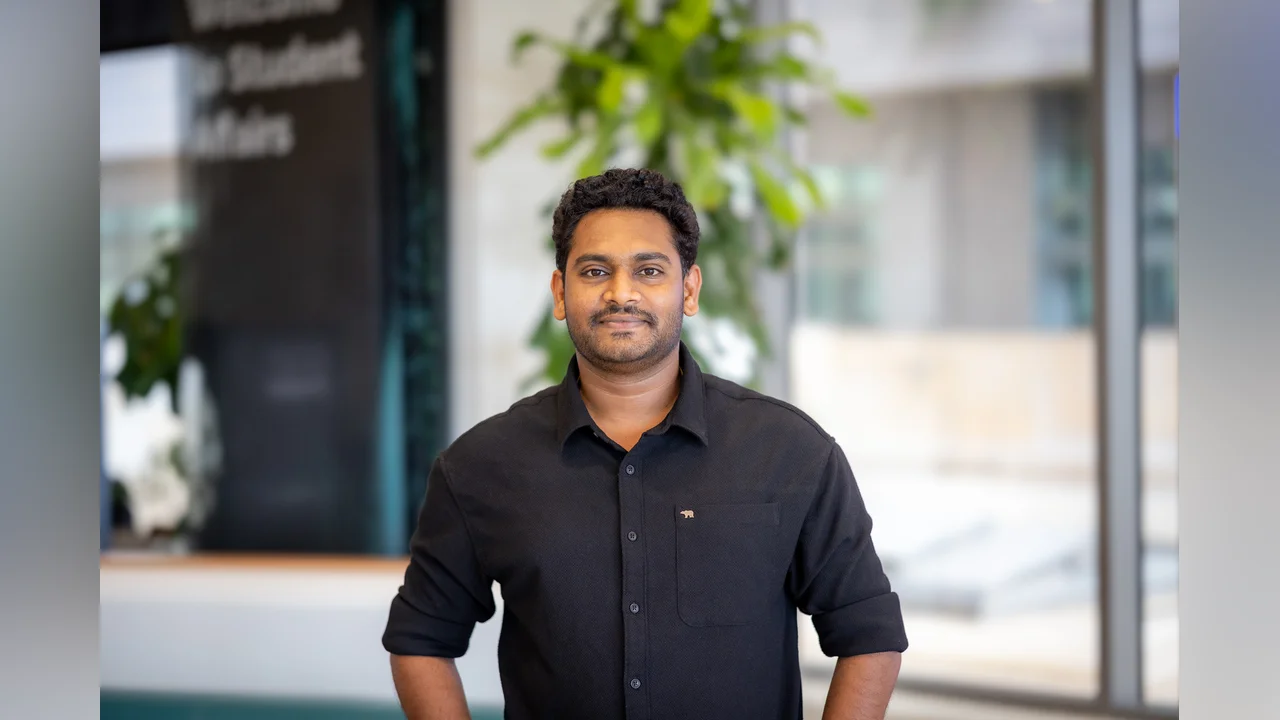
Leo’s expertise spans semiconductor device fabrication, material characterization, electrical measurements, and device modelling, with hands-on experience in photolithography, electron-beam lithography, direct laser writing, atomic layer deposition, sputtering, electron-beam evaporation, and dry and wet etching.
His characterization experience includes scanning electron microscopy, X-ray diffraction, X-ray photoelectron spectroscopy, atomic force microscopy, profilometry, and electrical device analysis.
His research interests include wide- and ultrawide-bandgap oxide semiconductors, vertical thin-film transistors, back-end-of-line-compatible processing, monolithic three-dimensional integration, contact and interface engineering, high-k gate dielectrics, nanoscale fabrication, and emerging electronic applications.
Education
Education
Biography
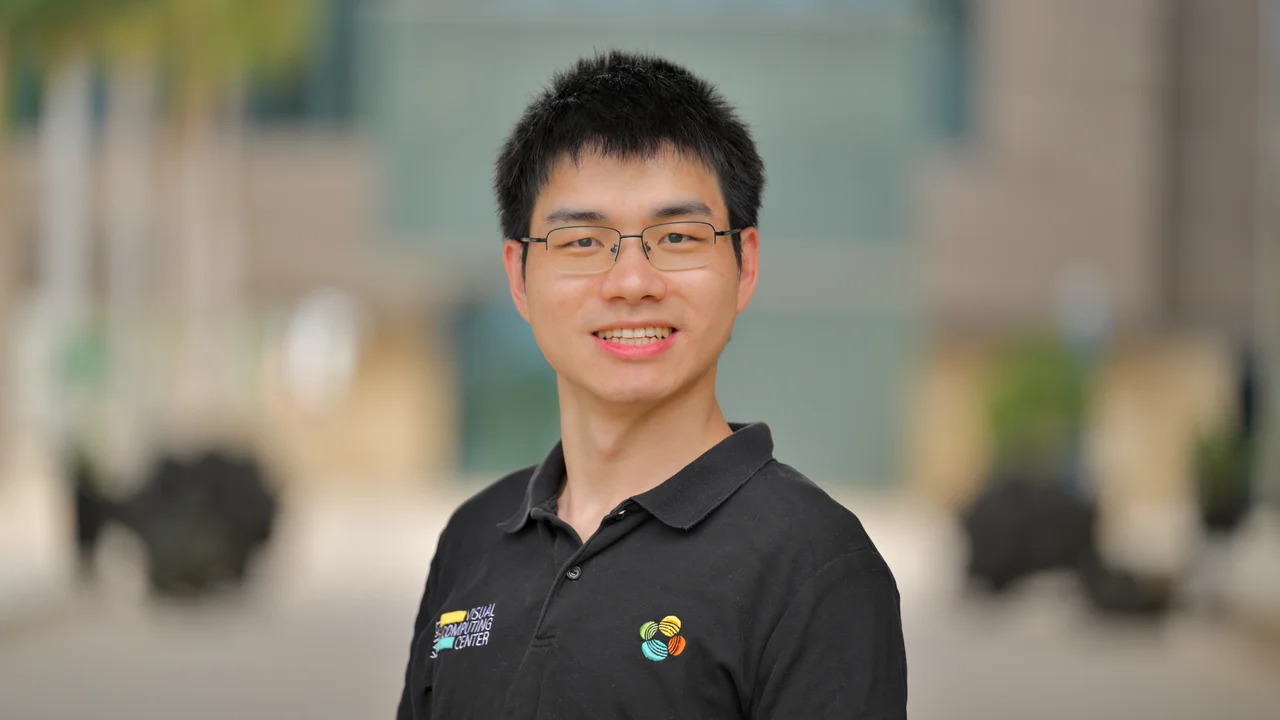
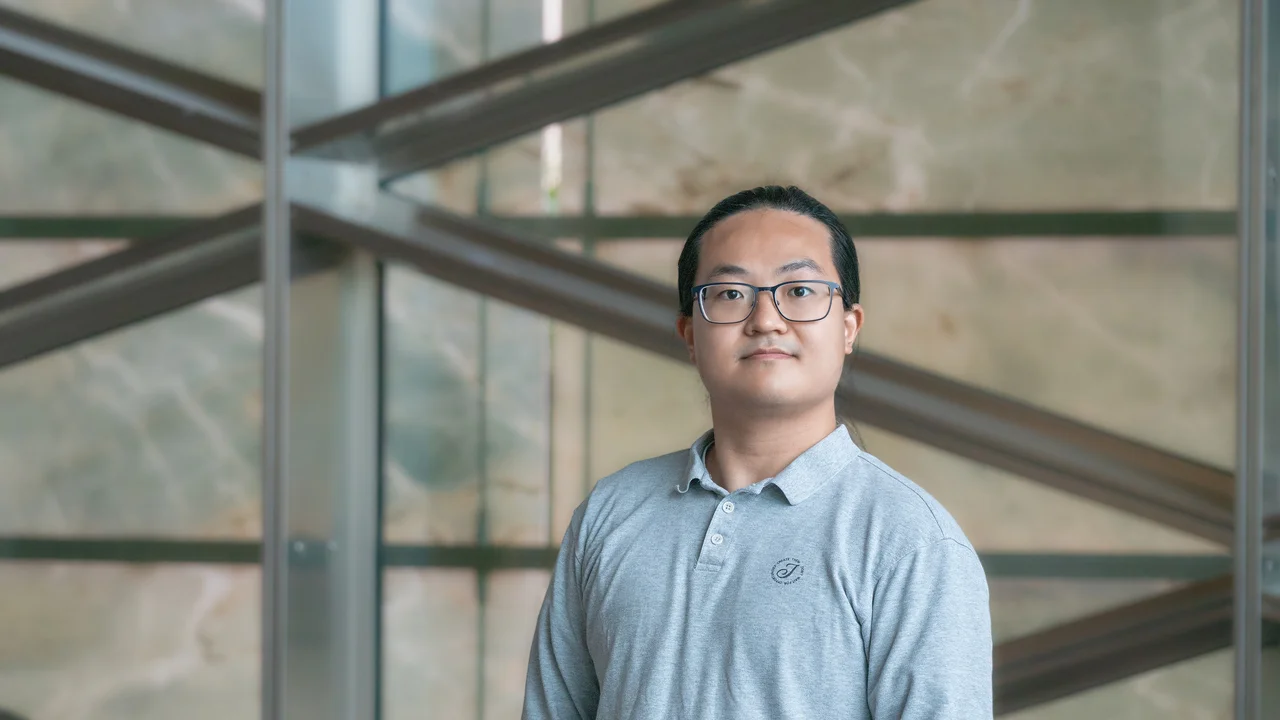
Li Zhang is a Ph.D. candidate in the Sensors Lab of the Electrical Engineering Department, CEMSE Division, King Abdullah University of Science and Technology (KAUST). He earned his B.S. in Microelectronic Science and Engineering from the University of Electronic Science and Technology of China in 2018, and his M.S. in Electrical Engineering from KAUST in 2019. His research interests include quantized neural networks, neural-network accelerator architectures, and software–hardware co-design. He has technical expertise in optimization algorithms, machine-learning methods, FPGA-based digital circuit design, and experimental measurement techniques.
Expertise and Interests
Li Zhang is interested in quantized neural networks, neural network accelerator and software/hardware co-design.
Education
Education
Expertise and Interests
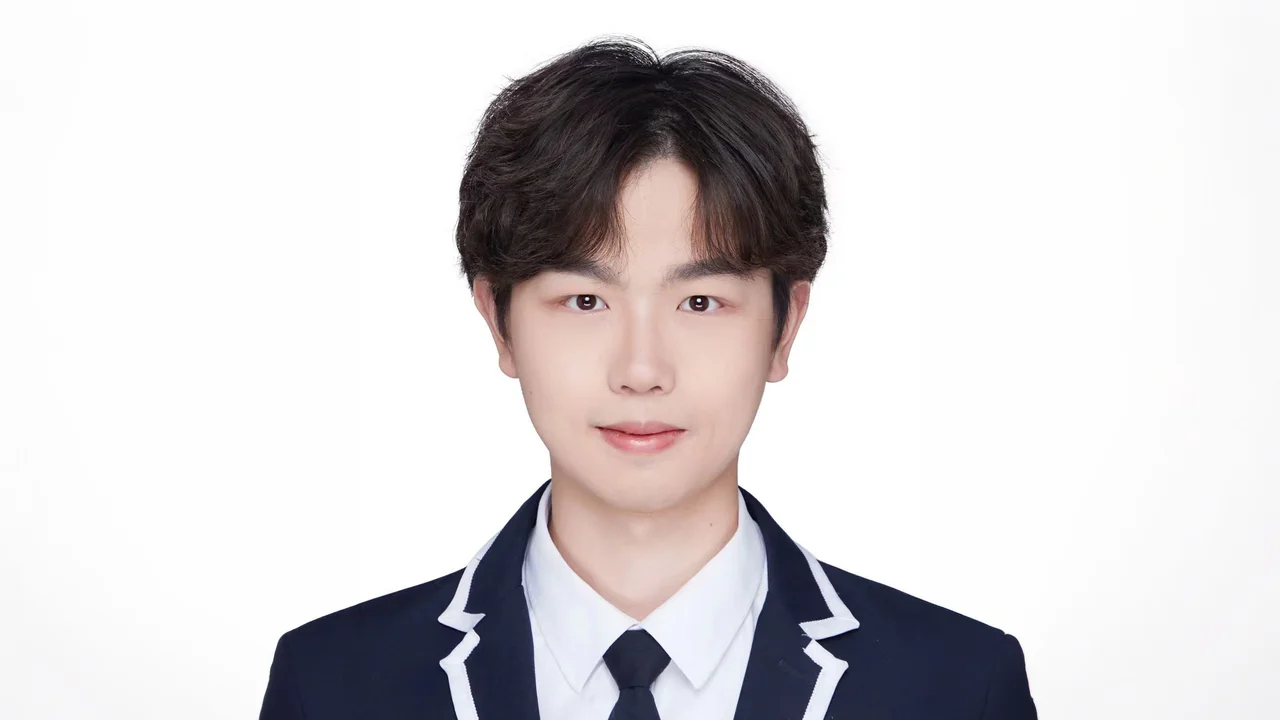
- Generative Models: Advancing and applying generative models, such as diffusion models, flow matching, and autoregressive models, with a focus on improving their architectures and exploring innovative applications.
- Unified Models: Developing models that bridge generative and understanding tasks, with an emphasis on leveraging understanding capabilities to enhance generative performance.
Biography
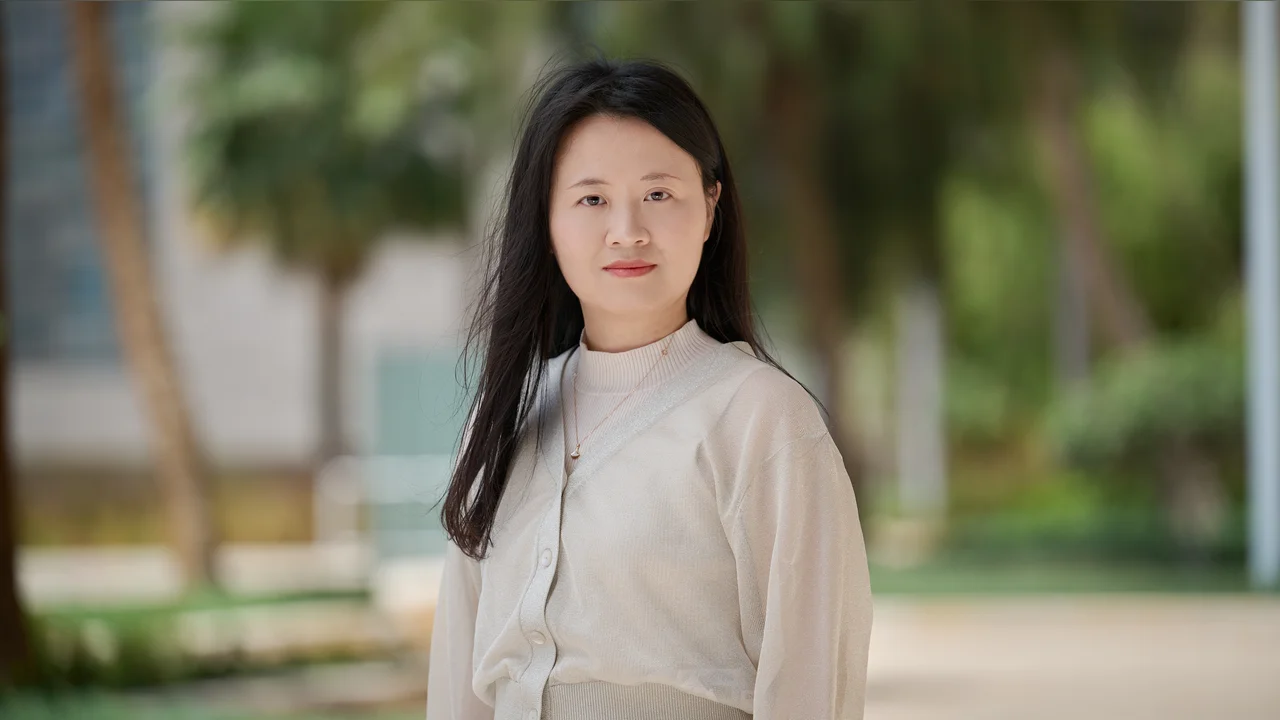
Lijie Hu is a Ph.D. candidate in the Computer Science program at King Abdullah University of Science and Technology (KAUST), with a Master’s degree in Mathematics from Renmin University of China. Her research focuses on responsible AI, particularly in explainable AI (XAI) and privacy-preserving machine learning. Lijie’s recent research emphasizes making XAI more accessible and practical. Her work centers on developing Usable XAI-as-a-Service systems (Usable XAI) and Useful Explainable AI toolkits (Useful XAI), bridging the gap between theoretical innovation and real-world application. Her research was recognized as “Best of PODS 2022”. She has received several prestigious honors, including the KAUST Dean’s List Award in 2022, 2024, and 2025, and was recognized as a Top Reviewer at AISTATS 2023. Beyond her research, Lijie actively contributes to the academic community as a member of the AAAI Student Committee.
Education
Longxi Zhou
- Ph.D. Student, Computer Science
Biography
Luca is currently a PhD candidate in the Applied Mathematics and Computational Sciences department at KAUST. Additionally, he is pursuing a dual PhD degree in Aeronautical Engineering at Politecnico di Milano. He obtained his M.Sc. in Aeronautical Engineering and his B.Sc. in Aerospace Engineering from Politecnico di Milano.
Expertise and Interests
Luca's research focuses on developing computational techniques for aeroacoustics and aerodynamics. In particular, he investigates high order methods for the noise prediction of Urban Air Mobility vehicles in complex scenarios.
Education
Biography
Lucas graduated in Electrical Engineering at the Federal University of Rio Grande do Norte (UFRN), Natal, Brazil, on December 2019. From January to July 2019, he was a visiting student at the Information Systems Lab/KAUST, when he worked on indoor localization systems using acoustic waves. In the following year, he joined KAUST as a MSc. student under the supervision of Dr. Tareq Al-Naffouri. He successfully obtained his MSc. degree in December 2021. His Master's thesis is titled A Bayesian Approach to D2D Proximity Estimation using Radio CSI Measurements, and the continuation of this work led to a journal publication at the IEEE Open Journal of the Communications Society. He is currently a Ph.D. student at the Distributed Systems and Autonomy Group/KAUST, under the supervision of Dr. Shinkyu Park.
Expertise and Interests
Lucas' research interests are multi-agent systems, robotics, and deep learning (especially Multi-Agent Reinforcement Learning).
Education
Biography
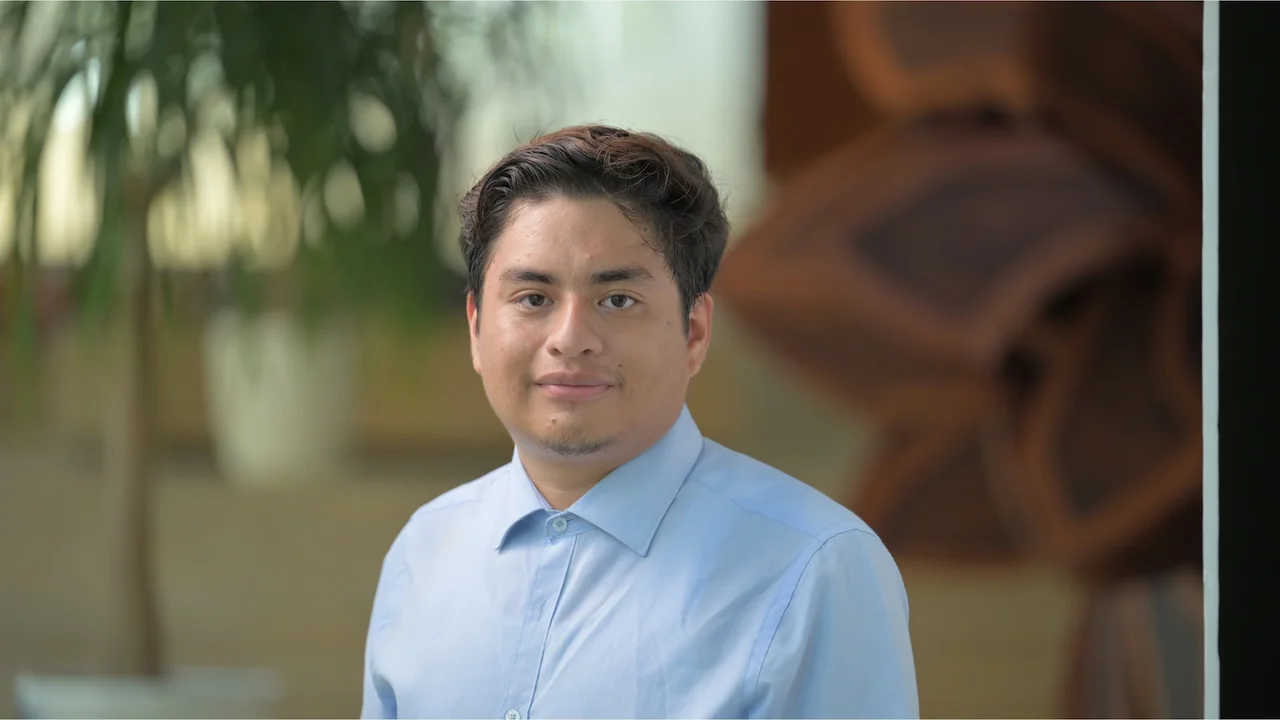
Luis Vazquez obtained a Bachelor Degree on Robotics and Telecommunication from Universidad de las Americas Puebla, his final thesis work was a review on autonomous control and Natural Language Processing for the Robotics human-machine collaboration and interconnection between digital and physical components.
Expertise and Interests
My research is focused on the effects of physical attacks to a robot sensor in the digital processing of the autonomous process more focused on Autonomous control algorithms for 2D vehicles and drones.
Education
Lukang Sun
- Ph.D. Student, Computer Science
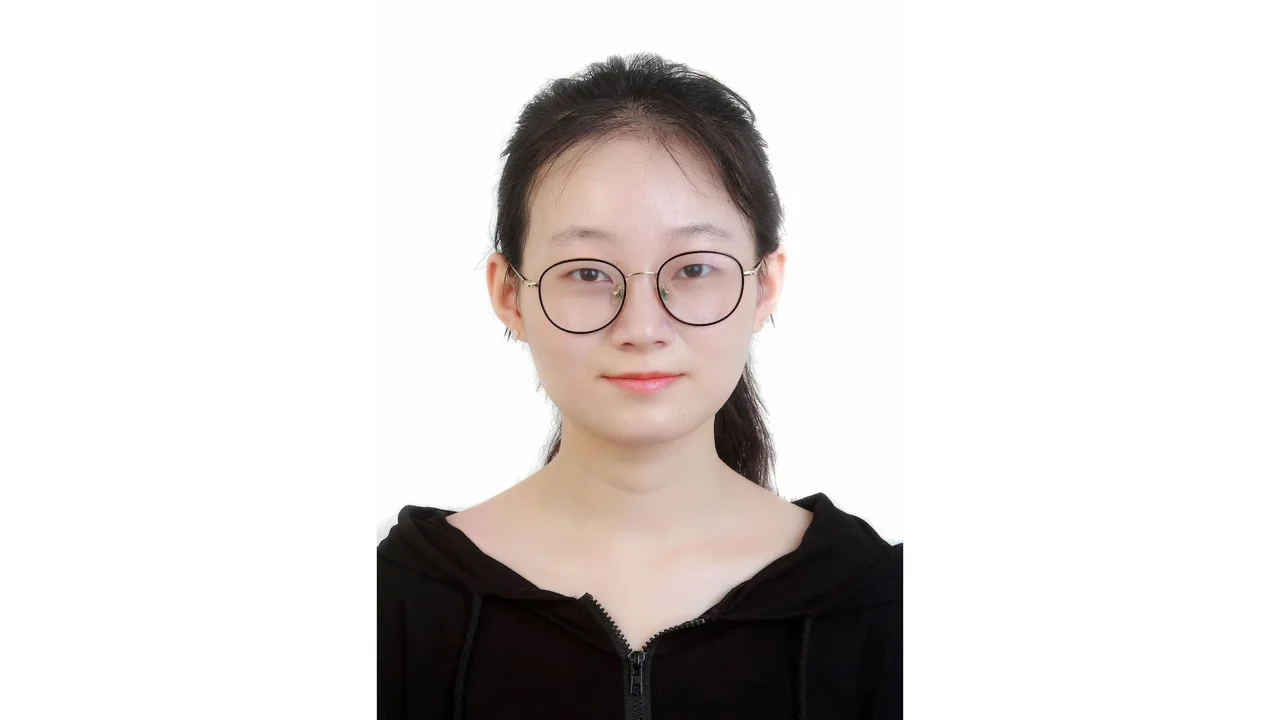
Lulu Jiang
- Ph.D. Student, Statistics
Biography
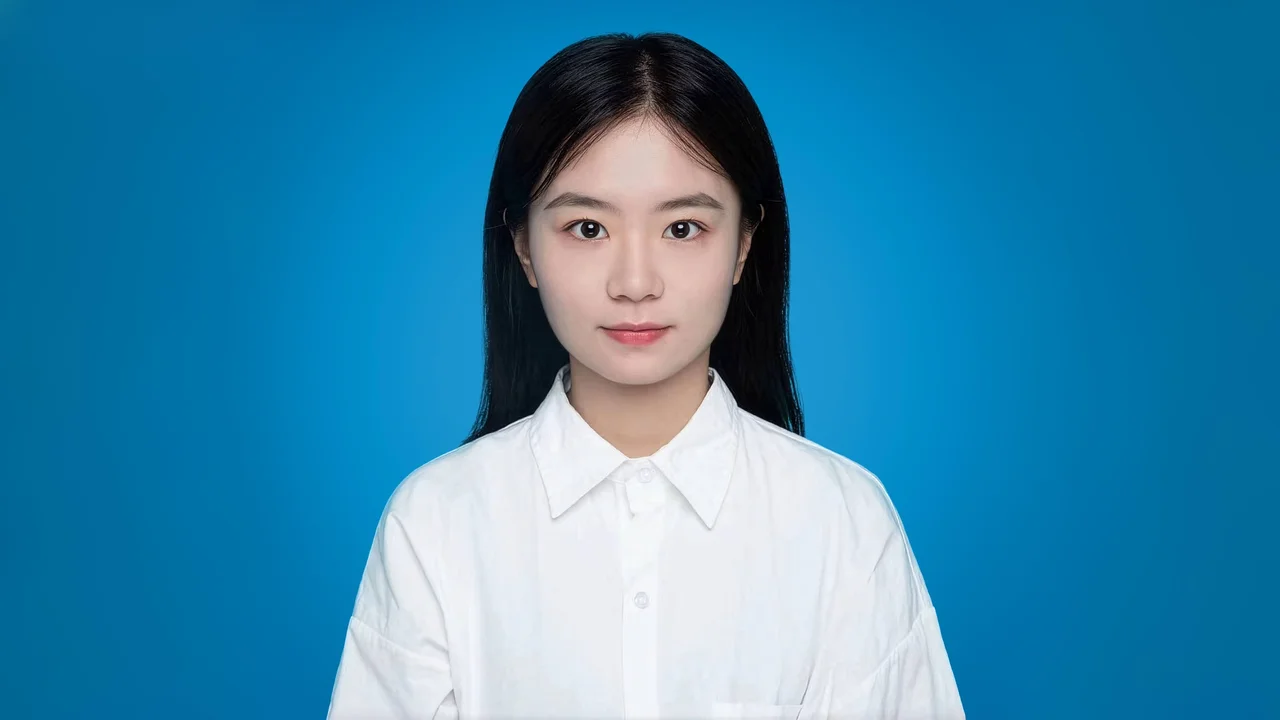
Luyao Yang is a Ph.D. candidate in Computer Science at the King Abdullah University of Science and Technology (KAUST) working in the Networking Research Lab (NETLAB) under Prof. Basem Shihada. She obtained her Bachelor's degree in Software Engineering at the University of Electronic Science and Technology of China and her Master's degree in Computer Science at King Abdullah University of Science and Technology.
Expertise and Interests
Luyao's research interests focus on the intersection of emerging technologies, focusing on areas such as wearable computing in healthcare and sports.
Biography
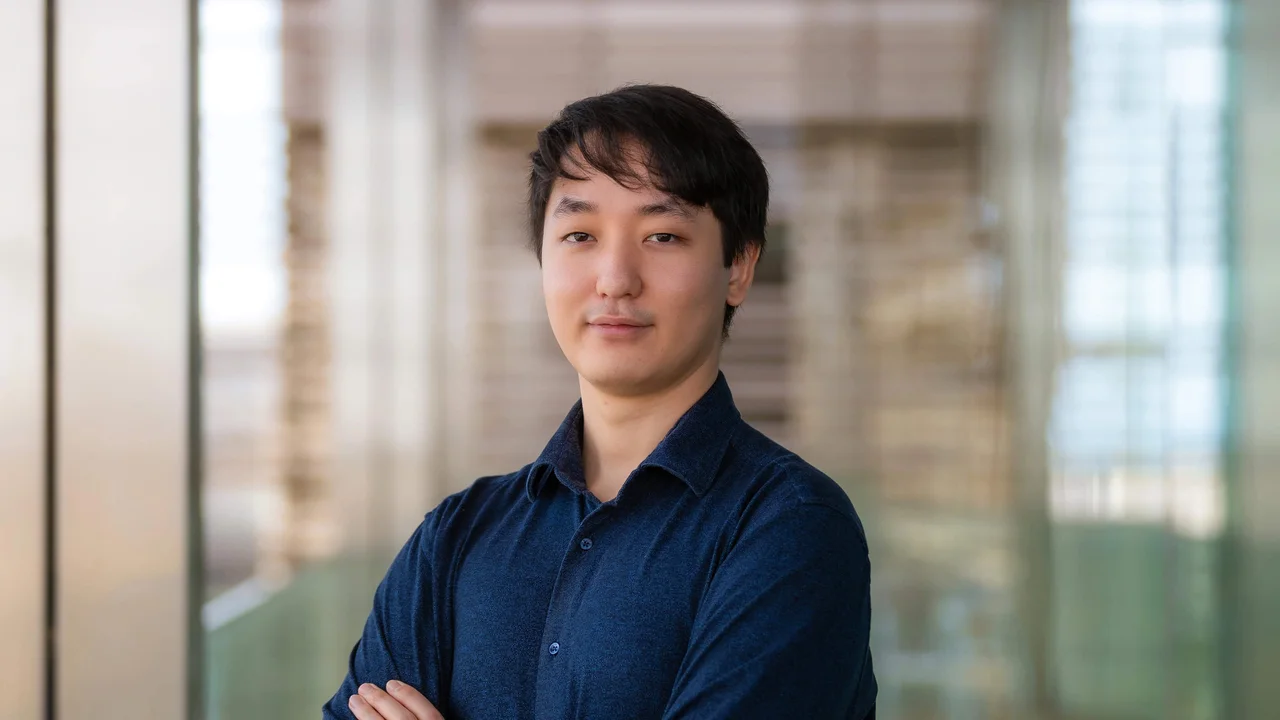
Madi Makin (Graduate Student Member, IEEE) received both his B.Sc. and M.Sc. degrees in Electrical and Computer Engineering from Nazarbayev University, Astana, Kazakhstan. He is currently pursuing a Ph.D. degree in Electrical and Computer Engineering at King Abdullah University of Science and Technology (KAUST), Thuwal, Saudi Arabia.
His research interests include wireless communication systems, with a particular focus on reconfigurable intelligent surfaces (RIS), non-orthogonal multiple-access (NOMA) networks, and physical-layer security.
Expertise and Interests
Madi's research interests include wireless communication systems, with a particular focus on reconfigurable intelligent surfaces, non-orthogonal multiple-access (NOMA) networks, and physical-layer security.
Education
Education
Biography
Manal A. Alshehri is a Doctoral Candidate in Computer Science at King Abdullah University of Science and Technology (KAUST). She holds a B.S. and M.S. degree in Computer Science from King Abdulaziz University, where she also serves as a lecturer. Her research has been published in leading international conferences, including IEEE Big Data and CIKM.
Expertise and Interests
Her research spans a broad range of artificial intelligence applications, with a focus on enhancing recommendation systems and advancing text mining techniques. She employs cutting-edge AI methodologies to address key challenges such as cold-start problems, user privacy, diversity, and filter bubbles. She is also interested in analyzing user behavior across digital platforms and in leveraging generative large language models to create realistic simulations and automate labor-intensive tasks.
Education
Maria G Gomez Castillo
- Ph.D. Student, Bioengineering
Biography
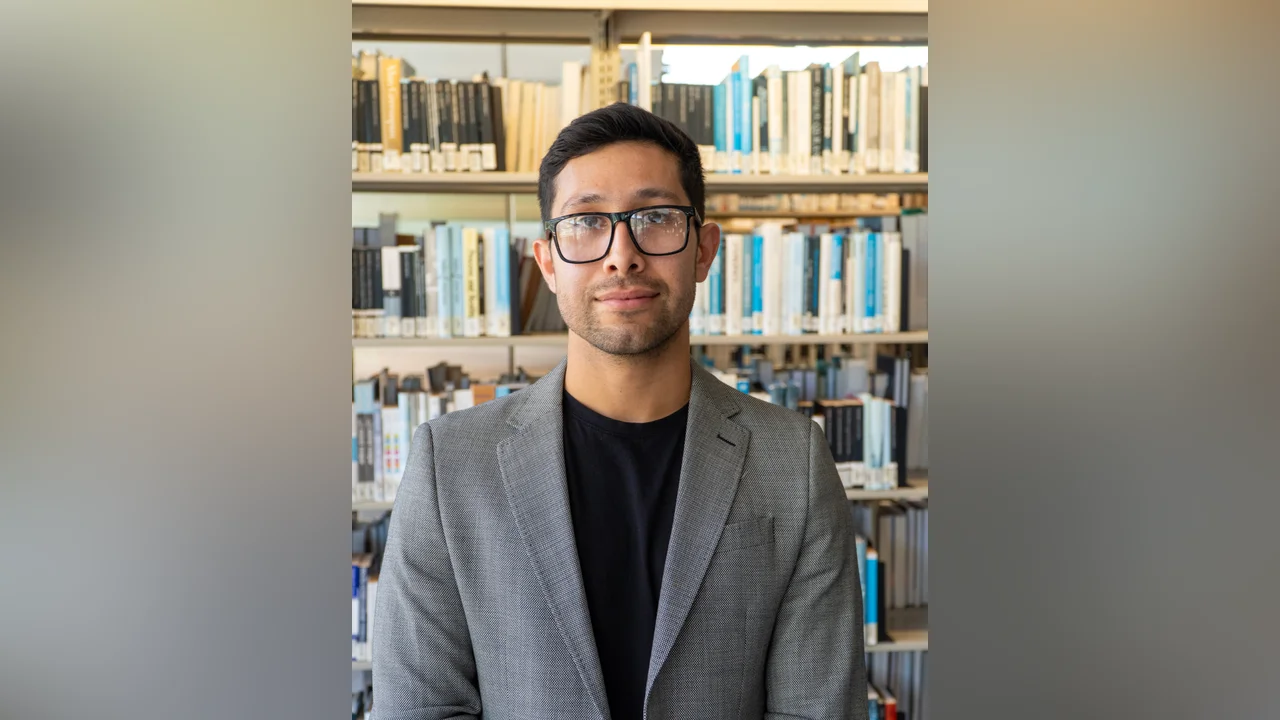
Mario Soto Martinez earned his Bachelor’s degree in Nanotechnology Engineering from ITESO, Guadalajara, Mexico, in 2020. During his studies, he completed an internship at CIIDEP, ITESM Monterrey (2018), where he worked on smart materials for environmental applications. His undergraduate research focused on the fabrication of nanostructured electrodes for biosensing. He later obtained his M.Sc. in Bioengineering from King Abdullah University of Science and Technology (KAUST), Saudi Arabia, in 2022, where he specialized in the microfabrication of thin-film transistors for biosensing applications. Mario’s interdisciplinary background in nanotechnology, materials engineering, and bioelectronics underpins his current research on multimodal sensing systems for point-of-care diagnostics
Expertise and Interests
Mario’s research focuses on the development of multimodal sensing systems for point-of-care disease screening. His approach combines electrochemical and gas sensors to detect biomarkers that indicate disease presence or stage. He integrates materials engineering, microfabrication, electronics, and prototyping to design and optimize these platforms for practical implementation, aiming to advance accessible and reliable healthcare technologies.
Education
Expertise and Interests
Optoelectronics & Photonics, Quantum Computing, Quantum Photonics