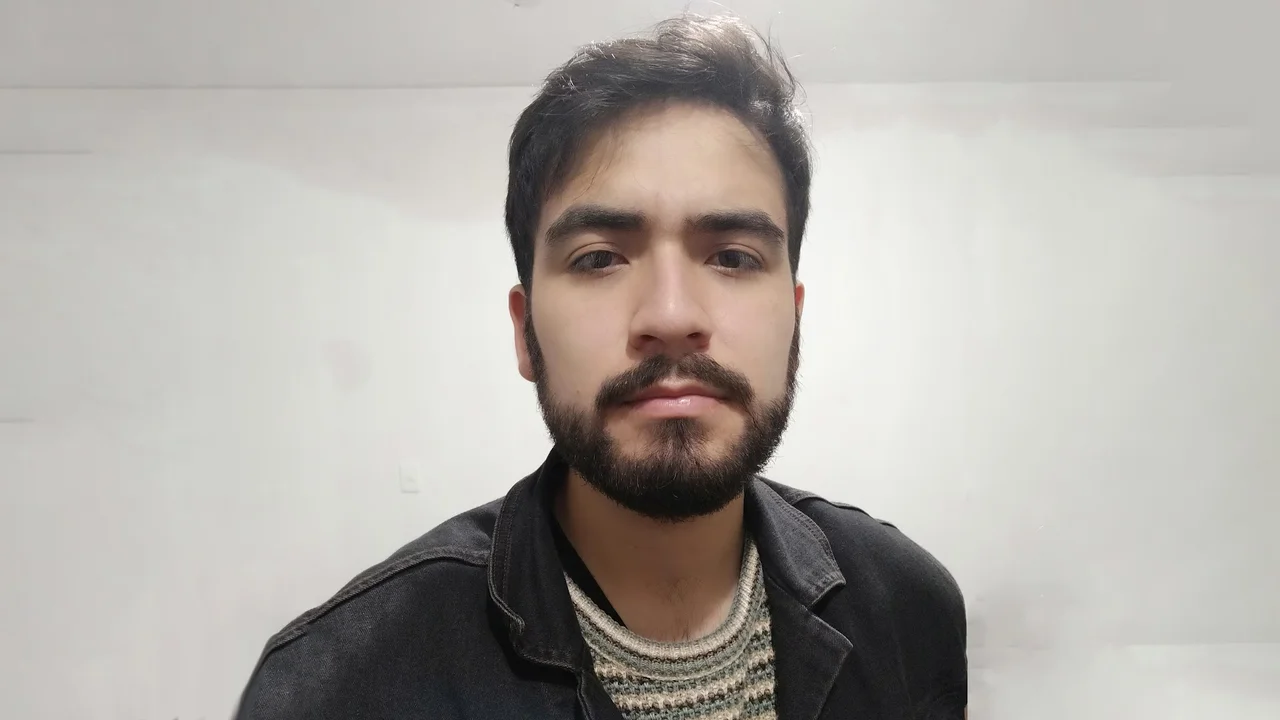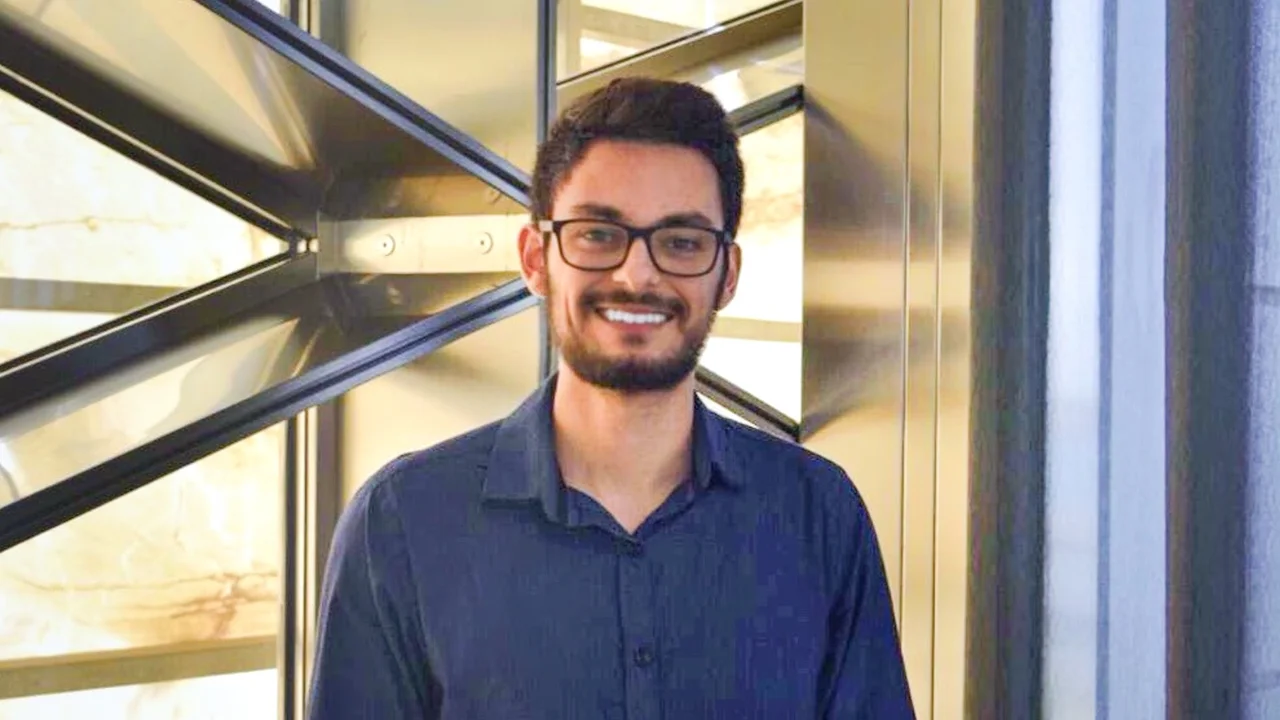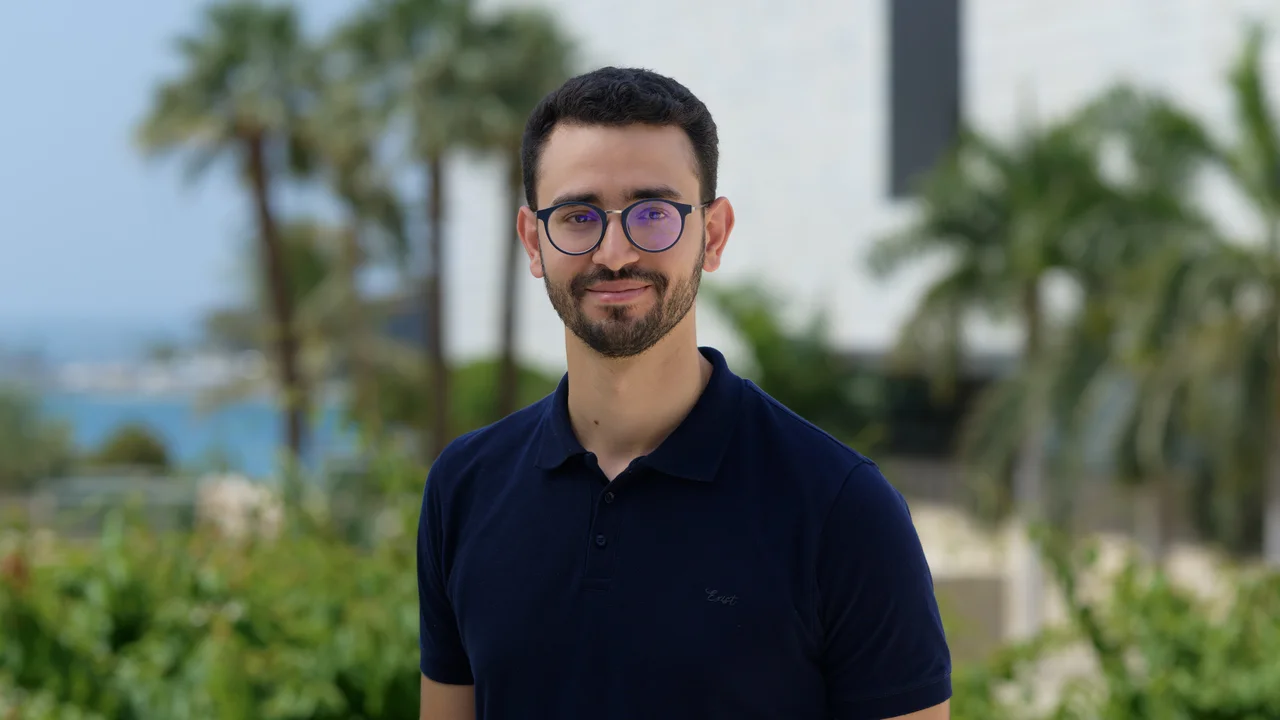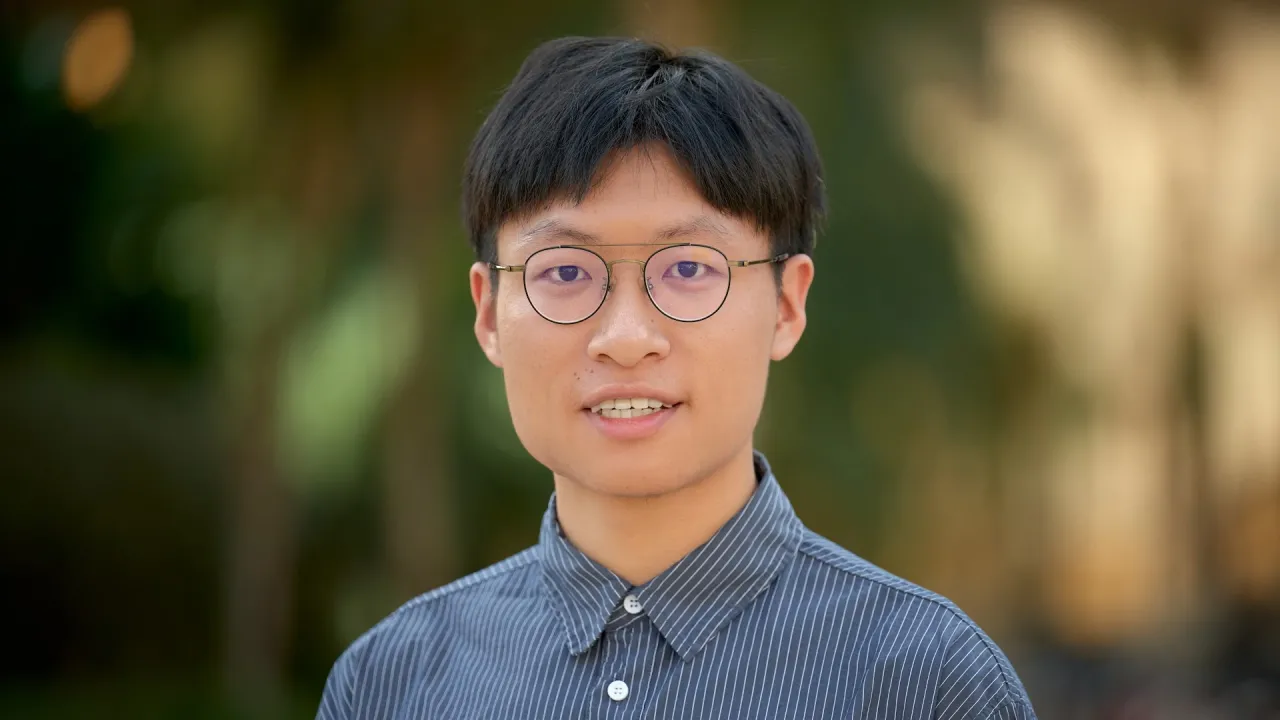
Artem Prokoshin
- Ph.D. Student, Electrical and Computer Engineering
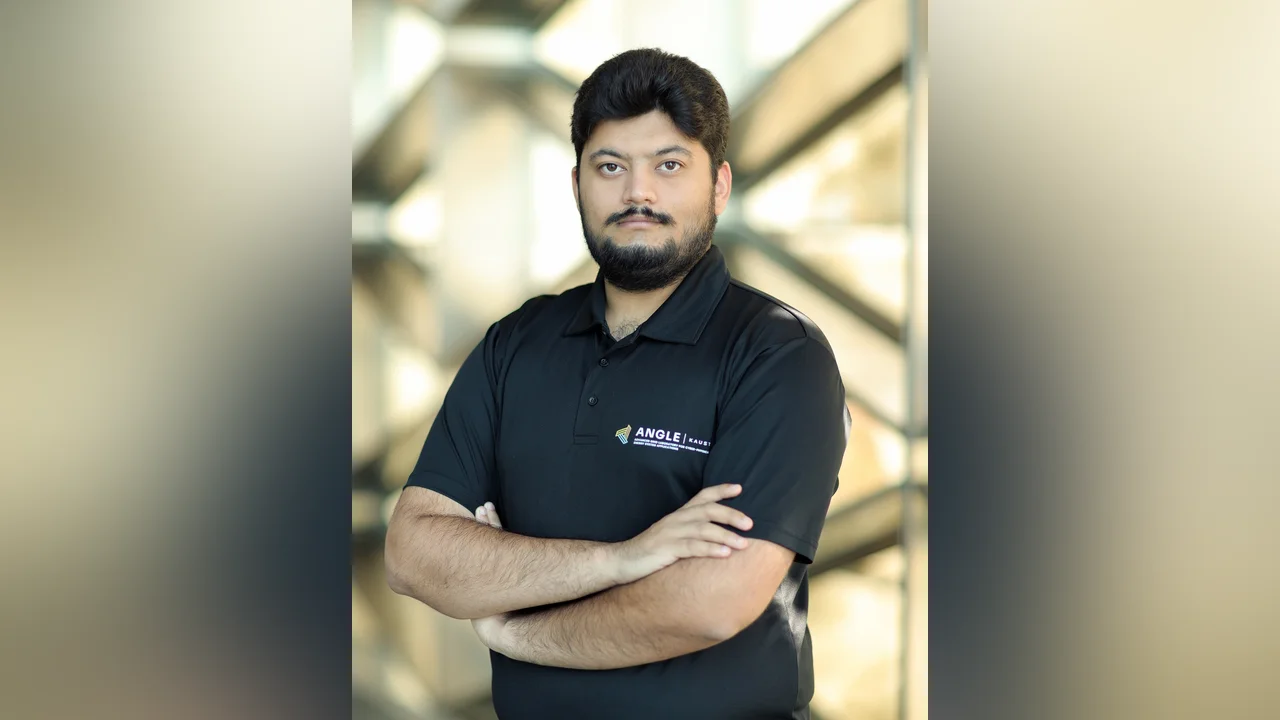
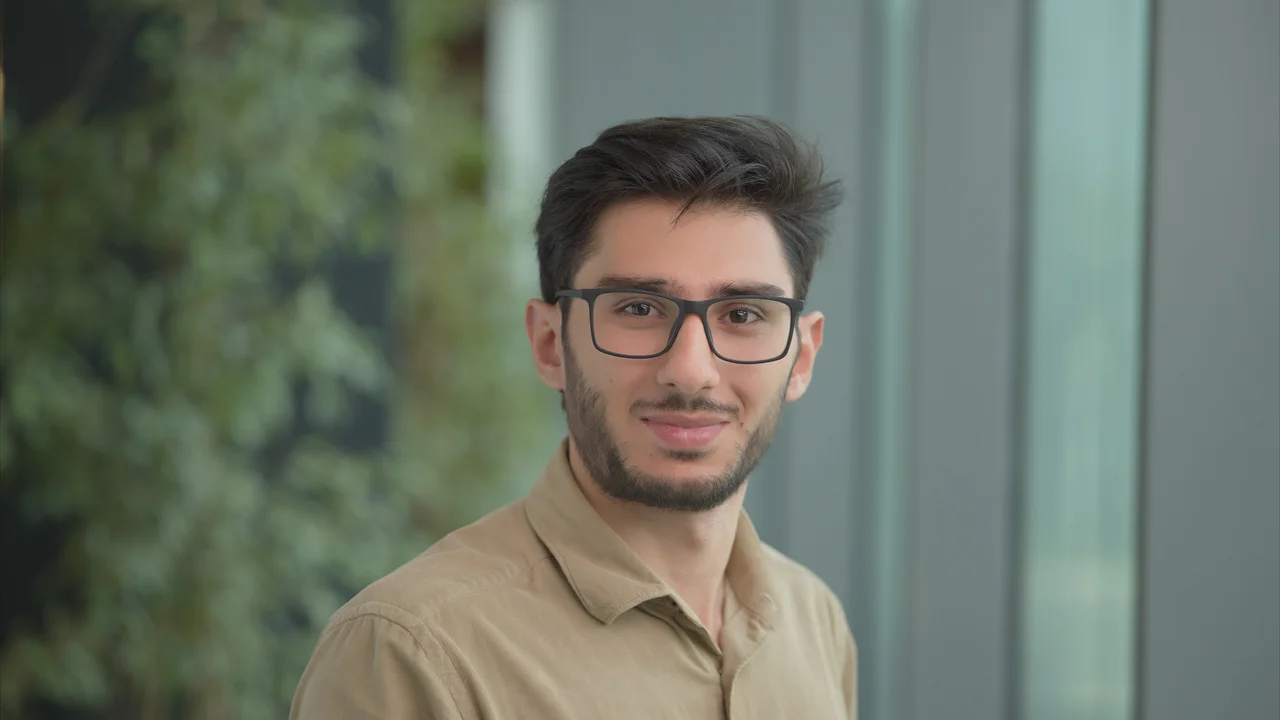
Artavazd Maranjyan is a Ph.D. Candidate in Computer Science at King Abdullah University of Science and Technology (KAUST), advised by Prof. Peter Richtárik.
His work has been published in leading machine learning conferences such as ICML, ICLR, and UAI. He has received the CEMSE Dean’s List Award for academic and research excellence, and the Dean’s List Award upon joining KAUST.
Before starting his Ph.D., Artavazd earned his M.S. and B.S. degrees from Yerevan State University, where he co-authored several papers in harmonic analysis under the guidance of Prof. Martin Grigoryan.
Arto's research focuses on the theory and design of asynchronous optimization methods—developing efficient, scalable, and theoretically grounded algorithms. More broadly, he works on optimization for machine learning and federated learning.
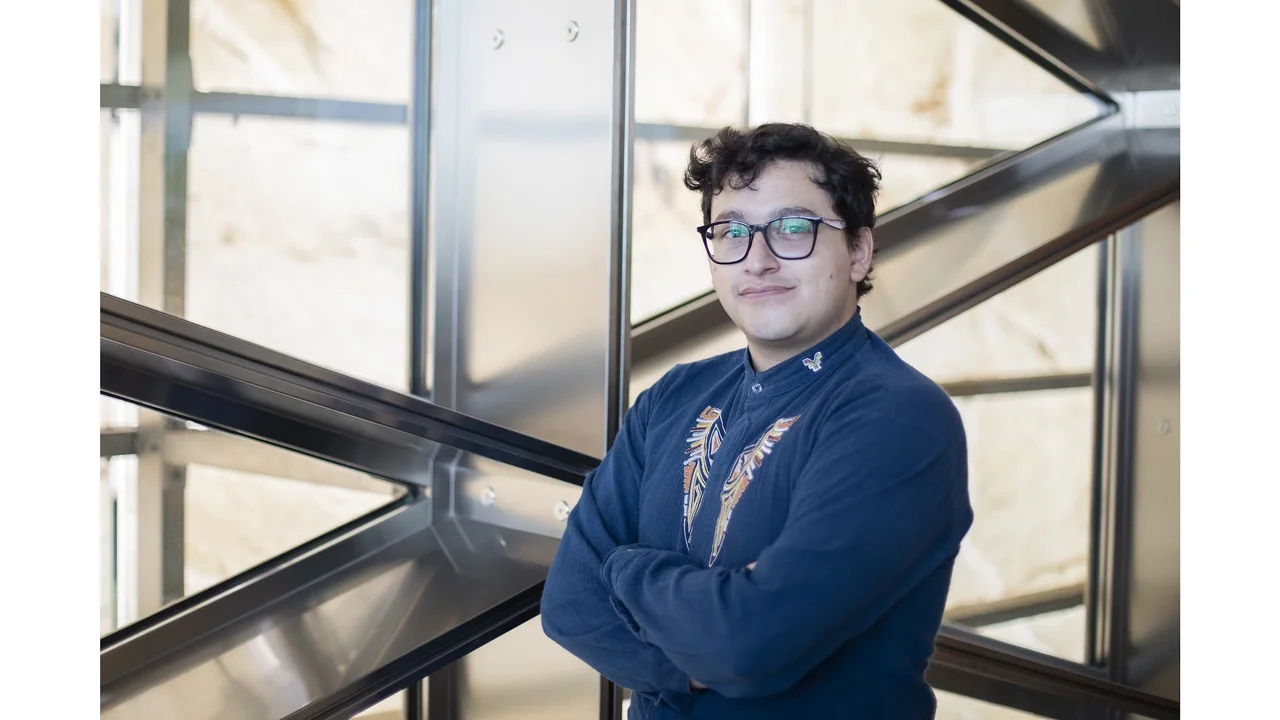
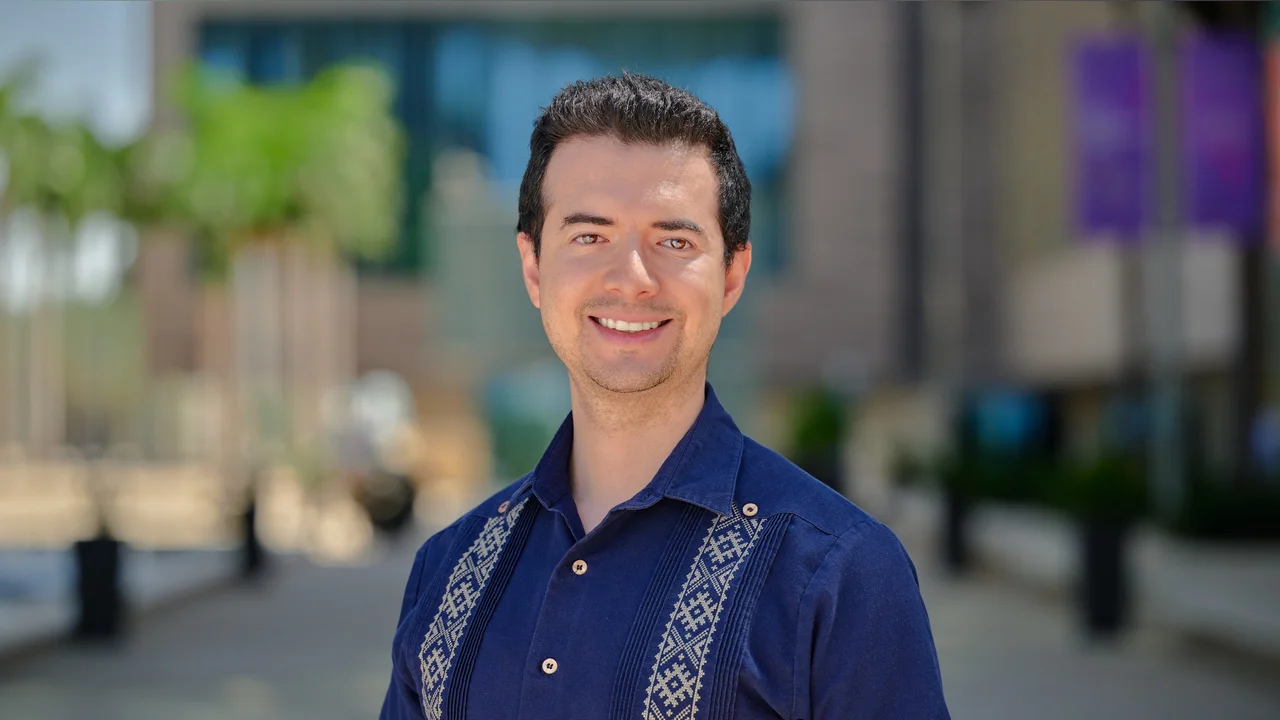
Arturo is a Ph.D. candidate in Electrical and Computer Engineering at the Computer, Electrical and Mathematical Sciences and Engineering (CEMSE) Division of King Abdullah University of Science and Technology (KAUST). Following his participation in the KAUST's 2017 Photonics Summer Camp, he started his graduate studies at KAUST in August 2018. Prior to his graduate studies he earned B.Sc. in Engineering Physics from Instituto Tecnológico y de Estudios Superiores de Monterrey (Mexico) in 2017, and conducted a research intership in the Nuclear Sciences Institute (ICN) of the Universidad Nacional Autónoma de México in 2016.
Arturo is the co-founder of Pixeltra Inc., a startup company specializing in multidimensional imaging solutions through metasurfaces. He actively serves as a reviewer for Nature Communications, and has authored ten publications in high-impact factor journals during his Ph.D. He received the Academic Excellence award from KAUST in 2022 and 2023, and was awarded 2nd place at the 2019 Falling Walls international pitching competition.
Arturo's research focuses on the design and fabrication of optical metasurfaces, emphasizing practical applications in remote sensing and hyperspectral imaging.
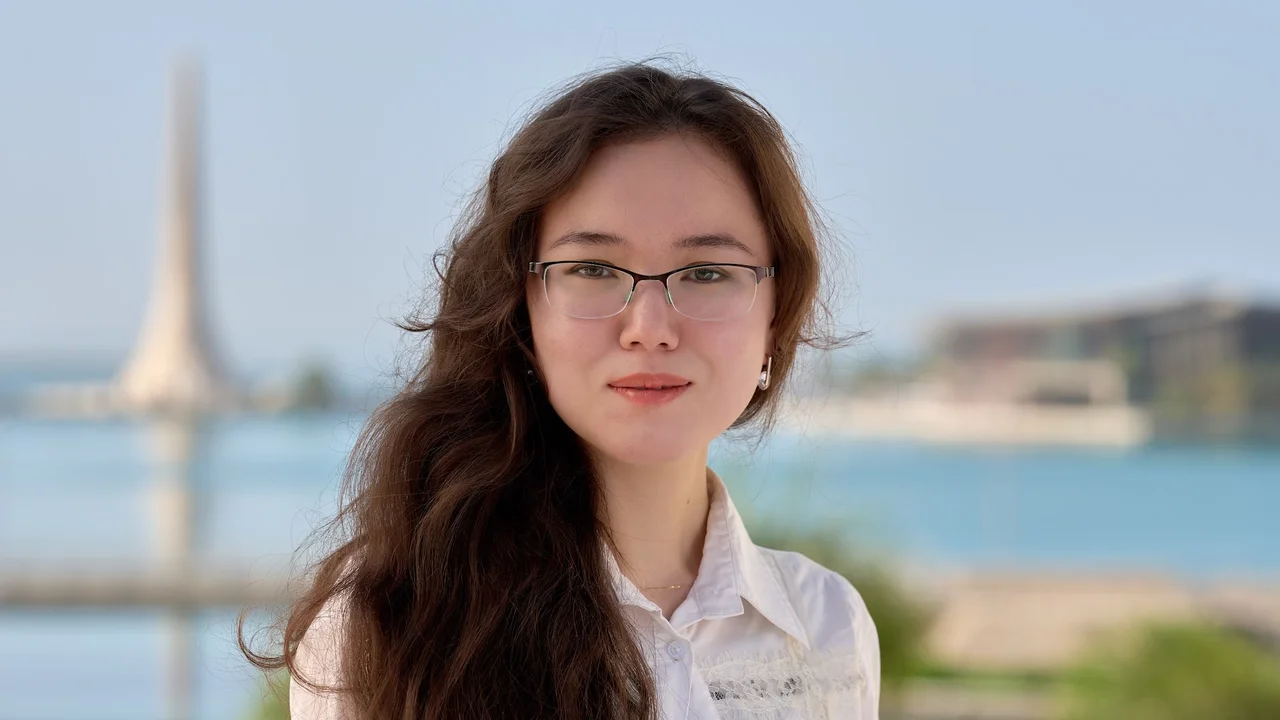
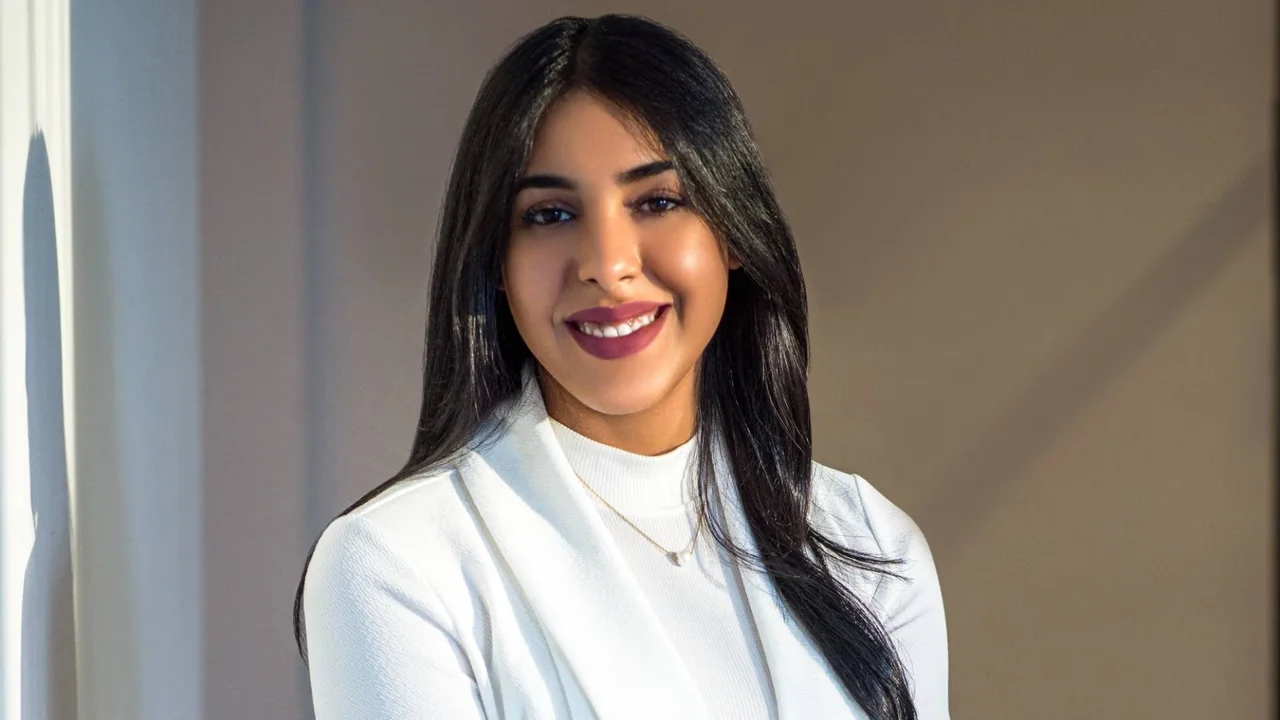
Ms. Aseel AlNajjar is a Ph.D candidate in the AppliedPDE group of the Applied Mathematics and Computational Science program (AMCS) of CEMSE division at the King Abdullah University of Science and Technology, Saudi Arabia. She graduated from Taibah University in 2019 with a bachelor's degree in Mathematics and received a Master's degree in Applied Mathematics from KAUST in 2021. During 2018 Ms. AlNajjar was a summer research intern in the AppliedPDE group.
Aznaur obtained his bachelor's degree in Applied Mathematics and Physics from Moscow Institute of Physics and Technology in 2023. He joined KAUST in 2024 to pursue his MS and PhD degrees.
Deep Learning, Computer Vision, Reinforcement Learning.
His research interests include deep learning, large language models, and reinforcement learning.
Bilal Maassarani is a Ph.D. candidate in Electrical and Computer Engineering at King Abdullah University of Science and Technology (KAUST). He holds a B.S. in Mechatronics Engineering (2014) and an M.S. in Electrical Engineering (2017) from the University of Waterloo. His bachelor’s program included six co-op internships in roles spanning verification engineering, computational research, ASIC verification, hardware design, and radio modeling at companies including IDT, Natural Resources Canada, Ciena, General Motors, BlackBerry, and Broadcom. After completing his master’s degree, he worked as an FPGA developer at Ericsson.
Bilal joined KAUST initially under the supervision of Prof. Jeff Shamma and is currently advised by Prof. Eric Feron. His research focuses on mechatronic systems, particularly taking engineering problems from concept to functional prototypes. During his master’s studies he developed a dynamic check-weighing machine, and his Ph.D. work centers on the design and control of a novel hybrid-flight-mode unmanned aerial system.
Alongside his academic work, Bilal has contributed to several early-stage start-ups involving smart luggage, agricultural automation, and palm-tree-harvesting tools.
Bilal is interested in finding mechatronic solutions and taking them from problem to a functional proof-of-concept. He developed a dynamic weighing machine during his master's and currently a novel hybrid-flight mode unmanned aerial system as a Ph.D. Candidate.
Bumin K. Yildirim received his B.Sc. degree in Electrical and Electronics Engineering from TED University, Ankara, Türkiye, in 2020, and his M.Sc. degree in Electrical and Computer Engineering from King Abdullah University of Science and Technology (KAUST), Saudi Arabia, in 2023. He is currently pursuing a Ph.D. in the Communications and Computing Systems Laboratory (CCSL) at KAUST.
Bumin's research focuses on exploring generative artificial intelligence-based solutions to address the challenges of future wireless communication networks.
Bushra Bin Hemid graduated with first honors in Computer Science from Umm Al-Qura University, and earned her Master's in Information Security from UCL. She has been a Lecturer at University of Jeddah and is currently pursuing an MSc/PhD in Artificial Intelligence at KAUST.
Artificial Intelligence, Machine Learning, intelligent sensing, and infrared imaging technologies. Focus on accessible sensing solutions for healthcare, agriculture, and smart infrastructure.
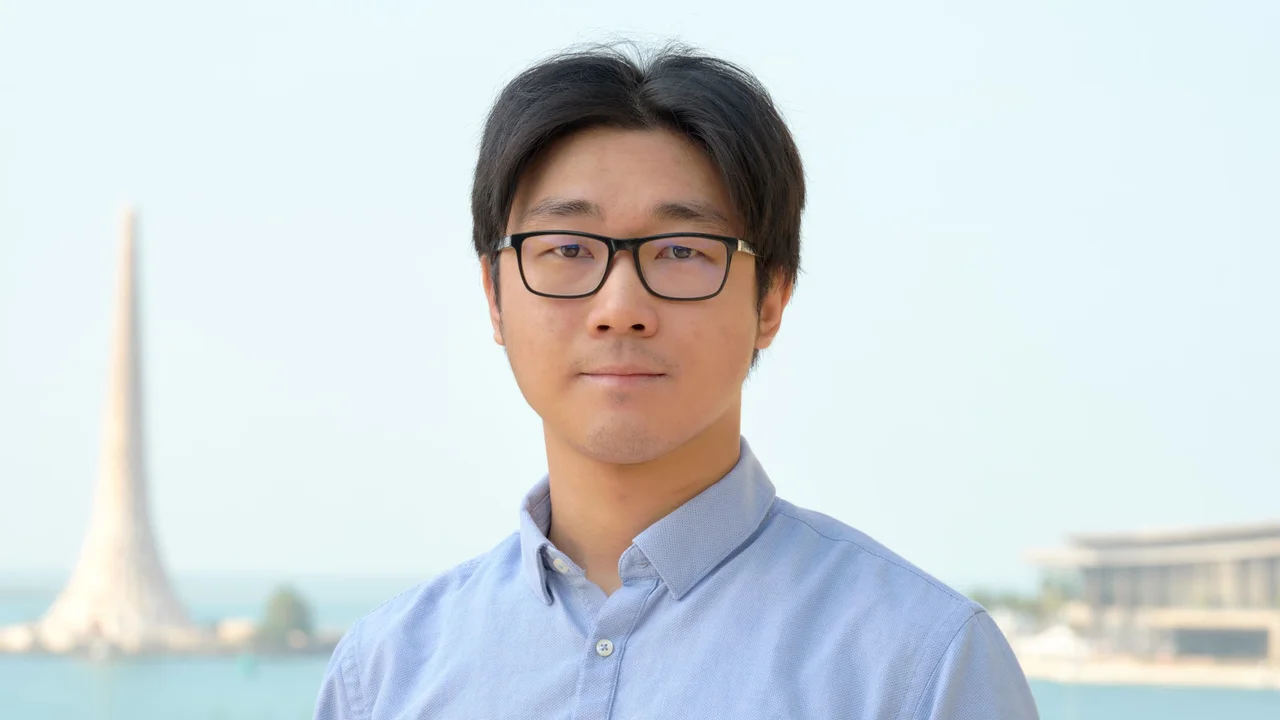
Changhao He received his B.Eng. degree in Information Engineering from Beijing University of Posts and Telecommunications (BUPT) in 2022, where he graduated with distinction as the top student among 344 peers and was the recipient of multiple national awards. He is currently pursuing M.S. and Ph.D. degrees in the Electrical and Computer Engineering (ECE) program at King Abdullah University of Science and Technology (KAUST), under the supervision of Prof. Ahmed Eltawil.
His research interests include Optimization, UAV-enabled wireless communications, AI and 6G.
Cheng Luo is a Ph.D. student in the Image and Video Understanding Laboratory (IVUL) at King Abdullah University of Science and Technology (KAUST), specializing in generative AI and human-computer interaction. His research focuses on interactive video generation, multimodal understanding, and real-time generation, with applications in the field of mental health. He earned his Master's degree in Computer Science from Shenzhen University, China, in 2023.
His research interests include real-time and interactive video generation, generative models, affective computing, multimodal large language models, human-computer interaction, and psychosis intervention.
Cheng-Long Wang is a PhD candidate in Computer Science (CS) at King Abdullah University of Science and Technology (KAUST), advised by Prof. Di Wang. His research focuses on machine unlearning, privacy-preserving machine learning, and trustworthy AI systems. His work explores both theoretical foundations and system-level design for provable and measurable machine unlearning in modern learning frameworks, including graph learning, federated learning, and large-scale deep models.
Cheng-Long Wang's research focuses on machine unlearning, privacy-preserving machine learning, and trustworthy AI systems. His work explores both theoretical foundations and system-level design for provable and measurable machine unlearning in modern learning frameworks, including graph learning, federated learning, and large-scale deep models.
Aldossary research interests include computer vision, machine learning, deep learning, computational neuroscience, and brain–computer interfaces. She is particularly interested in EEG representation and behavior learning, with applications in clinical EEG analysis and brain–computer interfacing.
Damilya Saduakhas is a PhD candidate in Statistics at King Abdullah University of Science and Technology (KAUST) in the Computer, Electrical, and Mathematical Sciences and Engineering (CEMSE) division, working under the supervision of Professor David Bolin. She received her B.S. degree in Mathematics from Nazarbayev University, Kazakhstan, in 2020 and her M.S. degree in Statistics from KAUST in 2022. Her work on log-Gaussian Cox processes on metric graphs received the Best Paper Award at Spatial Statistics 2025 and the Best Poster Award at ISBA World Meeting 2024. During her time at KAUST, she served as president of the ASA Student Chapter and as Academic and Research Counselor on the Graduate Student Council.
Damilya's research focuses on spatial statistical methods based on stochastic partial differential equations, with applications to environmental and urban data.
Deng Luo is a Ph.D. Candidate in the Computer Science program under the supervision of Professor Ivan Viola at King Abdullah University of Science and Technology (KAUST) in Saudi Arabia. He received his Bachelor's degree in Bioinformatics from Southern University of Science and Technology in 2016. He joined KAUST and received his Master's degree in Bioscience in 2019. He has a multidisciplinary background, including bioinformatics, molecular biology, computer science, and entrepreneurship.
With research and work experiences in interdisciplinary studies, he is interested in technologies that help people communicate better and that helps knowledge disseminates faster, especially from the perspective of education. He is now working on the Nano-visualization of the mitochondrion as a breakthrough point to the long term goal.
Dhanu Chettri is a Ph.D. candidate at the Advanced Semiconductor Laboratory (ASL) at King Abdullah University of Science and Technology (KAUST), under the mentorship of Prof. Xiaohang Li. His research focuses on ultra-wide bandgap semiconductors, particularly Gallium Oxide (Ga2O3) and Aluminum Nitride (AlN). Before joining KAUST, he served as a Senior Project Fellow at the Council of Scientific and Industrial Research–Central Electronics Engineering Research Institute (CSIR–CEERI).
Chettri’s research primarily involves material growth, device design, fabrication, and circuit implementation of advanced semiconductor devices such as MOSFETs and bidirectional switches. He has made significant contributions to the field, as evidenced by his publications. Notably, he achieved the first demonstration of a normally OFF β-Ga2O3 bidirectional switch, featured in Applied Physics Letters, AIP along with the first demonstration of an AlN MOSFET, published in the Journal of Physics D, IOP.
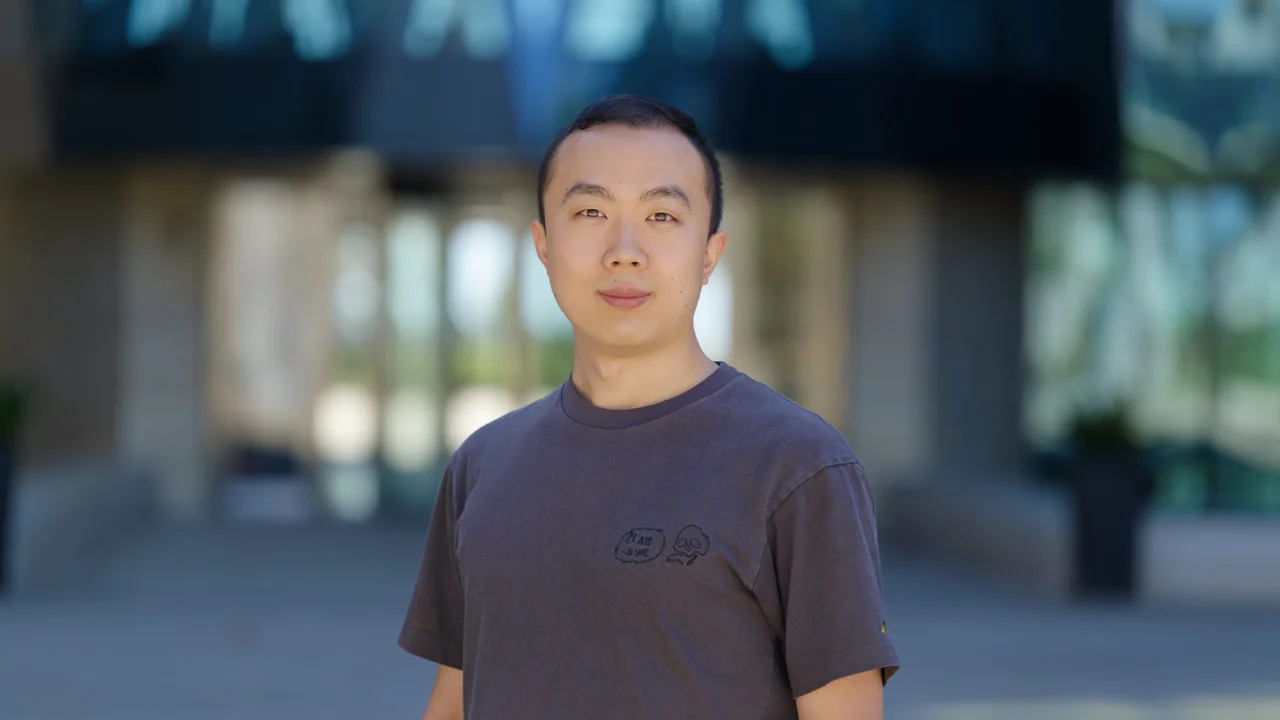
His research is particularly relevant for developing technologies suited to high-temperature and extreme environment applications, demonstrating the critical role and potential of ultra-wide bandgap semiconductors in modern electronics.
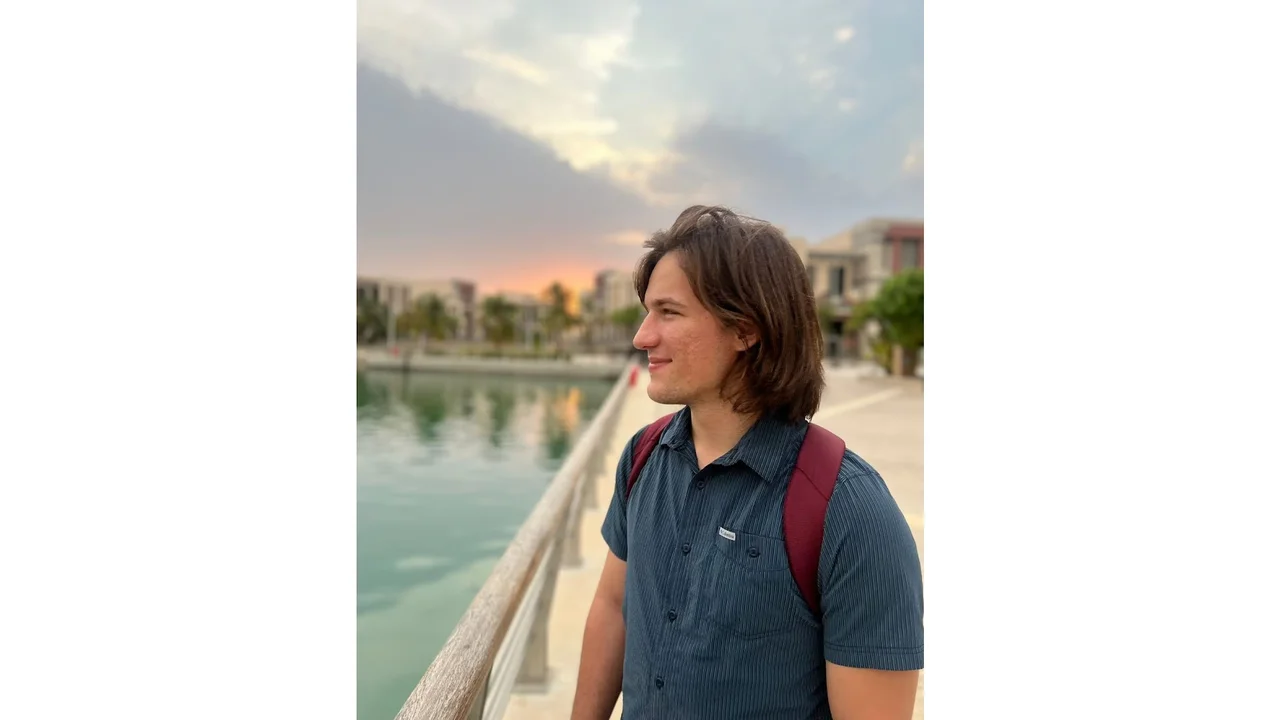
Dhanu's research interests include ultrawide bandgap semiconductor materials, specifically Ga2O3 and AlN. His work focuses on the fabrication and characterization of devices such as MOSFETs and FinFETs.
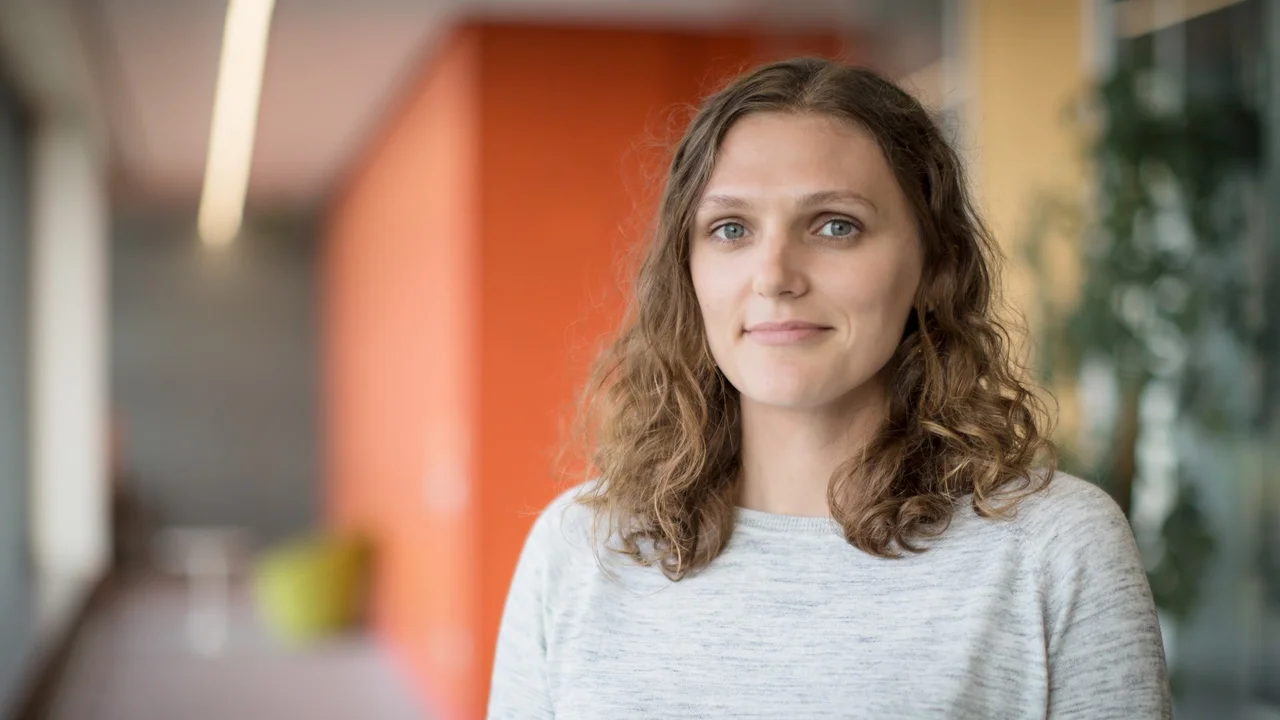
Divyanshu is a Ph.D. candidate in the Electrical and Computer Engineering department at KAUST. He received his M.Tech degree in VLSI from the Indian Institute of Technology (IIT) Mandi, India. He has worked as a visiting student at the Innovative Technologies Lab and the Integrated Circuits and System Group at KAUST.
His research interests include spintronics devices and circuits, in-memory computing using beyond CMOS devices, and hardware security primitives.
Bayesian and computational Statistics.
Echo Ziyi Yang is a Ph.D. student at King Abdullah University of Science and Technology (KAUST), conducting research under the supervision of Professor Bernard Ghanem at the Image and Video Understanding Laboratory (IVUL) within the Center of Excellence for Generative AI. She obtained her Master’s and Bachelor’s degrees from Harbin Institute of Technology (HIT), China.
Her research interests focus on Generative AI, autonomous agents, machine learning, and reinforcement learning.