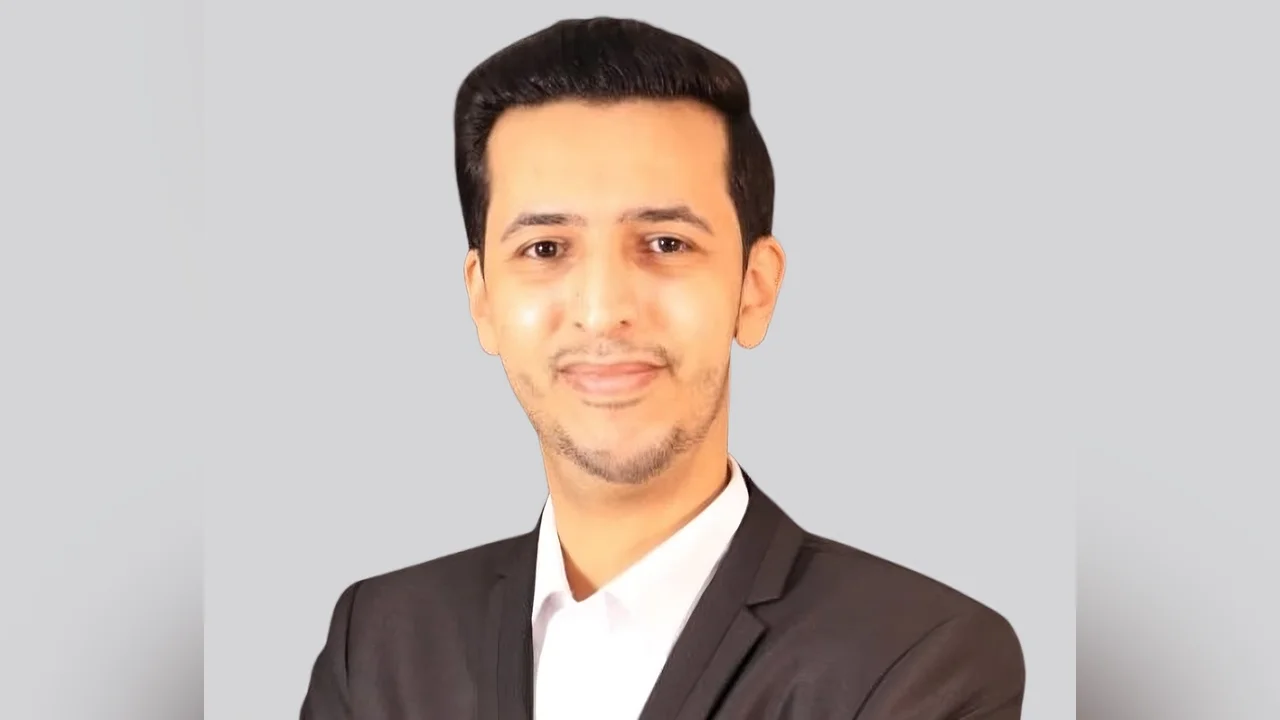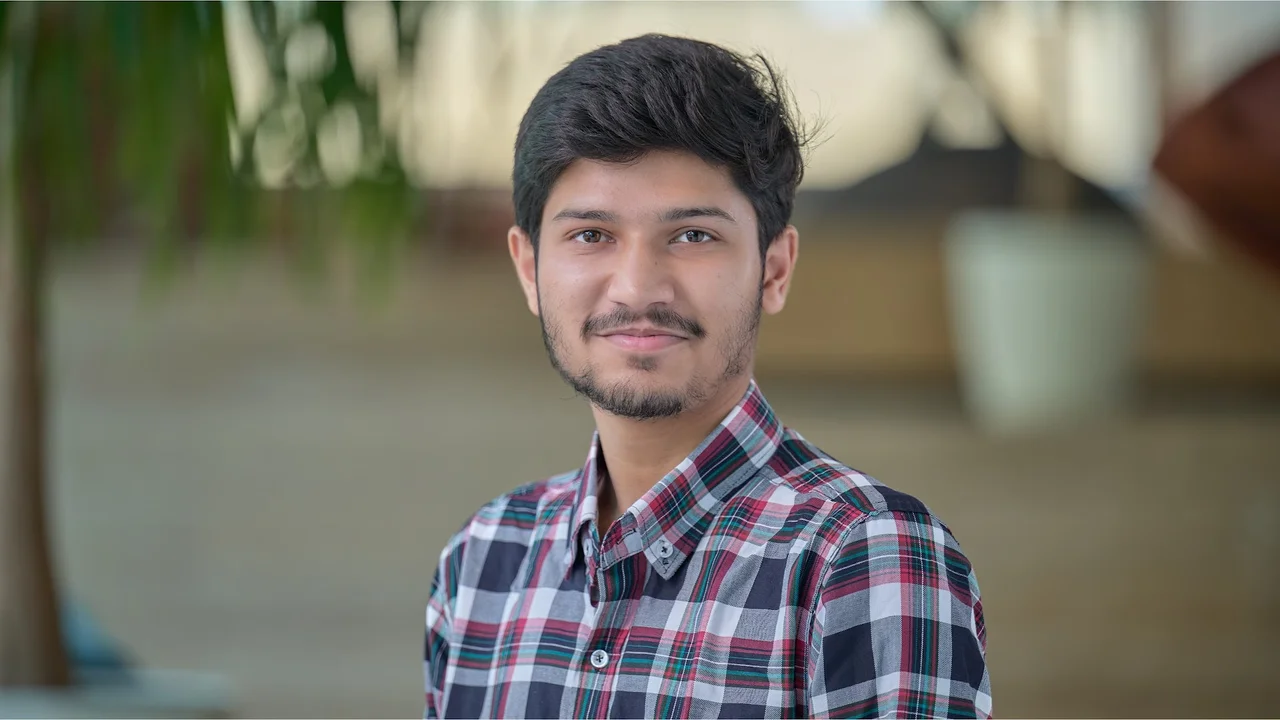
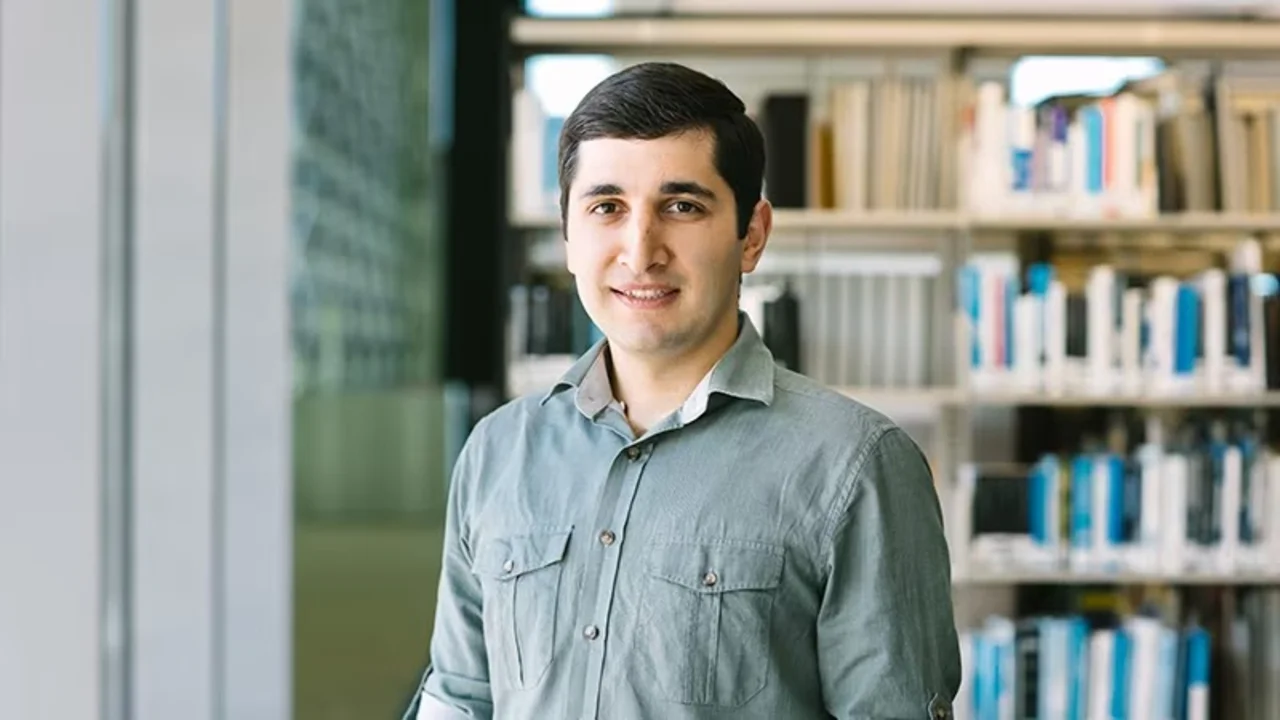
Yuri Ashrafyan
- Postdoctoral Research Fellow, Applied Mathematics and Computational Science
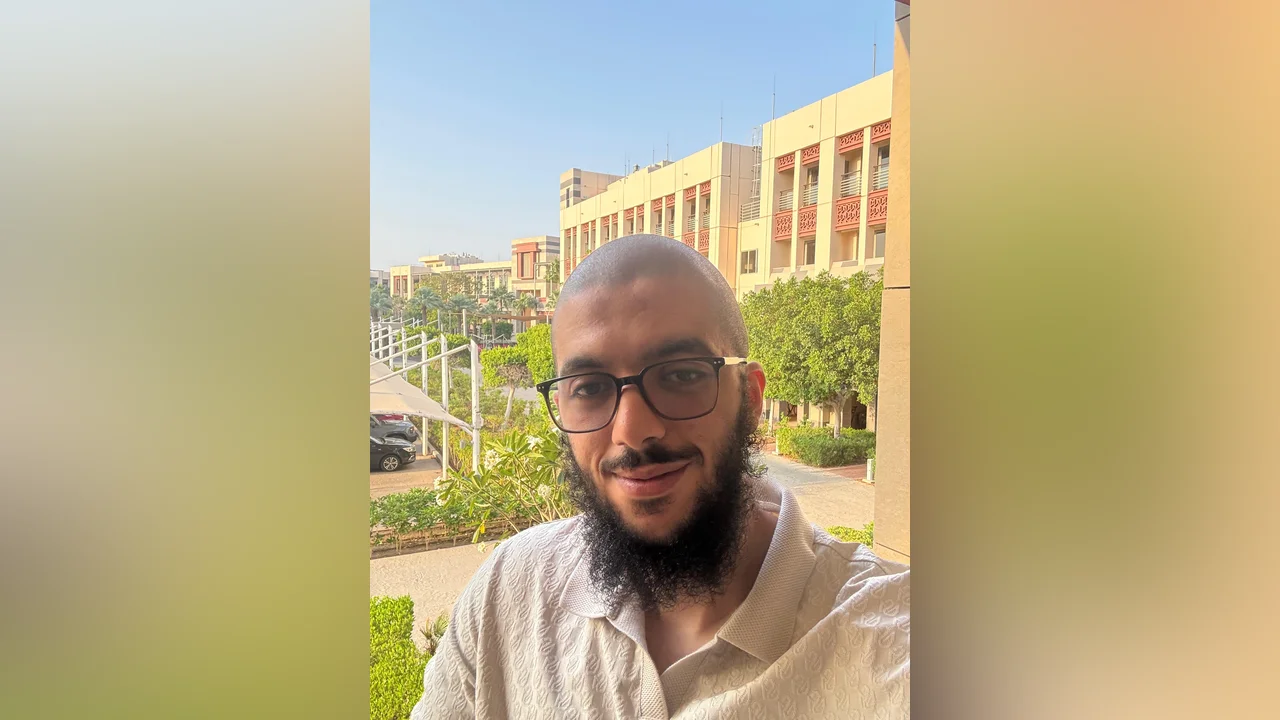
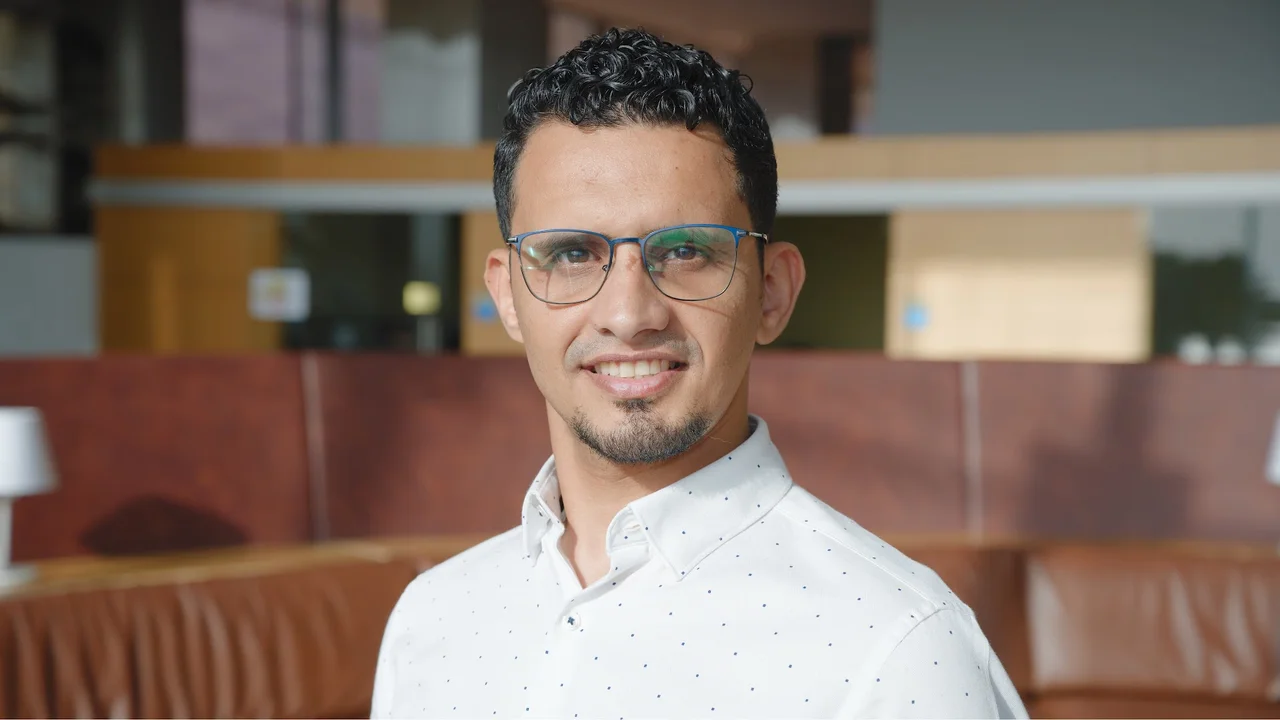
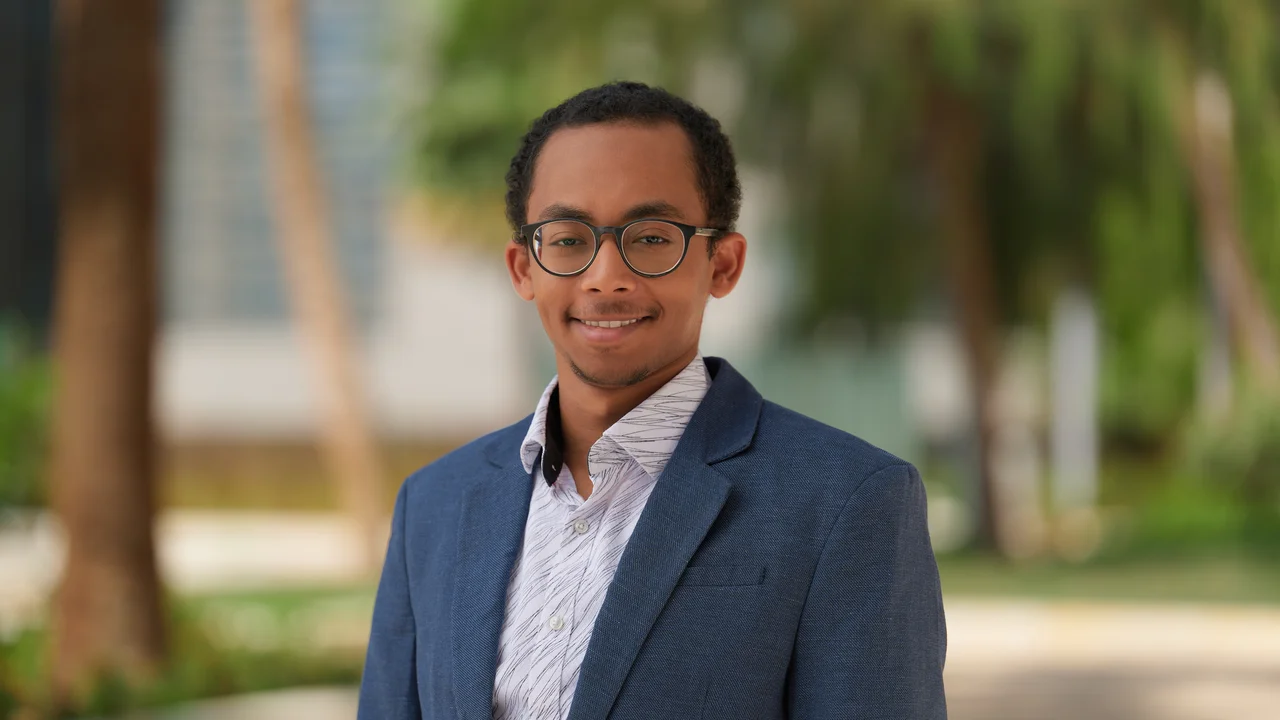
I defended my PhD thesis from KFUPM in January 2024. My thesis was about assessing the importance of morphology in language understanding for Arabic. I am the co-founder of arbml an open source initiative to support Arabic NLP research and tools. I am also a founding member of fihmai, which targets publishing resources that enrich AI content in Arabic. I was part of multiple open science projects like BigScience and Cohere for AI and helped the efforts to support Arabic NLP understanding in such initiatives.
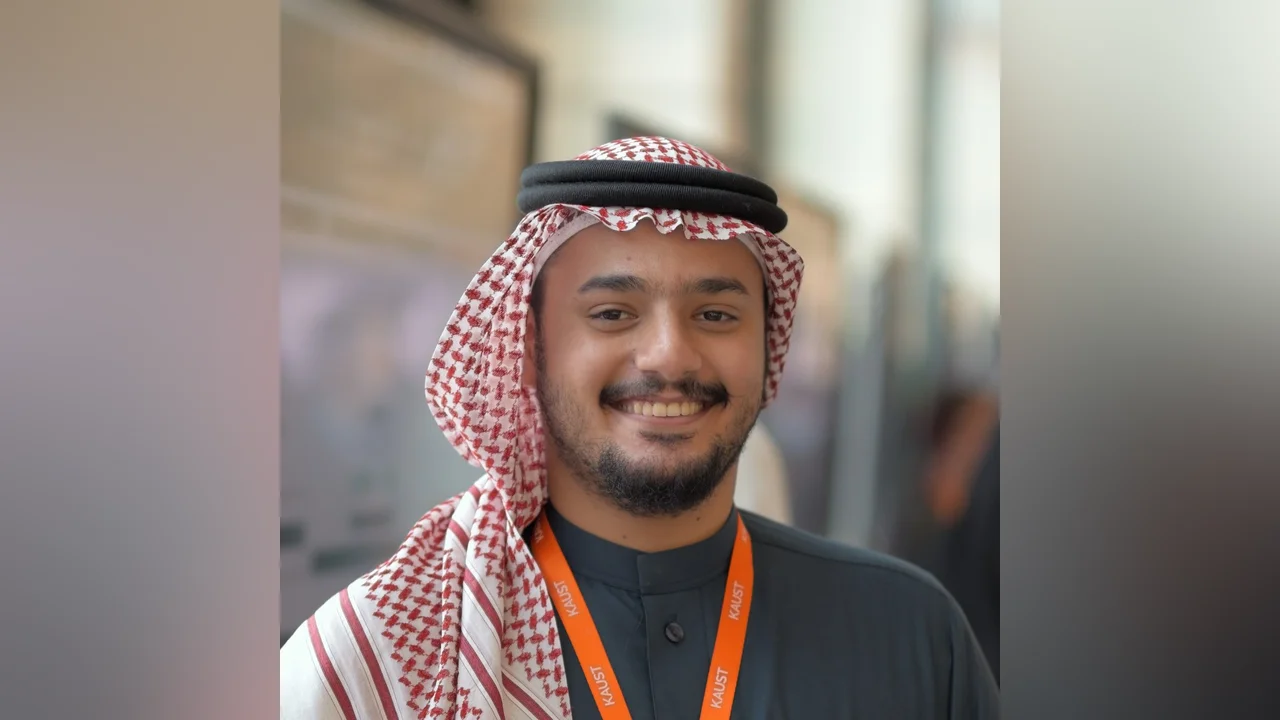
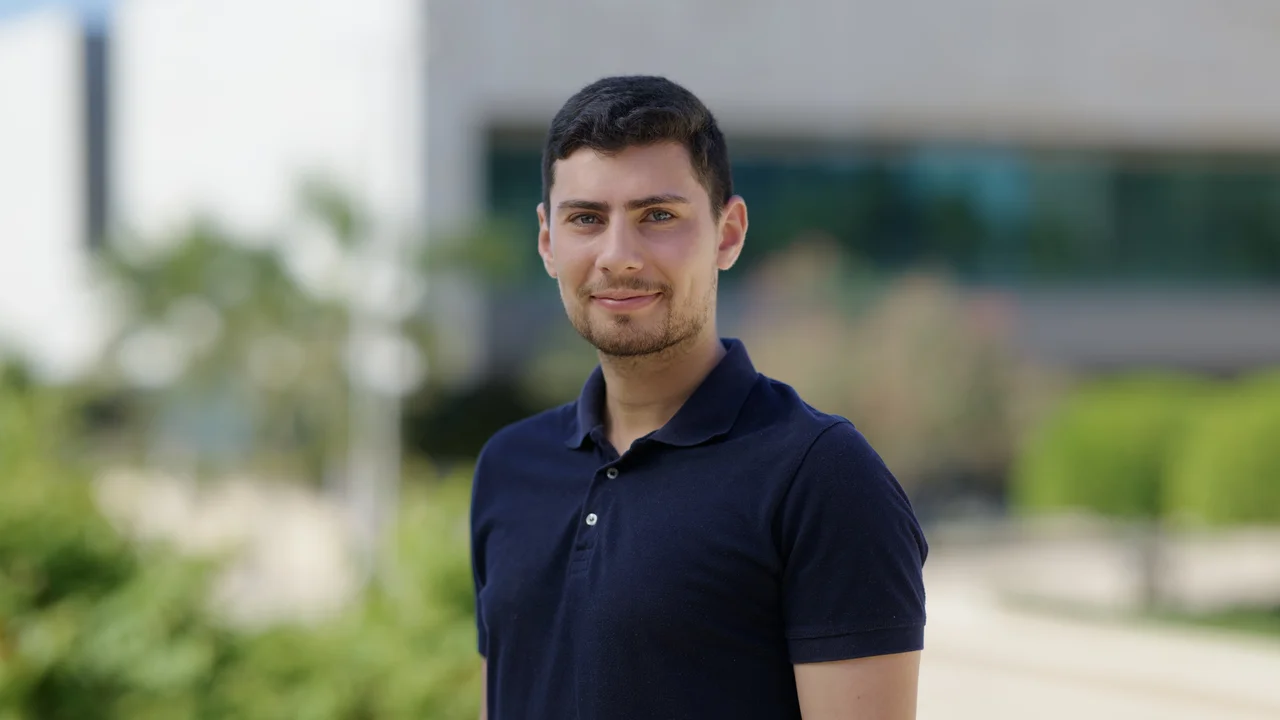
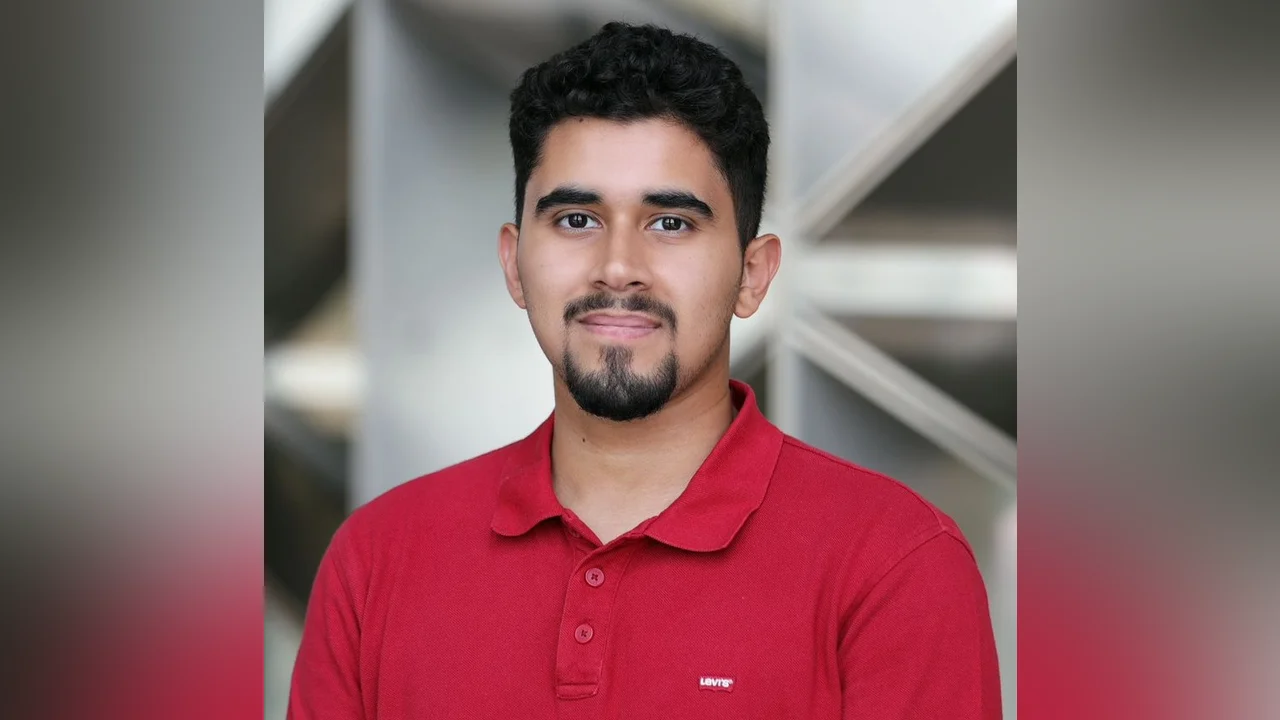
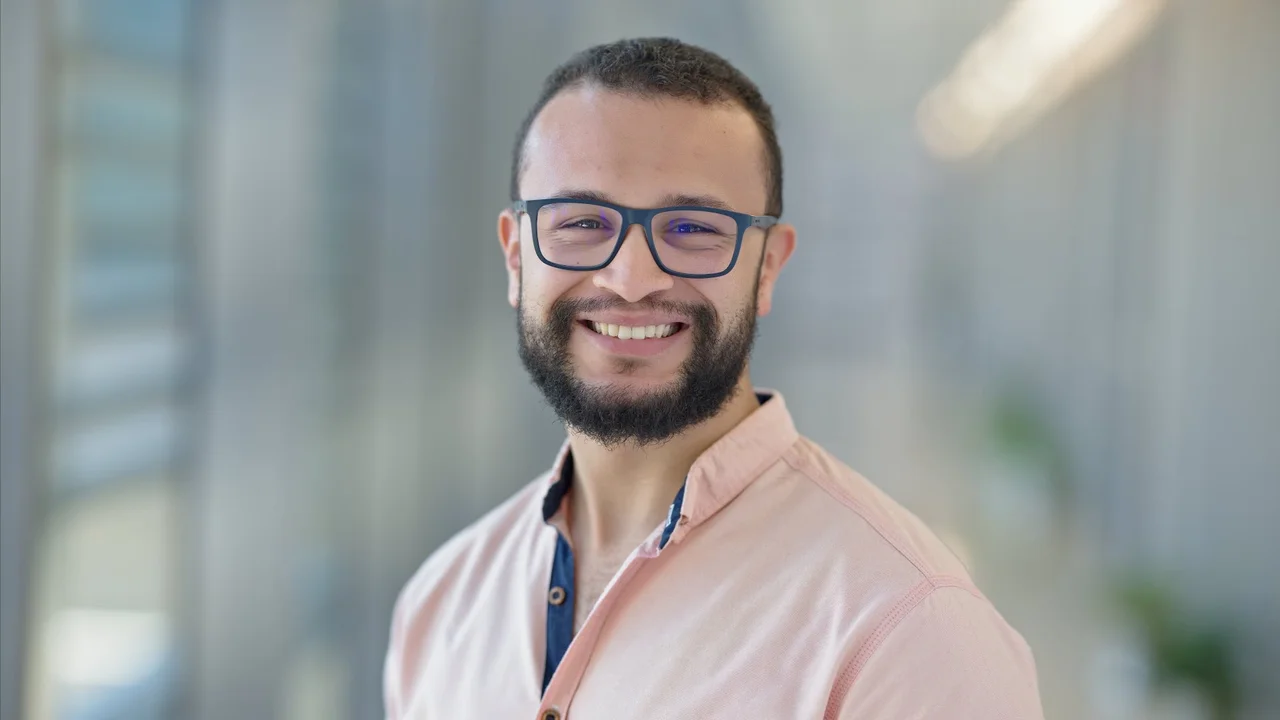
Abdelrahman Fatouh is an electrical and computer engineering master’s student at KAUST started in 2025, specializing in embedded systems, AI, and IoT. He holds a B.Sc. in Computer Engineering from King Saud University (2024) and has industry experience developing robotics and intelligent systems at multiple technology start-ups. His recent work includes EEG-based humanoid robot control for disabled people.
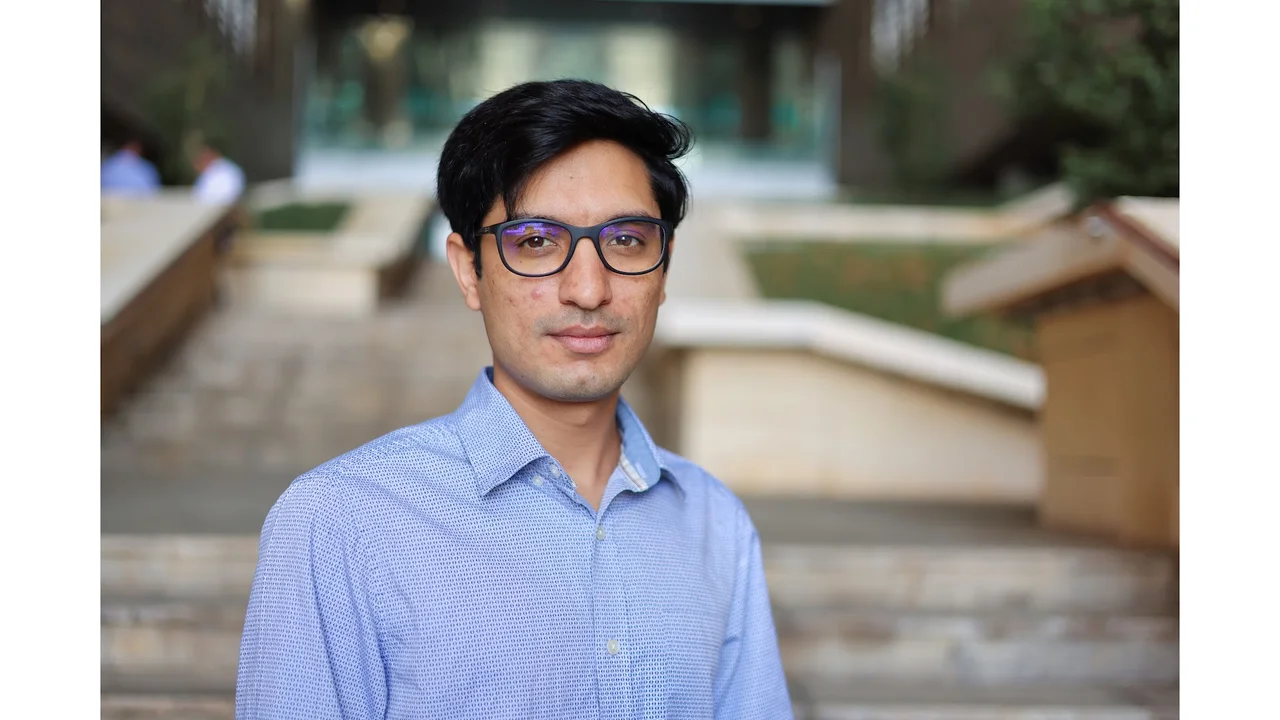
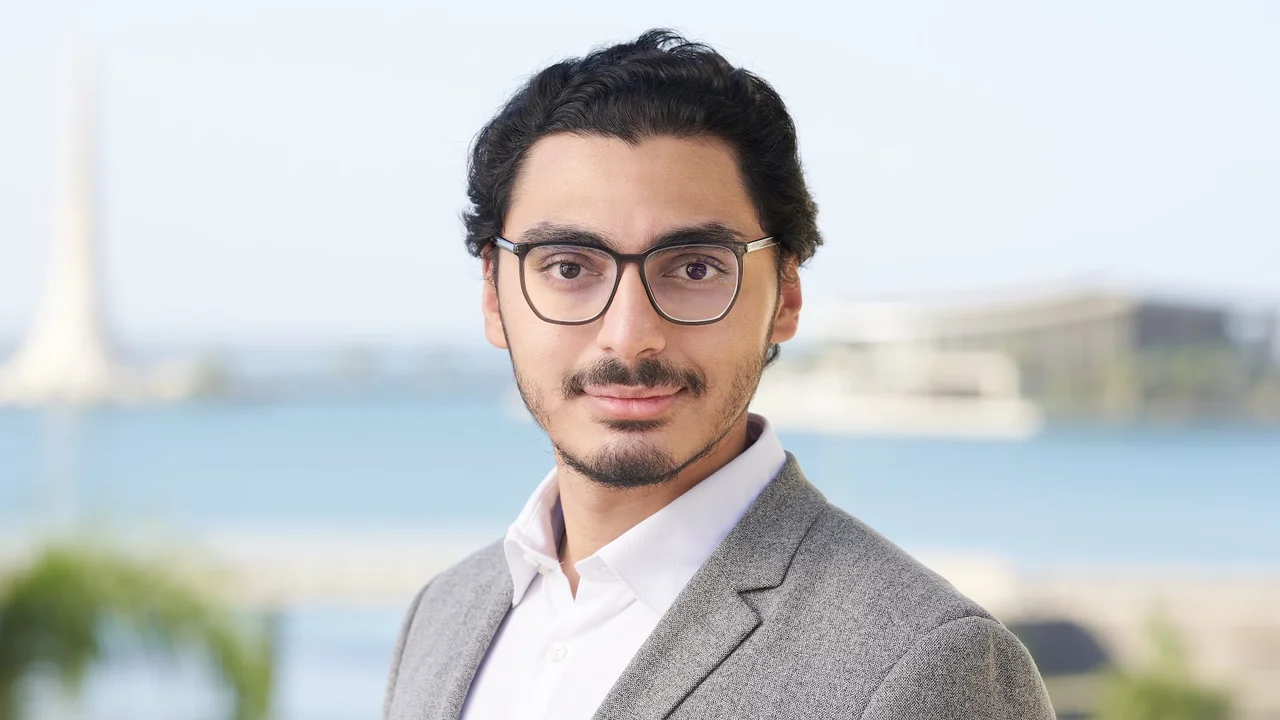
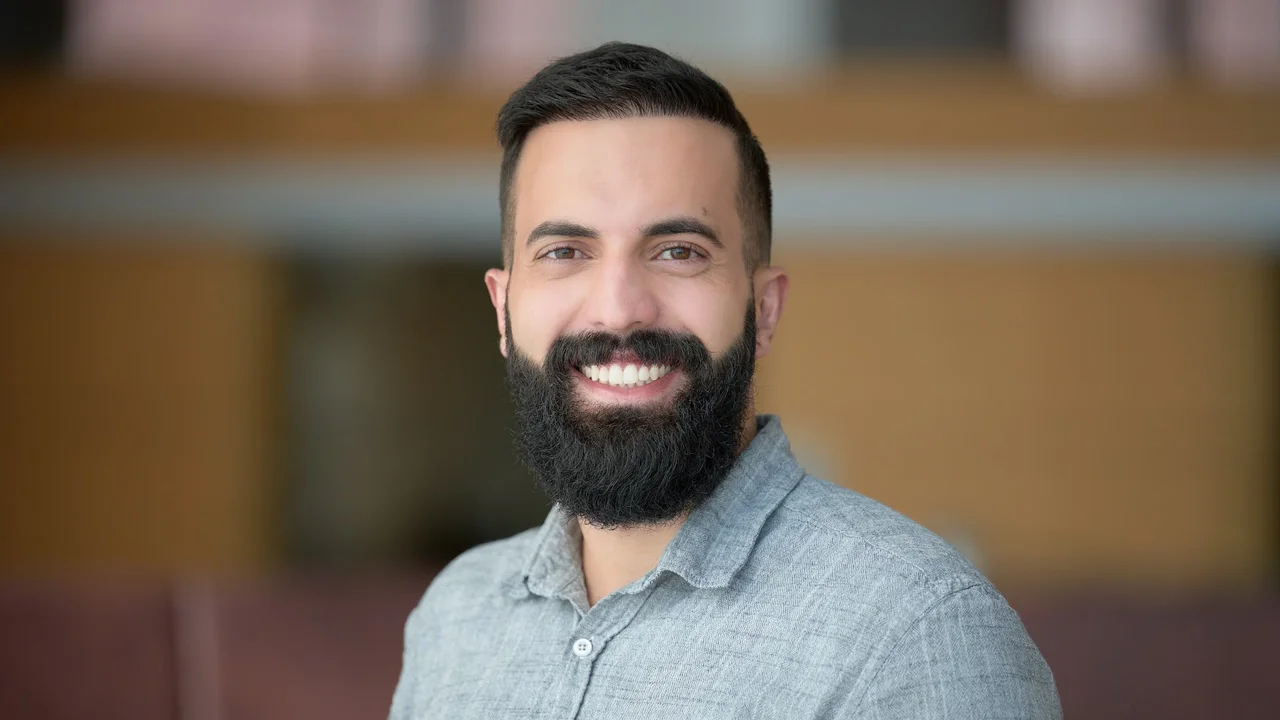
Abderrahmene Ben Romdhane is an Ms/PhD Student in the Stochastic Numerics Research Group (STOCHNUM) under the supervision of Professor Raúl F. Tempone at King Abdullah University of Science and Technology (KAUST).
Education Profile
Early Career
Abderrahmene's research interests include Numerical Analysis, Computational Finance, Uncertainty Quantification.
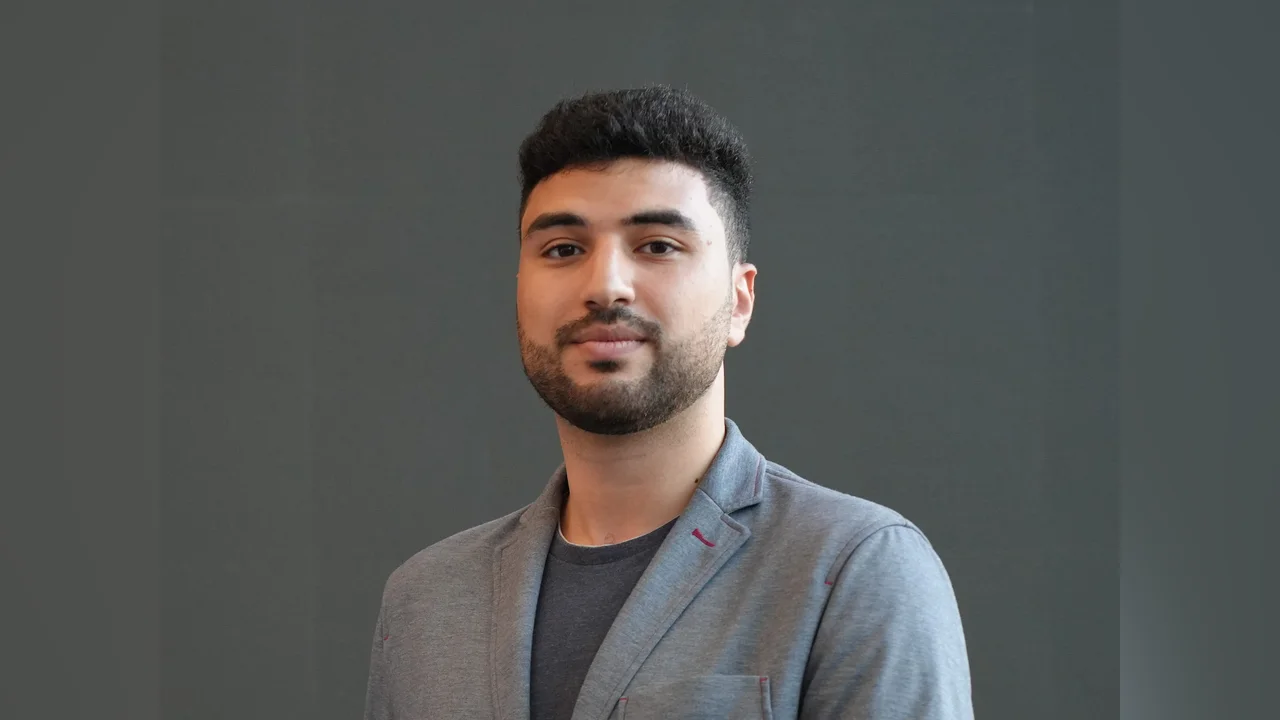
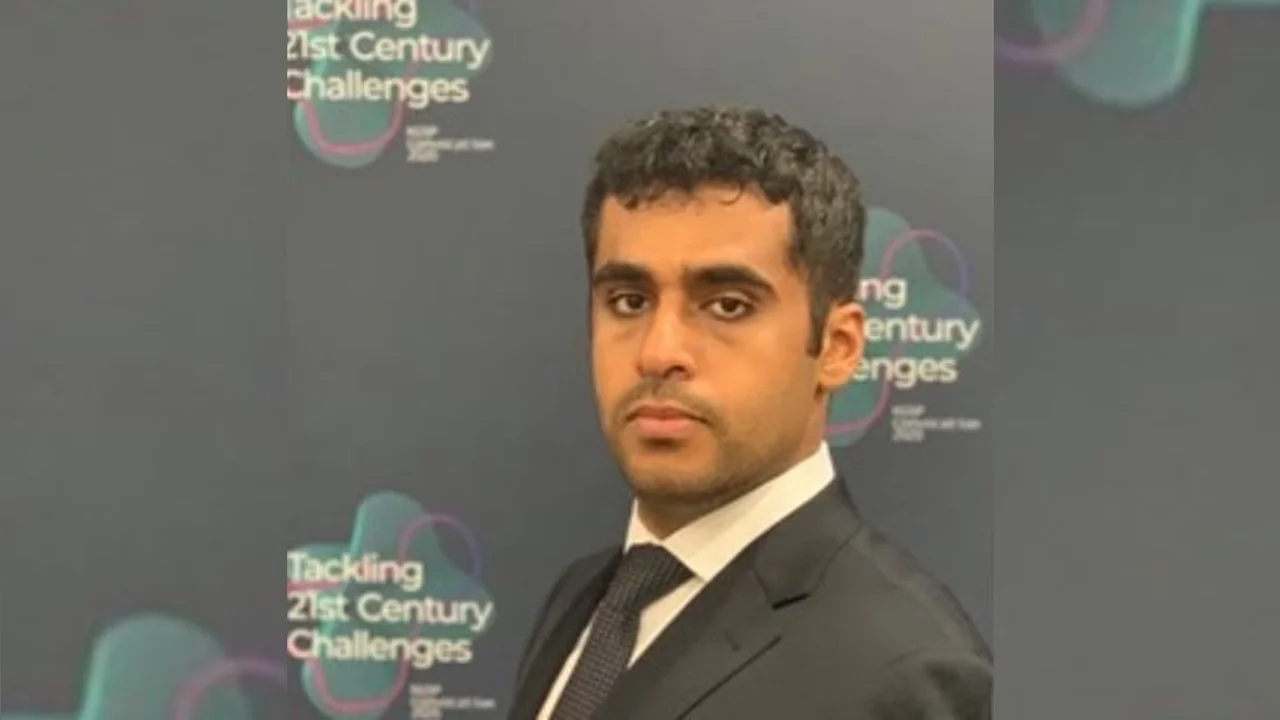
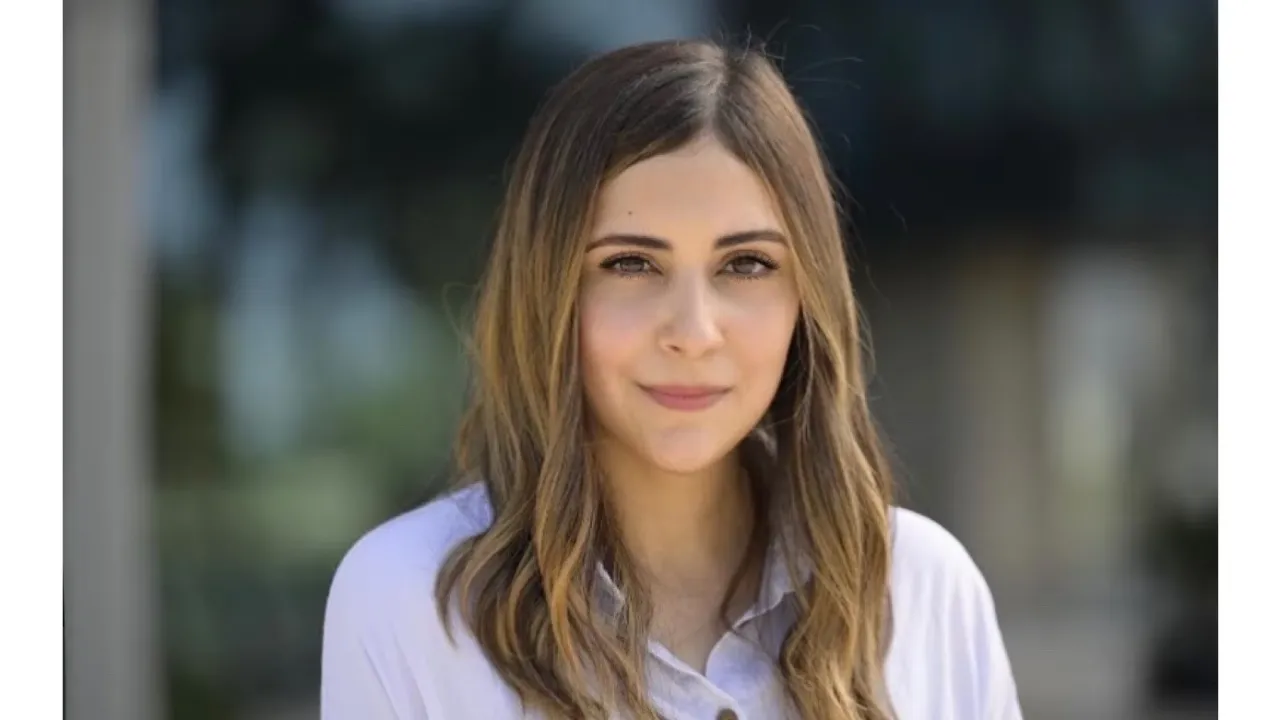
Abdullah Alquwayzani is a Ph.D. student at the Photonics Lab in the Electrical and Computer Engineering Department at King Abdullah University of Science and Technology (KAUST.) He received his M.S. degree from KAUST in 2022 with a thesis in characterizing the power consumption of a flexible system-on-chip. He recieved his B.S. degree in Electrical Engineering from Texas A&M University in 2020.
Optoelectronics
Abdullah Alshehri is a Ph.D. candidate in the Electrical and Computer Engineering (ECE) department at the Integrated Circuit and System (ICS) Research Group at King Abdullah University of Science and Technology (KAUST).
Alshehri received his Bachelor of Science degree in Electrical and Electronics Engineering from the University of Brighton in the United Kingdom in 2014. In 2016, he earned his master's degree in Electrical Engineering (Electro-physics) from KAUST in Saudi Arabia.
Alshehri's research focuses on designing low-power, high-speed CMOS interface circuits for sensors. He has published over 10 papers and obtained a patent. Throughout his academic and professional journey, Alshehri has gained valuable experience from positions at companies such as STC, Digital Network, ARAMCO, SEMC, Umm Al Qura University, and KAUST.
Abdullah's research interests focus on the design of low-power, high-performance interface circuits for advanced applications. Specific areas of focus include:
AbdulRahman Mohammad Alharbi is a Ph.D. candidate in Applied Mathematics at King Abdullah University of Science and Technology (KAUST), working under the supervision of Professor Diogo Gomes. His primary area of research focuses on first-order mean-field games on bounded domains, with an emphasis on entry-exit flow constraints, contact-set conditions, and the analytical challenges posed by nonstandard boundary behavior.
AbdulRahman received his M.S. degree in Applied Mathematics from KAUST in 2019, with a thesis exploring the Lp-integrability of Green’s functions for elliptic differential operators. Prior to that, he received his BA in Mathematics from Rutgers University with a minor in Physics in 2017.
In addition to his research, AbdulRahman has held teaching roles at KAUST and the Islamic University of Madinah, assisting in courses on calculus, linear algebra, and partial differential equations at both undergraduate and graduate levels. He has also participated in and presented his research at international and local conferences, including the American Institute of Mathematical Sciences (AIMS ) Conference on Dynamical Systems, the conference of the S ITE center hosted by NYU Abu Dhabi, and the CMSA conference hosted by the Saudi Association of Mathematics (SAM).
His most recent work examines the well-posedness of MFG systems with nonstandard mixed boundary conditions, variational formulations of MFGs, the local regularity of weak solutions, and the monotone operator structure underlying such systems. These topics lie at the interface of partial differential equations, variational analysis, and optimal control.
First-order mean-field games, linear and quasi-linear elliptic equations, the transport equation, and free boundary problems.
Abeer Alamoudi received the B.Sc. degree in Electrical and Computer Engineering from Effat University, Jeddah, Saudi Arabia, in 2019. She received the M.Sc. degree from KAUST in 2021 and is currently pursuing a Ph.D. with the Communications and Computing Systems Laboratory (CCSL).
Abeer’s research focuses on Human Body Communication (HBC) and energy-efficient Internet of Bodies (IoB) networks, including capacitive access schemes and deep reinforcement learning enabled networks.
I hold a Bachelor’s degree in Mechatronic Engineering from Universidad Autónoma de Bucaramanga, a Master’s in Artificial Intelligence and Robotics from the International University of Applied Sciences in Germany, and am pursuing an M.Eng. in AI at the University of Cincinnati. My early career combined machine learning engineering and software development, leading projects in computer vision, NLP, and robotics. I have contributed to AI solutions in retail, UAV systems, and edge devices, and authored professional courses on neural networks and computer vision.
My research interests include computer vision, deep learning, and AI for robotics. I focus on developing perception and reasoning systems for real-world applications, such as retail analytics, UAV navigation, and edge computing. I am also interested in reinforcement learning and multimodal AI systems that combine visual, thermal, and language data.
Computer Vision, Edge Machine Learning, Generative Modeling.
Ahmed Abdali graduated from the University of Bahrain with a BSc in Mathematics in 2022.
Nonlinear PDEs and applications.
Ahmed Hussain received his B.E. degree in Avionics Engineering from the National University of Sciences and Technology (NUST), Islamabad, Pakistan, in 2014. He earned his M.S. degree in Avionics Engineering from the Aerospace and Aviation Campus, Kamra, Pakistan. During his undergraduate studies, he was awarded the President’s Gold Medal for achieving the highest GPA and the Rector’s Gold Medal for the best project. He is currently pursuing a Ph.D. degree at King Abdullah University of Science and Technology (KAUST), Saudi Arabia.
His research interests include deep learning-enabled near-field communication, digital array signal processing, and wireless communications.
Alejandro Pardo is a final-year Ph.D. student at KAUST, advised by Prof. Bernard Ghanem. His research explores the intersection of computer vision and creativity, with a focus on automating video editing using generative models. He previously earned his M.Sc. under Pablo Arbeláez and has interned at Intel's Embodied AI Lab and Adobe Research. Alejandro is passionate about bridging technology and storytelling.
He is specialized in Image processing and analysis, and interested in topics related to the investigation in Artificial Intelligence and Computer Vision. Besides that, he’s knowledgeable in machine learning and deep learning.
Aleksandar Cvejic obtained his bachelor with honors in electrical and computer engineering from University of Novi Sad in 2019. After which, he continued to pursue master’s degree at the same university while specializing in artificial intelligence and obtaining the degree in 2021. During his master studies, he also worked as a TA for several courses, including Algorithms and data structures, Fundamental of information systems and software engineering, Xml and Web Services, Numerical algorithms and numerical software, basics of computing.
Aleksandar Cvejic is interested in topics related to deep learning, machine learning and computer vision.
Amani Ageeli is a Ph.D. candidate in Computer Science at King Abdullah University of Science and Technology (KAUST), working in Prof. Markus Hadwiger research group High-Performance Visualization Group. She earned her master’s degree in Computer Science from KAUST and her bachelor’s degree in Computer Science from Umm Al-Qura University. Her doctoral research focuses on developing compact, efficient approaches for analyzing large-scale, time-dependent scientific data. Throughout her studies, she has contributed to teaching and supporting visualization and programming courses, and has also taught pre-university students through KAUST educational programs such as KVA and Space2101.
Amani is passionate about computer graphics, scientific visualization, real-time rendering, and virtual and augmented reality. Aside from research, Amani enjoys teaching, she joined as a TA in couple of graduate courses and for high school student program. Amani has experience in design and technical illustration, with interests spanning GPU-based visualization, real-time rendering, scientific visualization, and scientific illustration.
Amin Almozel is a PhD candidate whose research focuses on simulation, optimization, and autonomous mobility systems. His work includes developing a city-scale drone-traffic simulator and an unmanned traffic management framework that integrates logistics applications such as autonomous food delivery. Throughout his doctoral studies, Amin has been dedicated to advancing safe, efficient, and scalable air-traffic solutions for urban environments. His broader interests include intelligent transportation systems, real-time planning, and high-fidelity modeling of autonomous agents.
Amr N. Abdelrahman received his B.Sc. (Hons.) degree in Nanotechnology and Nanoelectronics Engineering from the University of Science and Technology, Zewail City, Egypt, in 2021, and his M.Sc. degree in Electrical and Computer Engineering from King Abdullah University of Science and Technology (KAUST), Saudi Arabia, in 2023. He is currently pursuing a Ph.D. at KAUST. In 2024, he was a visiting scholar at Polytechnique Montréal, Canada.
His research focuses on the development of ultra-low-power transceivers for next-generation wearable devices using human body communication (HBC). His work aims to enable wire-free connectivity between low-power wearable sensor nodes without relying on traditional RF or wired links.
Amr's research interests include human body communication, analog and mixed-signal circuit design, and low-power electronics for biomedical applications.
Bachelor of Science in Kazakhstan Branch of Lomonosov Moscow State University Major study was 'Applied Mathematics and Computer Science' and minor 'Control Theory for Nonlinear Dynamic systems and processes' 1 year of experience as ML Engineer in R&D team at a startup BSc diploma project 'Developing mathematical model for drones group patrolling using reinforcement learning'
Computer Vision applications in Autonomous Systems, Multi-Agent Reinforcement Learning, Autonomous Vehicles, Robotics