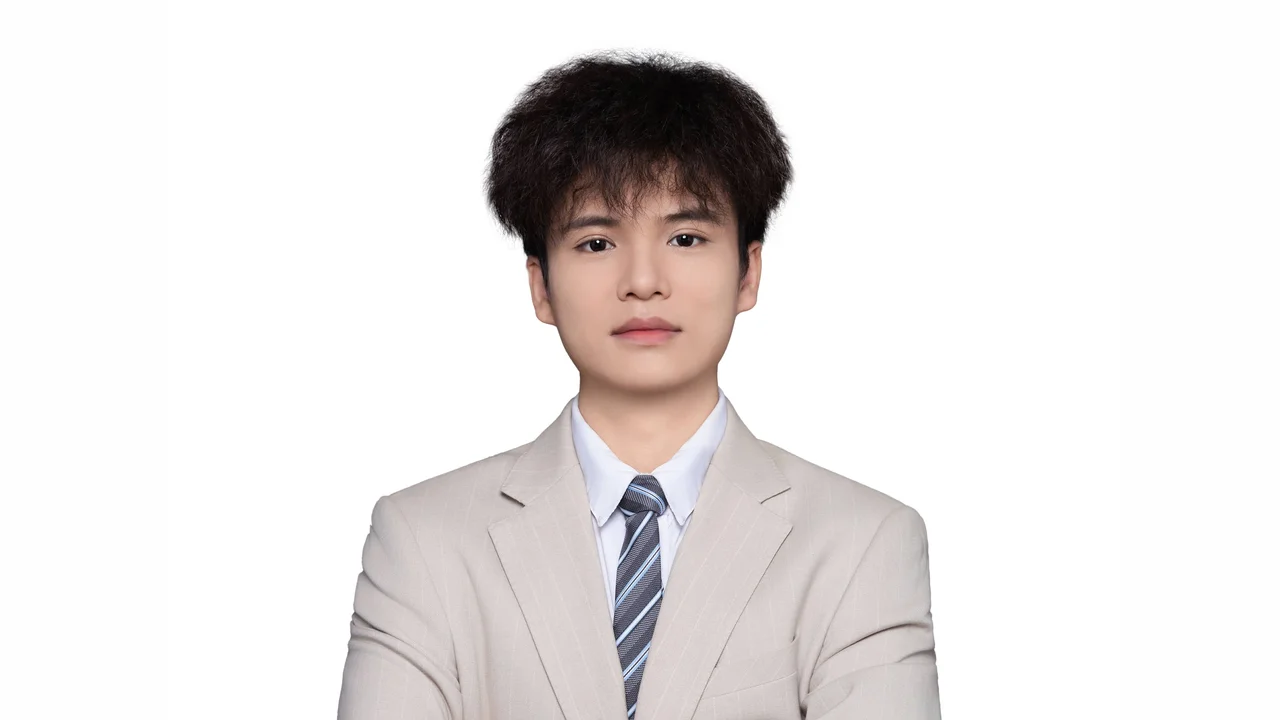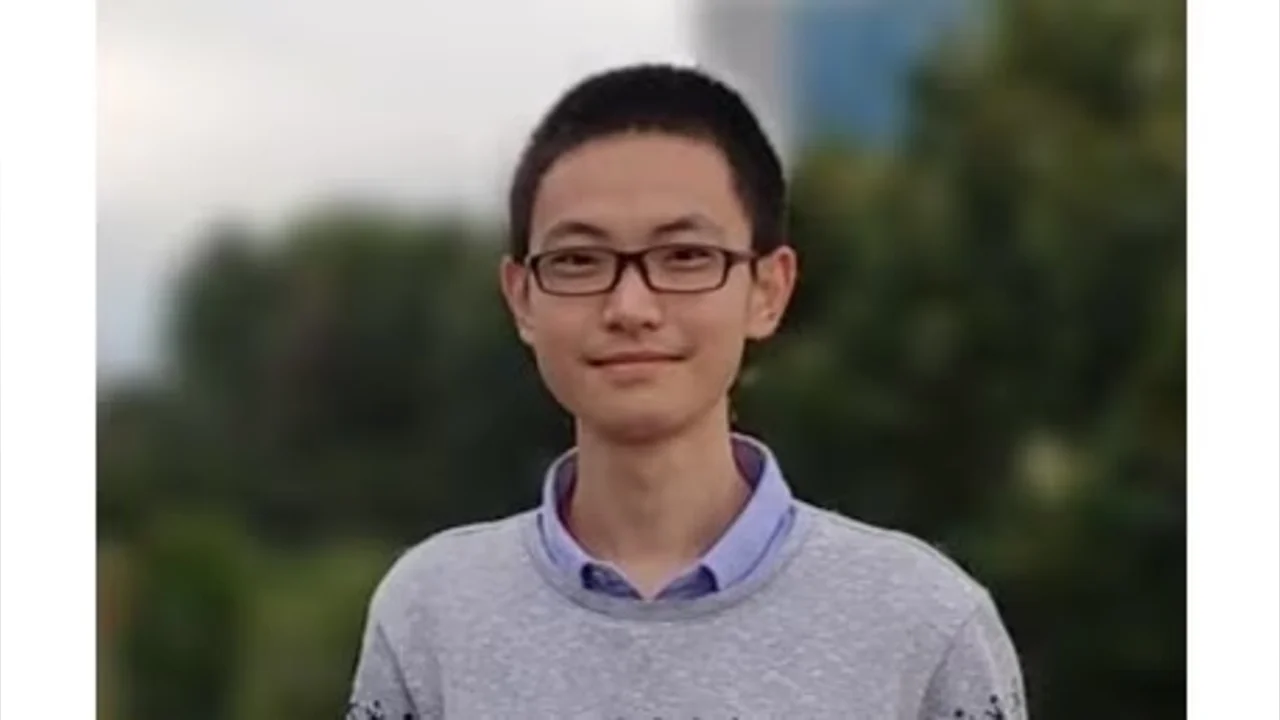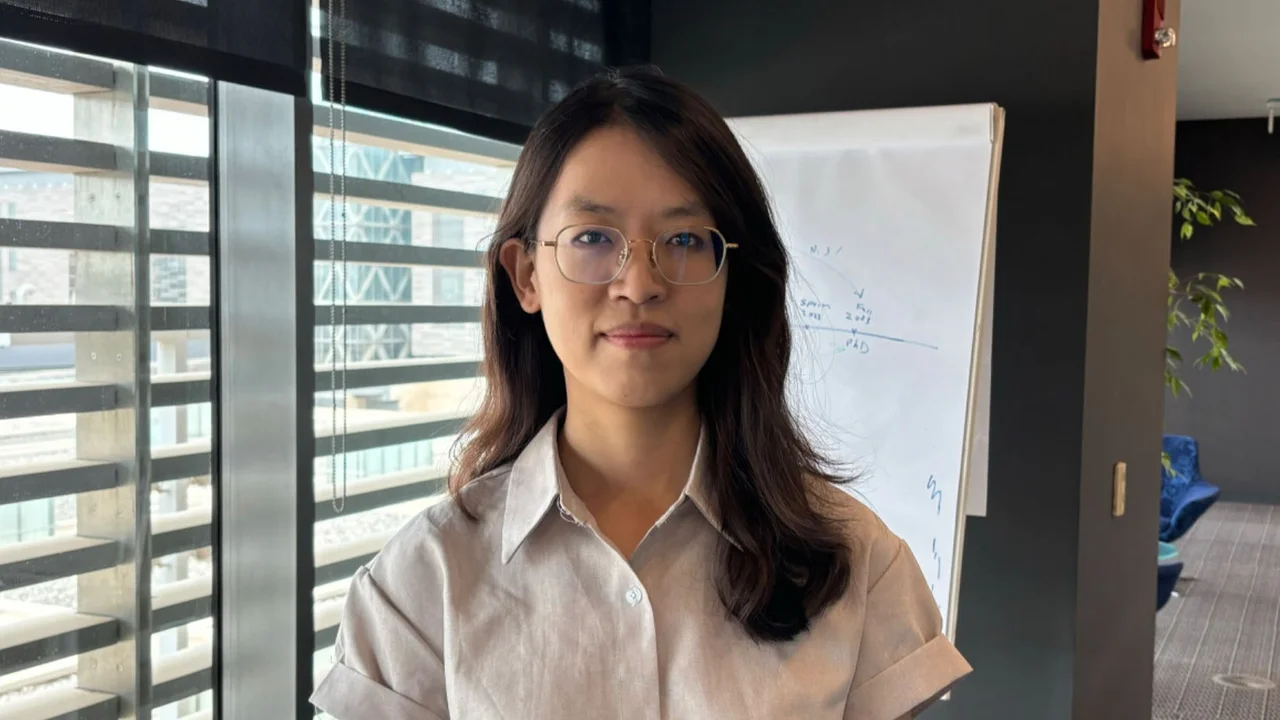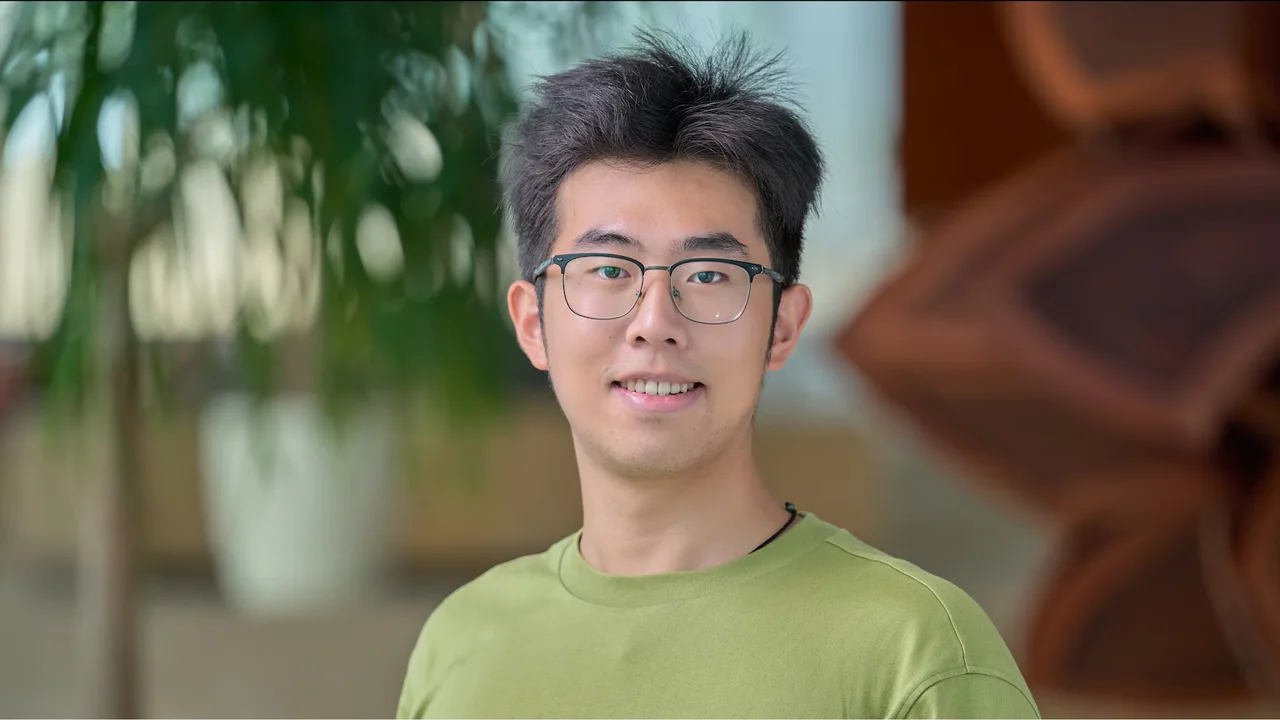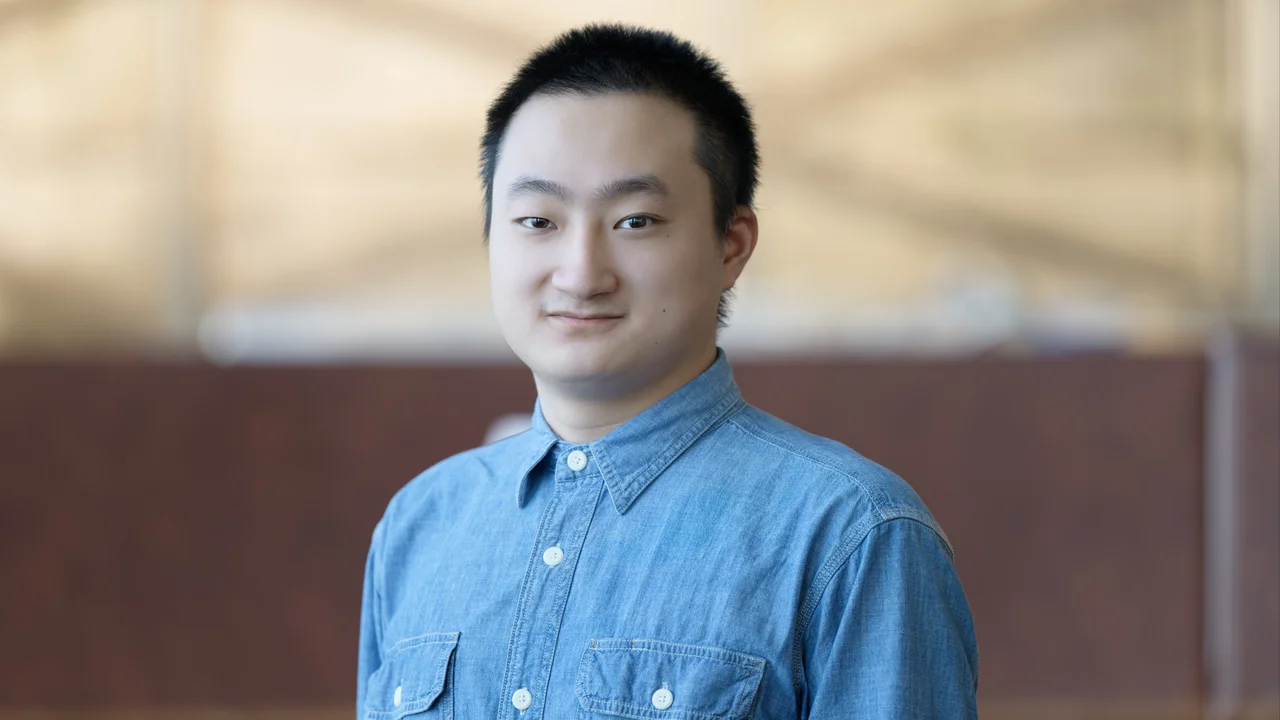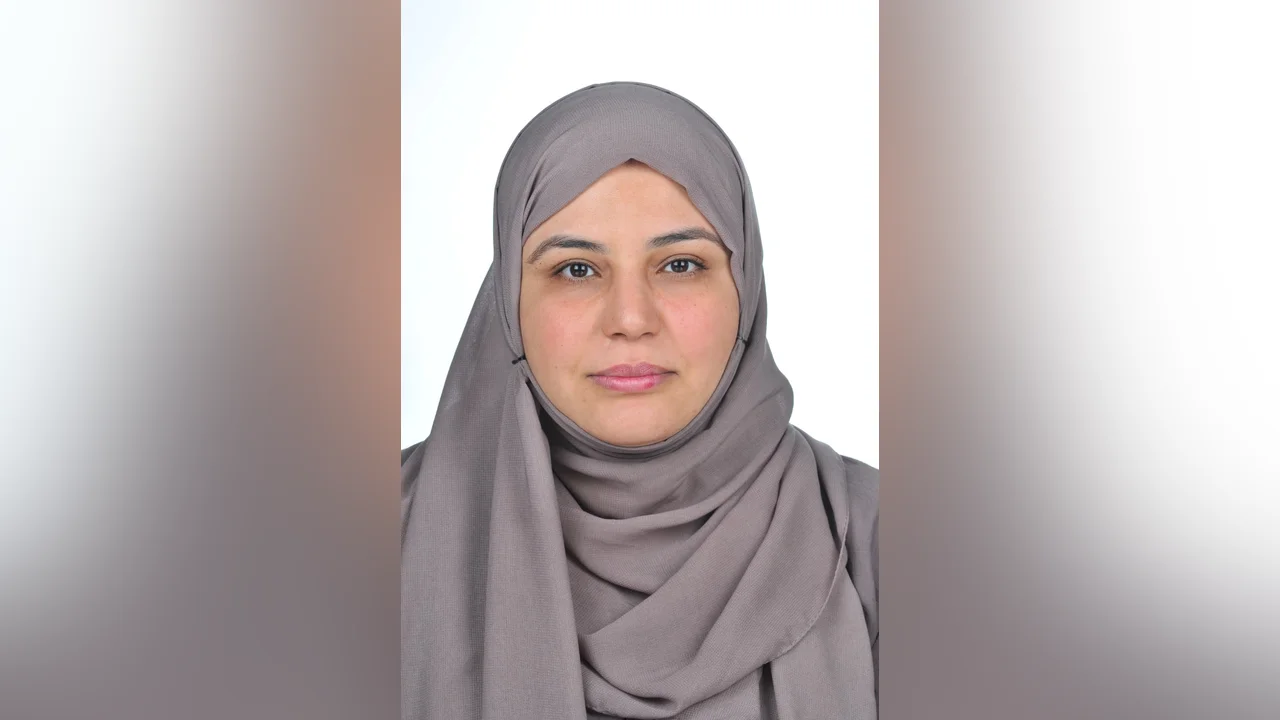
Weiyu Ma
- Ph.D. Student, Computer Science
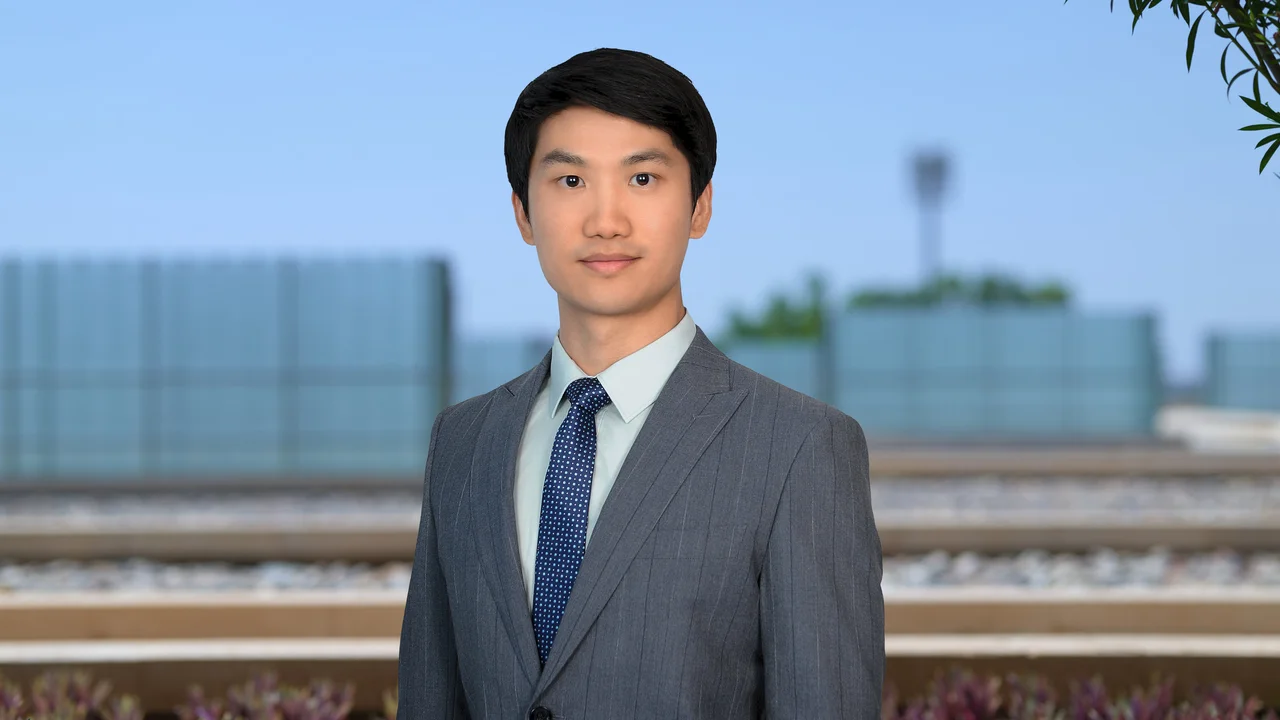
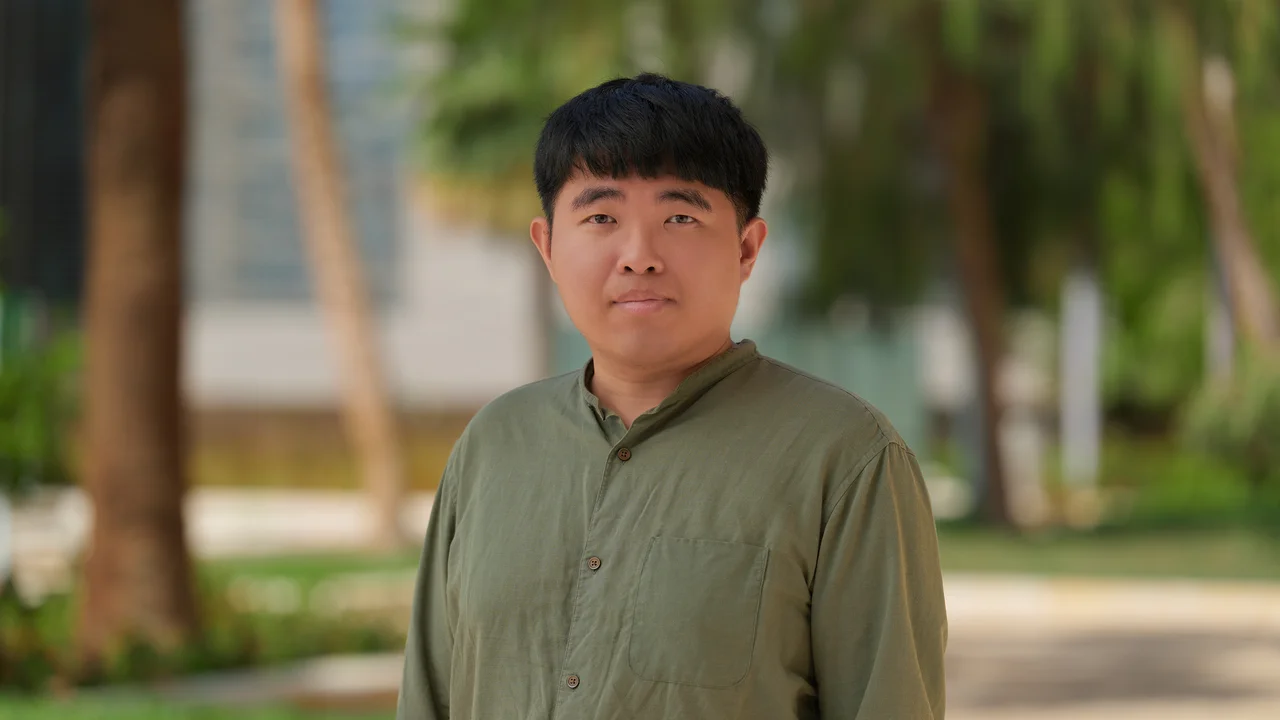
Wenbo Yan received the B.Eng. degree in Materials Science and Engineering from South China University of Technology, China, in 2021, and M.S. degree in Material Science and Engineering in 2022 from King Abdullah University of Science and Technology (KAUST). He is currently pursuing the Ph.D. degree in Electrical and Computer Engineering at KAUST under the supervision of Prof. Boon S. Ooi.
Wenbo's research focuses on VCSEL design, coherence engineering, thermal management, optical communication, and photonic device fabrication.
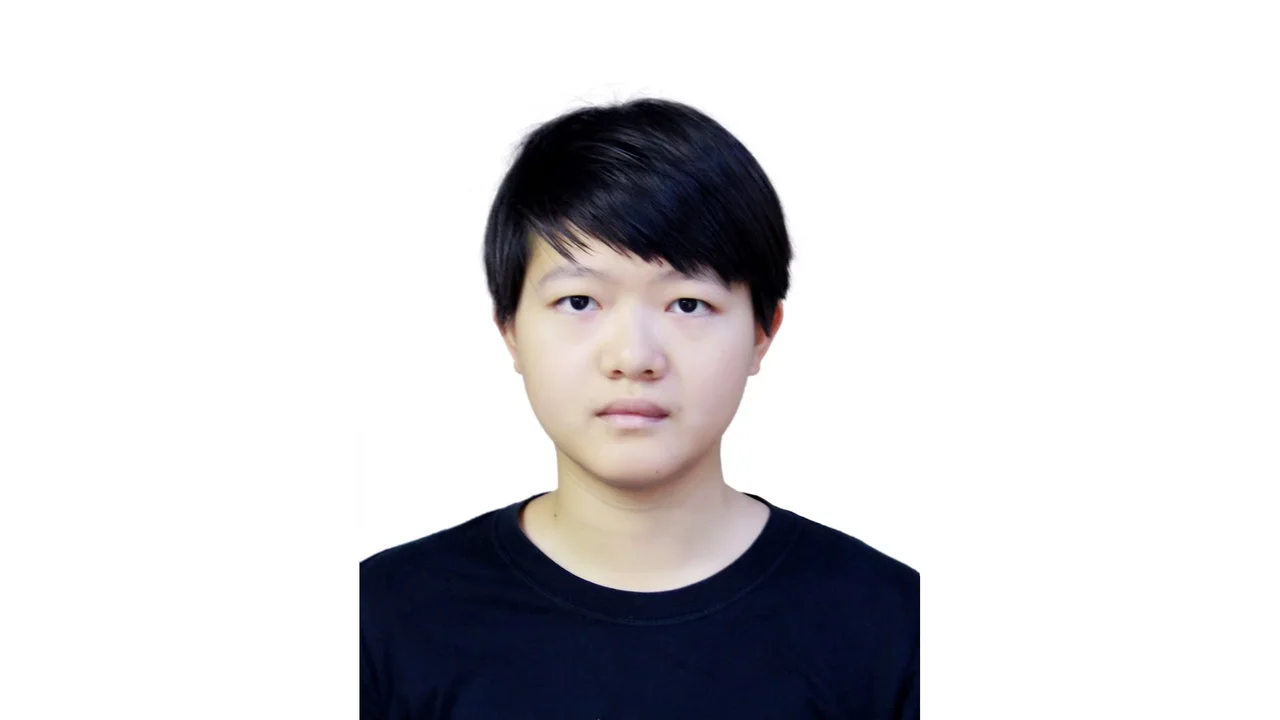
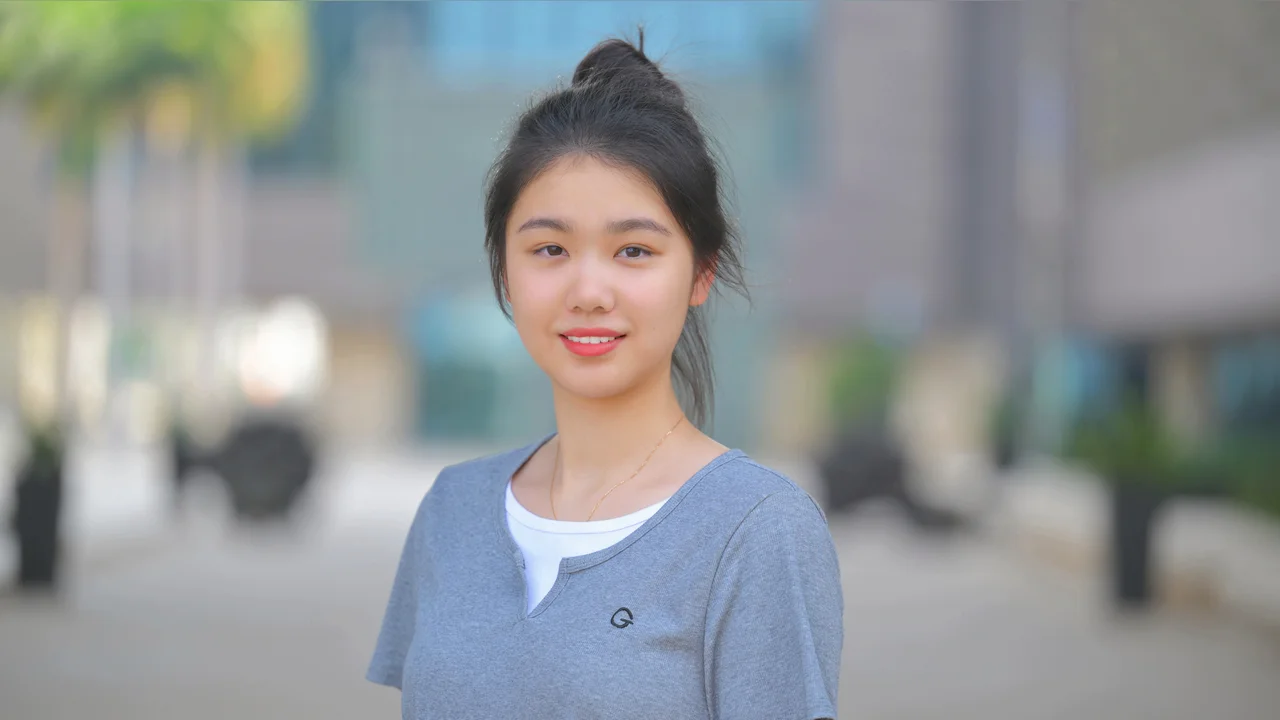
Wenxuan Zhang is a Ph.D. student in Computer Science at King Abdullah University of Science and Technology (KAUST). She is part of the Vision-CAIR group advised by Prof. Mohamed Elhoseiny. Before joining KAUST, she obtained an M.S. degree in Applied Mathematics and Computer Science from the University of Penn (Penn) in 2021 and B.S. degree in Mathematics and Applied Mathematics from Beijing Normal University (BNU) in 2019.
Wenxuan Zhang research focuses on post-training and self-evolving agents. Specifically, agentic reasoning and bootstrapping the agentic ability of VLMs at both training and inference time. Her research also investigates agent alignment to ensures an agent acts in line with safety limits, intended goals, values, constraints, and following human instructions during training of LLMs/VLMs. And her work in general post-training focuses on preserving general knowledge while updating pre-trained foundation models.
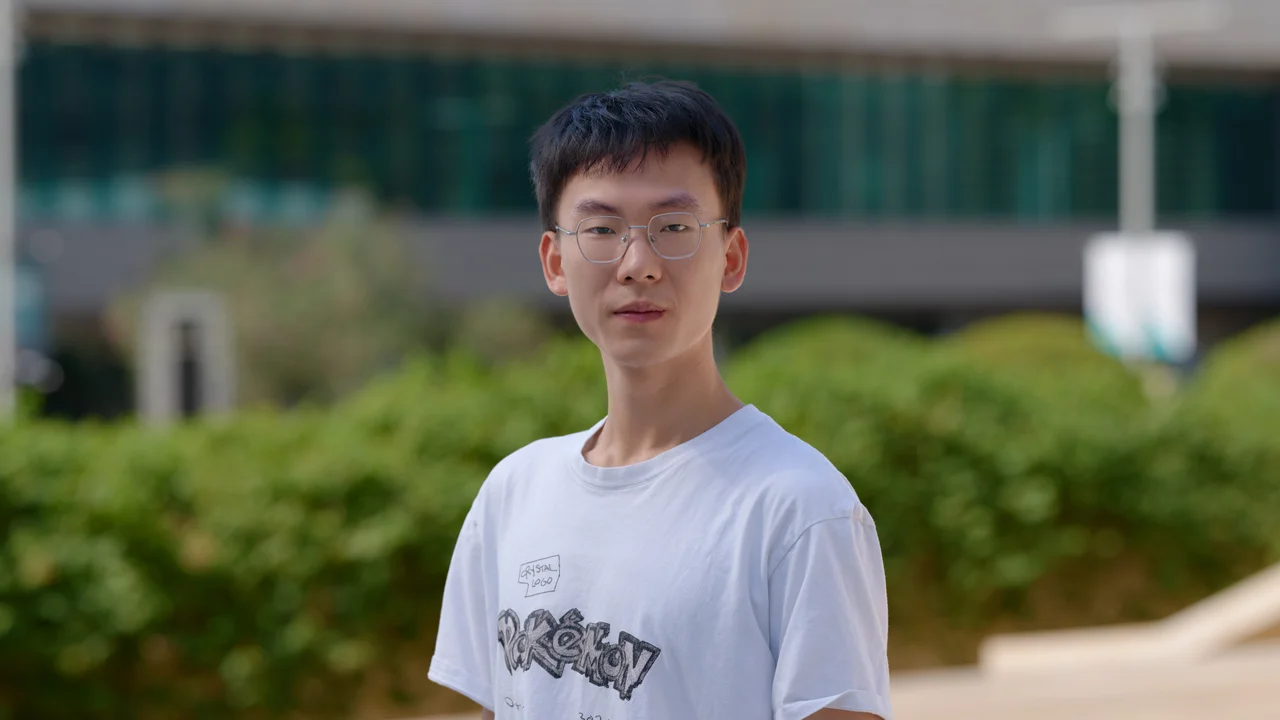
William He is a Ph.D. student at the Integrated Photonics Laboratory under the supervision of Prof. Yating Wan at King Abdullah University of Science and Technology (KAUST). Before joining KAUST, William did his undergraduate study in University of California, Santa Barbara (UCSB), ranked in the top ~10% and obtained Dean's Honors for his outstanding performance. William has actively participated in research since his second year in UCSB and has been a co-author of three high-quality journals. Besides academic research experiences, William has also been actively participating in several volunteer work, extracurricular activities, and one internship in Pacific Transformer Corporation in United States.
William's research interests include integrated Si photonics and its applications in data centers.
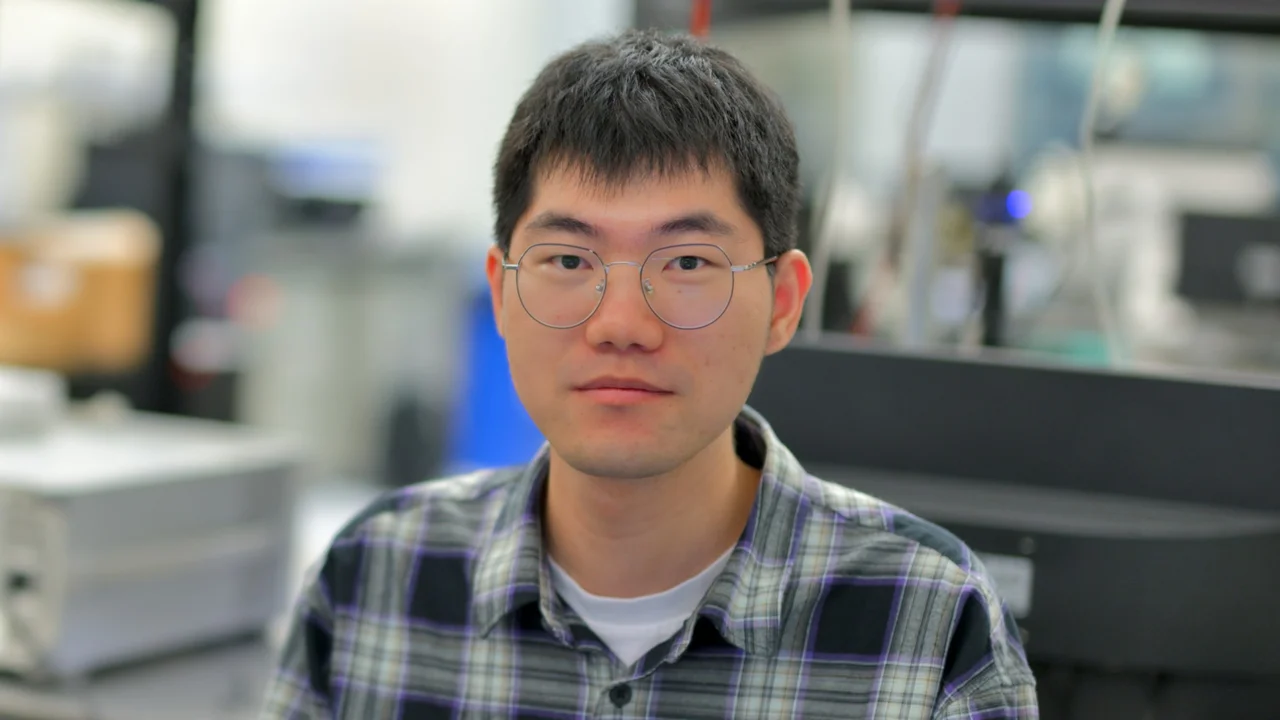
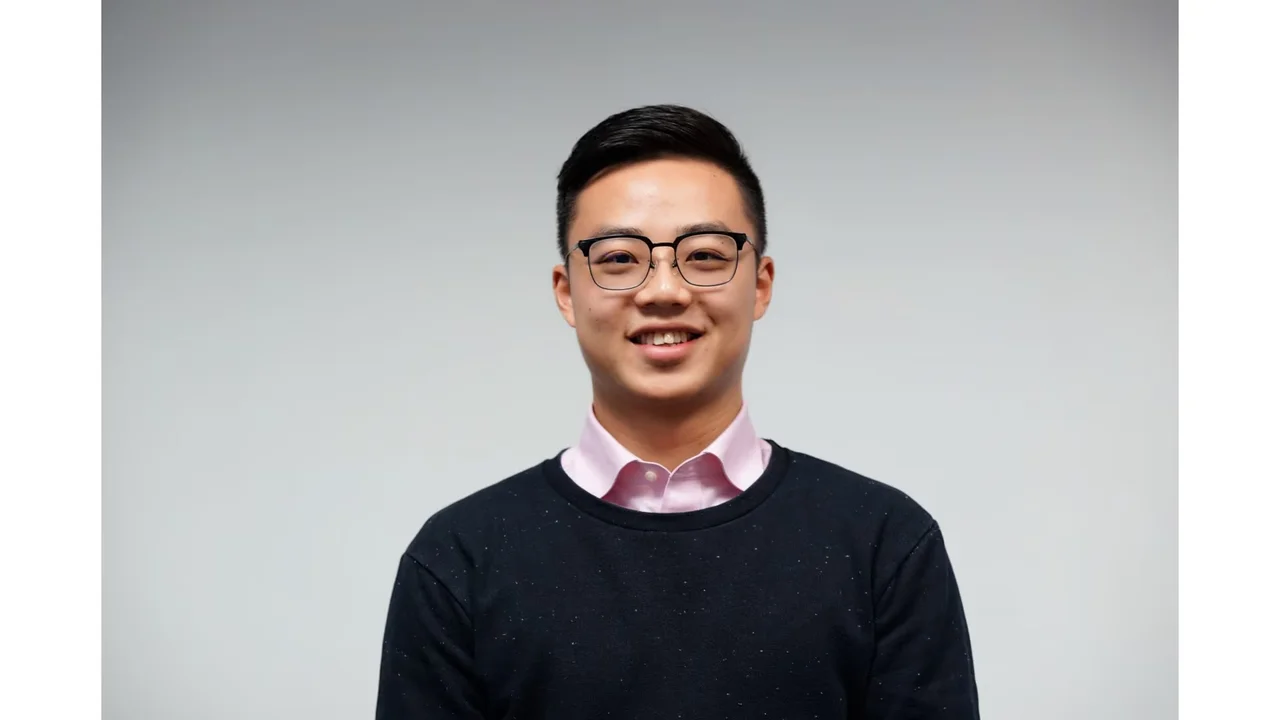
Xiang Ye is a Ph.D. student in Statistics at King Abdullah University of Science and Technology (KAUST), advised by Prof. Håvard Rue.
Xiang Ye's research focuses on latent Gaussian models and directional statistics. He is enthusiastic about fast Bayesian computational methodologies and latent variable modeling, especially the design of priors and model structures for scalable probabilistic models.
Xiaochuan Gou is a Ph.D. candidate in the Computer Science program at King Abdullah University of Science and Technology (KAUST), under the supervision of Prof. Di Wang and Prof. Xiangliang Zhang. His research focuses on spatio-temporal data mining, with an emphasis on explainability and efficiency in deep learning models for traffic forecasting and urban computing. He is the lead author of TraffiDent, an open-source multimodal traffic dataset that integrates incident information and supports explainable modeling, and has published multiple papers in top-tier international conferences such as CIKM, WSDM, Big Data, and SIGSPATIAL.
Xiaochuan's research interests include machine learning, data mining, and GIS. He aspires to build new machine learning models to resolve existing problems in public traffic planning, urban planning and social network related to the modern life.
Xiaofeng Xu is a Ph.D. candidate in the AMCS program at KAUST, under the supervision of Professor Jinchao Xu. His research lies at the intersection of traditional numerical methods for partial differential equations (PDEs) and modern machine learning approaches. He is particularly interested in developing efficient and provably convergent training algorithms for neural networks in numerical PDEs.
Xiaofeng received his Bachelor's degree in Mathematics and Computer Science with First Class Honors from the Hong Kong University of Science and Technology (HKUST), and his Master’s degree from the Pennsylvania State University.
Xiaofeng Xu research focuses on the intersection of traditional numerical methods for partial differential equations (PDEs) and modern machine learning approaches. He is particularly interested in developing efficient and provably convergent training algorithms for neural networks in numerical PDEs.
Xiaoyi Song received his Bachelor's degree in Electronic Science and Technology from the University of Electronic Science and Technology of China (UESTC) in 2022 and is currently pursuing a Master's degree at UESTC. Before joining KAUST, he engaged in research on magneto-optical integration and integrated photonics for three years. His research experience encompasses the deposition, design, and characterization of magneto-optical materials and photonic devices, including phase shifters and nonreciprocal components such as optical circulators. He has published a research paper in Photonics Research.
Xiaoyi’s research interests are in Silicon photonics and its applications, including on-chip light source, LiDAR, and nonreciprocal optical devices.
Xin Yao comes from the School of Gifted Young at the University of Science and Technology of China (USTC), which is designed for the most talented young students in China. Xin majored in Photoelectric Information Science and Engineering, during the past three years study, he won Silver Award for excellent students (Top~10%) and Freshmen Scholarship. Because of the experience in ‘Jiuzhang’ quantum computing laboratory, he is interested in the Si photonics and integrated optical circuits, which show promise for stable quantum computation. He started his MS/PhD study in IPL in the August 2023.
Silicon photonics, on-chip lasers, heterogeneous integration
Xinge Yang is a Ph.D. candidate at King Abdullah University of Science and Technology (KAUST), working with Prof. Wolfgang Heidrich. He received his B.S. in Physics from the University of Science and Technology of China (USTC) in 2020.
Xinge Yang's research focuses on differentiable optics and computational imaging, with applications to next-generation optical design paradigms that combine inverse design and deep learning optimization algorithms, as well as end-to-end imaging and display systems that integrate optics with AI-based image processing.
Xiran Zhang is a Ph.D. candidate in Statistics at King Abdullah University of Science and Technology (KAUST). He received his B.S. in Mathematics and Applied Mathematics from the University of Science and Technology of China (USTC) in June 2021 and his M.S. in Statistics from KAUST in December 2022. His research lies at the intersection of statistics and high-performance computing, with a particular focus on scalable methods for large-scale geostatistical and spatio-temporal problems. Key words of his work include distributed CPU/GPU computing, parallel algorithms, uncertainty quantification for massive spatial data, and spatio-temporal cross-covariance modeling.
Xiran has his work published or presented at major international conferences, including IPDPS, JSM, and SC. In addition to his research, he has been actively involved in teaching and mentoring, serving as a teaching assistant for several STAT courses at KAUST and at King Fahad Security College for the Ministry of Interior. He has received several honors, including the Al-Kindi Statistics Top Quals Student Award in 2021 and the KAUST Dean’s List Award in 2024 and 2025.
During his doctoral studies, he has developed high-performance computational frameworks for credible and confidence region detection in massive geostatistical datasets, designed optimized implementations on distributed runtime systems such as PaRSEC and StarPU, and worked on GPU-accelerated scientific computing pipelines. He has also contributed to task-based parallel computing for statistical software through RCOMPSs, an open-source runtime system for R, and has collaborated with international research teams including the Barcelona Supercomputing Center and the University of Colorado Denver.
Xuanjie Shao is a Ph.D. student in Statistics at King Abdullah University of Science and Technology (KAUST), under the supervision of Prof. Raphaël G. Huser. He obtained his M.S. degree in Statistics from KAUST in 2020, and B.S. from the Southern University of Science and Technology (SUSTech), Shenzhen, China.
His research focuses on statistical modeling and inference for nonstationary spatial dependence, particularly spatial extremes, with methodological contributions involving spatial regularization, deep spatial deformations, and graph-based neural Bayes estimation.
Xue Xian Zheng is a Ph.D. candidate in Electrical and Computer Engineering at King Abdullah University of Science and Technology (KAUST), under the supervision of Prof. Tareq Y. Al-Naffouri. He obtained a B.E. in Electrical Engineering from the Wuhan University of Technology (WUT) in 2019, and an M.Phi. in Electronic Engineering from South China University of Technology (SCUT) in 2022.
His work has been published in prominent journals including IEEE TSP, npj Wirel Technol, JSAC, and TBioCAS. He has also delivered several oral presentations at international conferences, including ICASSP and satellite conferences organized by the Institute of Navigation (ION).
Xue Xian Zheng's research focuses on signal processing and optimization over graphs, with applications in edge artificial intelligence and large-scale satellite systems. His research combines theoretical modeling, scalable optimization, and hardware-aware implementation to enable reliable and resource-efficient intelligent systems for future {space, networked} computing platforms.
Xuhao Wu is a Ph.D. student at the Integrated Photonics Laboratory under the supervision of Prof. Yating Wan at King Abdullah University of Science and Technology (KAUST). He received his B.E degree in Optoelectronic Information Science and Engineering from Harbin Institute of Technology and M.S. degree in Photonics from Ghent University. After graduation from Ghent University, Xuhao joined a spin-off company of IMEC, Luceda Photonics, and worked as an application and PDK development engineer. During his time there, Xuhao honed his programming skills and provided exceptional customer support, assisting over 50 individuals with their design projects. Additionally, he conducted training sessions, including two workshops with 100 attendees each, and delivered lectures at universities, including Shanghai Jiaotong University and Zhejiang University. Xuhao's contributions also include building IPKISS PDK for various foundries on the SOI/SiN/SiON platform.
Xuhao’s research interests are in applications of integrated photonics for optical computing, LiDAR, and optical communication.
Yan Wang is a M.S./Ph.D. student in the Division of Computer, Electrical and Mathematical Sciences & Engineering (CEMSE) at King Abdullah University of Science and Technology (KAUST). She obtained her bachelor's degree of Communication Engineering from the University of Electronic, Science, and Technology of China (UESTC) in 2024.
Photonics and optoelectronics, Ultrawide bandgap semiconductor
Yang Xiao is a Ph.D. candidate in Statistics at King Abdullah University of Science and Technology (KAUST). With a background that bridges rigorous mathematical theory and industrial application, his work focuses on improving the accuracy of real-time predictive modeling in high-stakes environments.
Before joining KAUST, Yang spent several years as a Statistician in the pharmaceutical industry, where he specialized in experimental design, protocol development, and ensuring 100% numerical reproducibility for core research frameworks under strict regulatory standards. His academic journey began with a dual-degree background in Applied Statistics and Actuarial Science, followed by an MSc in Statistics with Data Science from the University of Edinburgh, where he focused on multi-modal signal extraction and latent pattern recognition in epidemiological data.
Yang’s research focuses on the intersection of Bayesian Hierarchical Modeling and high-performance algorithmic optimization. He is particularly interested in leveraging latent Gaussian processes and signal decomposition to drive superior predictive outcomes in both public health and quantitative finance.
Yara Banda is an M.S./Ph.D. student at the Photonics Lab in the Electrical and Computer Engineering Department (CEMSE) at King Abdullah University of Science and Technology (KAUST). She received her B.Sc. degree from King Abdulaziz University (Jeddah, Saudi Arabia) in 2021.
She holds a Master’s Degree in Data Science from the University of Jeddah and a Bachelor's Degree in Computer Science with a specialization in Software Engineering from King Abdulaziz University. She began her career as a Digital Repository Coordinator at King Abdullah University for Science and Technology (KAUST), where she was responsible for developing data analysis algorithms and building data models. Later, she transitioned to the role of Data Science Coordinator and Teaching Assistant at the SDAIA-KAUST Center of Data Science & AI, where she focused on AI content development, automation, and machine learning training initiatives.
Her research interests focus on generative AI, vision/text multimodality, and deep learning
Yasmine is a Ph.D. candidate in Electrical and Computer Engineering, supervised by Prof. Eric Feron and Prof. Taous-Meriem Laleg-Kirati. Before joining KAUST as a doctoral student, she was an intern in the Estimation, Modeling, and Analysis Group (EMANG). Her research focuses on developing hybrid model-based and learning-based estimation algorithms for diverse classes of nonlinear systems with convergence guarantees. During her Ph.D., Yasmine completed an internship at the University of California, Berkeley, under the supervision of Prof. Alexandre Bayen, and visited several universities, including Stanford, UC Santa Barbara, and UC Irvine.
Yasmine's research interests include controller design, observer design, virtual sensors, scientific machine learning, UAV control in non-inertial frames.
Yidan is a Ph.D. student in Computer Science at King Abdullah University of Science and Technology since August 2022, under the supervision of Prof. Wolfgang Heidrich in Computational Imaging Group. Yidan obtained her bachelor’s degree in Measurement and Control Technology and Instrument from University of Science and Technology of China in 2020.
Yidan is interested in developing novel computational imaging systems in both hardware and software.
Yousef Awad received his B.Sc. degree in Communication and Networks Engineering from Prince Sultan University, Riyadh, Saudi Arabia, in 2020, and his M.Sc. degree in Telecommunication Engineering from King Fahd University of Petroleum and Minerals (KFUPM), Dhahran, Saudi Arabia, in 2024. He is currently pursuing a Ph.D. in Electrical and Computer Engineering at King Abdullah University of Science and Technology (KAUST), Thuwal, Saudi Arabia.
His research interests span various areas of wireless communication systems, including Integrated Sensing and Communications (ISAC), Unmanned Aerial Vehicle (UAV) detection, and applications of Reconfigurable Intelligent Surfaces (RISs). During his M.Sc. studies, he also worked as a Telecommunication Engineer at King Fahd International Airport (KFIA), Dammam, Saudi Arabia, with Enova by Veolia.
Yousef’s research interests span various topics in wireless communication systems, including Integrated Sensing and Communications (ISAC), Unmanned Aerial Vehicle (UAV) detection, and applications of Reconfigurable Intelligent Surfaces (RISs).
Yulian Wu is a Ph.D. candidate in Computer Science at KAUST, advised by Francesco Orabona. She has published in top venues including NeurIPS, ICML, COLT, Science Advances, and AISTATS, and was recognized as a NeurIPS Top Reviewer. She received the Best Presentation Award at the Free Rein Global Youth AI Forum. She is also actively involved in the research community, serving as an Organizing Committee Member and Session Chair for the KAUST Rising Stars in AI Symposium 2025 and 2026.
Yulian's research investigates trustworthy machine learning and interactive decision-making, with a focus on differential privacy, robustness, and heavy-tailed feedback in bandits, reinforcement learning, and RLHF.
Yuxiang Liu is a Ph.D. candidate in Electrical and Computer Engineering at King Abdullah University of Science and Technology (KAUST), where he has studied since August 2021. His research is on Sun-Fi, a wireless communication system that uses modulated sunlight to send data. He built a complete Sun-Fi prototype on his own, covering everything from the hardware to the protocol layer. This included an FPGA-based control board, high-precision DAC driver arrays for dual-cell liquid crystal shutters (DLS), photodiode and transimpedance-amplifier receivers, and the MAC-layer coding and scheduling. On the theory side, he modeled the system at the physical level, derived channel capacity and performance limits for SISO, MISO, and MIMO setups, and developed a 3D indoor positioning method that uses sunlight. He has published first-author papers at flagship conferences including IEEE ICC and IEEE WCNC, and more of his work is under review in IEEE journals. In 2025 he was named to MIT Technology Review’s Innovators Under 35 (Middle East and North Africa). He has also won First Prize in the 6G Summit Young Scholar Competition, an Honorable Mention in the IEEE ComSoc Student Competition 2025, and a Silver Award at the 2026 China International College Students’ Innovation Competition (Middle East Regional).
Yuxiang's research focuses on optical wireless communication systems, with an emphasis on developing sustainable and ultra-low-energy indoor networking solutions that leverage natural sunlight as a communication medium. His work spans the theoretical modeling, optimization, and experimental validation of DLS-based sunlight communication systems, including SISO, MISO, and MIMO architectures for high-capacity wireless connectivity. He is particularly interested in the intersection of communication systems and embedded computing, combining FPGA-based implementations, embedded systems design, and hardware-software co-design to build end-to-end communication prototypes. His research also explores indoor positioning and localization using optical infrastructures, as well as the application of machine learning and reinforcement learning techniques for wireless resource allocation, beam steering, and network optimization in next-generation smart building environments.
Zahrah Alnasser obtained her bachelor's degree from Dammam College for Women and her master's degree in pure mathematics from the University of Illinois - Urbana-Champaign.
Real analysis and applied PDEs.