Profiles
Students
Biography
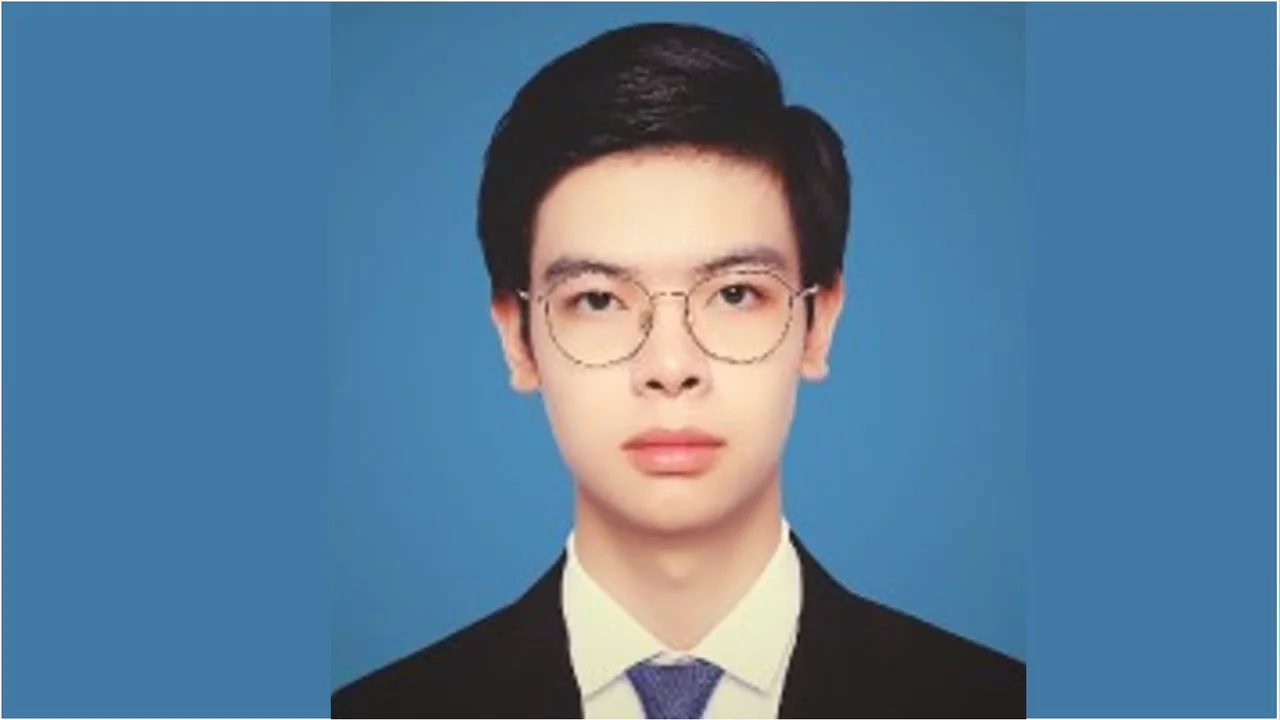
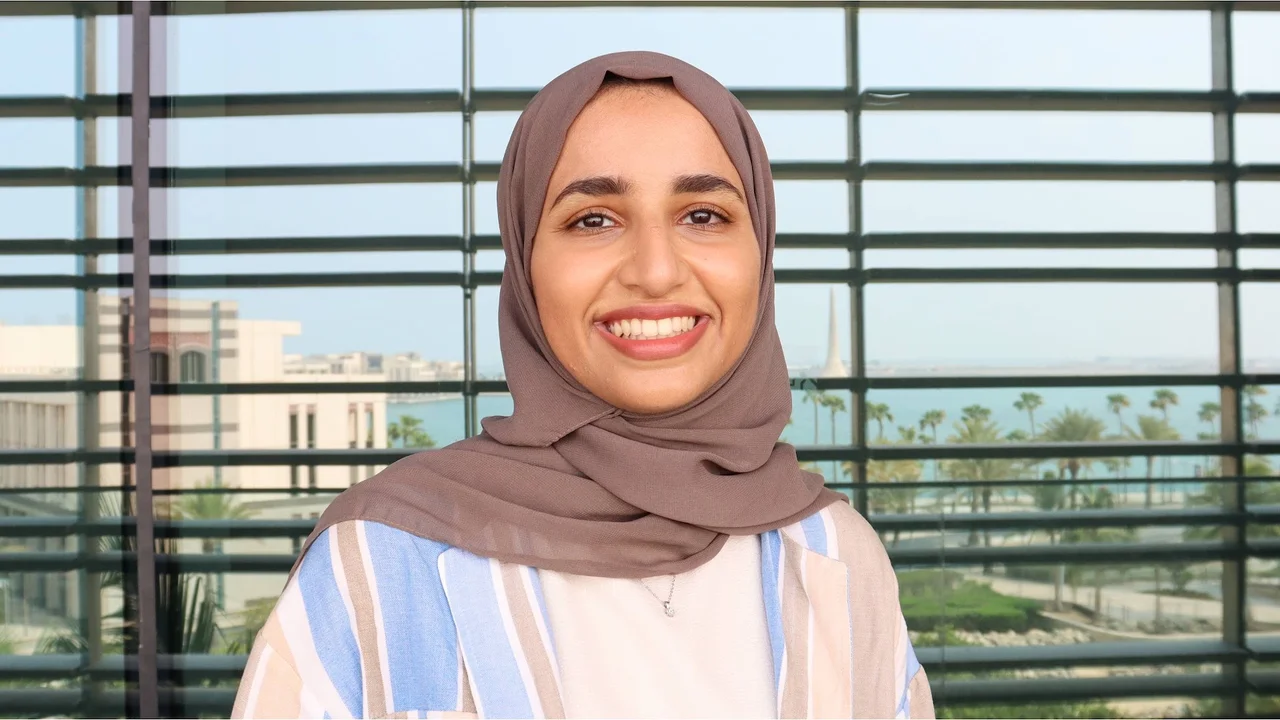
Deng Luo is a Ph.D. Candidate in the Computer Science program under the supervision of Professor Ivan Viola at King Abdullah University of Science and Technology (KAUST) in Saudi Arabia. He received his Bachelor's degree in Bioinformatics from Southern University of Science and Technology in 2016. He joined KAUST and received his Master's degree in Bioscience in 2019. He has a multidisciplinary background, including bioinformatics, molecular biology, computer science, and entrepreneurship.
Expertise and Interests
With research and work experiences in interdisciplinary studies, he is interested in technologies that help people communicate better and that helps knowledge disseminates faster, especially from the perspective of education. He is now working on the Nano-visualization of the mitochondrion as a breakthrough point to the long term goal.
Education
Biography
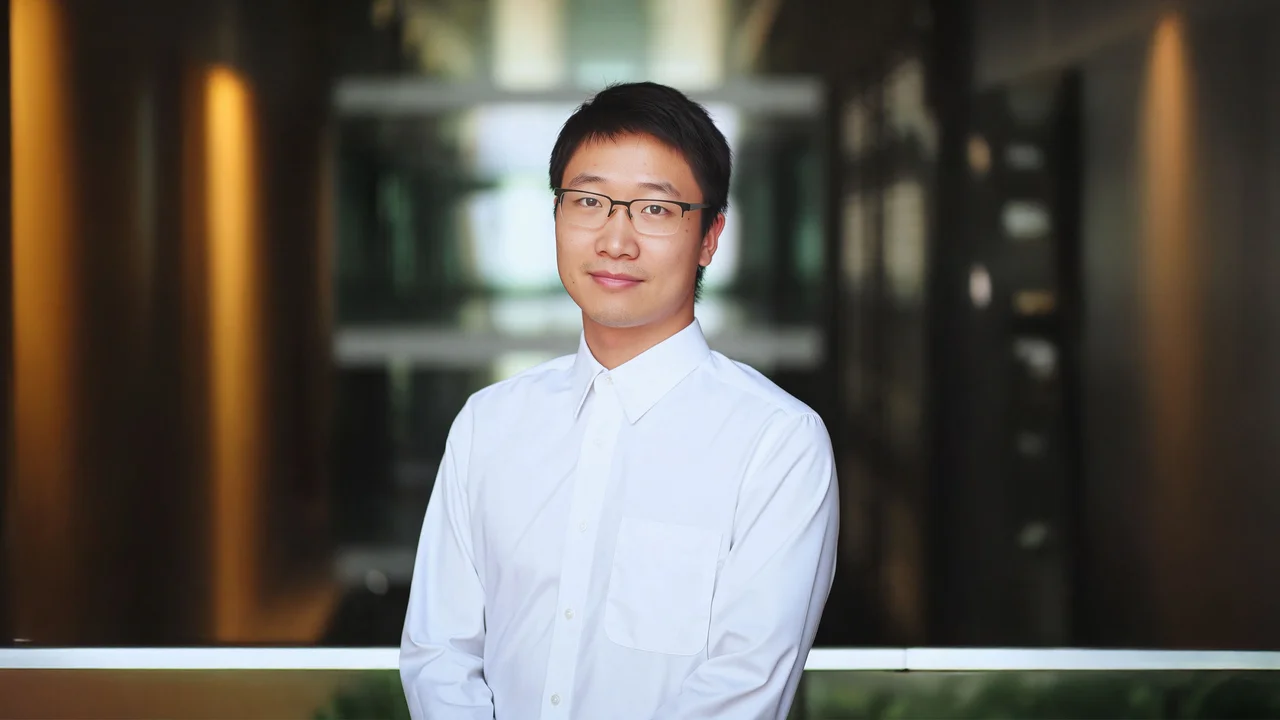
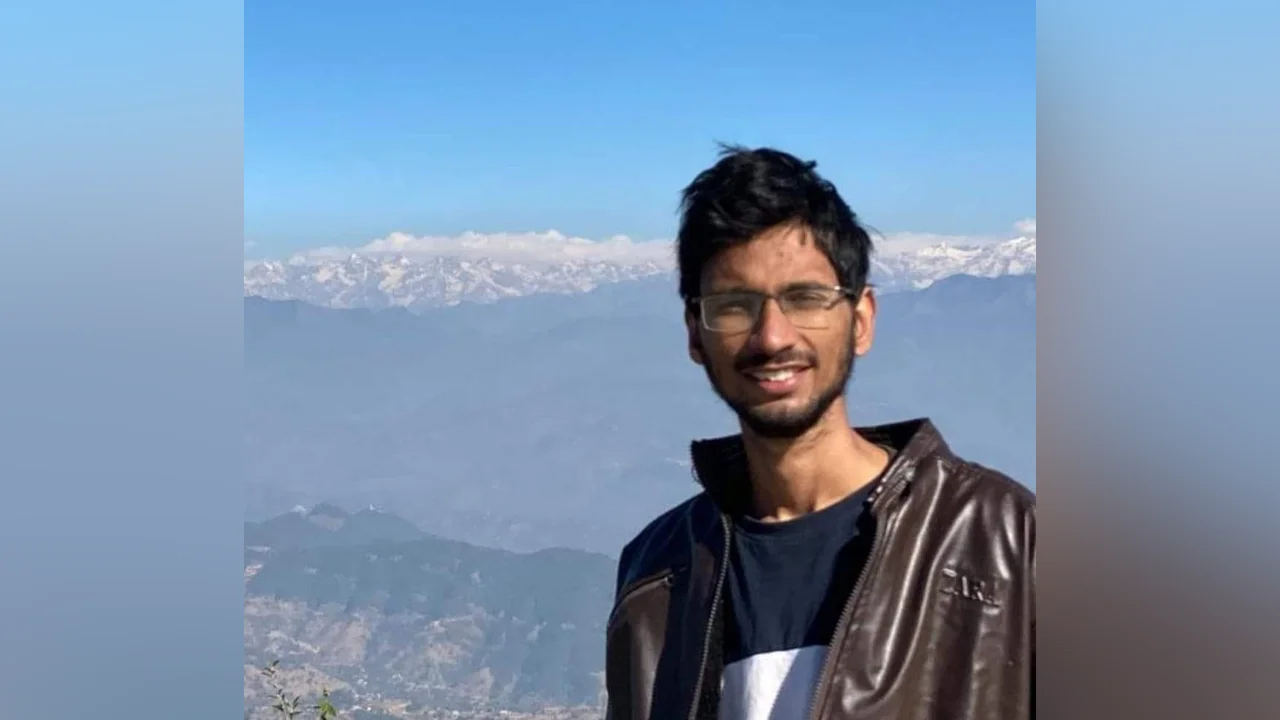
Dhanu Chettri is a Ph.D. candidate at the Advanced Semiconductor Laboratory (ASL) at King Abdullah University of Science and Technology (KAUST), under the mentorship of Prof. Xiaohang Li. His research focuses on ultra-wide bandgap semiconductors, particularly Gallium Oxide (Ga2O3) and Aluminum Nitride (AlN). Before joining KAUST, he served as a Senior Project Fellow at the Council of Scientific and Industrial Research–Central Electronics Engineering Research Institute (CSIR–CEERI).
Chettri’s research primarily involves material growth, device design, fabrication, and circuit implementation of advanced semiconductor devices such as MOSFETs and bidirectional switches. He has made significant contributions to the field, as evidenced by his publications. Notably, he achieved the first demonstration of a normally OFF β-Ga2O3 bidirectional switch, featured in Applied Physics Letters, AIP along with the first demonstration of an AlN MOSFET, published in the Journal of Physics D, IOP.
His research is particularly relevant for developing technologies suited to high-temperature and extreme environment applications, demonstrating the critical role and potential of ultra-wide bandgap semiconductors in modern electronics.
Expertise and Interests
Dhanu's research interests include ultrawide bandgap semiconductor materials, specifically Ga2O3 and AlN. His work focuses on the fabrication and characterization of devices such as MOSFETs and FinFETs.
Biography
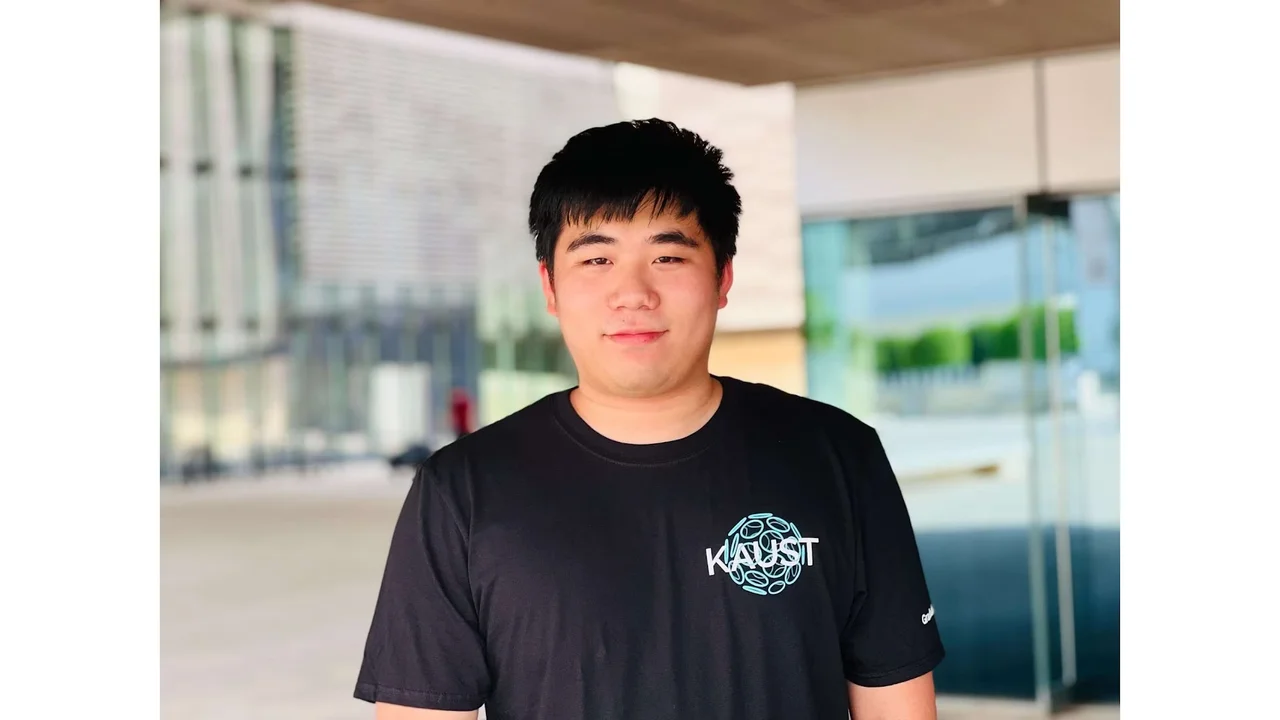
Divyanshu is a Ph.D. candidate in the Electrical and Computer Engineering department at KAUST. He received his M.Tech degree in VLSI from the Indian Institute of Technology (IIT) Mandi, India. He has worked as a visiting student at the Innovative Technologies Lab and the Integrated Circuits and System Group at KAUST.
Expertise and Interests
His research interests include spintronics devices and circuits, in-memory computing using beyond CMOS devices, and hardware security primitives.
Education
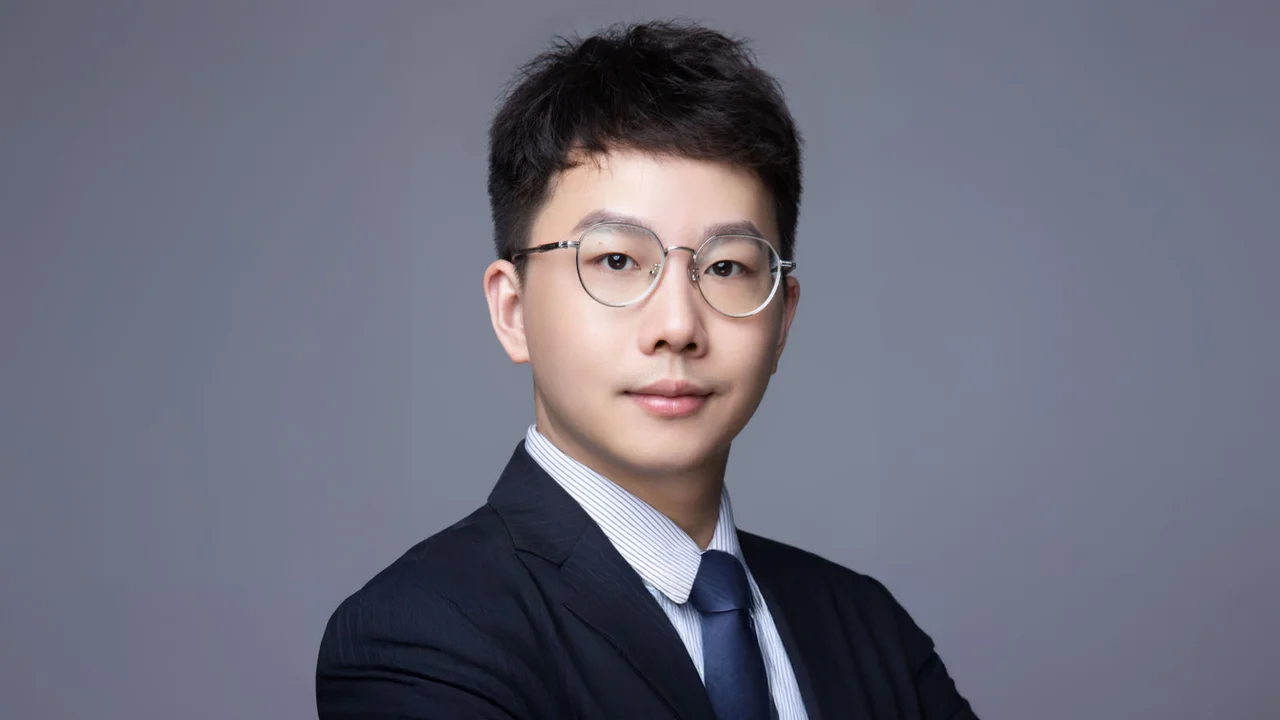
Dongyang Li
- Ph.D. Student, Statistics
Expertise and Interests
Bayesian and computational Statistics.
Education
Biography
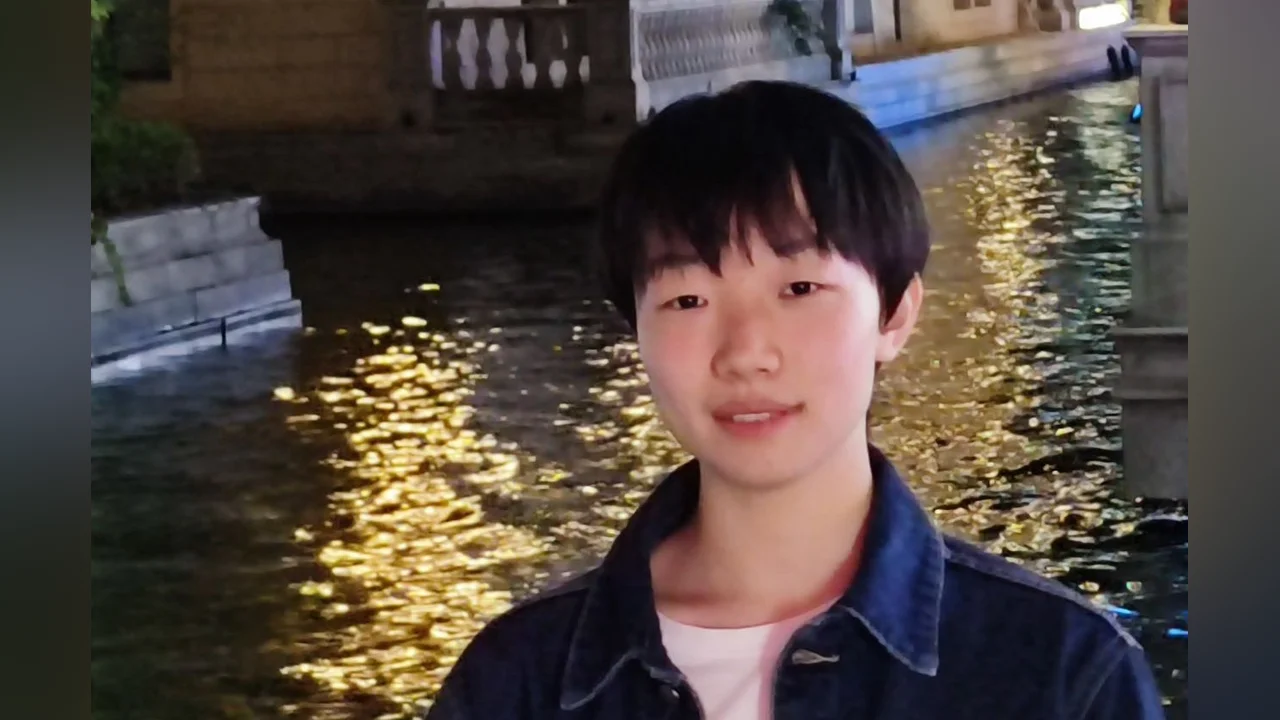
Echo Ziyi Yang is a Ph.D. student at King Abdullah University of Science and Technology (KAUST), conducting research under the supervision of Professor Bernard Ghanem at the Image and Video Understanding Laboratory (IVUL) within the Center of Excellence for Generative AI. She obtained her Master’s and Bachelor’s degrees from Harbin Institute of Technology (HIT), China.
Expertise and Interests
Her research interests focus on Generative AI, autonomous agents, machine learning, and reinforcement learning.
Education
Biography
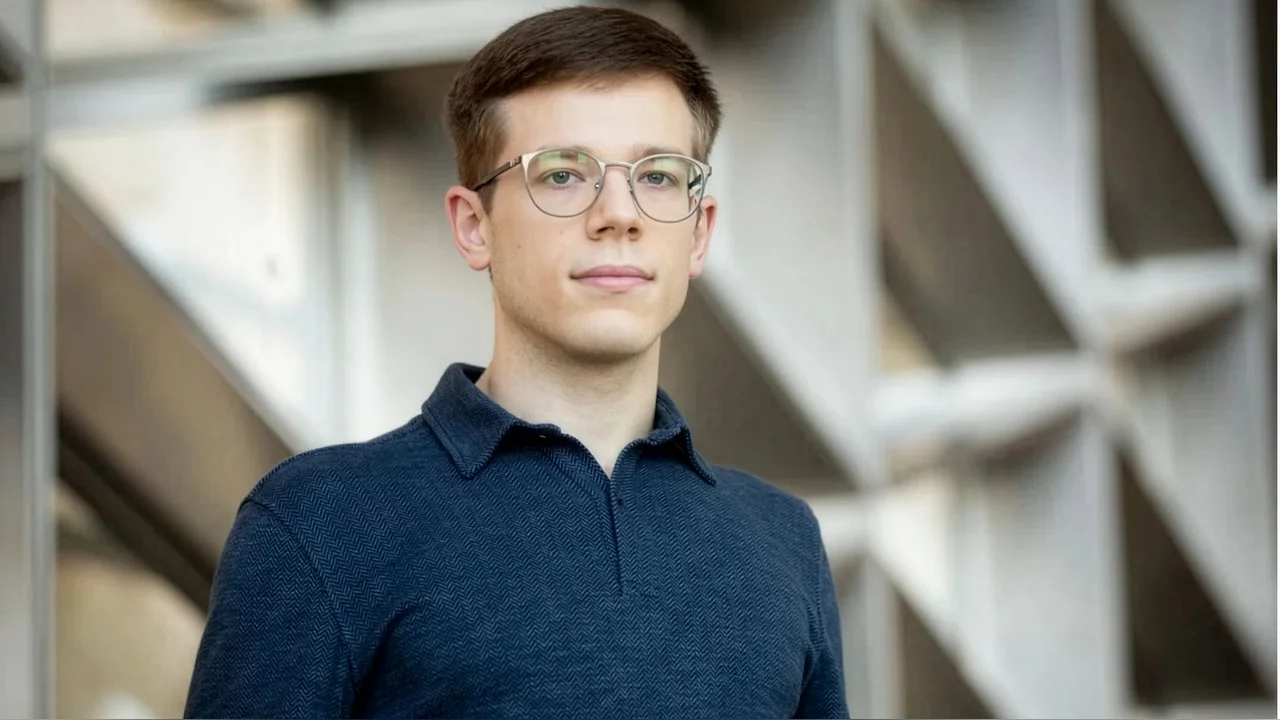
Egor Shulgin is a Ph.D. candidate in Computer Science at King Abdullah University of Science and Technology (KAUST), advised by Professor Peter Richtárik. His work has appeared at venues including ICML, ICLR, AISTATS, and UAI. During his PhD, he conducted research internships at Apple and Samsung AI Center in Cambridge, UK. He received his BSc in Applied Mathematics and Physics from the Moscow Institute of Physics and Technology in 2019.
Expertise and Interests
Egor's research focuses on optimization for machine learning, including distributed and federated training, privacy-preserving learning, and practical optimizers for modern deep learning.
Education

Biography
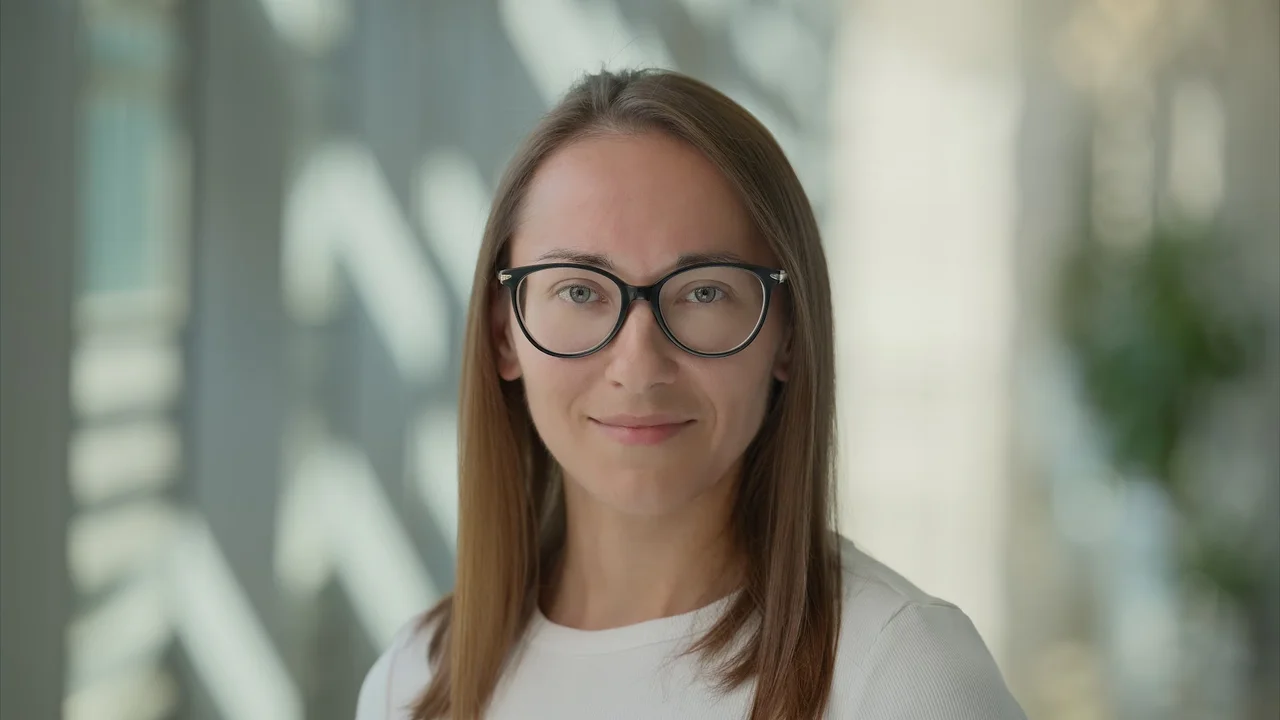
Elham is currently a PhD candidate at the Communications and Computing Systems Laboratory (CCSL). She received M.Sc. degree in Software Systems Engineering from the Department of Computer Science at University College London (UCL), U.K., in 2018. She recieved B.Sc. degree in Computer Science from Imam Abdulrahman University, Alkhobar, KSA, in 2012.
Expertise and Interests
Elham's research focuses on AI-driven traffic scene understanding at urban intersections, combining advanced sensing technologies with graph representations to downstream intelligent transportation system applications, including real-time traffic monitoring, risk assessment, behavior analysis, flow prediction, and adaptive traffic control.
Education
Biography
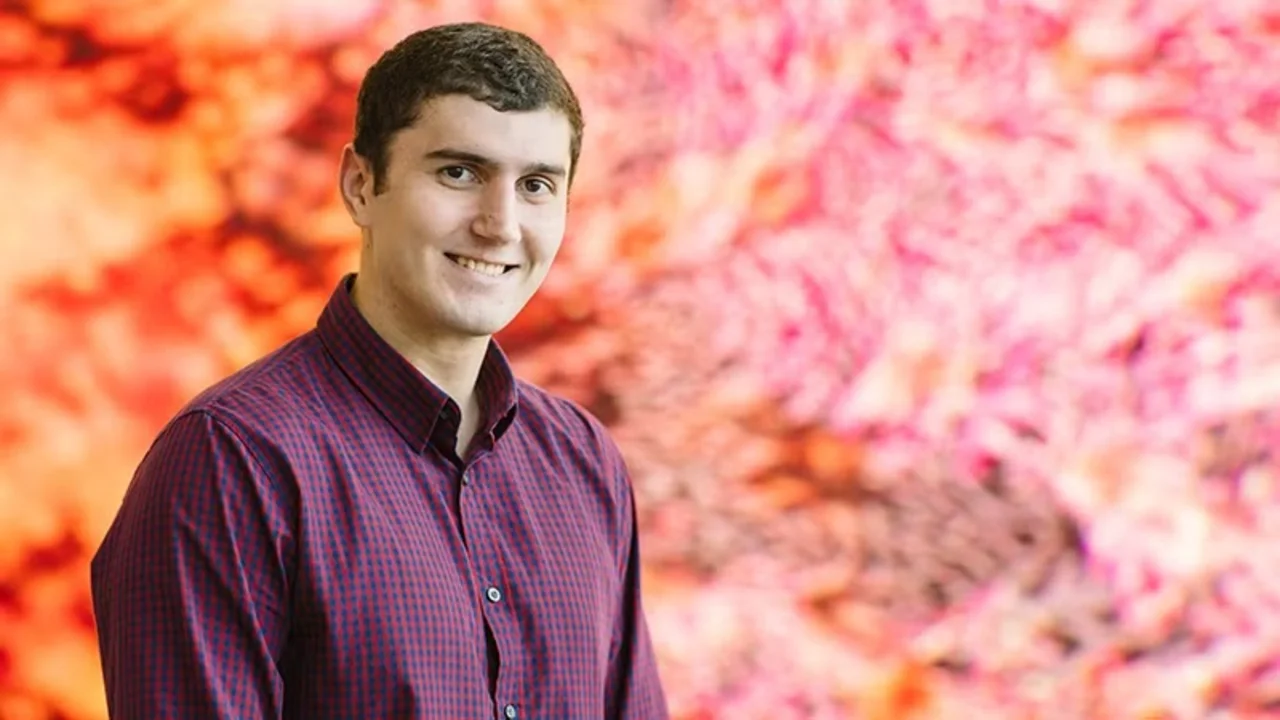
Eliza Rezvanova is a Ph.D. candidate in Applied Mathematics and Computational Science at King Abdullah University of Science and Technology (KAUST), advised by Professor Raúl F. Tempone. She has presented her research at workshops hosted by RWTH Aachen University, Hong Kong Polytechnic University, and KAUST. Before joining KAUST, she worked in the Russian oil industry at a Rosneft subsidiary. She received her M.S. in Applied Mathematics and Computational Science from KAUST in 2021 and a Specialist degree in Mathematical Methods in Economics from Ufa State Petroleum Technical University, Russia, in 2010.
Expertise and Interests
Eliza's research focuses on stochastic optimal control, dynamic programming, and numerical methods, with applications to renewable energy and partially observed systems.
Education
Biography
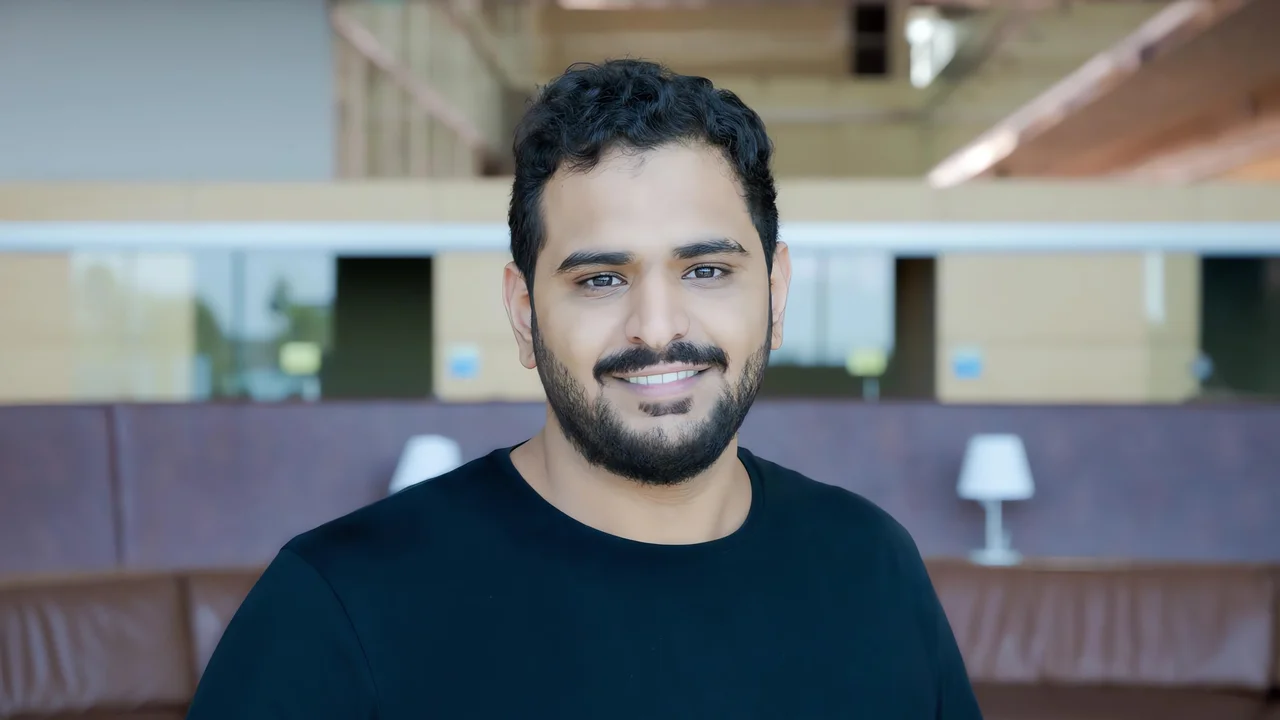
Elnur Gasanov is a PhD candidate in the Optimization and Machine Learning Lab at the Center of Excellence for Generative AI (GenAI) at KAUST, where he is advised by Professor Peter Richtárik. His research focuses on distributed machine learning, stochastic optimization, and randomized linear algebra. Elnur holds a Master of Science in Computer Science from KAUST and a Bachelor's degree in Applied Mathematics and Physics from the Moscow Institute of Physics and Technology.
Expertise and Interests
Optimization and machine learning.
Education
Biography
Fahad Aljehani is a Ph.D. candidate in Electrical and Computer Engineering at King Abdullah University of Science and Technology (KAUST), where he is supervised by Professors Taous‑Meriem Laleg‑Kirati and Eric Feron. His research integrates classical control theory with modern AI and machine‑learning techniques to create advanced control and estimation frameworks for complex process systems, particularly optimal feeding in aquaculture and bacteria monitoring in wastewater treatment plants.
Aljehani earned his M.S. in Electrical Engineering from KAUST (2019), developing control strategies for distributed solar collectors and a virtual sensor for solar‑irradiance estimation. He holds a B.S. in Electrical Engineering from University of Dayton (2016).
Expertise and Interests
Fahad's research focuses on designing advanced control algorithms and estimation techniques to optimize process control systems, specifically in aquaculture and wastewater treatment. He utilizes a multidisciplinary approach that combines classical control theory with cutting-edge artificial intelligence and machine learning methodologies to develop adaptive, efficient, and scalable models that enhance system performance, improve sustainability, and reduce operational costs.
Area of interests:
- Optimal control for a class of nonlinear systems
- Estimation and observer design methods in nonlinear systems
- Reinforcement learning and dynamics programming
- Computer vision
- Machine learning
Education
Biography
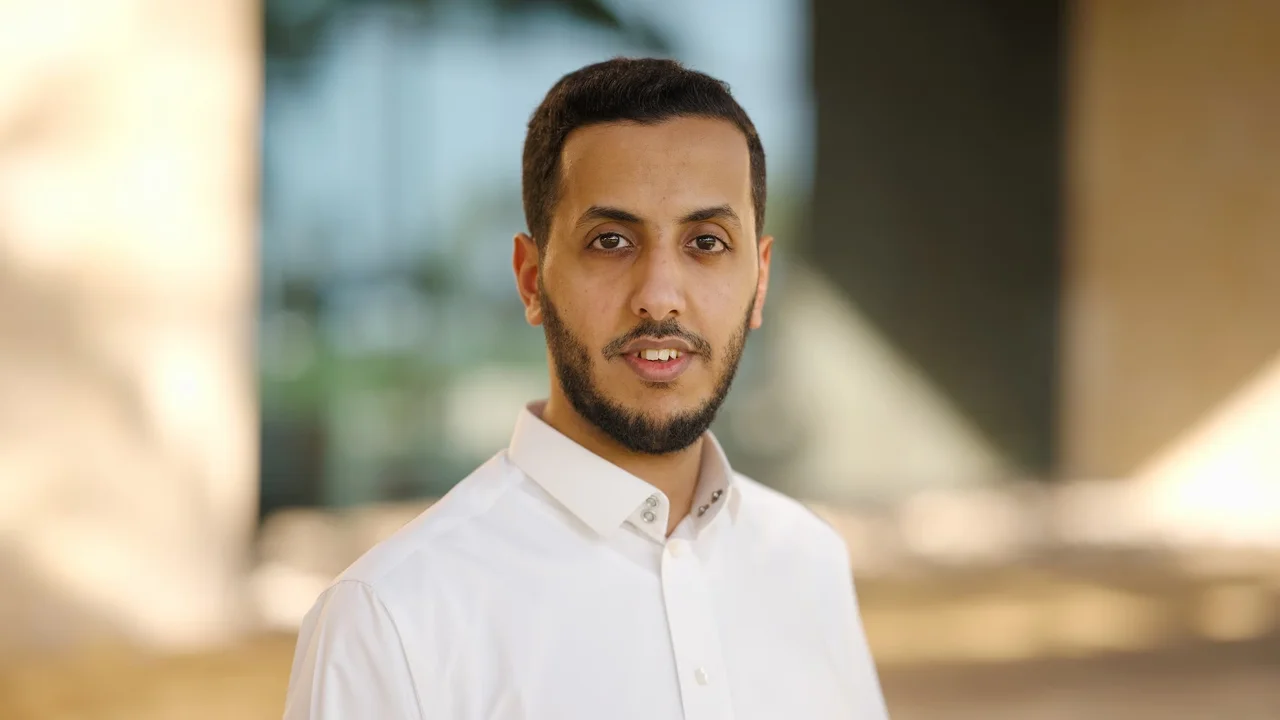
Fahad S. Alqurashi is a Ph.D. candidate in Electrical and Computer Engineering at King Abdullah University of Science and Technology (KAUST), under the supervision of Professor Mohamed-Slim Alouini. His research focuses on advanced wireless communication technologies for connecting underserved and remote regions, emphasizing cost-effective and high-capacity solutions. His work explores Free Space Optics (FSO), TV White Space (TVWS), and hybrid RF/mmWave systems to achieve point-to-point data rates exceeding 10 Gbps, with a particular interest in maritime and rural connectivity.
Fahad holds a Master of Science in Electrical Engineering from KAUST, where his thesis focused on modeling FSO communication channels for next-generation deployment scenarios. He completed his Bachelor of Science in Electrical Engineering (Electronics and Communication track) at Umm Al-Qura University in Makkah, Saudi Arabia.
Fahad has led strategic connectivity projects in collaboration with global technology leaders such as Google Taara, Meta, Cambium, and national operators like Zain and STC. He is currently spearheading national-scale initiatives with the Communication, Space and Technology Commission (CST), Red Sea Global, and Neom to deliver resilient, sustainable, and scalable wireless infrastructure—including projects connecting offshore islands and rural villages using hybrid FSO/RF links powered by solar systems.
His research has been presented at major international venues including IEEE ICC and the Optical Wireless Communication Conference, and he is an active member of IEEE and the Optical Wireless Communication community. Fahad’s interdisciplinary work supports Saudi Vision 2030 and reflects a strong commitment to impactful digital transformation through cutting-edge wireless innovation.
Expertise and Interests
Alongside the Saudi Vision 2030, Fahad’s interest lies in supporting the future of 5G and 6G. Because of this, he focuses on wireless communication systems, especially in free space optical communication (FSO).
Education
Faizan Khan
- Ph.D. Student, Computer Science
Biography
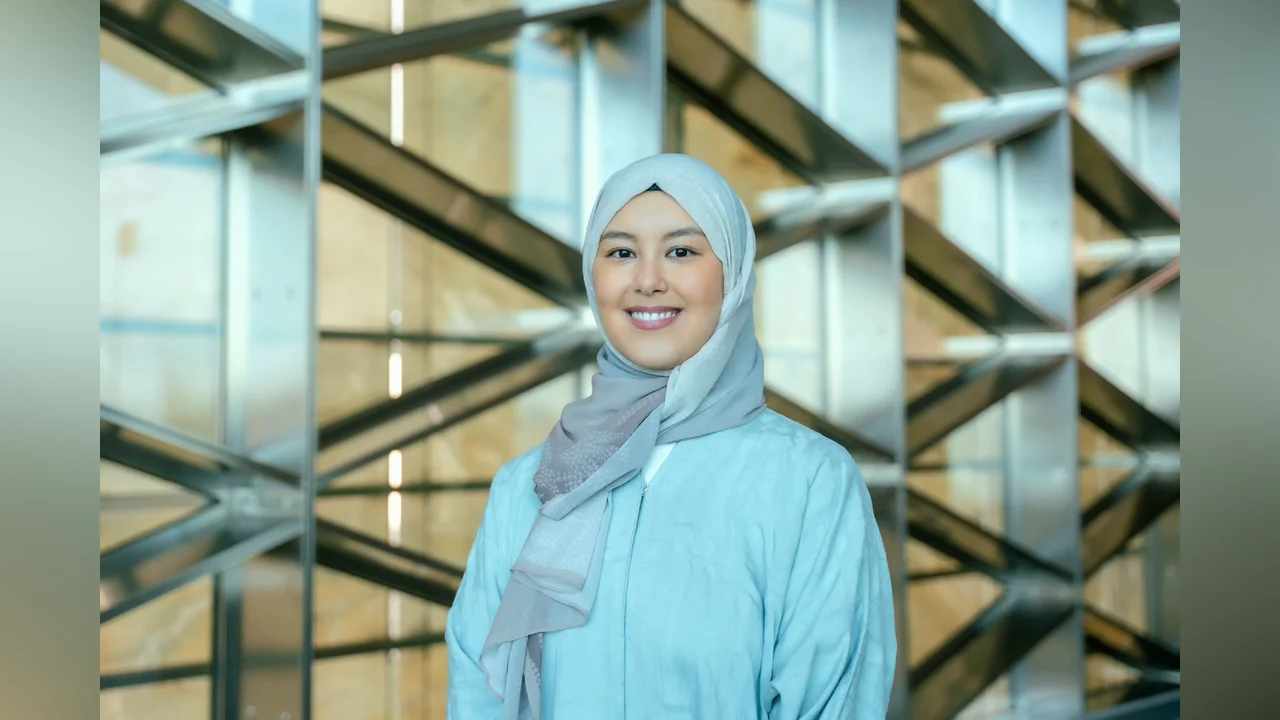
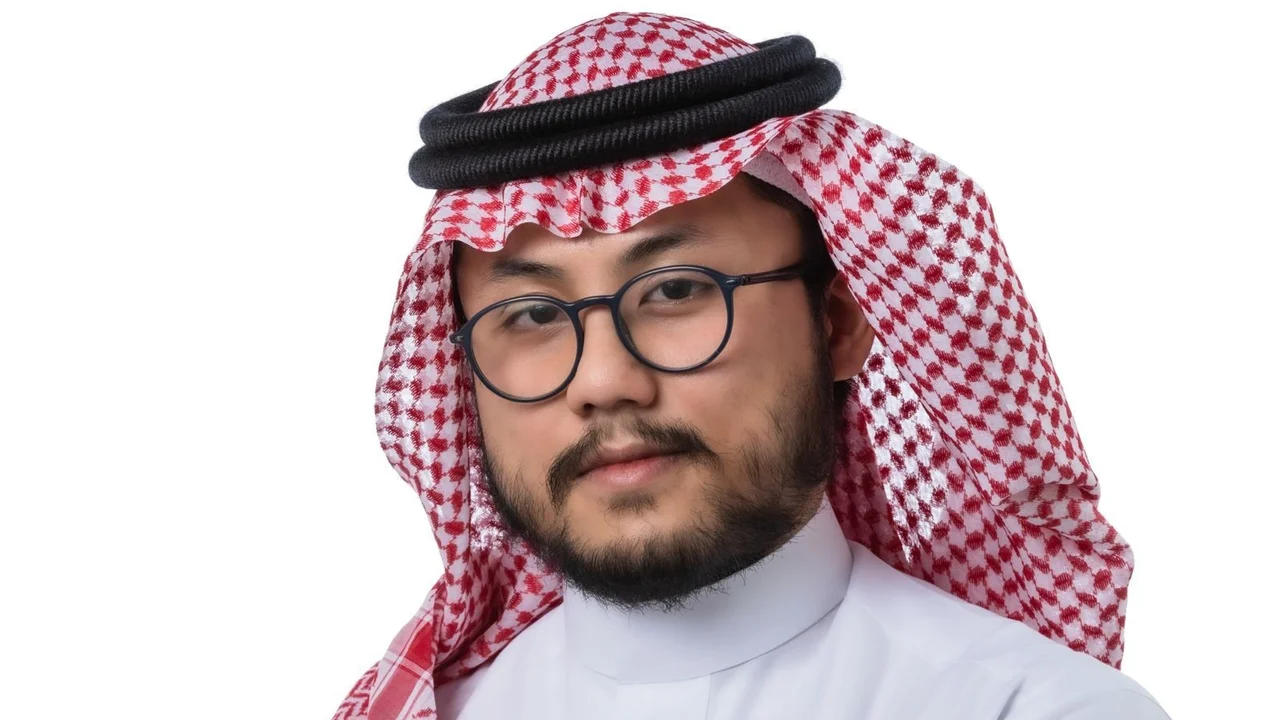
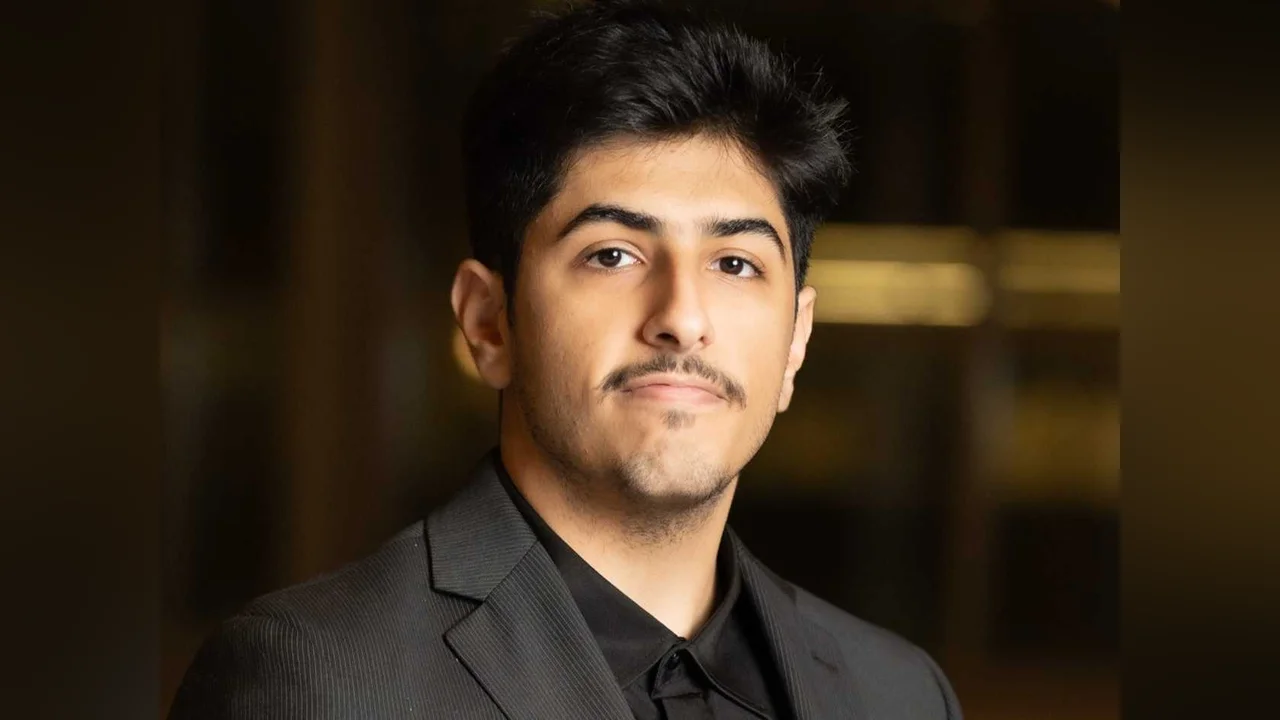
Fares Banjar received his B.S. in electrical engineering from King Fahd University of Petroleum and Minerals (KFUPM) in 2021 and his M.S. in electrical and computer engineering from King Abdullah University of Science and Technology (KAUST) in 2024. He is currently pursuing a Ph.D. in the Photonics Laboratory at KAUST. He also worked in the industry with Saudi Aramco for two years as an Electrical Engineer.
Expertise and Interests
Power-over-fiber systems and fiber-optic-based sensing and communication networks.
Biography
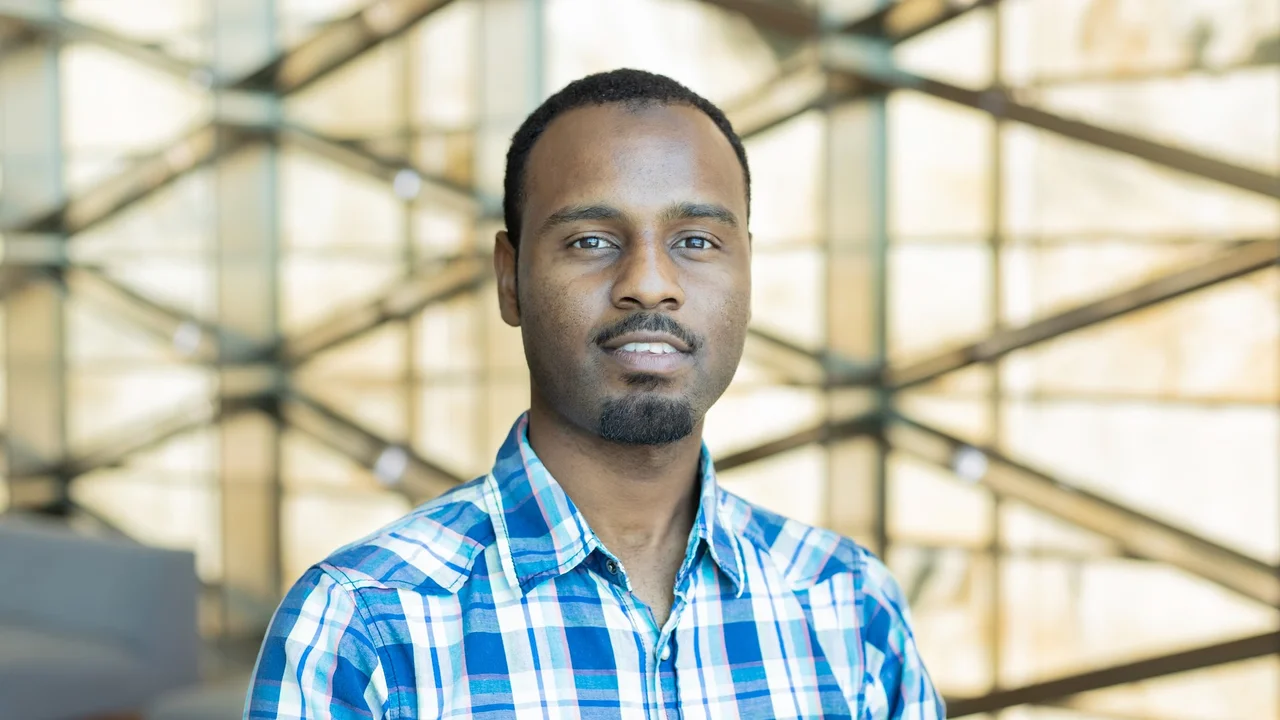
Faris Alkhalifah is an MS Electrical and Computer Engineering student with the Integrated Telecommunication and Sensing Systems (ITASS) Research Group headed by Professor Abdulrahman Alhamed at King Abdullah University of Science and Technology (KAUST).
Education
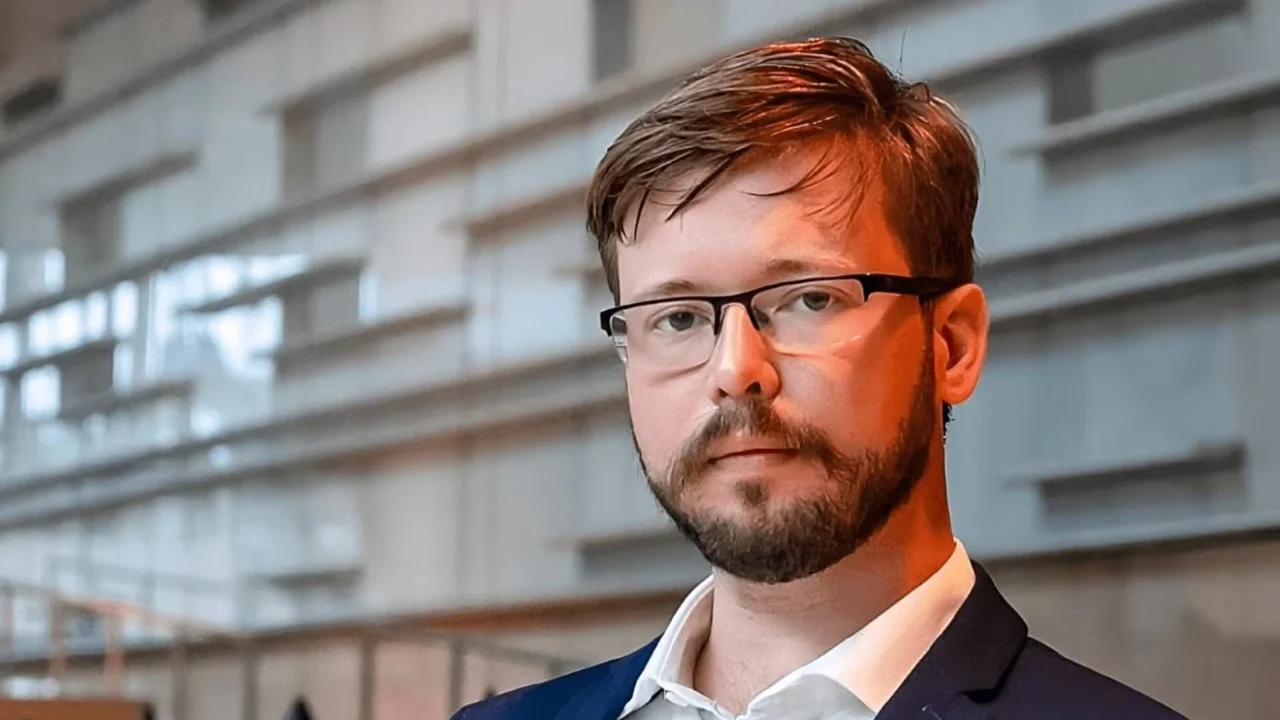
Fatimah Zohra
- Ph.D. Student, Computer Science
Biography
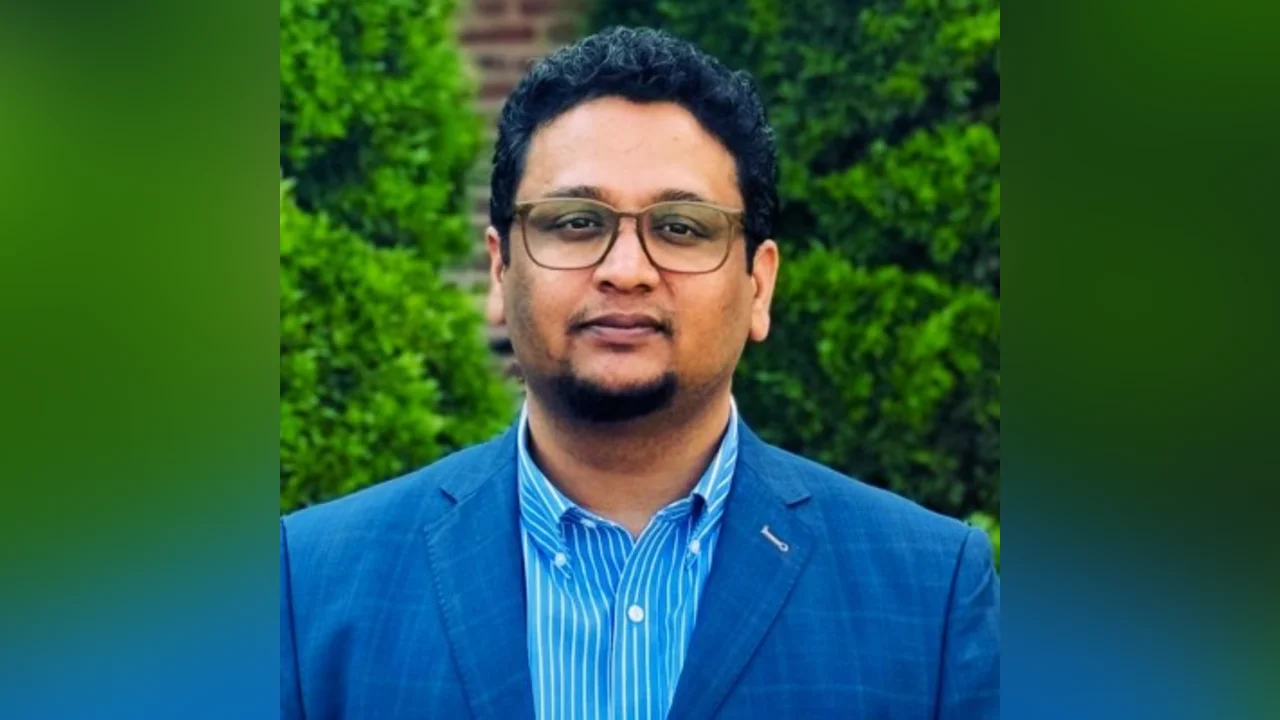
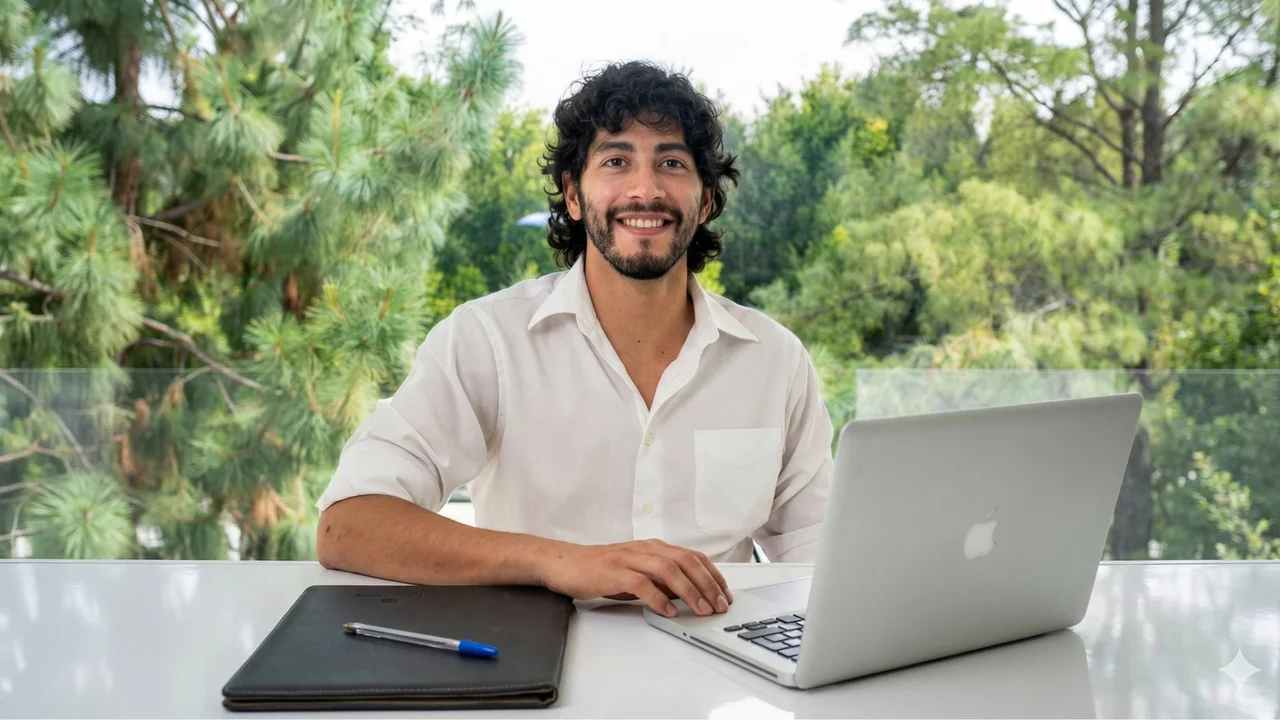
Glen Isaac Maciel García is a Ph.D. Candidate in Applied Physics at King Abdullah University of Science and Technology (KAUST), Saudi Arabia, where he conducted research under the supervision of Prof. Xiaohang Li. He earned his bachelor’s degree in Nanotechnology from the National Autonomous University of Mexico (UNAM). Glen has co-authored 19 peer-reviewed publications, including two first-author papers that were featured as cover articles in Nano Letters and Advanced Electronic Materials.
Expertise and Interests
Glen's research interests include optoelectronics, metamaterials, and nanofabrication. His research focuses on nanoscale devices based on ultra-wide bandgap semiconductors. His work spans device design, fabrication, and characterization, with a particular emphasis on unconventional architectures that extend the limits of traditional semiconductor functionality.
Education
Biography
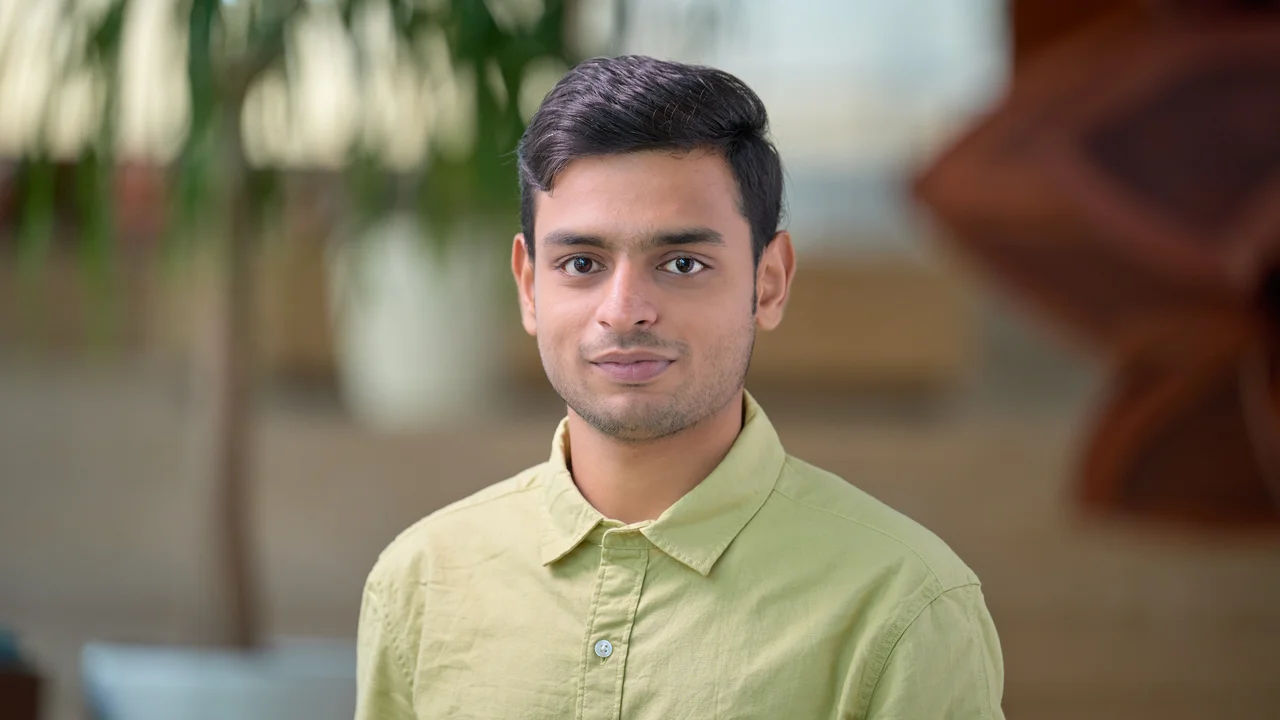
Gokul is an electrical engineering student who is currently doing research in core areas like power electronics, power systems and control systems. His research mainly focuses on grid design, modeling, control and development of modular power converters which helps in creating new solutions for sustainable energy generation, transmission, distribution and consumption.
He is experienced in Hardware-In-the-Loop (HIL) and Rapid Control Prototyping (RCP) systems like RTDS, Opal-RT, Speedgoat, Typhoon and dSPACE. He has great experience in MATLAB Simulink, NI Multisim, OrCAD Pspice and other ECAD tools which include Altium, Eagle and KiCAD.
The project he was involved in with KAUST as a visiting student was the development of a bi-directional multi-node Smart DC Grid for Autonomous Power Interchange Systems (APIS) which includes Energy Storage Systems (ESS). The system is designed in MATLAB Simulink and tested in real-time machines like Speedgoat and Opal-RT which links the software framework called Hyphae by Sony CSL, LF Energy.
He was involved in other research projects like control design of the 6-ph PMSM motor, Level - 3 Autonomous Vehicle, High Voltage Low Power Converter, Robust Steering Controller Design, Modelling of the University's Distribution Network etc...
Expertise and Interests
Gokul's research focuses on power electronics, power systems, and control systems, with an emphasis on grid architecture, advanced modeling, control strategies and the development of modular power converters to optimize sustainable energy generation, transmission, distribution, and consumption. He has substantial expertise in Hardware-In-the-Loop (HIL) and Rapid Control Prototyping (RCP) platforms such as RTDS, Opal-RT, Speedgoat, Typhoon, and dSPACE. Skilled in MATLAB Simulink, NI Multisim, OrCAD Pspice, and ECAD tools including Altium, Eagle, and KiCAD.
Education
Biography
Grigory Malinovsky is a Ph.D. candidate in Applied Mathematics and Computational Science at King Abdullah University of Science and Technology (KAUST), studying under the supervision of Professor Peter Richtárik in the Optimization and Machine Learning Lab.
Grigory holds a Master of Science in Applied Mathematics and Computational Science from KAUST and a Bachelor's degree in Applied Mathematics and Physics from the Moscow Institute of Physics and Technology, where he completed his thesis under the guidance of Boris Polyak.
During his Ph.D., he completed a six-month internship at Samsung R&D Institute UK, and collaborated during research visits with Sebastian Stich at CISPA, as well as with Samuel Horváth and Eduard Gorbunov at MBZUAI. His work has been published in leading machine learning conferences such as NeurIPS, ICLR, ICML, AISTATS, AAAI, and UAI. Alongside his research, he has contributed to teaching graduate-level optimization courses and actively mentored research interns, leading to multiple joint publications.
Expertise and Interests
Grigory's research focuses on optimization and its applications in machine learning, particularly federated learning, distributed optimization, and deep learning theory.
Education
Biography
As an Electrical Engineer, I have extensive knowledge in Power Electronics, Energy Conversion, Power Systems, and Energy Flexibility. Also, I have strong experience and love for Control Theory and Optimization. I am currently studying Machine Learning and its applications.
Expertise and Interests
- Power electronics
- Power systems
- Anomaly detection
- Artificial intelligence
Education
Biography
Hanan Alahmadi is a Ph.D. candidate in the Statistics program (CEMSE) at King Abdullah University of Science and Technology (KAUST), specializing in spatial methods for health surveillance in Saudi Arabia, with a focus on data integration and cluster detection under the supervision of Professor Paula Moraga. Her research combines satellite and health data to monitor disease and environmental risks and to develop GIS platforms that support data-driven decision-making. She holds a master’s degree in statistics from KAUST, where she was supervised by Professor Håvard Rue. Hanan is also a lecturer at King Saud University and the founder of Sorat Alardh, a space-tech startup that harnesses Earth observation data for environmental and health applications. Her work has been recognized with several honors, including a grant from the Communications, Space & Technology Commission (CST) and her selection as a finalist in the Falling Walls competition.
Expertise and Interests
- Geospatial data analysis and health surveillance
- Spatio-temporal disease data
- Statistics and spatial epidemiology
- Geospatial modeling
- Disease mapping
Education
Biography
Hanan Albarqi obtained a master’s degree in Pure Mathematics from the University of Illinois at Urbana–Champaign in 2022 and a bachelor’s degree in Mathematics from King Khalid University in 2017.
Expertise and Interests
Analysis and applied PDEs.
Education
Hanchen Gan
- Ph.D. Student
Biography
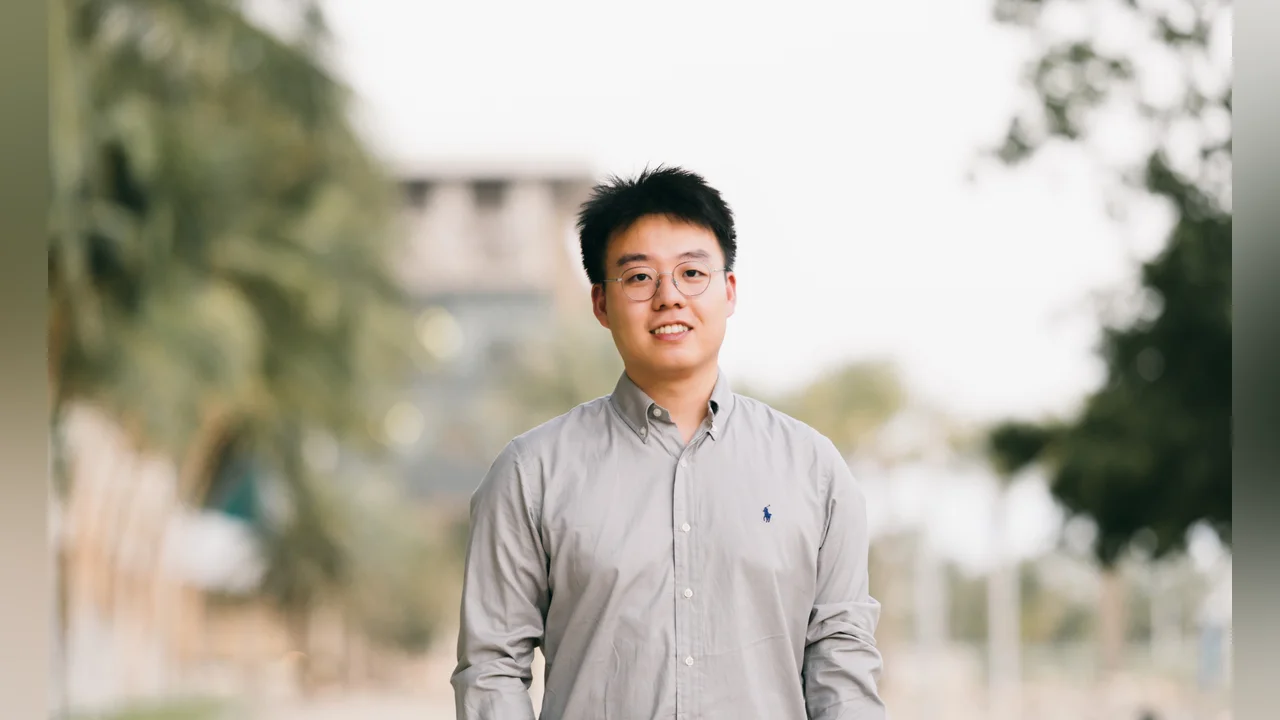
Hanchen Gan received the M.S. degree in microelectronics from the Institute of Microelectronics, Chinese Academy of Sciences (IMECAS), Beijing, China, in 2024, where he was affiliated with the National Key Laboratory of Integrated Circuit Manufacturing—3D Integration and System Packaging Laboratory.
From March to October 2024, he worked at Cadence as a Product Validation Engineer. He worked in the CPG Group, validating the Clarity 3D full-wave electromagnetic solver. From November 2024 to August 2025, he was a visiting student with the GBDTC Electromagnetic Informatics Lab at the University of Technology Sydney (UTs).
Expertise and Interests
Hanchen’s research interests span antenna design (antenna-in-package (AiP), mmWave phased arrays, base-station antennas, transmissive metasurface antennas) and semiconductor advanced packaging (2.5D/3D packaging,signal and power integrity, die-to-die (D2D) interconnects for chiplets).
Education
Biography
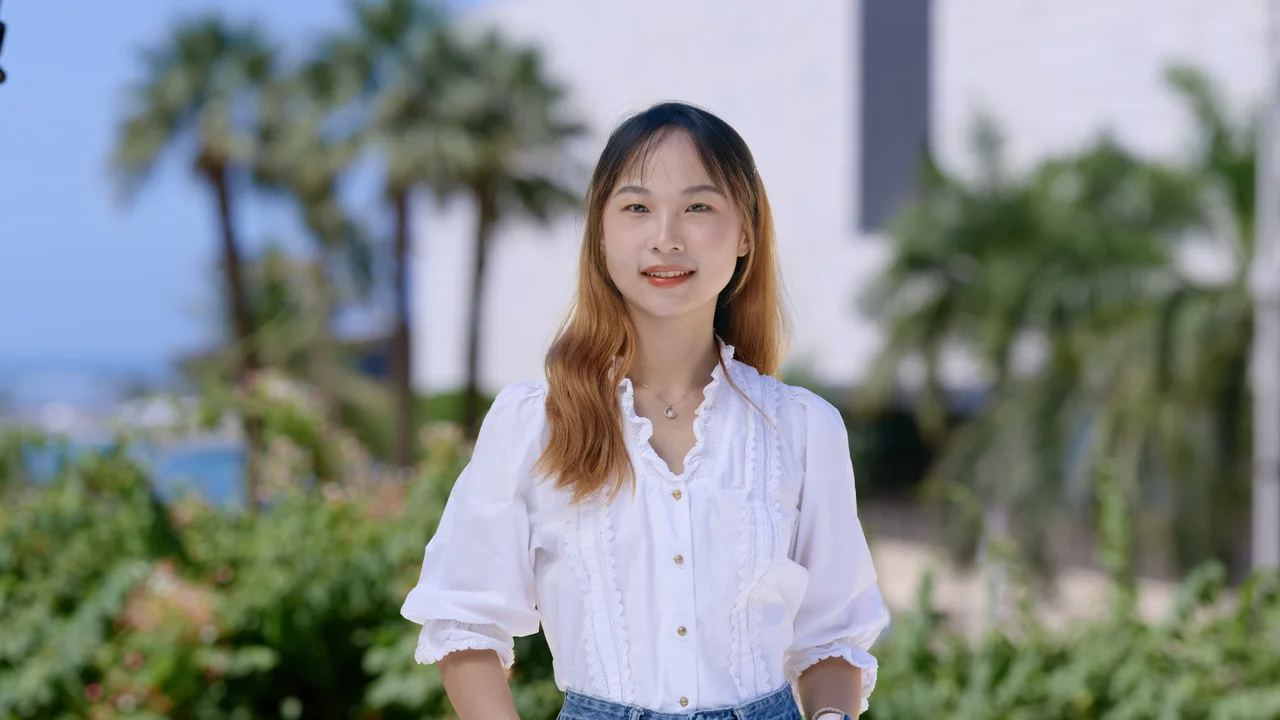
Hang Lu is a final-year Ph.D. student in Electrical and Computer Engineering at King Abdullah University of Science and Technology (KAUST), working in the Photonics Laboratory under the supervision of Prof. Boon S. Ooi. Hang has published in Light: Science & Applications, npj Nanophotonics, and APL Photonics, with her work featured as a cover article in the IEEE Journal of Selected Topics in Quantum Electronics. She also has experience in designing augmented-reality (AR) display systems and is broadly interested in advanced photonic integration and device–application co-design.
Expertise and Interests
Hang's research focuses on engineering optoelectronic devices and photonic integration circuits for applications in optical communication, illumination, and hardware security. She has hands-on experience in optical design and modeling, nanofabrication, and experimental device prototyping, and has led the development of integrated optoelectronic devices and chips for secure and scalable photonic applications.
Education
Hang Xu
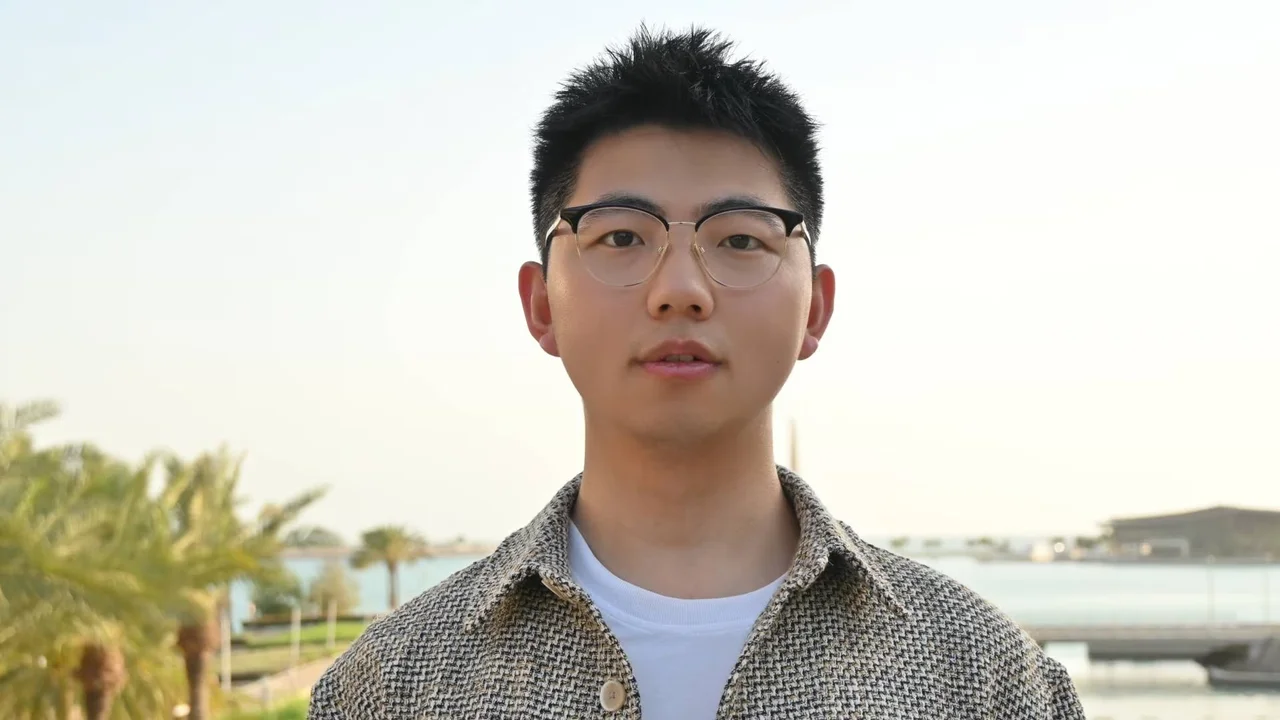
- Ph.D. Student, Computer Science
Biography
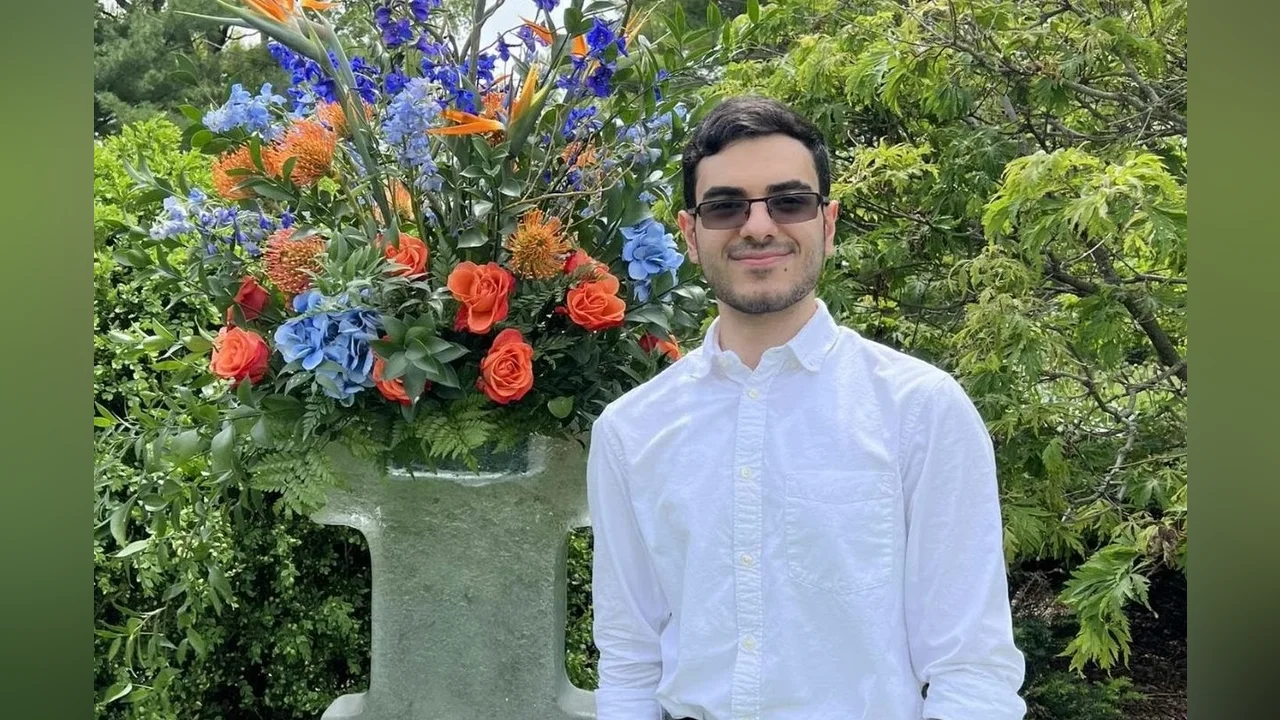
Hani Al Majed has a Bachelor's degree in Electrical Engineering from the University of Illinois at Urbana-Champaign (2019–2023) and is currently pursuing a Master's in Electrical and Computer Engineering at KAUST (2023–2025) under the supervision of Professor Bernard Ghanem. His career includes internships at IBM, the National Center for Supercomputing Applications (NCSA), Discovery Partners Institute, and KAUST, where he worked on projects related to variational quantum models, 3D body reconstruction, sequence learning for epidemiological forecasting, and applications of physics-informed neural operators.
Expertise and Interests
Hani's current research interests encompass machine learning workflow automation, physics-informed neural operators, AI for Science and chemistry.
Education
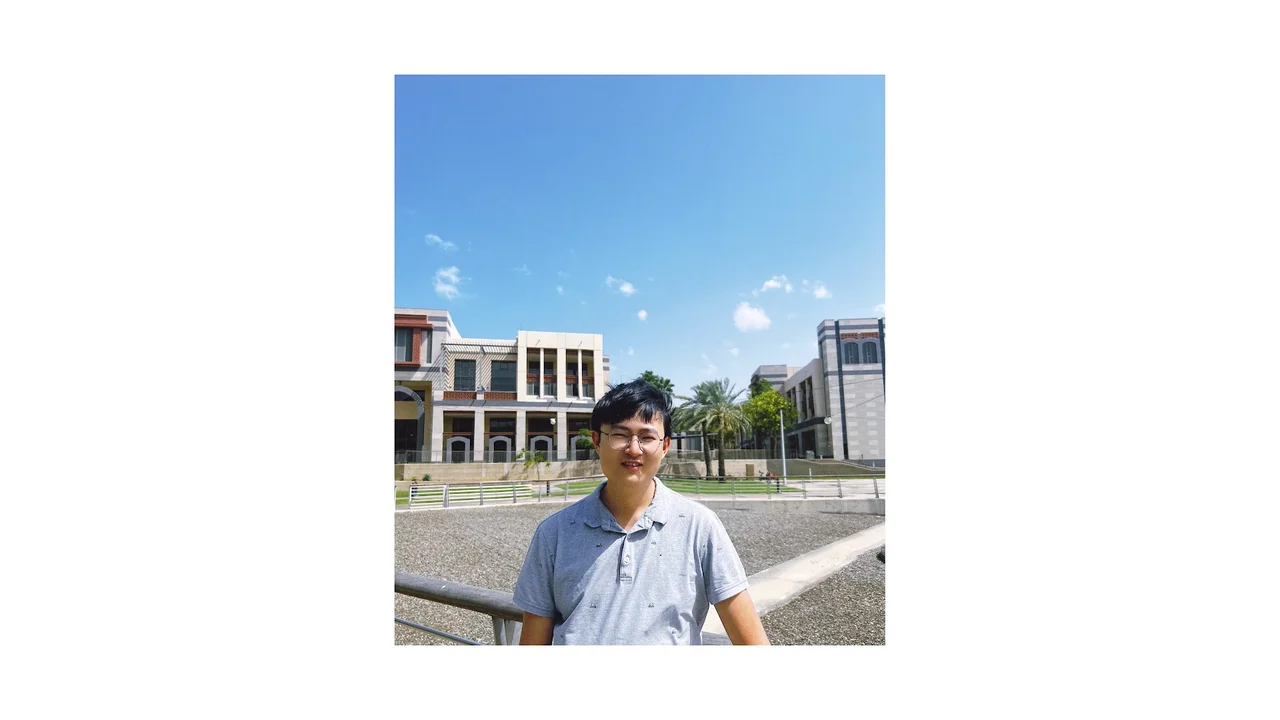
Hanmin Li
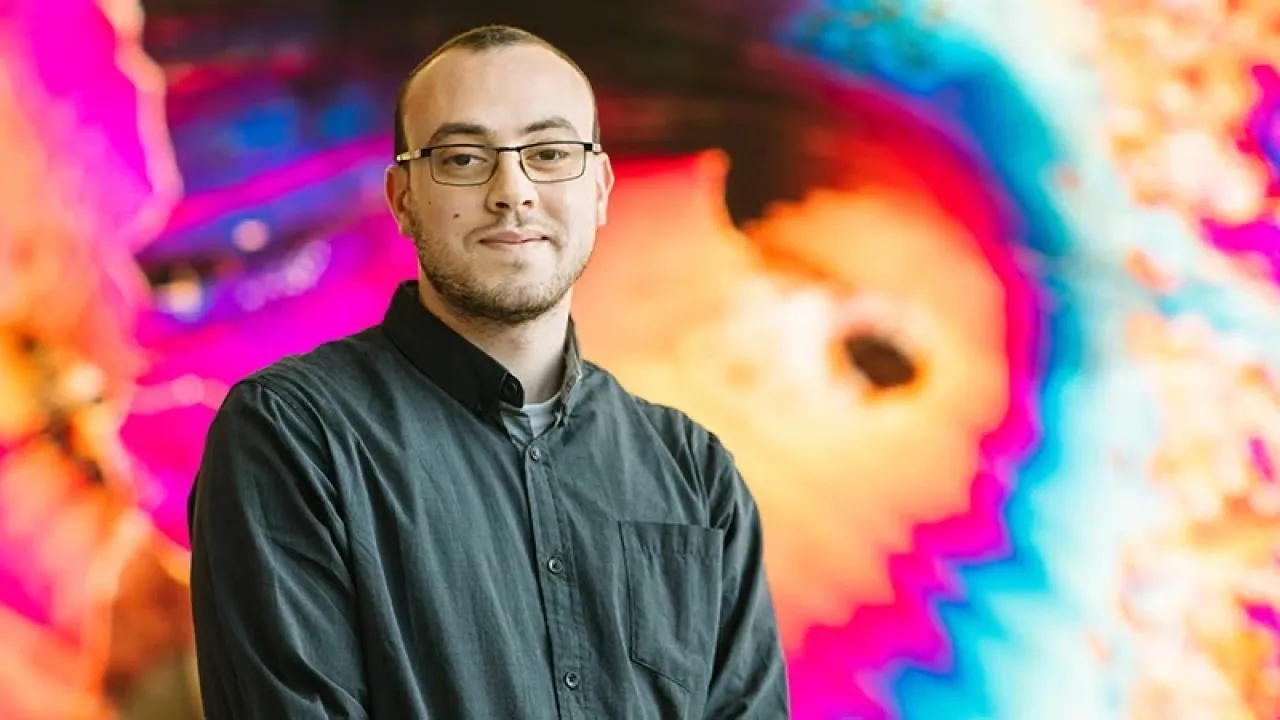
- Ph.D. Student, Computer Science
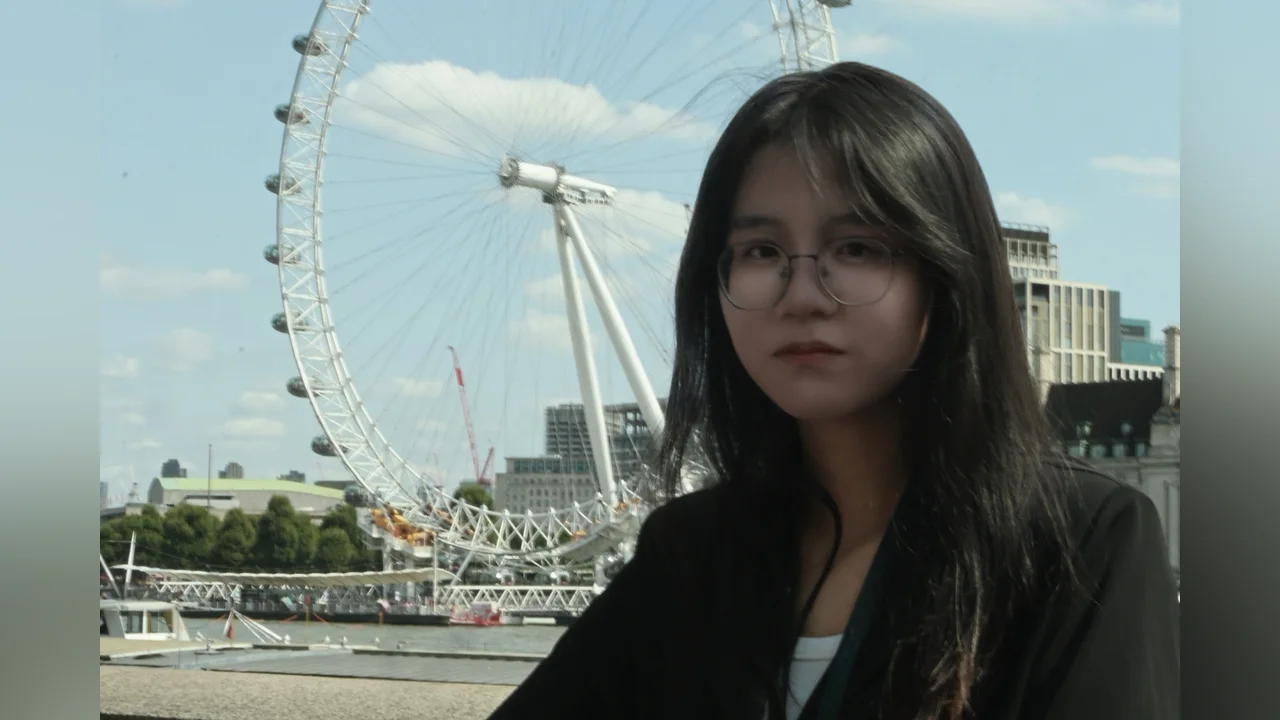
Biography
Sep 2021 – Jun 2025
B.S. in Electronic Science and Technology,
Beijing University of Posts and Telecommunications (BUPT), Beijing, China
Sep 2025 – Present
MS/PhD Student in Electrical Engineering,
King Abdullah University of Science and Technology (KAUST), Thuwal, Saudi Arabia
Expertise and Interests
Photonics and Optoelectronics