Profiles
Alumni
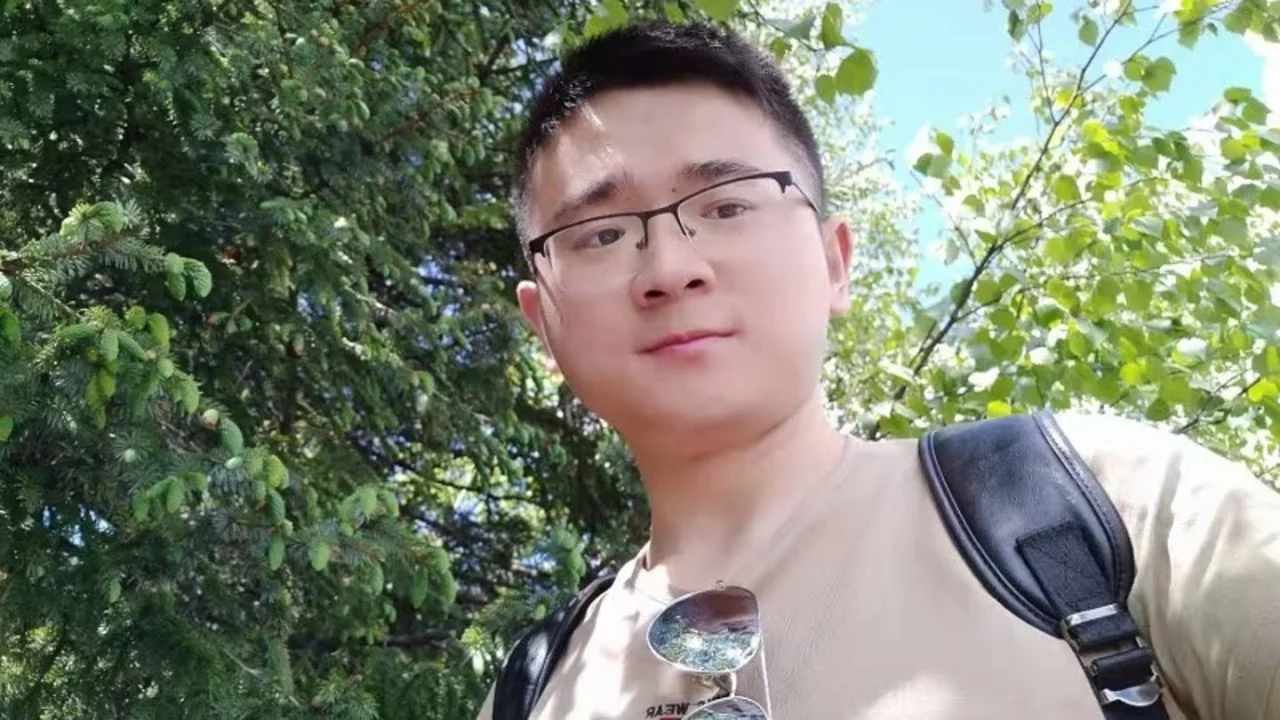

Xiaodong Wu
- Ph.D. Student, Computer Science
Biography
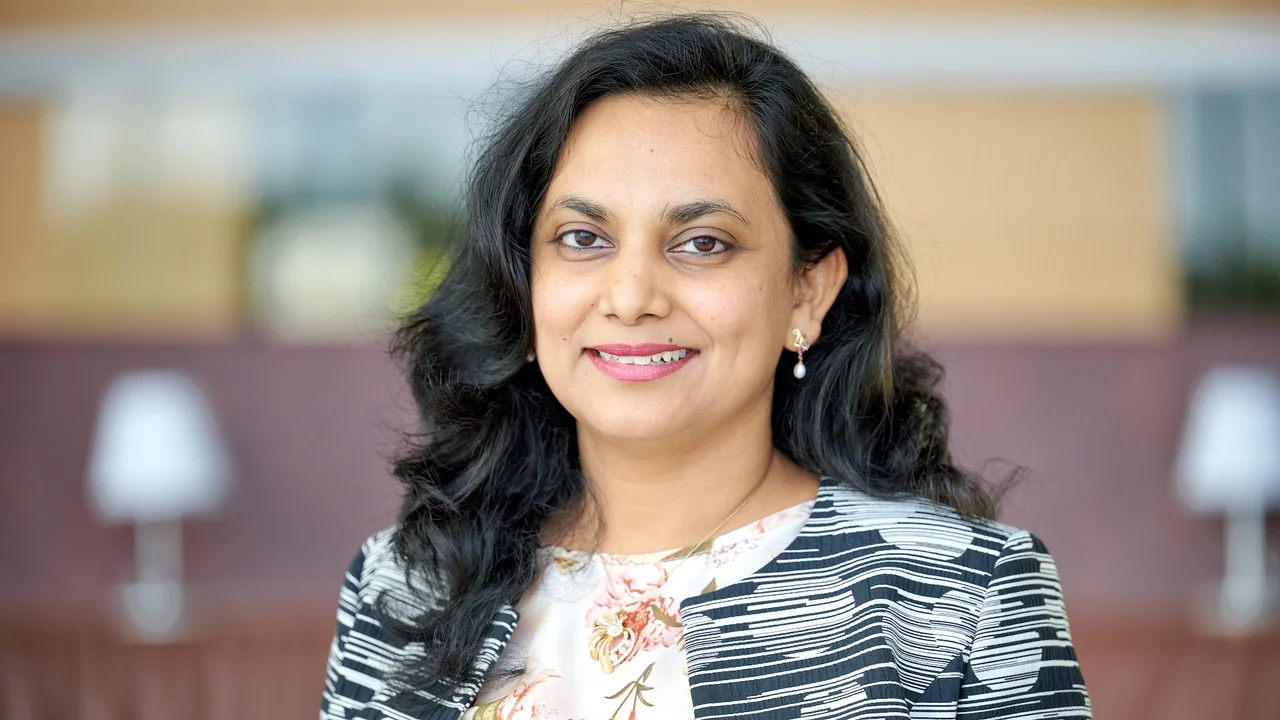
Dr. Xiujuan Zhang is an Associate Professor at School of Engineering and Applied Sciences, Department of Materials Science and Engineering, Nanjing University and at the Nanjing National Laboratory of Microstructures. She received her Ph.D. degree in Applied Mathematics and Computational Sciences from King Abdullah University of Science and Technology (KAUST) in 2017. In 2018, she joined Nanjing University, starting as a postdoc. Now, Her research focuses on acoustic metamaterials and topological physics. She has published over 30 papers in prestigious journals, including Nature, Nature Physics, Nature Communications, and Physical Review Letters. Four papers have been recognized as ESI Highly Cited Papers, with a total citation exceeding 2000.
Expertise and Interests
Xiujuan Zhang's research interests include topological physics and artificial microstructured topological materials, and has published more than 30 articles as the first author in international journals, including Nature, Nature Physic, Nature Communications and Physical Review Letters. Her he doctoral studies focused on the effective dielectric theory of Yu Supang materials (including photonic/phonon crystals and grating/sound grid structures), the novel physical effects associated with the Dirac dispersion curve, and the study of wave losses in the materials of the superstructure.
Education
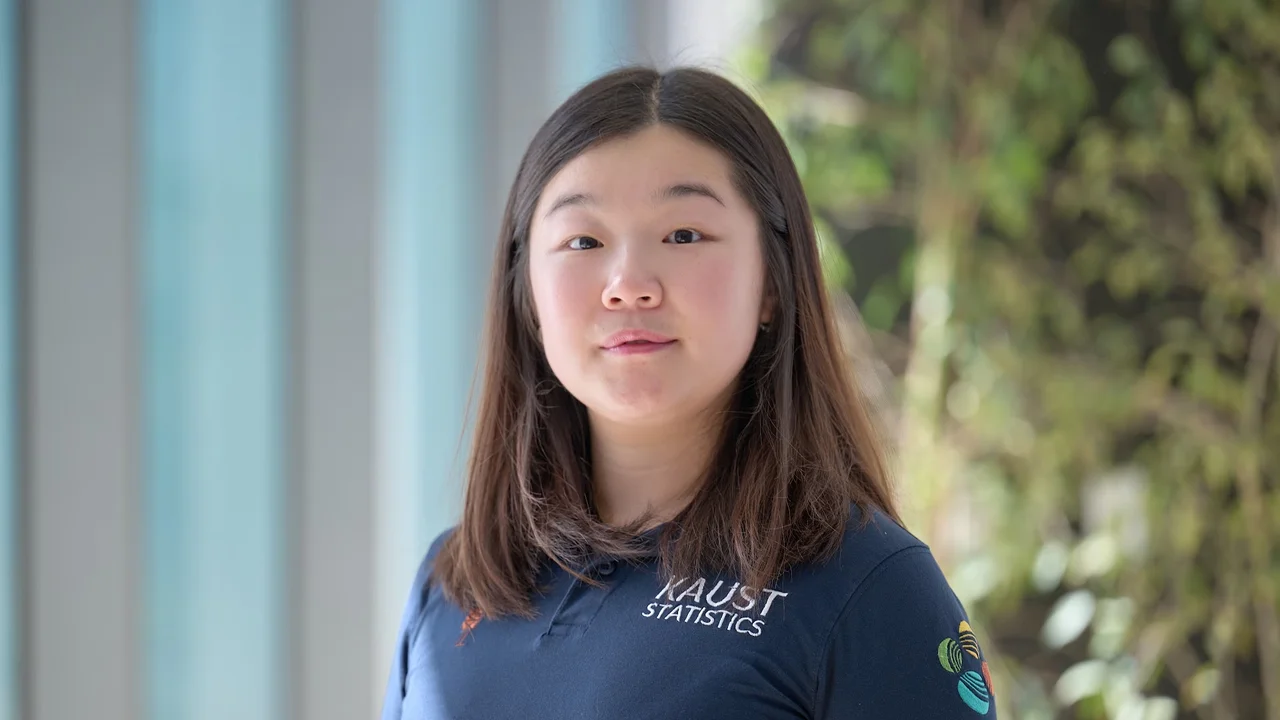
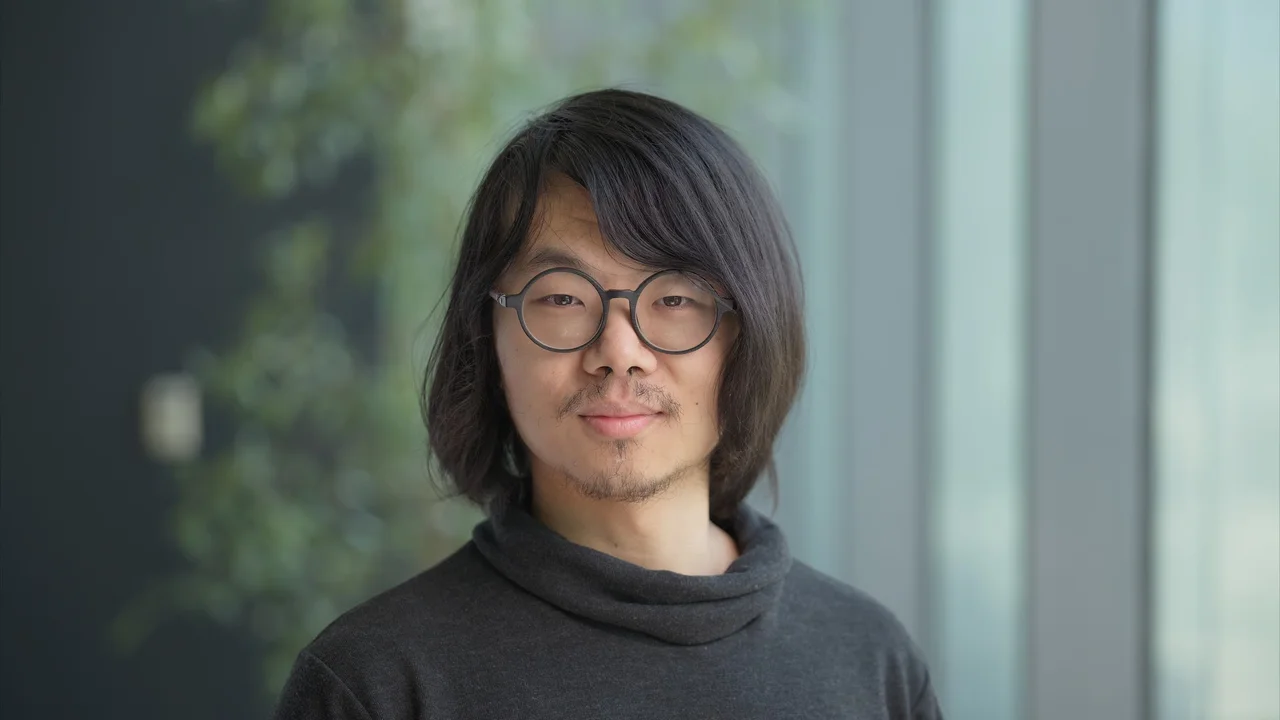
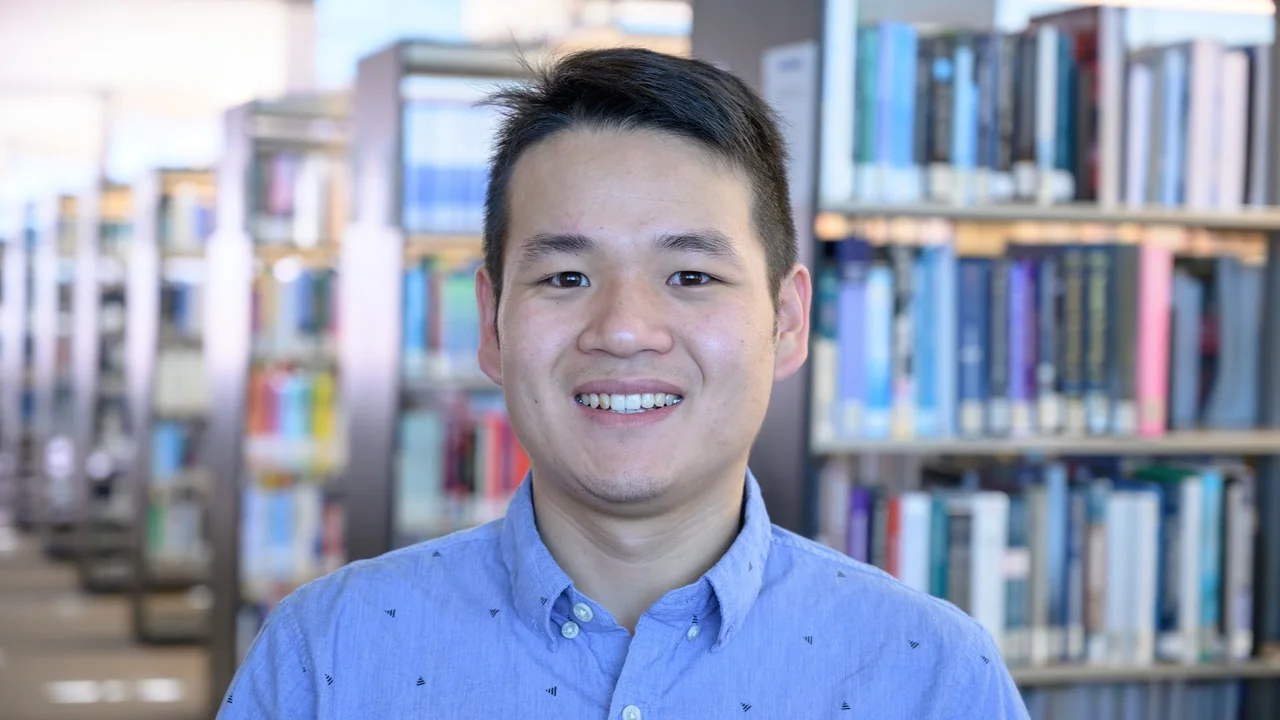
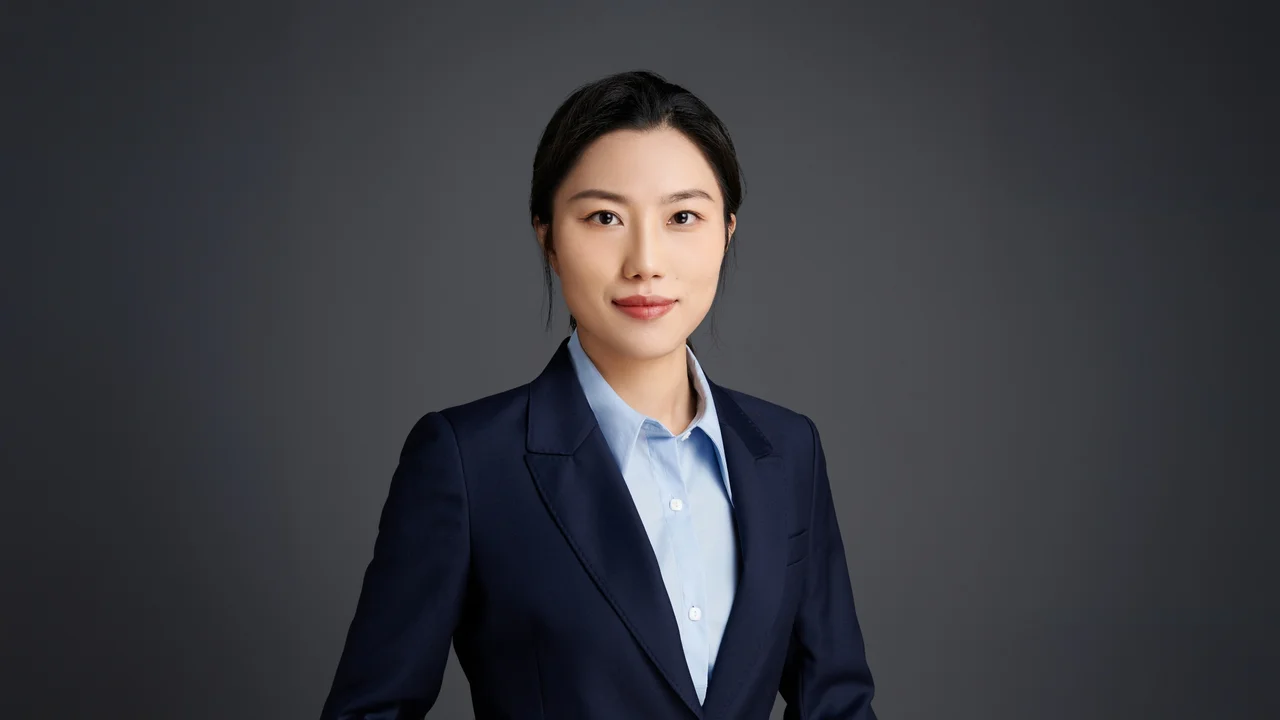
Yang Liu
- Postdoctoral Research Fellow, Applied Mathematics and Computational Science
Biography
Yang Liu is a Postdoctoral Fellow at the Stochastic Numerics Research Group (STOCHNUM) of Professor Raul F. Tempone at King Abdullah University of Science and Technology (KAUST). His primary research interests involve uncertainty quantification, Monte Carlo methods, and finite element methods.
Biography
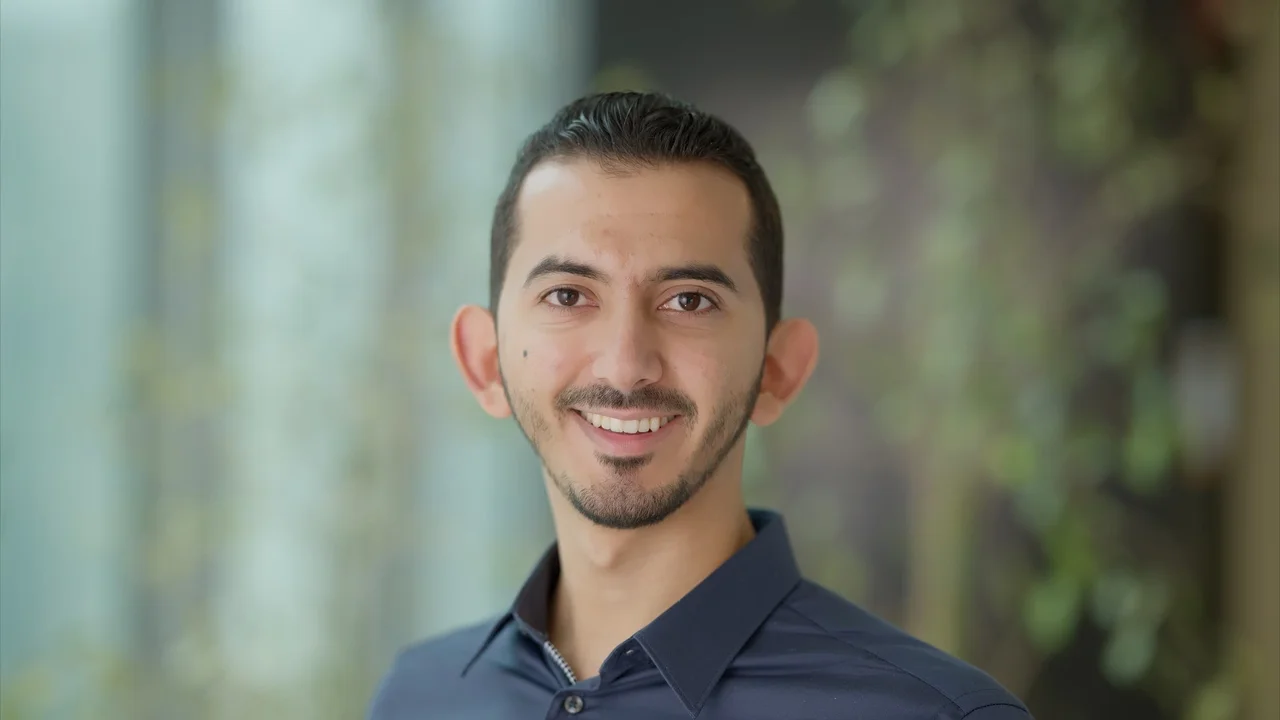
Yasir Ghunaim is a Ph.D. candidate in Computer Science at KAUST in the Image and Video Understanding Lab (IVUL), supervised by Professor Bernard Ghanem. His research focuses on efficient machine learning for scientific and medical applications, with an emphasis on improving data, training, and model efficiency to enable scalable and practical ML systems.
Yasir holds an M.S. in Computer Science from KAUST and a B.S. in Electrical and Computer Engineering from Virginia Tech. Prior to his graduate studies, he gained over seven years of experience in automation systems.
Expertise and Interests
Yasir's research focuses on applying machine learning to solve real-world challenges, with an emphasis on efficient training and inference of models. This includes improving data, training, and model efficiency to create more scalable and effective solutions.
Education
Yi Lu
- Ph.D. Student, Electrical and Computer Engineering
Biography
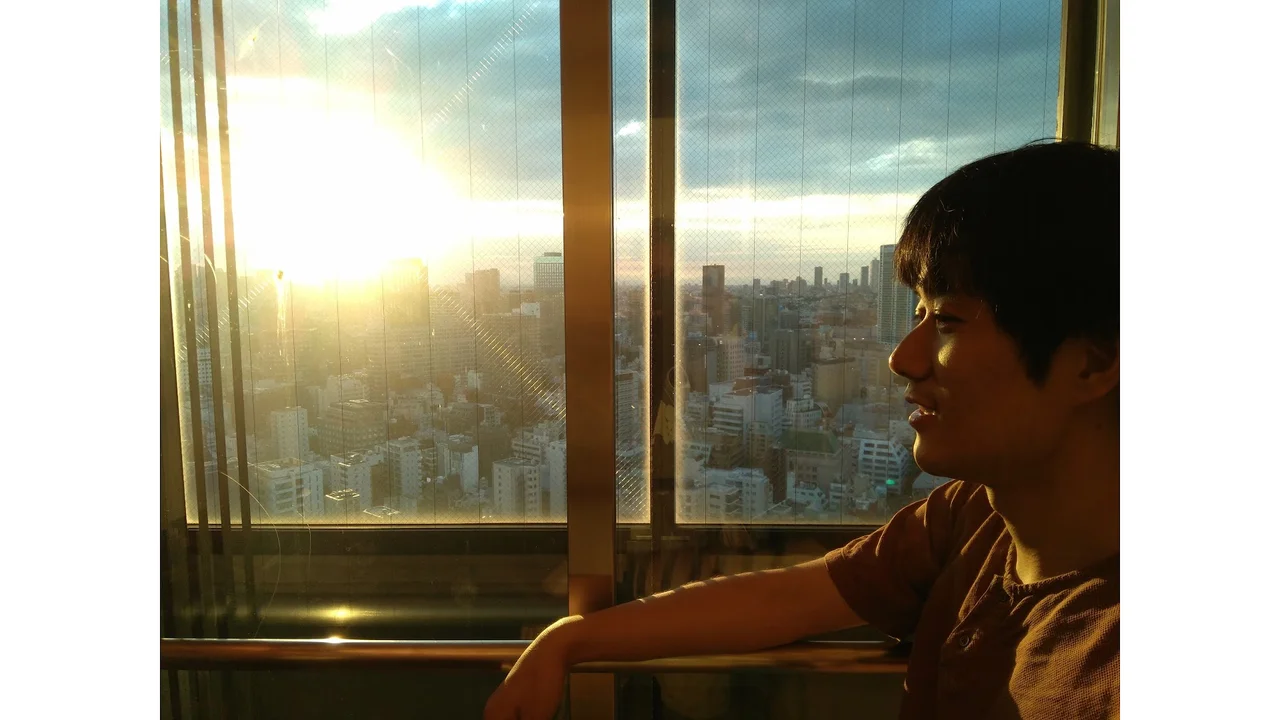
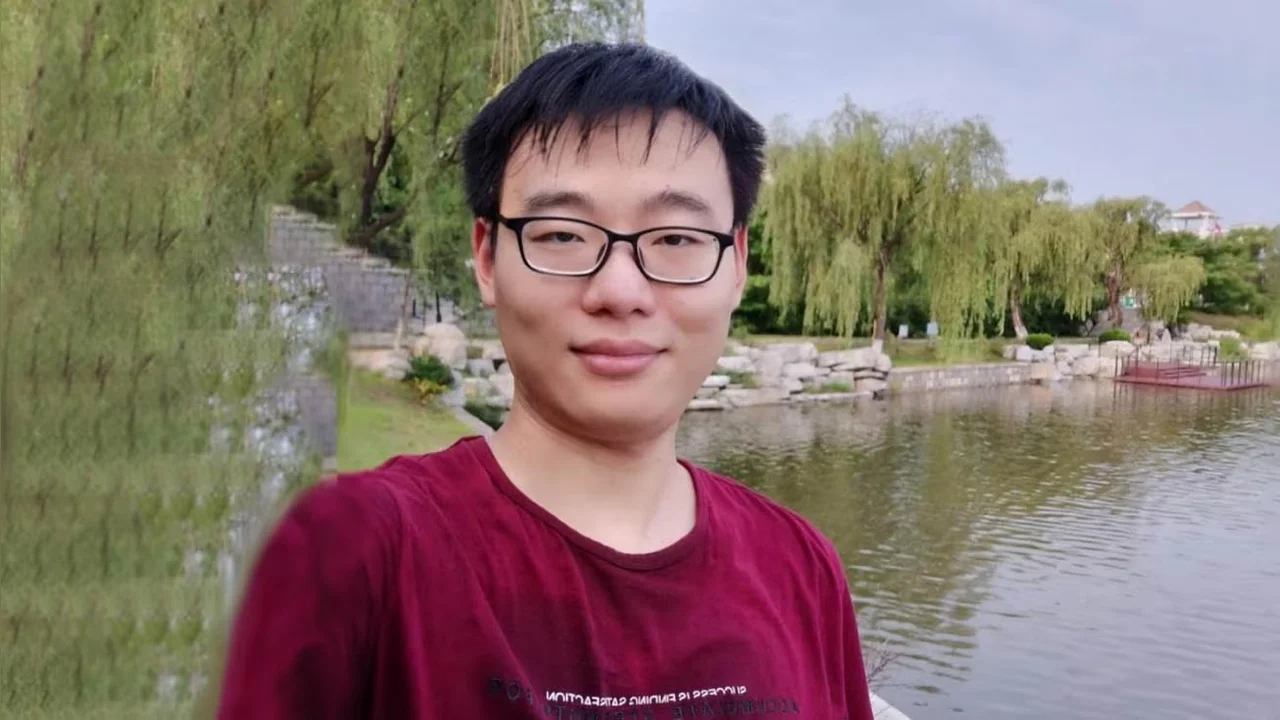
Yiming Yang is a Ph.D. candidate at the KAUST Integrated Microwaves Packaging Antennas and Circuits Technology Research Group under the supervision of Professor Atif Shamim. Before joining KAUST, Yiming obtained a bachelor's degree in electronic science and technology from the University of Electronic Science and Technology of China (UESTC).
Expertise and Interests
Yiming Yang‘s research interests include frequency selective surfaces, reconfigurable intelligent surfaces, and meta-surfaces in combination with additive manufacturing, time modulation, and other fabrication and reconfiguration methods.
Education
Biography
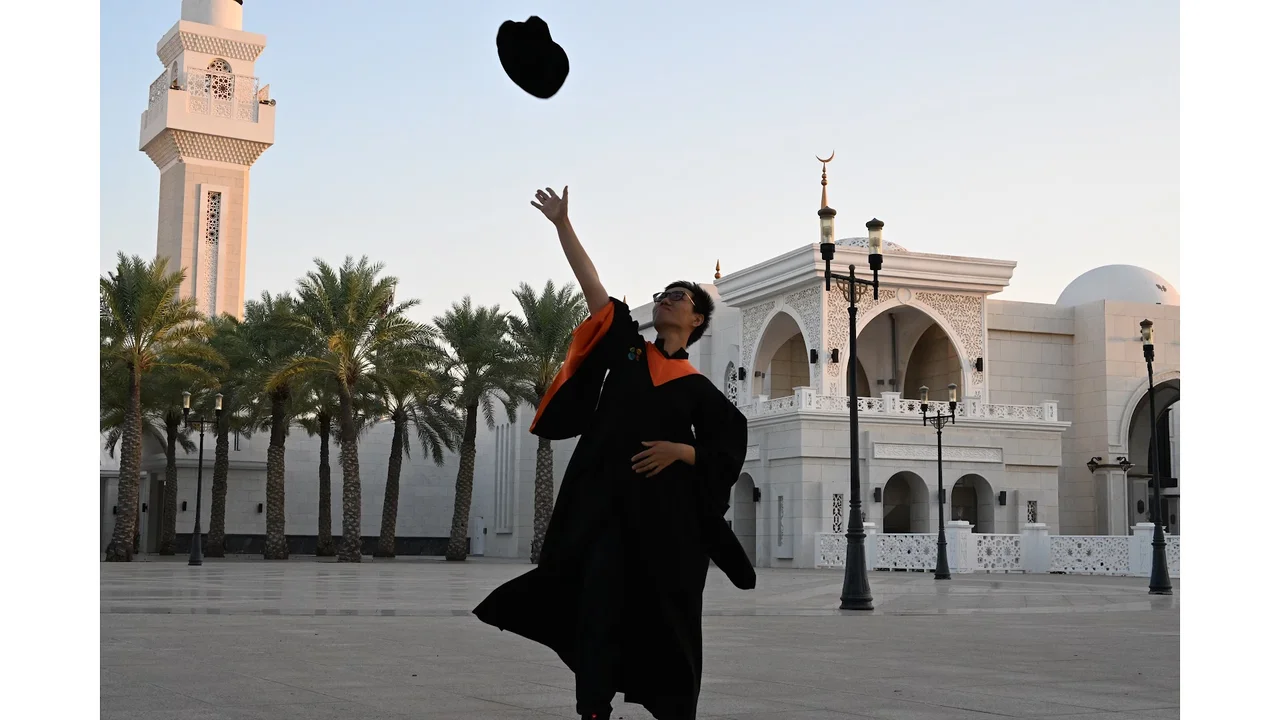
Yingquan Li is an M.S./Ph.D. candidate in the KAUST Communication Theory Lab under the supervision of Professor Mohamed-Slim Alouini. Before joining KAUST, Yingquan earned a bachelor's degree in electrical engineering from the University of Electronic Science and Technology of China.
Expertise and Interests
Yingquan's research interests include advanced signal detecting and processing, hardware implementation of key communication technology and underwater optical wireless communication. Li is focusing in the area of digital signal processing, wireless optical communication and circuit design.
Education
Biography
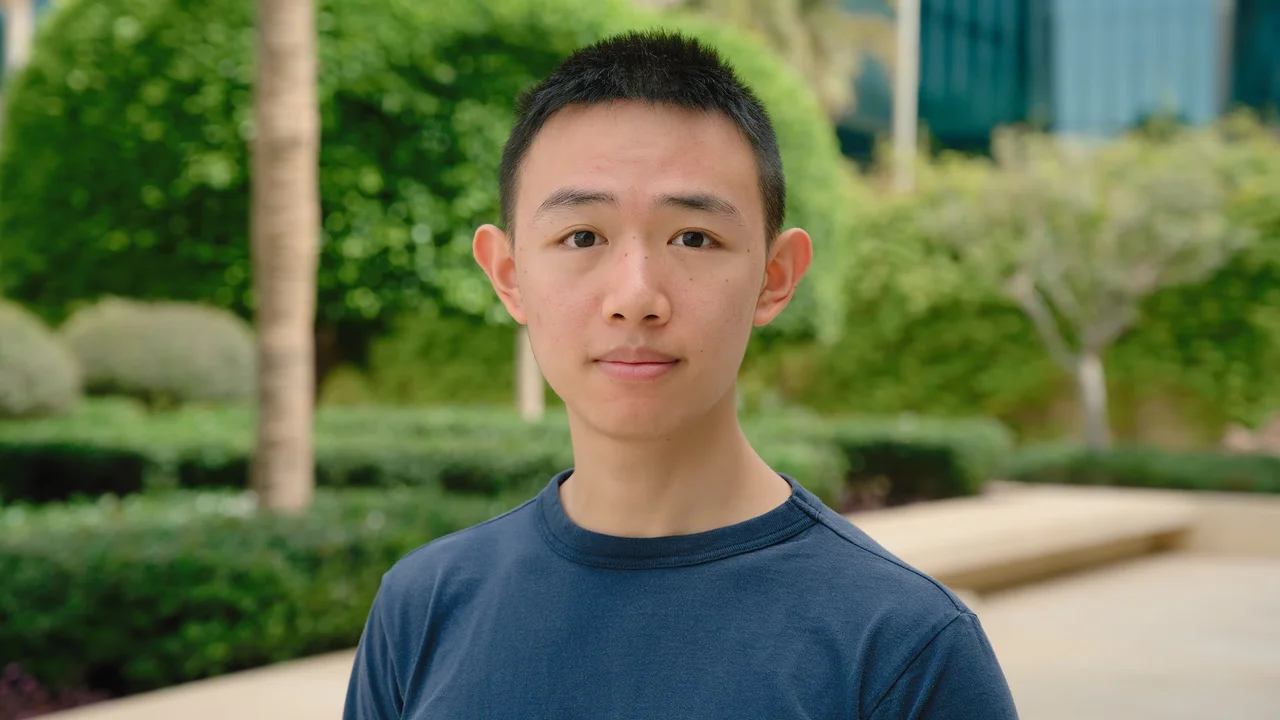
Yiyang Yu is a Ph.D. Candidate at Integrated Microwaves Packaging Antennas & Circuit Technology Research Group under the supervision of Professor Atif Shamim at King Abdullah University of Science and Technology (KAUST). His current research interests include on-chip antenna design and artificial magnetic conduction design for 6G mm-wave applications.
Expertise and Interests
Yiyang's research interests include Electrically Small Antenna Design.
Education
Biography
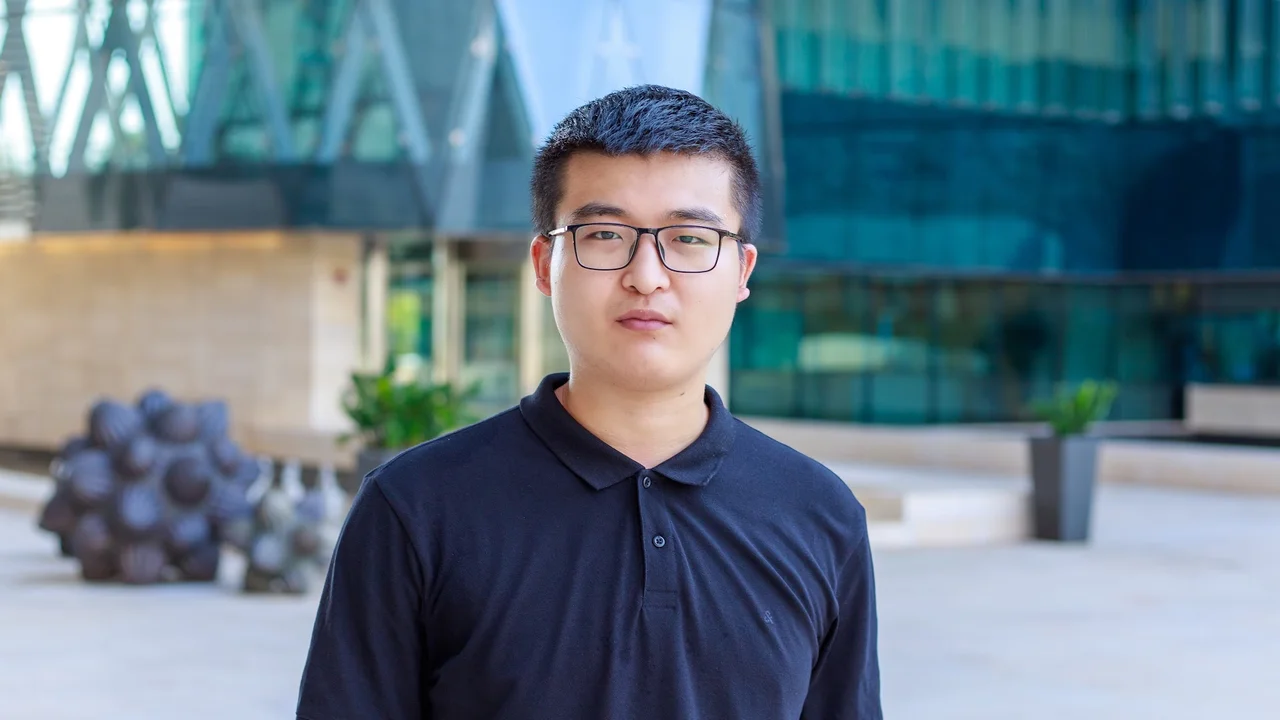
Yongqiang Zhang received the B.Sc. degree in communication engineering from Southwest University, Chongqing, China, in 2019, and the M.S. degree in electrical and computer engineering from the King Abdullah University of Science and Technology, Thuwal, Saudi Arabia, in 2021, where he is currently pursuing the Ph.D. degree.
Expertise and Interests
His main research interests include the performance analysis and optimization of the integrated access and backhaul (IAB) networks.
Education
Expertise and Interests
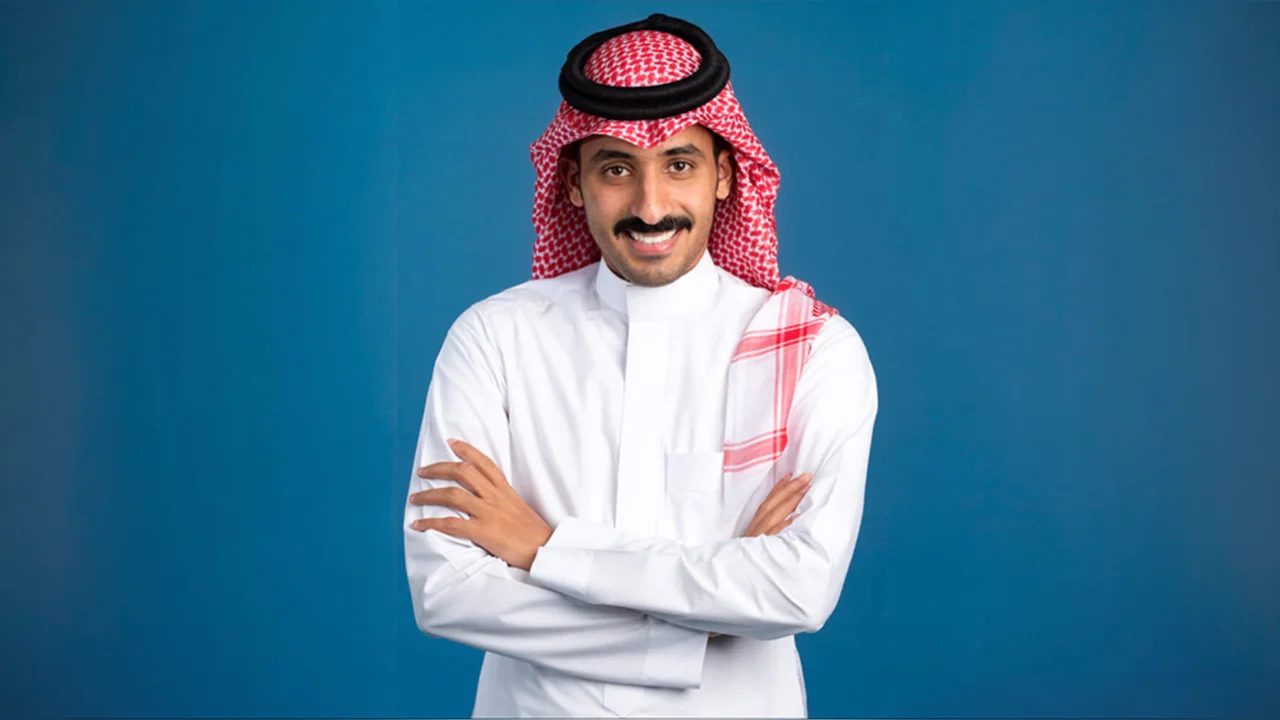
- Nanofabrication of Semiconductors
- N/MEMS design and dynamics
- Control Theory
- Vibration
- Mechatronics
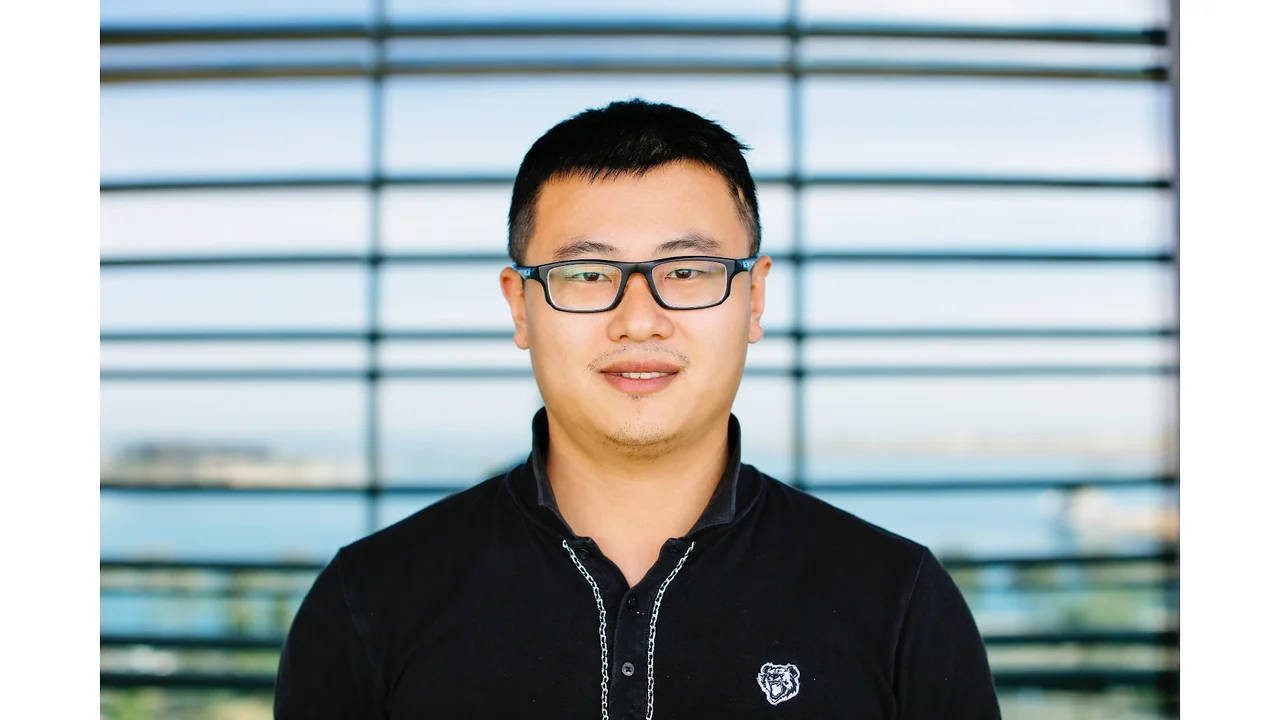
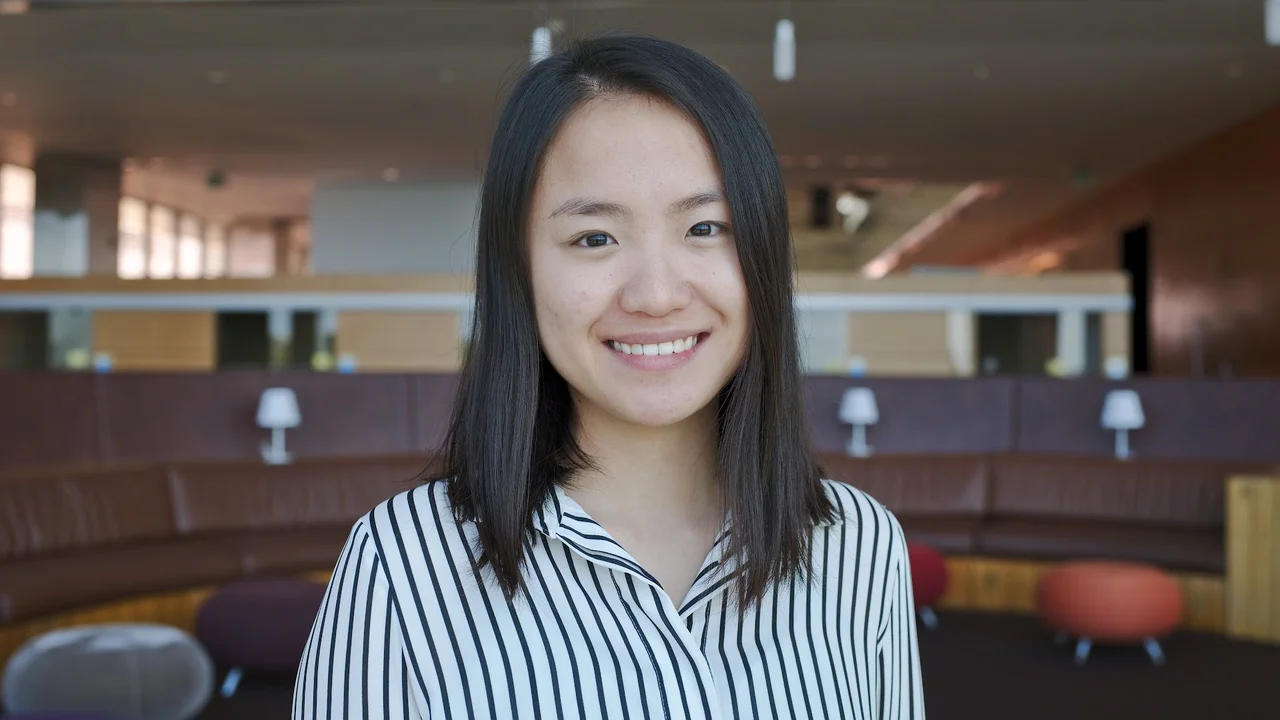
Yue Tao
- M.S. Student, Statistics
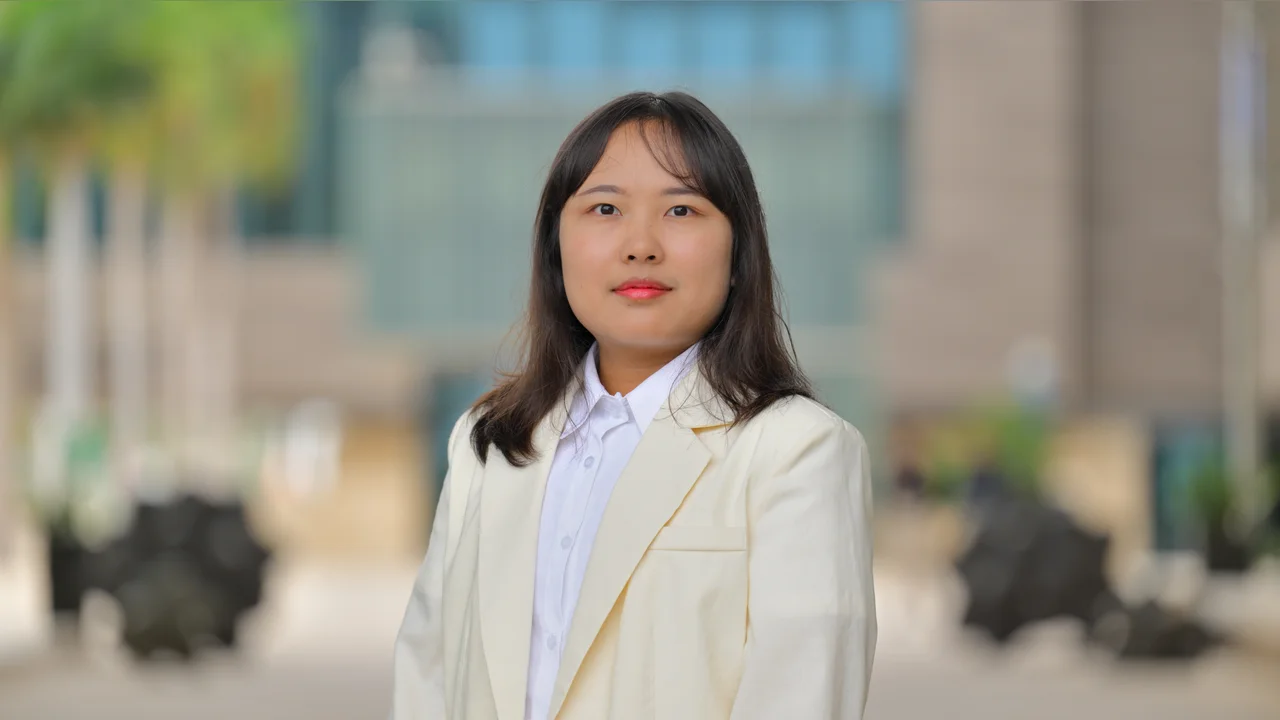
Biography
Yue Wang is a Ph.D. candidate at the Photonics Laboratory at King Abdullah University of Science and Technology (KAUST), under the mentorship of Prof. Boon S. Ooi. She earned her B.Eng. in Electronic Science and Technology from the University of Electronic Science and Technology of China (UESTC) in 2020. She received her master's degree in Electrical Engineering from KAUST in 2021.
Yue Wang's research focuses on semiconductor optoelectronics, high-speed color-converting luminescent devices, and optical wireless communication. She specializes in characterizing color-converting materials, designing and fabricating luminescent optoelectronic devices, and developing optical wireless communication systems.
Expertise and Interests
Yue Wang has explored emerging luminescent materials such as perovskites, metal-organic frameworks (MOFs), and organic fluorophores, enabling Gb/s visible light communication and wavelength-division multiplexing with enhanced channel capacity. To relieve the stringent requirements of pointing, acquisition, and tracking in underwater optical wireless communication channels, she employed scintillating fibers and luminescent solar concentrators for wide field-of-view, high-speed photodetection. Her work also extends to optical amplification, where she has developed a high-gain visible-light amplifier based on perovskite quantum dots, potentially addressing the optical loss during long-distance optical data transmission.
Education
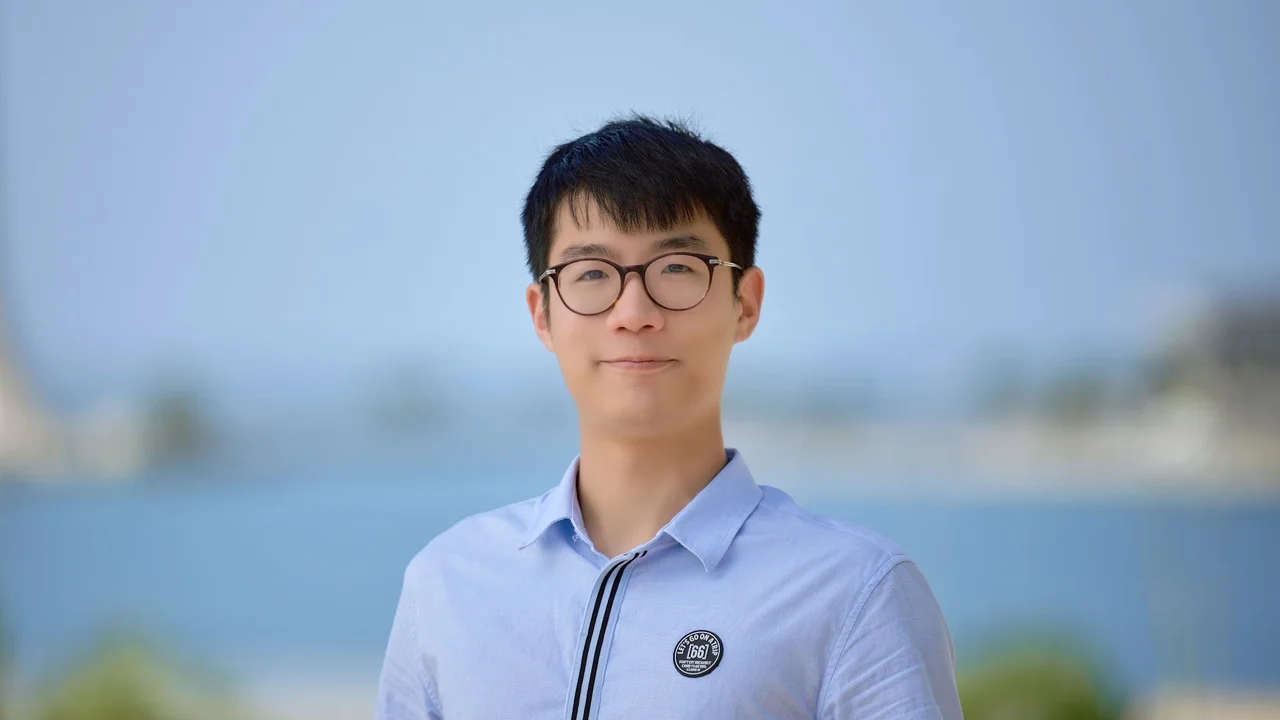
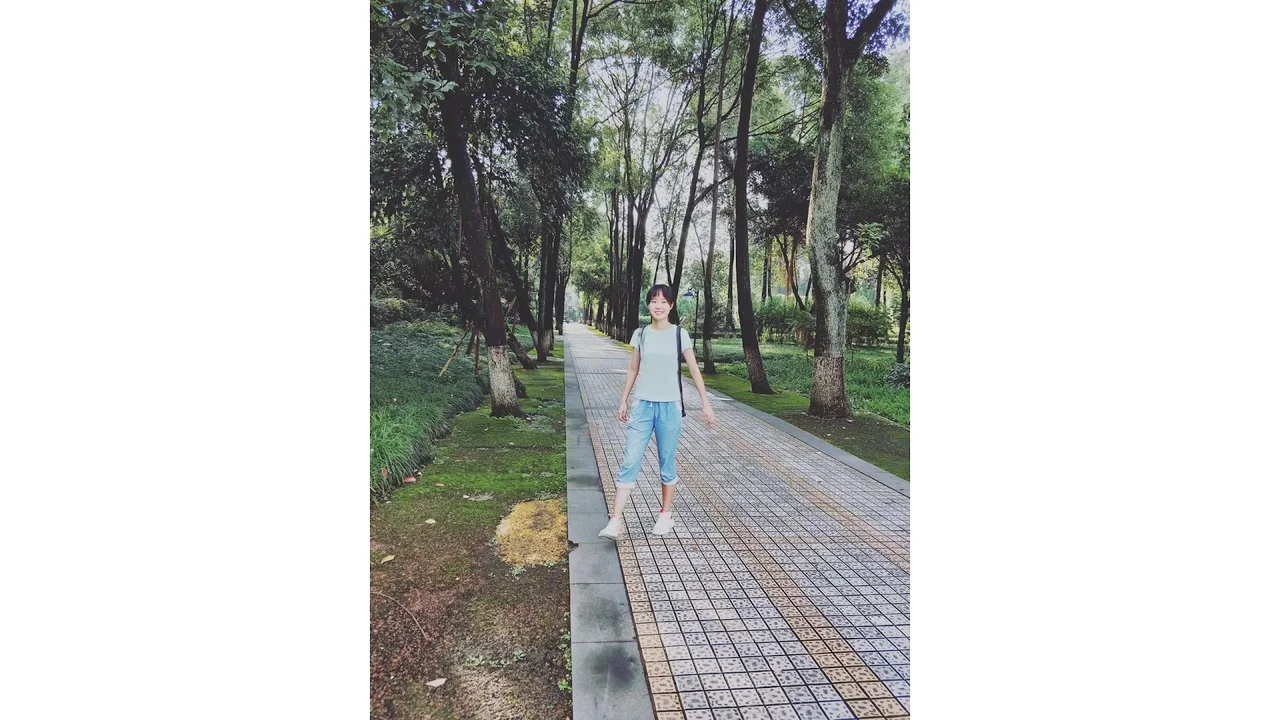
Yujun Zhou
- Ph.D. Student, Networking Research Lab
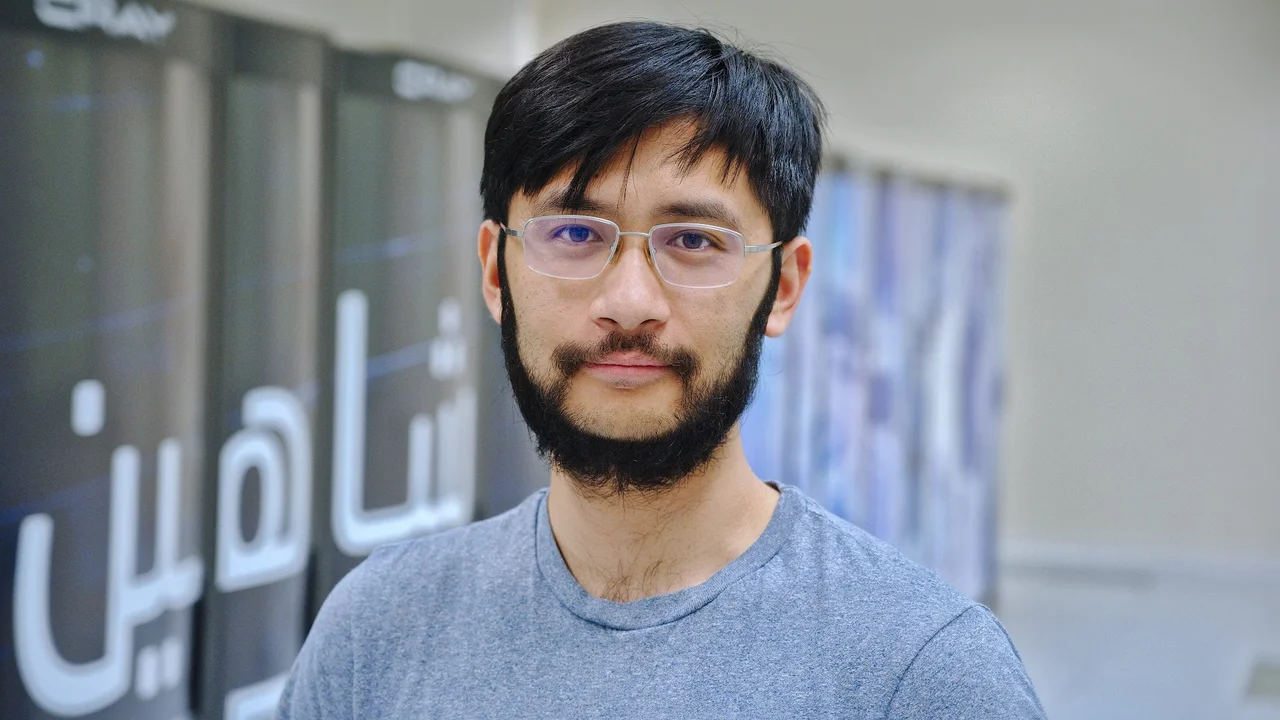
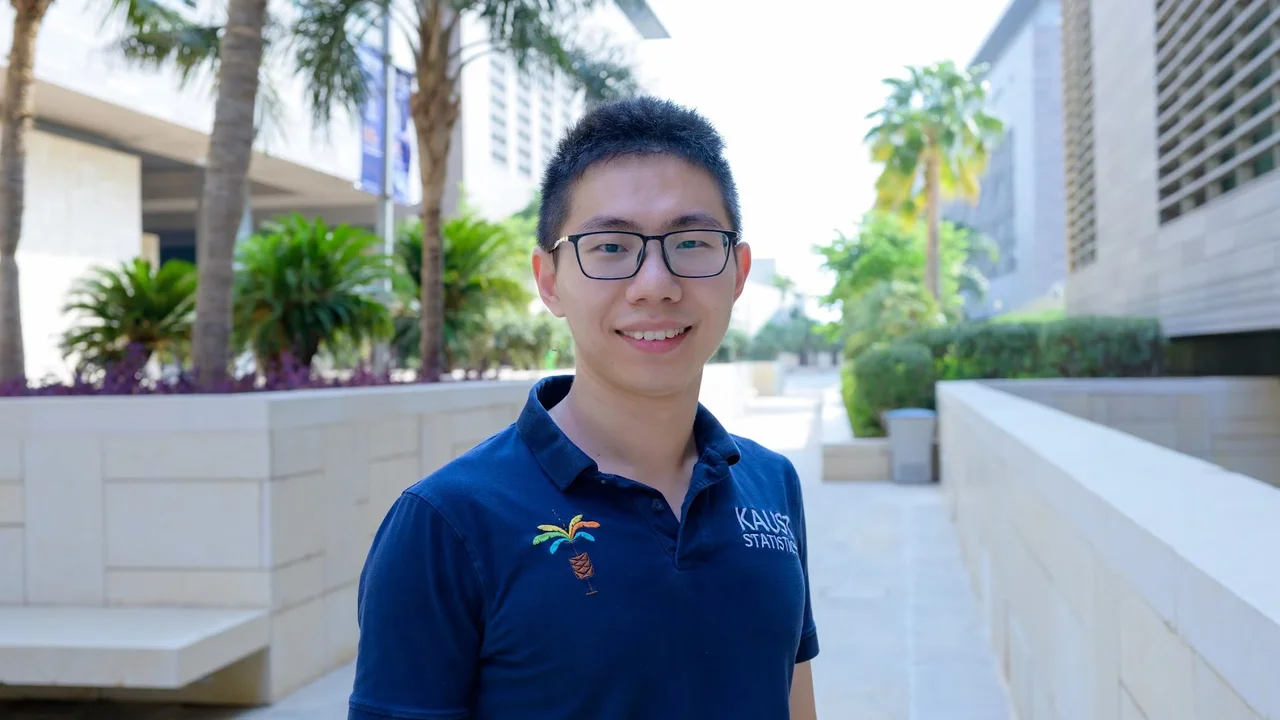
Yveline Pailles
- Postdoctoral Research Fellow, Photonics Laboratory
Zaid Sawlan
- Postdoctoral Research Fellow, Stochastic Numerics Research Group
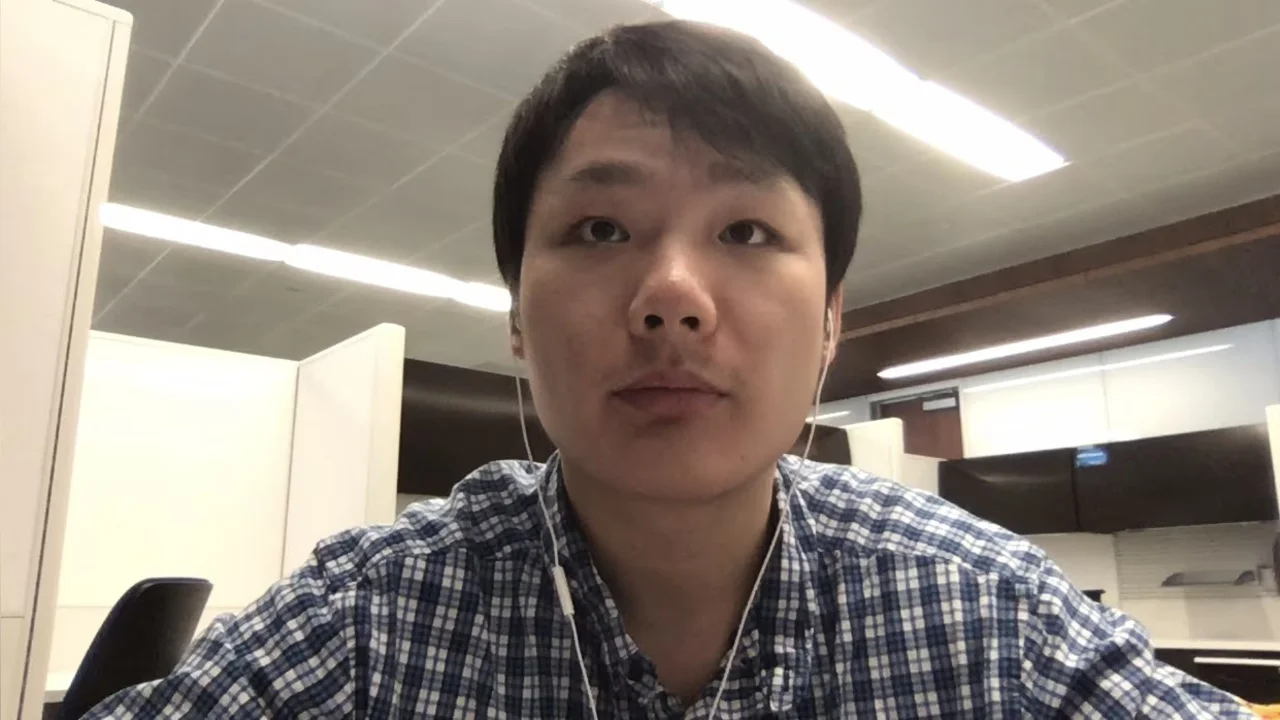
Zhen Xiong
- Ph.D. Student (former), Statistics
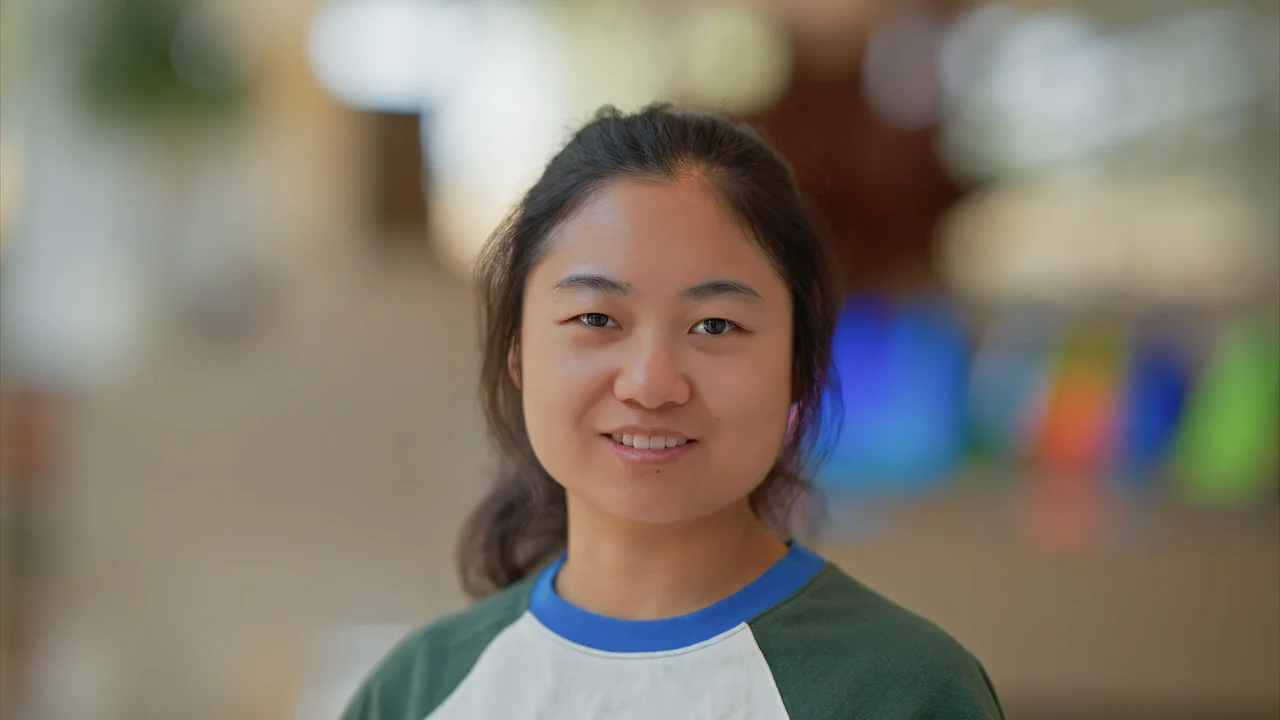
Biography
Zhengying Lou is a Ph.D. student at King Abdullah University of Science and Technology (KAUST), Thuwal, Saudi Arabia. She received her B.S. degree in Communication Engineering from University of Electronic Science and Technology of China in 2021. In 2022, she received her M.Sc. degree in Electrical and Computer Engineering from KAUST. Her current research interests include stochastic geometry and wireless networks.
Expertise and Interests
Zhengying Lou's research interests include Unmanned Aerial Vehicle and Optimization.
Education
Biography
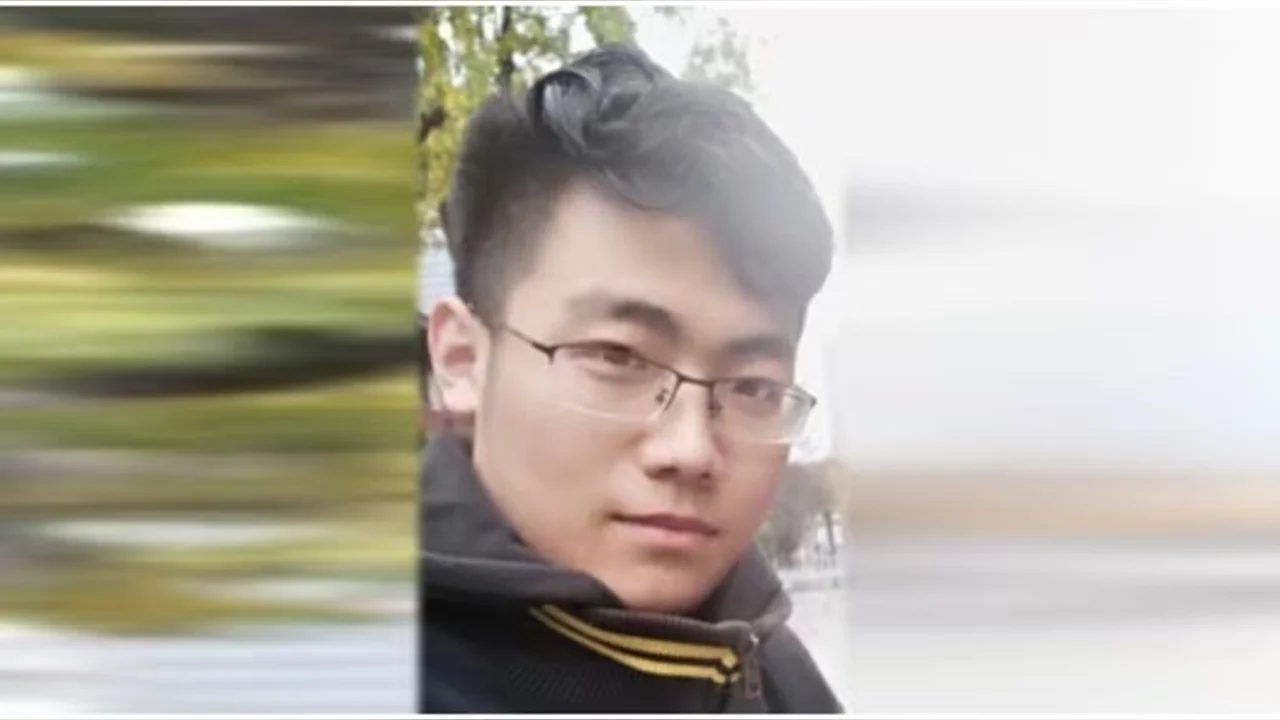
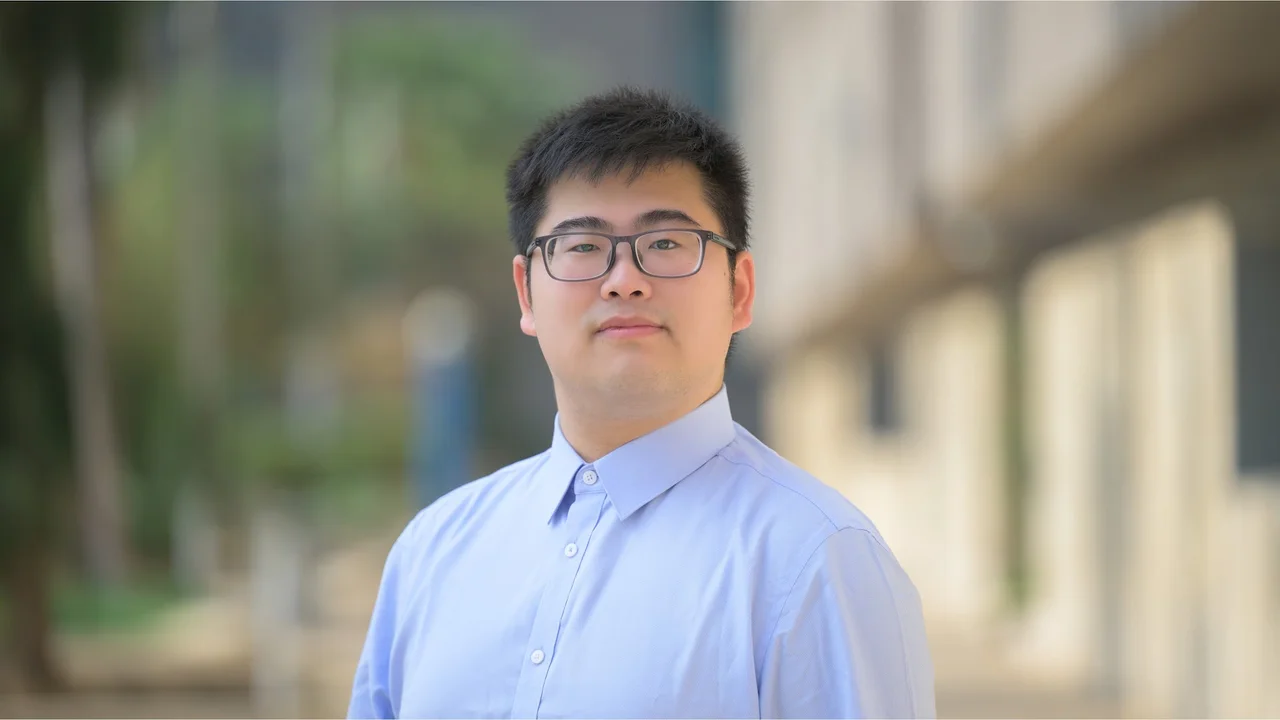
Zhiyuan Liu earned his Ph.D. in Electrical and Computer Engineering from King Abdullah University of Science and Technology (KAUST) in 2025. His doctoral research was conducted in the KAUST Advanced Semiconductor Laboratory under the supervision of Professor Xiaohang Li.
Liu’s work focuses on the design, fabrication and performance optimization of III-nitride optoelectronic devices, including micro-LEDs, deep ultraviolet LEDs and ultraviolet photodetectors. His research emphasizes device structural design, physical modeling, micro- and nanofabrication, and surface and interface engineering to improve efficiency, reliability and scalability.
During his time at KAUST, Liu developed an etching-free fabrication approach for ultra-small micro-LEDs based on selective thermal oxidation. This work was recognized with the International Solid State Lighting Alliance’s 2025 Global SSL Award of Innovations Top 100, highlighting its contribution to improving device efficiency, stability and manufacturability.
Liu has authored more than 30 SCI-indexed journal publications, including 10 first-author papers in leading journals such as Light: Science & Applications, Optics Letters and Journal of Materials Chemistry C.
He is currently a professor at the Suzhou Institute of Nano-Tech and Nano-Bionics (SINANO), Chinese Academy of Sciences, where he continues to advance research on micro-LED technologies and III-nitride optoelectronic devices.
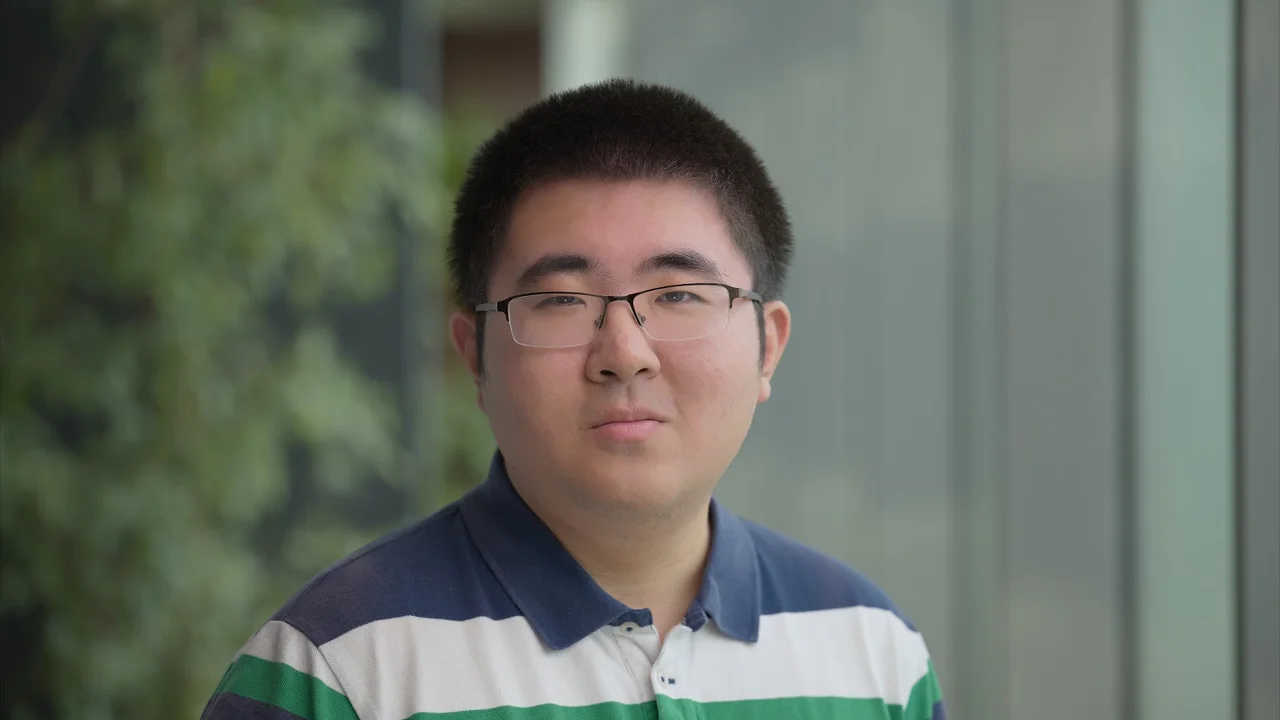
Biography
Zipei Geng completed his undergraduate education in 2019 with a Bachelor of Science in Statistics from Shandong University, alongside a dual Bachelor of Science with Honours in Statistics from The University of Manchester. He subsequently pursued a Master of Science in Statistics at ETH Zurich (Eidgenoessische Technische Hochschule Zuerich) from 2019 to 2022, where his studies concentrated on variable selection and high-dimensional statistics. Currently, he is pursuing his doctoral studies as a PhD candidate in Statistics at King Abdullah University of Science and Technology, working under the guidance of Prof. Marc G. Genton.
Education
Administrative Staff
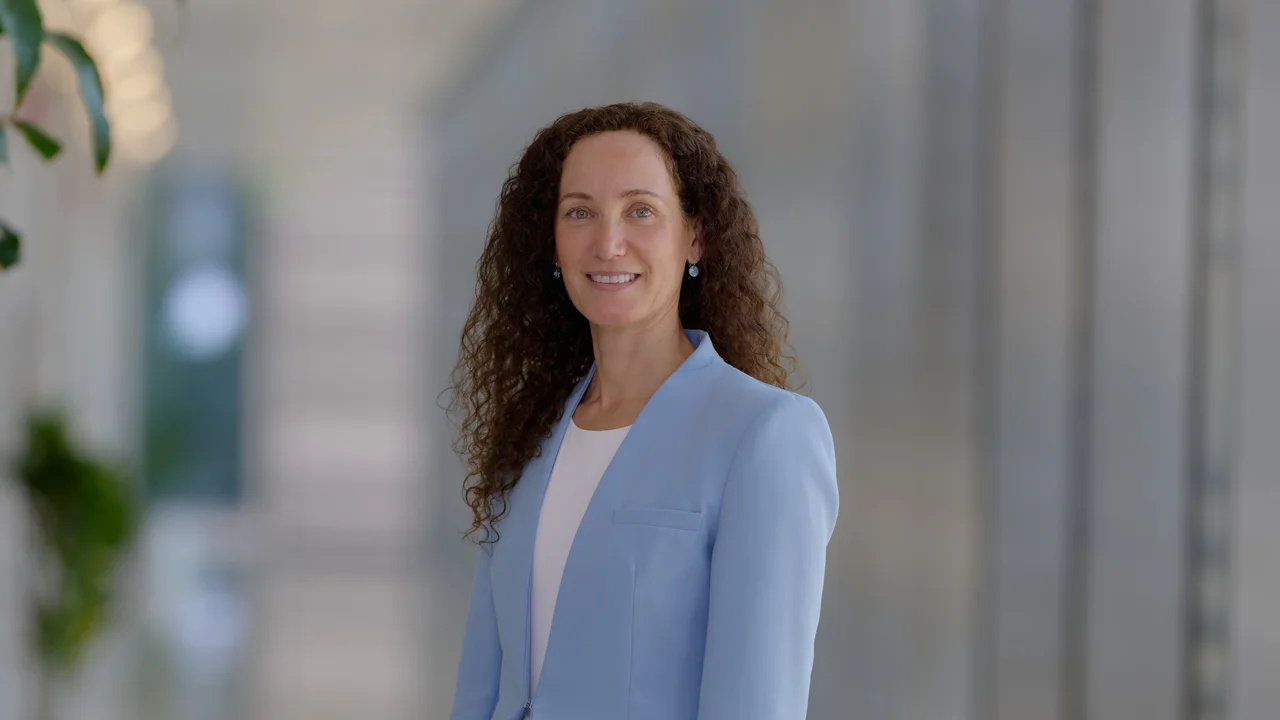
Aida Mizouni-Hoteit
- Senior Graduate Education Specialist, Computer, Electrical and Mathematical Sciences and Engineering