
Profiles
Students
Education
Biography
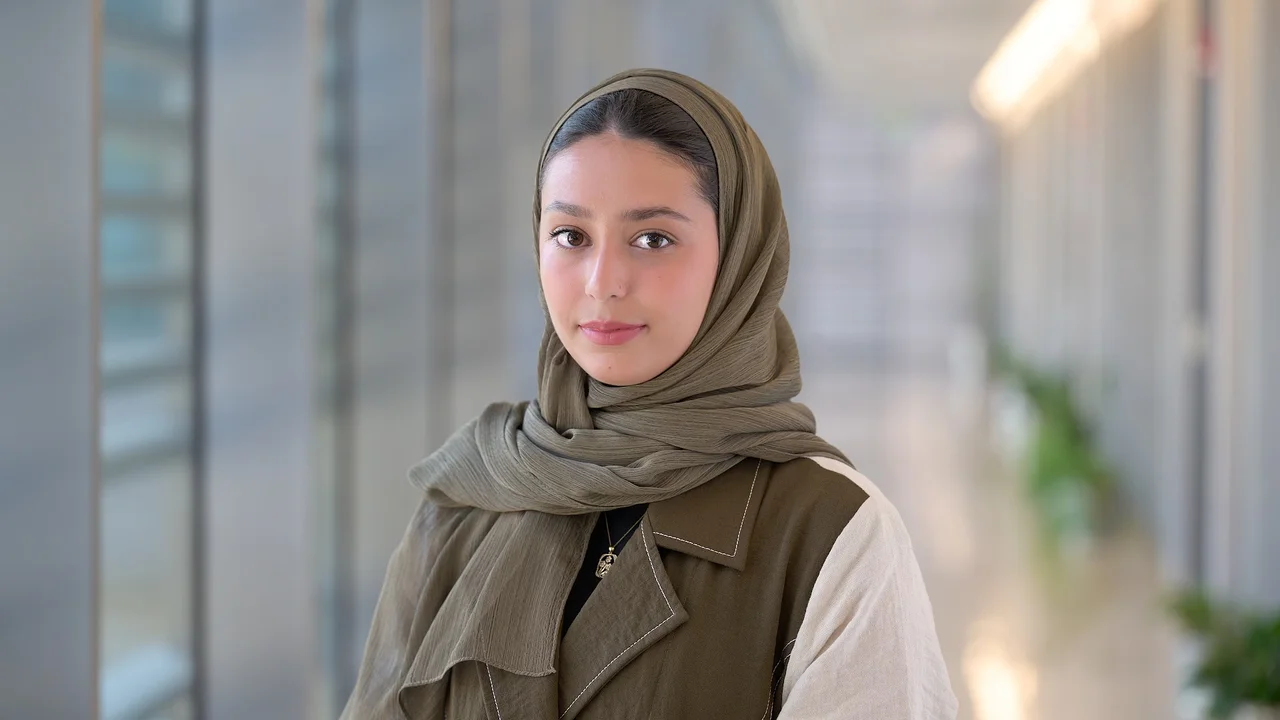
Amani Ageeli is a Ph.D. candidate in Computer Science at King Abdullah University of Science and Technology (KAUST), working in Prof. Markus Hadwiger research group High-Performance Visualization Group. She earned her master’s degree in Computer Science from KAUST and her bachelor’s degree in Computer Science from Umm Al-Qura University. Her doctoral research focuses on developing compact, efficient approaches for analyzing large-scale, time-dependent scientific data. Throughout her studies, she has contributed to teaching and supporting visualization and programming courses, and has also taught pre-university students through KAUST educational programs such as KVA and Space2101.
Expertise and Interests
Amani is passionate about computer graphics, scientific visualization, real-time rendering, and virtual and augmented reality. Aside from research, Amani enjoys teaching, she joined as a TA in couple of graduate courses and for high school student program. Amani has experience in design and technical illustration, with interests spanning GPU-based visualization, real-time rendering, scientific visualization, and scientific illustration.
Education

Biography
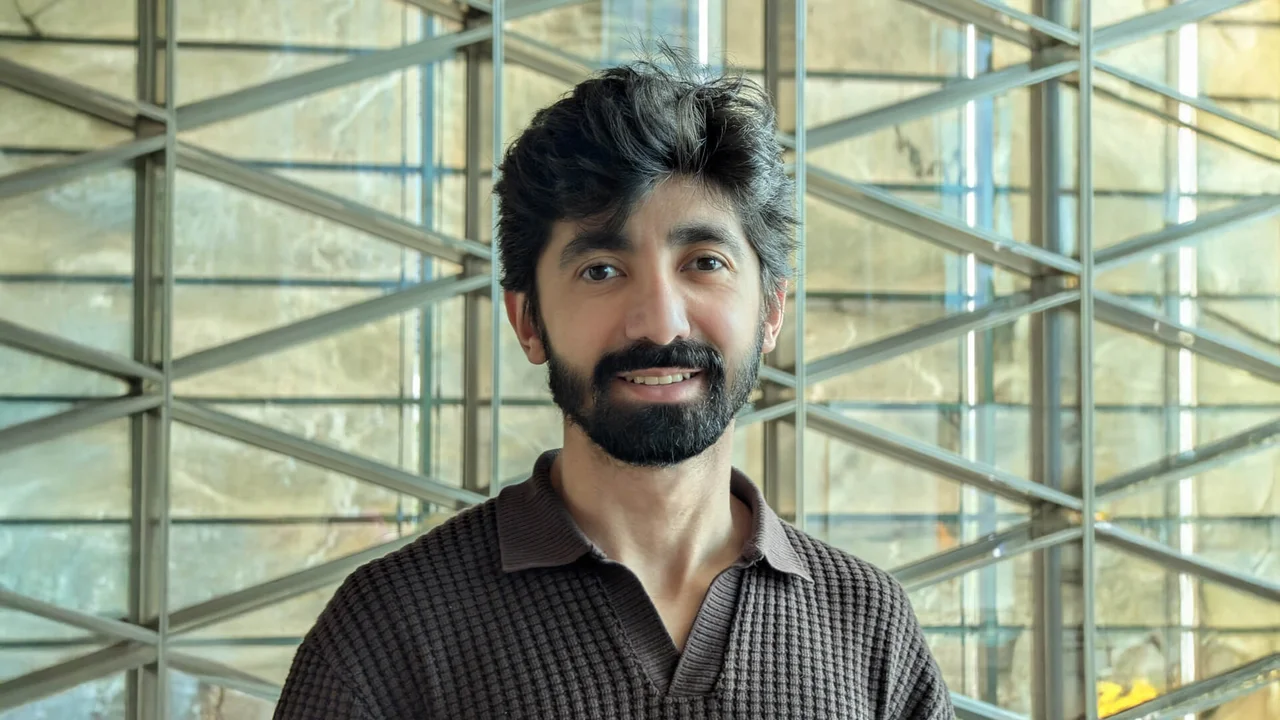
Amin Almozel is a PhD candidate whose research focuses on simulation, optimization, and autonomous mobility systems. His work includes developing a city-scale drone-traffic simulator and an unmanned traffic management framework that integrates logistics applications such as autonomous food delivery. Throughout his doctoral studies, Amin has been dedicated to advancing safe, efficient, and scalable air-traffic solutions for urban environments. His broader interests include intelligent transportation systems, real-time planning, and high-fidelity modeling of autonomous agents.
Expertise and Interests
- Autonomous and Intelligent Systems Robotics
- Drones
- Air Traffic Control
Education
Education
Biography
Amr N. Abdelrahman received his B.Sc. (Hons.) degree in Nanotechnology and Nanoelectronics Engineering from the University of Science and Technology, Zewail City, Egypt, in 2021, and his M.Sc. degree in Electrical and Computer Engineering from King Abdullah University of Science and Technology (KAUST), Saudi Arabia, in 2023. He is currently pursuing a Ph.D. at KAUST. In 2024, he was a visiting scholar at Polytechnique Montréal, Canada.
His research focuses on the development of ultra-low-power transceivers for next-generation wearable devices using human body communication (HBC). His work aims to enable wire-free connectivity between low-power wearable sensor nodes without relying on traditional RF or wired links.
Expertise and Interests
Amr's research interests include human body communication, analog and mixed-signal circuit design, and low-power electronics for biomedical applications.
Education
Expertise and Interests
- Robotics
- Self-Assembly
- Control
- 3D Printing
- Modeling
Education
Biography
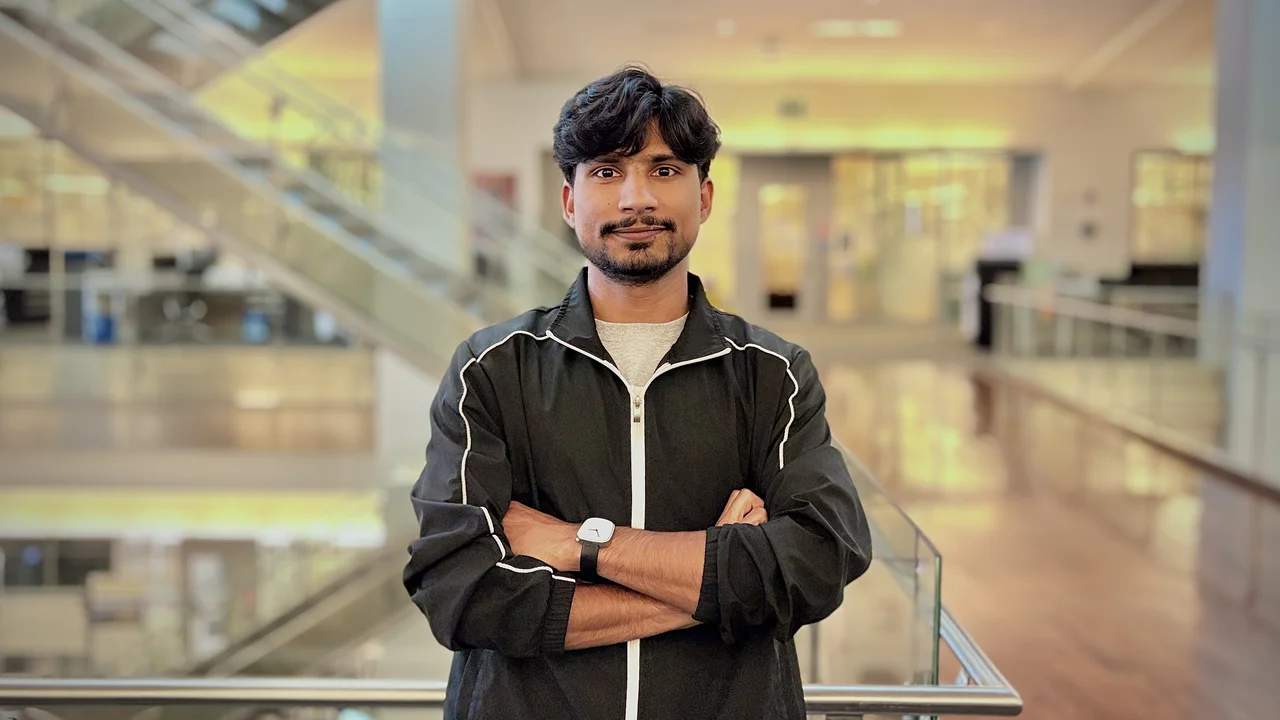
Bachelor of Science in Kazakhstan Branch of Lomonosov Moscow State University Major study was 'Applied Mathematics and Computer Science' and minor 'Control Theory for Nonlinear Dynamic systems and processes' 1 year of experience as ML Engineer in R&D team at a startup BSc diploma project 'Developing mathematical model for drones group patrolling using reinforcement learning'
Expertise and Interests
Computer Vision applications in Autonomous Systems, Multi-Agent Reinforcement Learning, Autonomous Vehicles, Robotics
Education
Education
Biography
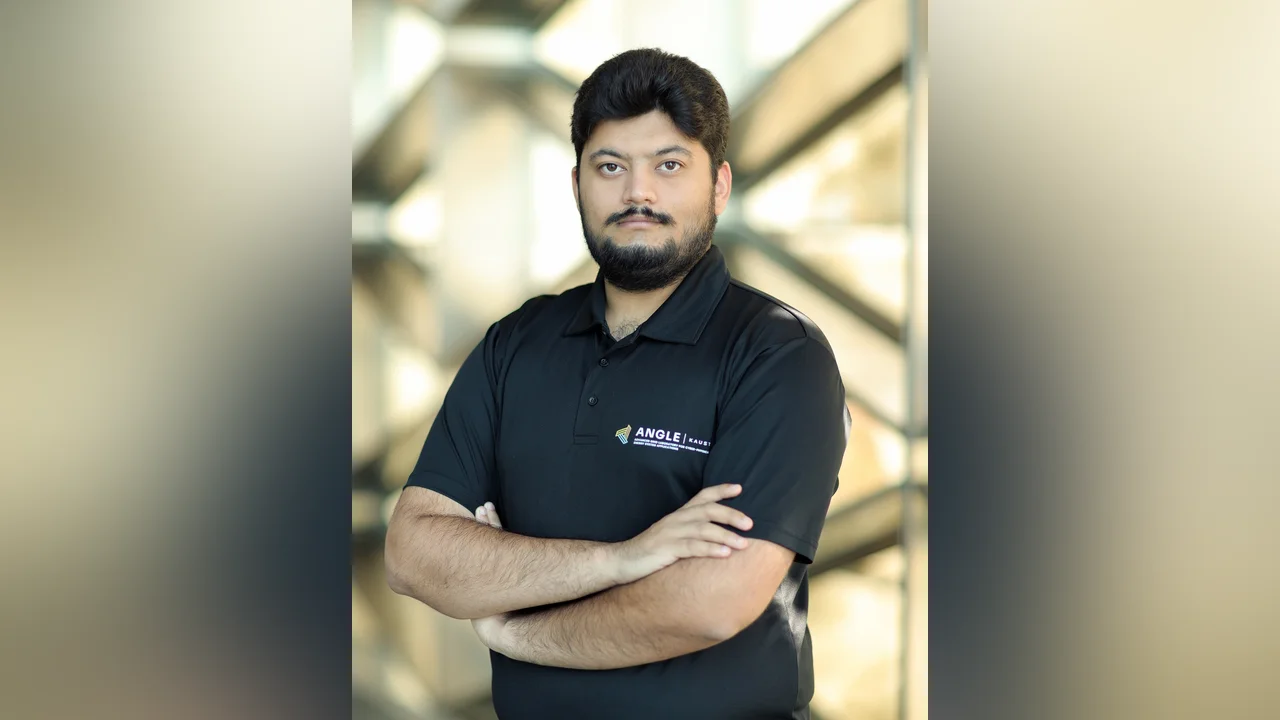
Aoun’s research focuses on improving how power systems operate and plan under high shares of variable renewables. At KAUST he is developing advanced unit commitment methods that explicitly consider renewable uncertainty and system stability while searching for algorithmic speed-ups and new formulations using quantum computation. Earlier work includes stochastic AC optimal power flow solved with machine learning surrogates, and course projects on grid-following and grid-forming inverter modeling for wind farms plus HVDC design for bulk power transfer.
During his master’s degree (fully funded) at Skoltech, Moscow (2022-2024), Aoun worked on a modified frequency control strategy for solar PV inverters using a virtual synchronous generator approach. His bachelor’s degree in Electrical Engineering (COMSATS University Islamabad, 2017-2021) included an ERASMUS+ semester at Sehir University Istanbul, in 2019. For his final-year project he developed an AI-based automatic meter reading framework that used deep neural networks for digit detection and recognition. He graduated as the silver medalist of his class.
Aoun has industrial experience from internships with LESCO in Pakistan and Shakarganj Mills Limited, and he worked as a Management Trainee Engineer at Shakarganj Mills Limited from 2021 to 2022. He programs primarily in MATLAB and Python and is actively developing skills in quantum software stacks such as PennyLane and Qiskit to apply quantum techniques to optimization problems in power systems.
Expertise and Interests
- Unit commitment and scheduling for systems with high renewable penetration
- Quantum and hybrid quantum-classical algorithms for power-system optimization
- Stochastic AC optimal power flow and machine-learning-based surrogates
- Grid-forming and grid-following inverter modeling and control for wind farms
- HVDC system design and power transfer studies
Education
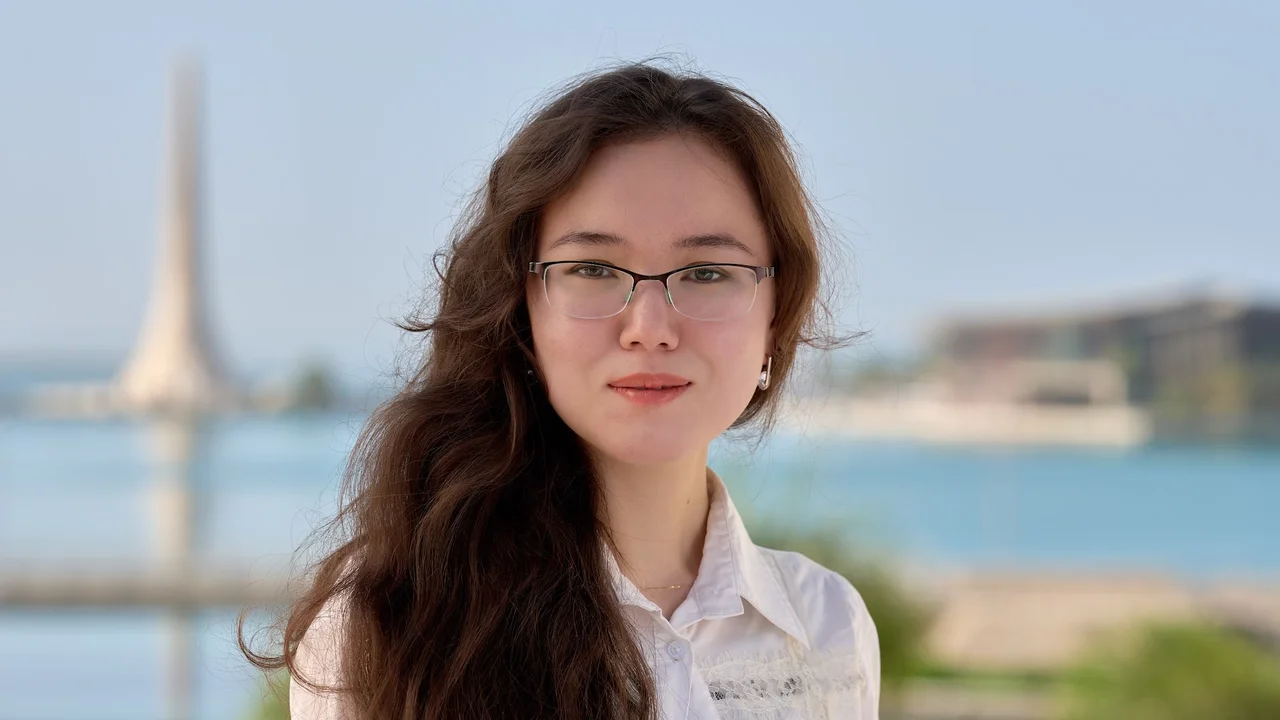
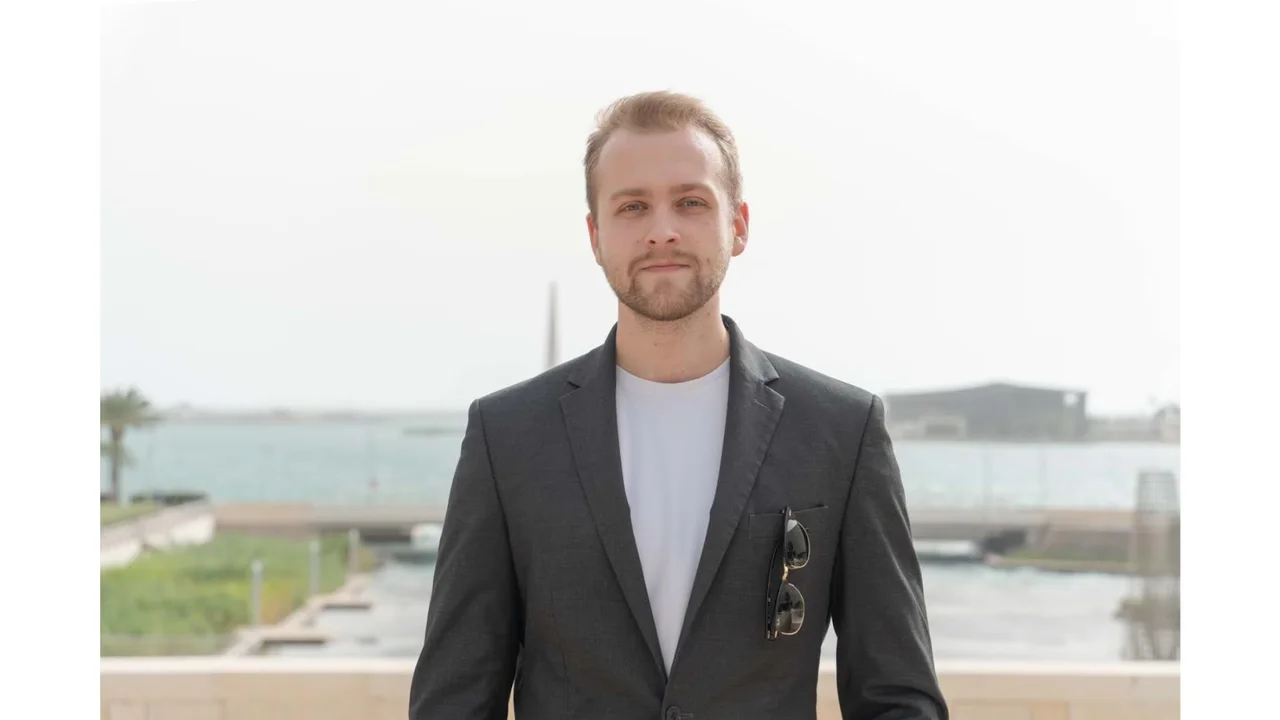
Artem Prokoshin
- Ph.D. Student, Electrical and Computer Engineering

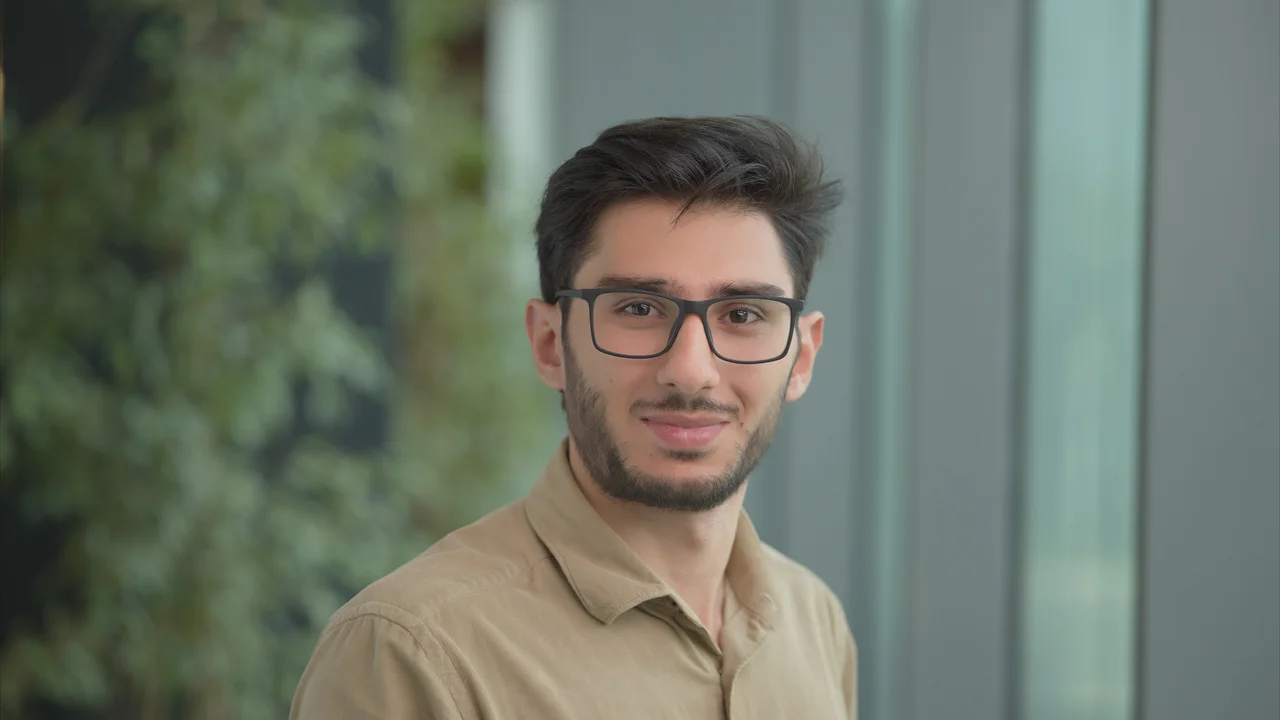
Arto Maranjyan
- Ph.D. Student, Computer Science
Biography
Artavazd Maranjyan is a Ph.D. Candidate in Computer Science at King Abdullah University of Science and Technology (KAUST), advised by Prof. Peter Richtárik.
His work has been published in leading machine learning conferences such as ICML, ICLR, and UAI. He has received the CEMSE Dean’s List Award for academic and research excellence, and the Dean’s List Award upon joining KAUST.
Before starting his Ph.D., Artavazd earned his M.S. and B.S. degrees from Yerevan State University, where he co-authored several papers in harmonic analysis under the guidance of Prof. Martin Grigoryan.
Expertise and Interests
Arto's research focuses on the theory and design of asynchronous optimization methods—developing efficient, scalable, and theoretically grounded algorithms. More broadly, he works on optimization for machine learning and federated learning.
Biography
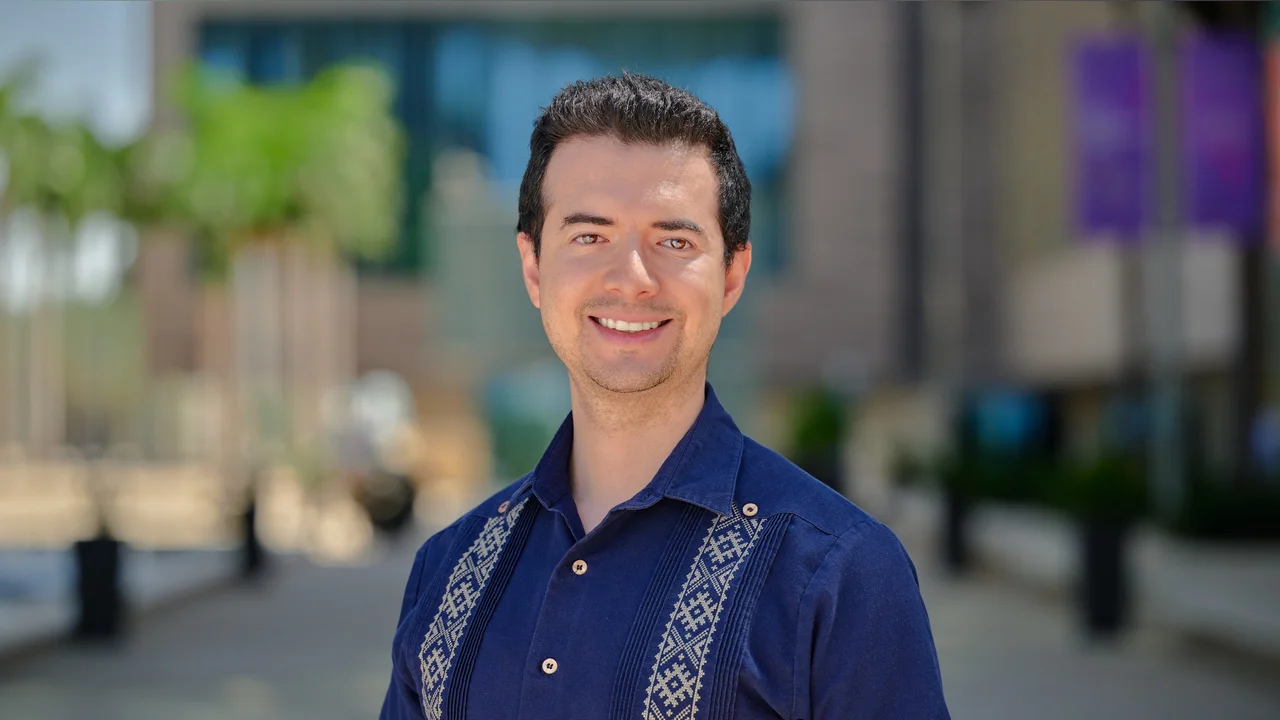
Arturo is a Ph.D. candidate in Electrical and Computer Engineering at the Computer, Electrical and Mathematical Sciences and Engineering (CEMSE) Division of King Abdullah University of Science and Technology (KAUST). Following his participation in the KAUST's 2017 Photonics Summer Camp, he started his graduate studies at KAUST in August 2018. Prior to his graduate studies he earned B.Sc. in Engineering Physics from Instituto Tecnológico y de Estudios Superiores de Monterrey (Mexico) in 2017, and conducted a research intership in the Nuclear Sciences Institute (ICN) of the Universidad Nacional Autónoma de México in 2016.
Arturo is the co-founder of Pixeltra Inc., a startup company specializing in multidimensional imaging solutions through metasurfaces. He actively serves as a reviewer for Nature Communications, and has authored ten publications in high-impact factor journals during his Ph.D. He received the Academic Excellence award from KAUST in 2022 and 2023, and was awarded 2nd place at the 2019 Falling Walls international pitching competition.
Expertise and Interests
Arturo's research focuses on the design and fabrication of optical metasurfaces, emphasizing practical applications in remote sensing and hyperspectral imaging.
Education
Biography
Ms. Aseel AlNajjar is a Ph.D candidate in the AppliedPDE group of the Applied Mathematics and Computational Science program (AMCS) of CEMSE division at the King Abdullah University of Science and Technology, Saudi Arabia. She graduated from Taibah University in 2019 with a bachelor's degree in Mathematics and received a Master's degree in Applied Mathematics from KAUST in 2021. During 2018 Ms. AlNajjar was a summer research intern in the AppliedPDE group.
Education
Biography
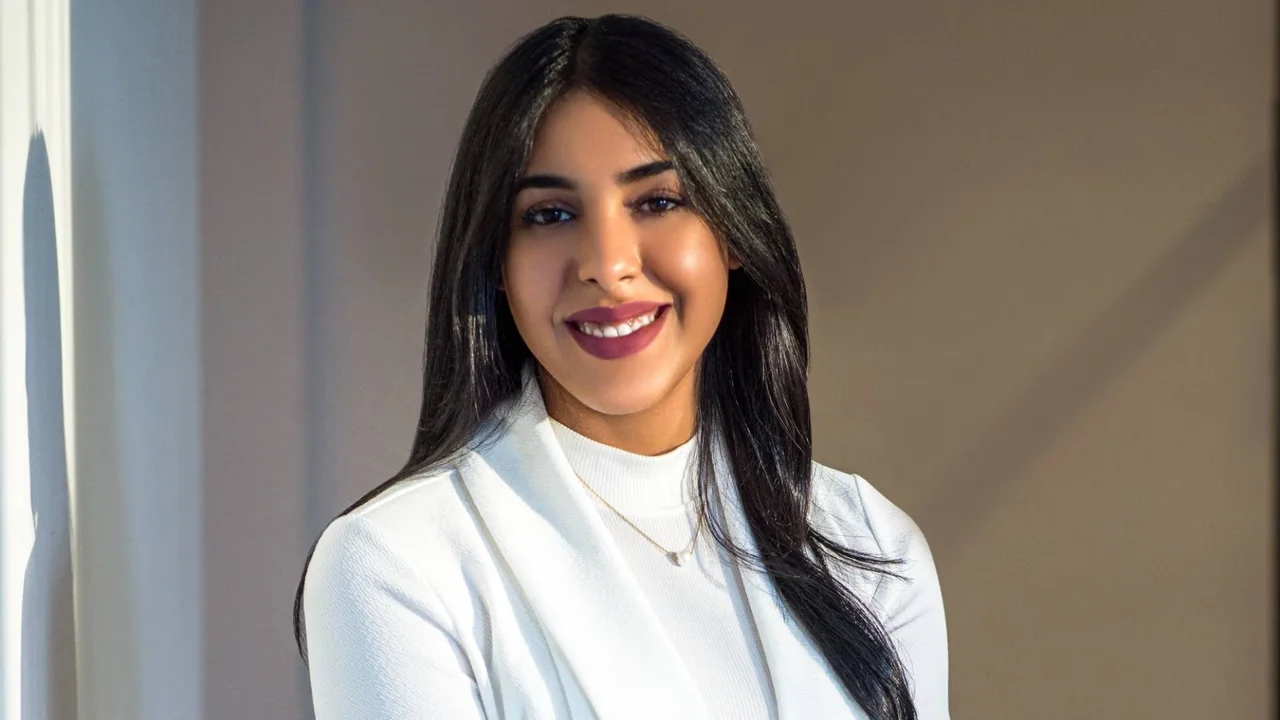
Atiya Arshad is an M.S. student in Electrical and Computer Engineering at King Abdullah University of Science and Technology (KAUST), Saudi Arabia, where she conducts research under the supervision of Prof. Xiaohang Li. She earned her bachelor’s degree in Electronics and Communication Engineering from Jamia Millia Islamia, New Delhi, India.
Expertise and Interests
Atiya’s research interests include wide-bandgap semiconductors, power devices, and β-Ga₂O₃-based electronics. Her research focuses on high-voltage devices based on ultra-wide-bandgap semiconductors. Her work spans device design, fabrication, and characterization, with a particular emphasis on β-Ga₂O₃ devices for power electronics applications.
Education
Biography
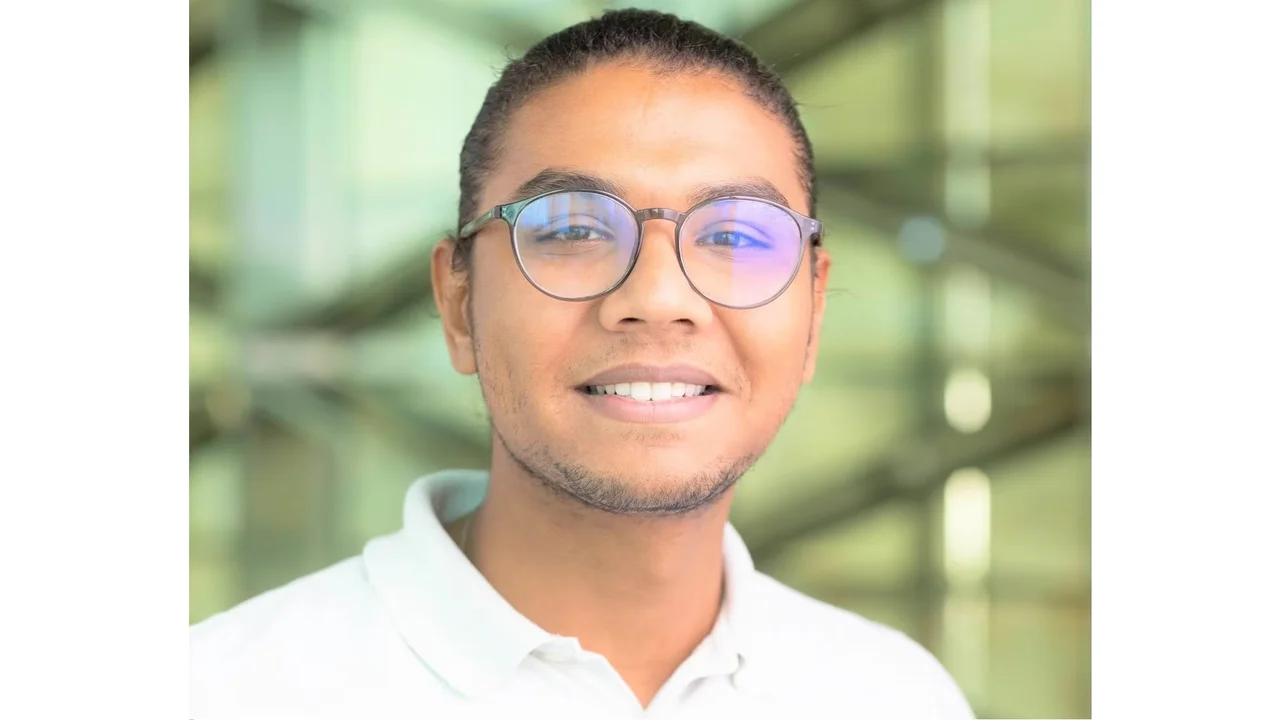
Aznaur obtained his bachelor's degree in Applied Mathematics and Physics from Moscow Institute of Physics and Technology in 2023. He joined KAUST in 2024 to pursue his MS and PhD degrees.
Expertise and Interests
Deep Learning, Computer Vision, Reinforcement Learning.
Education
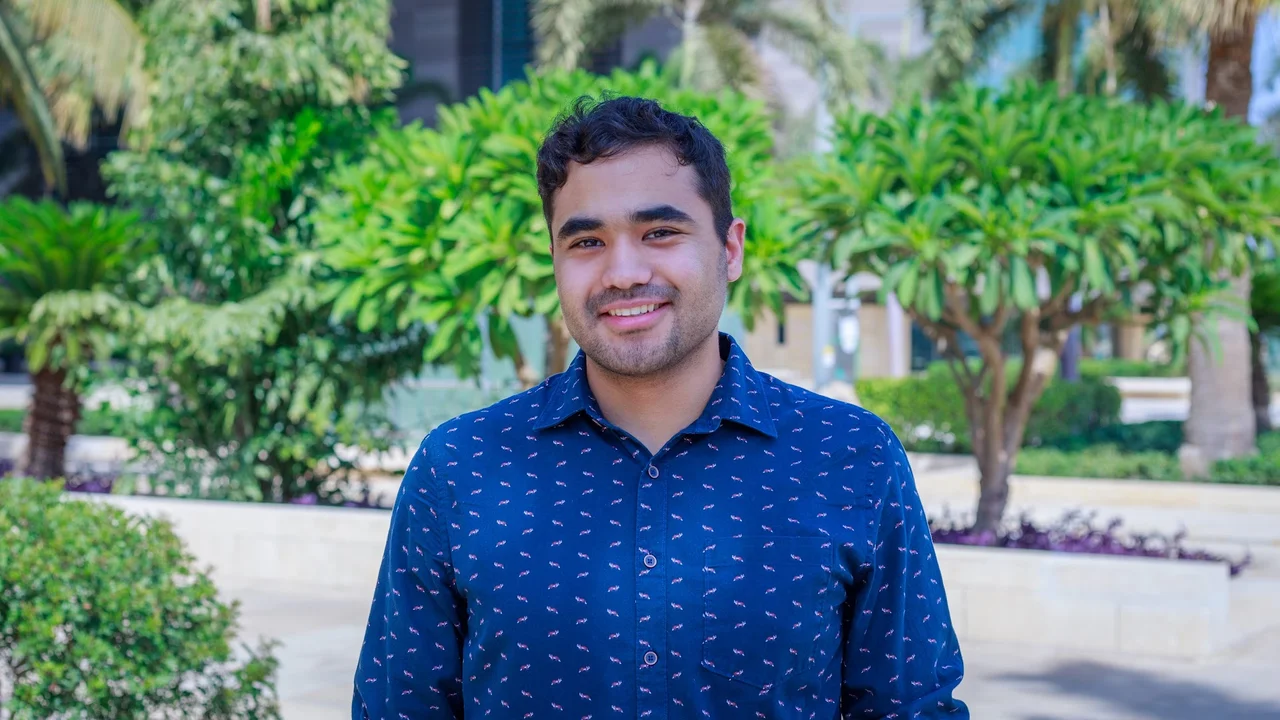
Bader A. Tayeb
- M.S. Student, Computer Science
Expertise and Interests
His research interests include deep learning, large language models, and reinforcement learning.
Education
Biography
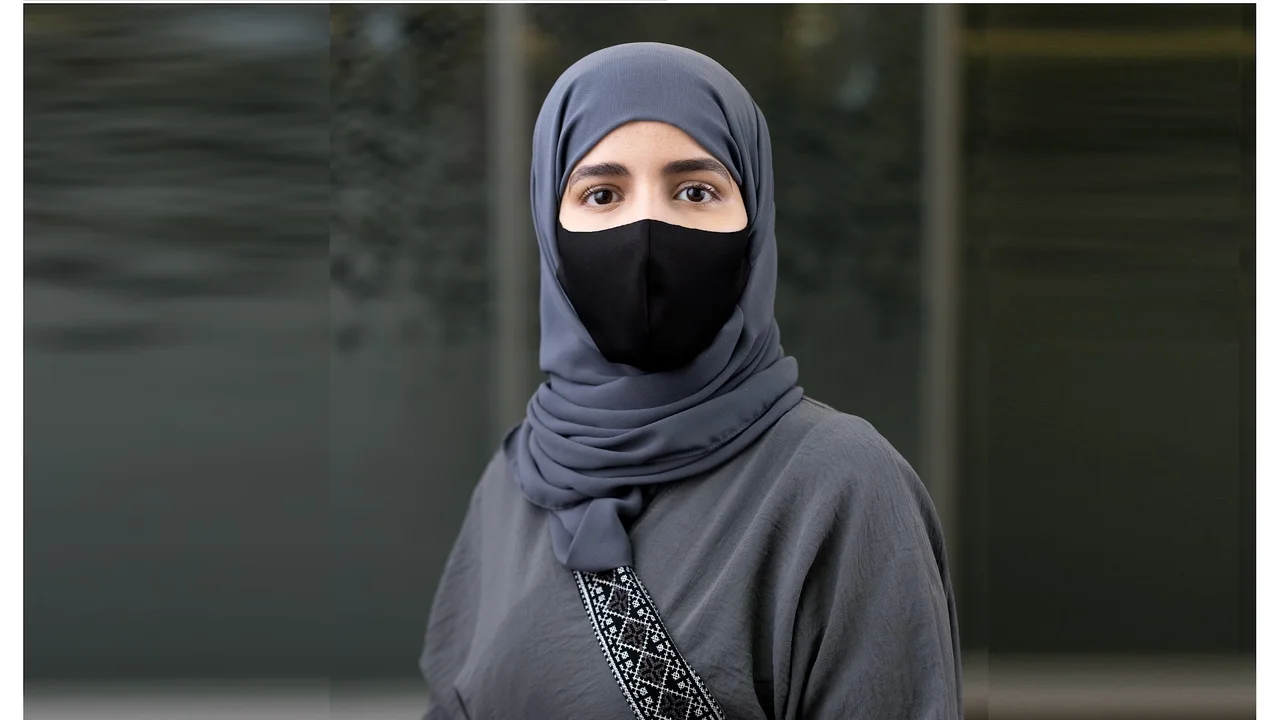
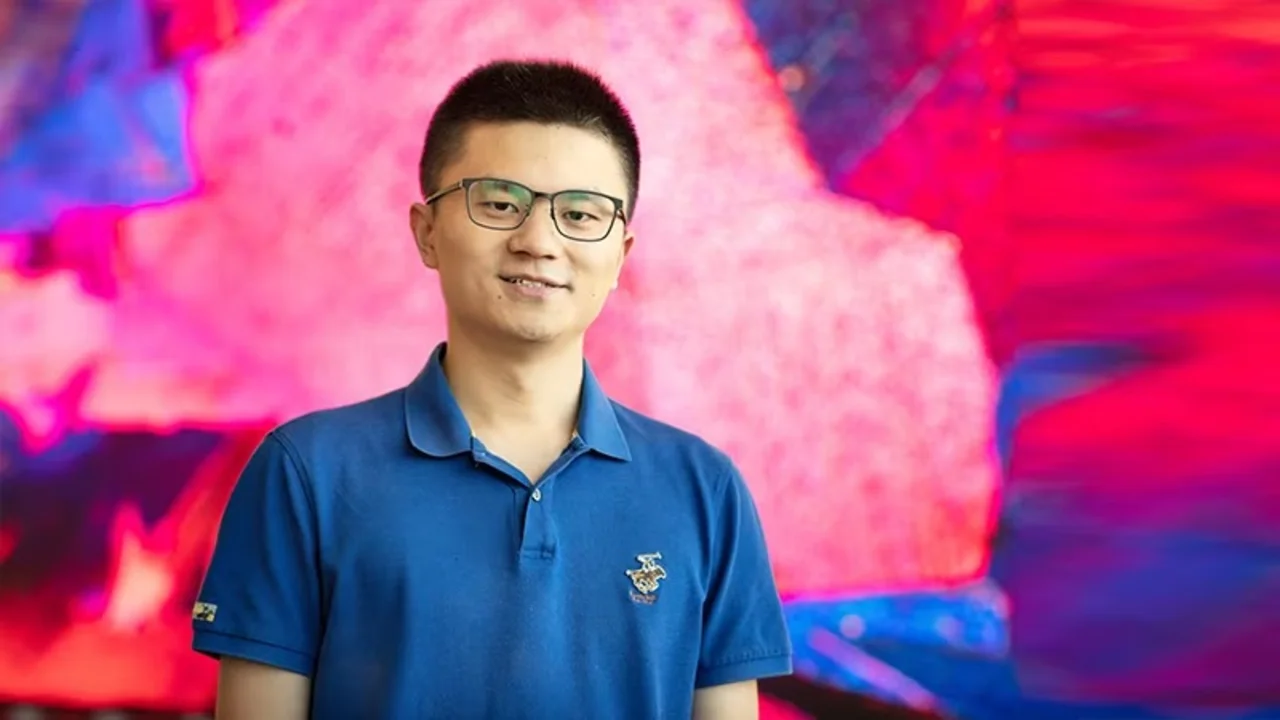
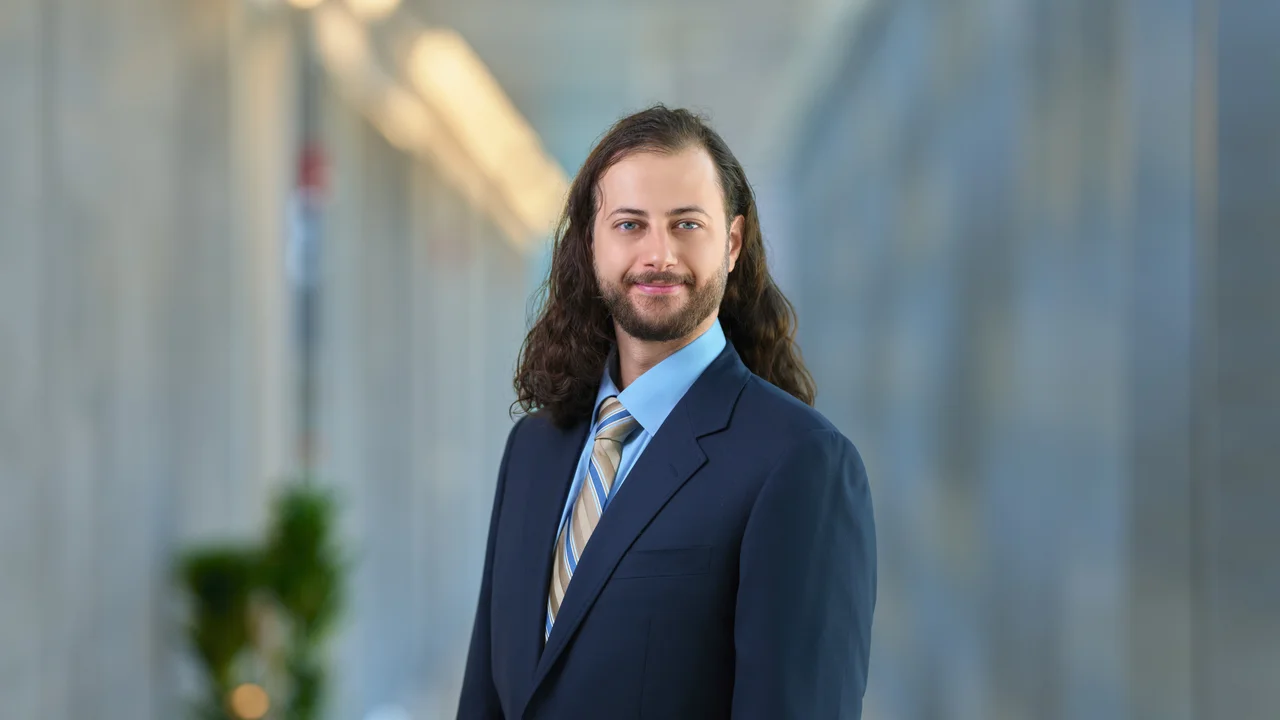
Bilal Maassarani is a Ph.D. candidate in Electrical and Computer Engineering at King Abdullah University of Science and Technology (KAUST). He holds a B.S. in Mechatronics Engineering (2014) and an M.S. in Electrical Engineering (2017) from the University of Waterloo. His bachelor’s program included six co-op internships in roles spanning verification engineering, computational research, ASIC verification, hardware design, and radio modeling at companies including IDT, Natural Resources Canada, Ciena, General Motors, BlackBerry, and Broadcom. After completing his master’s degree, he worked as an FPGA developer at Ericsson.
Bilal joined KAUST initially under the supervision of Prof. Jeff Shamma and is currently advised by Prof. Eric Feron. His research focuses on mechatronic systems, particularly taking engineering problems from concept to functional prototypes. During his master’s studies he developed a dynamic check-weighing machine, and his Ph.D. work centers on the design and control of a novel hybrid-flight-mode unmanned aerial system.
Alongside his academic work, Bilal has contributed to several early-stage start-ups involving smart luggage, agricultural automation, and palm-tree-harvesting tools.
Expertise and Interests
Bilal is interested in finding mechatronic solutions and taking them from problem to a functional proof-of-concept. He developed a dynamic weighing machine during his master's and currently a novel hybrid-flight mode unmanned aerial system as a Ph.D. Candidate.
Education
Biography
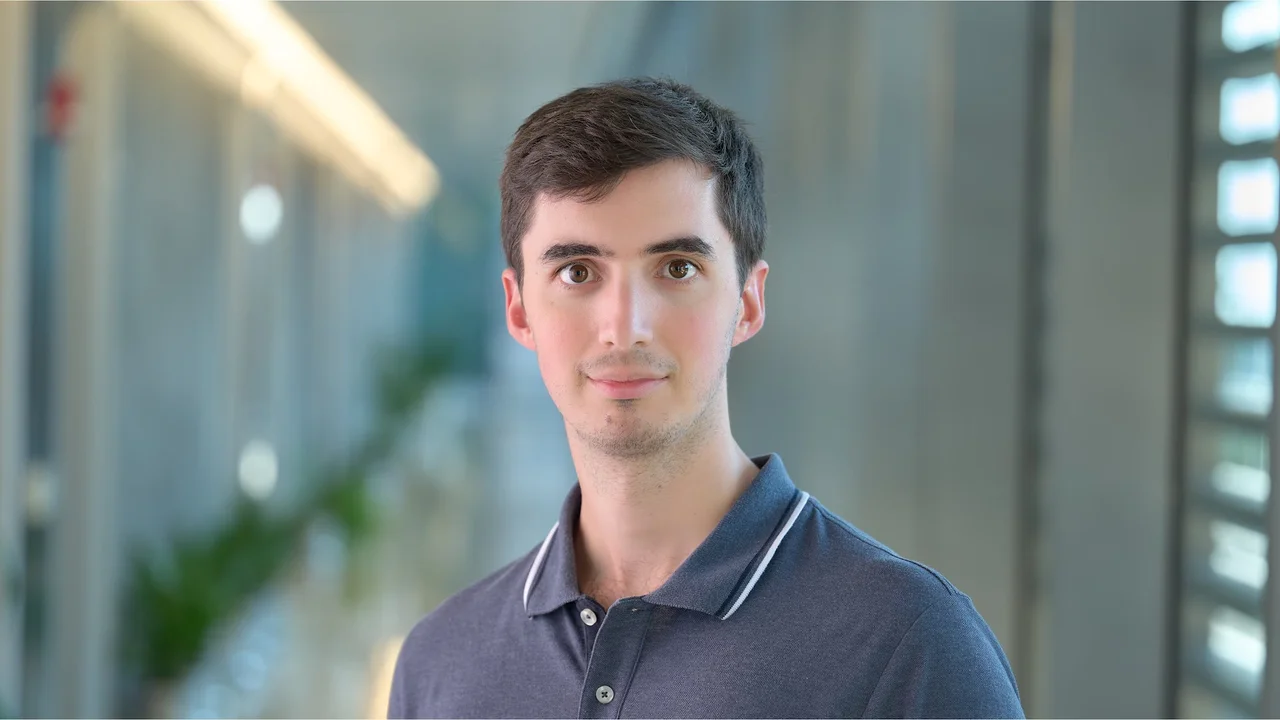
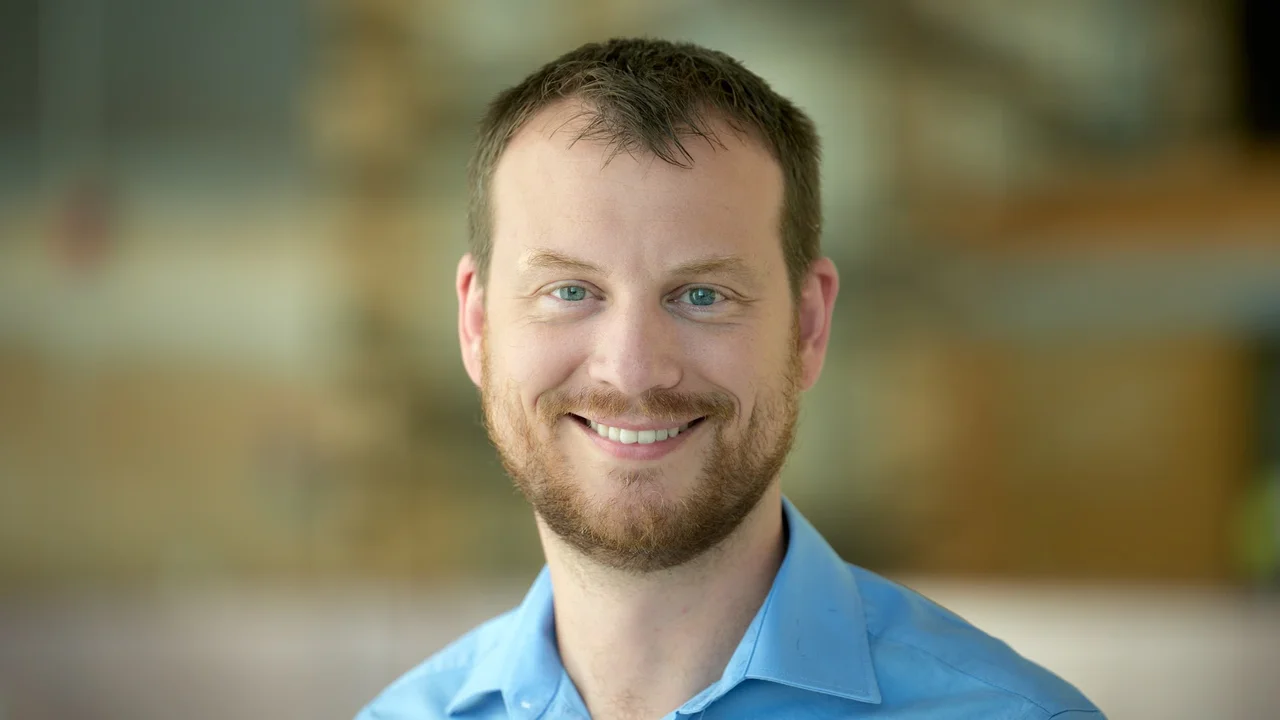
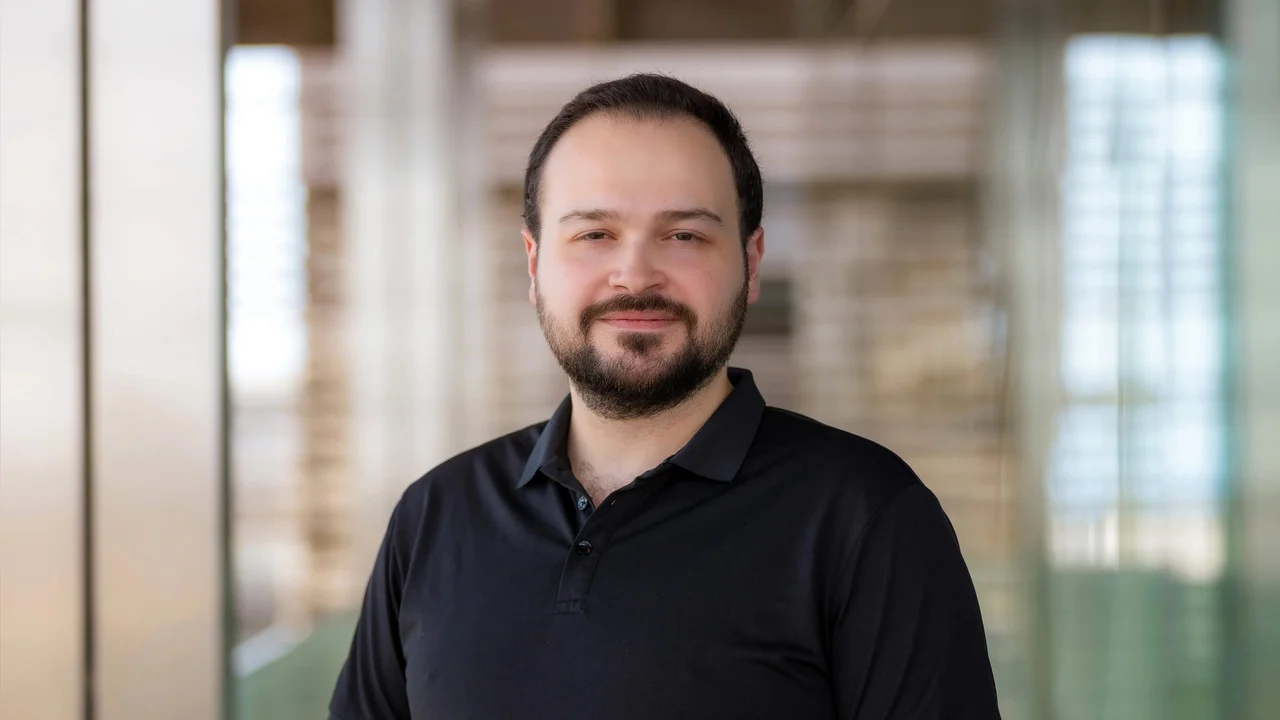
Bumin K. Yildirim received his B.Sc. degree in Electrical and Electronics Engineering from TED University, Ankara, Türkiye, in 2020, and his M.Sc. degree in Electrical and Computer Engineering from King Abdullah University of Science and Technology (KAUST), Saudi Arabia, in 2023. He is currently pursuing a Ph.D. in the Communications and Computing Systems Laboratory (CCSL) at KAUST.
Expertise and Interests
Bumin's research focuses on exploring generative artificial intelligence-based solutions to address the challenges of future wireless communication networks.
Education
Biography
Bushra Bin Hemid graduated with first honors in Computer Science from Umm Al-Qura University, and earned her Master's in Information Security from UCL. She has been a Lecturer at University of Jeddah and is currently pursuing an MSc/PhD in Artificial Intelligence at KAUST.
Expertise and Interests
Artificial Intelligence, Machine Learning, intelligent sensing, and infrared imaging technologies. Focus on accessible sensing solutions for healthcare, agriculture, and smart infrastructure.
Education
Biography
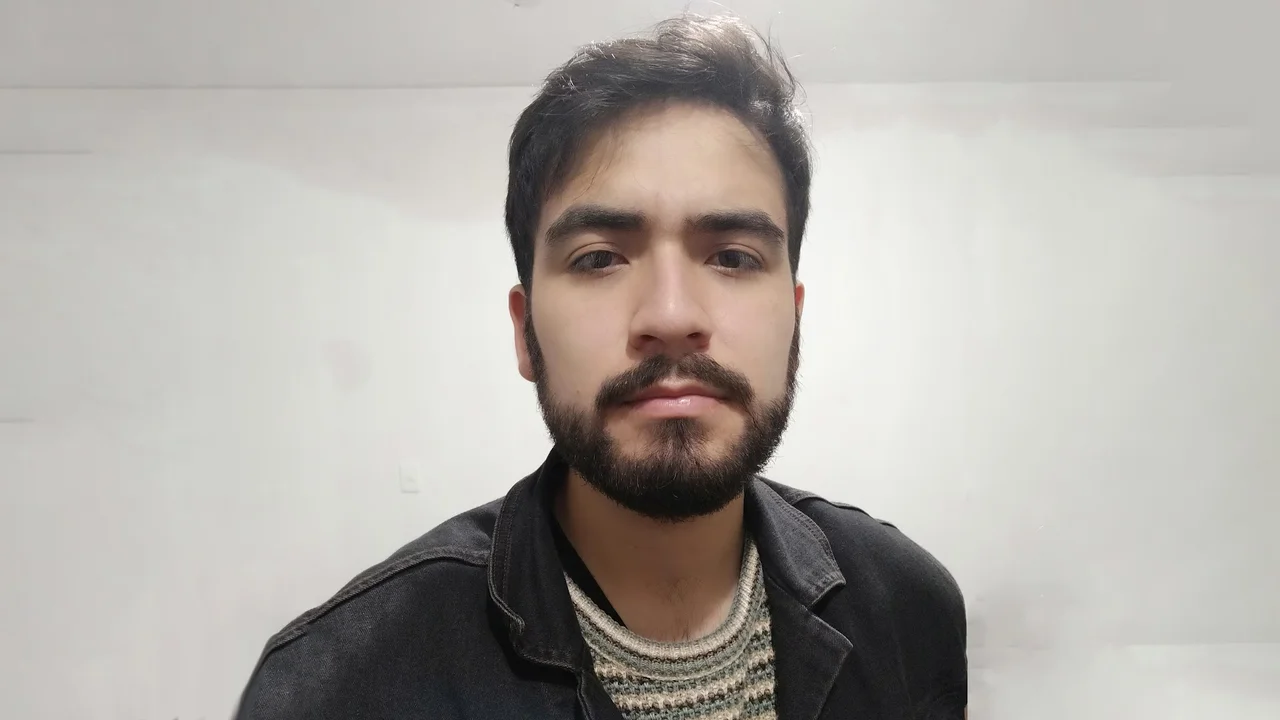
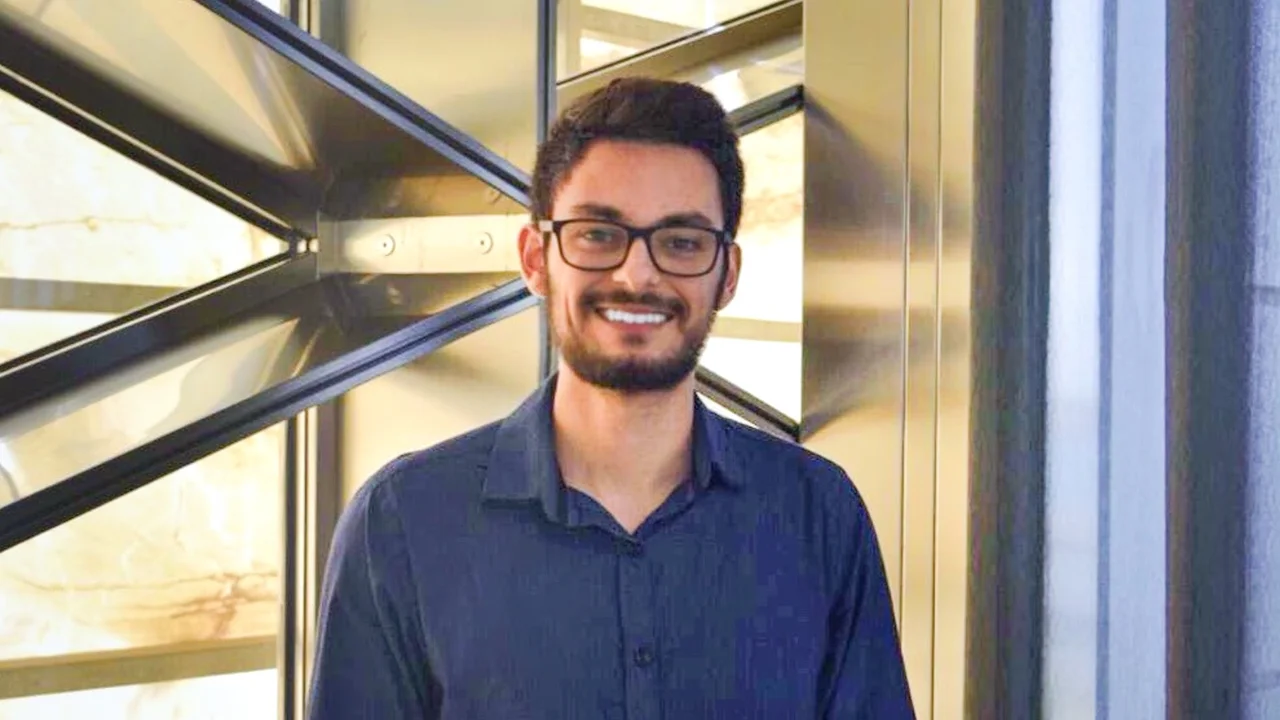
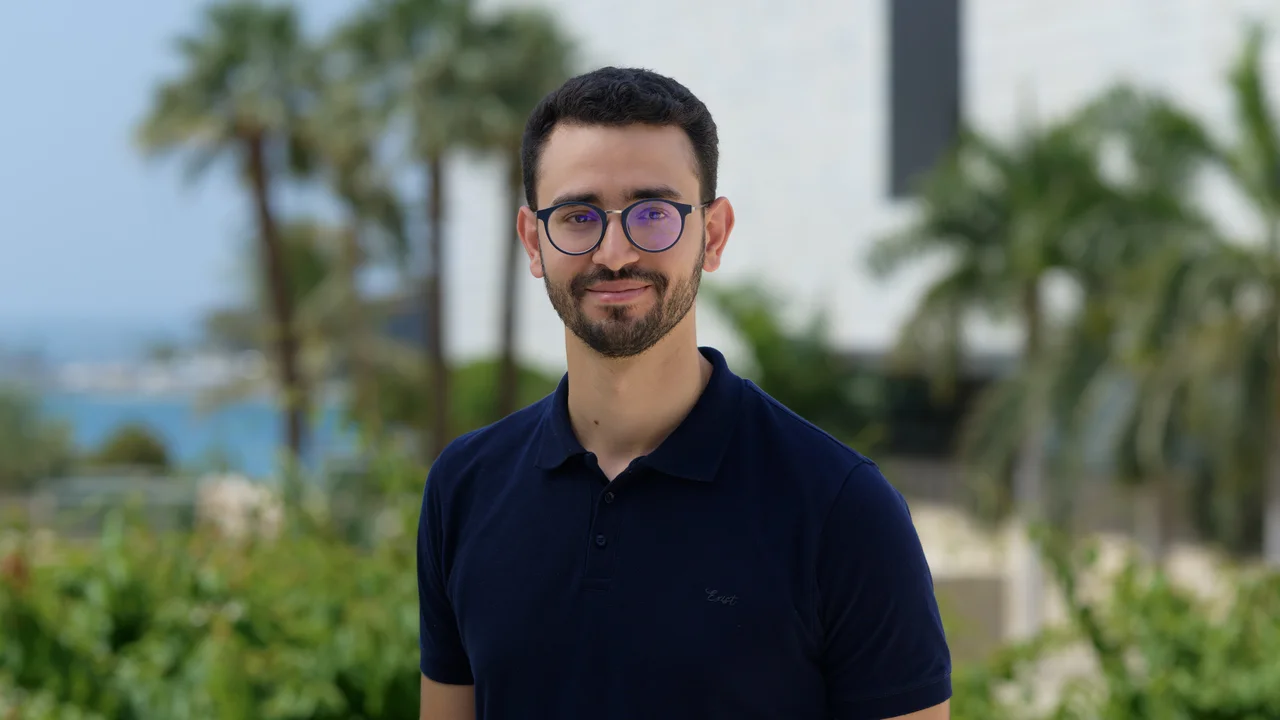
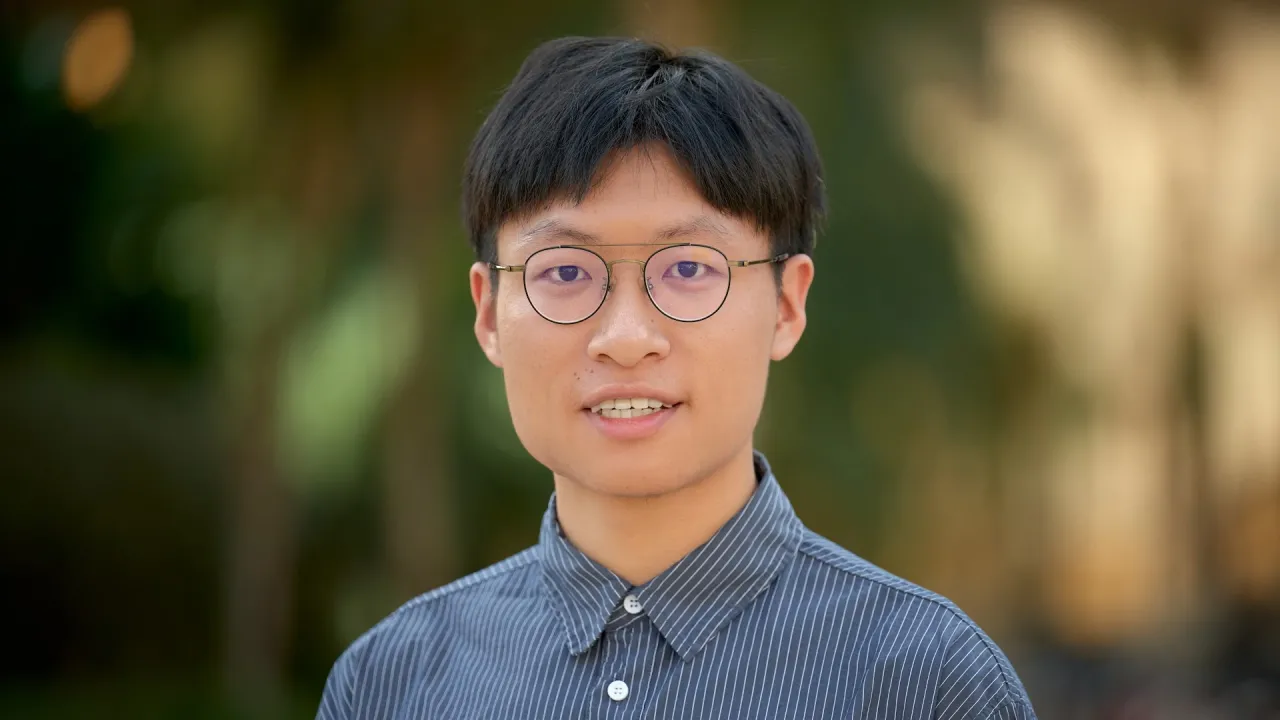
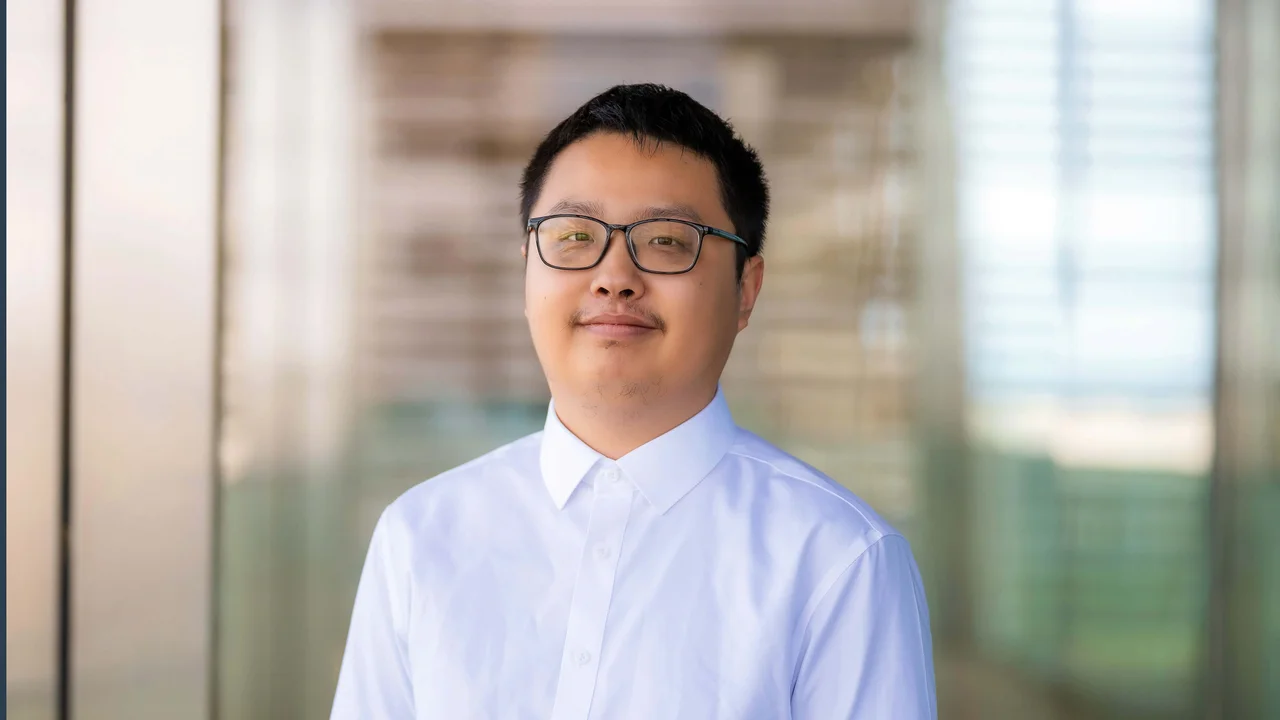
Changhao He received his B.Eng. degree in Information Engineering from Beijing University of Posts and Telecommunications (BUPT) in 2022, where he graduated with distinction as the top student among 344 peers and was the recipient of multiple national awards. He is currently pursuing M.S. and Ph.D. degrees in the Electrical and Computer Engineering (ECE) program at King Abdullah University of Science and Technology (KAUST), under the supervision of Prof. Ahmed Eltawil.
Expertise and Interests
His research interests include Optimization, UAV-enabled wireless communications, AI and 6G.
Education
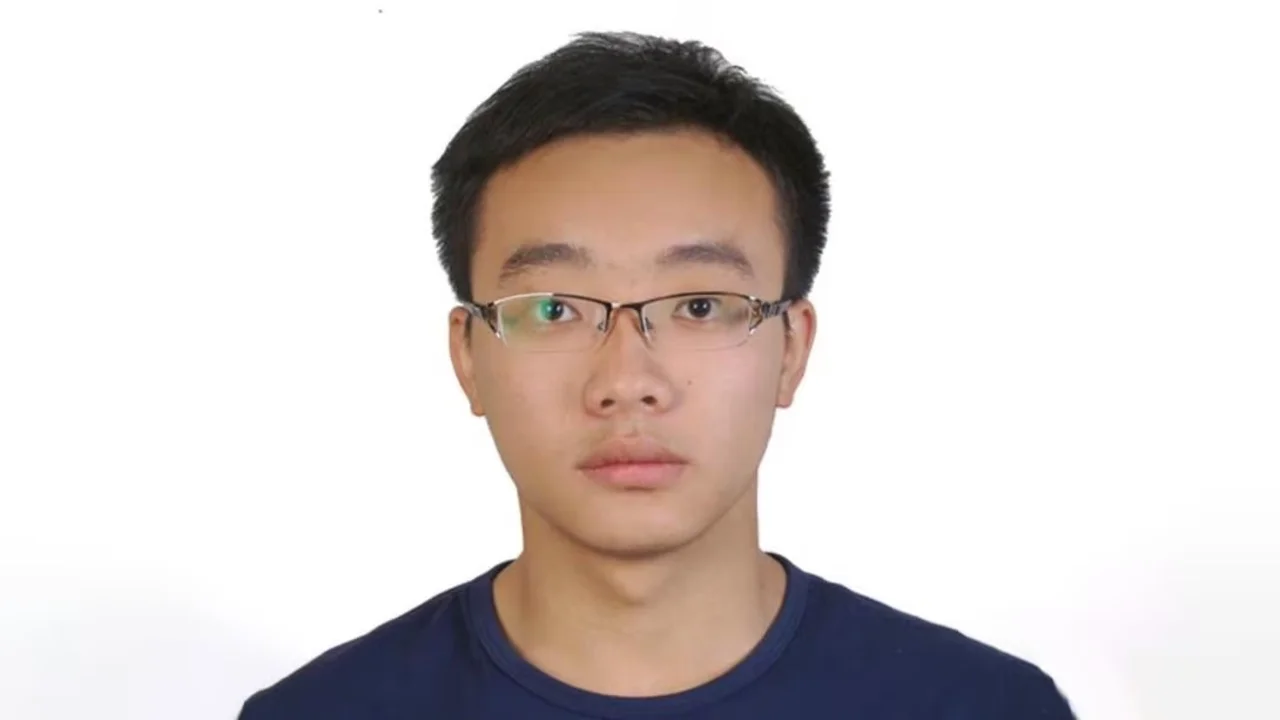
Chen-Yu (Elton) Ho
- Ph.D. Student, Computer Science