Profiles

Faculty

Biography

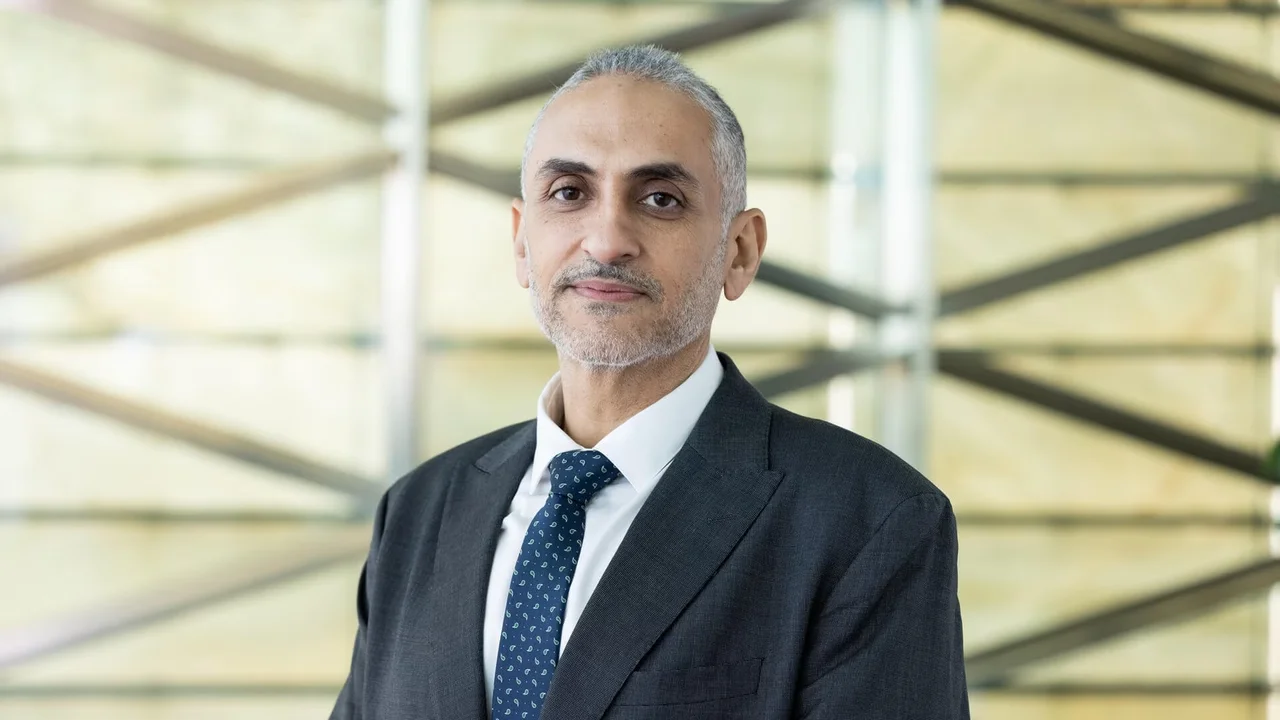
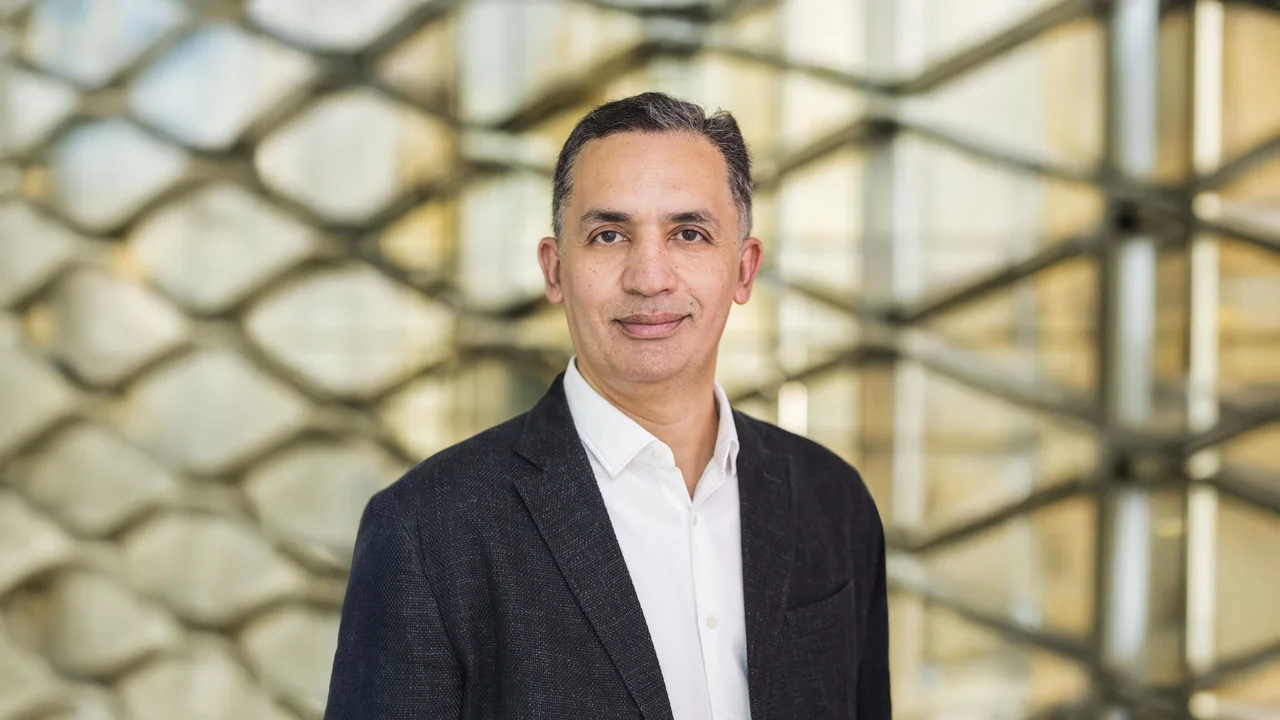
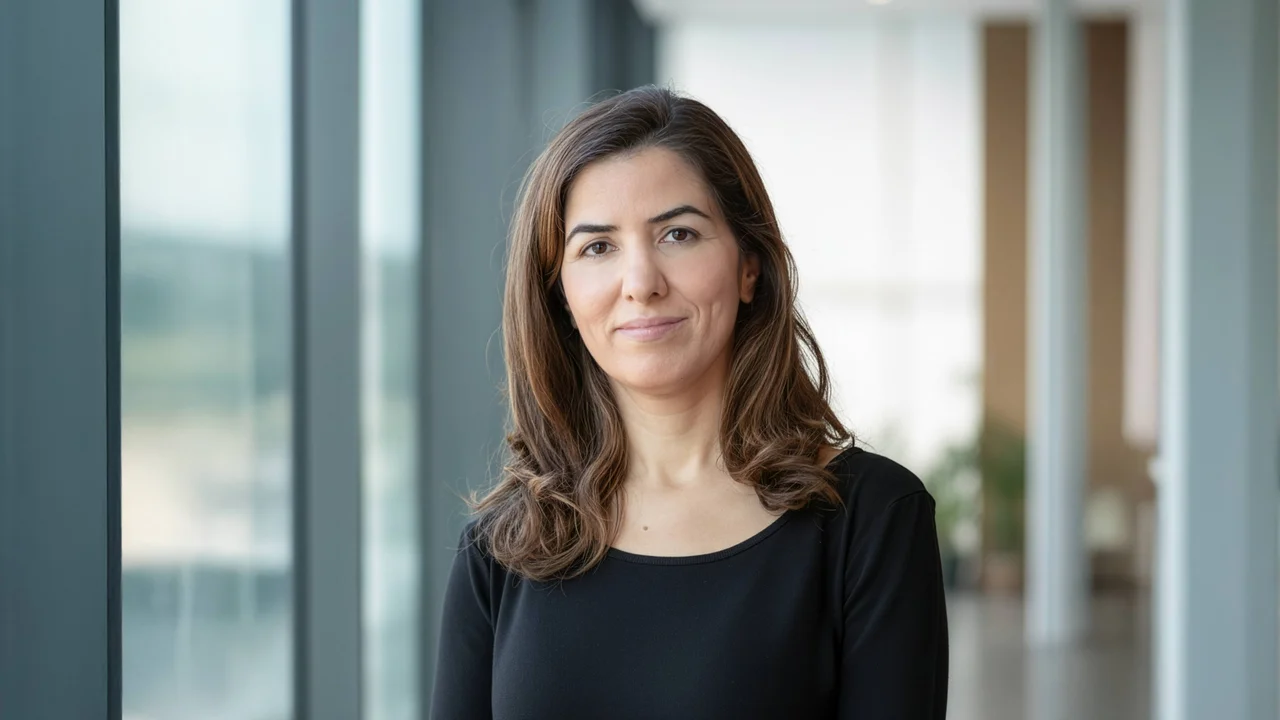
Omar Knio received his Ph.D. in mechanical engineering in 1990 from the Massachusetts Institute of Technology (MIT) in the United States. He held a postdoctoral associate position at MIT before joining the mechanical engineering faculty at Johns Hopkins University in 1991. In 2011, he joined the Department of Mechanical Engineering and Materials Science at Duke University, where he also served as associate director of the Center for Material Genomics. In 2012, he was named the Edmund T. Pratt, Jr. Professor of Mechanical Engineering and Materials Science at Duke.

In 2013, Knio joined the Applied Mathematics and Computational Sciences (AMCS) Program at KAUST, where he also served as deputy director of the SRI Center for Uncertainty Quantification in Computational Science and Engineering and as the interim dean of the Computer, Electrical and Mathematical Sciences and Engineering (CEMSE) Division. In 2024, he was appointed associate vice president of National Partnerships, Engagement and Academic Liaison, at the KAUST National Transformation Institute.

He is a founding associate editor of the SIAM/ASA Journal on Uncertainty Quantification and currently serves on the editorial boards of the International Journal for Uncertainty Quantification and Theoretical and Computational Fluid Dynamics.

Knio has received several awards, including the Associated Western Universities Faculty Fellowship Award in 1996, the Friedrich Wilhelm Bessel Award in 2003, the R&D 100 Award in 2005, the Distinguished Alumnus Award from the American University of Beirut in 2005, and the Abdul-Hameed Shoman Award for Arab Researchers in 2019.

Research Interests

Professor Knio’s research interests include uncertainty quantification, Bayesian inference, combustion, oceanic and atmospheric flows, physical acoustics, energetic materials, microfluidic devices, renewable energy systems, high-performance computing, optimization under uncertainty, and data-enabled predictive science.
Education
Doctor of Philosophy (Ph.D.)
Mechanical Engineering, Massachusetts Institute of Technology, United States, 1990
Master of Science (M.S.)
Mechanical Engineering, Massachusetts Institute of Technology, United States, 1986
Bachelor of Engineering (B.Eng.)
Mechanical Engineering, American University of Beirut, Lebanon, 1984
Biography

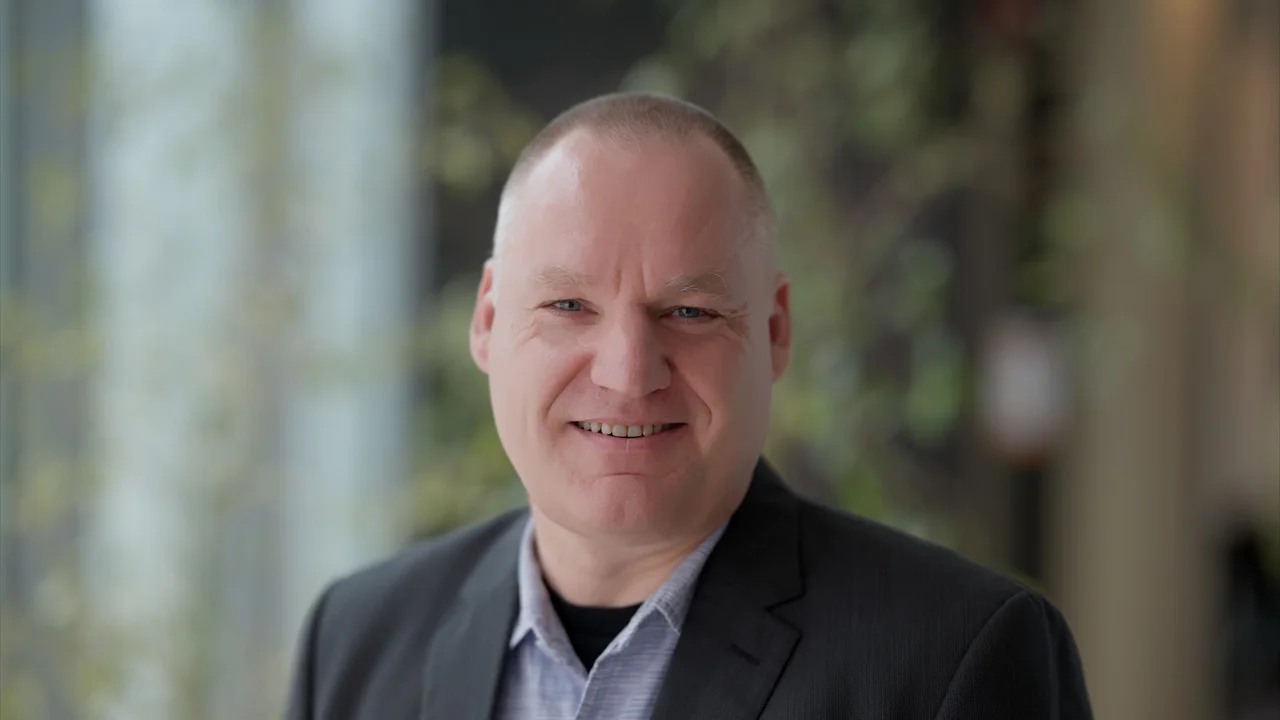
Panos Kalnis is a professor of Computer Science at KAUST. He served as chair of the University’s Computer Science program from 2014 to 2018. In 2009, Kalnis was on sabbatical at Stanford University in the United States. Before that, he was an assistant professor at the National University of Singapore.

Earlier in his career, Kalnis was involved in designing and testing very-large-scale integration (VLSI) chips at the Computer Technology Institute in Greece. He has also worked for several companies on database design, e-commerce projects, and web applications.

Kalnis received his diploma in computer engineering in 1998 from the University of Patras in Greece and his Ph.D. in 2002 from the Hong Kong University of Science and Technology (HKUST).

Kalnis served as an associate editor for the IEEE Transactions on Knowledge and Data Engineering from 2013 to 2015 and was on the editorial board of the International Journal on Very Large Data Bases from 2013 to 2017.

Research Interests

Kalnis' research interests include big data, cloud computing, parallel and distributed systems, large graphs, systems for machine learning. Furthermore, he is interested in computing privacy in order to advance in the fields of data mining, knowledge extraction, security and bioinformatics.

Education
Master of Science (M.S.)
Computer Engineering, University Of Patras, Greece, 1997
Bachelor of Science (B.S.)
Computer Engineering, University Of Patras, Greece, 1997
Biography

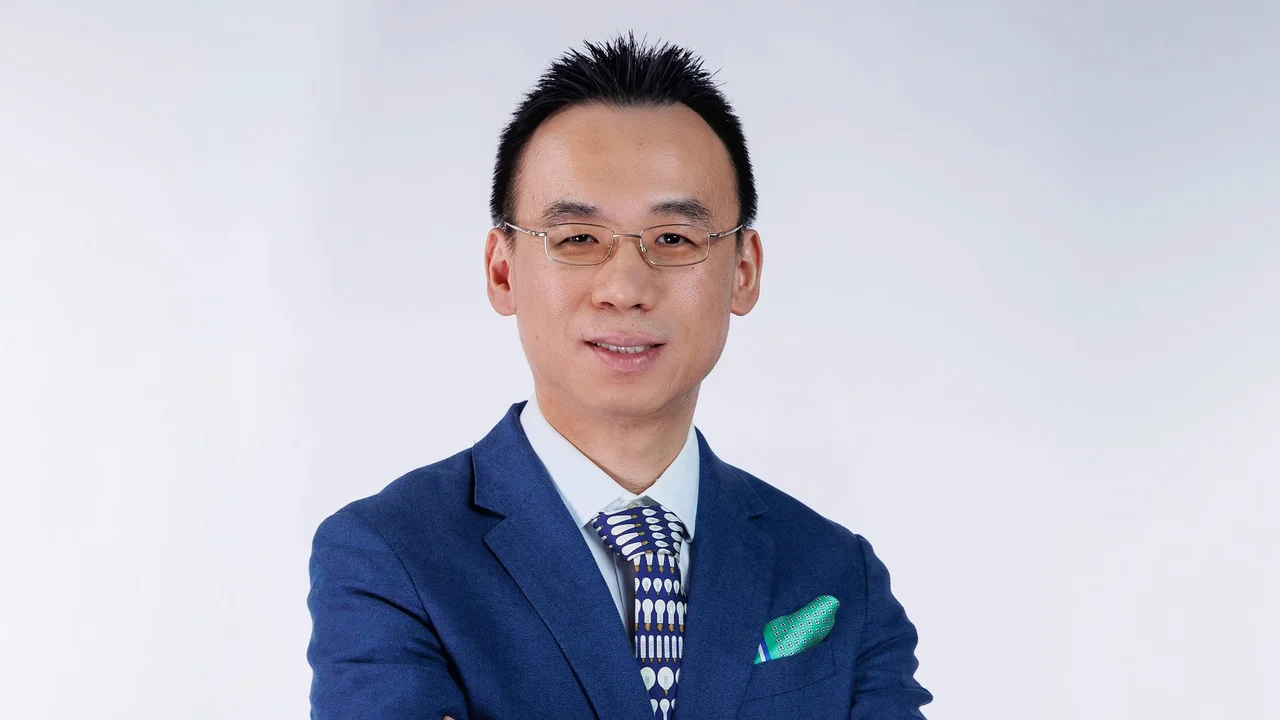
Dr. Moraga graduated in mathematics from the University of Valencia, Spain, with an Erasmus year abroad at the Johannes Gutenberg University of Mainz, Germany. Following graduation, she worked for a technological company, developing algorithms for optimal investment strategies. After that, she enrolled in the Ph.D. program at the University of Valencia and worked at the office for regional statistics and the national cancer registry. During her doctoral studies, she was awarded the prestigious "la Caixa" Fellowship for studying for her Master’s degree in Biostatistics at Harvard University, U.S.; this complemented her mathematical background with a solid knowledge of biostatistics and epidemiology. She also received an Ibercaja Research Fellowship to carry out a research project at the Harvard Medical School, a stipend from the Google Summer of Code Program to write code for the R project, and completed a traineeship at the European Center for Disease Prevention and Control (ECDC).

After obtaining her Ph.D. with Extraordinary Award, she was appointed to academic statistics positions at Lancaster University, U.K., Harvard School of Public Health, U.S., the London School of Hygiene & Tropical Medicine, U.K., Queensland University of Technology, Australia, and the University of Bath, U.K. During this time, she worked in statistical research, focusing on spatial epidemiology and modeling, especially concerning spatial and spatio-temporal variation in infectious diseases and cancer. She developed modeling architectures to understand the spatial and spatio-temporal patterns and identify targets for intervention of diseases, such as malaria in Africa, leptospirosis in Brazil and cancer in Australia, and several R packages for Bayesian risk modeling, detection of clusters and risk assessment of the travel-related spread of disease.

In 2020, she joined KAUST as an Assistant Professor of Statistics and the principal investigator of the Geospatial Statistics and Health Surveillance (GeoHealth) research group. In the GeoHealth group, she develops frontier geospatial methods and computational tools for geospatial data analysis and health surveillance. She also contributes to a wide range of collaborative projects to solve challenging problems in public health and make a positive impact on the world.

Dr. Moraga is the 2023 winner of the prestigious Letten Prize. Awarded by the Letten Foundation and the Young Academy of Norway, the prize recognizes young researchers’ contributions to health, development, environment, and equality across all aspects of human life. She received the Letten Prize for her pioneering research in disease surveillance and her significant contributions to the development of sustainable solutions for health and the environment globally.

Research Interests

Dr. Moraga has worked in statistical research for over a decade, focusing strongly on spatial epidemiology and modeling. She develops innovative statistical methods and computational tools for geospatial data analysis and health surveillance, including methods to understand geographic and temporal patterns of diseases, assess their relationship with potential risk factors, identify clusters, measure inequalities and quickly detect outbreaks.

Dr. Moraga is a fervent advocate for open science and reproducible research. She has created educational materials that impact learning on a large scale, including her books "Geospatial Health Data: Modeling and Visualization with R-INLA and Shiny" (https://www.paulamoraga.com/book-geospatial/) and "Spatial Statistics for Data Science: Theory and Practice with R" (https://www.paulamoraga.com/book-spatial/). Her training courses support researchers as they develop sustainable solutions to local issues, and her books have been cited in works that address multiple diseases and health conditions such as COVID-19, neglected tropical diseases, cancer, anemia, malnutrition, child maltreatment, and mental issues.

Education
Doctor of Philosophy (Ph.D.)
Mathematics, University of Valencia, Spain, 2012
Master of Science (M.S.)
Biostatistics, Harvard University, United States, 2011
Bachelor of Science (B.S.)
Mathematics, University of Valencia, Spain, 2006
Biography

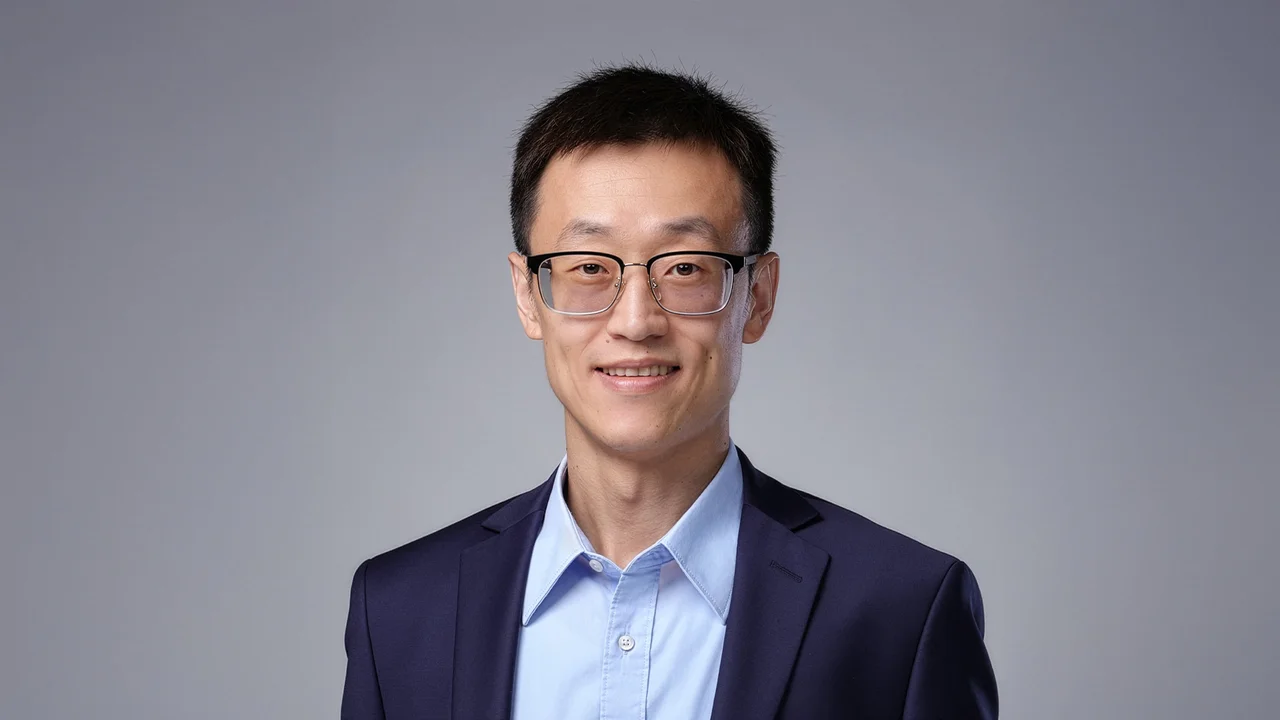
Professor Markowich earned an M.S. and a Ph.D. in Habilitation for Applied and Numerical Mathematics at the Vienna University of Technology (TU-Wien), Austria. He became a Full Professor at the Technical University of Berlin (TUB) in 1989. From 1999 until 2007, he worked at the University of Vienna, Austria, as a Professor of Applied Analysis; from 2007-2011, he worked at the University of Cambridge, U.K., as a Professor of Applied Mathematics. Since 2011, he has been a Distinguished Professor at KAUST.

The Austrian-Italian researcher is a prolific researcher and author, with nearly 14,000 citations and more than 200 scientific papers in top international journals. He has authored a series of books presenting topics of science and engineering found in nature or everyday life. In the books, physical variables such as mass, velocity and energy are analyzed using partial differential equations, along with their spatial and temporal variations.

Professor Markowich has been honored with numerous awards and recognitions throughout his career; these include the Wittgenstein Prize from the Austrian Science Fund, The Royal Society Wolfson Research Merit Award and the Humboldt Research Award.

In 2015, and again in 2018, he held a J.T. Oden Faculty Fellowship at the Oden Institute for Computational Engineering and Sciences (University of Texas), the Von Neumann Visiting Professorship at the Technical University Munich, Germany, in 2013; the Excellence Chair at Jiaotong University, Shanghai, China, in 2012; and the Excellence Chair of the Foundation Sciences Mathématiques de Paris, France, in 2011.

Markowich is a Fellow of the European Academy of Sciences, the Institute of Physics, the American Mathematical Society and the Institute of Mathematics and its Applications. He is also a member of the European Academy of Sciences and Arts, Academia Europaea and a Foreign Member of the Austrian Academy of Sciences.

Research Interests

Dr. Markowich’s research uses differential equations in physics, artificial intelligence, biology, and engineering. Specifically, he is interested in deepening the understanding of the mathematical and numerical analysis of partial differential equations (PDEs) and their applications.

In particular, he is interested in:

  • classical and quantum mechanical kinetic theory
  • analytical and numerical problems occurring in highly oscillatory PDEs (like semiclassical asymptotics)
  • Wigner transforms
  • nonlinear PDEs describing dispersive and, resp., diffusive phenomena
  • singular perturbations and longtime asymptotics
  • generalized Sobolev inequalities
  • inverse problems in solid-state physics
  • image processing using PDEs.
Education
Habilitation
Applied and Numerical Mathematics, Vienna University of Technology, Austria, 1984
Doctor of Technology (Dr.Techn.)
Applied and Numerical Mathematics, Vienna University of Technology, Austria, 1980
Master of Science (M.S.)
Engineering, Vienna University of Technology, Austria, 1979
Biography

Before joining KAUST in 2017, he was an Associate Professor of Mathematics at the University of Edinburgh, and held postdoctoral and visiting positions at Université Catholique de Louvain, Belgium, and University of California, Berkeley, USA, respectively. Richtárik obtained a Mgr. in Mathematics ('01) at Comenius University in his native Slovakia. In 2007, he received his Ph.D. in Operations Research from Cornell University, U.S. Dr. Richtarik is a founding member and a Fellow of the Alan Turing Institute (UK National Institute for Data Science and Artificial Intelligence), and an EPSRC Fellow in Mathematical Sciences.

A number of honors and awards have been conferred on Dr. Richtárik, including:

  • the Best Paper Award at the NeurIPS 2020 Workshop on Scalability, Privacy, and Security in Federated Learning (joint with S. Horvath);
  • the Charles Broyden Prize, a Distinguished Speaker Award at the 2019 International Conference on Continuous Optimization, the SIAM SIGEST Best Paper Award (joint with O. Fercoq);
  • the IMA Leslie Fox Prize (second prize, three times, awarded to two of his students and a postdoc);
  • the SIAM SIGEST Best Paper Award (joint award with Professor Olivier Fercoq);
  • the IMA Leslie Fox Prize (Second prize: M. Takáč 2013, O. Fercoq 2015 and R. M. Gower 2017);
  • the INFORMS Computing Society Best Student Paper Award (sole runner-up: M. Takáč);
  • the EUSA Award for Best Research or Dissertation Supervisor (Second Prize), 2016;
  • and the Turing Fellow Award from the Alan Turing Institute, 2016.

Before joining KAUST, he was nominated for the Chancellor’s Rising Star Award from the University of Edinburgh in 2014, the Microsoft Research Faculty Fellowship in 2013, and the Innovative Teaching Award from the University of Edinburgh in 2011 and 2012.

Dr. Richtárik has given more than 150 research talks at conferences, workshops and seminars worldwide. And several of his works are among the most read papers published by the SIAM Journal on Optimization and the SIAM Journal on Matrix Analysis and Applications.

Dr. Richtárik regularly serves as an Area Chair for leading machine learning conferences, including NeurIPS, ICML and ICLR, and is an Action Editor of the Journal of Machine Learning Research (JMLR), Associate Editor of Optimization Methods and Software and Numerische Mathematik, and a Handling Editor of the Journal of Nonsmooth Analysis and Optimization. In the past, he served as an Action Editor of Transactions of Machine Learning Research and an Area Editor of Journal of Optimization Theory and Applications. He was an Area Chair for ICML 2019 and a Senior Program Committee Member for IJCAI 2019. And he is an Associate Editor of Optimization Methods and Software and a Handling Editor of the Journal of Nonsmooth Analysis and Optimization.

Research Interests

Professor Richtárik’s research interests lie at the intersection of mathematics, computer science, machine learning, optimization, numerical linear algebra, and high-performance computing. Through his work on randomized and distributed optimization algorithms, he has contributed to the foundations of machine learning, optimization and randomized numerical linear algebra. He is one of the original developers of Federated Learning – a new subfield of artificial intelligence whose goal is to train machine learning models over private data stored across a large number of heterogeneous devices, such as mobile phones or hospitals, in an efficient manner, and without compromising user privacy. In an October 2020 Forbes article, and alongside self-supervised learning and transformers, Federated Learning was listed as one of three emerging areas that will shape the next generation of Artificial Intelligence technologies.

His recent work on randomized optimization algorithms—such as randomized coordinate descent methods, stochastic gradient descent methods, and their numerous extensions, improvements and variants)—has contributed to the foundations and advancement of big data optimization, randomized numerical linear algebra and machine learning.

Education
Doctor of Philosophy (Ph.D.)
Operations Research, Cornell University, United States, 2007
Master of Science (M.S.)
Operations Research, Cornell University, United States, 2006
Biography

Peter Wonka holds an M.Sc. in Computer Science (Dipl.-Ing.) in 1997, an M.Sc. in Urban Planning (Dipl.-Ing.) in 2002, and a Ph.D. in Computer Science (Dr. techn.) in 2001 from the Vienna University of Technology, Austria.

Before joining KAUST in 2011 as an Associate Professor of Computer Science, he worked as a postdoctoral researcher at the Georgia Institute of Technology and served as Assistant and Associate Professor at Arizona State University. He is currently a Full Professor at KAUST. He has also held roles as the CS Program Chair and Interim Director of the Visual Computing Center.

Professor Wonka is the recipient of the National Science Foundation Career Award.

Research Interests

Professor Wonka’s research interests lie in computer vision, computer graphics, remote sensing, and machine learning. His current research focus is deep learning, generative modeling of images, videos and 3D scenes, 3D reconstruction, 3D computer vision, and 3D vision and language.

Education
Master of Science (M.S.)
Urban Planning, Vienna University of Technology, Austria, 2002
Doctor of Philosophy (Ph.D.)
Computer Science, Vienna University of Technology, Austria, 2001
Master of Science (M.S.)
Computer Science, Vienna University of Technology, Austria, 1997
Biography

Raphaël Huser is an Associate Professor of Statistics and the principal investigator of the Extreme Statistics (XSTAT) research group. He is also affiliated with the Applied Mathematics and Computational Science (AMCS) Program.

Professor Huser received his Ph.D. in Statistics in 2013 from the Swiss Federal Institute of Technology, Switzerland, under the supervision of Professor Anthony C. Davison. He also holds a B.S. in Mathematics and an M.S. in Applied Mathematics from École polytechnique fédérale de Lausanne (EPFL), Switzerland.

After completing his Ph.D., Huser joined KAUST as a postdoctoral research fellow in January 2014. He was appointed Assistant Professor in March 2015 and promoted to Associate Professor of Statistics in 2022.

Research Interests

Raphaël Huser’s research primarily focuses on statistics of extreme events and risk assessment, including developing specialized statistical models with appealing statistical properties. Additionally, he studies efficient machine learning methods designed for massive datasets from complex spatio-temporal processes.

Huser’s novel methodological contributions are motivated and inspired by a wide variety of real data applications, which include the modeling of natural hazards in climate and earth sciences (e.g., heavy rainfall, heat waves, extreme sea surface temperatures, strong wind gusts, devastating landslides), the assessment of financial risk (e.g., turbulence in stock markets or cryptomarkets), and the characterization of brain signals during extreme stimuli (e.g., epileptic seizures).

Beyond creating new models with interesting statistical properties, one crucial aspect is fitting these complex models to big data. A critical area of Huser's current research is developing general-purpose, likelihood-free, fast and statistically efficient neural Bayes estimators. Being deeply anchored in statistical decision theory and relying on advanced deep-learning techniques, which makes them attractive both from a theoretical and a computational perspective, these estimators truly provide a paradigm shift challenging traditional statistical inference techniques for complex models with intractable likelihoods.

Huser, with collaborators, is contributing extensively to the early development of such estimators and their application to spatial (e.g., extreme) and multivariate models.

Education
Doctor of Philosophy (Ph.D.)
Statistics, Swiss Federal Institute of Technology Lausanne EPFL, Switzerland, 2013
Master of Science (M.S.)
Applied Mathematics, Swiss Federal Institute of Technology Lausanne EPFL, Switzerland, 2009
Bachelor of Science (B.S.)
Mathematics, Swiss Federal Institute of Technology Lausanne EPFL, Switzerland, 2007
Biography

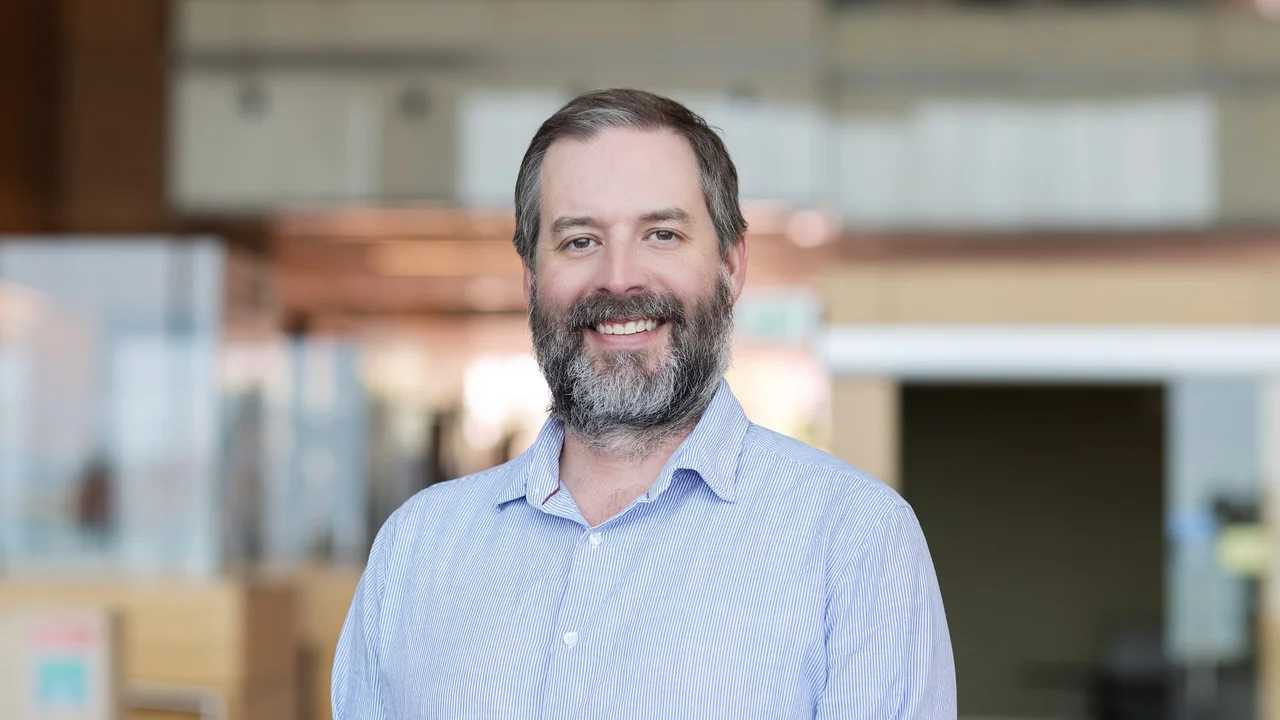
Professor Tempone received his Ph.D. in numerical analysis in 2002 from the Royal Institute of Technology, Sweden. The next phase of his career took him to the United States, where he completed his postdoc at the University of Texas Institute for Computational and Engineering Sciences (ICES), before joining Florida State University as an assistant professor of mathematics.

 
Tempone joined KAUST in 2009 as a founding faculty member, as an associate professor of applied mathematics, and became a full professor in 2015. He is also principal investigator of the Stochastics Numerics Research Group.

 
A variety of fields, such as computational mechanics, quantitative finance, biological and chemical modeling, and wireless communications, are driving his research. More specifically, his research contributions include a posteriori error approximation and related adaptive algorithms for numerical solutions to deterministic and stochastic differential equations. His honors include the German Alexander von Humboldt Professorship (2018–2025), the first Dahlquist Fellowship in Sweden (2007–2008), and being elected program director of the SIAM Uncertainty Quantification Activity Group (2013–2014).  

Research Interests

Tempone's expertise and research interests lie at the intersection of applied mathematics, computational science, and stochastic analysis, with a strong focus on developing and analyzing numerical methods for stochastic and deterministic problems. His work emphasizes adaptive algorithms and hierarchical and sparse approximation, Bayesian inverse problems and data assimilation, optimal experimental design, scientific machine learning, stochastic optimization, optimal control, and uncertainty quantification, aiming to push the boundaries of computational efficiency and accuracy in simulations.


At the helm of the Stochastic Numerics Research Group at KAUST, Tempone is particularly interested in the development and analysis of numerical methods to advance applications spanning computational mechanics, quantitative finance, renewable energy sources management, biological and chemical modeling, and wireless communications.


His approach is theoretical and highly applicable, addressing real-world problems across various domains while grounded in solid foundations of mathematical and computational techniques. His work is instrumental for those interested in the practical application of mathematics to solve complex, real-world issues, making his research group an ideal place for potential collaborators, postgraduate students, postdocs, and research scientists looking for cutting-edge projects at the nexus of uncertainty quantification and computational science.  
Education
Doctor of Philosophy (Ph.D.)
Numerical Analysis, KTH Royal Institute of Technology, Sweden, 2002
Master of Science (M.S.)
Engineering Mathematics, University of the Republic, Uruguay, 1999
Bachelor of Science (B.S.)
Industrial and Mechanical Engineering, University of the Republic, Uruguay, 1995
Biography

Robert Hoehndorf is an Associate Professor of Computer Science at King Abdullah University of Science and Technology (KAUST), where he is the principal investigator of the Bio-Ontology Research Group (BORG).

Before joining the University in the fall of 2014, Professor Hoehndorf obtained his Ph.D. in Computer Science from the University of Leipzig, Germany, in 2009. Post-graduation, he spent several years in the U.K. as a research fellow and a research associate at Aberystwyth University and the University of Cambridge, respectively. He was also a postdoctoral fellow at the European Bioinformatics Institute, U.K.

Research Interests

Professor Hoehndorf’s main academic interests are knowledge representation, neuro-symbolic methods and their application in life sciences. He develops knowledge-based methods for analyzing large, complex and heterogeneous biological datasets and applies them to understanding genotype-phenotype relations.

His group developed the DeepGO methods for protein function prediction, neuro-symbolic methods applicable to Semantic Web ontologies and knowledge graphs, and several approaches to represent, reason over, and predict genotype-phenotype relations.

Education
Doctor of Philosophy (Ph.D.)
Computer Science, Leipzig University, Germany, 2009
Diplom-Informatiker (Dipl. Inf.)
Computer Science, Leipzig University, Germany, 2005
Biography

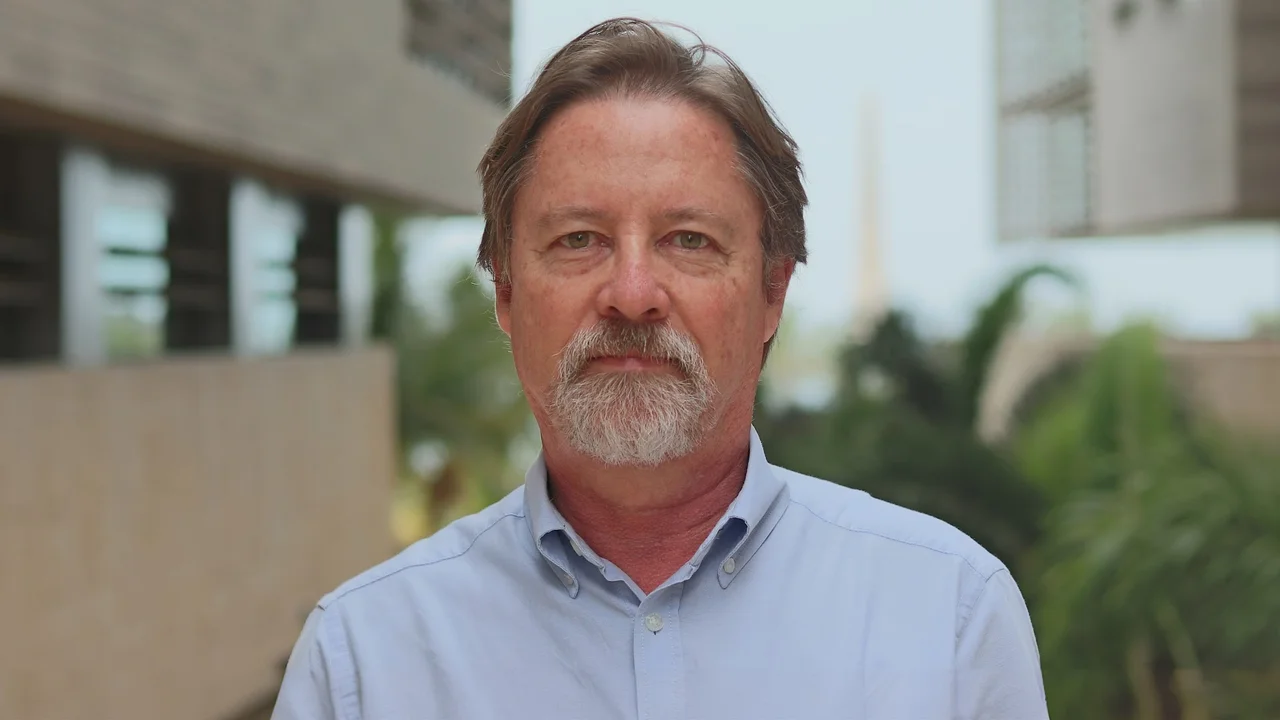
Roberto Di Pietro (Fellow, IEEE; Distinguished Scientist, ACM; Fellow, AAIA; Member Academia Europaea) is a Professor of Computer Science with the KAUST CEMSE Division, Saudi Arabia. Previously, he was a Professor in Cybersecurity and founder of the Cyber-Security Research Innovation Lab (CRI-Lab) at Hamad Bin Khalifa University (HBKU)-College of Science and Engineering (CES), Qatar.

Previously, at Bell Labs (Alcatel-Lucent/Nokia), he served as Global Head for Security Research, managing three security research departments based in Paris, Munich and Espoo, aligning research with business objectives and moving research results into innovation. Before, he was a tenured professor at the University of Padova. He started his career as a senior military officer within the Italian Ministry of Defence (MoD), working on security-related nationwide technology projects.

He has been working in the cybersecurity field for more than 25 years, leading technology-oriented and research-focused teams in the private sector, government and academia. He has served as a senior security consultant for international organizations, including the United Nations (U.N.) and U.N. agencies (the International Atomic Energy Agency (IAEA), the United Nations Global Service Centre (UNLB) and the World Intellectual Property Organization (WIPO)). In addition to his international experience, he was appointed Seconded National Expert and detached for one year at the European Union Agency for Criminal Justice Cooperation (Eurojust).

As per his drive for innovation, besides being involved in the mergers and acquisitions (M&A) of startups—and having founded one (exited)—he is on the board of research centres and startups.

In 2011-2012, he was awarded a Chair of Excellence from the University Carlos III, Madrid, Spain. In 2020, he received the Jean-Claude Laprie Award for having significantly influenced the theory and practice of Dependable Computing. In 2022, he was awarded the Individual Innovation Award from HBKU. He has been consistently included in Stanford University's "World Ranking Top 2% Scientists" list since this ranking existed.

His education accounts for an M.S. in Computer Science ('94) and an M.S. in Informatics ('03), both from the University of Pisa (UniPi), Italy, and a Specialization Diploma in Operations Research and Strategic Decisions ('03) and a Ph.D. degree in Computer Science ('04), both from the University of Rome "La Sapienza."

In his academic career, he has secured more than $9 million in funding (either as LPI or PI).

Research Interests

A cybersecurity expert, his main research interests include AI-driven cybersecurity, security and privacy for distributed systems (e.g., UAVs, Blockchain technology, Cloud, IoT, OSNs), applied cryptography, FinTech, Quantum Computing and data science. In particular, Di Pietro identifies three lines of research above all others: critical infrastructure protection (CIP), online social networks (OSN) and cloud security.
He has extensively contributed scientific articles to the cited topics, co-authored four books and registered many patents and applications.

Education
Doctor of Philosophy (Ph.D.)
Computer Science, Sapienza University of Rome, Italy, 2004
Specialization diploma
Operations Research and Strategic Decisions, Sapienza University of Rome, Italy, 2003
Master of Science (M.S.)
Informatics, University of Pisa, Italy, 2003
Master of Science (M.S.)
Computer Science, University of Pisa, Italy, 1994
Biography

Rolf Krause is a full professor in the Applied Mathematics and Computational Sciences Program at KAUST, with a career spanning academia, research and leadership. Before joining KAUST, he was a full professor at Università della Svizzera italiana in Lugano, Switzerland, where he directed the Institute of Computational Science from 2009 to 2020 and has served as co-director of the Center for Computational Medicine in Cardiology since 2014.

Beyond his research roles, Professor Krause has held notable leadership positions including a director of the interdisciplinary Euler Institute in 2021 and was the founding dean of the Faculty of Mathematics and Informatics at UniDistance Switzerland in 2022.

His commitment to academic service includes roles such as chairman of the examination board for mathematics studies and chairman of the board of finance for tuition fees at the University of Bonn from 2007 to 2009, as well as membership in the academic senate at USI from 2017 to 2021.

His work has earned numerous awards, including the Taylor & Francis Prize for Innovative Contribution to Theoretical Biomechanics/Biomedical Engineering and the MATH+ Distinguished Visiting Scholar recognition from the MATH+ Center in Berlin.

Professor Krause holds a Doctor rerum naturalium in Mathematics with distinction ("summa cum laude") from The Free University of Berlin, awarded in 2001. He also earned a Diploma in Mathematics with a minor in Economics from the same institution in 1996.

Research Interests

Professor Krause's research focuses on numerical simulation, machine learning, optimization, and data-driven approaches. A major focus of his research is the design and analysis of efficient and reliable algorithms that can be used to solve complex problems in scientific computing and machine learning.

Krause and his colleagues use mathematical understanding and computer science expertise to advance sustainable progress in many areas, from medicine to geology. They provide scientific software capable of solving complex, large-scale problems that can run on modern supercomputers such as KAUST’s Shaheen III.

Areas of expertise and focus

  • Contact problems in mechanics
  • Scientific software
  • Multilevel and domain decomposition methods
  • Optimization
  • Iterative solution of large-scale systems
  • Parallel computing
  • High-performance computing (HPC)
  • Coupled problems
  • Finite elements
  • Non-linear solution methods
  • Neural networks
  • Physics-informed neural networks
  • Cardiac simulation
  • Biomechanics
  • Computational geoscience

Application areas

  • Medicine
  • Computational mechanics
  • Contact problems
  • Fluid-structure interaction
  • Cardiac simulation
  • Biomechanics
  • Geology
  • Complex and coupled multiphysics
Education
Doctor rerum naturalium (Dr. rer. nat.)
Mathematics, The Free University of Berlin, Germany, 2001
Diploma
Mathematics, The Free University of Berlin, Germany, 1996
Biography

Shehab Ahmed is a professor of Electrical and Computer Engineering (ECE) at KAUST, a position he has held since August 2018. He is affiliated with the Physical Science and Engineering (PSE) Division. Professor Ahmed first joined KAUST in 2010 as a visiting assistant professor in the PSE Division, and has since become a key contributor to the University's research landscape.

Beyond his work at KAUST, Shehab Ahmed held various academic roles at Texas A&M University at Qatar (TAMUQ). His tenure included serving as Associate Professor from 2013 to 2018, Assistant Professor from 2007 to 2013, and earlier as a Research Assistant from 1999 to 2002. In parallel with his academic career, Ahmed spent seven years as an electrical engineer at the Schlumberger Integrated Productivity and Conveyance Center in the U.S., where he applied his expertise in real-world engineering challenges.

Ahmed is the author of more than two hundred highly cited publications. He is also the recipient of prominent awards, such as the TEES Engineering Genesis Award, the ARC Best Research Project (2016) and the TAMUQ Faculty Research Excellence Award.

He received his Ph.D. and M.Sc. in Electrical Engineering from Texas A&M University, U.S., in 2007 and 2000, respectively. Ahmed obtained his B.Sc. in Electrical Engineering from Alexandria University, Egypt, in 1999.

Research Interests

Professor Ahmed’s research interests span the broad areas of power conversion and mechatronic systems. He specializes in distributed/renewable power generation, utility power conversion, microgrid energy management/storage, hybrid/electric vehicle drivetrains and high-voltage DC systems.

Among Ahmed’s goals are enhancing drilling operations, improving wellbore integrity assessment and supporting successful wireline conveyance.

Education
Doctor of Philosophy (Ph.D.)
Electrical Engineering, Texas A&M University, United States, 2007
Master of Science (M.S.)
Electrical Engineering, Texas A&M University, United States, 2000
Bachelor of Science (B.S.)
Electrical Engineering, Alexandria University, Egypt, 1999
Biography

Professor Park received his Ph.D. in Electrical Engineering in 2015 from the University of Maryland, U.S. Following his Ph.D., he held postdoctoral researcher positions at the National Geographic Society in 2016 and at the Massachusetts Institute of Technology (MIT), U.S., from 2016 to 2019.

He joined KAUST in January 2021 as the principal investigator of the Distributed Robotics and Autonomy (DSA) Group. Prior to joining KAUST, he served as an associate research scholar at Princeton University, U.S., where he contributed to cross-departmental robotics projects.

Professor Park’s past research includes developing animal-borne sensor networks to study wild animal groups in their natural environments. He also created a fleet of urban autonomous surface vessels designed for transporting people and providing delivery and trash removal services through urban canal networks. In 2019, his innovative work was highlighted by MIT News.

Research Interests

Professor Park’s research focuses on the design and control of multi-robot systems. He strives to advance robotics science and engineering and seeks innovative ways to solve societal challenges using robotics technology. He pursues new and creative approaches to synergizing the individual robots’ core capabilities and strengthening the autonomy of robotic groups to solve large-scale problems.

His DSA Group investigates innovative concepts to address fundamental research questions in multi-agent, robotics and control systems. Their central focus is conceiving novel models and computational methods for multi-agent coordination and developing and deploying robotic/control systems for monitoring real-world environments such as the Red Sea.

Education
Doctor of Philosophy (Ph.D.)
Electrical Engineering, University of Maryland, United States, 2015
Master of Science (M.S.)
Electrical Engineering, Seoul National University, Republic of Korea, 2008
Bachelor of Science (B.S.)
Electrical Engineering, Kyungpook National University, Republic of Korea, 2006
Biography

Suhaib Fahmy is Associate Professor of Computer Science and the principal investigator of the KAUST Accelerated Connected Computing Laboratory (ACCL).

Professor Fahmy graduated from Imperial College London with an M.Eng. in Information Systems Engineering in 2003 and a Ph.D. in Electrical and Electronic Engineering in 2008. Following his Ph.D., he joined Trinity College Dublin, Ireland, as a postdoctoral research fellow and later worked as a visiting research engineer at Xilinx Research Labs Ireland, focusing on reconfigurable computing systems.

He was Assistant Professor of Computer Engineering at Nanyang Technological University, Singapore from 2009–2015, where his team led early efforts to virtualize FPGAs for cloud computing, as well as pioneering work on efficient mapping of designs to FPGA primitives.

In 2015, he returned to the UK, joining the University of Warwick Associate professor, Reader, the Professor of Computer Engineering. While at Warwick, he led the Connected Systems Research Group and the Adaptive Reconfigurable Computing Lab and launched the joint Computer Systems Engineering degree program. He was also appointed a Turing Fellow at The Alan Turing Institute, the UK’s national institute for data science and artificial intelligence.

He has received numerous awards, including the IEEE Conference on Field Programmable Technology (FPT) Best Paper Award in 2012, IBM Faculty Awards in 2013 and 2017, the International Conference on Field-Programmable Logic and Applications (FPL) Community Award in 2016 and 2024, the ACM Transactions on Design Automation of Electronic Systems Best Paper Award in 2019, and the IEEE High Performance Extreme Computing Conference Best Paper Award in 2021.

In 2023, he was awarded the KAUST Distinguished Teaching Award for his exceptional contributions to the classroom instruction mission of the University.

Research Interests

Professor Fahmy and his team at the ACCL are currently investigating a variety of approaches to hardware acceleration and how connected computing can enable more efficient, performant and secure systems.

His group focuses on overcoming the inherent latency and inefficiency of existing computing abstractions. To achieve this goal, they develop connected accelerator architectures that consider connectivity from the outset alongside specialized accelerator architectures to support more challenging applications.

Education
Doctor of Philosophy (Ph.D.)
Electrical and Electronic Engineering, Imperial College London, United Kingdom, 2008
Master of Engineering (M.Eng.)
Information Systems Engineering, Imperial College London, United Kingdom, 2003
Biography

Ni is an assistant professor of Computer Science in the Computer, Electrical and Mathematical Sciences and Engineering Division at KAUST. His research spans computer systems security, machine learning systems security, embodied AI security, and low-power mobile computing.

Before joining KAUST, Ni was a postdoctoral researcher at the City University of Hong Kong (CityUHK), working under the supervision of Professor Cong Wang. He earned his Ph.D. in Computer Science from CityUHK in 2024, a Master of Computing from the Australian National University in 2020, and a Bachelor of Engineering in electrical engineering from Shanghai Jiao Tong University in 2018.

Ni's dissertation research received the CityUHK's Outstanding Research Thesis Award. His work won the Springer Cybersecurity Best Practical Paper Award in 2024, and he was also recognized as a rising star at the 22nd ACM International Conference on Mobile Systems, Applications and Services.

Research Interests

Ni’s research lies at the intersection of cybersecurity, the Internet of Things and AI, with an emphasis on designing secure, reliable and efficient cyber-physical systems. His goal is to ensure trustworthy computing and confidential sensing in mobile devices and critical infrastructures through innovative hardware-software co-design and AI-driven techniques.

Key research areas include:

  • Cyber-physical systems security
  • Machine learning systems security
  • Embodied AI security
  • Low-power and battery-free mobile computing
  • Next-generation energy-harvesting technology
     
Education
Doctor of Philosophy (Ph.D.)
Computer Science, City University of Hong Kong, Hong Kong, Hong Kong, 2024
Master of Science (M.S.)
Computer Science, Australian National University, Australia, 2020
Bachelor of Engineering (B.Eng.)
Electrical Engineering, Electrical Engineering, Shanghai Jiao Tong University, China, 2018
Biography

Tareq Al-Naffouri is a professor in the Electrical and Computer Engineering (ECE) Program at King Abdullah University of Science and Technology (KAUST).

Al-Naffouri earned a B.S. (Hons.) in Mathematics and Electrical Engineering from King Fahd University of Petroleum and Minerals, Saudi Arabia, 

During the summers of 2005 and 2006, Al-Naffouri was a visiting scholar at the California Institute of Technology, U.S. He was a Fulbright Scholar at the University of Southern California, U.S., in 2008.

An IEEE Senior Member, he has produced over 370 publications in journals and conference proceedings and 24 issued/pending patents. Al-Naffouri received the IEEE Education Society Chapter Achievement Award (2008), the Almarai Award for Innovative Research in Communication (2009) and the Abdul Hameed Shoman Prize for Innovative Research in IoT (2022).

Research Interests

Inference and Learning and their applications to Wireless Communications, Localization, Smart Cities, and Smart Health

Education
Doctor of Philosophy (Ph.D.)
Electrical Engineering, Stanford University, United States, 2004
Master of Science (M.S.)
Electrical Engineering, Georgia Institute of Technology, United States, 1998
Biography

Wolfgang Heidrich is a professor of Computer Science and Electrical and Computer Engineering at KAUST. He is a member of the KAUST Visual Computing Center and served as its director for eight years, from 2014 to 2021. Heidrich is a pioneer in computational imaging and display, which seeks to advance imaging and display systems by co-designing optics, electronics, and algorithms.

Heidrich received his Diploma in Computer Science from the University of Erlangen-Nuremberg (FAU), Germany, in 1995, followed by an M.Math from the University of Waterloo, Canada, in 1996. He also earned a Ph.D. in 1999 from FAU.

In 2014, Heidrich was honored with a Humboldt Research Award in recognition of his contributions to computational imaging. He is also a Fellow of the IEEE and Eurographics, acknowledging his significant impact on the field.

Research Interests

Professor Heidrich's core research interests are in computational imaging and display, an emerging research area within visual computing, which combines methods from computer graphics, machine vision, imaging, inverse methods, optics and perception to develop new sensing and display technologies.

Computational imaging is the hardware-software co-design of imaging devices, which aims to optically encode information about the real world in such a way that image sensors can capture it. The resulting images represent detailed information such as scene geometry, motion of solids and liquids, multi-spectral information or high contrast (high-dynamic range), which can then be computationally decoded using inverse methods, machine learning and numerical optimization.

Heidrich and his colleagues in the Computational Imaging Group develop end-to-end learned imaging systems, increasing the complexity of the optical design space and expanding the methodology to fully automate the design of complex optical systems instead of individual components.

Biography

Professor Xiaohang Li has extensive research experience in III-nitride and III-oxide (ultra)wide bandgap semiconductors. Prior to KAUST, Li received his Bachelor degree in Applied Physics from Huazhong University of Science and Technology, China, his Master's degree in Electrical Engineering from Lehigh University, U.S., and his Ph.D. degree in Electrical Engineering from Georgia Institute of Technology, U.S.

Since joining KAUST, Li has advised more than 100 students, and led his Advanced Semiconductor Laboratory (ASL) in making many important and pioneering contributions to semiconductor research. Prof Li and his ASL team focus on the fundamental and applied research of ultrawide and wide-bandgap semiconductor materials, devices, physics and hardware. The ASL team aims to leverage these technologies to revolutionize the energy, communications, and health industries crucial for the sustainability of human society.

Research Interests

Professor Li has extensive research experience in III-nitride and III-oxide (ultra)wide bandgap semiconductors. He focuses his interdisciplinary research activities on investigating the growth, simulation, fabrication and characterization of III-nitride structures for next-generation devices. Devices of particular interest include LEDs, lasers, transistors and next-generation CMOS ICs.

Education
Doctor of Philosophy (Ph.D.)
Electrical Engineering, Georgia Institute of Technology, United States, 2015
Master of Science (M.S.)
Electrical Engineering, Lehigh University, United States, 2011
Bachelor of Science (B.S.)
Applied Physics, Huazhong University of Science and Technology, China, 2008
Biography

Dr. Gao received his B.A. in Computer Science in 2004 from Tsinghua University, China, and his Ph.D. in Computer Science in 2009 from the David R. Cheriton School of Computer Science at the University of Waterloo, Canada. Before joining KAUST, he served as a Lane Fellow at the Lane Center for Computational Biology at Carnegie Mellon University, U.S., from 2009 to 2010.

He is the Associate Editor of numerous journals, including Bioinformaticsnpj Artificial Intelligence, Journal of Translational MedicineGenomics, Proteomics & BioinformaticsBig Data Mining and AnalyticsBMC BioinformaticsJournal of Bioinformatics and Computational BiologyQuantitative BiologyComplex & Intelligent Systems, and the International Journal of Artificial Intelligence and Robotics Research.

Gao has co-authored more than 400 research articles in bioinformatics and AI and is the lead inventor on over 60 international patents.

Research Interests

Professor Gao's research interest lies at the intersection between AI and biology/health. His research focuses on building novel computational models, developing principled AI techniques, and designing efficient and effective algorithms. He is particularly interested in solving key open problems in biology, biomedicine, health and wellness.

In the field of computer science, he is interested in developing machine learning theories and methodologies related to large language models, deep learning, probabilistic graphical models, kernel methods and matrix factorization. In the field of bioinformatics, he works on developing AI solutions to key open problems along the path from biological sequence analysis, to 3-D structure determination, to function annotation, to understanding and controlling molecular behaviors in complex biological networks, and to biomedicine and health care. He is a world-leading expert on developing novel AI solutions for challenges in biology, biomedicine, health and wellness, in particular AI-based drug development, large language models in biomedicine, biomedical imaging analysis, and omics-based disease detection and diagnostics.

Education
Doctor of Philosophy (Ph.D.)
Computer Science, University of Waterloo, Canada, 2009
Bachelor of Science (B.S.)
Computer Science, Tsinghua University, China, 2004
Biography

Dr. Yating Wan is an assistant professor of electrical engineering and the principal investigator of the Integrated Photonics Laboratory at KAUST. 

Dr. Wan specializes in silicon photonics with a focus on integrating on-chip light sources for data communication, optical computing, OPA-based lidar, and quantum information processing. 

Before joining KAUST, Dr. Wan worked in Professor John Bowers’ group at the University of California, Santa Barbara (2017–2022), where she led Intel’s project on heterogeneously integrated QD lasers on silicon

At KAUST, she leads a dynamic team of 20 members, including seven postdoctoral researchers, 11 Ph.D. students, and two master’s students.

Dr. Wan has authored over 100 peer-reviewed publications, including 38 first-author papers (29 journals, 9 proceedings, and 10 journal covers) and 26 corresponding-author publications (11 journals, 15 conferences).  

For her pioneering work in on-chip laser integration on silicon, Dr. Wan has received numerous major awards, including the 2021 CLEO Tingye Li Innovation Prize (one awardee worldwide); the 2022 Rising Stars of Light recognition by Light: Science & Applications (three awardees worldwide); inclusion in MIT Technology Review’s 2023 “35 Innovators Under 35 for China”; the 2025 Sony Women in Technology Award with Nature ($250,000 prize, three awardees worldwide); and the 2025 IEEE Photonics Society Young Investigator Award (one awardee worldwide).

Outside her immediate research focus, Dr. Wan has been an active contributor to the broader academic community. She serves as manager and column editor for the LSA Editorial Office in Thuwal, as associate editor for Applied Optics and the IEEE Journal of Quantum Electronics (JQE), and as guest associate editor for the IEEE Journal of Selected Topics in Quantum Electronics (JSTQE). 

Dr. Wan is also a technical program committee member for the International Photonics Conference (IPC) and the Conference on Lasers and Electro-Optics (CLEO) and a member of the IEEE Photonics Society Conference Council.  She has reviewed more than 100 papers for leading journals across IEEE, Optica and the Nature Publishing Group.

Research Interests

Dr. Yating Wan’s research focuses on advancing integrated silicon photonics through the development of efficient, scalable, and CMOS-compatible on-chip light sources based on quantum dot (QD) lasers. Her work tackles one of the central challenges in photonic integration—realizing reliable, energy-efficient light generation directly on silicon and emerging material platforms such as silicon carbide and thin-film lithium niobate. By leveraging cutting-edge heterogeneous integration techniques, her group has demonstrated QD lasers with record-low threshold currents, ultranarrow linewidths, and remarkable temperature and feedback stability.

These high-performance QD light sources unlock the full potential of silicon photonics as a universal hardware platform that unites communication, computation, and sensing. Building on this foundation, Dr. Wan’s research explores transformative applications, including photonic computing units (PCUs) for AI acceleration, ultra-efficient optical interconnects for data centers and high-performance computing, silicon photonics-integrated LiDAR for autonomous systems, and chaos-based photonic hardware for next-generation cybersecurity.

Through the seamless integration of materials science, device engineering, and system-level photonic architectures, Dr. Wan’s work bridges the gap between laboratory breakthroughs and industrial-scale deployment. Her vision is to enable an intelligent, energy-sustainable future powered by next-generation AI hardware, high-speed interconnects, and secure optical technologies built on fully integrated QD-on-silicon photonic platforms.

Education
Doctor of Philosophy (Ph.D.)
Electronic and Computer Engineering, The Hong Kong University of Science and Technology, Hong Kong, 2017
Bachelor of Science (B.S.)
Optical Engineering, Zhejiang University, China, 2012
Biography

Professor Ying Sun received her Ph.D. in Statistics in 2011 from Texas A&M University, U.S. Following her Ph.D., she joined the research network for Statistical Methods for Atmospheric and Oceanic Sciences (STATMOS) as a postdoctoral researcher, working at both the University of Chicago (UC), U.S., and the Statistical and Applied Mathematical Sciences Institute (SAMSI). She then served as an Assistant Professor of Statistics at Ohio State University, U.S., before joining KAUST in 2014 as an Assistant Professor.

Professor Sun has received numerous awards for her research, including the Section on Statistics and the Environment (ENVR) Early Investigator Award from the American Statistical Association (ASA) in 2017 for her significant contributions to environmental statistics. In 2016, she was honored with the Abdel El-Shaarawi Young Researcher (AEYR) Award from the International Environmetrics Society (TIES) for her outstanding work in spatio-temporal statistics, functional data analysis, and visualization, as well as her service to the profession.

Research Interests

Professor Sun’s research centers on developing statistical models and methods for complex data to address important environmental problems.

Her scientific research has contributed greatly to the understanding of environmental statistics. She is involved in the development of every aspect of spatio-temporal and functional data analysis—from developing informative graphical tools for functional data to building computationally efficient, yet physically realistic models for natural spatio-temporal processes.

Sun also works on broader engineering problems that require reliable statistical process monitoring and quality control.

Education
Doctor of Philosophy (Ph.D.)
Statistics, Texas A&M University, United States, 2011
Master of Science (M.S.)
Mathematics, Tsinghua University, China, 2006
Bachelor of Science (B.S.)
Mathematics, Tsinghua University, China, 2003
Biography

Ying Wu is an Associate Professor of Applied Mathematics and Computational Science (AMCS) and the principal investigator of the Waves in Complex Media Research Group.

Professor Wu obtained her Ph.D. in Physics in 2008 from the Hong Kong University of Science and Technology (HKUST), which was followed by a two-year postdoctoral fellowship. She received her B.S. in Physics from Nanjing University, China, in 2002.

Wu is a dedicated physicist who studies electromagnetic, acoustic and elastic waves. Her work has advanced theoretical and design knowledge of metamaterials, photonic and phononic crystals and waves in random media.

Research Interests

Among Professor Wu’s research interests are computational physics with a focus on wave propagation in heterogeneous media, electromagnetic, acoustic and elastic metamaterials, effective medium theory, transport theory and time-reversal imaging. Furthermore, she implements fast algorithms for solving large-scale, classical wave propagation problems.

Education
Doctor of Philosophy (Ph.D.)
Physics, The Hong Kong University of Science and Technology, Hong Kong, 2008

Affiliate Faculty

Biography

Dr. Derya Baran is an associate professor of materials science and engineering at KAUST, with cross-affiliations in the Physical Science and Engineering Division and the Computer, Electrical and Mathematical Sciences and Engineering Division. A pioneering expert in solution-processed semiconductors and fluent in both chemistry and materials science, she leads the Organic/Hybrid Materials for Energy Applications (OMEGA) Lab, which focuses on engineering smart materials for energy capture.

She also works with deep-tech startups at KAUST, co-founding Iyris, a climate-tech company that develops materials and additives for energy capture to reduce resource use in agriculture.

Dr. Baran’s academic background includes serving as a research associate at Jülich Forschungszentrum in Germany in 2016 and as a postdoctoral fellow at the Center for Plastic Electronics at Imperial College London in 2015. She is recognized globally for her contributions to the field, with honors such as the Boston Consulting Group V60 Innovators Award and an appointment to the board of directors of the Materials Research Society. Her work has been published widely in leading journals, including Nature Materials, Nature Photonics, Energy & Environmental Science and Advanced Materials.

Research Interests

Professor Baran’s research focuses on solution-processable organic and hybrid soft semiconductor materials for energy capture. These materials have wide applications, ranging from optoelectronic devices to optical elements such as windows, films and coatings. She is particularly interested in processing these materials onto surfaces or into components to functionalize them for specific purposes and applications. Her lifelong interest is educating and mentoring the next generation of scientists and engineers.

Education
Doctor of Philosophy (Ph.D.)
Material Science and Engineering, Friedrich-Alexander University Erlangen-Nurnberg, Germany, 2014
Master of Science (M.S.)
Chemistry, Middle East Technical University, Turkey, 2010
Bachelor of Science (B.S.)
Chemistry, Middle East Technical University, Turkey, 2008
Biography

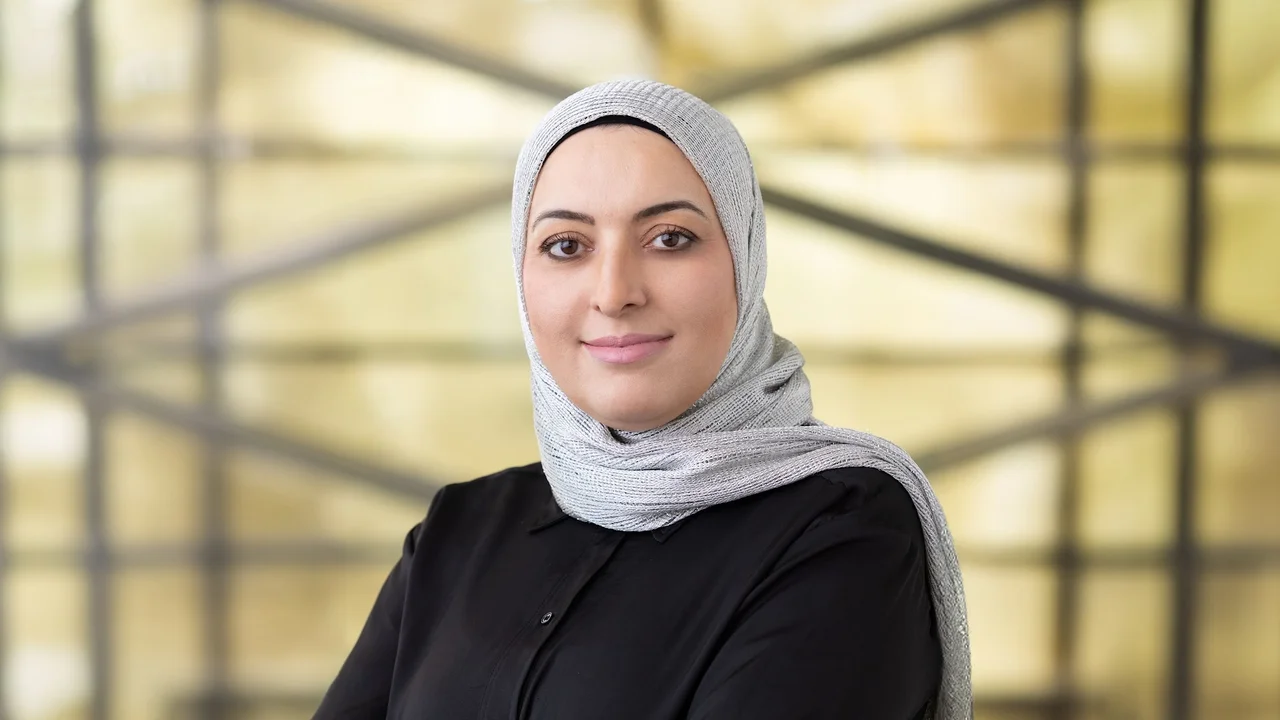
Professor Husam Alshareef is a leader in materials science, with pioneering expertise in developing nanoscale materials for energy and electronics applications. He joined KAUST in 2009 as a founding member and currently serves as chair of the KAUST Center of Excellence for Renewable Energy and Storage Technologies (CREST) and principal investigator of the Functional Nanomaterials & Devices Laboratory.

Alshareef began his career as a postdoctoral researcher at Sandia National Laboratories in New Mexico, and subsequently held positions at Micron Technology and Texas Instruments, where he developed new materials and processes for integrated circuit fabrication. With more than 620 journal publications and 70,000 citations, he is recognized by the Web of Science and Clarivate Analytics as a highly cited researcher in materials science, placing him in the top 1% of researchers worldwide for research output.

Professor Alshareef is a fellow of multiple prestigious organizations, including the Materials Research Society, American Physical Society, Institute of Electrical and Electronics Engineers, U.S. National Academy of Inventors, UK Institute of Physics, Royal Society of Chemistry and Institute of Materials, Minerals and Mining. He holds 80 issued patents, has received numerous awards, and is frequently invited to speak at conferences worldwide — accomplishments that reflect his extensive contributions to materials science.
Research Interests

Professor Alshareef’s research focuses on developing nanoscale materials for batteries and electronics, with an increasing emphasis on translational applications. His recent work centers on creating new battery chemistries for harsh environments that offer higher energy density, lower cost and improved safety. 

He is also leveraging local materials and minerals to develop next-generation batteries, including Na-ion, solid-state and K-ion technologies, to help secure the Kingdom’s battery supply chain. In addition, he is developing new sensors and X-ray imaging technologies for battery forensics and anti-tampering measures. In electronics, he works on MXenes and other 2D materials for electronic devices.

Education
Doctor of Philosophy (Ph.D.)
Material Science and Engineering, North Carolina State University, United States, 1995
Master of Science (M.S.)
Material Science and Engineering, North Carolina State University, United States, 1992
Bachelor of Science (B.S.)
Ceramics Engineering, Alfred University, United States, 1990
Biography

Professor Hoteit is a founding faculty member at KAUST (2009) and a professor of earth science and engineering. He is recognized for advancing climate and environmental modeling, remote sensing, Red Sea eddy dynamics, and modern data assimilation and modeling techniques. Before joining KAUST, he was a research scientist at the Scripps Institution of Oceanography, focusing on atmosphere and ocean circulation modeling.

Hoteit currently directs the Climate Change Center, a national initiative under the National Center for Meteorology funded by the Ministry of Environment, Water and Agriculture, and the Saudi Aramco Marine Environment Research Center at KAUST, supporting large-scale climate and environmental applications of national and global significance. Professor Hoteit and his team develop integrated, data-driven modeling systems to analyze and predict atmospheric and oceanic circulation and climate variability across the Arabian Peninsula.

He received the Kuwait Prize in Fundamental Sciences in 2020 and serves as an associate editor for multiple journals in his field.

Research Interests

Professor Hoteit’s research focuses on integrating dynamical models with observations to simulate, analyze and predict geophysical fluid systems. He develops and applies oceanic and atmospheric models, along with ensemble data assimilation, inverse methods, and uncertainty quantification, for large-scale geophysical applications. His current work builds integrated modeling and forecasting systems for the Arabian Peninsula, with an emphasis on the Red Sea and Arabian Gulf, to study circulation, variability, air-sea interactions and their influence on ecosystem productivity.

The group links these physical insights to environmental management and policy by translating predictions into actionable indicators for marine and coastal systems. The team also leverages advanced artificial intelligence to enhance forecasting, improve model parameterizations and accelerate workflows across applications in marine and terrestrial ecosystems and renewable energy.

Education
Doctor of Philosophy (Ph.D.)
Applied Mathematics, Université Joseph Fourrier, France, 2002
Master of Science (M.S.)
Applied Mathematics, Université Joseph Fourrier, France, 1998
Biography

Professor Jesper Tegnér holds an M.D. and a Ph.D. in experimental and computational neuroscience from the Karolinska Institute in Sweden. He also holds three undergraduate degrees: mathematics (minor in theoretical physics), medicine (medical school), and philosophy (minor in psychology), as well as two years of postgraduate education in pure and applied computational mathematics.

Following his M.D./Ph.D., he became an assistant professor in computer science. While on leave, Tegnér spent five years as a visiting scientist at the Wenner-Gren Foundation in New York and as an Alfred P. Sloan Fellow in Boston.
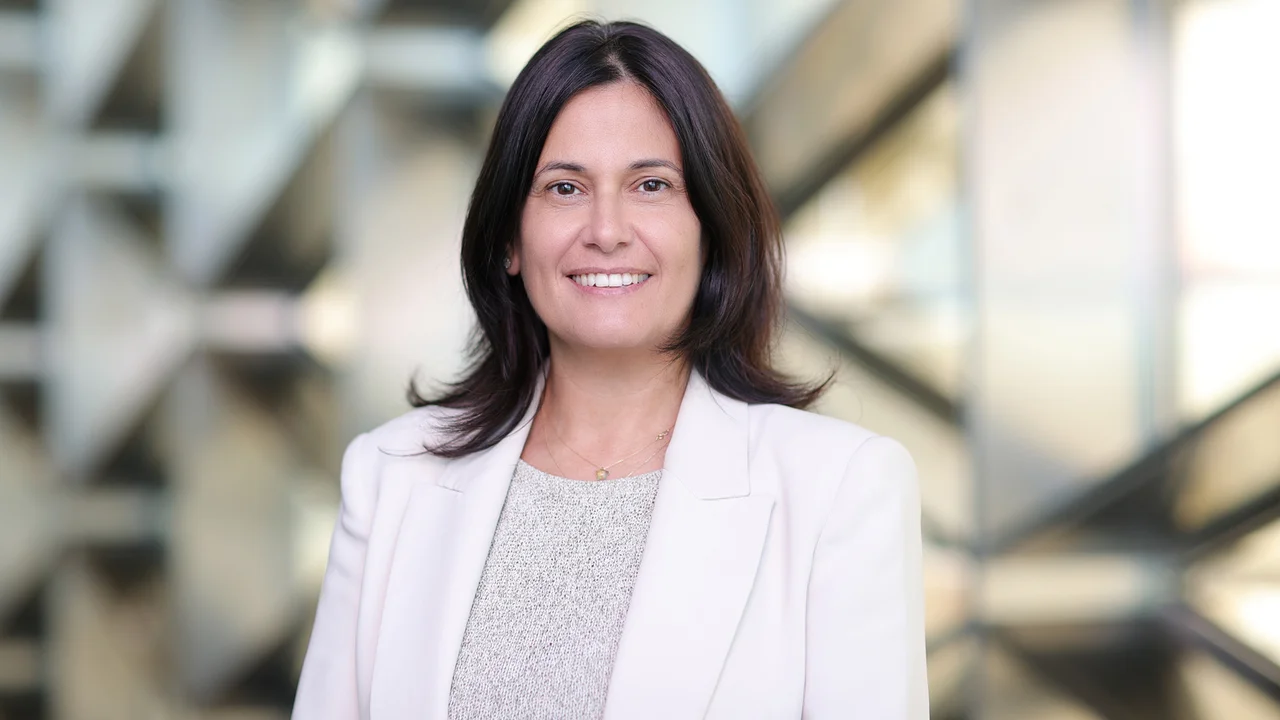
Upon returning to Sweden, Tegnér was recruited as an assistant professor in computer science and bioinformatics. He became a chaired full professor 4½ years after his Ph.D., serving as head of the division of computational biology in the Department of Physics from 2002 to 2010. Tegnér was then appointed director and awarded a lifetime named strategic chaired professorship in computational medicine at the Center for Molecular Medicine, Karolinska Institute and Karolinska University Hospital, from 2010 to 2021.

He is the founder of two biotech startups and serves as executive director at Immune Algorithmics. Tegnér has been at KAUST since 2016 and is affiliated with the Bioscience, Computer Science, Bioengineering and Statistics programs.

Research Interests

Professor Tegnér’s research and teaching interests cover bioinformatics and artificial intelligence applications in the life sciences and medical research.

His team studies fundamental genomics, including the dynamical regulatory architecture of cells, with a focus on causality and foundational machine learning for AI and brain research. His group’s translational work targets cancer, including melanoma and breast cancer, and neurodegenerative diseases such as multiple sclerosis, Alzheimer’s and frontal dementia. 

Tegnér has published 400 papers, received more than 20,000 citations, and has an H-index above 65.

Education
Doctor of Philosophy (Ph.D.)
Medicine/Medicine Doctor, Karolinska Institutet, Sweden, 1997
Doctor of Philosophy (Ph.D.)
Pure and Computational Mathematics, Royal Institute of Technology & Stockholm University, Sweden, 1996
Bachelor of Science (B.S.)
Physician Program, Karolinska Institutet, Sweden, 1990
Bachelor of Science (B.S.)
Philosophy, Stockholm University, Sweden, 1990
Bachelor of Science (B.S.)
Mathematics, Stockholm University, Sweden, 1988
Biography

Osman M. Bakr is a professor in the Material Science and Applied Physics program at KAUST, where he has been a faculty member since 2010. Bakr is internationally recognized for significant contributions to hybrid organic–inorganic materials, particularly perovskites and quantum dots and their applications in solar cells and optoelectronics. At KAUST, he leads the Functional Nanomaterials Lab, which investigates the physics and chemistry of advanced hybrid materials.

Bakr earned his B.Sc. in materials science and engineering from MIT, U.S., and his Ph.D. in applied physics from Harvard University, U.S. He has received numerous honors throughout his career, including the Kuwait Prize and the Kroll Medal & Prize from the Institute of Materials, Minerals and Mining. He is ranked among the world’s most influential researchers and is listed by Clarivate as a Highly Cited Researcher in both chemistry and materials science. Times Higher Education has also named him one of the ten leading university researchers globally in perovskite solar cells.
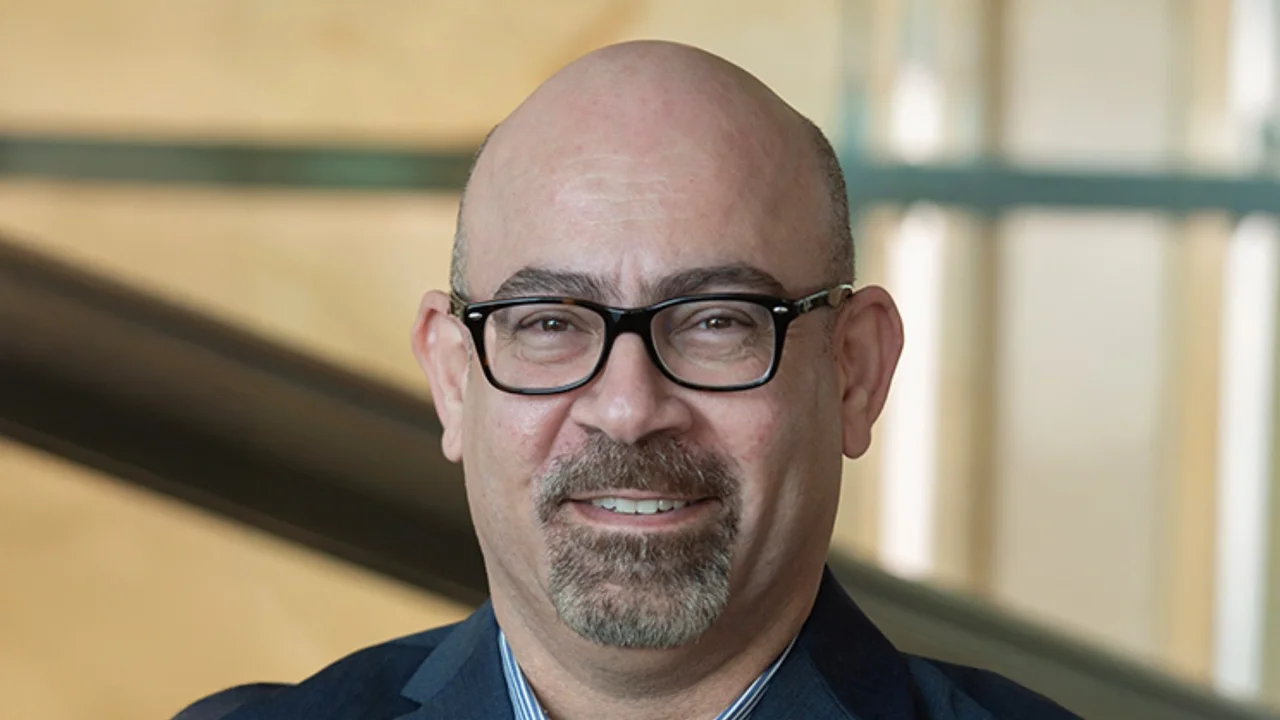
He remains active in the scientific community, serving as executive editor of ACS Materials Letters of the American Chemical Society, among other professional roles.

Research Interests

Professor Bakr's research interests are concerned with the physics and chemistry of hybrid materials. His Functional Nanomaterials Lab (FuNL) work on the design, synthesis and property elucidation of hybrid organic-inorganic semiconductors(both nanoscale and bulk), with a focus on applications in radiation detection, imaging and renewable energy.​

Education
Doctor of Philosophy (Ph.D.)
Applied Physics, Harvard University, United States, 2009
Master of Science (M.S.)
Applied Physics, Harvard University, United States, 2005
Bachelor of Science (B.S.)
Materials Science and Engineering, Massachusetts Institute of Technology (MIT), United States, 2003
Biography

Dr. Peter Schmid is a professor of mechanical engineering and a leading scholar in fluid dynamics, with research interests that span the Physical Science and Engineering Division and the Computer, Electrical and Mathematical Sciences and Engineering Division at KAUST. Prior to joining the University in 2021, he held positions at the University of Washington, U.S.; the French National Research Agency (CNRS); École Polytechnique, France; and Imperial College London, U.K.

Schmid received his degree in aerospace engineering from the Technical University of Munich, Germany, and a doctoral degree in mathematics from MIT, U.S.  

He ranks among the top mechanical and aerospace engineering scientists in his field, with influential contributions published in leading journals such as the Journal of Fluid Mechanics, Physical Review Fluids and the Journal of Computational Physics. He is active professionally as a guest speaker and organizer at conferences and workshops worldwide and serves on the editorial boards of Physical Review Fluids and the IMA Journal of Applied Mathematics.

Research Interests

Professor Schmid's research interests are in theoretical and computational fluid dynamics, with emphasis on hydrodynamic stability theory, flow control, model reduction and system identification. He is also interested in computational techniques for flow optimization and quantitative flow analysis. His work involves creating and applying computational models and advanced algorithms to quantitatively describe and analyze fluid systems.

His research has applications in aerodynamics, aeroacoustics, thermoacoustics, binary mixing, general dynamical systems, and geophysical and biological fluid dynamics. Optimal design, improved operating conditions, suppression of instabilities and noise contamination, and energy and process efficiency are key to his research activities.

Education
Doctor of Philosophy (Ph.D.)
Mathematics, Massachusetts Institute of Technology, United States, 1993
Diploma
Aerospace Engineering, Technical University of Munich, Germany, 1989
Biography

Professor Sahika Inal earned her B.Sc. in textile engineering from Istanbul Technical University in Turkey, followed by an M.Sc. in polymer science through a joint program offered by Humboldt University, Free University, the Technical University of Berlin, and the University of Potsdam in Germany. In 2013, she completed her Ph.D. in experimental physics at the University of Potsdam, where she focused on electronic polymer-based optical sensors for pathogen detection. After earning her doctorate, she conducted postdoctoral research at the Center of Microelectronics of Provence at the École Nationale Supérieure des Mines de Saint-Étienne in France, developing microelectronic devices for bioelectronic applications.

Since 2016, Professor Inal has led the Organic Bioelectronics Lab at KAUST. Her research explores mixed ionic and electronic charge transport in organic materials and the development of electronic devices that interface with biological systems for biosignal recording and stimulation. She currently serves as the program chair of the Bioengineering program at KAUST. She has received numerous awards, delivered more than 70 keynote and invited talks at major international conferences across 15 countries, published more than 135 articles, and holds 10 patent applications. Her innovative contributions advance the field of bioelectronics and open new possibilities for understanding and interacting with biological systems.

Research Interests

Professor Inal’s expertise lies in polymer science and bioelectronic devices. She specializes in the photophysics of conjugated polymers, characterization of polymer thin films, behavior of polymer films in aqueous environments, and the design of biosensors and actuators that incorporate conjugated polymers. Her current research focuses on ion and electron conduction in organic electronic materials and the design of bioelectronic devices capable of recording and stimulating biological signals.

By combining in-situ techniques to monitor ion and electron motion in films, fibers, and porous scaffolds of organic materials, her team aims to identify the best-performing materials, formulations, processing conditions, and form factors for use in biological electrolytes.

These optimized materials are then applied to build devices such as transistors, fuel cells, electrodes, electrochemical actuators, and drug-delivery systems that can sense or stimulate biological signals.

Education
Doctor of Philosophy (Ph.D.)
Experimental Physics, University of Potsdam (UP), Germany, 2013
Master of Science (M.S.)
Polymer Science, TU, HU, FU Berlin, UP (Joint Program), Germany, 2009
Bachelor of Science (B.S.)
Textile Engineering, Istanbul Technical University, Turkey, 2007

Instructional Faculty

Biography

Dr. Salem holds a Ph.D. in Electrical Engineering from Stanford University, U.S. Prior to joining KAUST in 2010, he was an Assistant Professor of Electrical Engineering at Alexandria University, Egypt. He has also jointly held an assistant professorship at the Wireless Intelligent Networks Center (WINC) at Nile University, Egypt, since 2008.

Salem has extensive experience teaching at graduate and undergraduate levels. He has taught courses in digital communications, wireless communications and systems, digital signal processing, signal and systems, detection and estimation, probability and stochastic processes, engineering mathematics, signal processing for radar systems, remote sensing, and automatic control.

In 2017, he received the inaugural KAUST Distinguished Teaching Award. His research has yielded over eighty scientific publications in various peer-reviewed journals and conferences.

Research Interests

Dr. Salem’s research interests include energy harvesting, dynamic spectrum access, cognitive radio networks, cooperative communications, orthogonal frequency-division multiplexing for optical communications, distributed and sequential detection, cooperative relay-based multi-hop communications, physical layer-based secrecy, remote sensing and synthetic aperture radar.

Education
Doctor of Philosophy (Ph.D.)
Electrical Engineering, Stanford University, United States, 2007
Master of Science (M.S.)
Electrical Engineering, Alexandria University, Egypt, 2000
Bachelor of Science (B.S.)
Electrical Engineering, Alexandria University, Egypt, 1997
Biography

Alexandra Aguiar Gomes, a dedicated university educator since 1996, holds a Ph.D. in Aerospace Engineering, an M.Sc. in Mechanical Engineering, and a B.Sc. in Physics Engineering from Instituto Superior Técnico, Universidade Técnica de Lisboa, Portugal. Her doctoral work focused on the multidisciplinary and topology optimization of morphing aircraft wings.

Currently an Instructional Professor at KAUST's CEMSE Division, Alexandra is known for her focus on making mathematics accessible and engaging for students. 

Alexandra's area of expertise is optimization. Currently, her research interests include the mathematics of decision-making for sustainable development and the mathematics of generative artificial intelligence. 
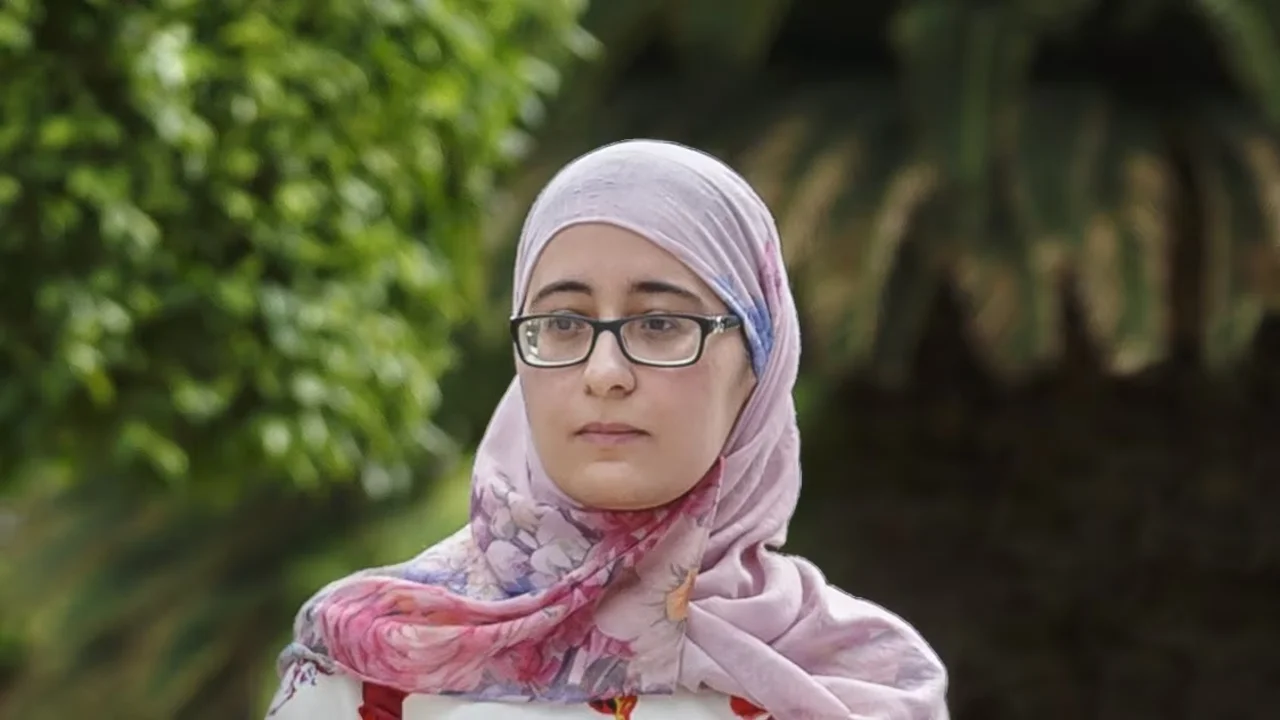
Throughout her career, she has been recognized with multiple teaching awards, in particular, the 2020 KAUST Distinguished Teaching Award, highlighting her commitment to academic excellence and innovative teaching methods.

Research Interests

Alexandra's area of expertise is optimization. Currently, she has two areas of interest: the mathematics of decision-making for sustainable development and the mathematics of generative artificial intelligence,

Education
Doctor of Philosophy (Ph.D.)
Aerospace Engineering, Instituto Superior Técnico, Portugal, 2005
Master of Science (M.S.)
Mechanical Engineering, Instituto Superior Técnico, Portugal, 1997
Bachelor of Science (B.S.)
Physics Engineering, Instituto Superior Técnico, Portugal, 1995
Biography

Professor Hassan Ali brings extensive academic and professional expertise to KAUST, with a focus on cybersecurity education and curriculum development. Before joining KAUST, he served as a professor of cybersecurity at the School of Applied Computing, Sheridan College, Ontario, Canada. 

As program coordinator for Sheridan’s Honors Bachelor of Cybersecurity program, Professor Hassan was responsible for leading curriculum development, overseeing accreditation, and conducting comprehensive program reviews to ensure alignment with industry needs and stakeholder expectations. He facilitated professional advisory council (PAC) meetings for the cybersecurity program, utilizing industry connections to provide strategic input that enhanced programming and kept the curriculum current with evolving requirements.

Earlier in his career, Hassan served as an assistant professor at the Faculty of Computing and Information Technology, University of Jeddah, Saudi Arabia, from 2012 to 2018 and in the Department of Computer Science at CIIT Lahore from 2010 to 2012. These roles allowed him to cultivate a strong foundation in teaching, research, and academic leadership.

Additionally, Hassan has provided personalized academic guidance, facilitated program-specific support, and actively participated in student engagement activities such as orientation sessions, open houses, and recruitment events, fostering a collaborative and inclusive learning environment.

Research Interests

Professor Hassan’s research interests are focused on three key areas: malware analysis, exploit development, and vulnerability research in operational technology (OT). 

Education
Doctor of Philosophy (Ph.D.)
Computer Science, Queen Mary University of London, U.K. , United Kingdom, 2010
Master of Science (M.S.)
Wireless Network, Queen Mary University of London, U.K. , United Kingdom, 2006
Bachelor of Science (B.S.)
Computer Science, Government College University Lahore, Pakistan, 2004

David Pugh

Biography

Professor David Pugh works at the intersection of artificial intelligence, data science, and high-performance computing. He develops applications in machine learning, deep learning, and generative AI, including work with Large Language Models (LLMs). He is an experienced research software engineer and data scientist with deep knowledge of the Python data science ecosystem, including NumPy, SciPy, Pandas, Matplotlib, NetworkX, Jupyter, Scikit-learn, PyTorch, and TensorFlow.

Pugh recently developed training materials to help data scientists manage virtual environments using Conda and Docker. He is currently developing data engineering solutions to accelerate distributed training of deep neural networks on high-performance computing resources.

He leads the Accelerating GenAI Adoption theme at the KAUST Center of Excellence for Generative AI (GenAI), where his work includes developing GenAI platforms, supporting innovation and creating training and residency programs to foster GenAI adoption, particularly among non-experts.

Pugh completed his postdoctoral research at the University of Oxford in 2016, after earning an M.Sc. in 2009 and a Ph.D. in Economics in 2014 from the University of Edinburgh. He holds a B.S. in Mathematics from the College of William and Mary.

His teaching covers the full AI pipeline, including data collection, preprocessing, model training, evaluation and deployment. He emphasizes responsible model development and encourages students to consider the ethical and societal implications of AI technologies.

Biography

Prior to joining KAUST in 2019, Ortega Sánchez spent sixteen years working at the Mathematics Research Center (CIMAT) in Guanajuato, Mexico. He completed his postgraduate and graduate studies in London, where he studied mathematics at King’s College London before obtaining his Ph.D. in Probability Theory at Imperial College London. After his time in the U.K., Ortega Sánchez returned to his native Venezuela, where he worked for over 20 years at the Universidad Central de Venezuela and the Venezuelan Scientific Research Institute..

He has taught courses on stochastic models, time series, measure theory, advanced probability, extreme value theory, statistical consulting, functional data analysis, applied statistics, time series, and design of experiments. His career has seen him teach courses at several institutions worldwide, including the University of Paris-Sud, France, and the University of Valladolid, Spain.

Ortega’s primary role at KAUST is teaching statistics and providing additional mathematics support.

Research Interests

Throughout his career, Ortega’s research has focused on stochastic processes, specifically Gaussian processes and time series, with applications in oceanography and biostatistics. More recently, his work has focused on functional data analysis.

Education
Doctor of Philosophy (Ph.D.)
Mathematics, Imperial College London, United Kingdom, 1979
Master of Science (M.S.)
Pure Mathematics, King's College London, United Kingdom, 1975
Bachelor of Science (B.S.)
Mathematics and Physics, King's College London, United Kingdom, 1974
Biography

Malek Smaoui received her M.Sc. in 2009 and Ph.D. in Computer Science in 2011 from the University of Houston (UH), U.S. She previously earned a B.E. in Electrical and Computer Engineering from École Polytechnique de Tunisie, Tunisia, in 2006.

Her teaching career began during her Ph.D. years, where she served as a teaching assistant across various Computer Science courses at the University of Houston. In parallel, she was a key contributor to the development and maintenance of the Virtual Prairie BOINC project. Smaoui joined KAUST in 2012 and has since been teaching fundamental Computer Science subjects within the Computer Science Program, primarily introducing students from other disciplines to computing at various levels of expertise.

Research Interests

Initially, Smaoui's research focused on nature-inspired optimization algorithms, volunteer computing and high-performance computing.

Her current primary focus is Computer Science education methods and technologies. Malek strives to enhance her students' computer science learning experiences at a graduate level, via the implementation of modern approaches and the use of recent technology innovations in the area. She mainly aims at making learning computing accessible to students from all backgrounds.

Education
Doctor of Philosophy (Ph.D.)
Computer Science, University of Houston, United States, 2011
Master of Science (M.S.)
Computer Science, University of Houston, United States, 2009
Bachelor of Engineering (B.Eng.)
Electrical and Computer Engineering, École Polytechnique de Tunisie, Tunisia, 2006
Biography

Dr. Sabine El Khoury earned her Ph.D. in Mathematics from the University of Missouri, U.S., in 2007, after which she joined the Department of Mathematics at the American University of Beirut (AUB) as an assistant professor. She later achieved the position of a tenured associate professor at AUB.

At AUB, El Khoury led a team of 30 faculty and staff in a comprehensive redesign of the university’s freshman program. Implementing a "first-year experience" model—based on high-impact practices adopted by U.S. colleges—the redesigned program supported first-year students as they navigated the challenging transition into university life.  

El Khoury’s passion for education ultimately led her to KAUST, where she now works as an instructional professor of applied mathematics. Outside of her core, she also teaches introductory artificial intelligence (AI) courses and math for AI courses.

Research Interests

El Khoury’s research focuses on commutative algebra with having recently a particular emphasis on combinatorial commutative algebra. This field harnesses the power of topology and combinatorics to address complex problems in the theory of syzygies—relationships between the generators of a module—which explores minimal free resolutions over polynomial rings.

El Khoury is actively involved in machine learning and is particularly interested in the mathematical concepts that underlie it.

Education
Doctor of Philosophy (Ph.D.)
Mathematics, The University of Missouri-Columbia, United States, 2007
Master of Science (M.S.)
Mathematics, The University of Missouri-Columbia, United States, 2004
Biography

Talal Al-Attar has taught electrical engineering at institutions such as Kuwait University, Kuwait; Stanford University, U.S.; Santa Clara University, U.S.; and KAUST, Saudi Arabia, for over 15 years.

Professor Al-Attar received his B.S. and M.S. from Kuwait University and his Ph.D. from Stanford University. His doctoral work focused on impact ionization avalanche transit-time (IMPATT) modeling at the millimeter-wave range, on-chip integration of microstrip patch antennas and transmission lines in standard complementary metal-oxide-semiconductor (CMOS) technology.

Al-Attar’s career began as a senior design and device engineer at Volterra Semiconductor, U.S., where he worked from 2004 to 2007. He also worked as a senior consultant at Sabio Labs in 2007 before joining Magma Design Automation in 2008. Al-Attar consulted several companies between 2007 and 2014, including Ensphere Solutions, AWR, Intersil and Intel.

After joining Santa Clara University (SCU), U.S., he was initially an adjunct professor before becoming a lecturer and full-time assistant professor. He spent eight years at SCU, serving as the SCU Center for Analog Design and Research director.

Al-Attar joined KAUST in 2014 as a consultant/visiting associate professor and in 2018 as a senior lecturer in the Electrical and Computer Engineering (ECE) program.

Research Interests

Al-Attar’s interests focus on four main topics: (1) Microwave devices: IMPATT modeling and scaling in standard CMOS technology and non-linear transmission lines (NLTL); (2) microstrip patch antenna on-chip for wireless and biomedical applications: Microstrip patch antenna efficiency and losses in standard CMOS beyond 50GHz and novel methods of measuring and characterizing on-chip antennas; (3) analog design optimization: SerDes design, bandgap (voltage and current modes), data converters and DC-DC converters; and (4) LDMOS (laterally-diffused metal-oxide semiconductor) and fin field-effect (FinFet) transistor modeling for RF circuit design.

Al-Attar has contributed to two books: one book on CMOS RF ICs and one book on planar microwave engineering.

Education
Doctor of Philosophy (Ph.D.)
Electrical Engineering, Stanford University, United States, 2005
Master of Science (M.S.)
Electrical Engineering, Kuwait University, Kuwait, 1997
Bachelor of Engineering (B.Eng.)
Electrical Engineering, Kuwait University, Kuwait, 1995

Research Scientists

Biography

Abla Kammoun  received the Engineering degree in Signals and Systems from the Tunisia Polytechnic School, La Marsa, Tunisia, and the M.Sc. and Ph.D. degrees in Digital Communications from Télécom ParisTech, Paris, France (formerly École Nationale Supérieure des Télécommunications). From 2010 to 2012, she was a Postdoctoral Researcher with the TSI Department at Télécom ParisTech, and then worked at Supélecwithin the Alcatel-Lucent Chair on Flexible Radio until 2013. She is currently a Senior Research Scientist at King Abdullah University of Science and Technology (KAUST), Thuwal, Saudi Arabia. Her research interests include performance analysis of wireless communication systems, random matrix theory, and statistical signal processing.

Education
Doctor of Philosophy (Ph.D.)
Electrical Engineering, Télécom Paris (ENST), France, 2010
Master of Science (M.S.)
Electrical Engineering, Télécom Paris (ENST), France, 2006
Diploma
Engineering, Ecole Polytechnique de Tunisie (EPT), Tunisia, 2005
Research Interests
  • Energy-efficient wireless multi hop networks.
  • RF Detection. Resilience, and Analysis
  • Cross-layer protocol design.
  • Applications of stochastic geometry in performance analysis.


Education
Doctor of Philosophy (Ph.D.)
Electrical Engineering, École Nationale Supérieure des Télécommunications (Telecom Paris Tech), France, 2013
Master of Engineering (M.Eng.)
Electrical and Computer Engineering, The Ohio State University, United States, 2006
Bachelor of Engineering (B.Eng.)
Electrical Engineering, University of Jordan, Amman, Jordan, 2003
Biography
  • Ph.D., Applied Mathematics (Numerical Analysis), KTH Royal Institute of Technology, Stockholm, Sweden, 2021
  • M.S., Mathematics, KTH Royal Institute of Technology, Stockholm, Sweden, 2014
  • B.S., Microelectronics, KTH Royal Institute of Technology, Stockholm, Sweden, 2012
Research Interests

Aku's research interests include Machine Learning, Neural Networks, Random Features, Spectral Bias, Adversarial Attacks, PINNs, unsupervised learning, and Numerical Analysis.

Education
Doctor of Philosophy (Ph.D.)
Applied and Numerical Mathematics, KTH, Royal Institute of Technology, Sweden, 2021
Master of Science (M.S.)
Mathematics, KTH, Royal Institute of Technology, Sweden, 2014
Bachelor of Science (B.S.)
Microelectronics, KTH, Royal Institute of Technology, Sweden, 2012
Biography

Alexandre Simas is a research scientist at KAUST in the Stochastic Processes and Mathematical Statistics group. His research lies at the interface of probability, statistics, and mathematical analysis, with a strong focus on stochastic partial differential equations (SPDEs), random fields on complex domains, and statistical computation.

He earned his Ph.D. in Mathematics from the Instituto Nacional de Matemática Pura e Aplicada (IMPA), Brazil, with part of his doctoral research conducted at the Courant Institute of Mathematical Sciences, NYU, under the mentorship of S. R. S. Varadhan. Before joining KAUST, Alexandre held faculty positions at the Federal University of Paraíba (UFPB), where he was an associate professor in the Department of Mathematics.

He has co-developed several R packages, including rSPDE, MetricGraph, and ngme2, and has a strong publication record in areas such as spatial modeling, beta regression, Gaussian processes, and functional Itô calculus.

Research Interests

Alexandre’s research focuses on:

  • Gaussian random fields on metric graphs and manifolds
  • Bayesian inference for SPDE-based models
  • Functional analysis and partial differential equations
  • Interacting particle systems and hydrodynamic limits
  • Statistical computing and the development of open-source tools in R.

He actively collaborates on both theoretical and computational developments for modeling complex data with underlying spatial or graph-based structures.

Education
Doctor of Philosophy (Ph.D.)
Mathematics, Instituto Nacional de Matemática Pura e Aplicada, Brazil, 2010
Doctor of Philosophy (Ph.D.)
Visiting Student, New York University, United States, 2010
Bachelor of Science (B.S.)
Statistics, Federal University of Pernambuco, Brazil, 2005
Biography

Ammar El Falou received in 2009 his M.E. in Communication and Computer Engineering from the Lebanese University, Lebanon, and the M.Sc. degree in Digital Telecommunication Systems from TELECOM Paris and UPMC, Paris, France. In 2013, he received his Ph.D. in communication and information science from IMT Atlantique, Brest, France. In 2014, he was a postdoctoral at Orange Labs, Sophia Antipolis, France. From 2015 to 2020, he was an assistant professor at Lebanese University (LU), Beirut Arab University (BAU), and Lebanese International University (LIU). Before joining KAUST, he was an assistant professor at ESIEE Paris, France.
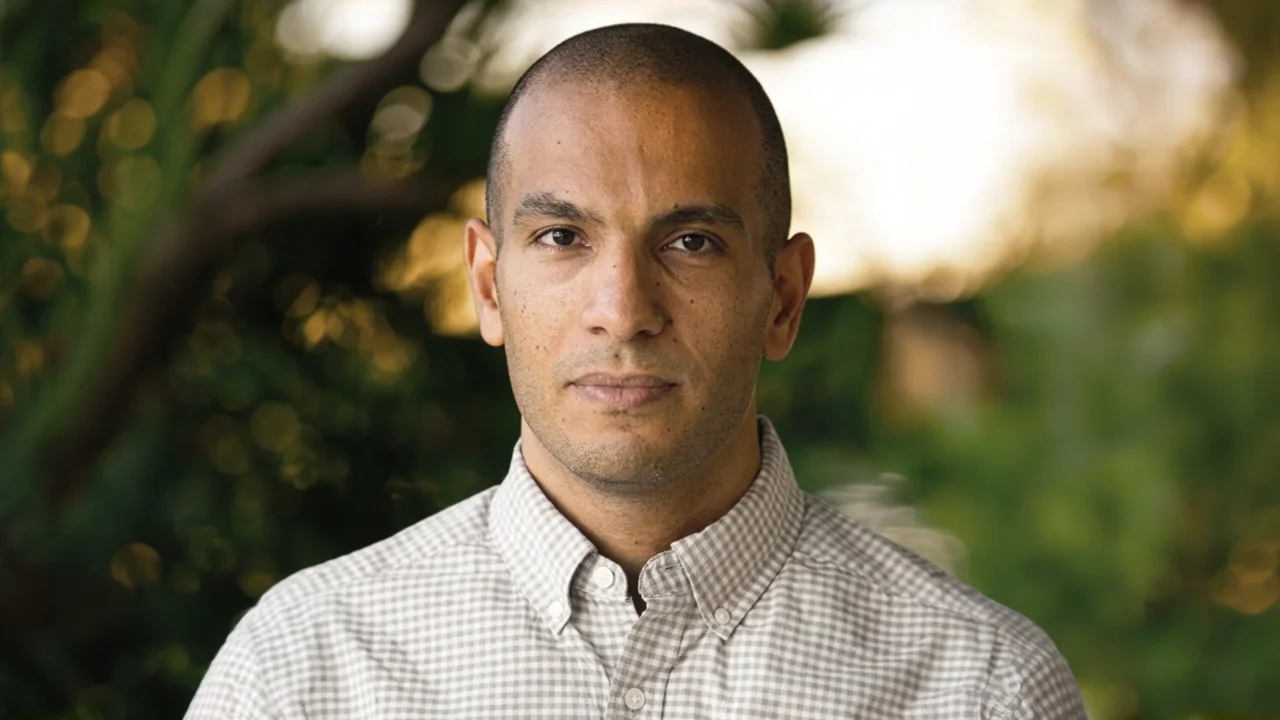
Research Interests

Ammar El Falou is interested in Network Security, Gaming Security, and Wireless Communications.

Education
Doctor of Philosophy (Ph.D.)
Information and Communication Science and Technology, IMT Atlantique (former Telecom Bretagne), France, 2013
Master of Science (M.S.)
Digital Communication Systems, Telecom Paris and Université Pierre et Marie Curie, France, 2009
Master of Engineering (M.Eng.)
Communication and Computer Engineering, Lebanese University, Lebanon, 2009
Biography

Asmaa Abdallah received the B.S. degree (with High Distinction) and the M.S. degree in Computer and Communications Engineering from Rafik Hariri University (RHU), Lebanon, in 2013 and 2015, respectively. She earned her Ph.D. in Electrical and Computer Engineering from the American University of Beirut (AUB), Lebanon, in 2020.

From 2021 to 2024, she was a Postdoctoral Fellow at King Abdullah University of Science and Technology (KAUST), where she is currently a Research Scientist in the Communications and Computing Systems Laboratory.

Between 2016 and 2020, Dr. Abdallah served on the executive committee of the IEEE Young Professionals Lebanon Section. She was the recipient of the Academic Excellence Award at RHU in 2013 for graduating top of her class. She also received a scholarship from the Lebanese National Council for Scientific Research (CNRS-L/AUB) in support of her doctoral studies.

In 2023, Dr. Abdallah was named one of the 15 leading Innovators Under 35 in the MENA region by MIT Technology Review. Her research interests include machine learning, communication theory, stochastic geometry, and array signal processing, with a focus on energy- and spectrally-efficient algorithms for next-generation wireless communication systems.

Research Interests

Ms. Abdallah's research interests include communication theory, stochastic geometry for wireless communications, machine learning for wireless communications, array signal processing, with emphasis on energy and spectral efficient algorithms for emerging wireless communication technologies.

Education
Doctor of Philosophy (Ph.D.)
Electrical and Computer Engineering, American University of Beirut (AUB), Lebanon, 2020
Master of Science (M.S.)
Computer and Communications Engineering, Rafik Hariri University (RHU), Lebanon, 2015
Bachelor of Science (B.S.)
Computer and Communications Engineering, Rafik Hariri University (RHU), Lebanon, 2013
Biography

Bing Li received her bachelor’s degree in Computer Science from Jinan University, Guangzhou, China, in 2009. She holds a Ph.D. degree from the Institute of Computing Technology, Chinese Academy of Sciences, Beijing, China in 2016.

In 2016, Bing Li worked as a Postdoc Fellow at the University of Southern California, USA, before joining KAUST in the same role. Since 2024, she has been serving as a Research Scientist at KAUST.

Research Interests

She is mainly interested in Visual Content Analysis and Processing, Computer Vision and Machine Learning.

Education
Doctor of Philosophy (Ph.D.)
Computer Science, Chinese Academy of Sciences, China, 2016
Bachelor of Science (B.S.)
Computer Science, Jinan University, China, 2009