Topics



Shahid Hussain
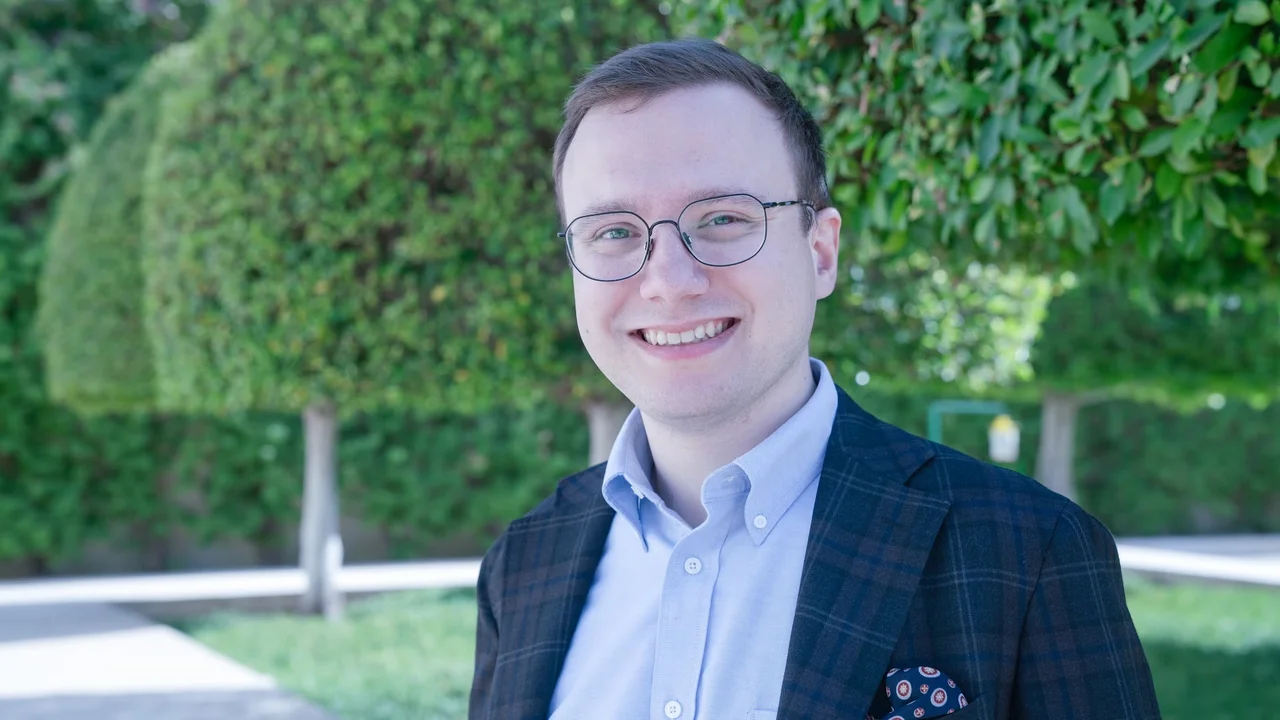
Michal A. Mankowski
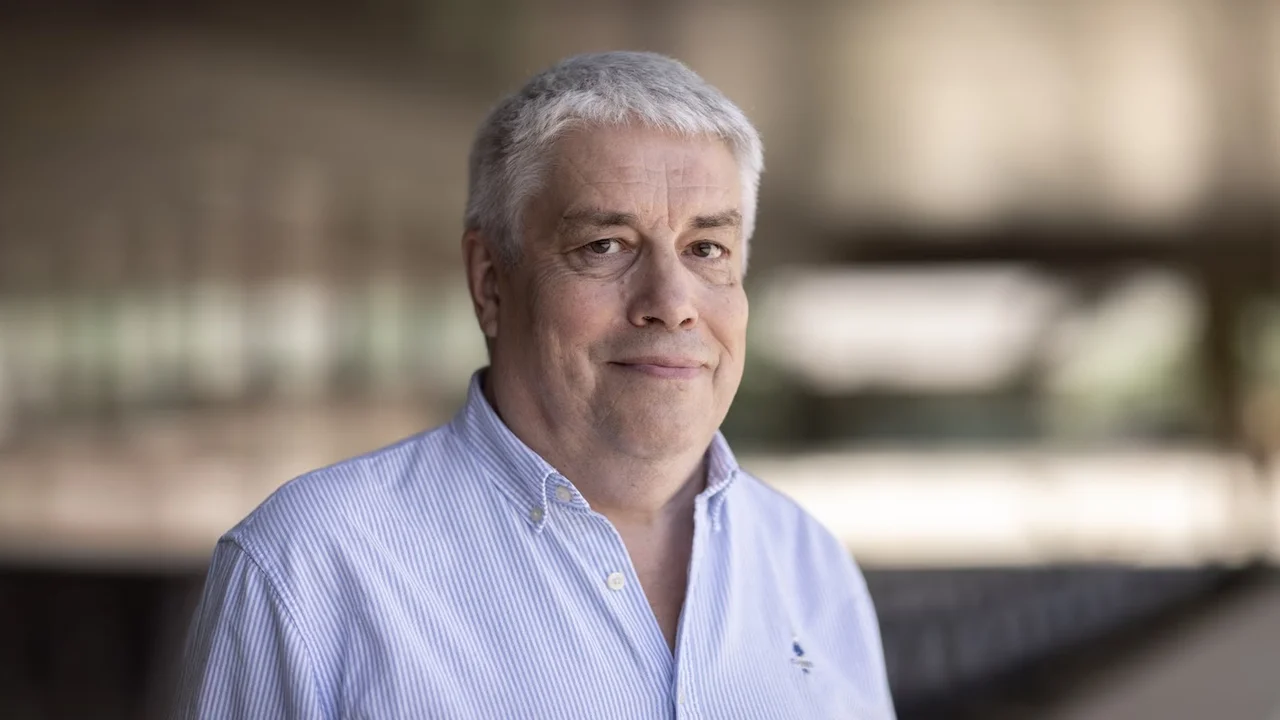
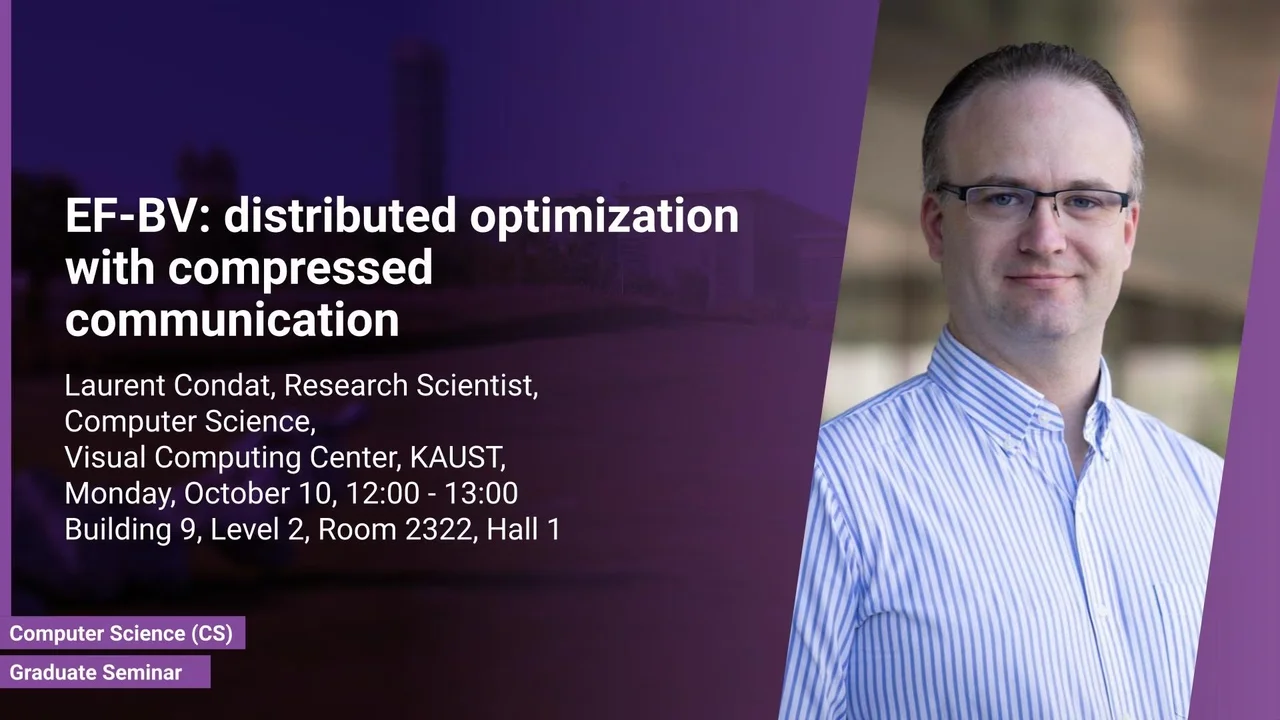
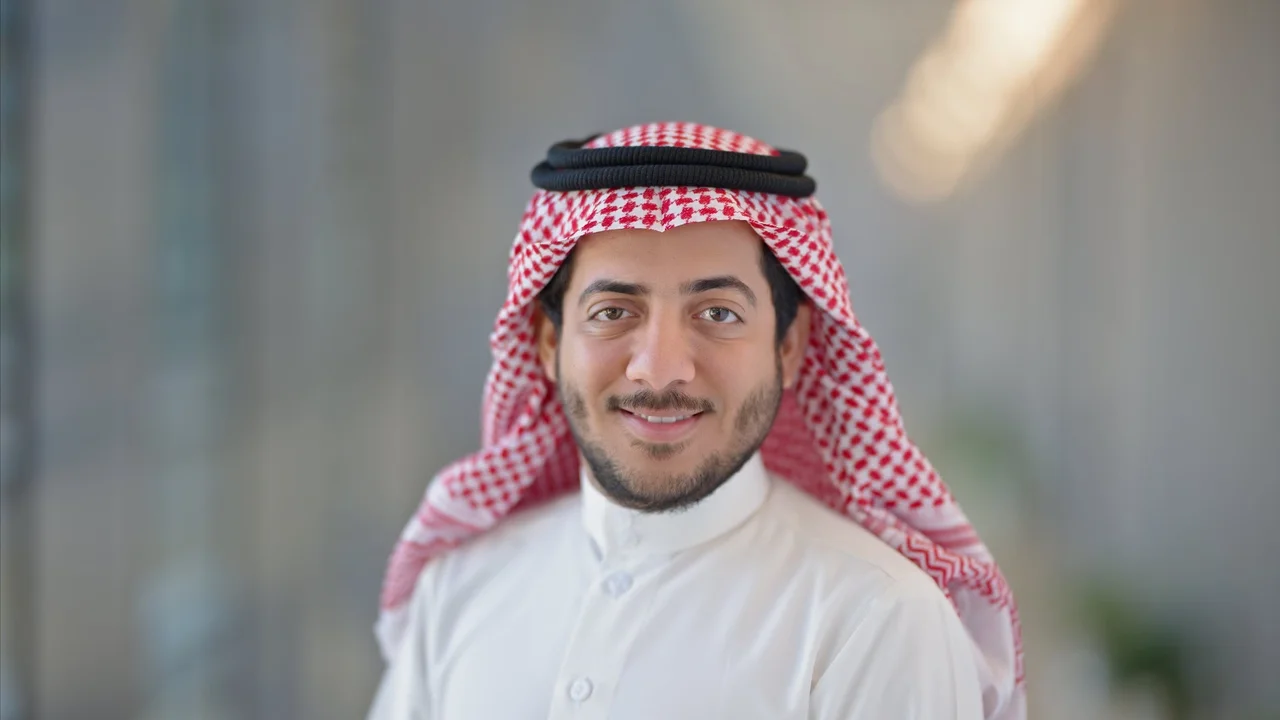
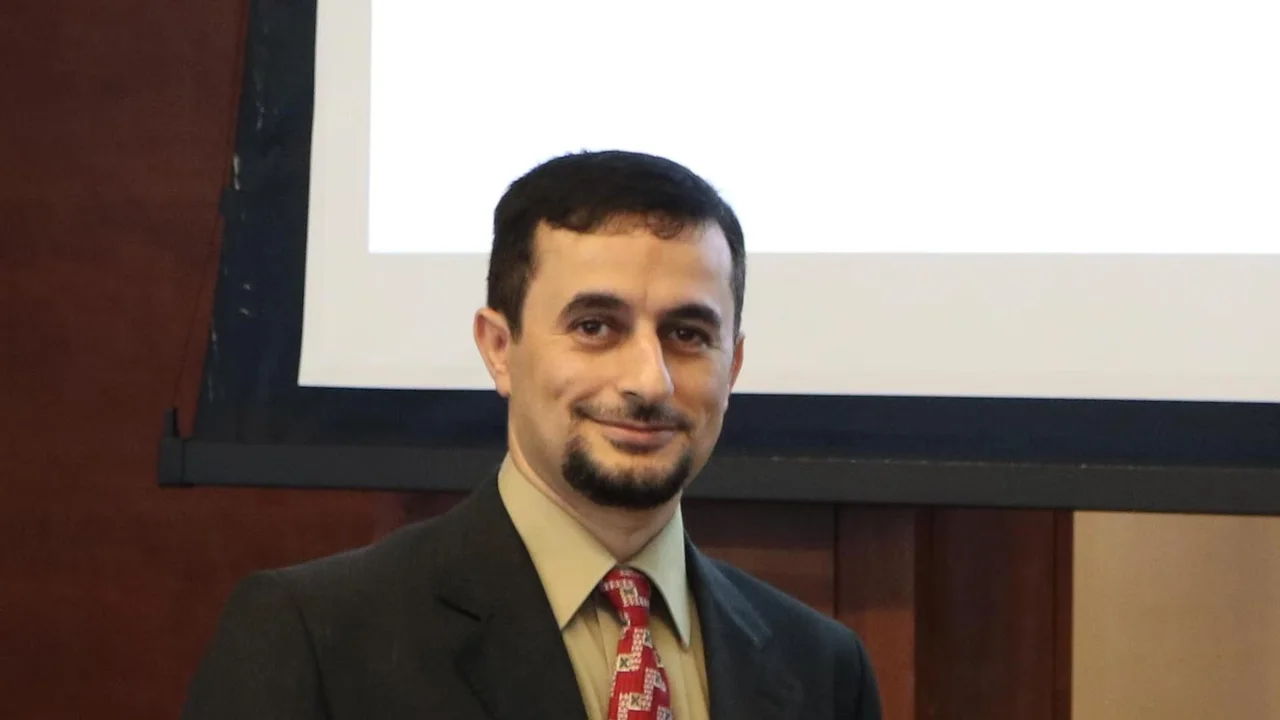
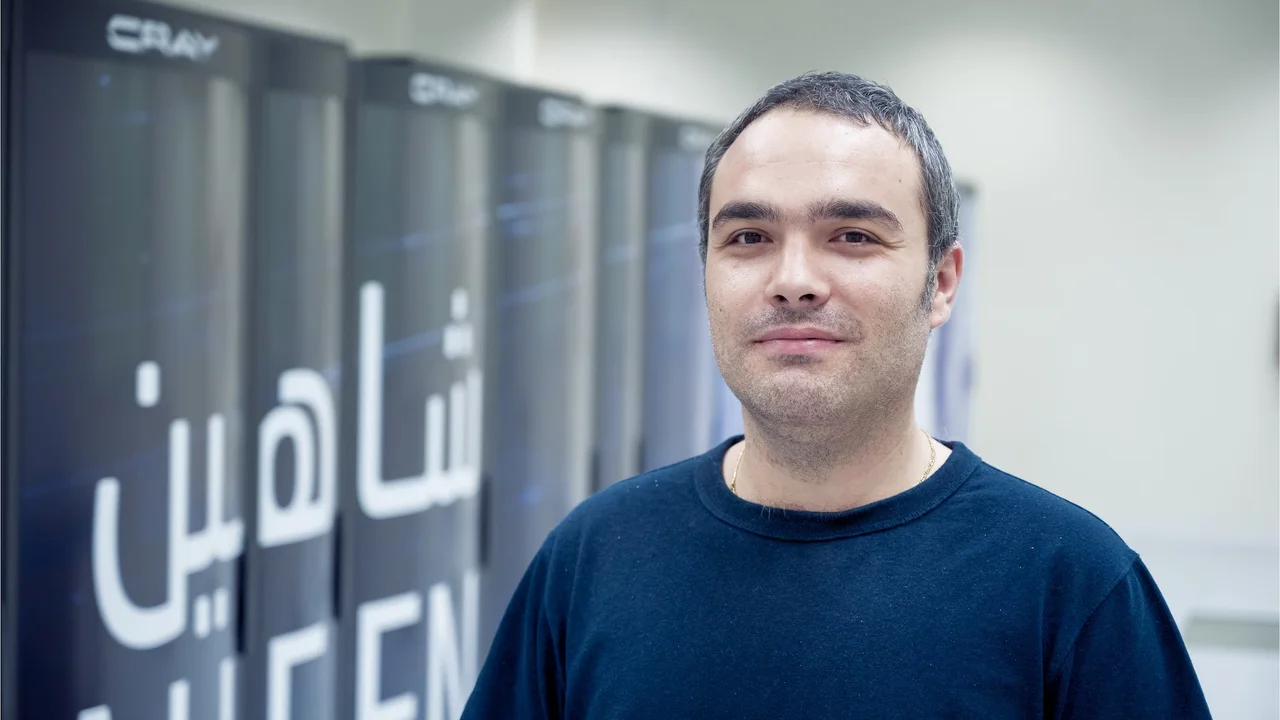
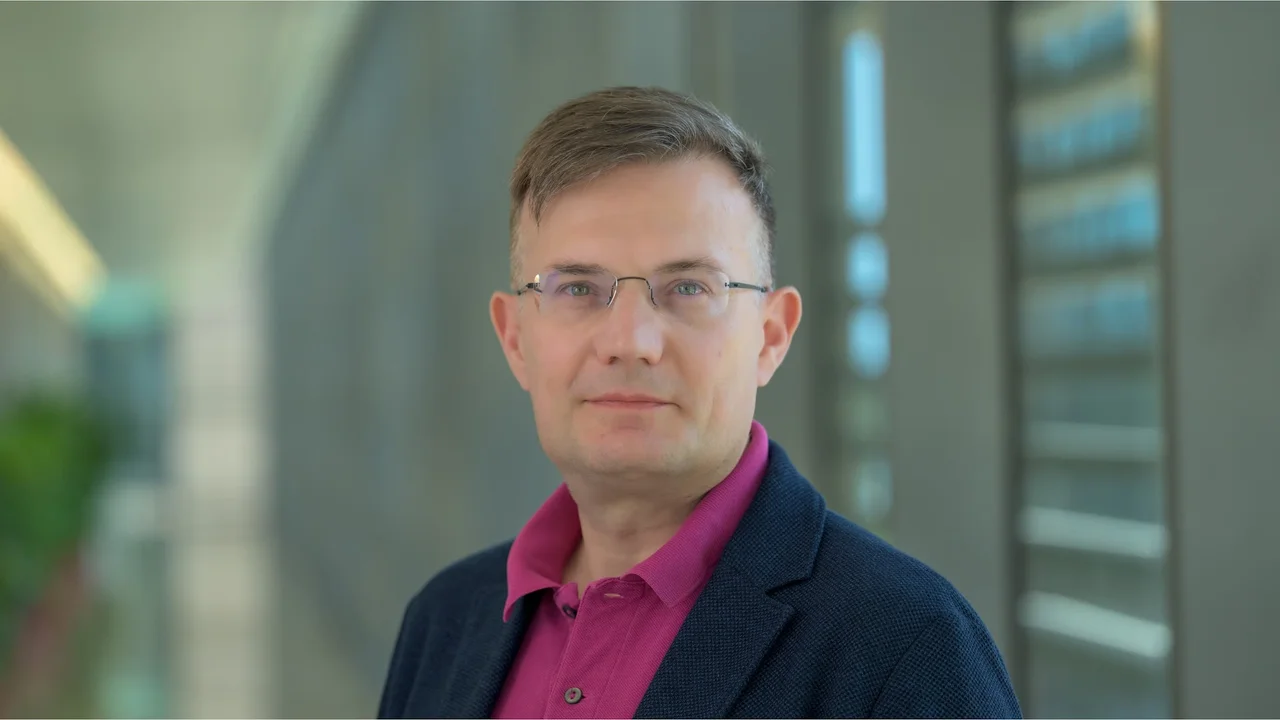
Rolf Krause
applied mathematics Numerical Solution of Partial Differential Equations Finite elements machine learning Numerical Optimization medicine computational mechanics contact problems fluid-structure interactions cardiac simulation biomechanics geology Multiphysics Simulation HPC optimization Multigrid Domain Decomposition software development
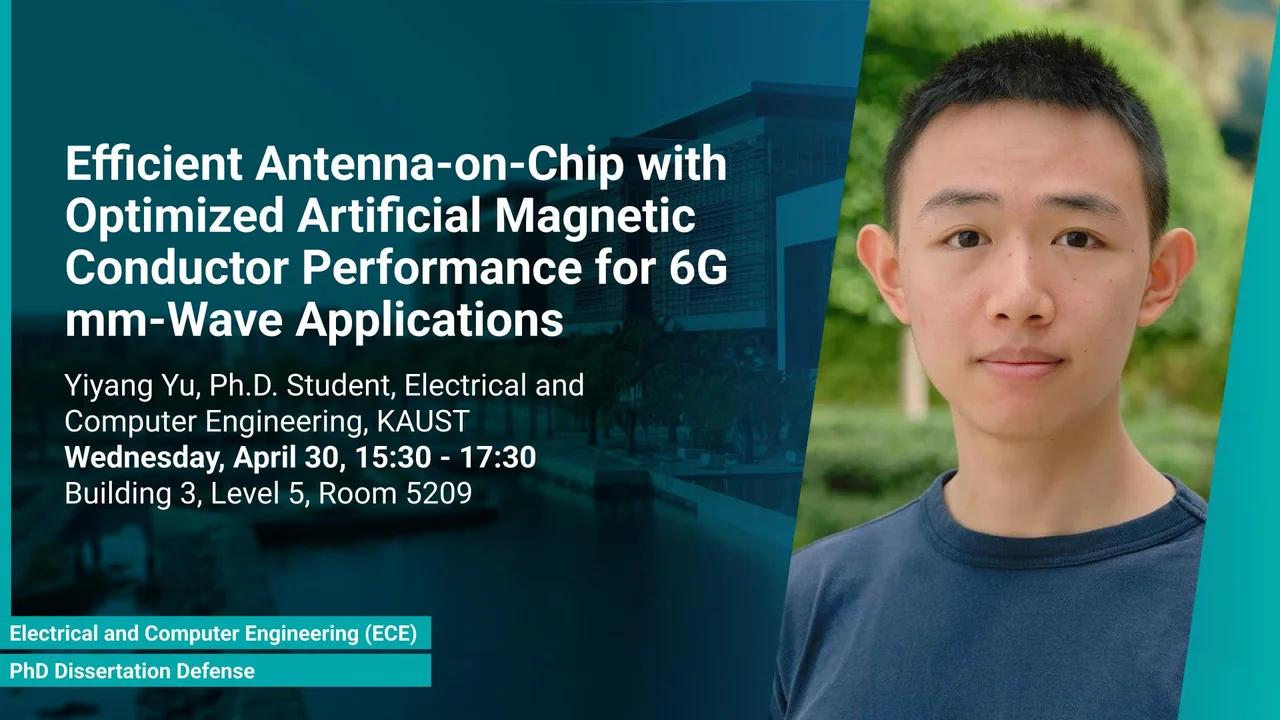

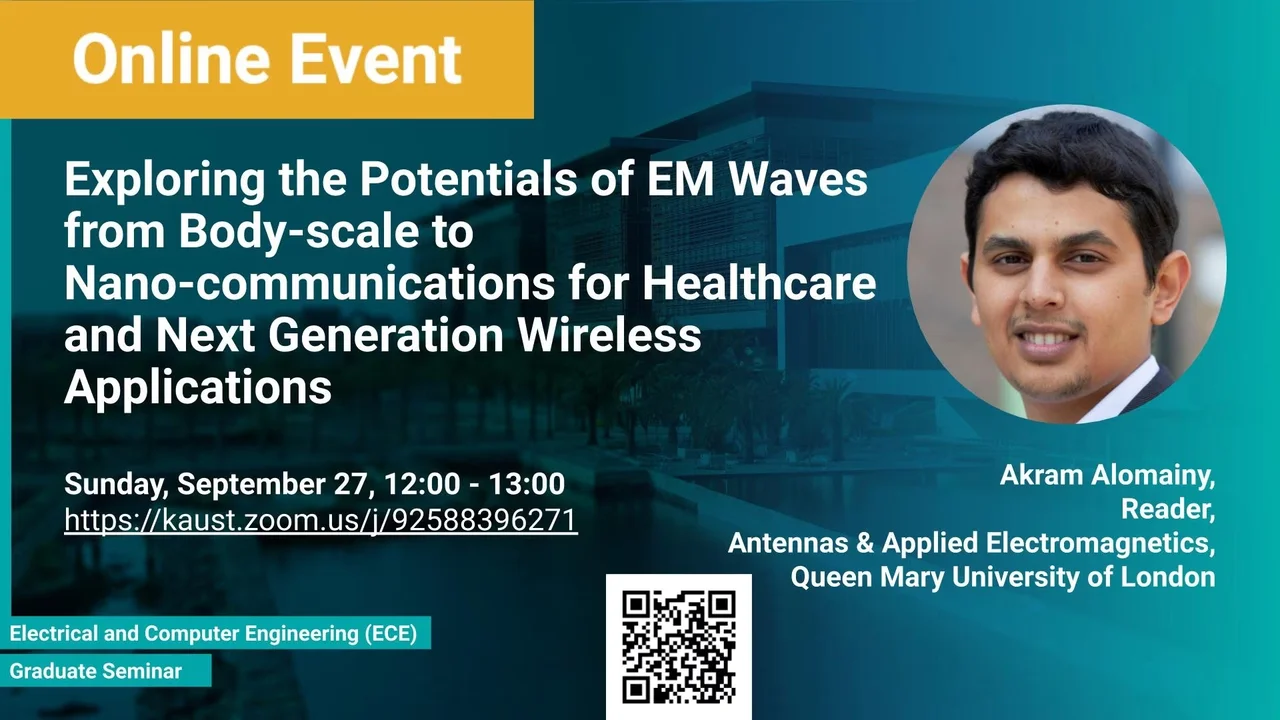
Exploring the Potentials of EM Waves from Body-scale to Nano-communications for Healthcare and Next Generation Wireless Applications
Akram Alomainy, Reader, Antennas and Applied Electromagnetics, Queen Mary University of London
KAUST
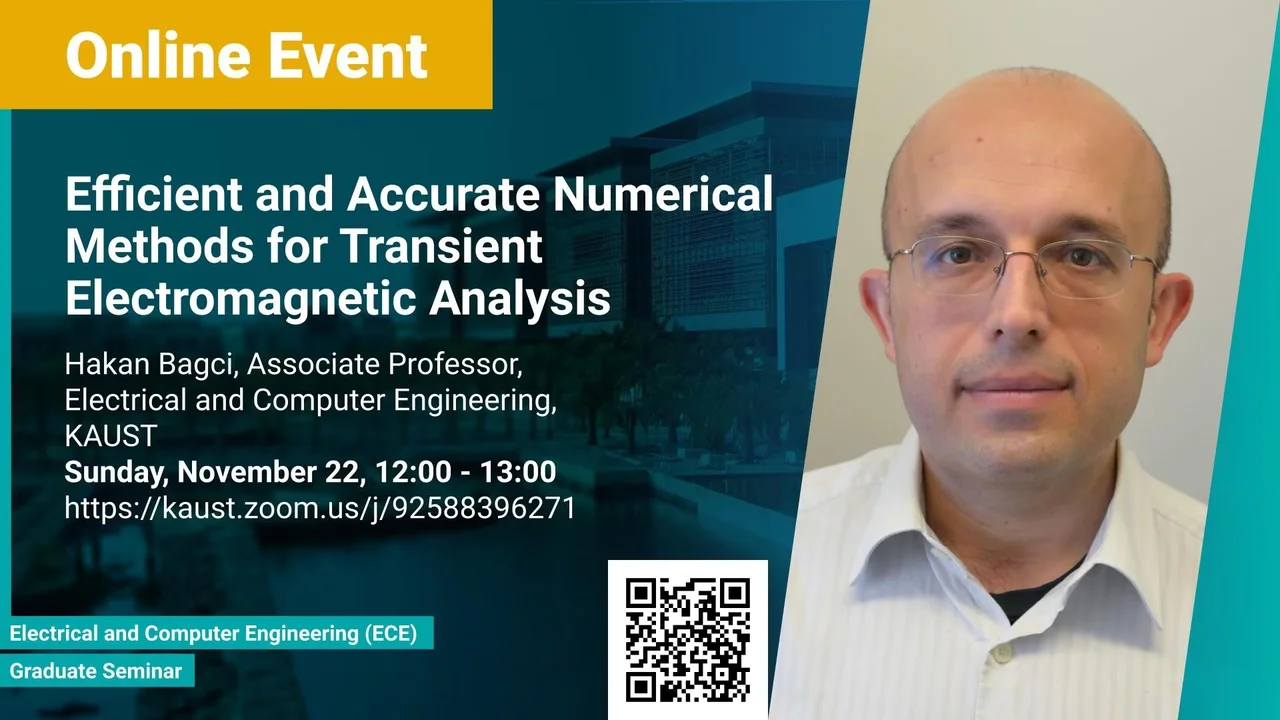

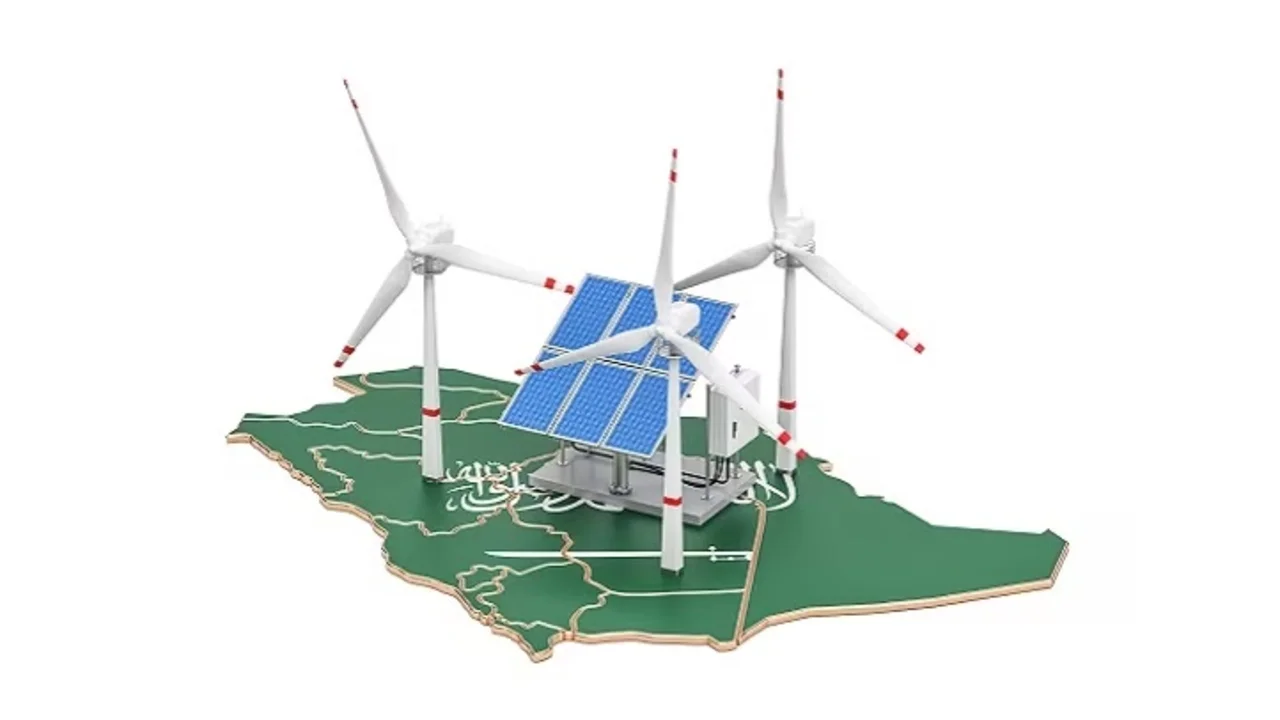
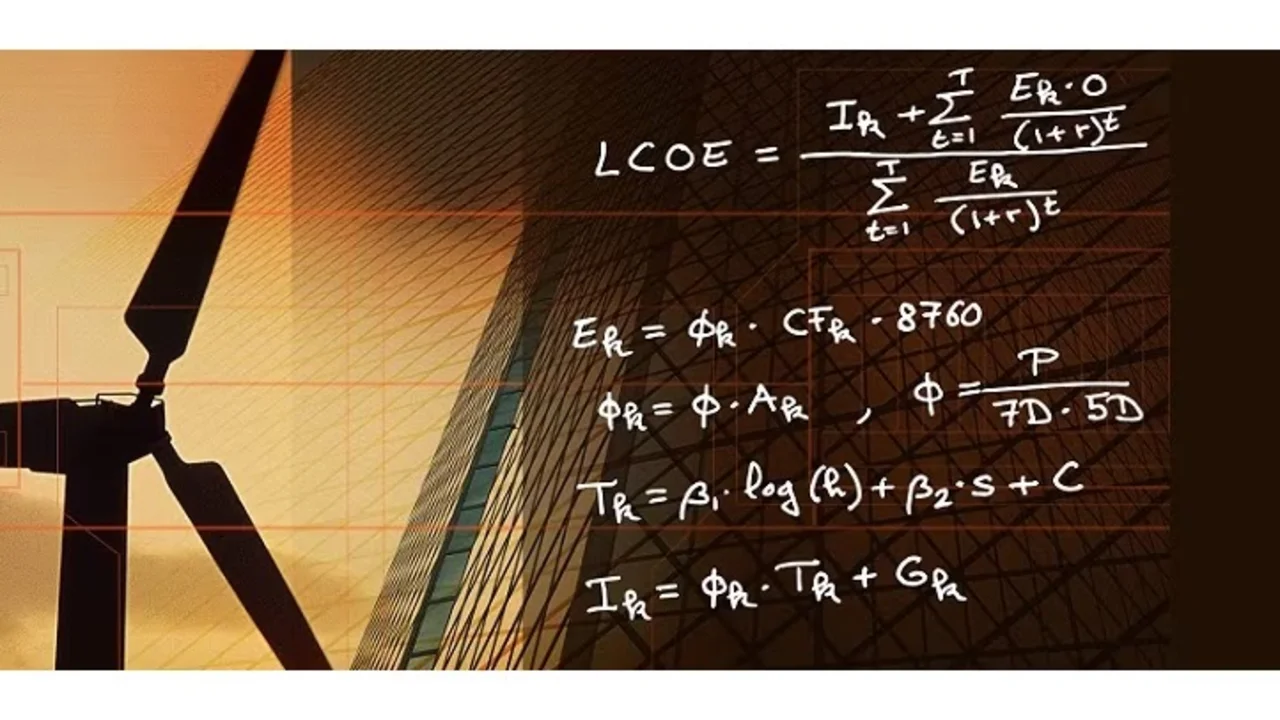
Energy Flexible Manufacturing
Emeka Chukwureh, Customer Flexibility Solutions, an innovation implementation unit at ENOWA, NEOM
B9 L2 H2
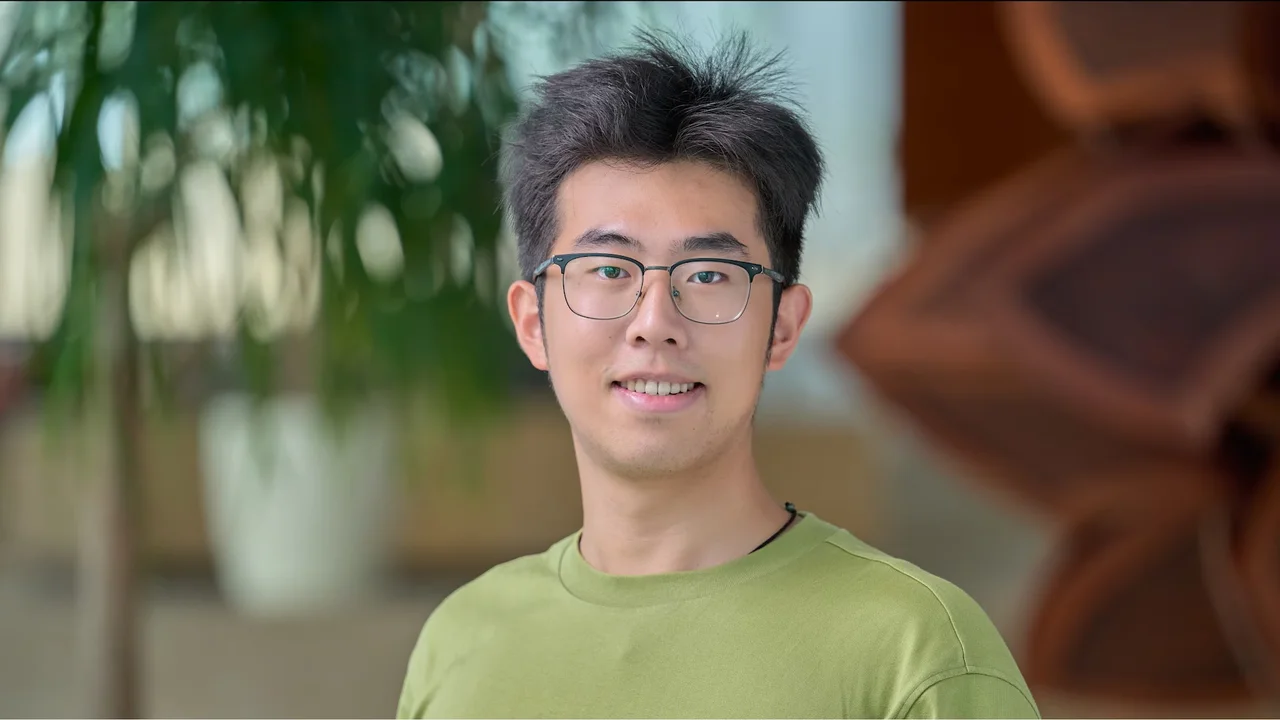
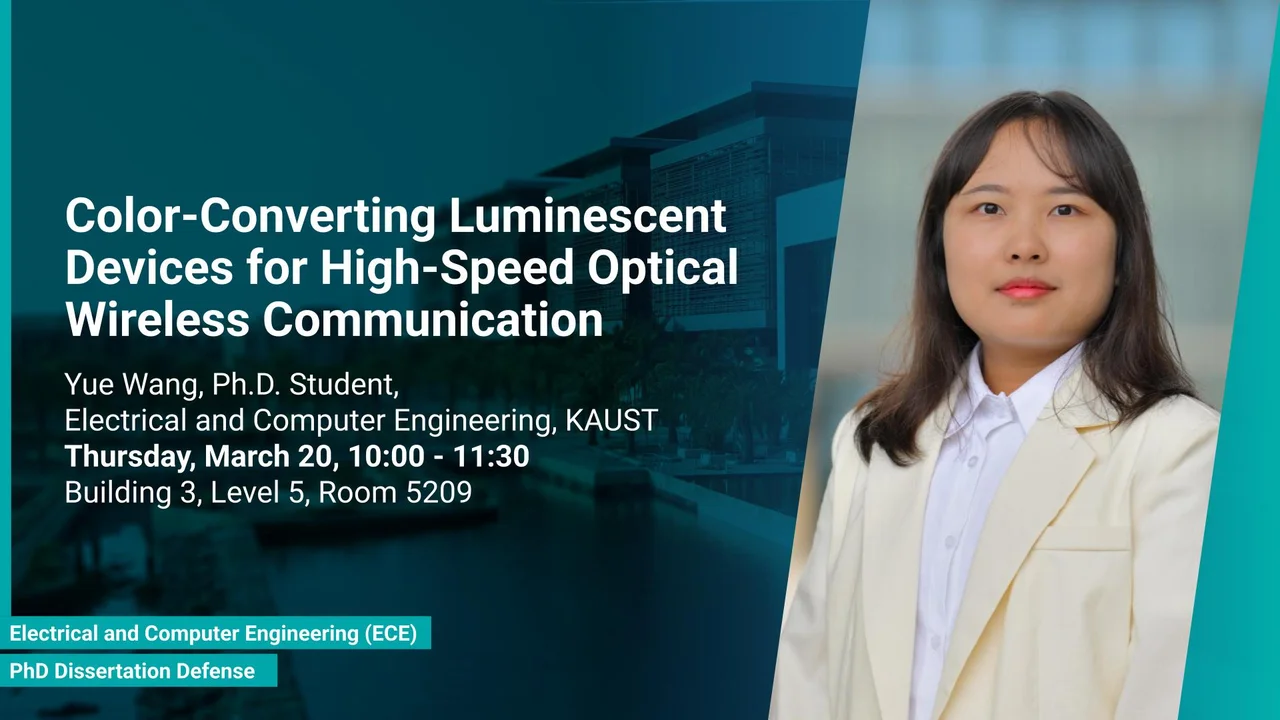
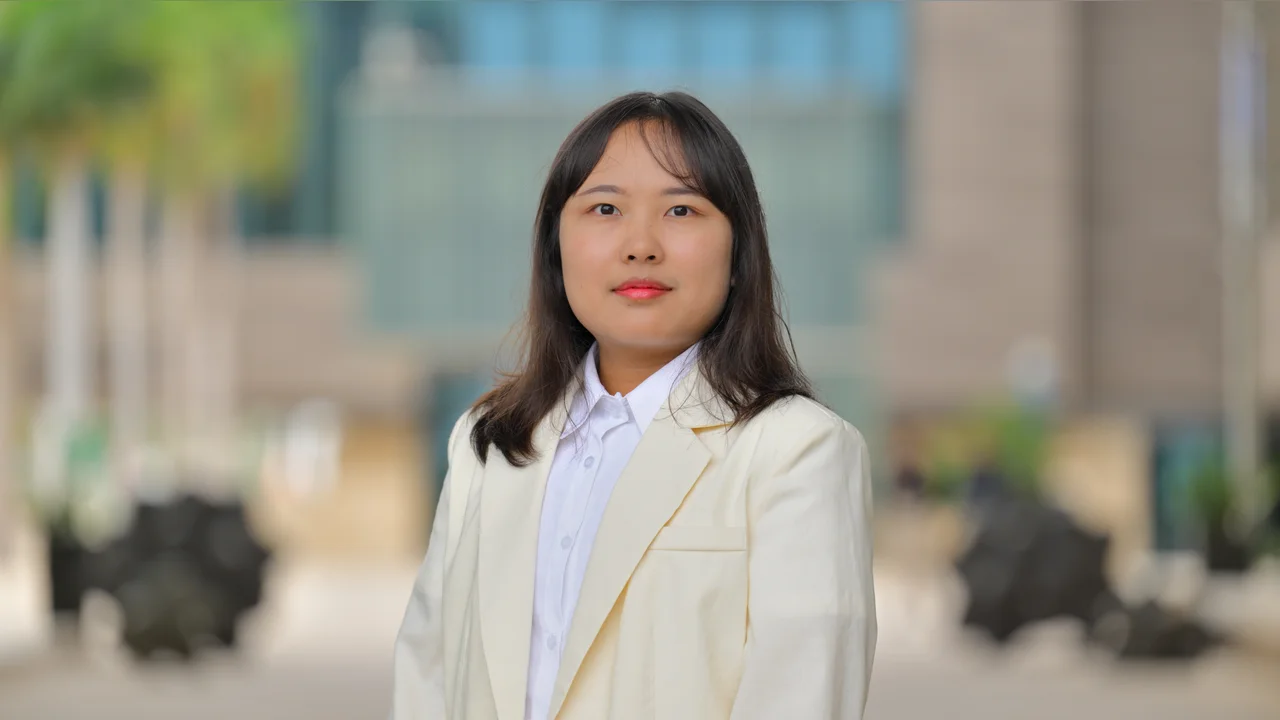
Yue Wang
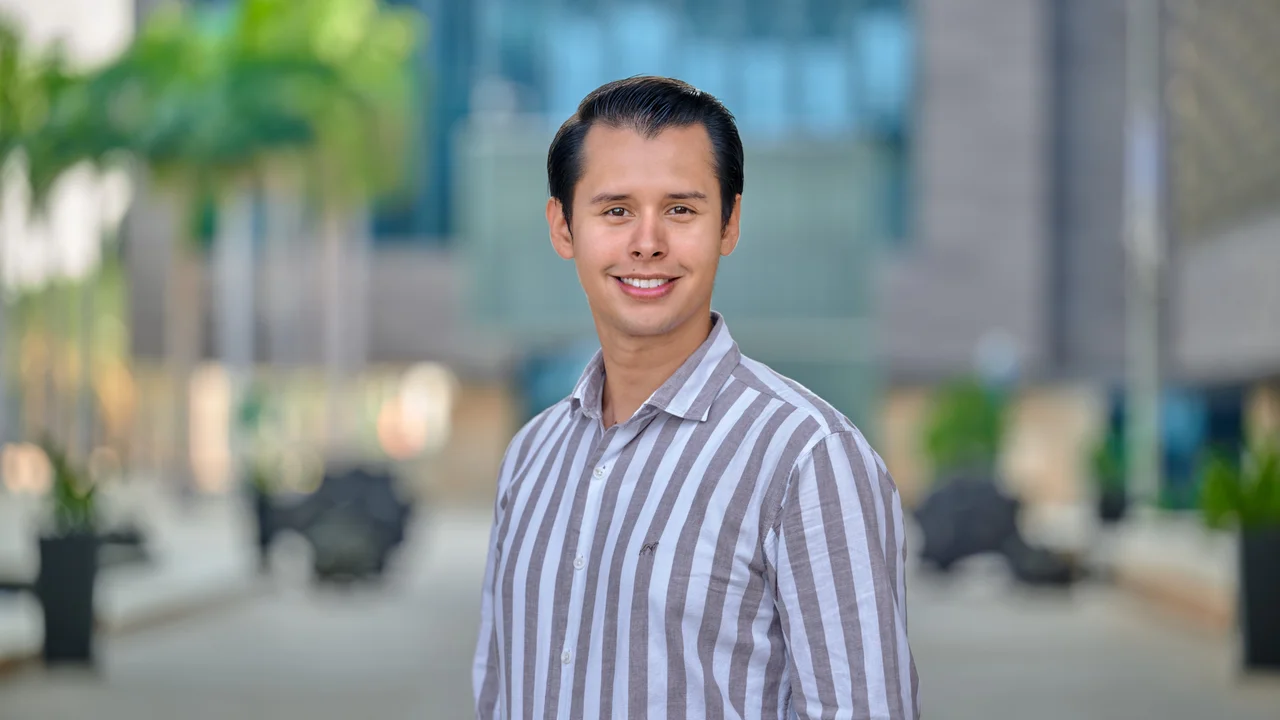
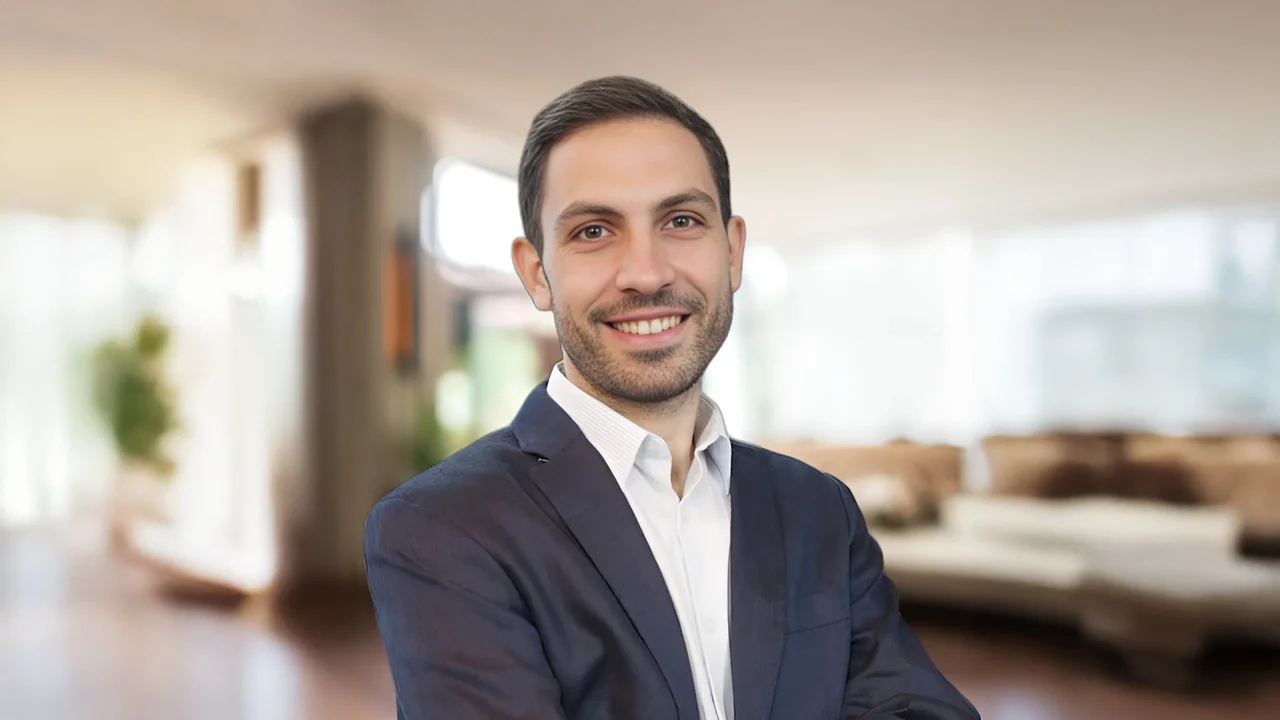
Juan Manuel Marin Mosquera
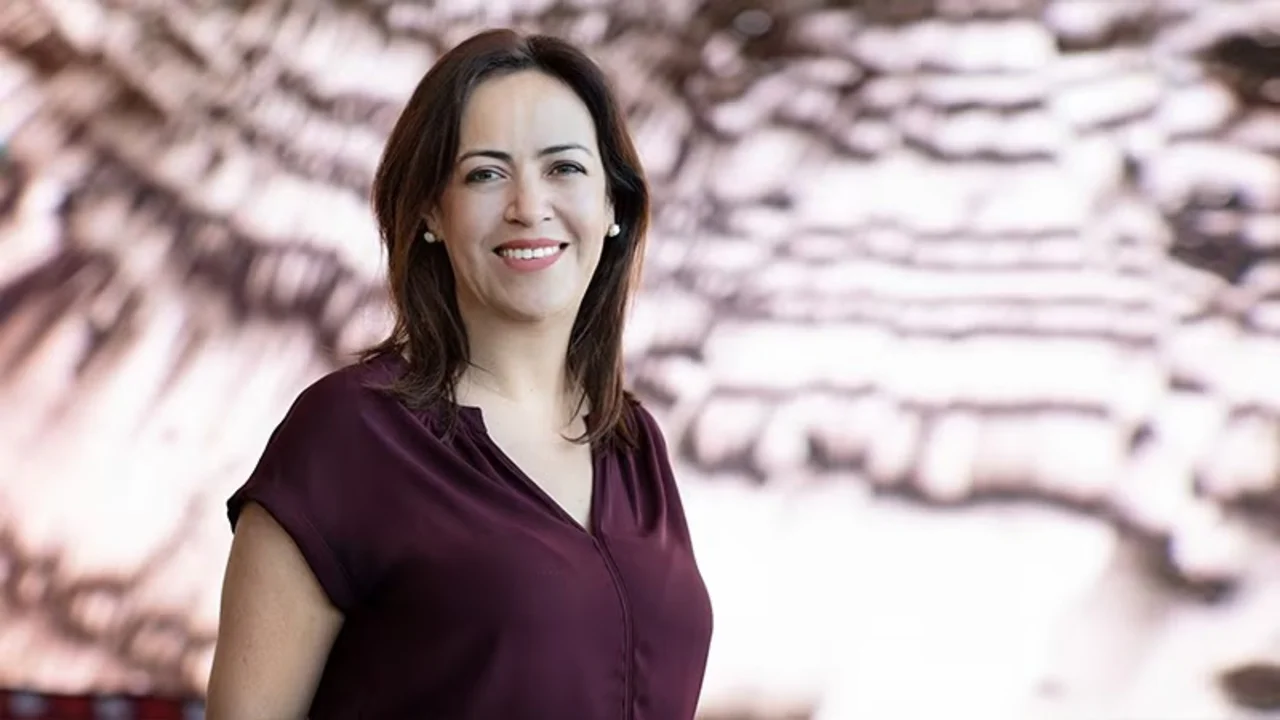

Hamimah Supian

Rolf Krause
applied mathematics Numerical Solution of Partial Differential Equations Finite elements machine learning Numerical Optimization medicine computational mechanics contact problems fluid-structure interactions cardiac simulation biomechanics geology Multiphysics Simulation HPC optimization Multigrid Domain Decomposition software development





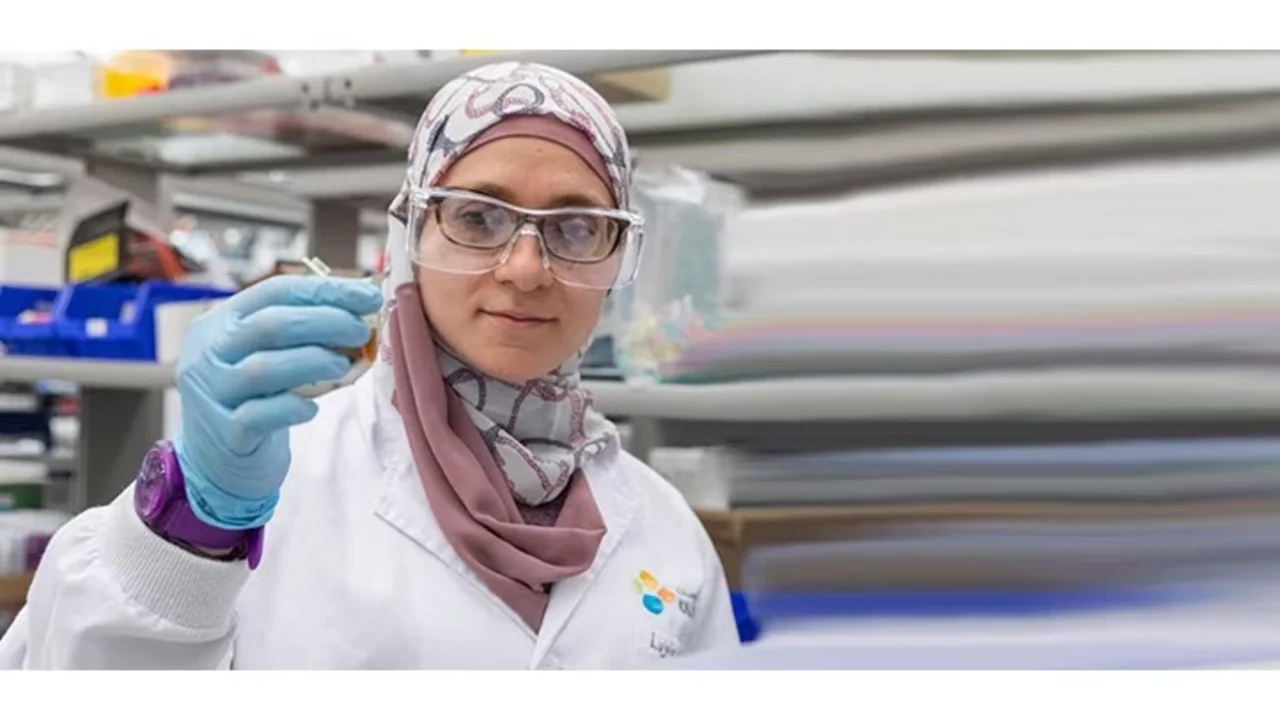
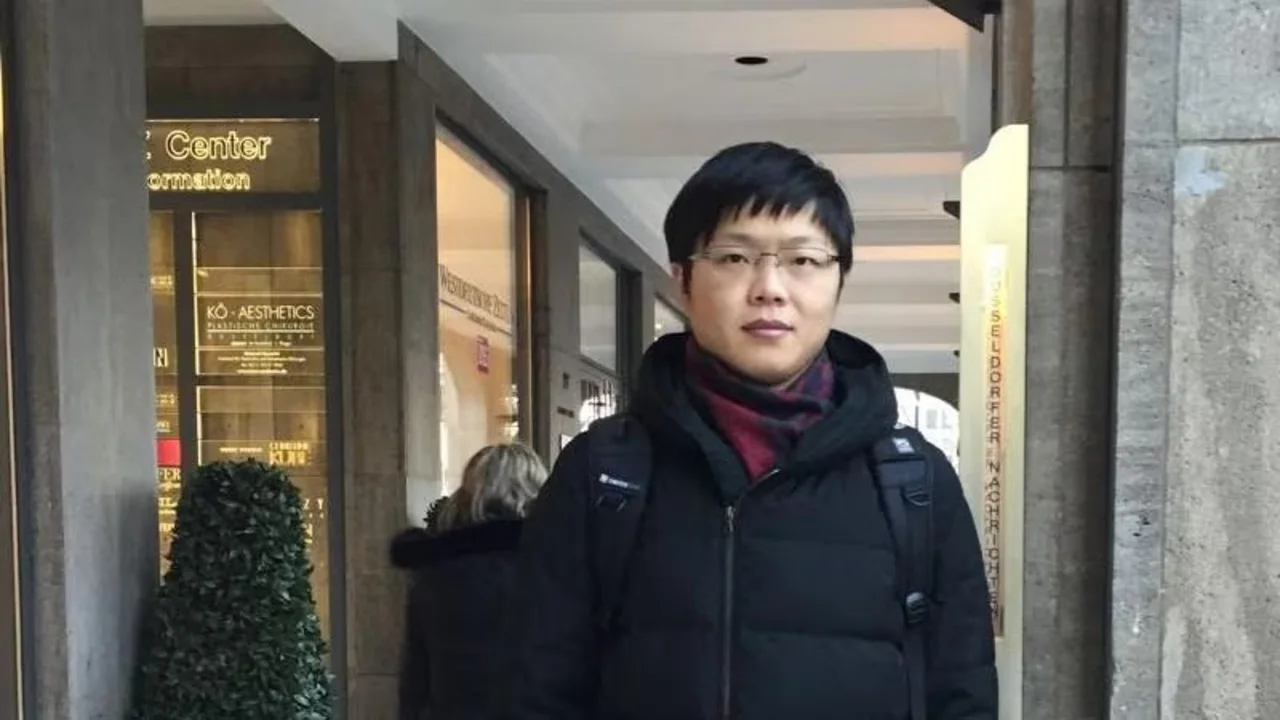
Daoming Liu

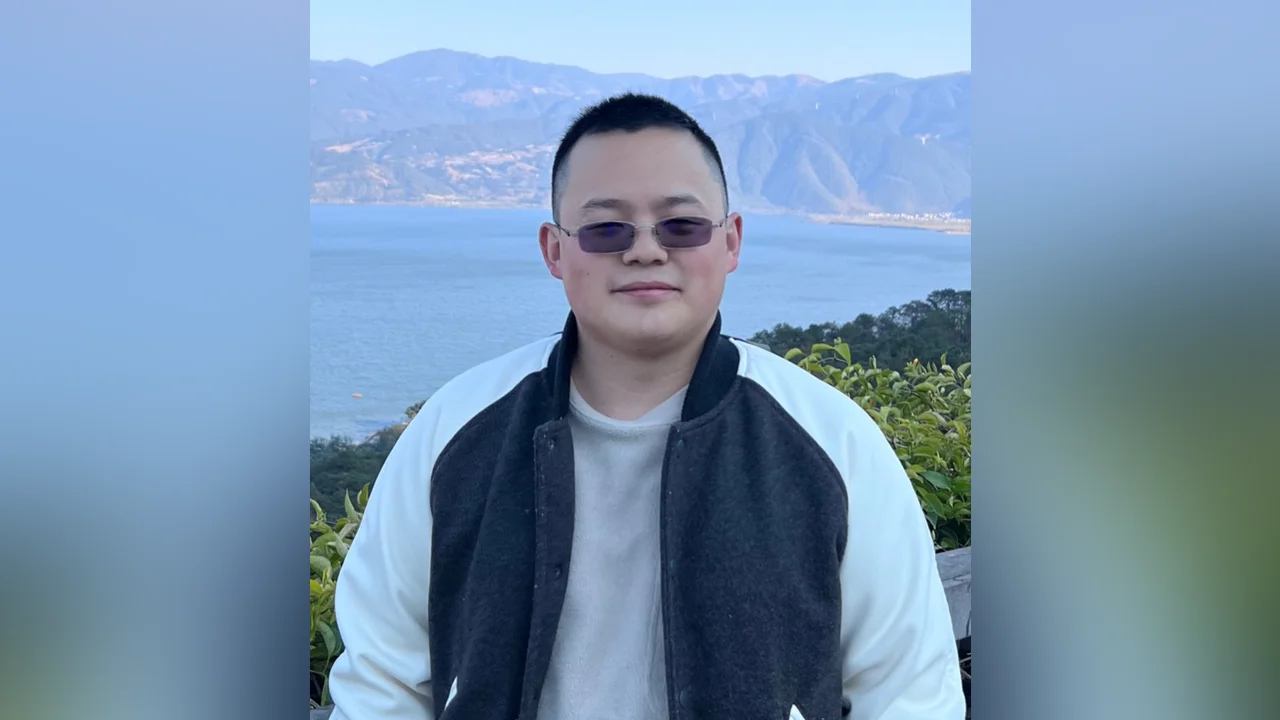
Bang Huang

Xiaowei Pang
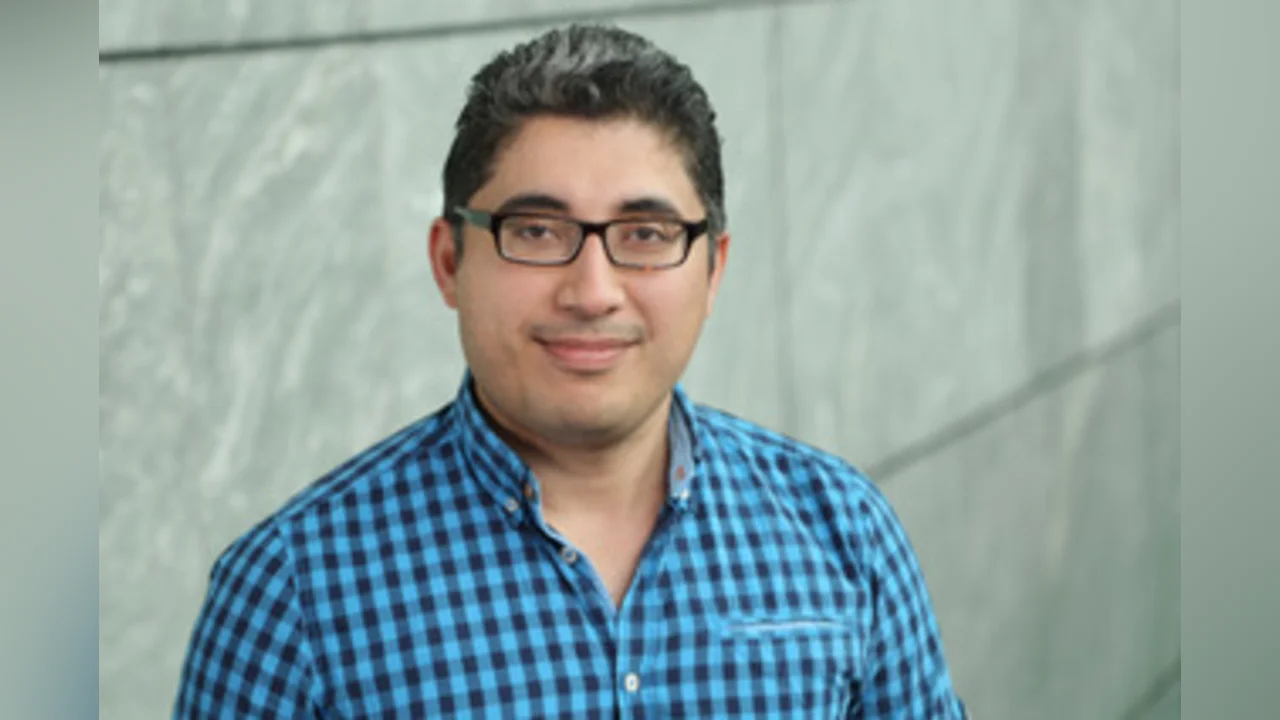
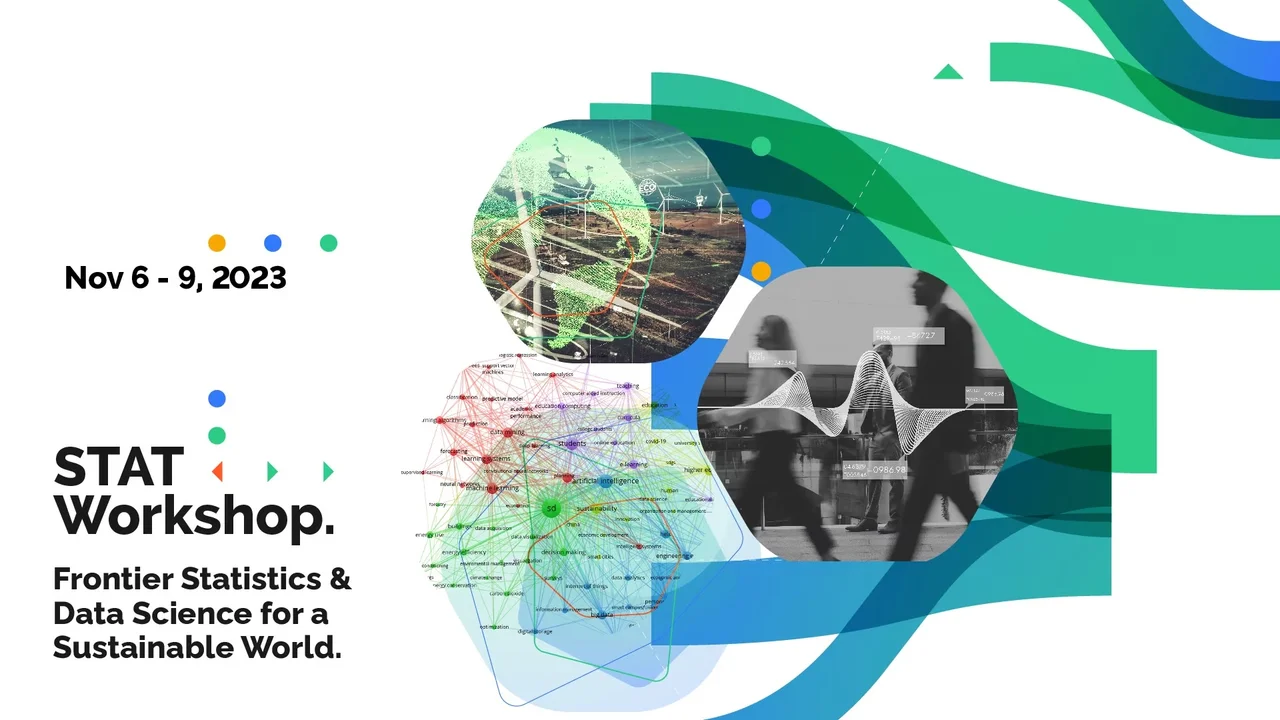
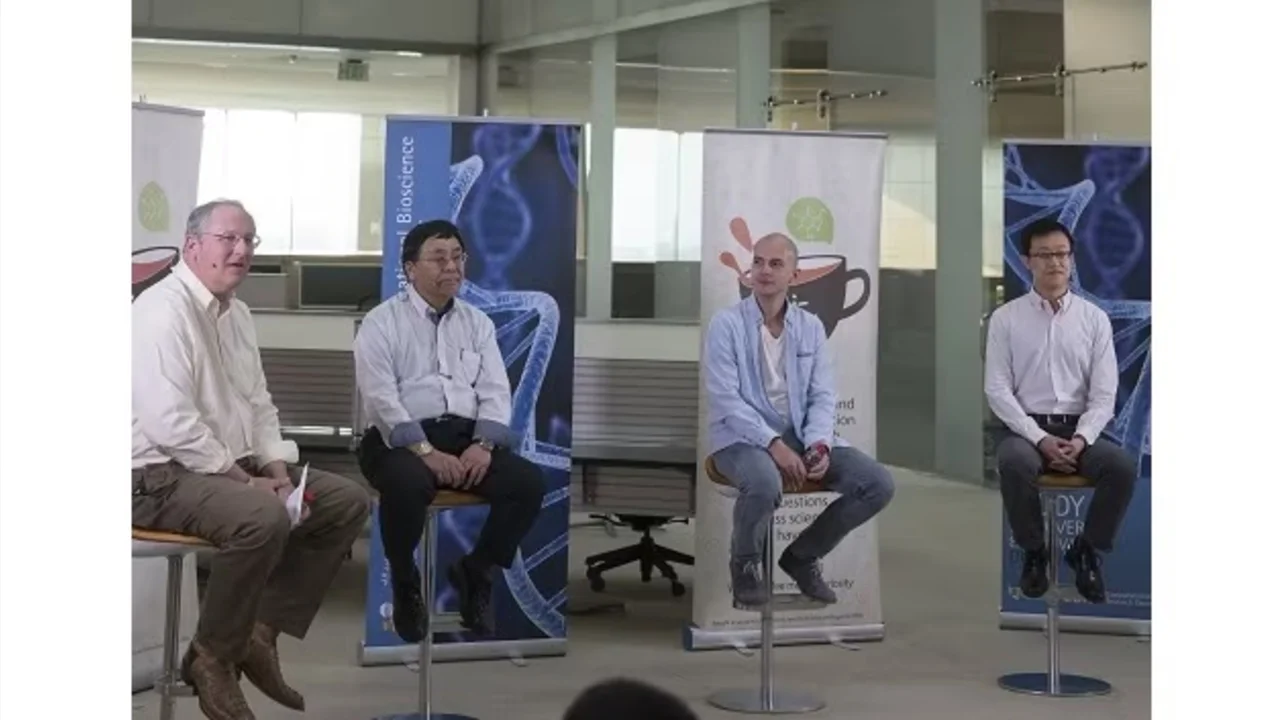
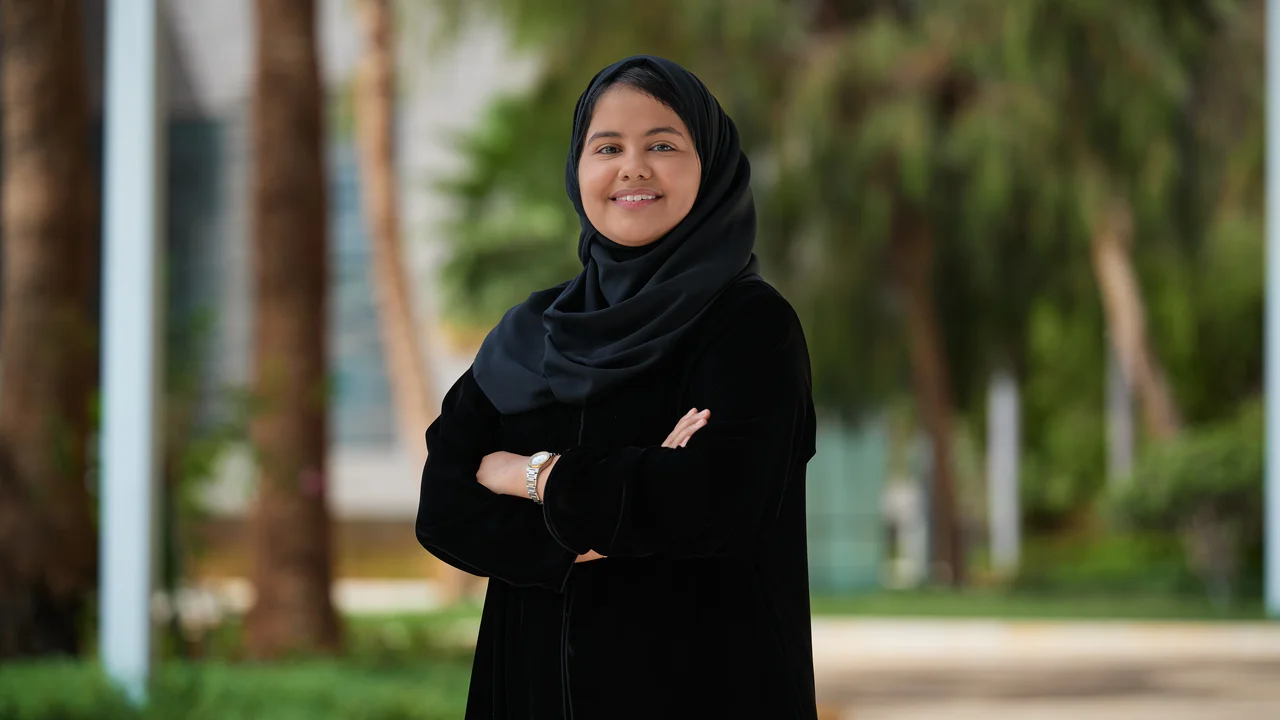
Laila Hesham Afify
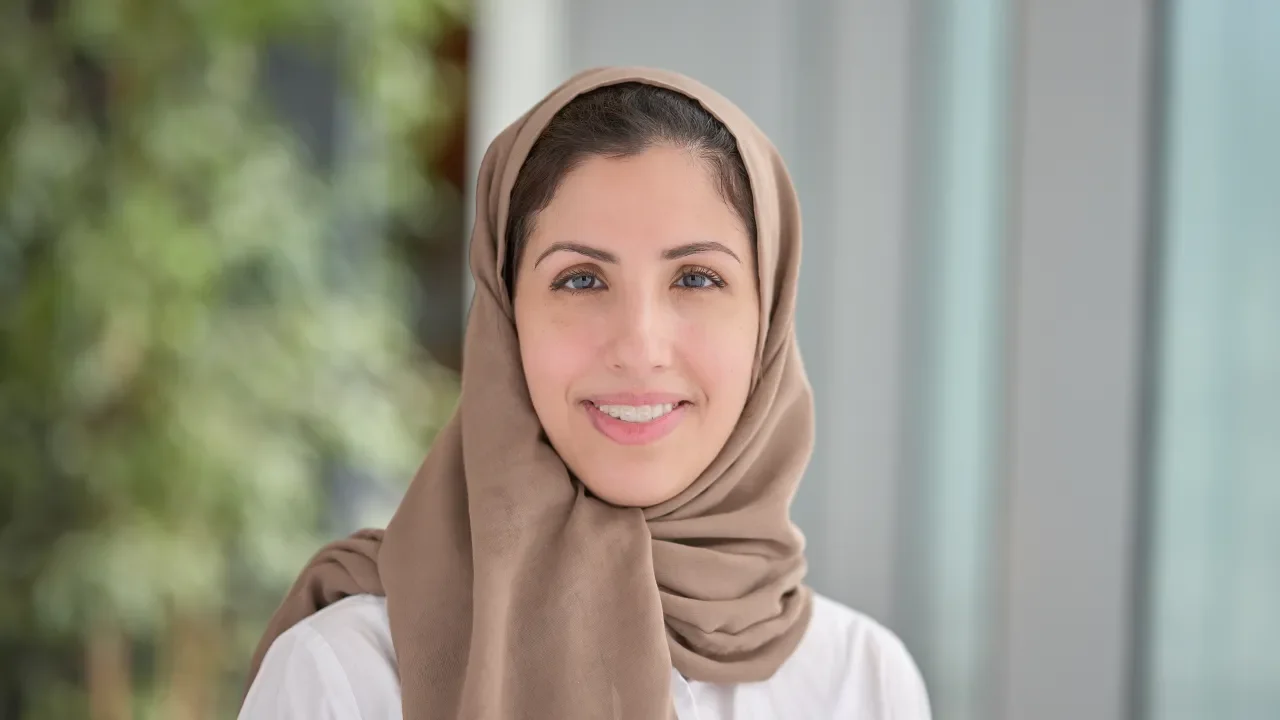
Rana Aleryani
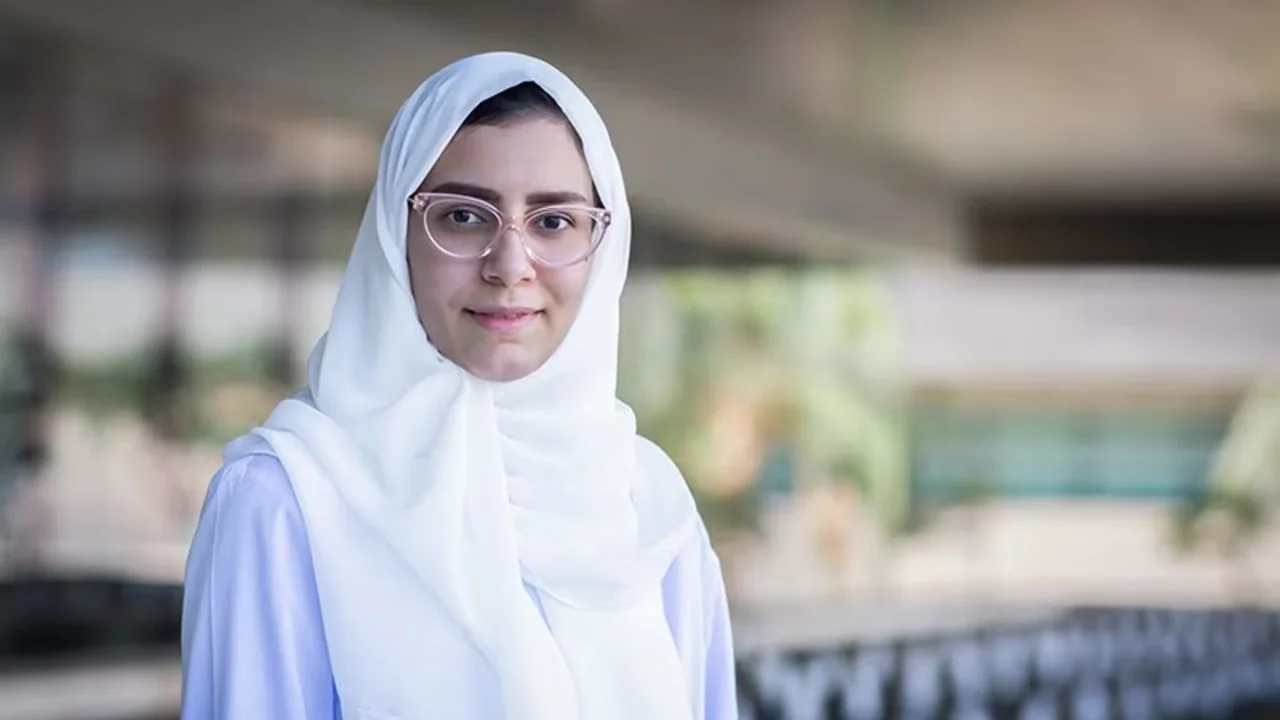
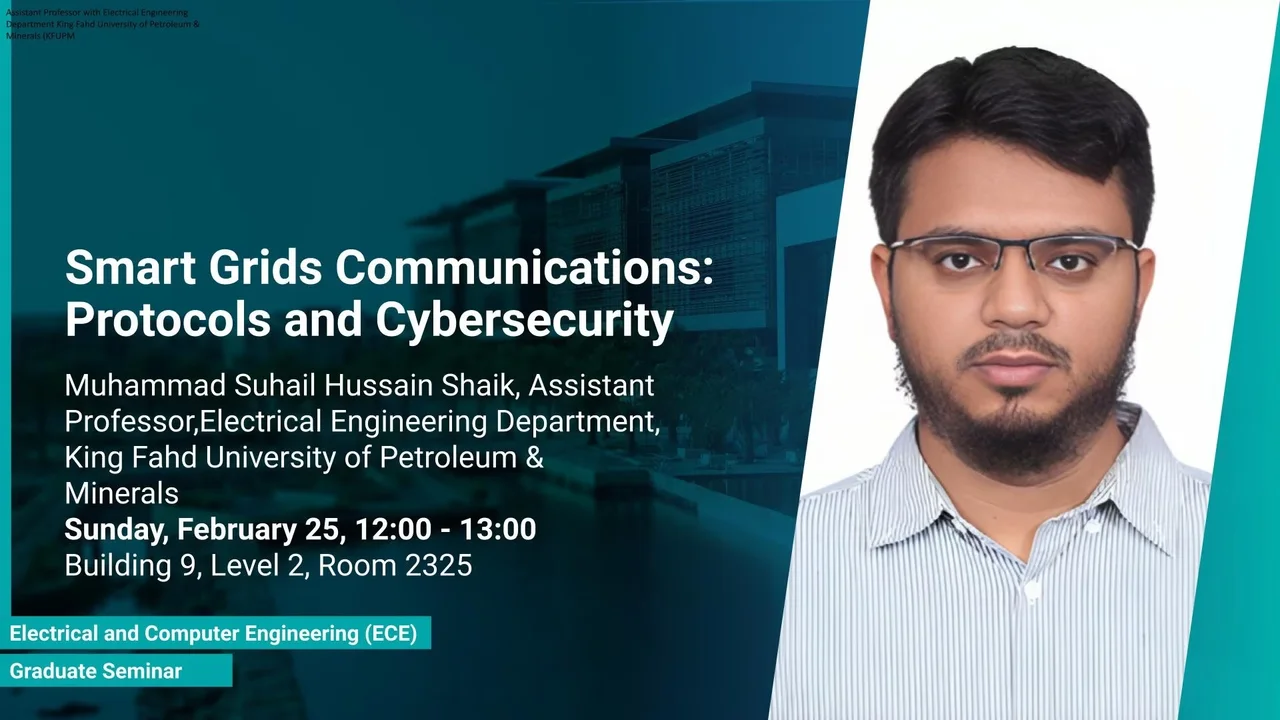
Smart Grids Communications: Protocols and Cybersecurity
Suhail Shaik, Electrical Engineering Department, King Fahd University of Petroleum & Minerals
B9 L2 H2 H2
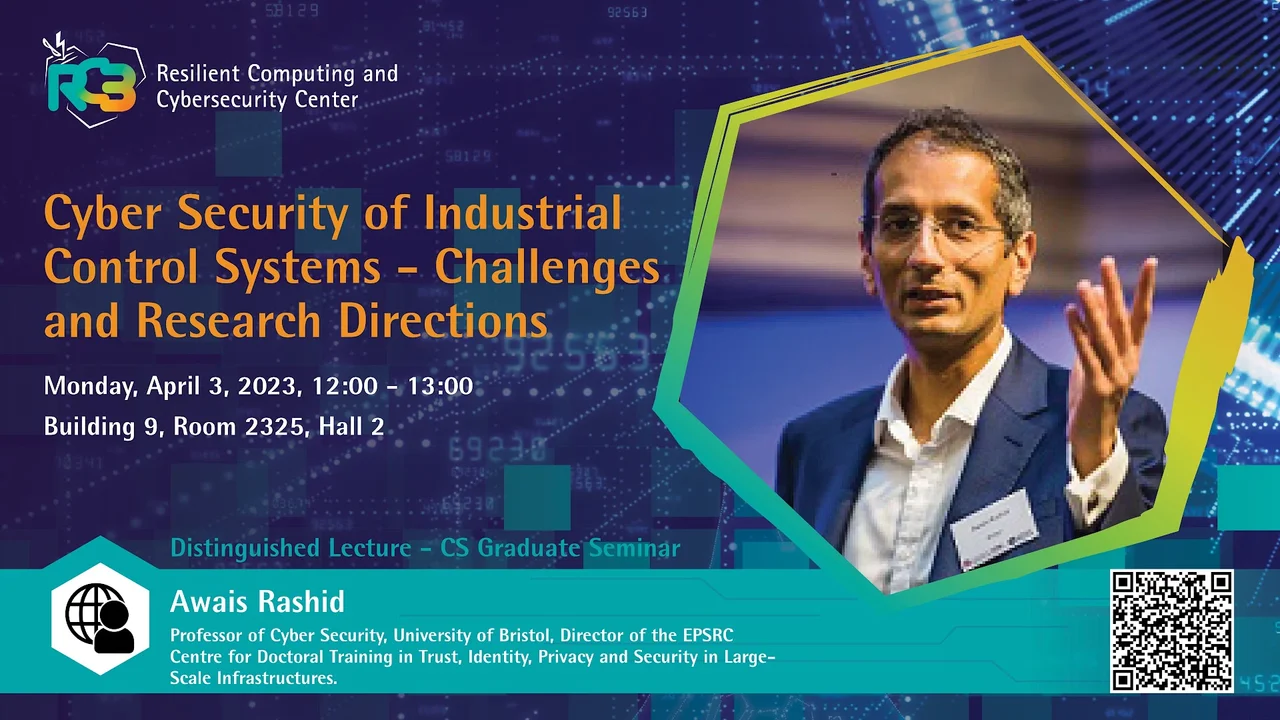
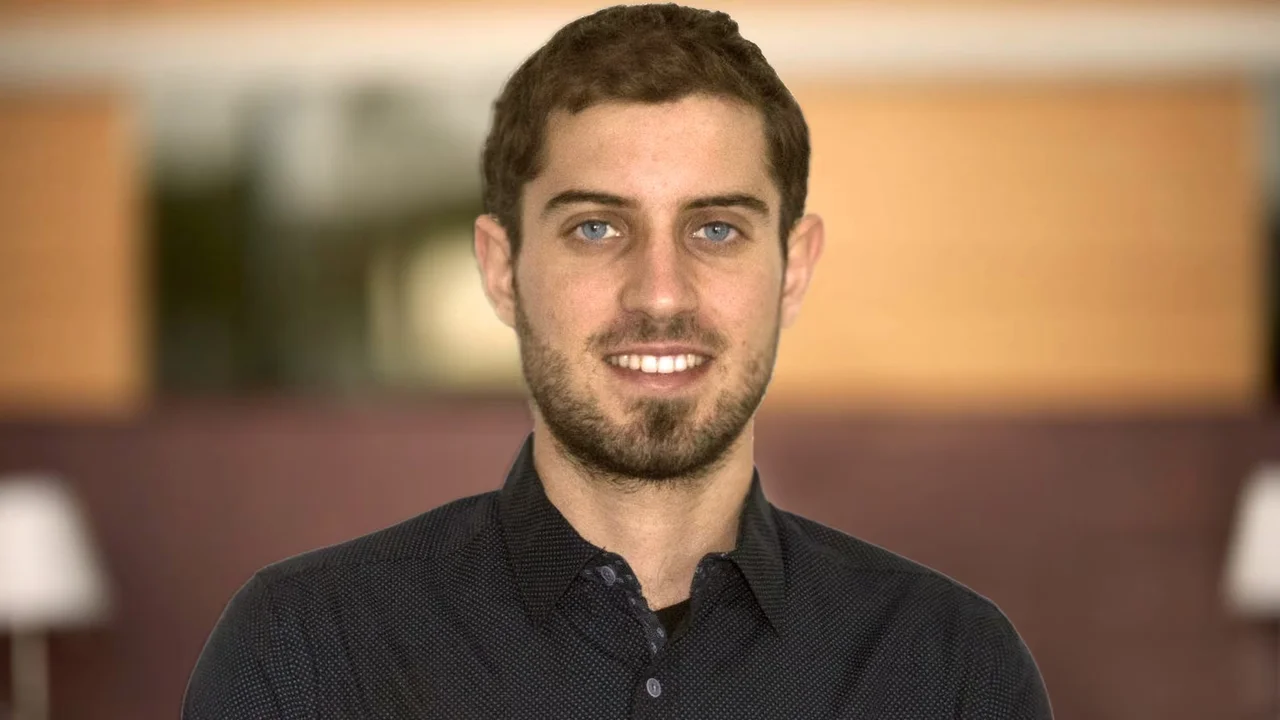
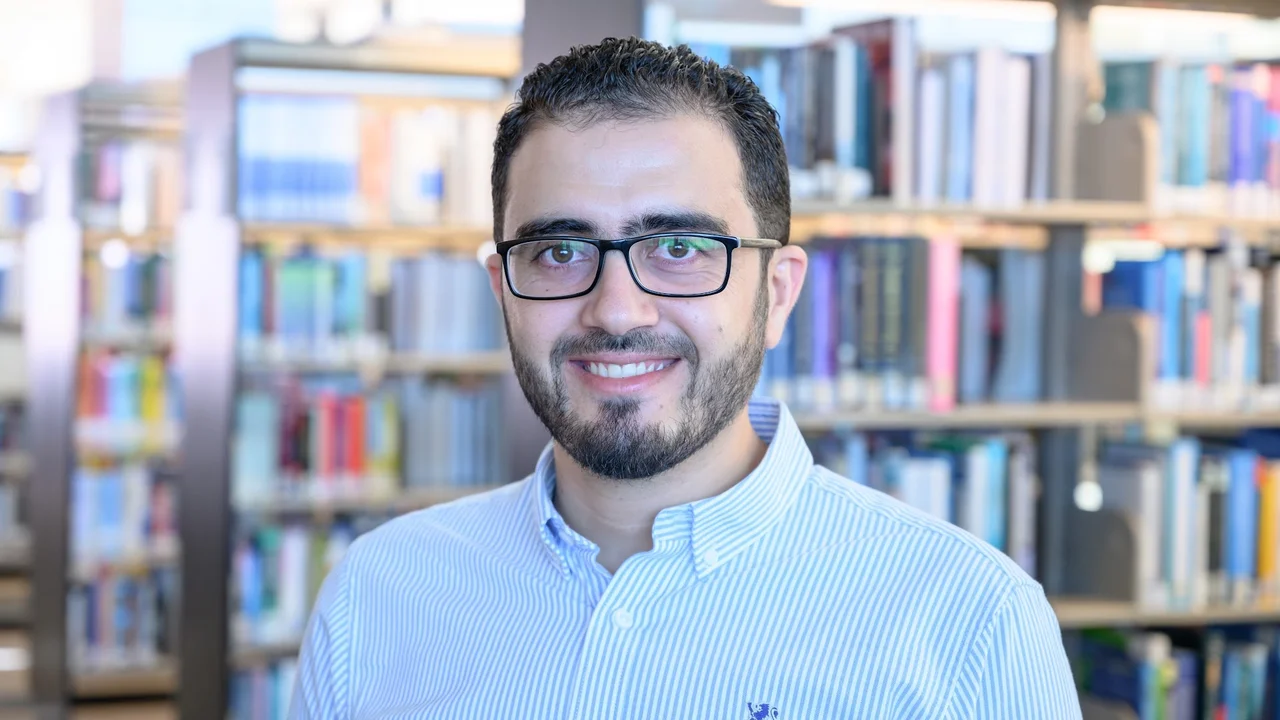
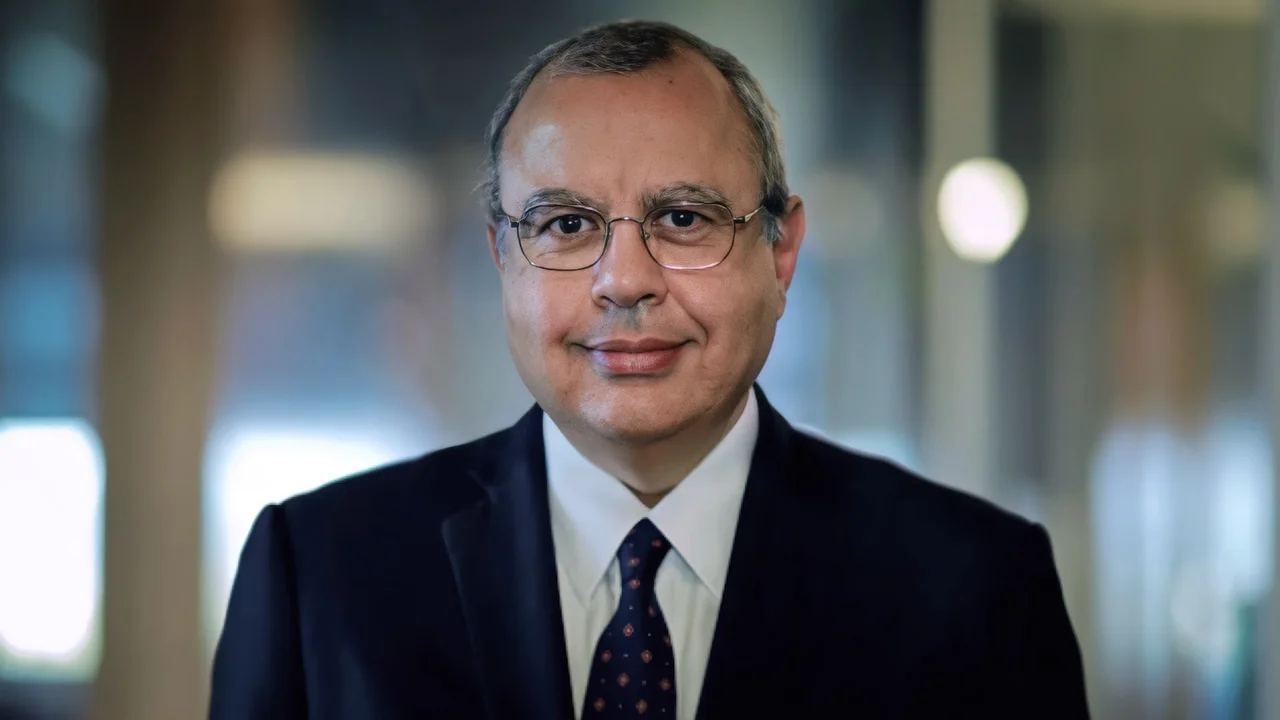
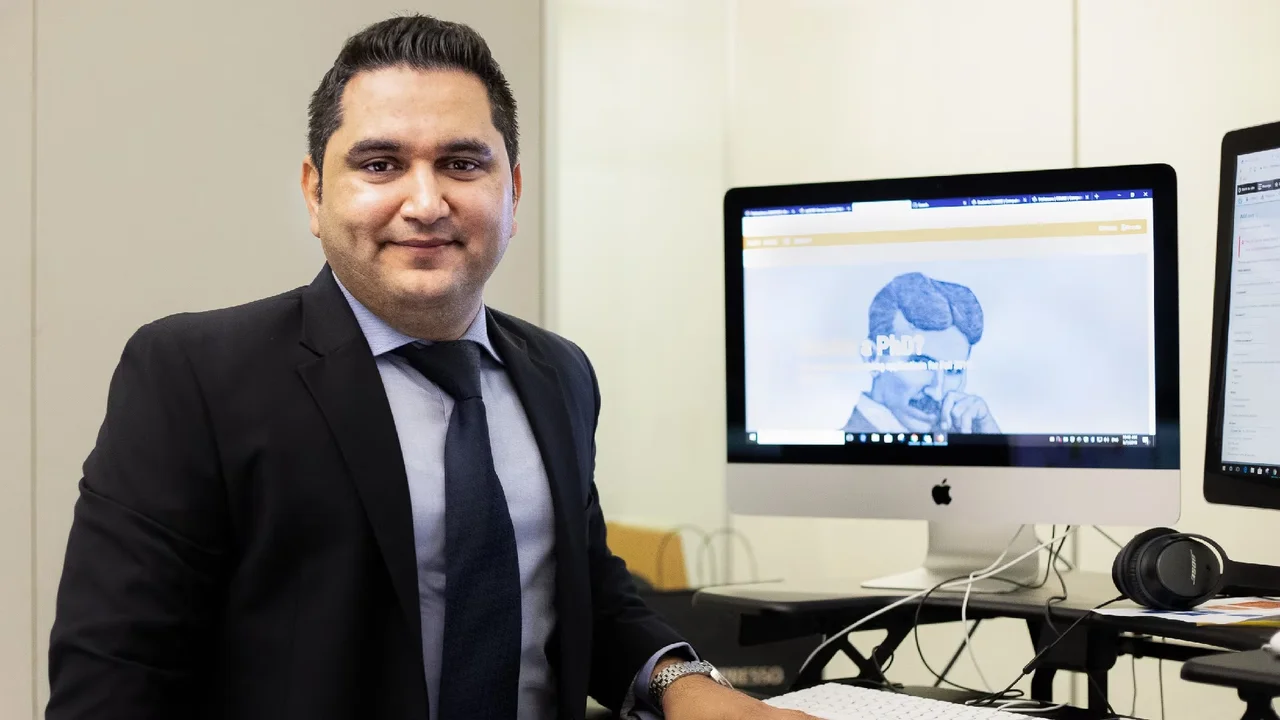
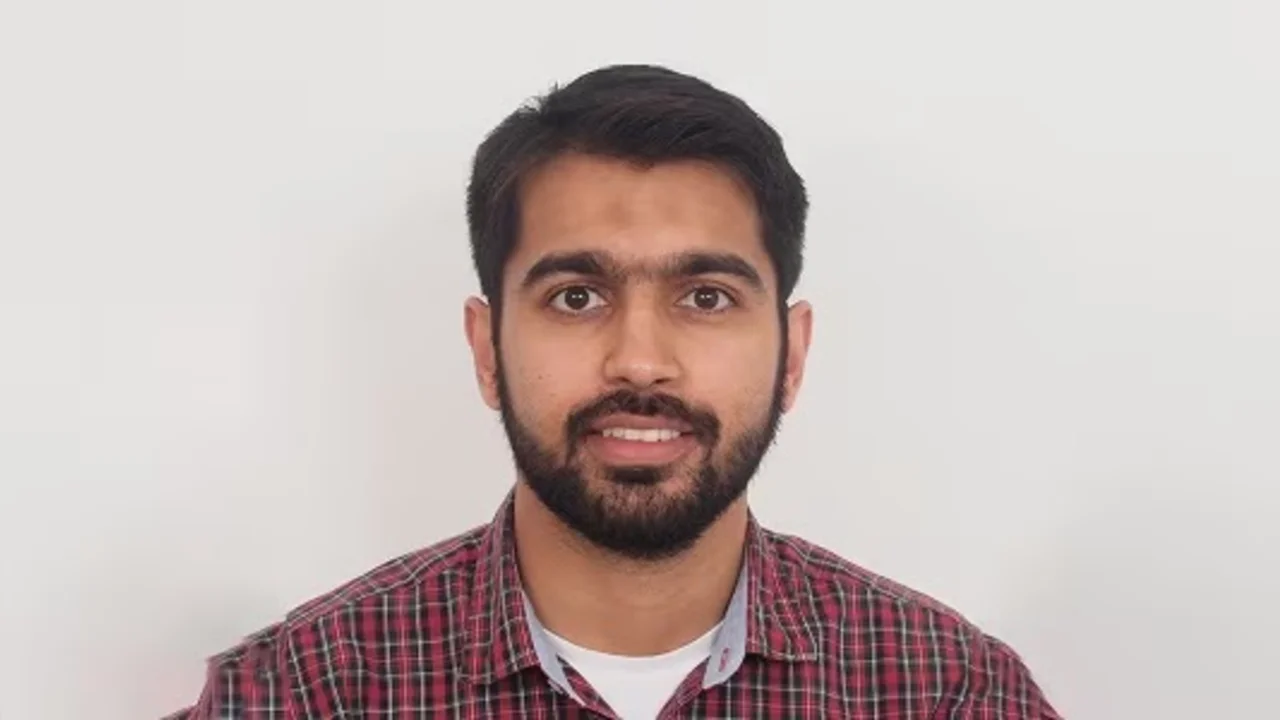
Jonatan A. González
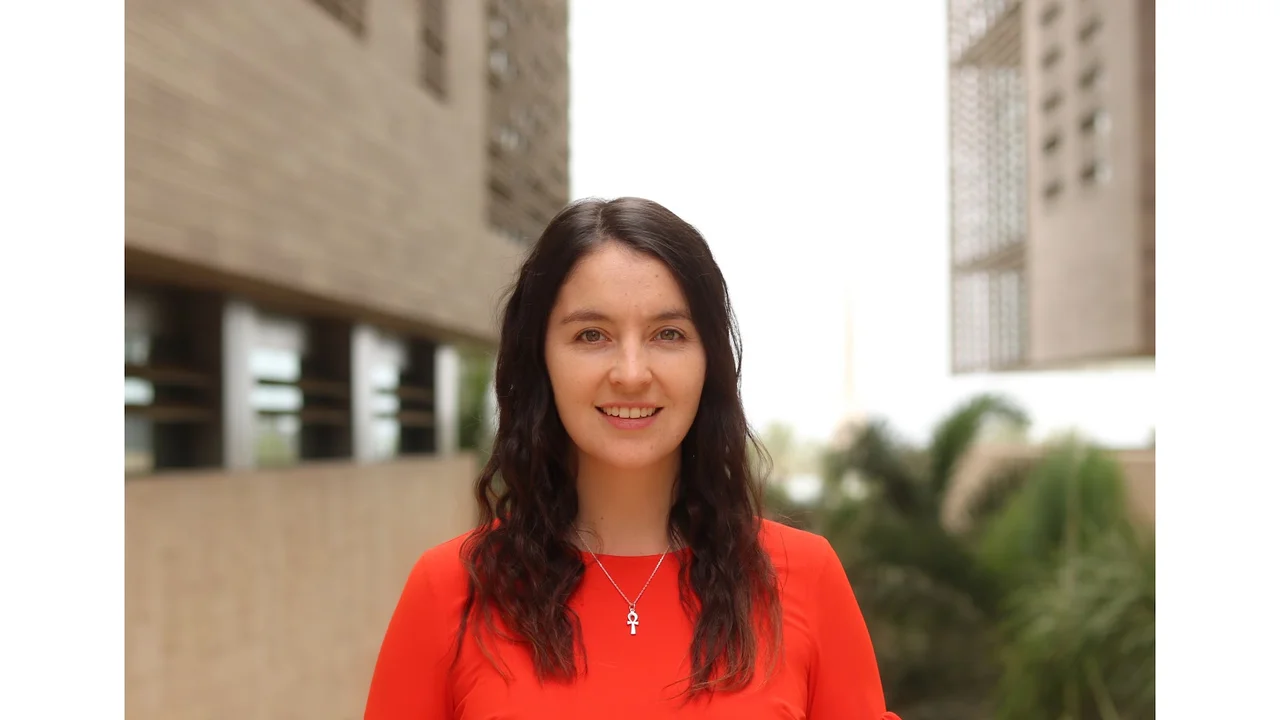
Daniela Castro-Camilo

Mutibah Alanazi
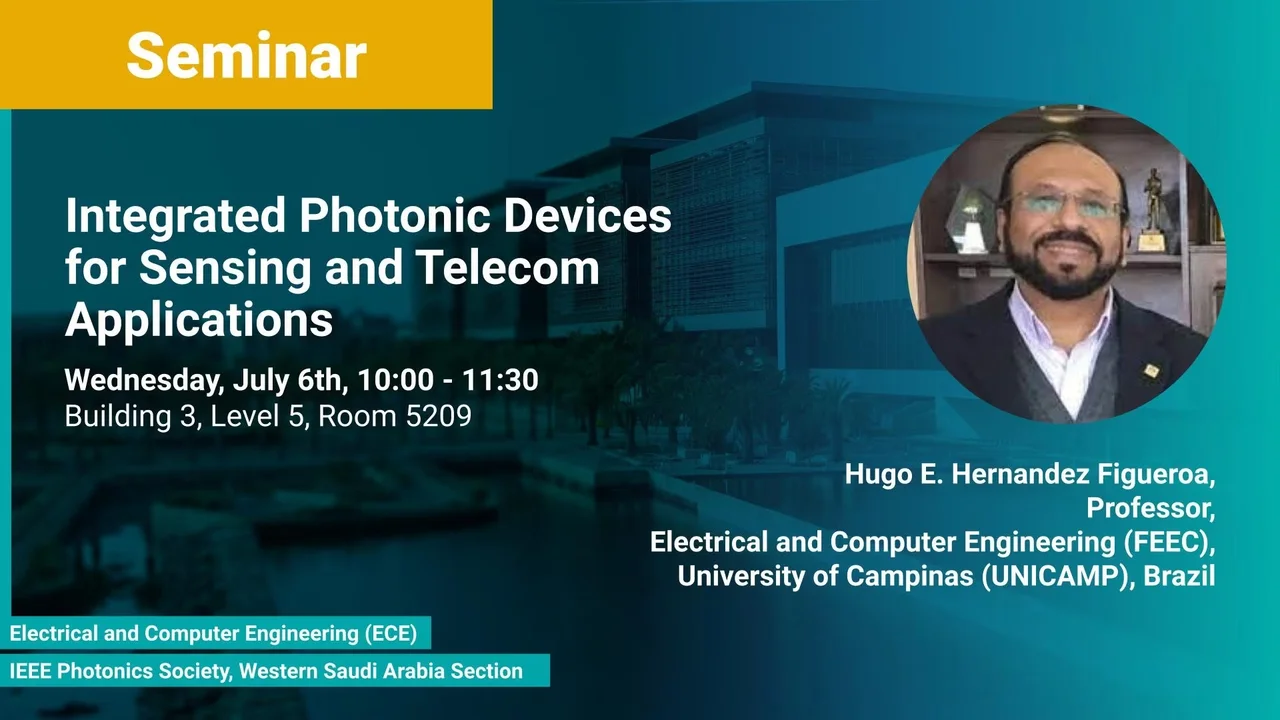
Integrated Photonic Devices for Sensing and Telecom Applications
Prof. Hugo E. Hernandez Figueroa, University of Campinas (UNICAMP)
B3 L5 R5209
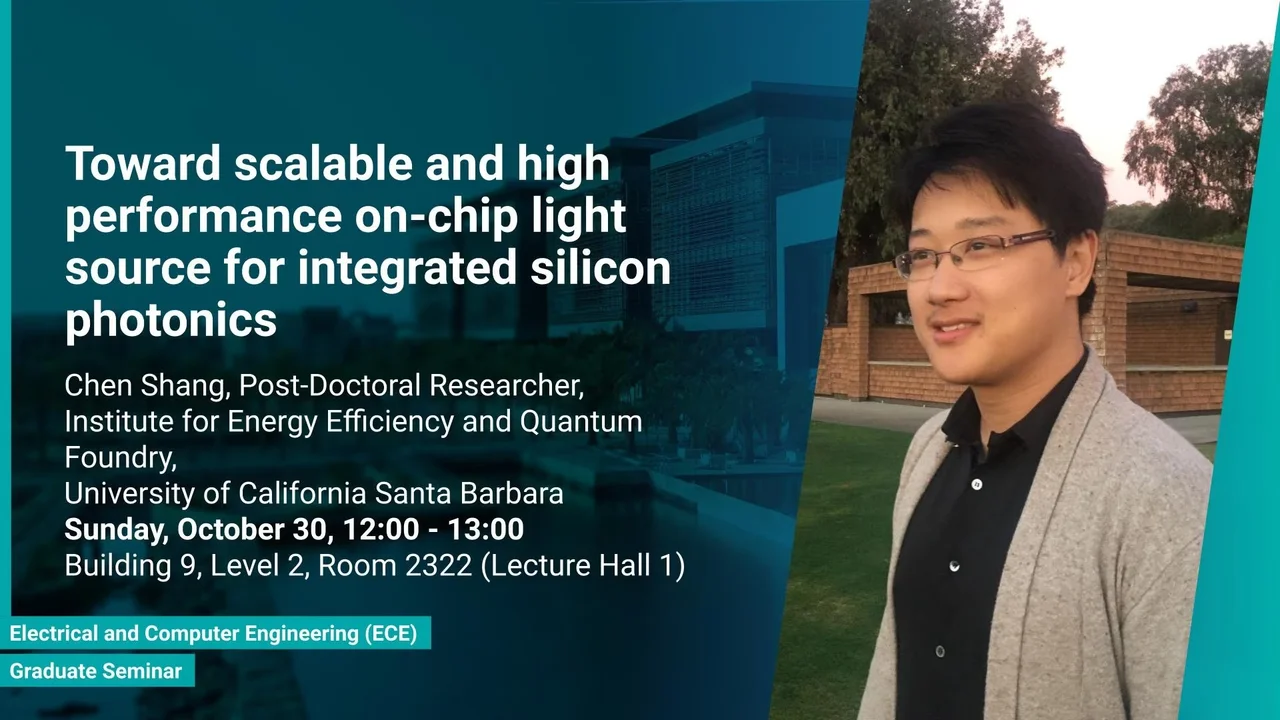
Toward scalable and high performance on-chip light source for integrated silicon photonics
Chen Shang, Postoctoral Researcher Fellow, University of California Santa Barbara
B9 L2 R2322
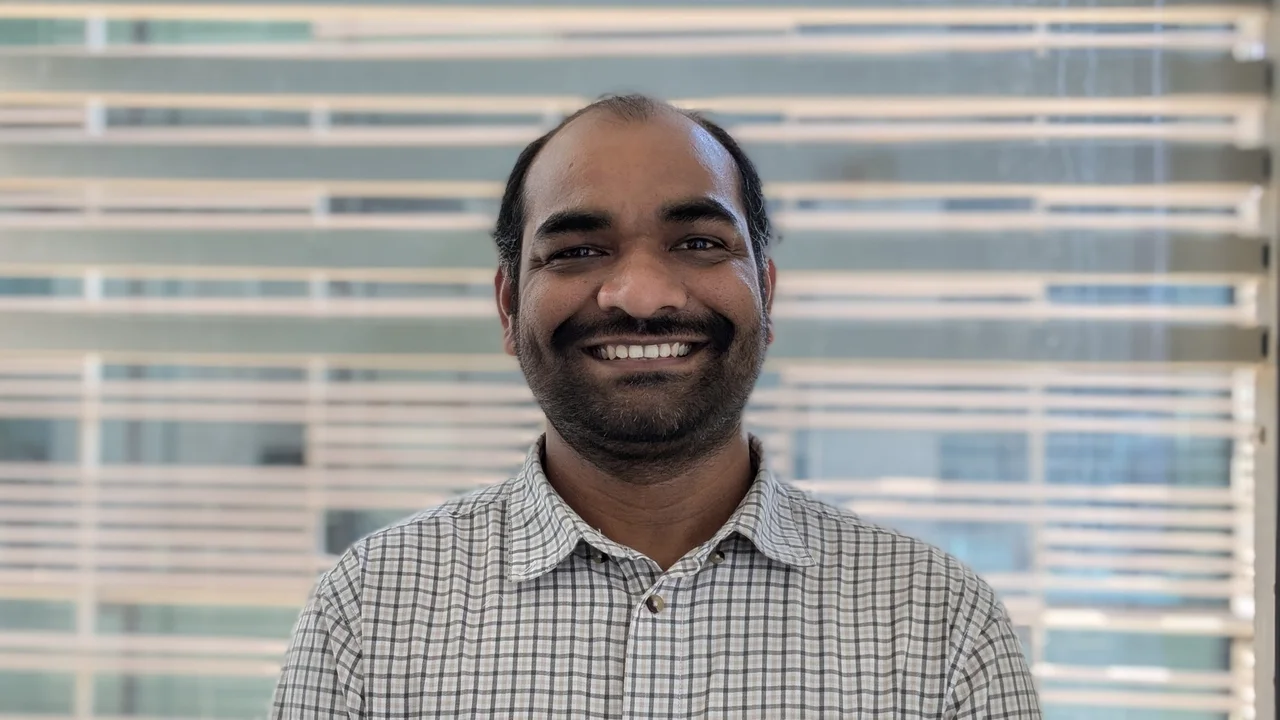
Gyan Deep Verma
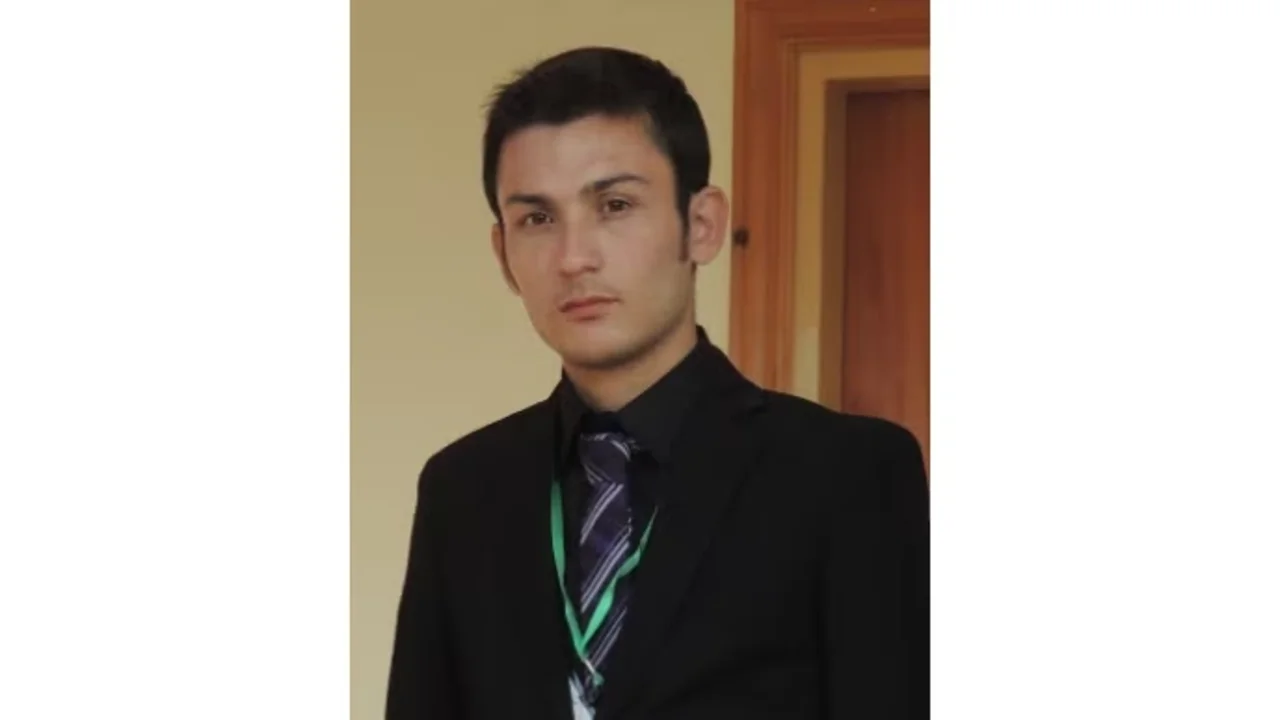
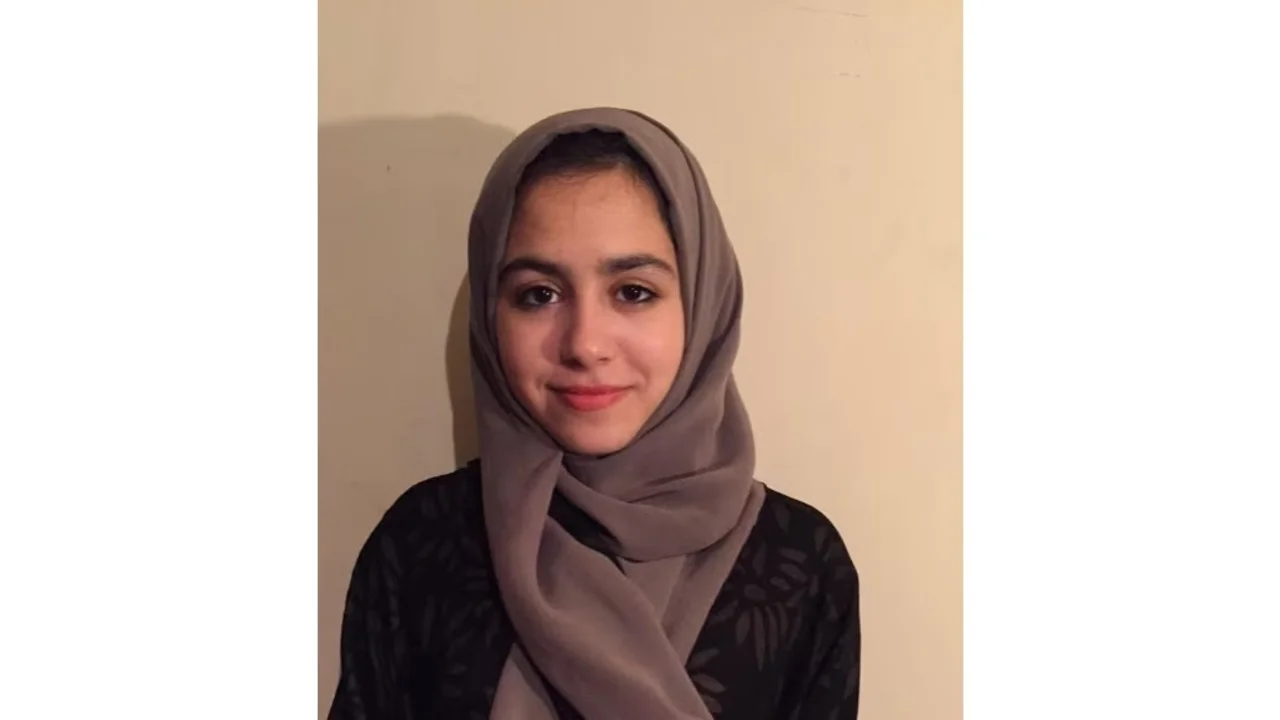

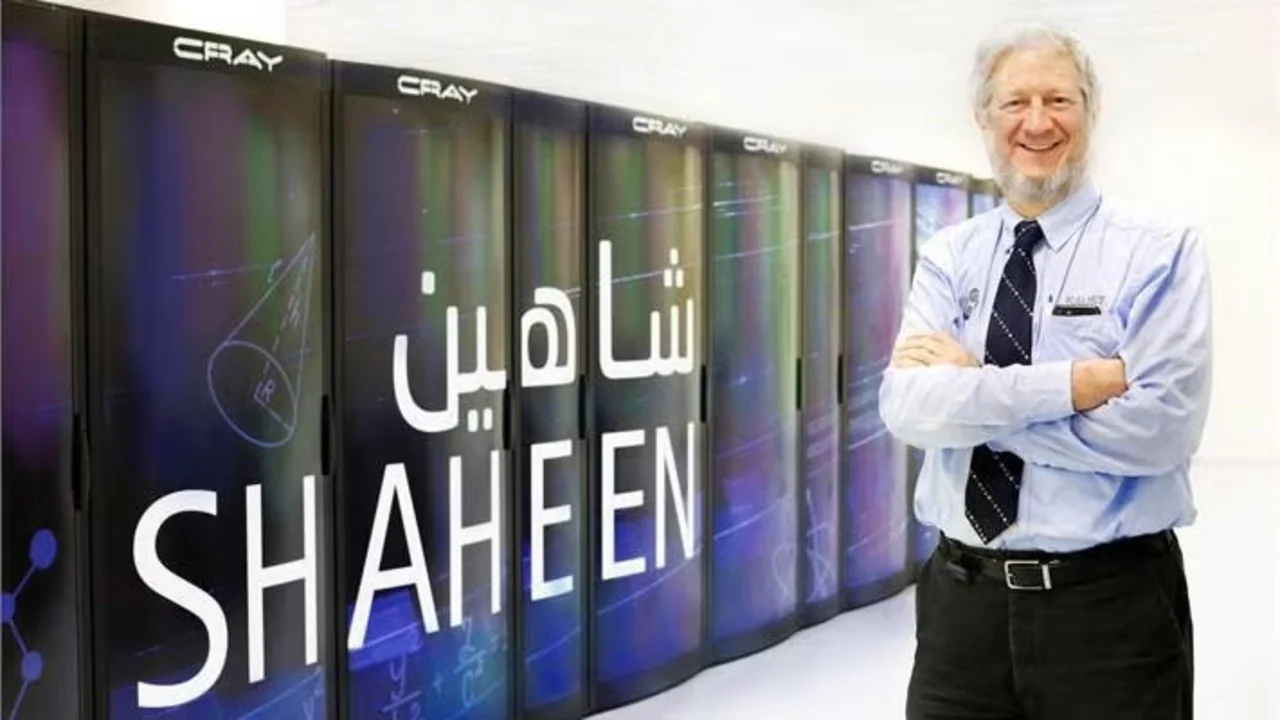
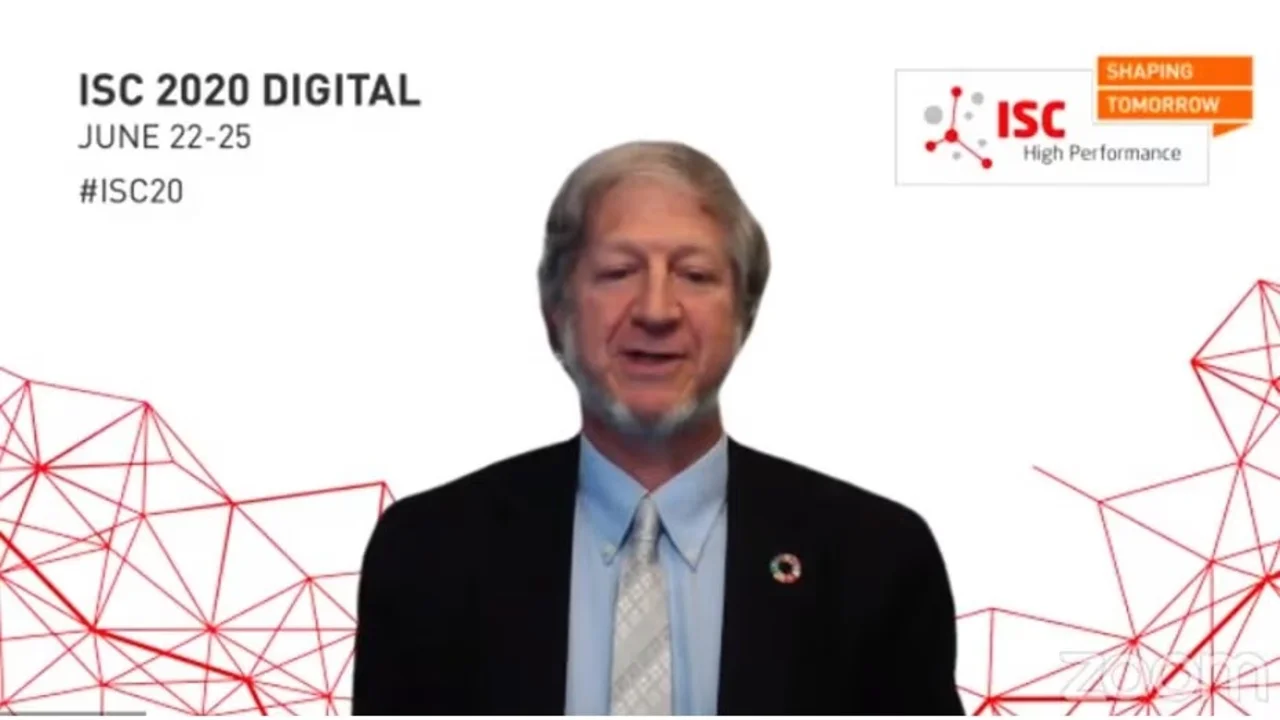


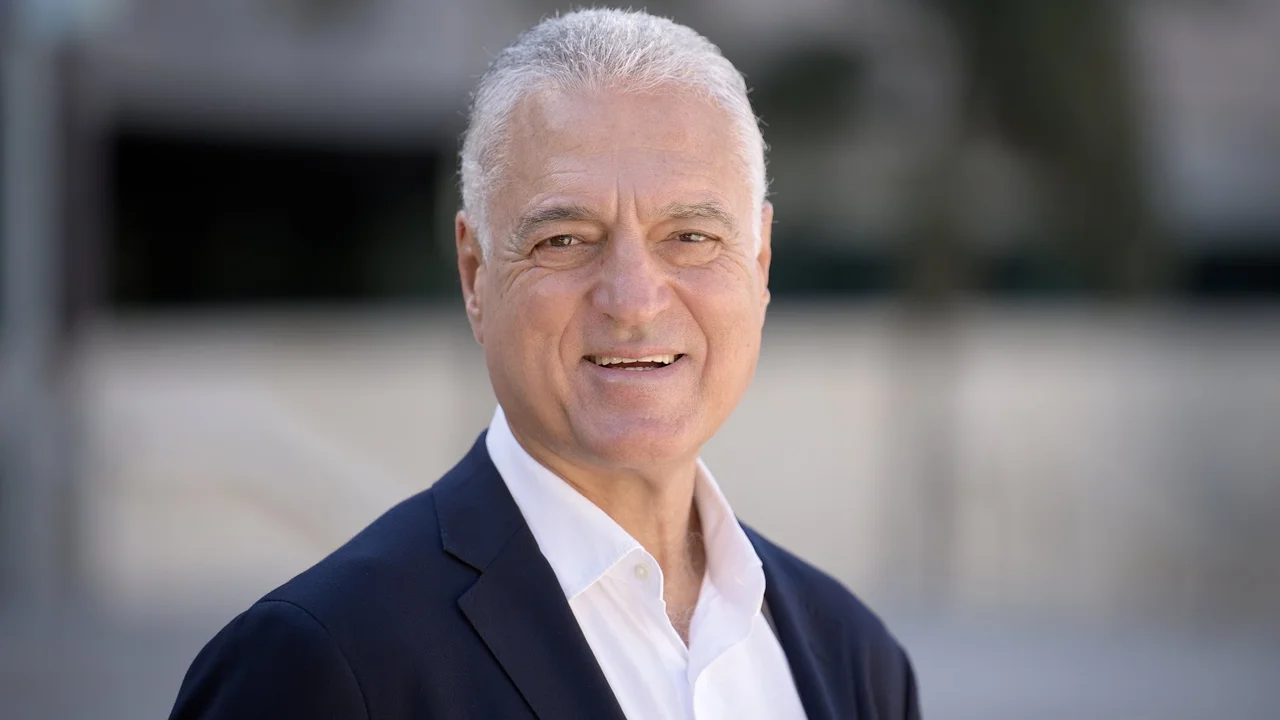
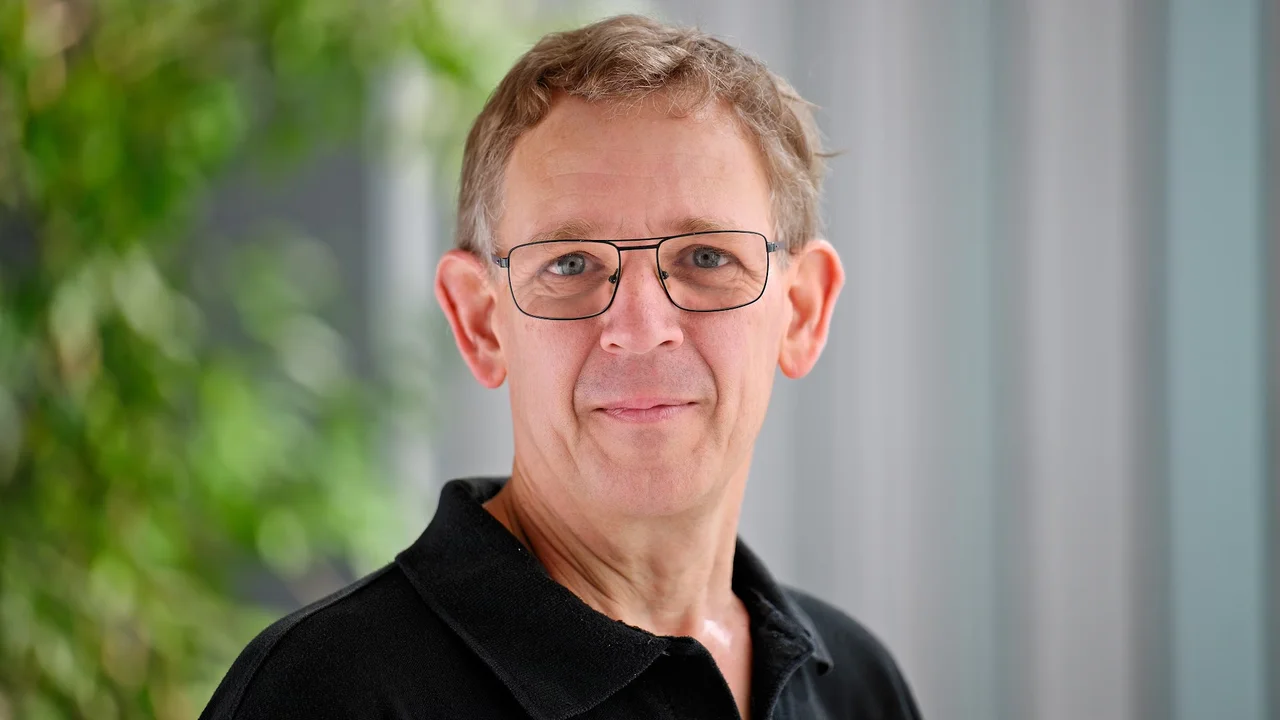
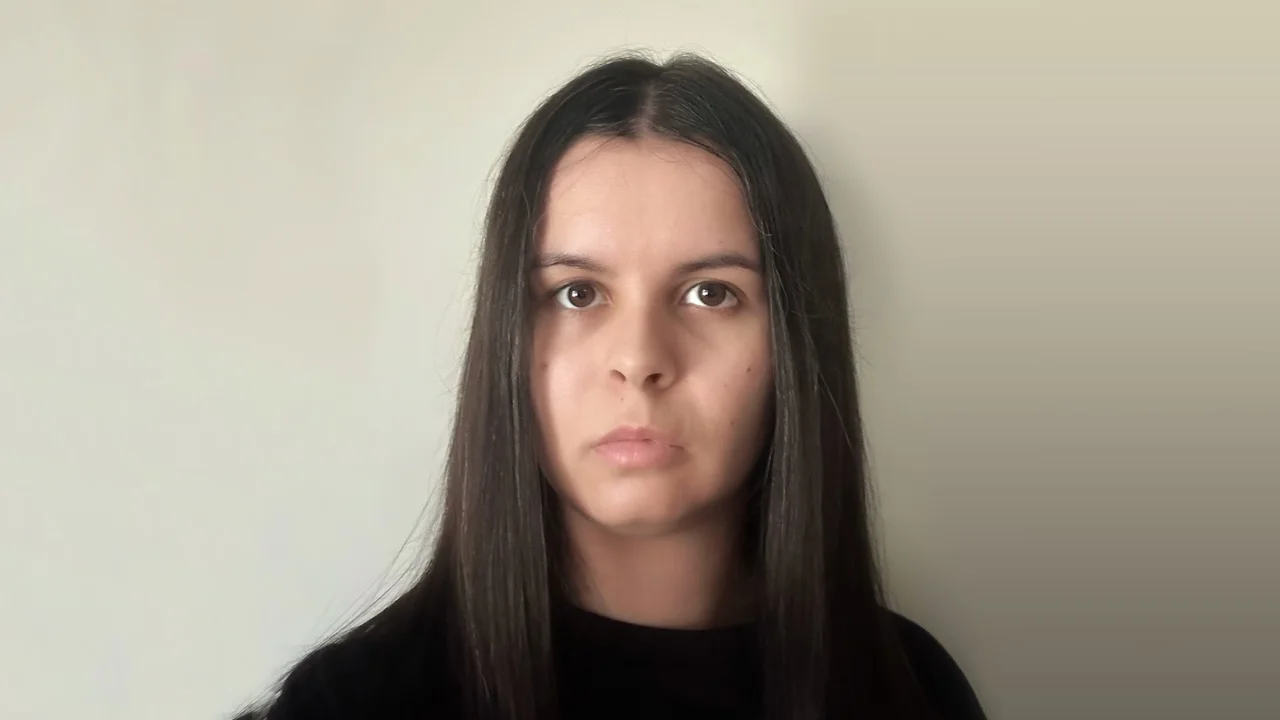
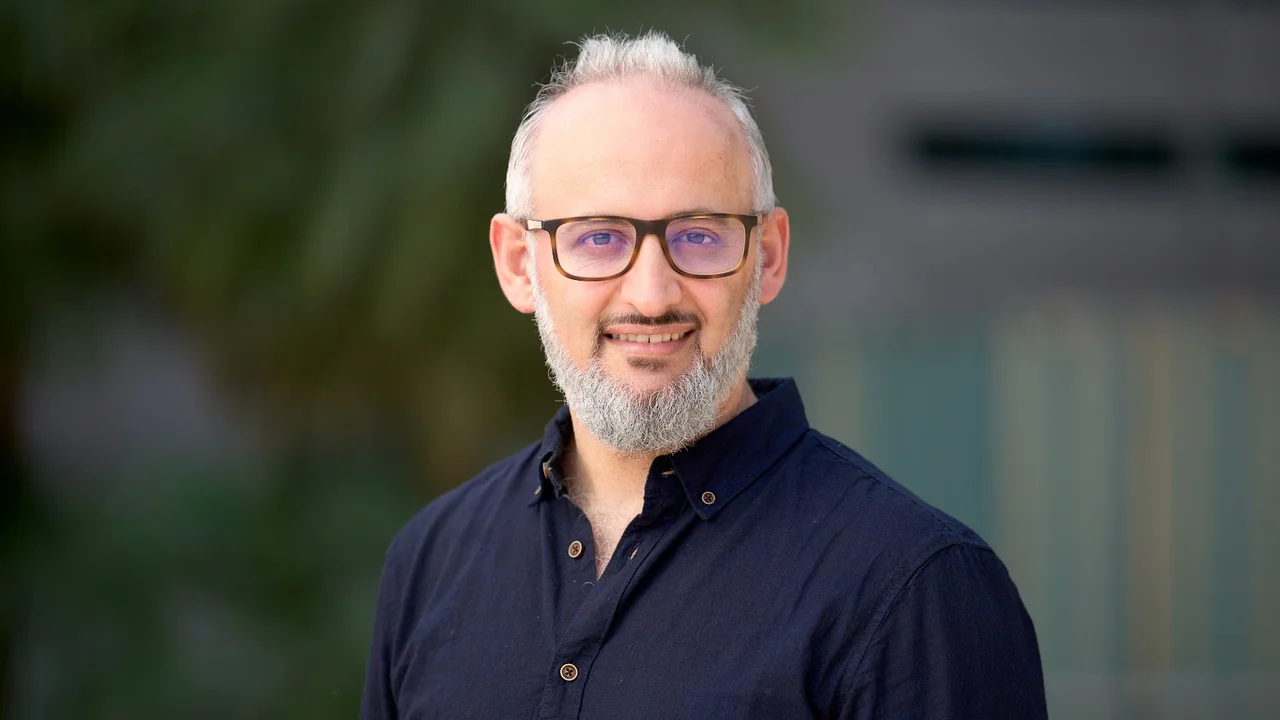
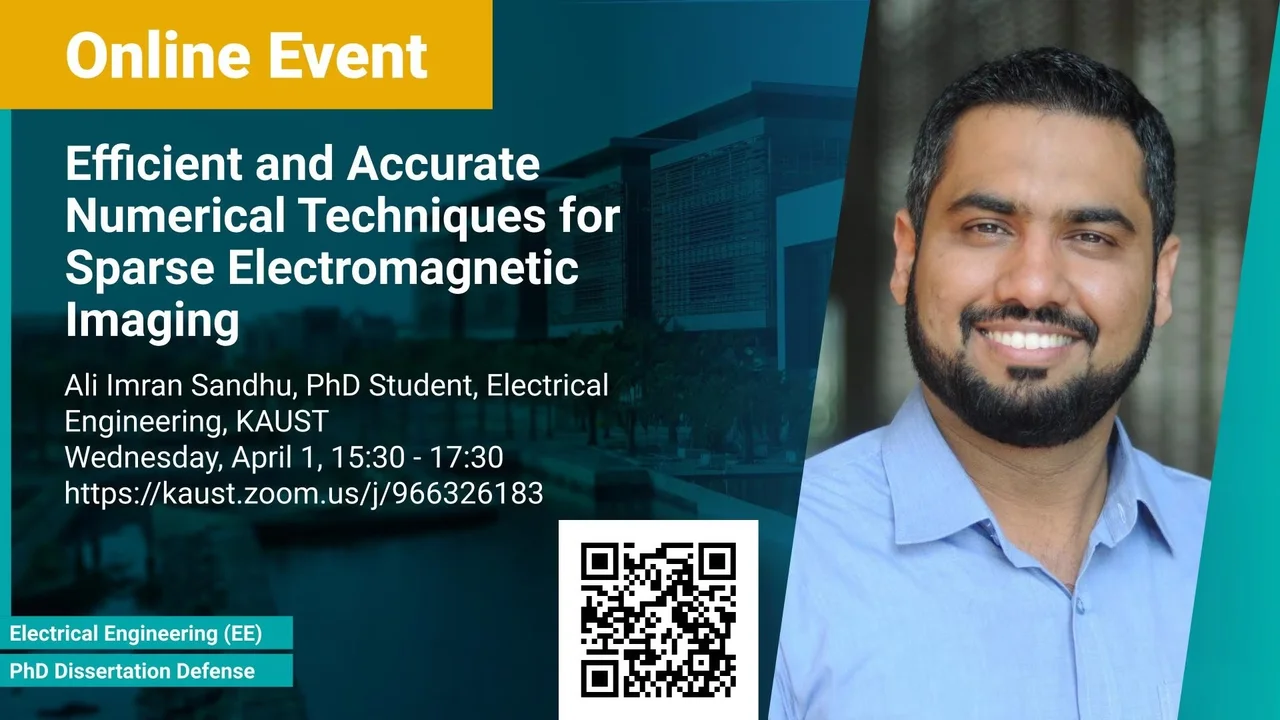
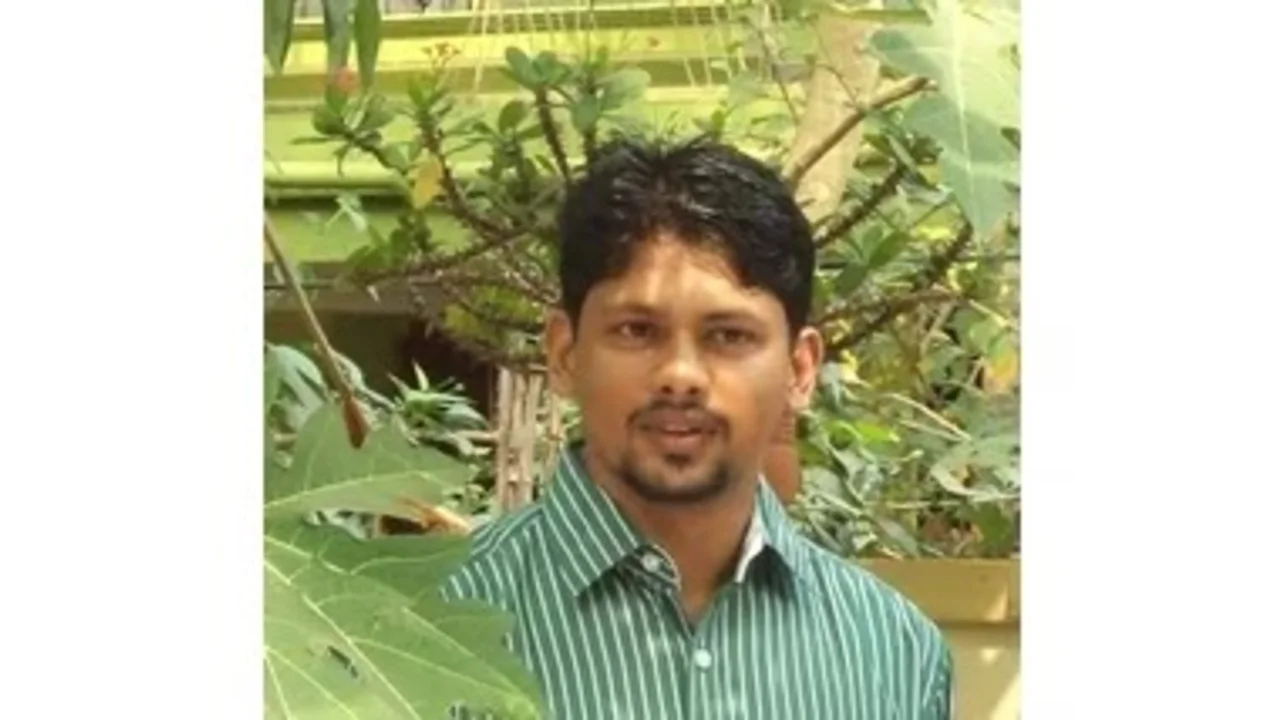
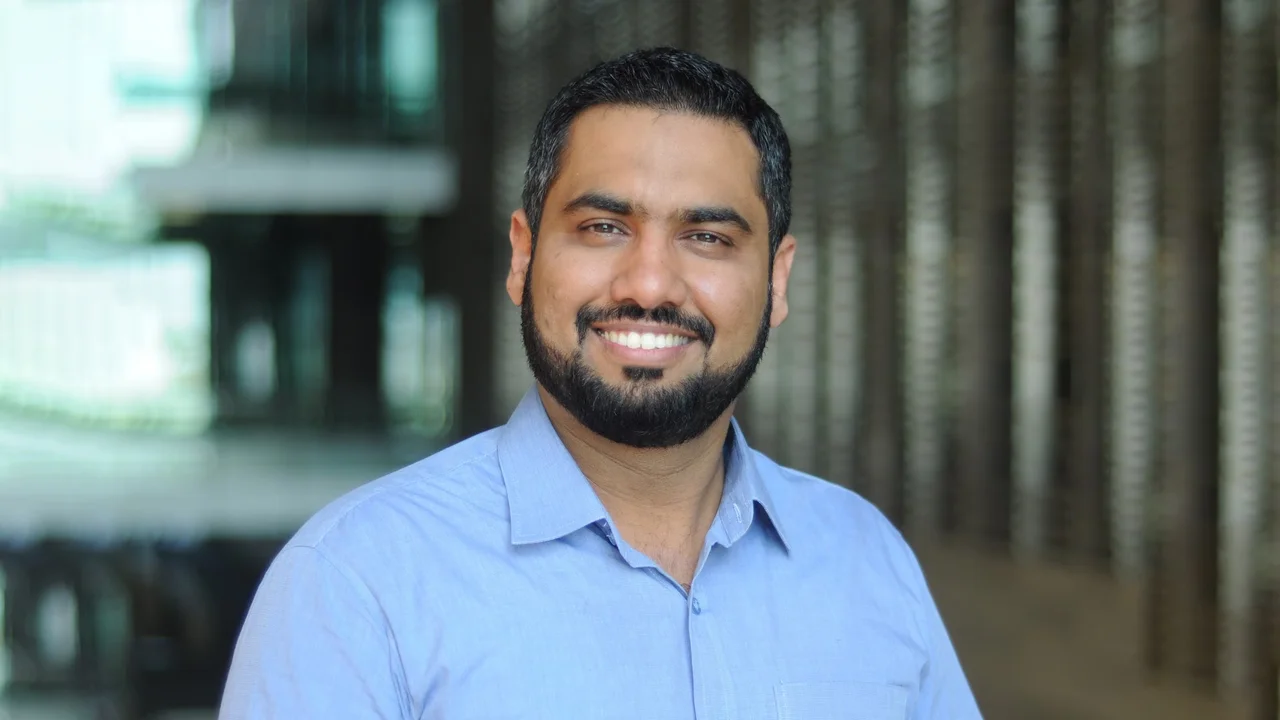
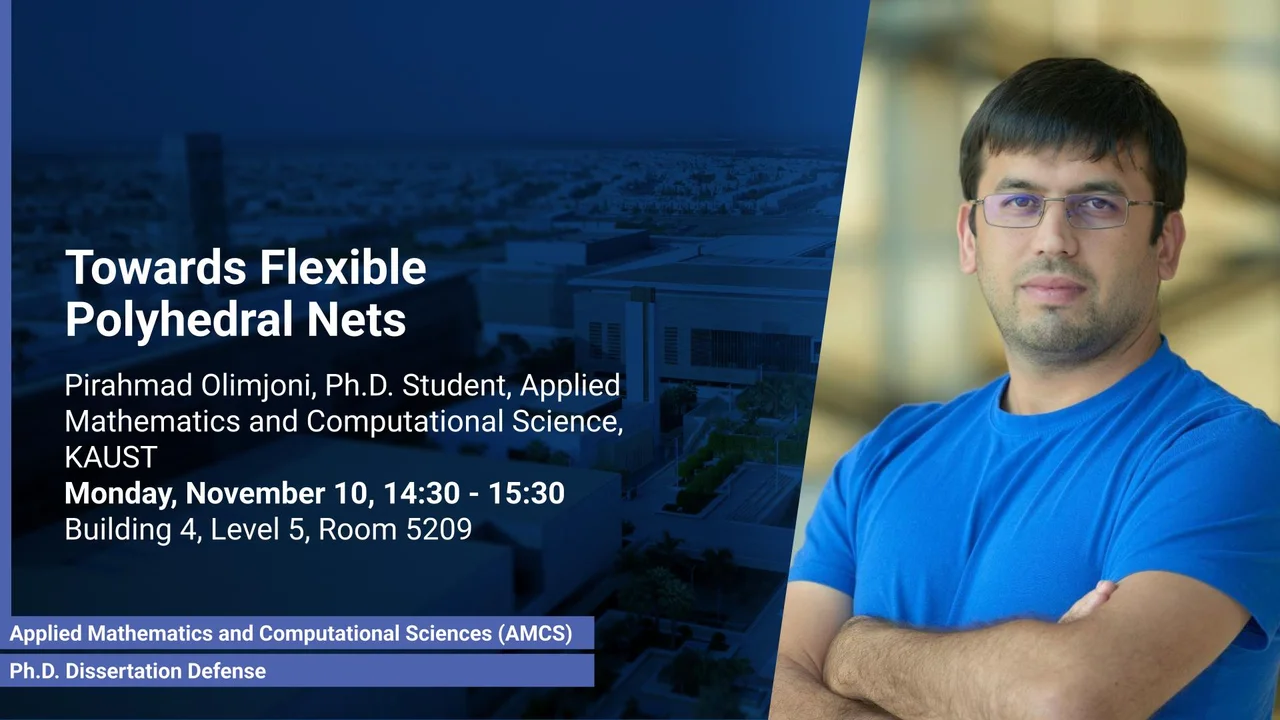
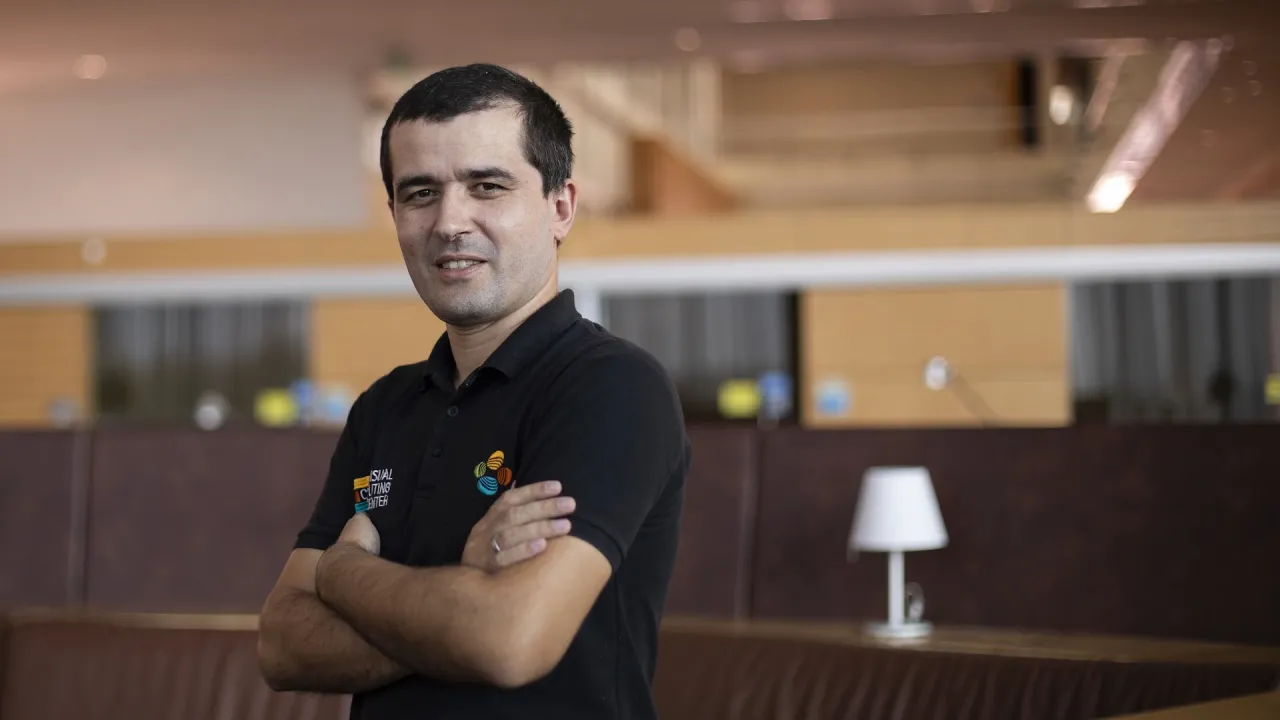
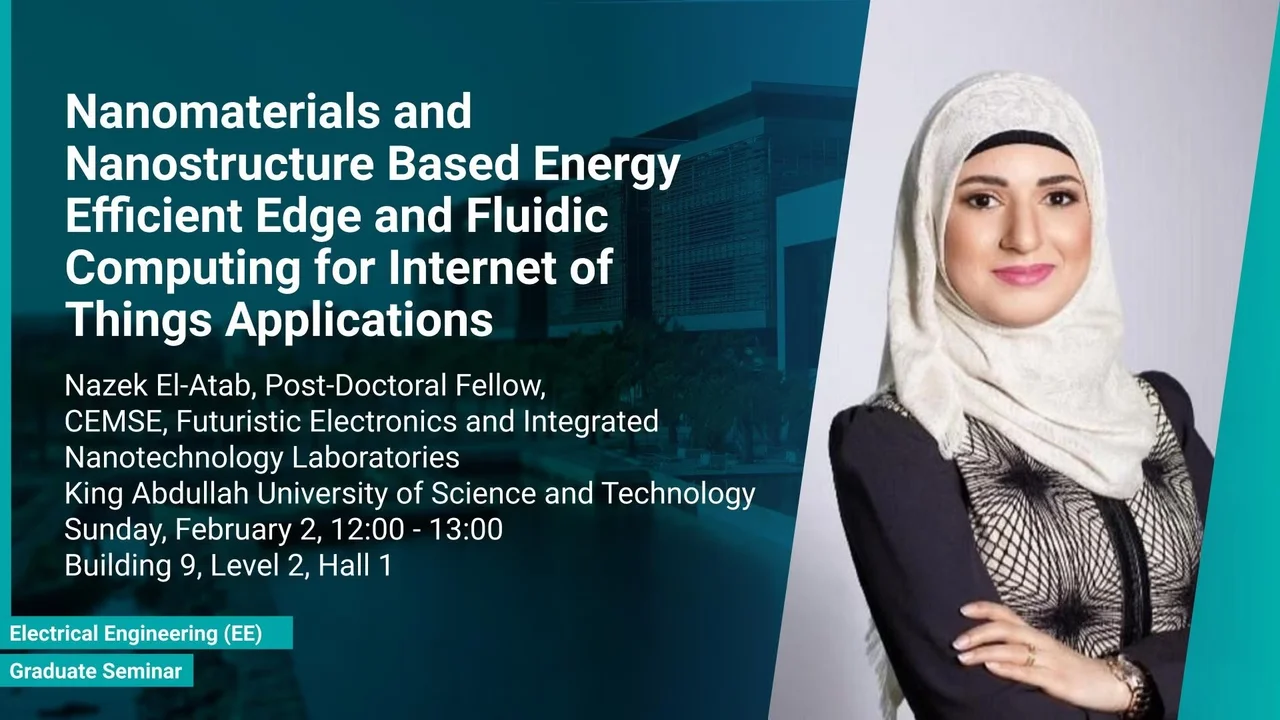
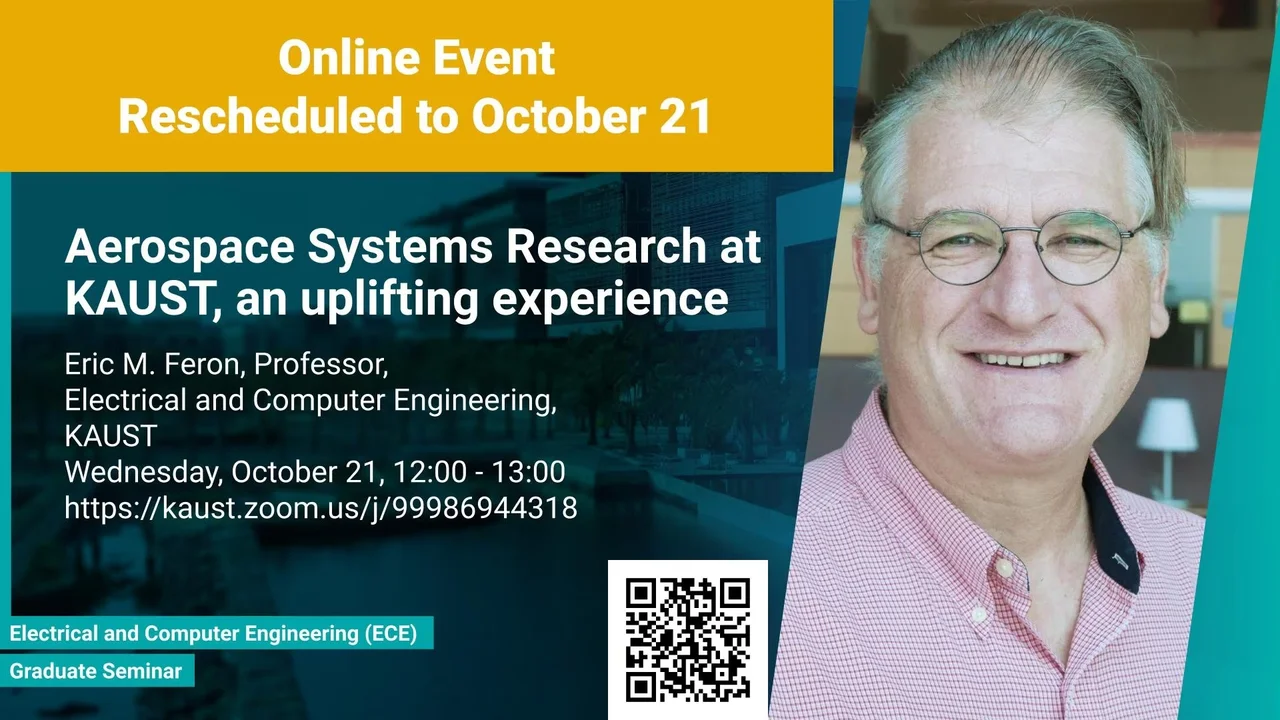
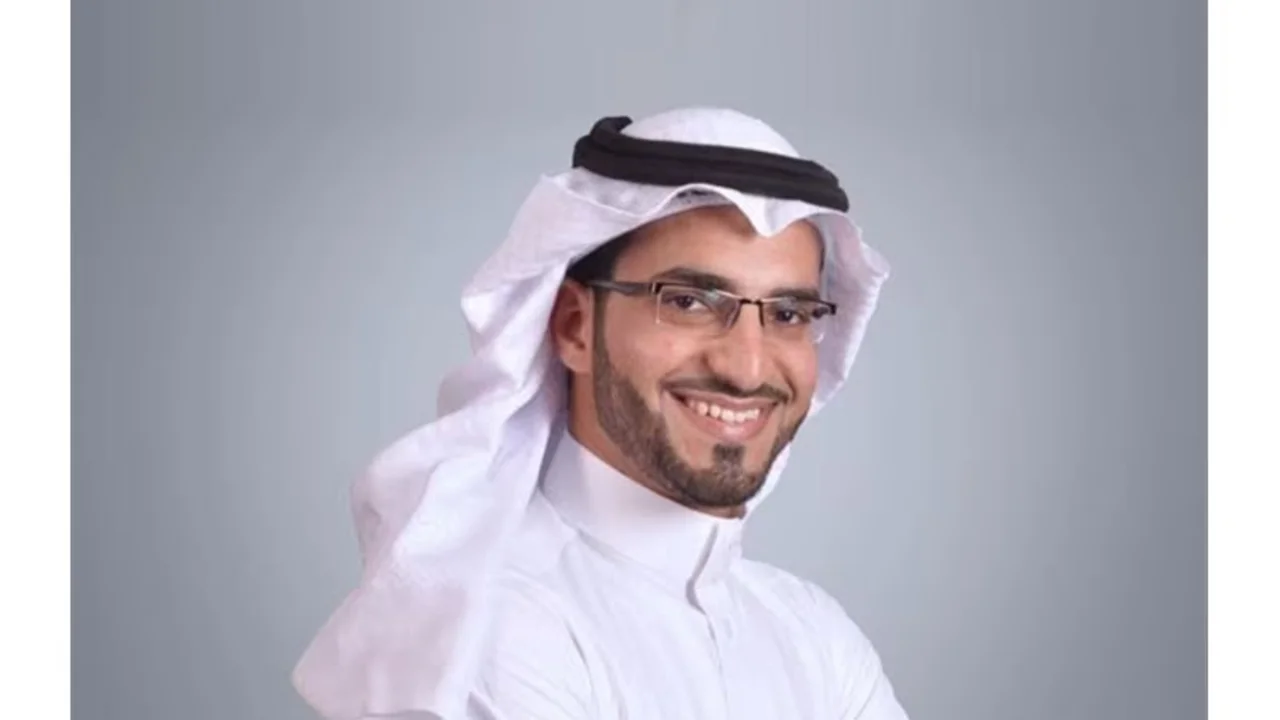
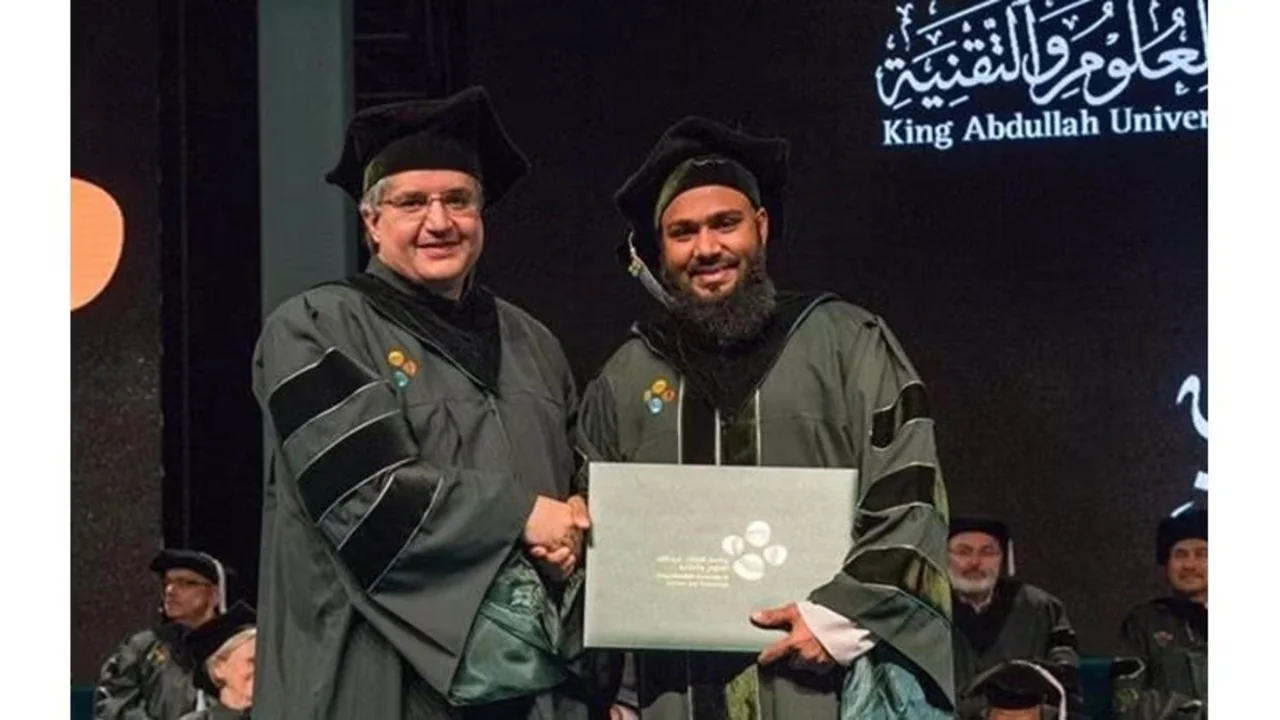

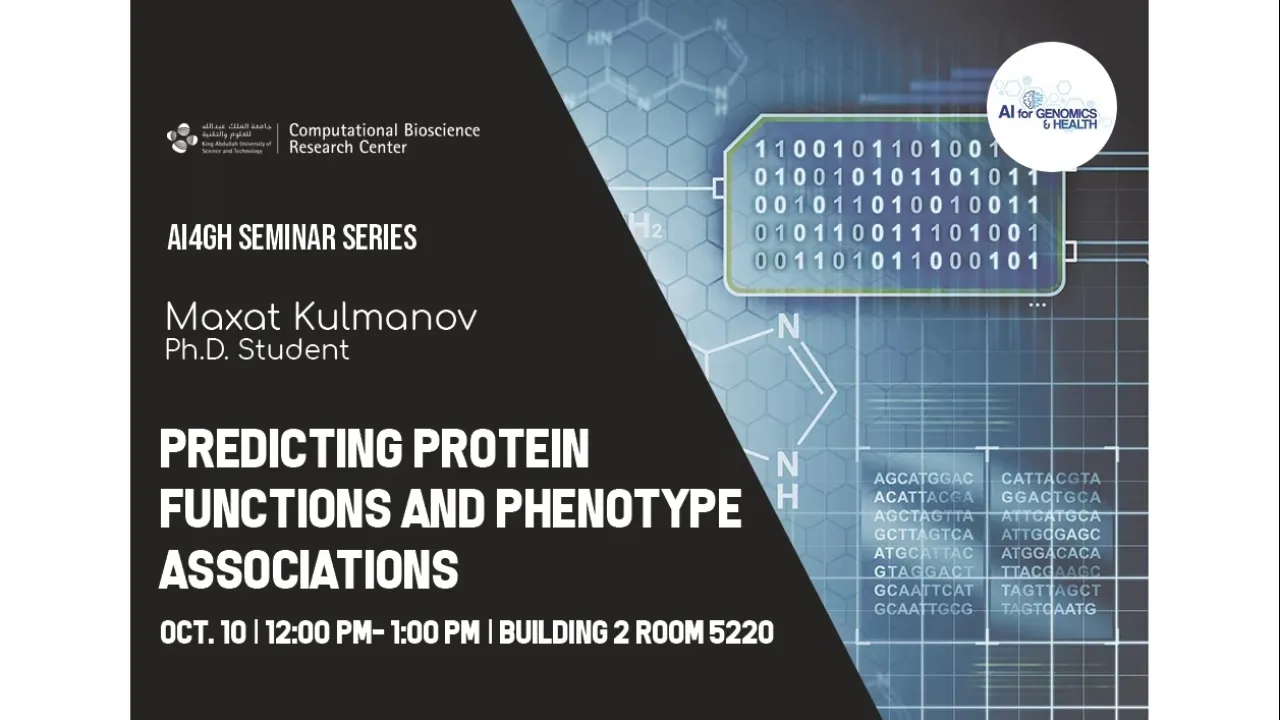
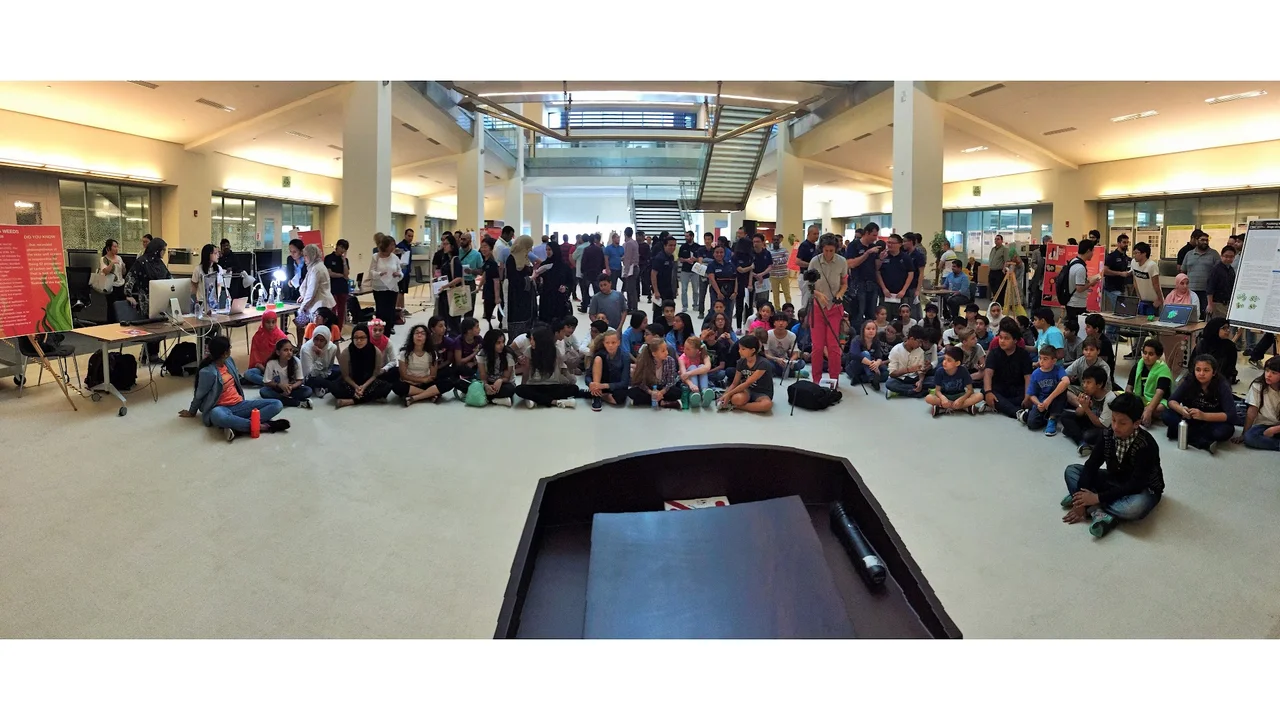
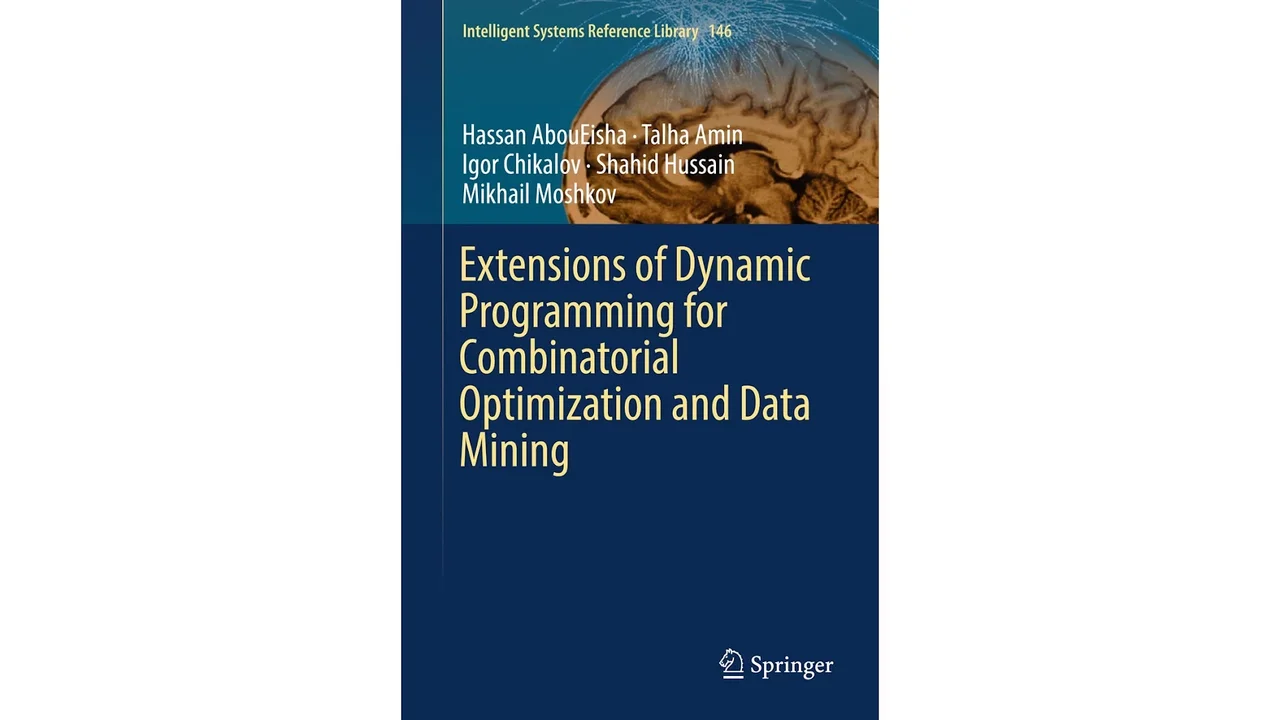
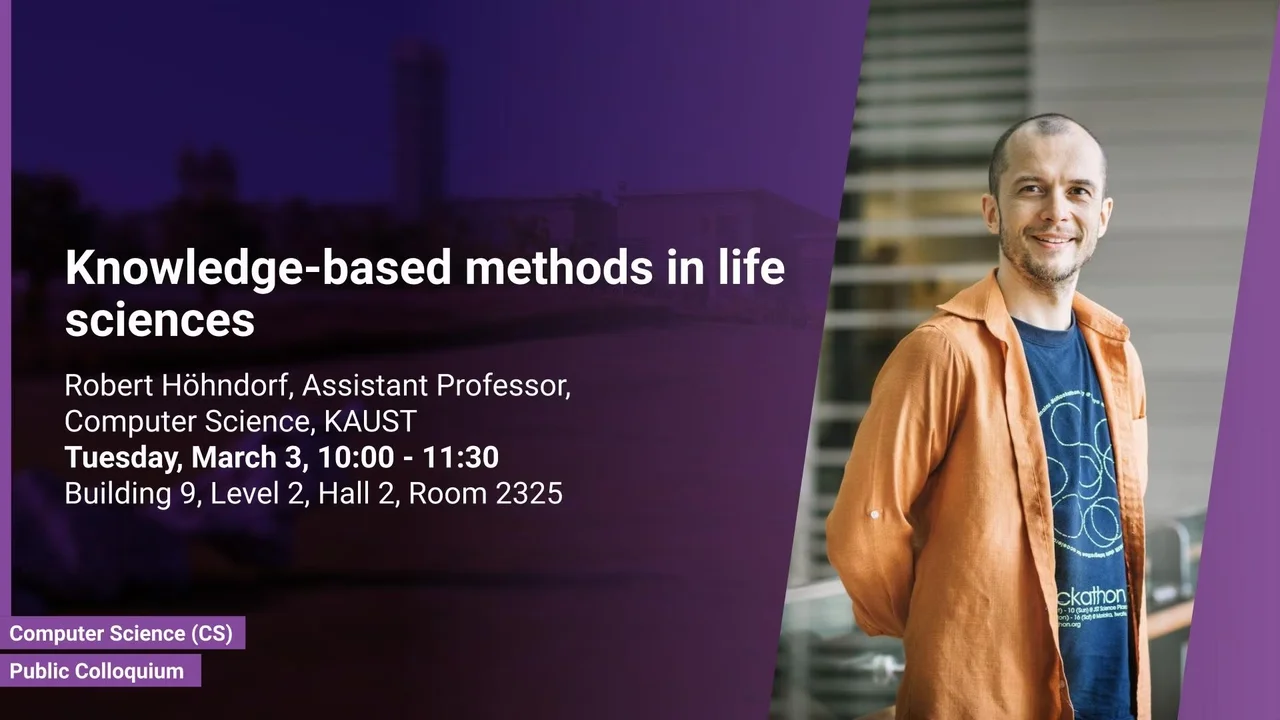
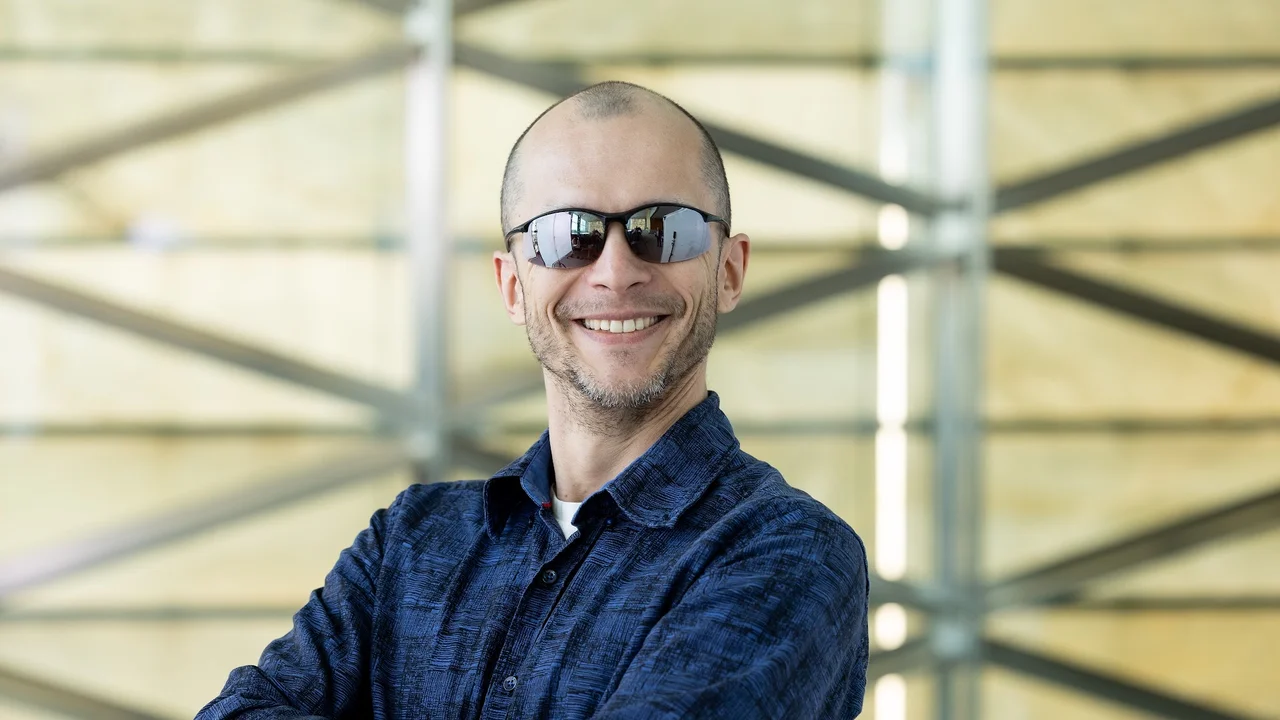
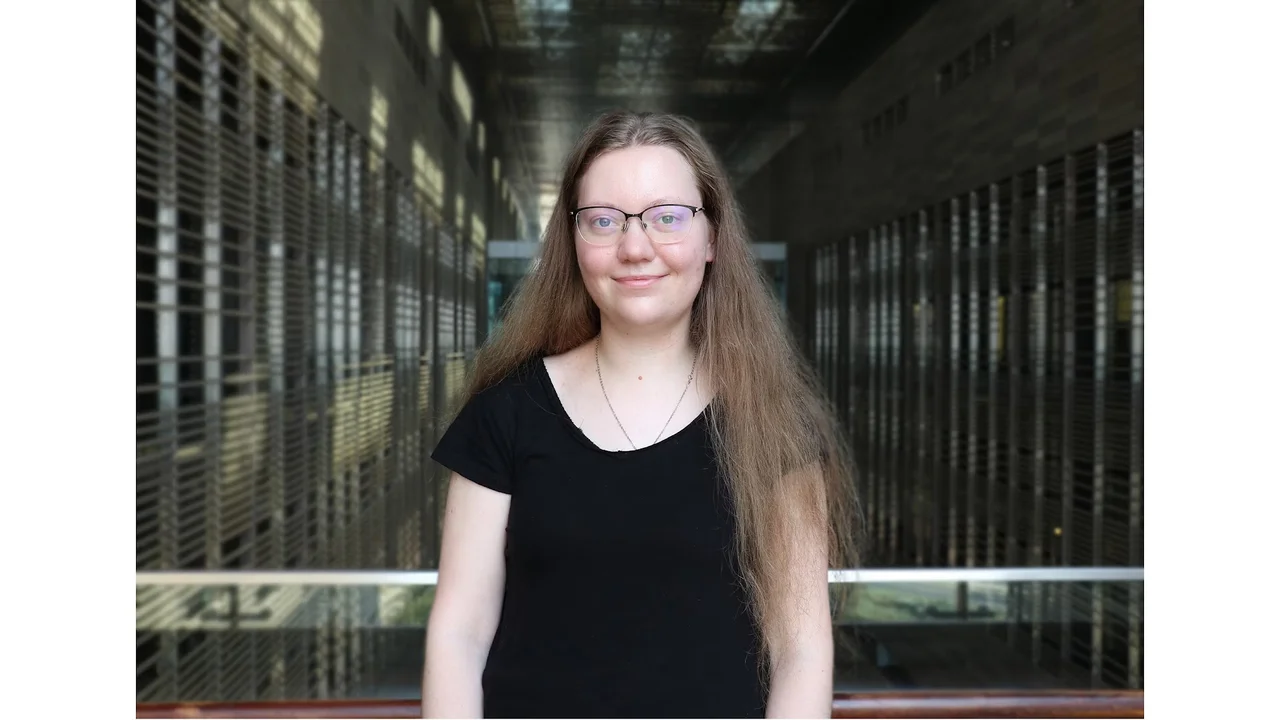
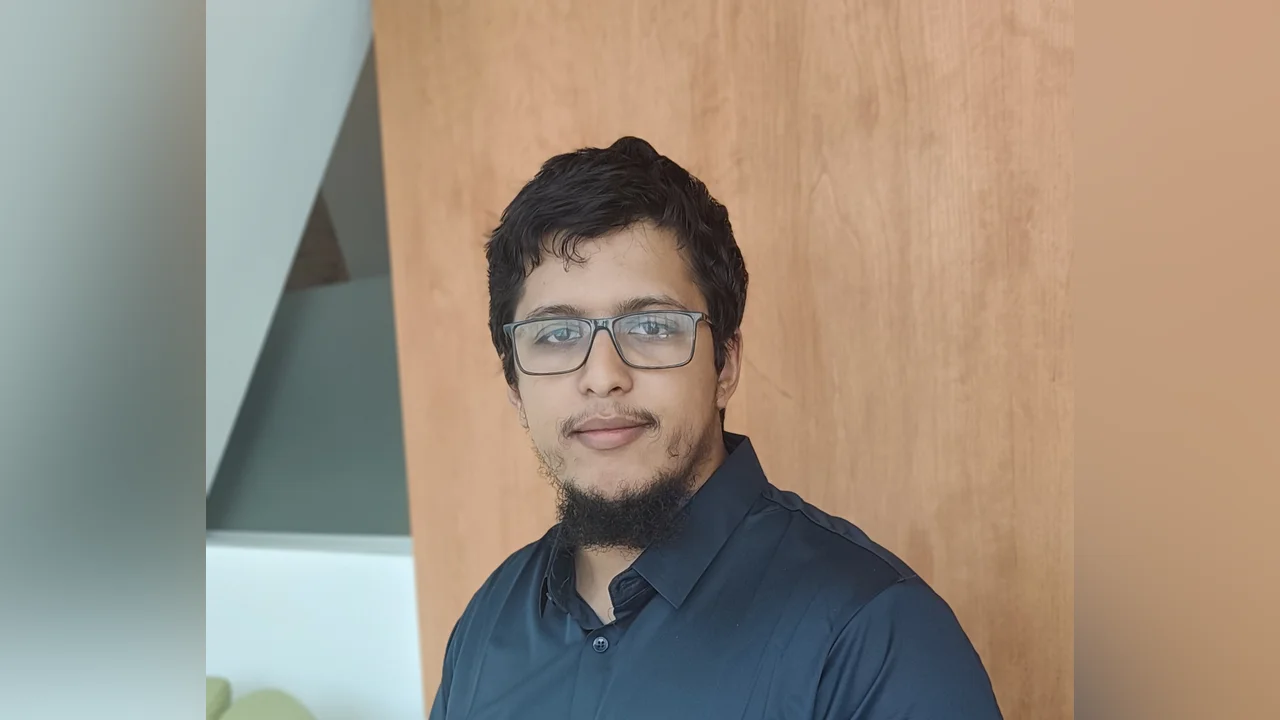
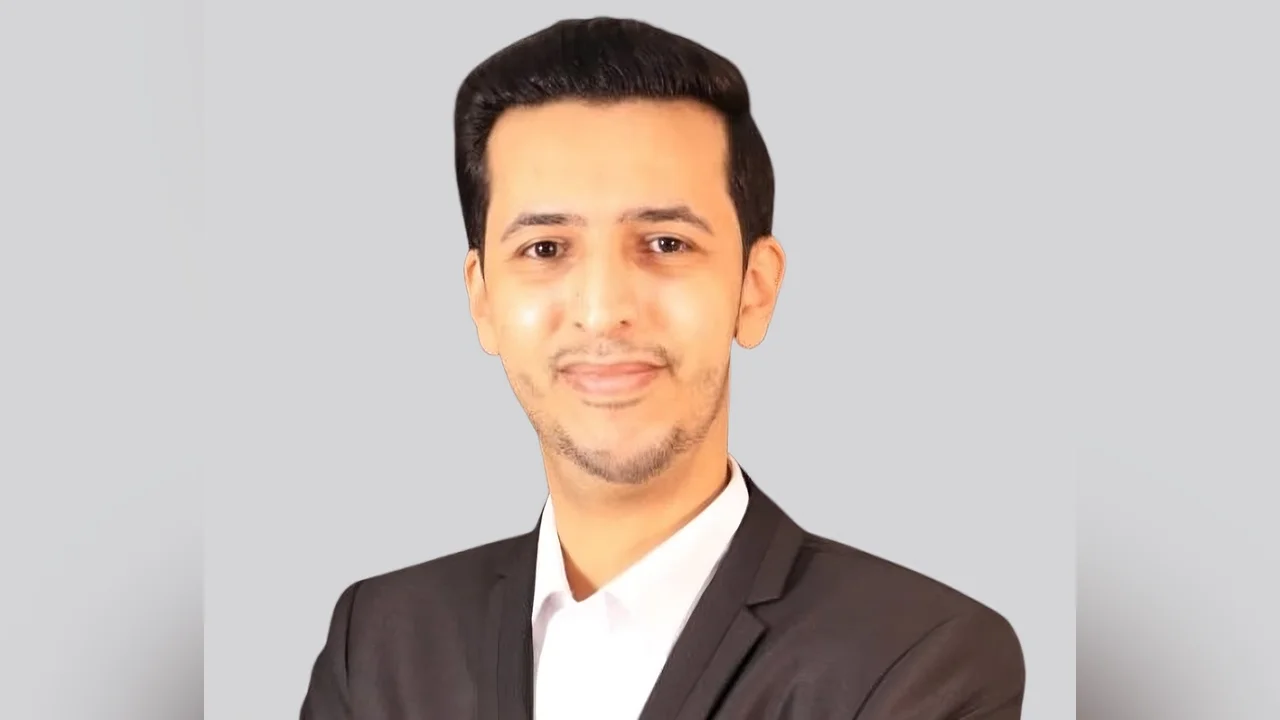
Zaid Alyafeai
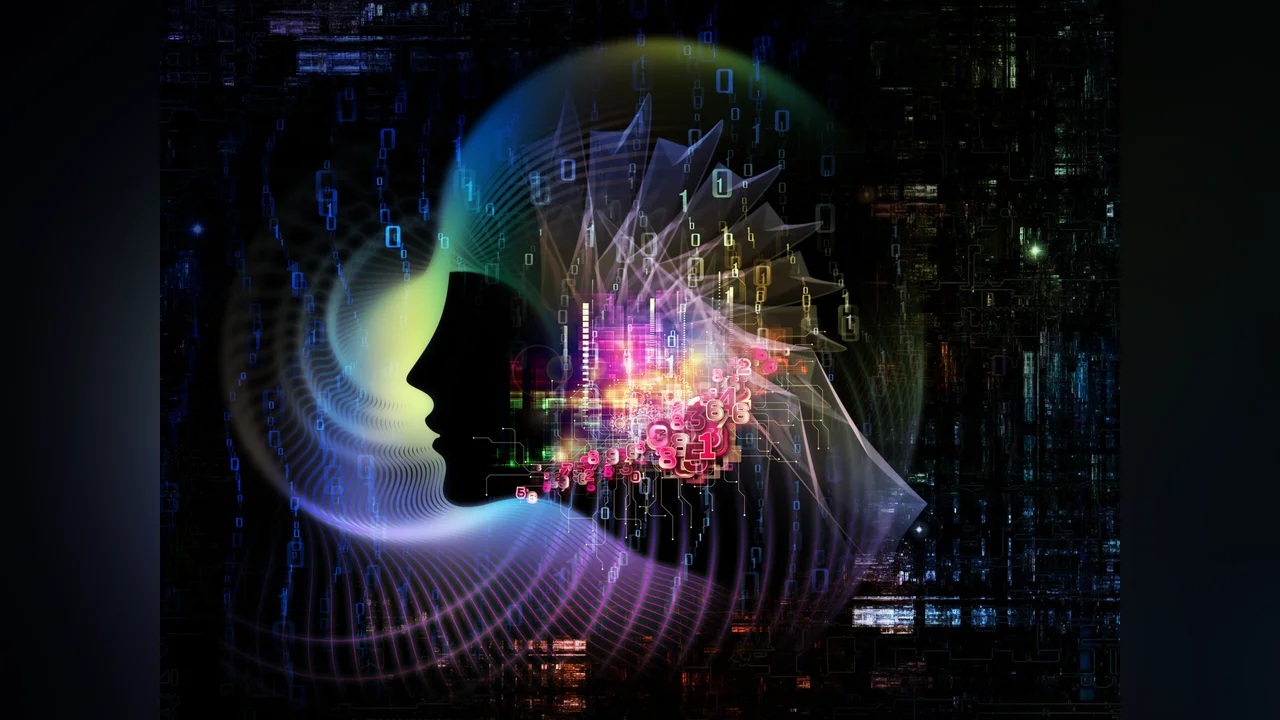
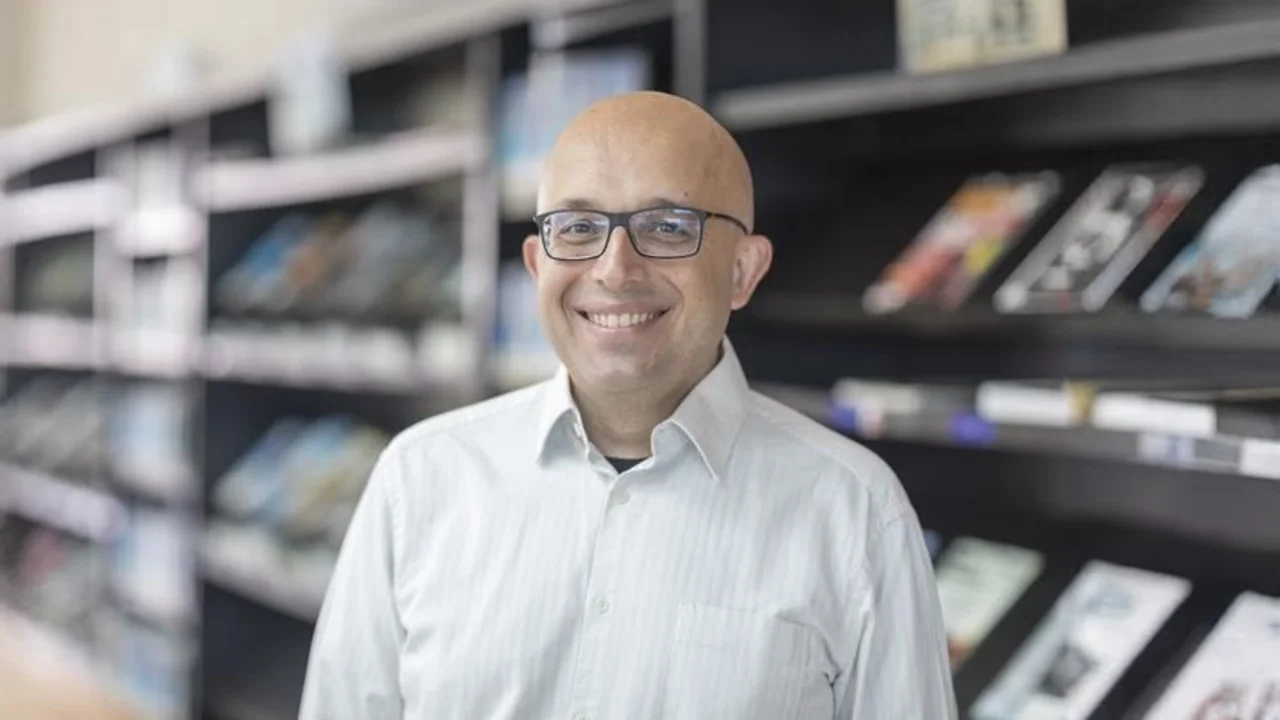
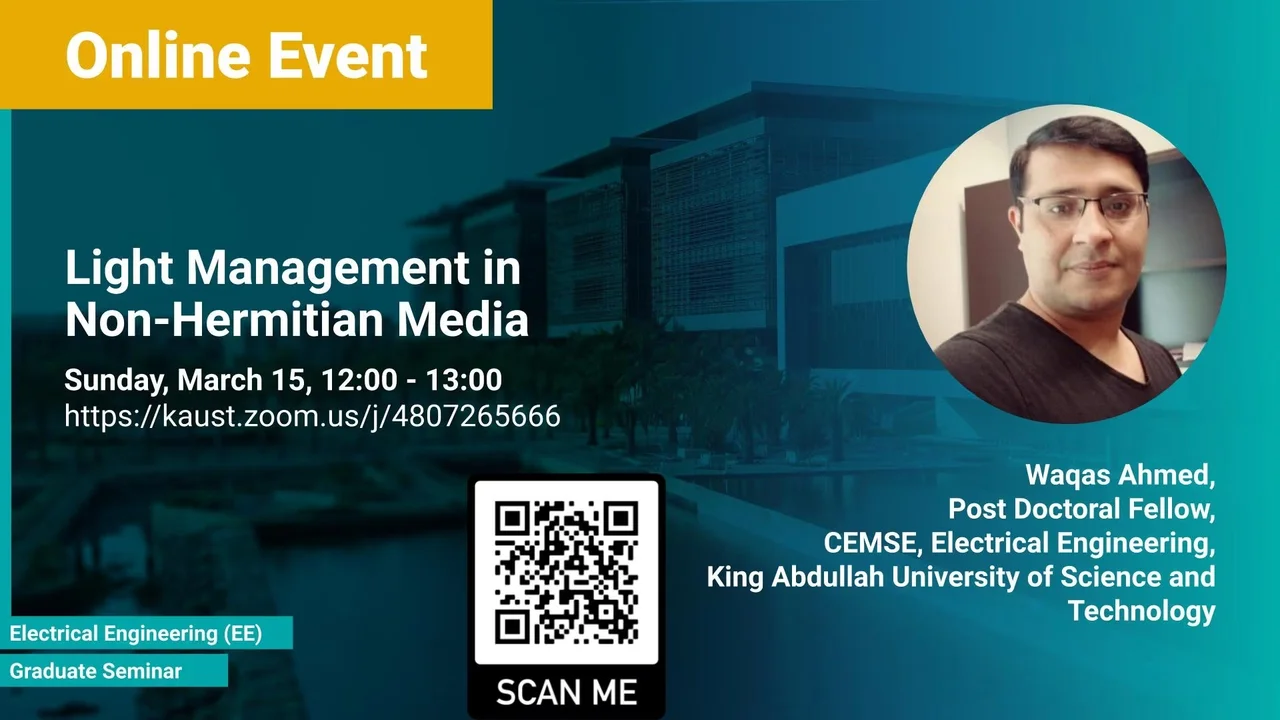
Light management in non-Hermitian media
Dr. Waqas Ahmed, Electrical Engineering, King Abdullah University of Science and Technology
KAUST
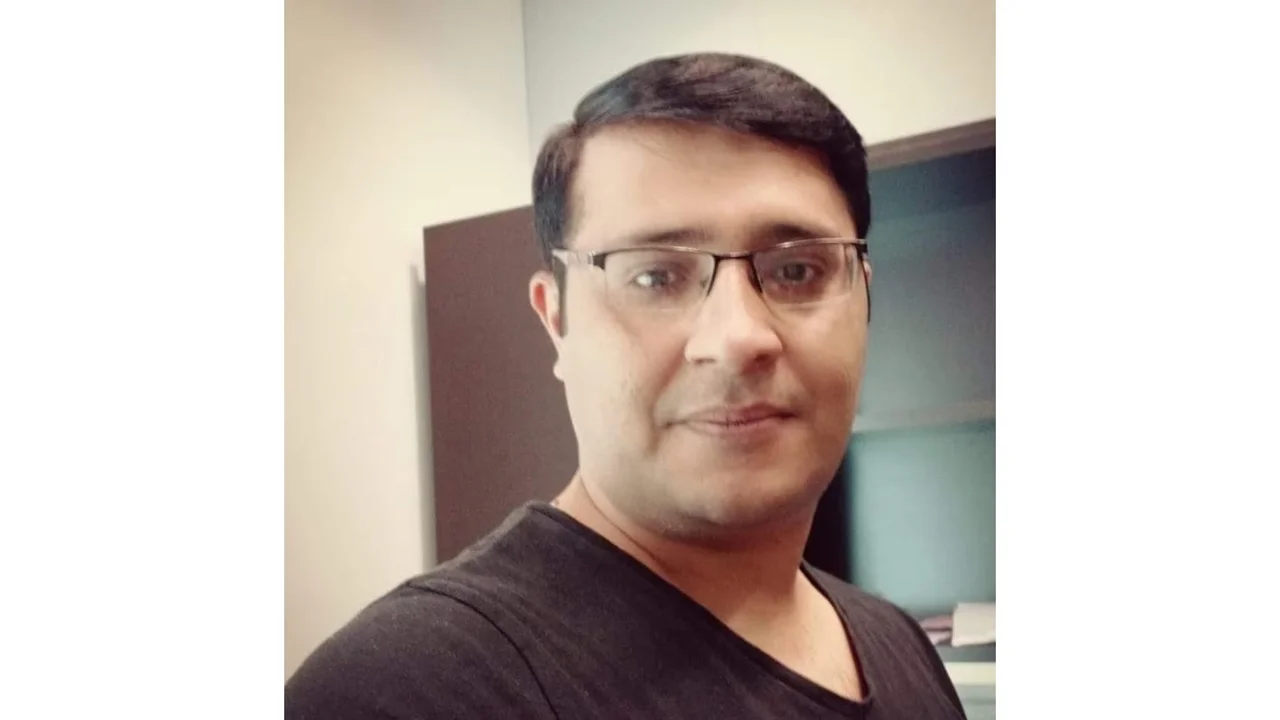
Waqas Waseem Ahmed

Martins Bruvelis
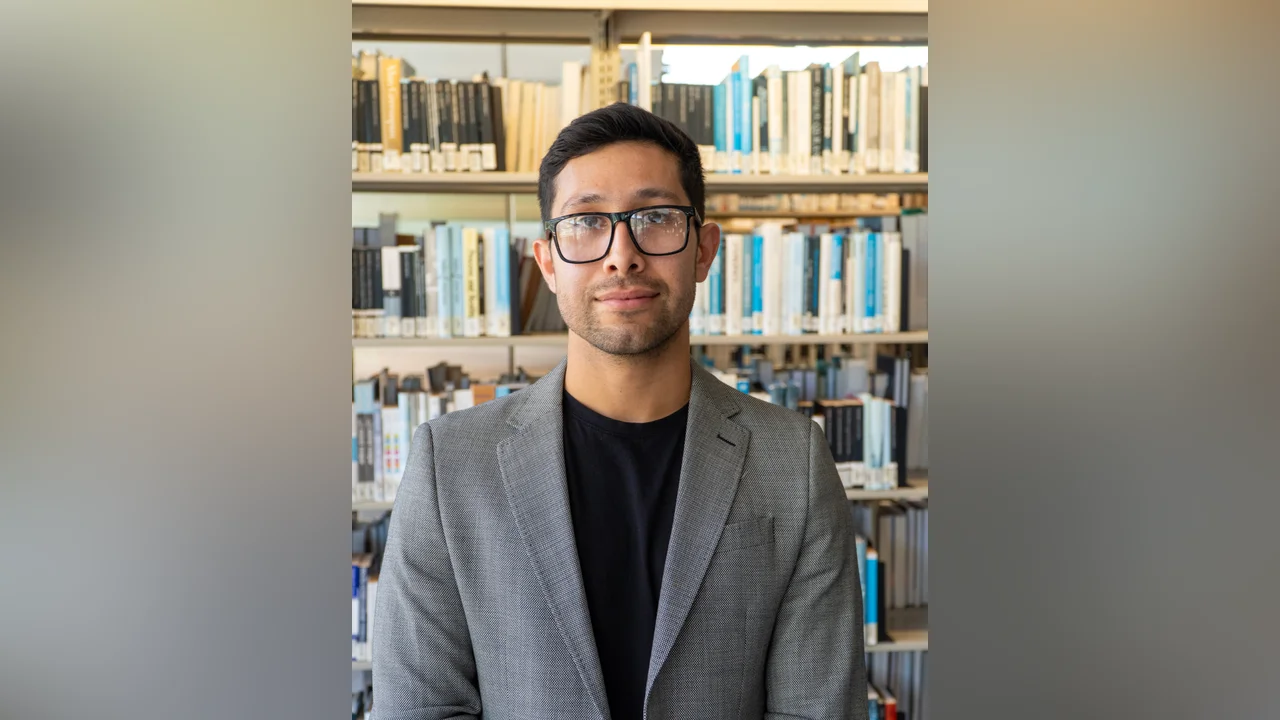
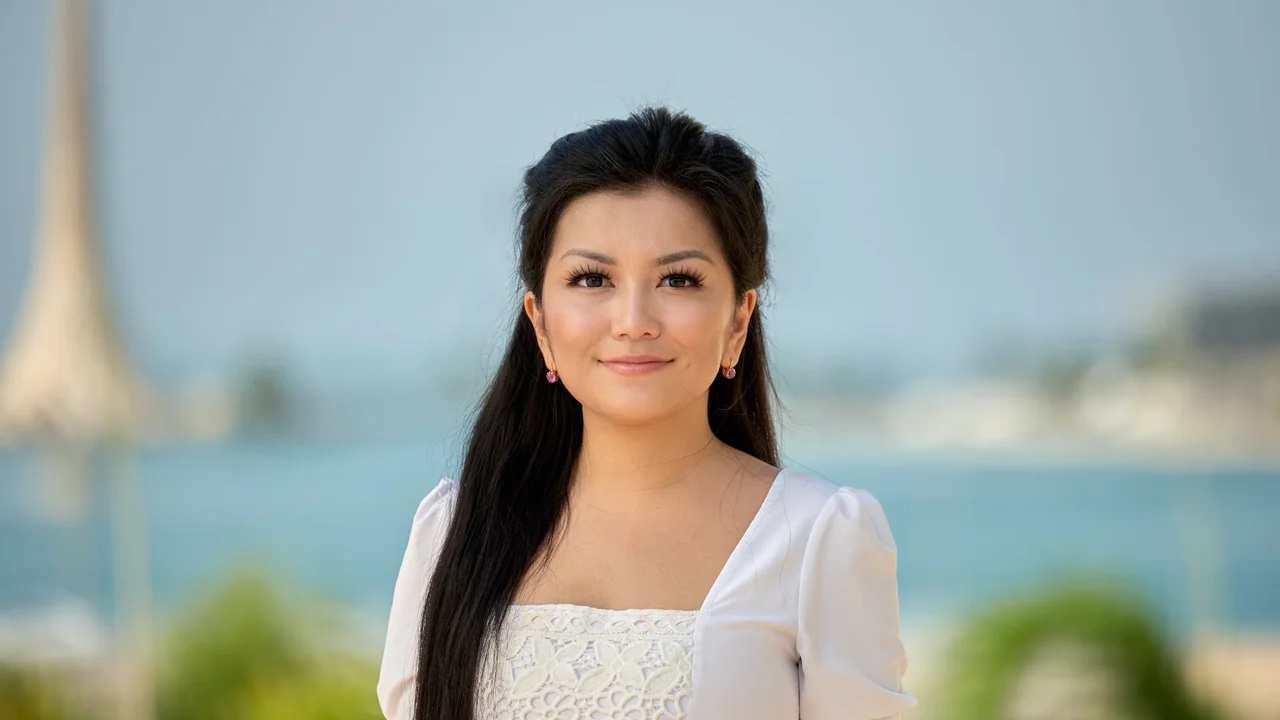
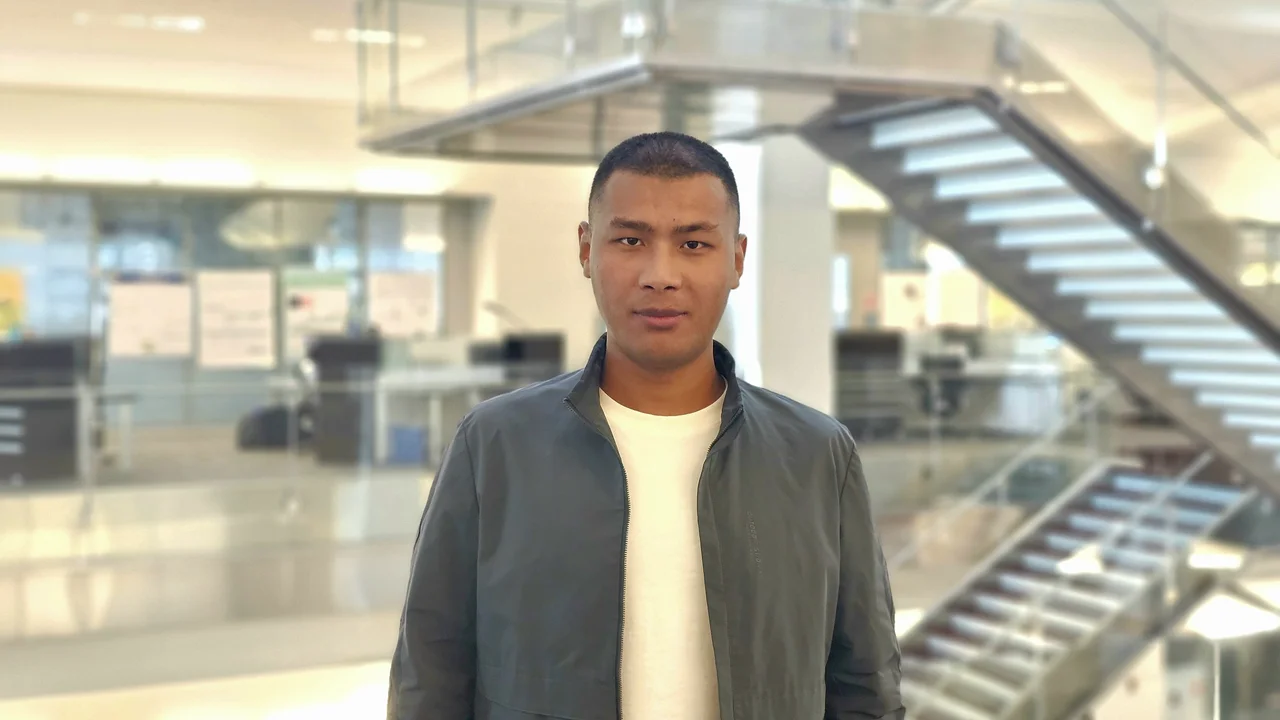
Weiping Li
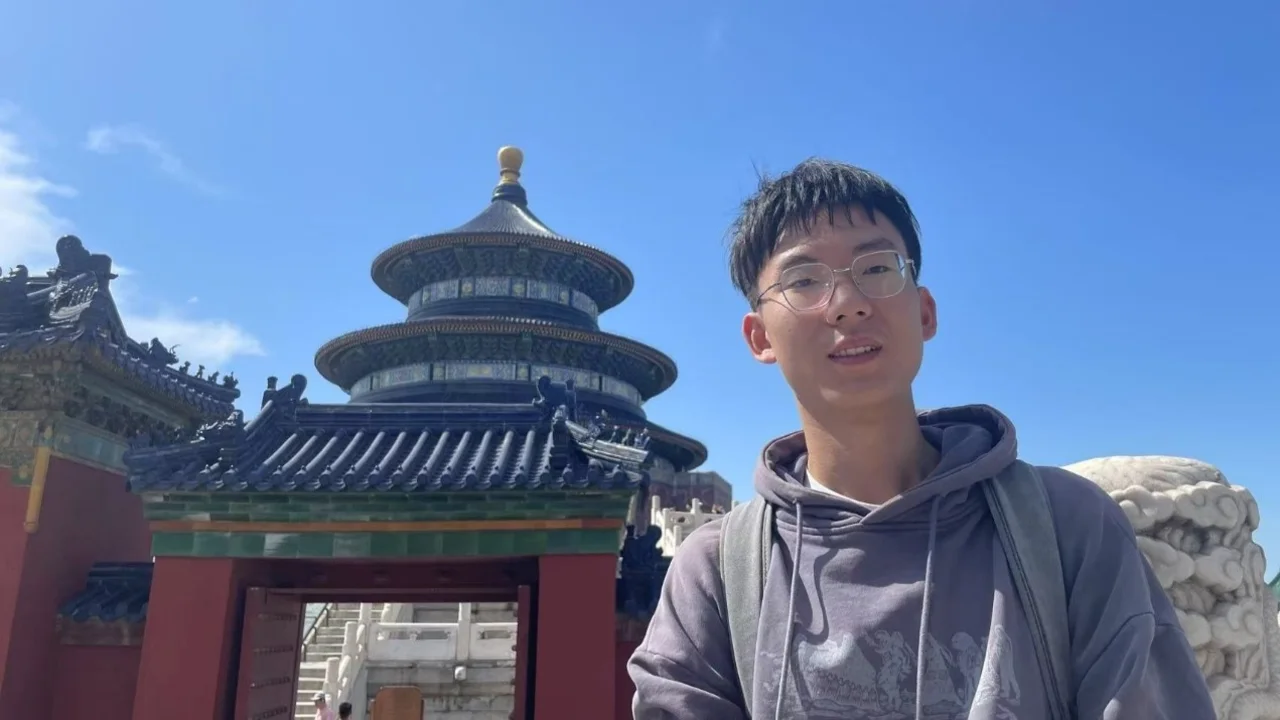
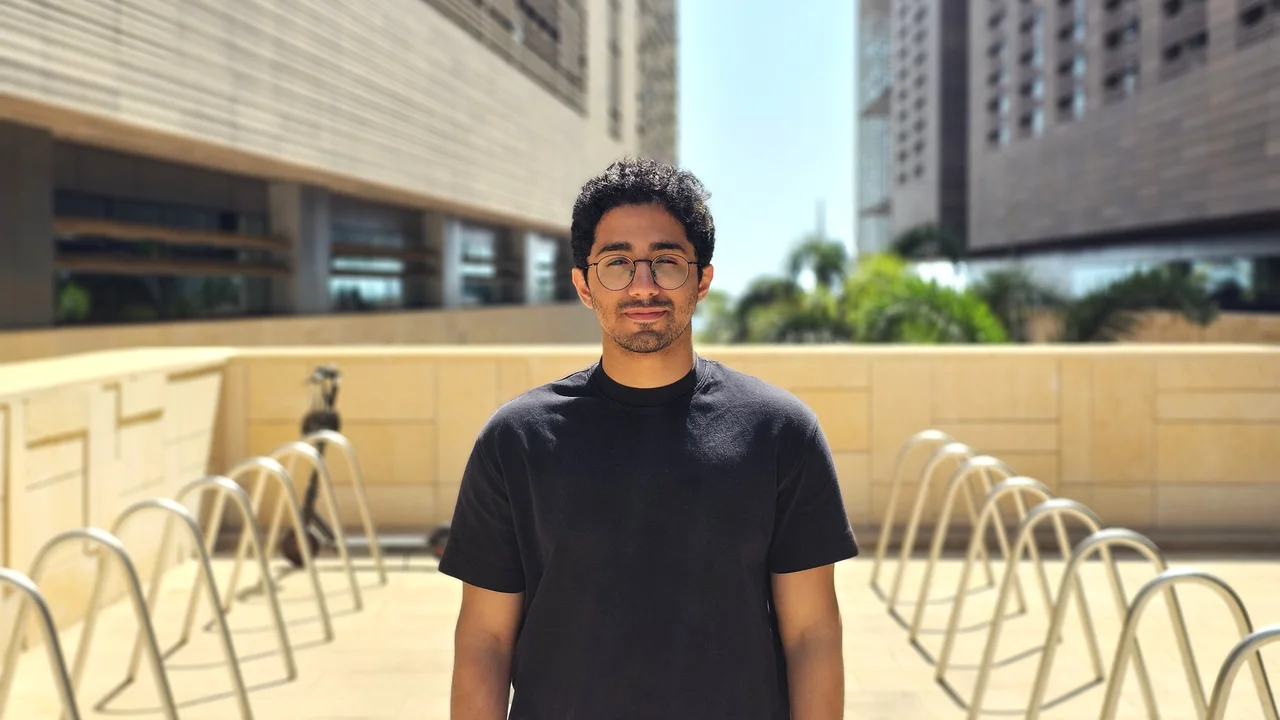
Saud Alabdulal
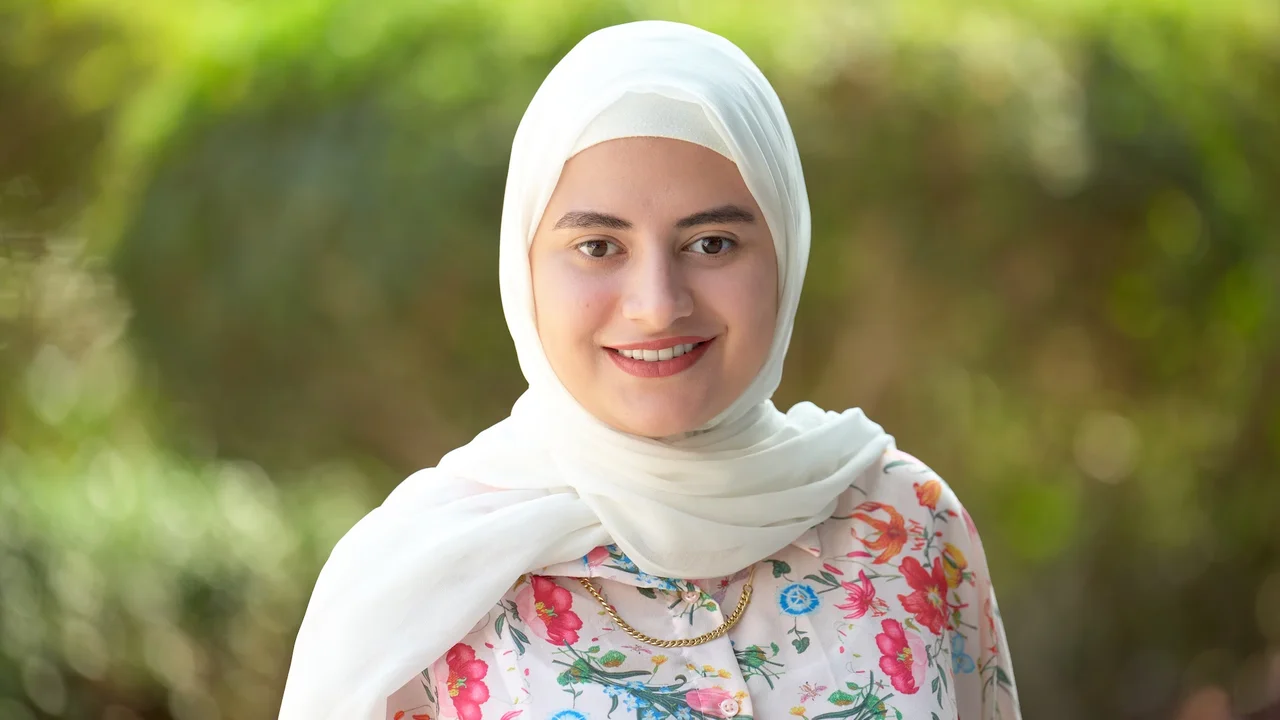
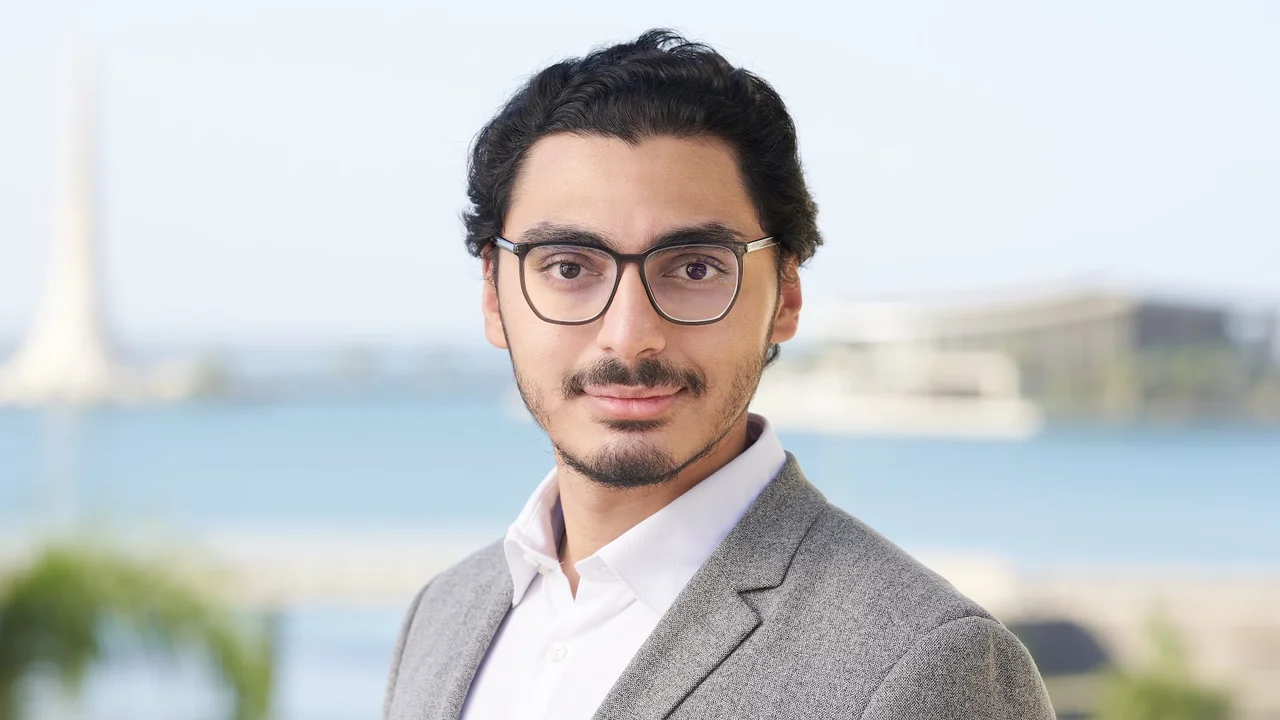
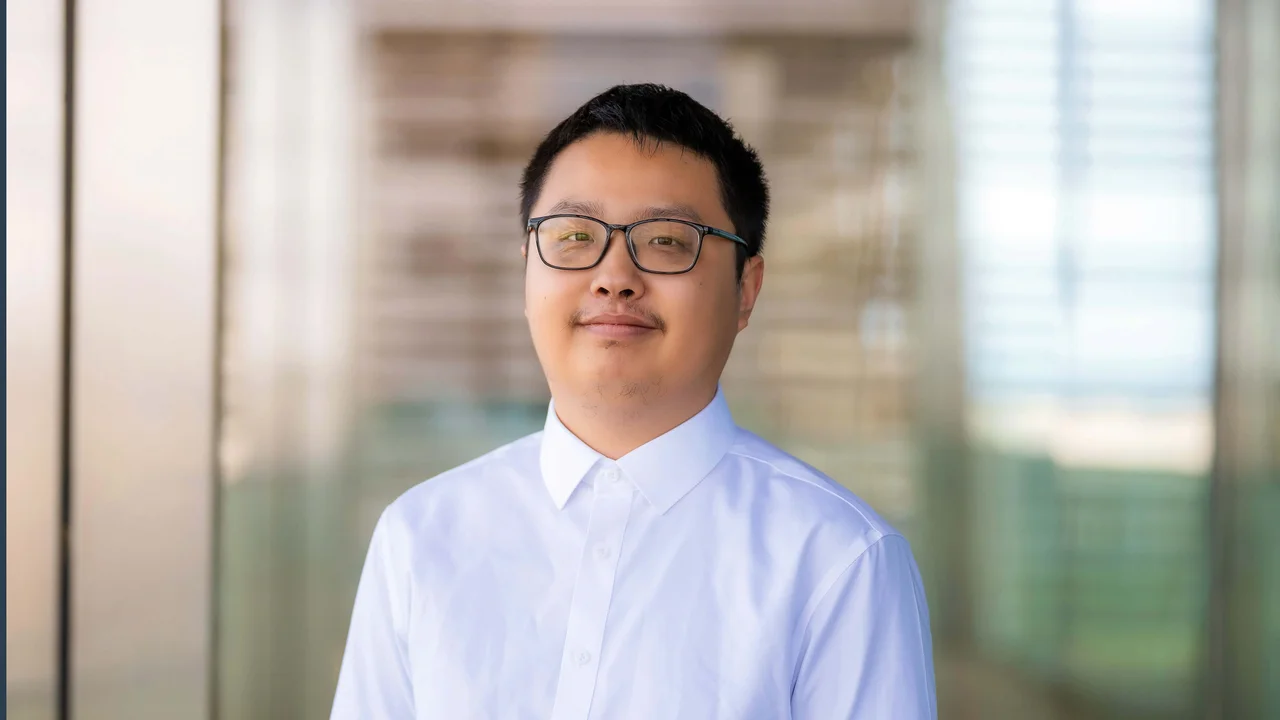
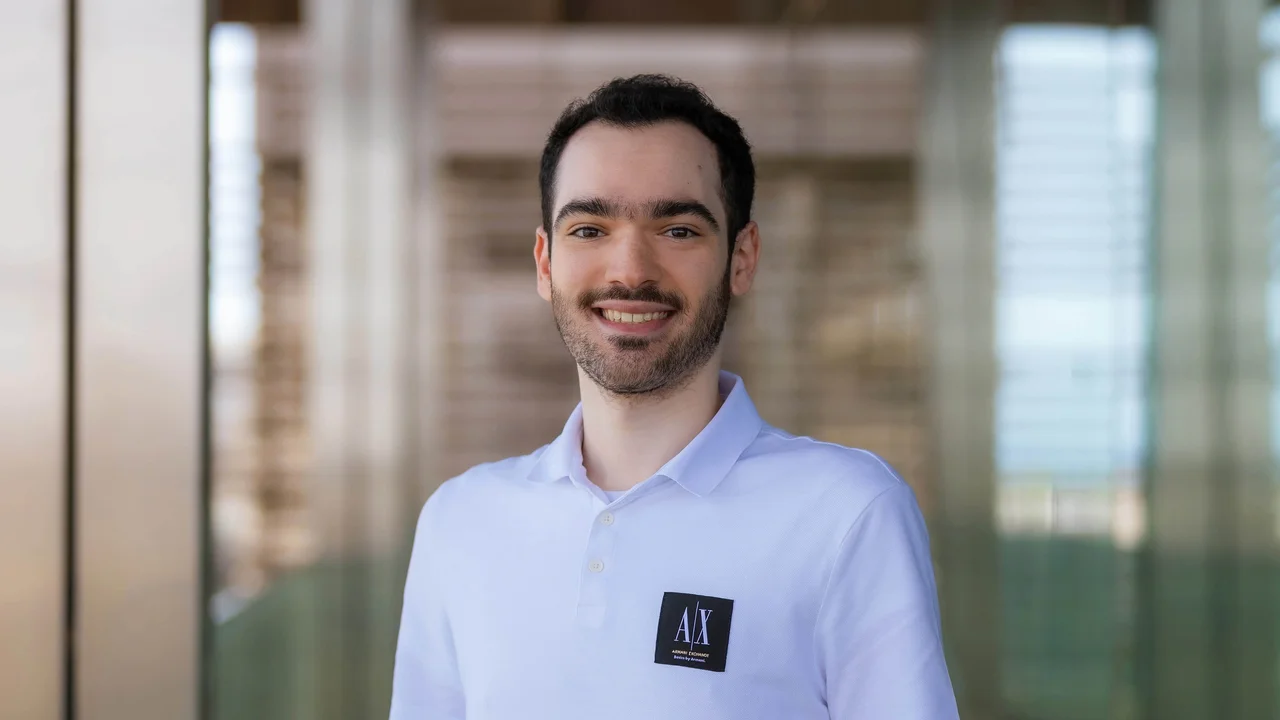
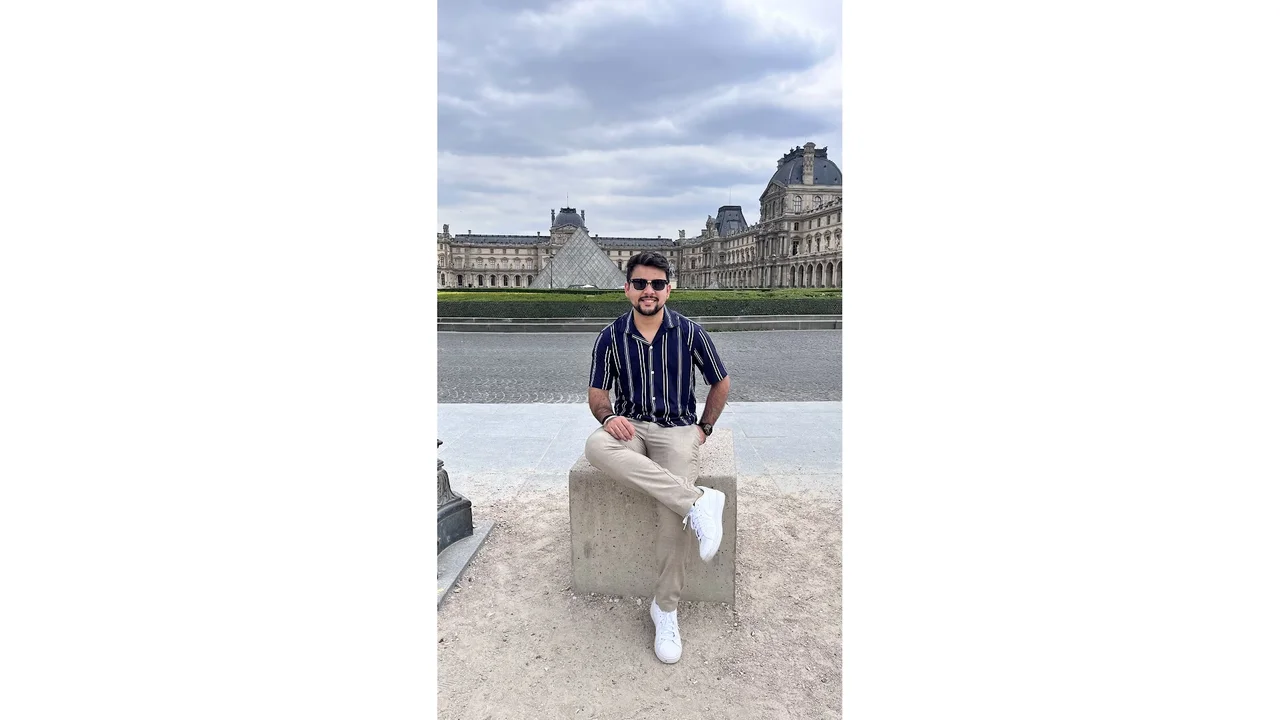
Vaibhav Mehandiratta
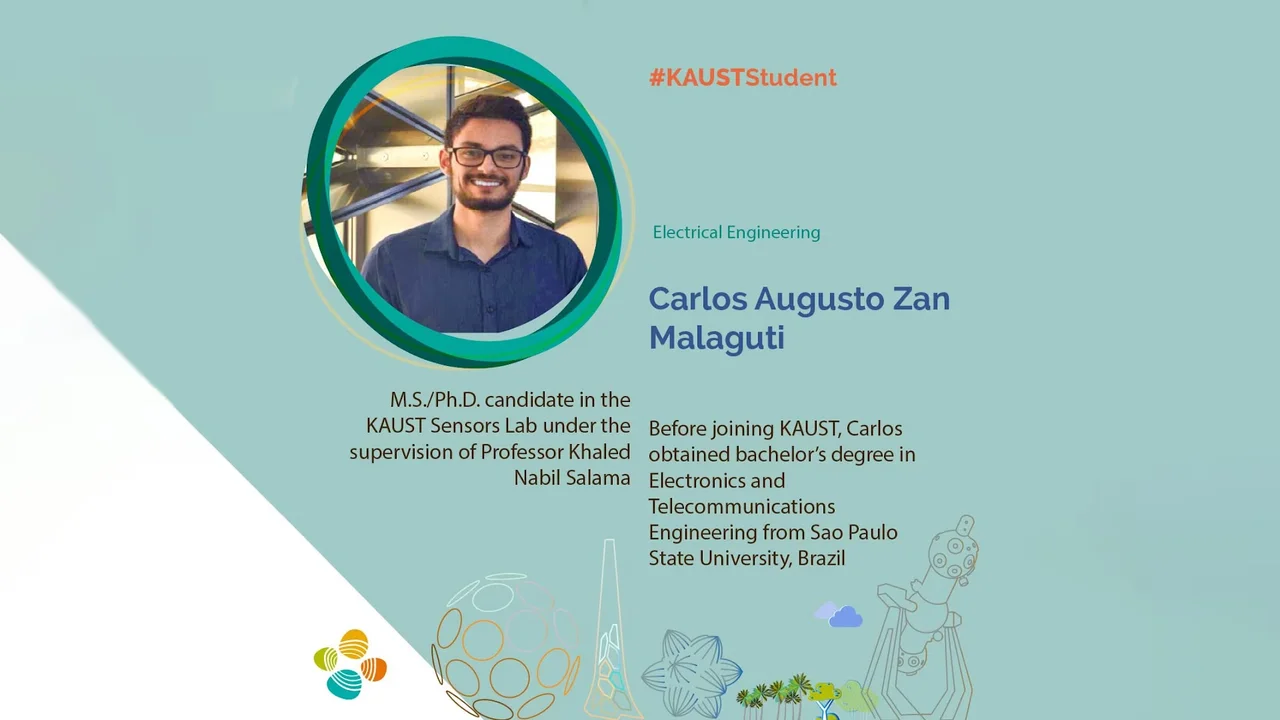
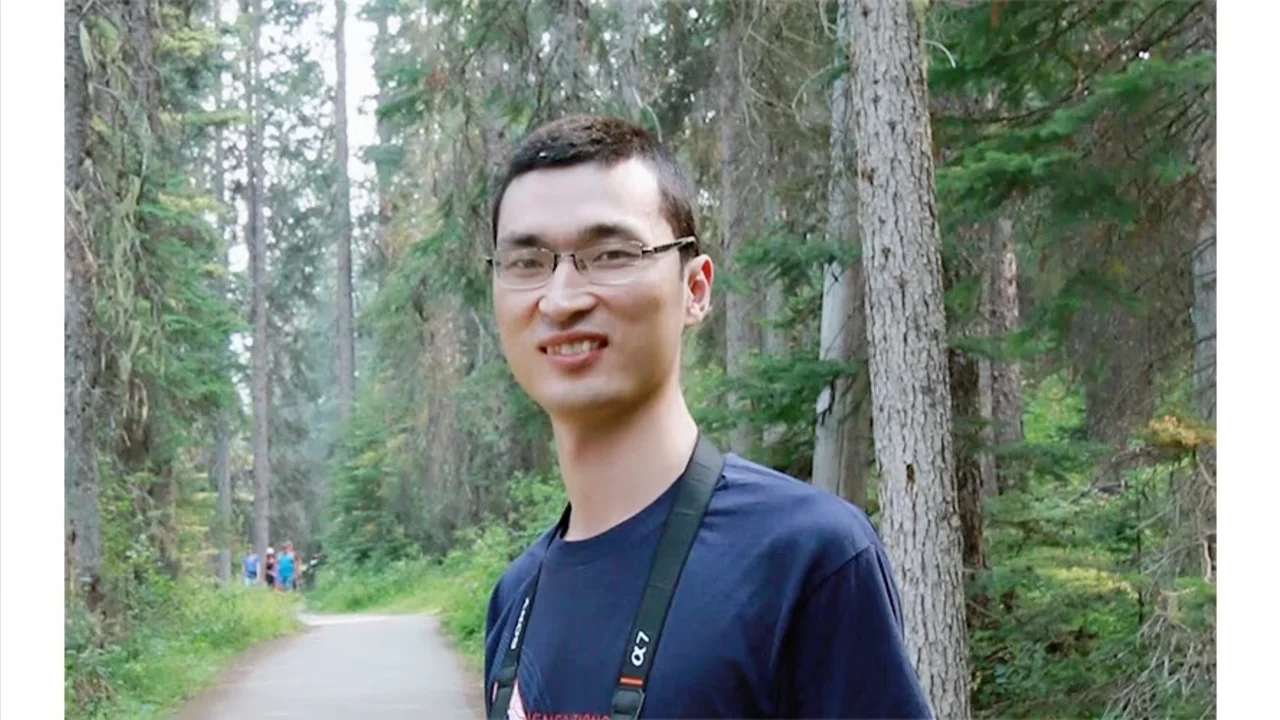
Xiong Dun
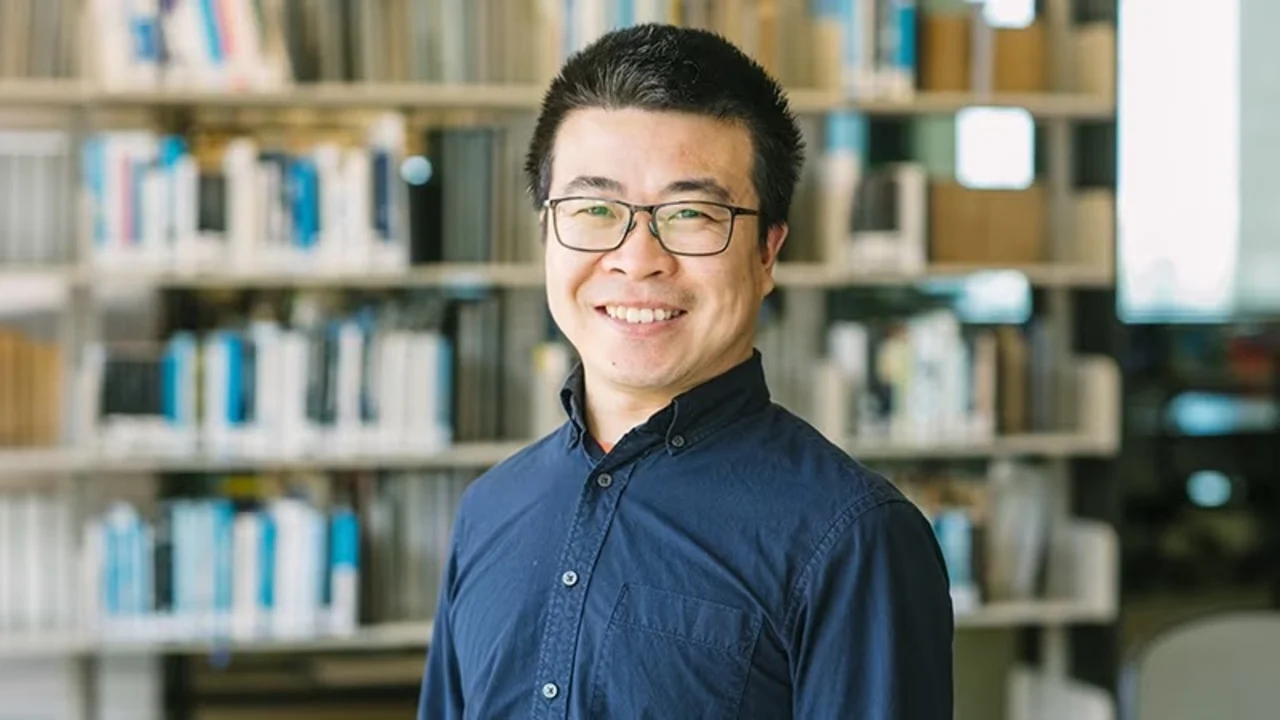
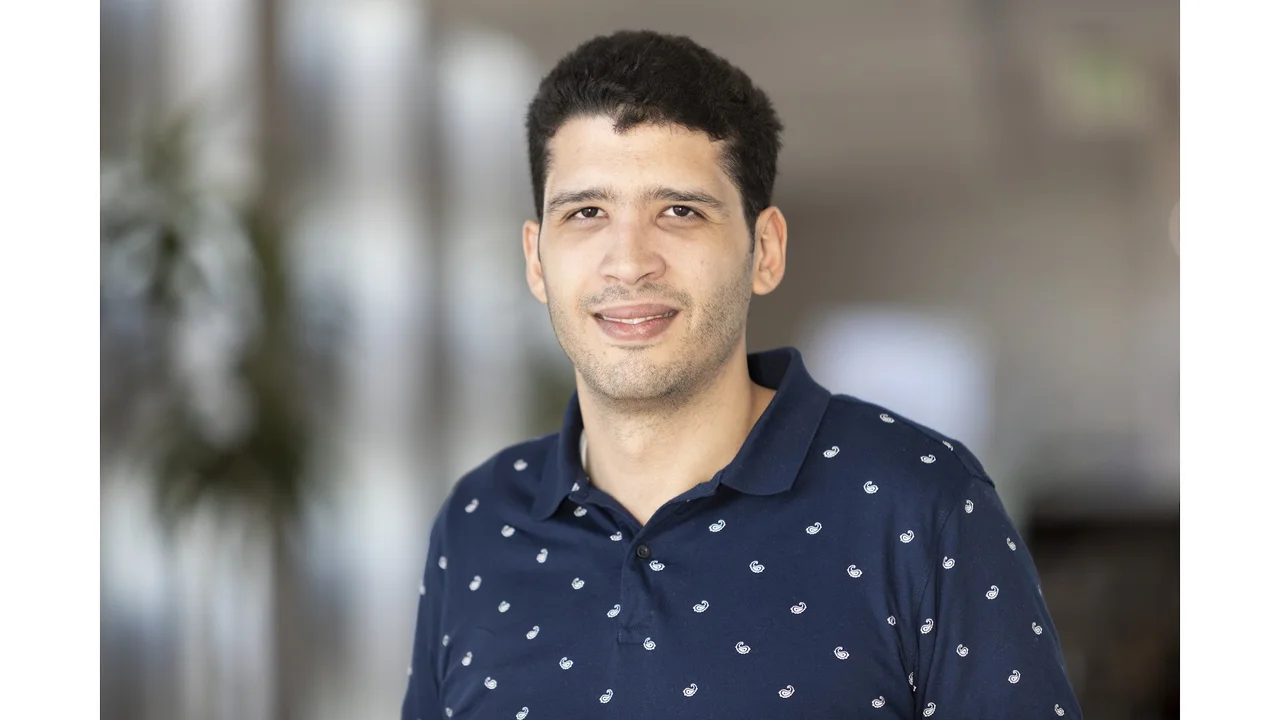
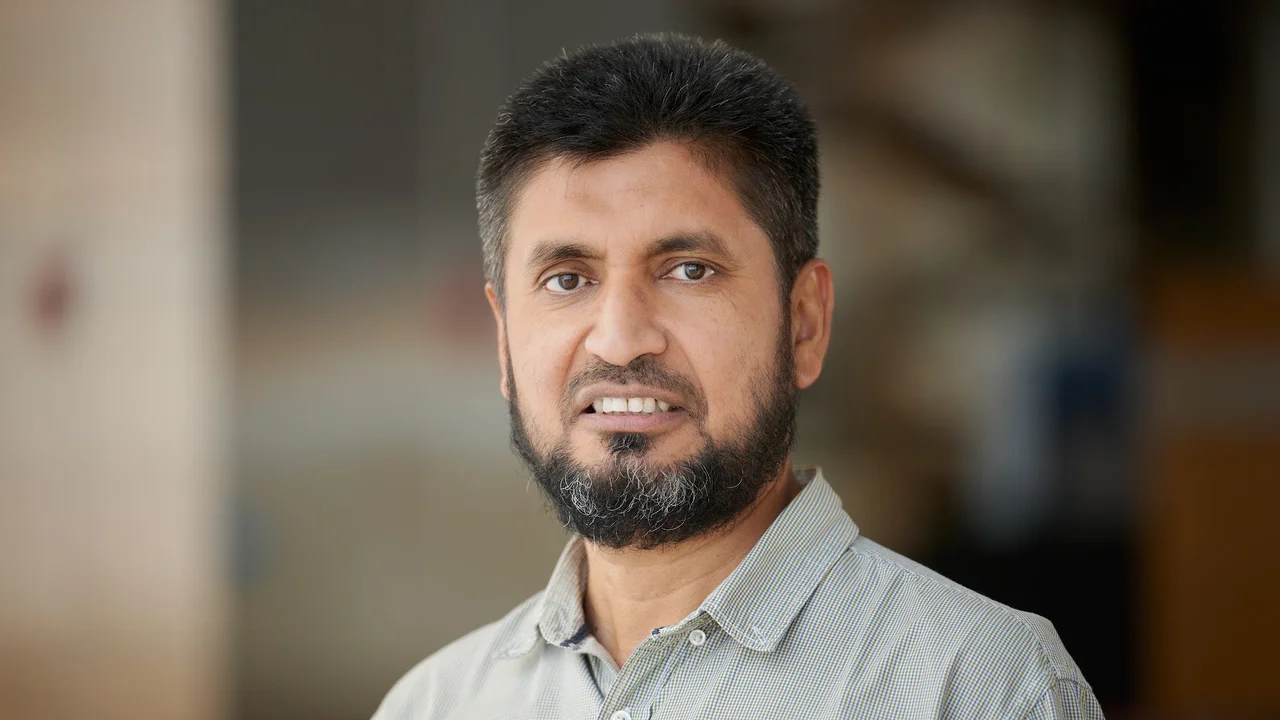
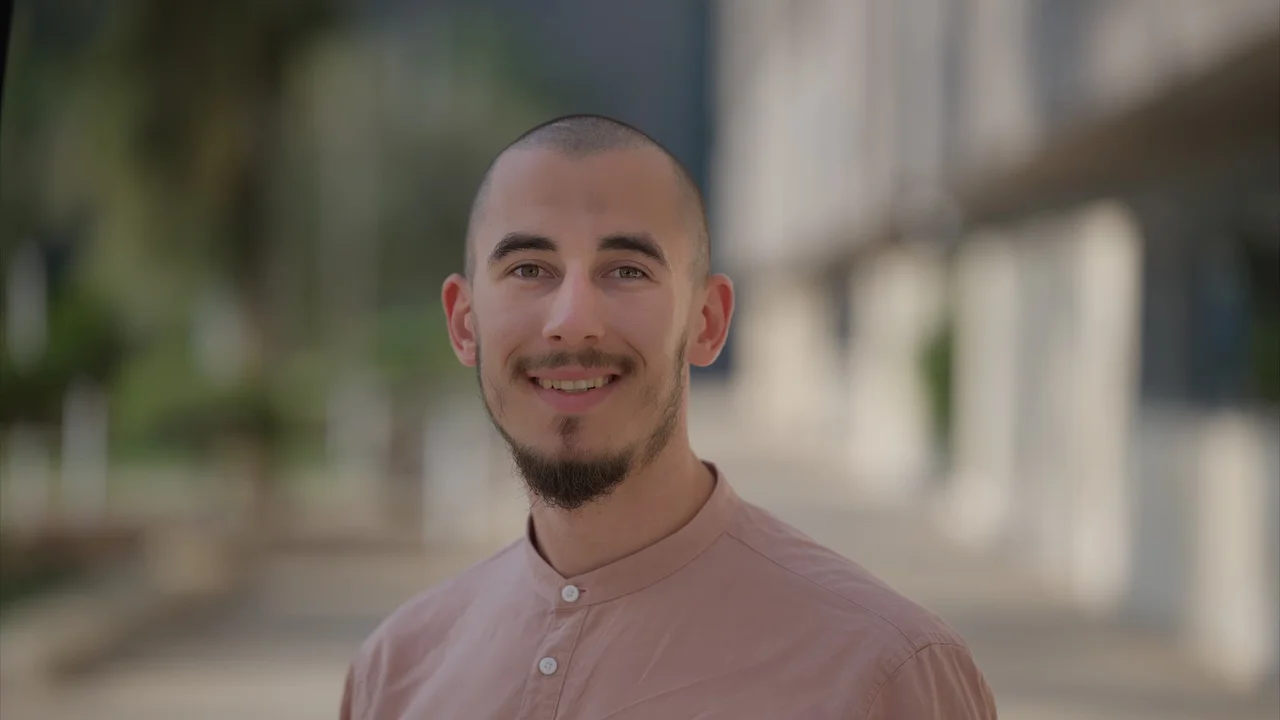
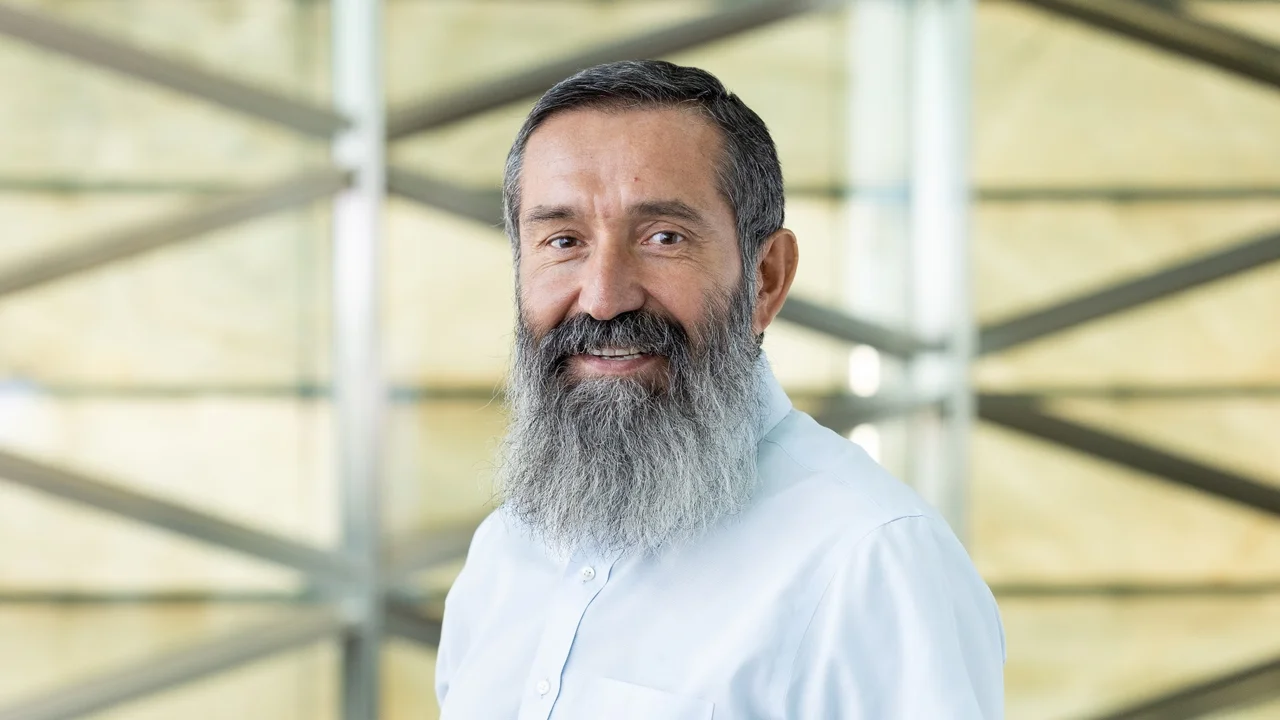
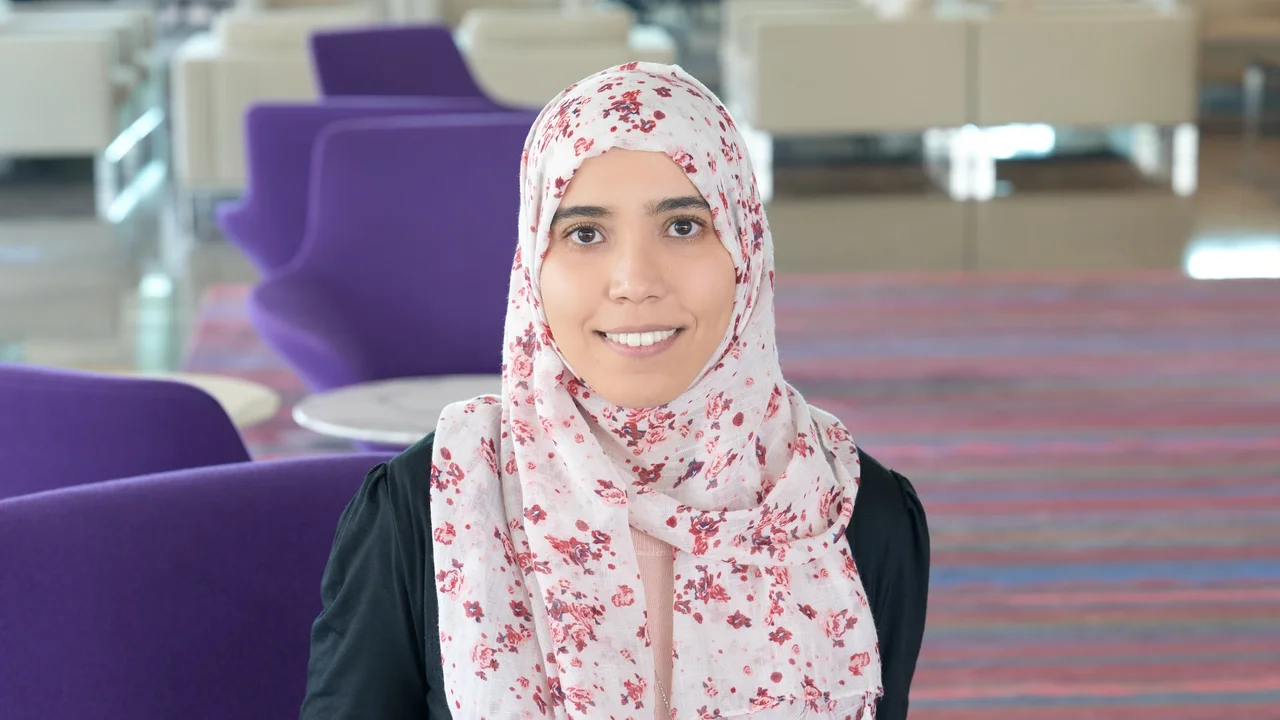
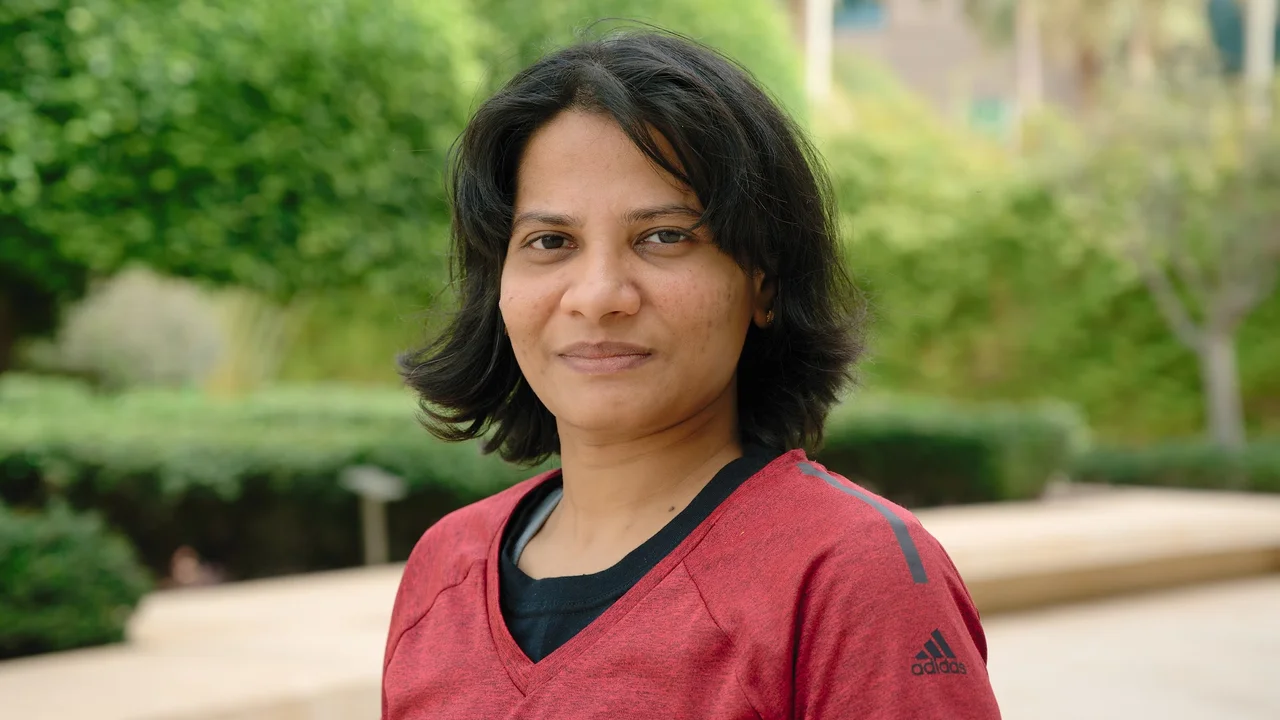
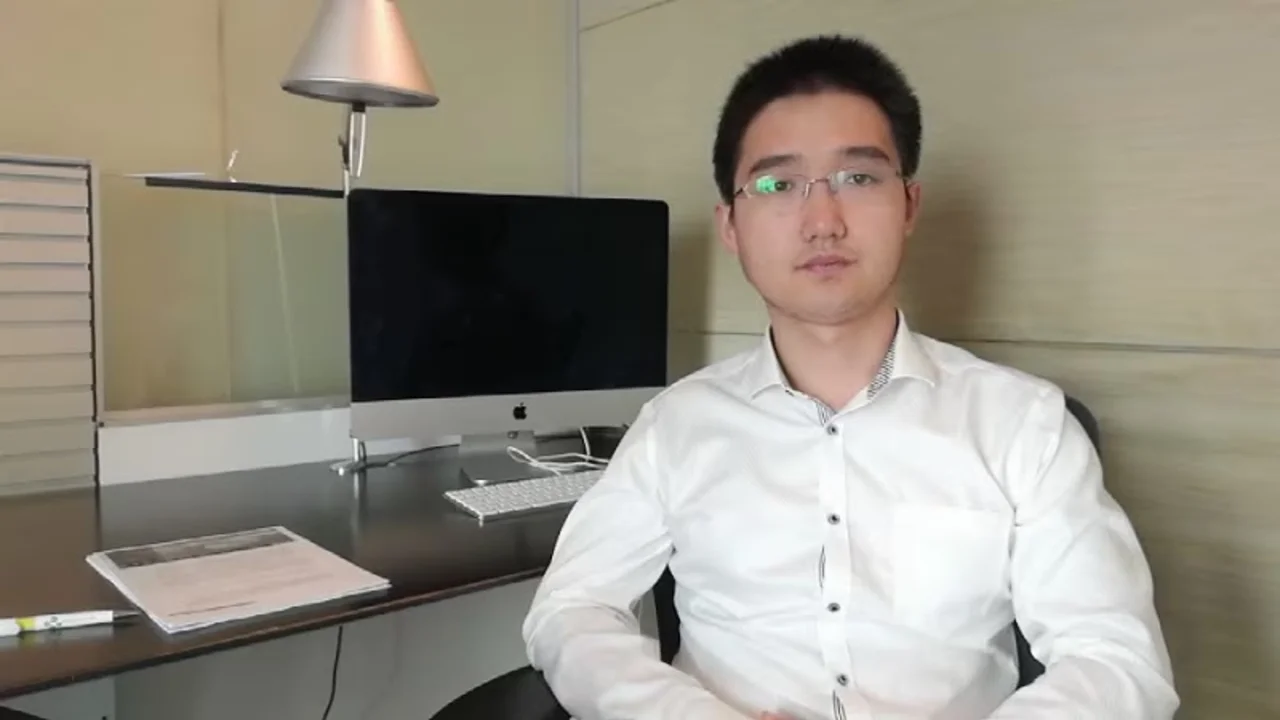
Shuaishuai Guo
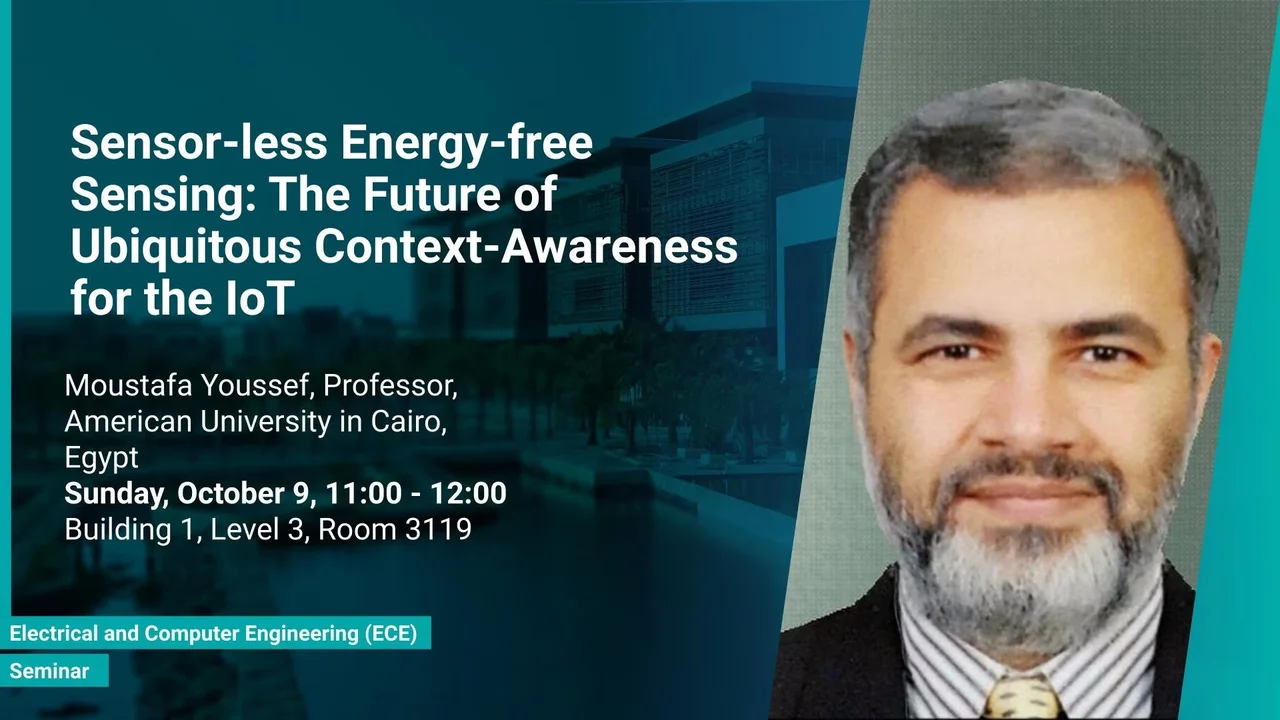
Sensor-less Energy-free Sensing: The Future of Ubiquitous Context-Awareness for the IoT
Moustafa Youssef, The American University in Cairo, Egypt
B1 L3 R3119
Kamran Jamshaid
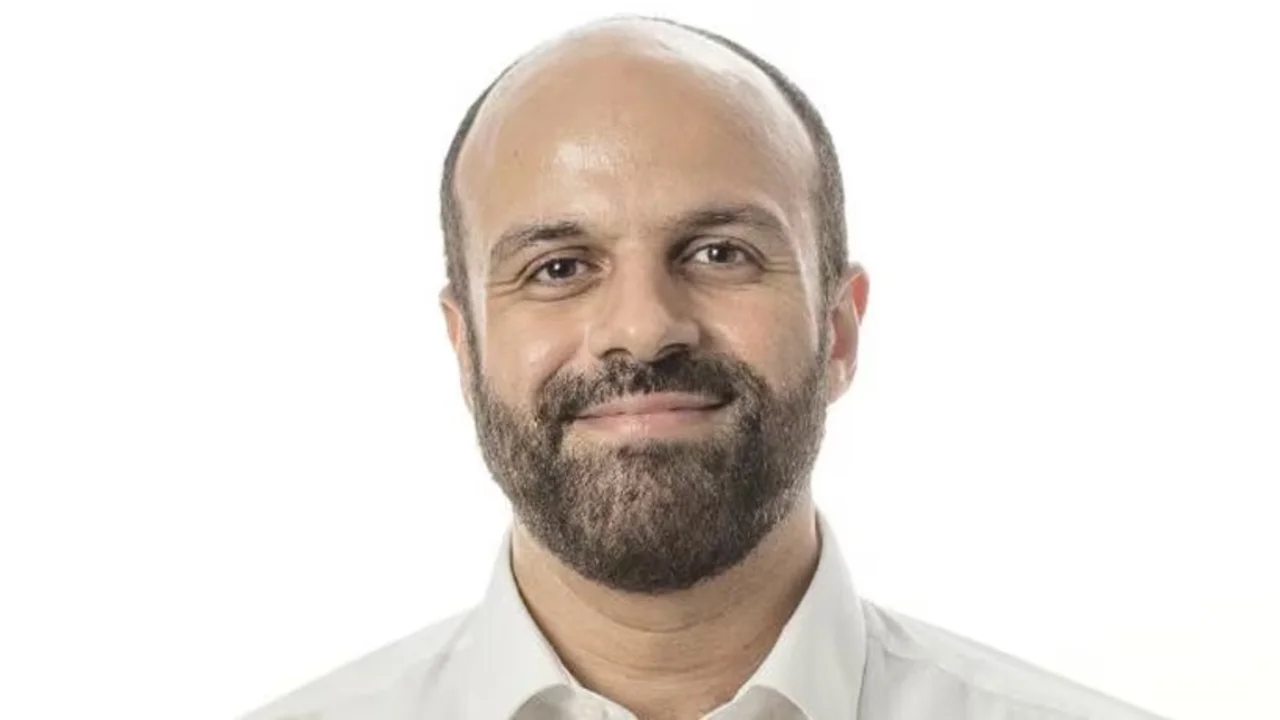
Essam Mansour

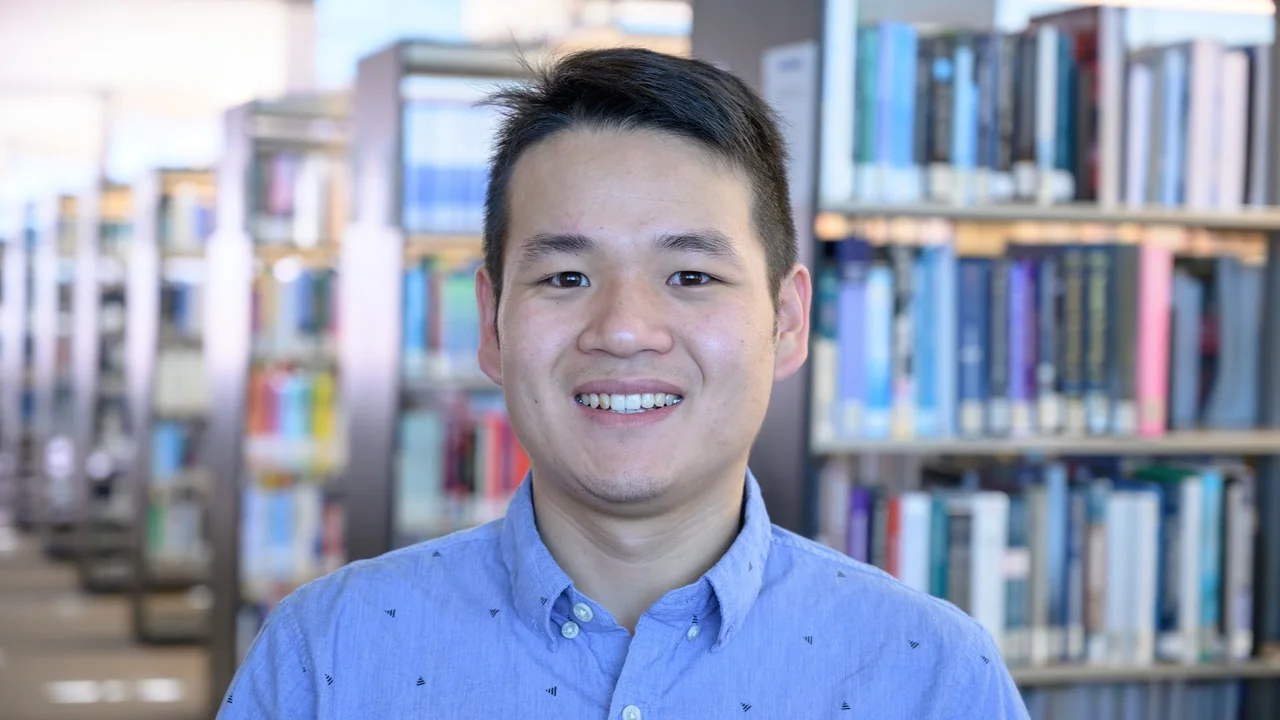
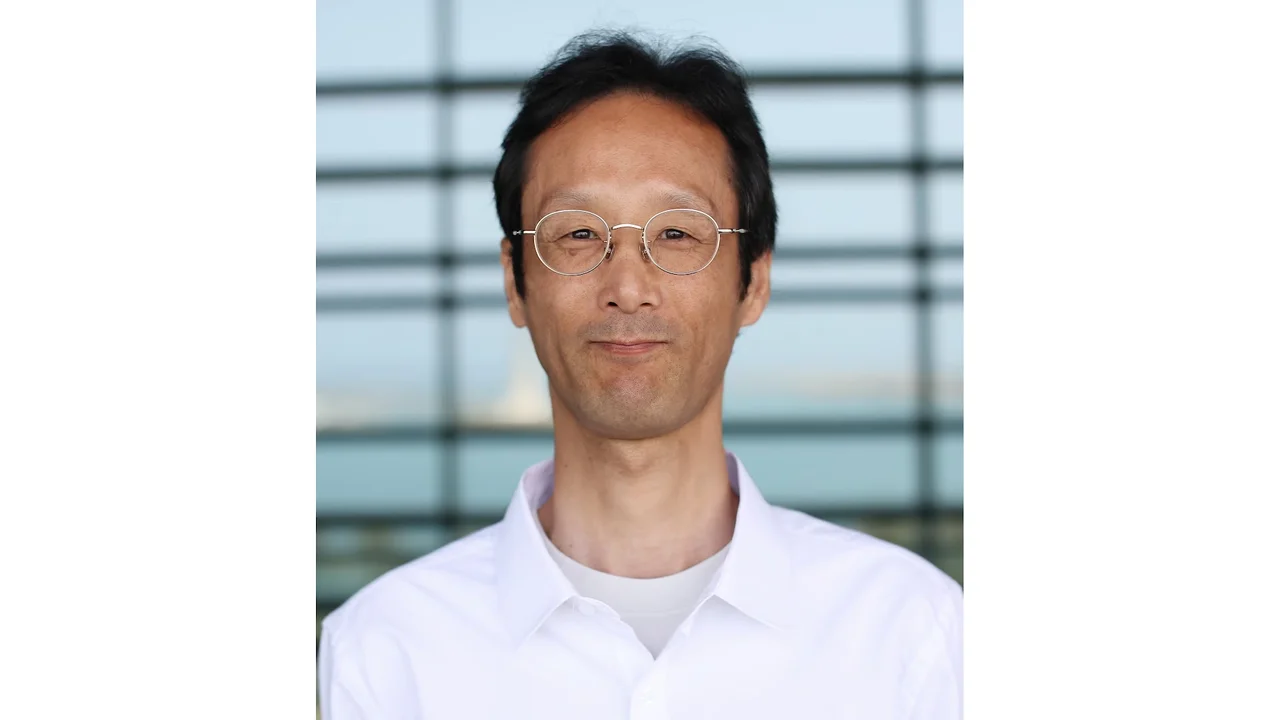
Kosuke Goto
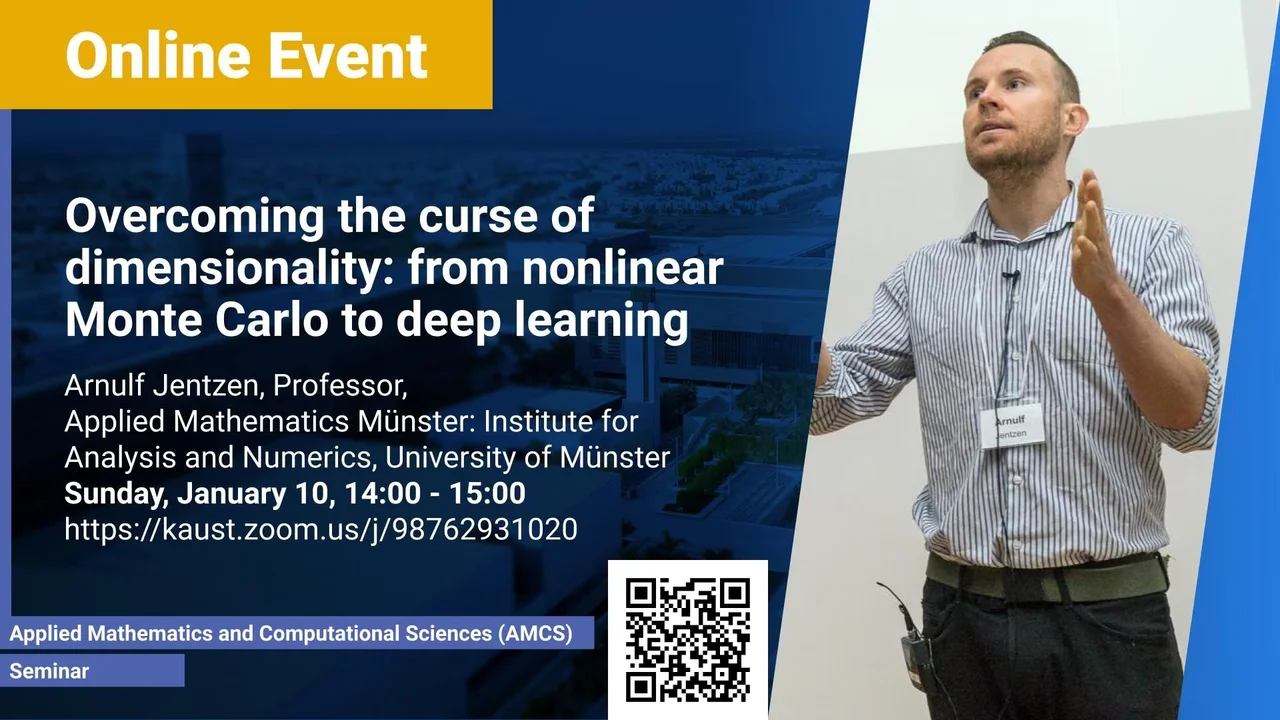
Overcoming the curse of dimensionality: from nonlinear Monte Carlo to deep learning
Arnulf Jentzen, Professor, Applied Mathematics Münster: Institute for Analysis and Numerics, University of Münster
KAUST
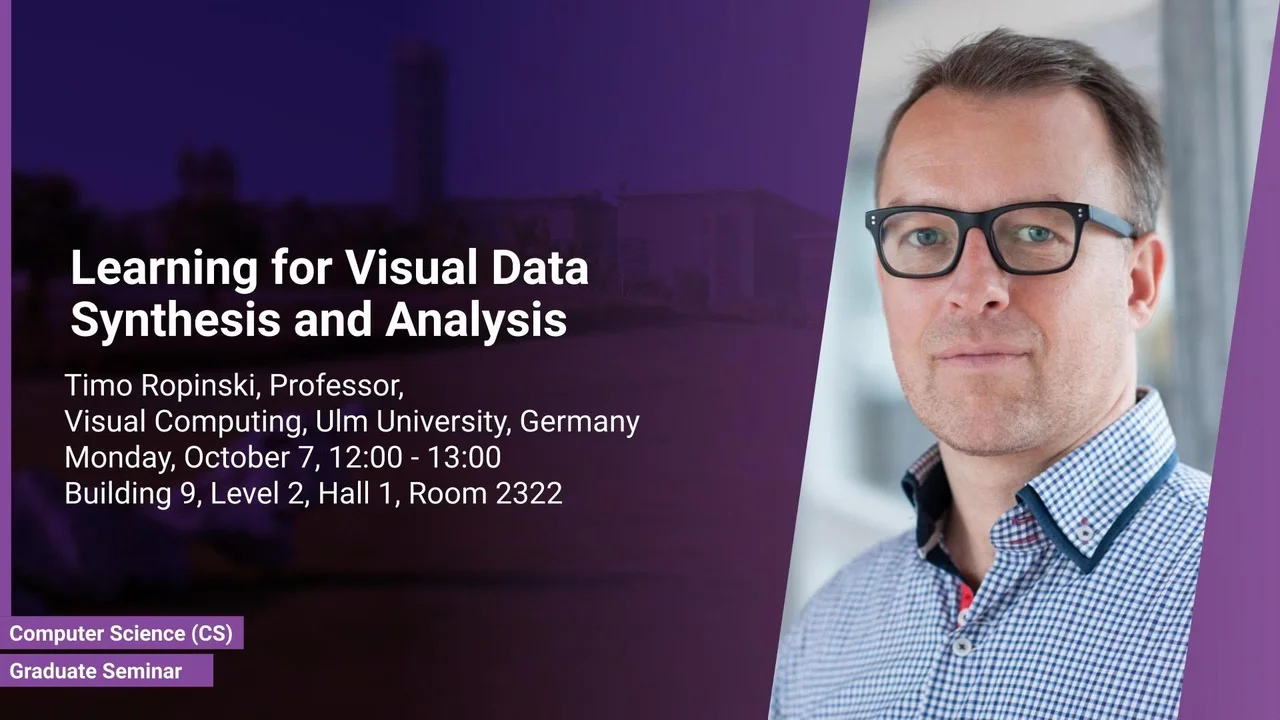
Learning for Visual Data Synthesis and Analysis
Dr. Timo Ropinski, Professor, Visual Computing, Ulm University, Germany
B9 L2 H1 R2322
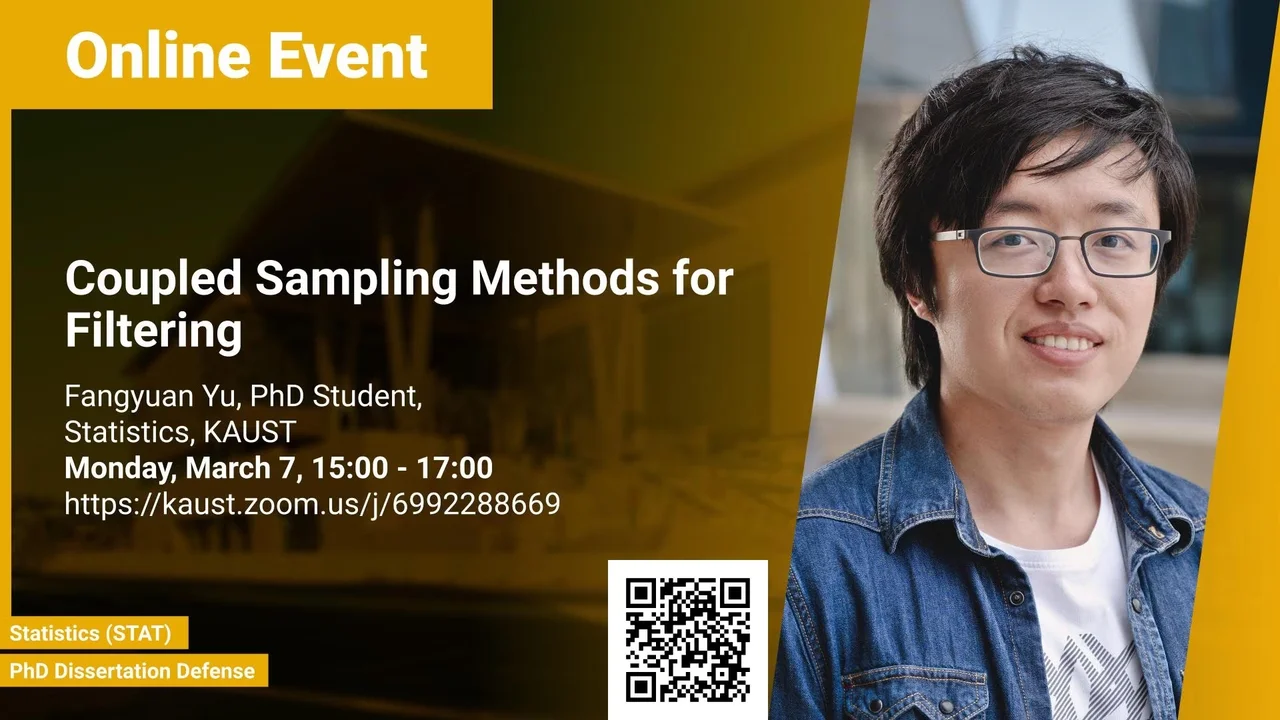
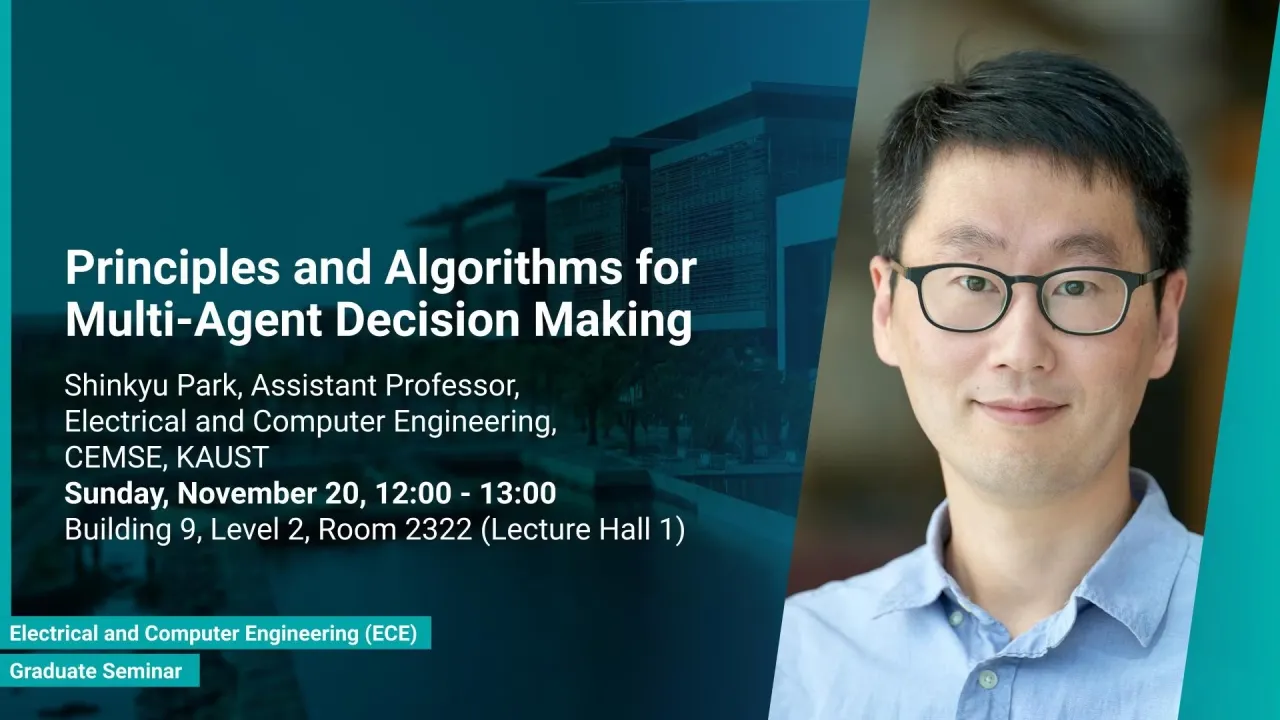
Multi-Robot Task Allocation Games in Dynamically Changing Environments with Application to Trash Collection
Shinkyu Park, Assistant Professor, Electrical and Computer Engineering, KAUST
KAUST


Rolf Krause
applied mathematics Numerical Solution of Partial Differential Equations Finite elements machine learning Numerical Optimization medicine computational mechanics contact problems fluid-structure interactions cardiac simulation biomechanics geology Multiphysics Simulation HPC optimization Multigrid Domain Decomposition software development
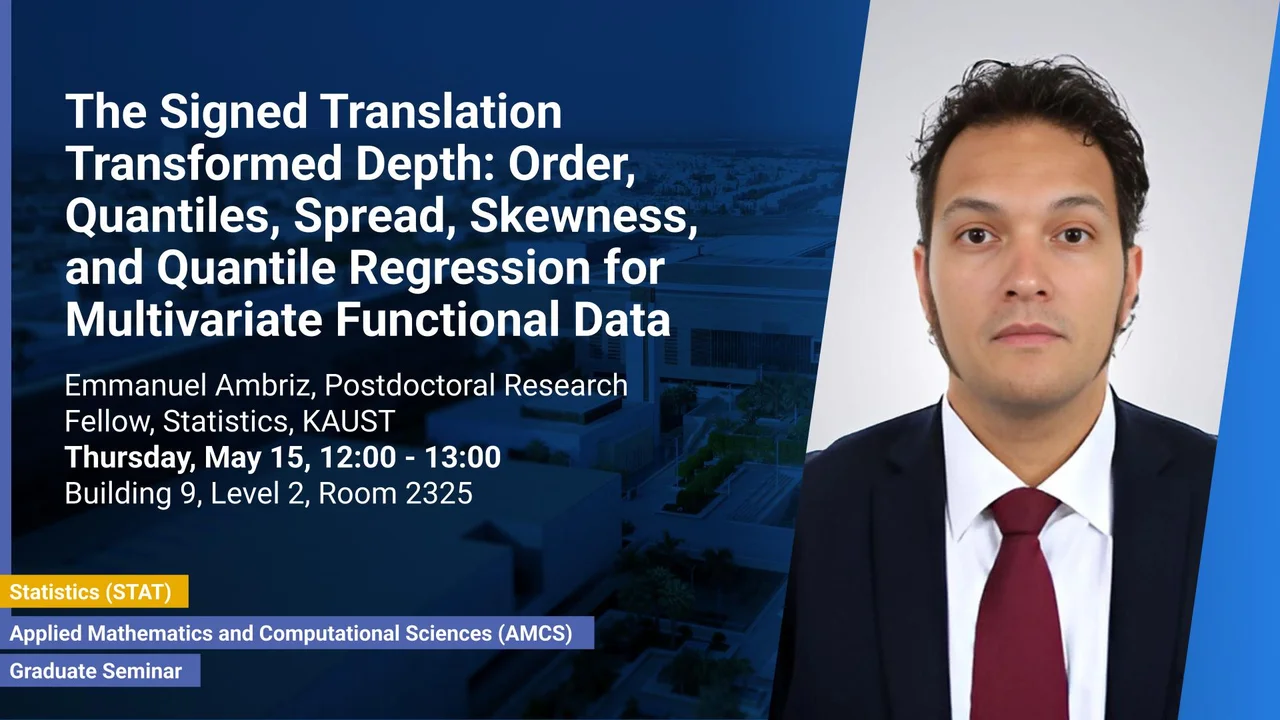
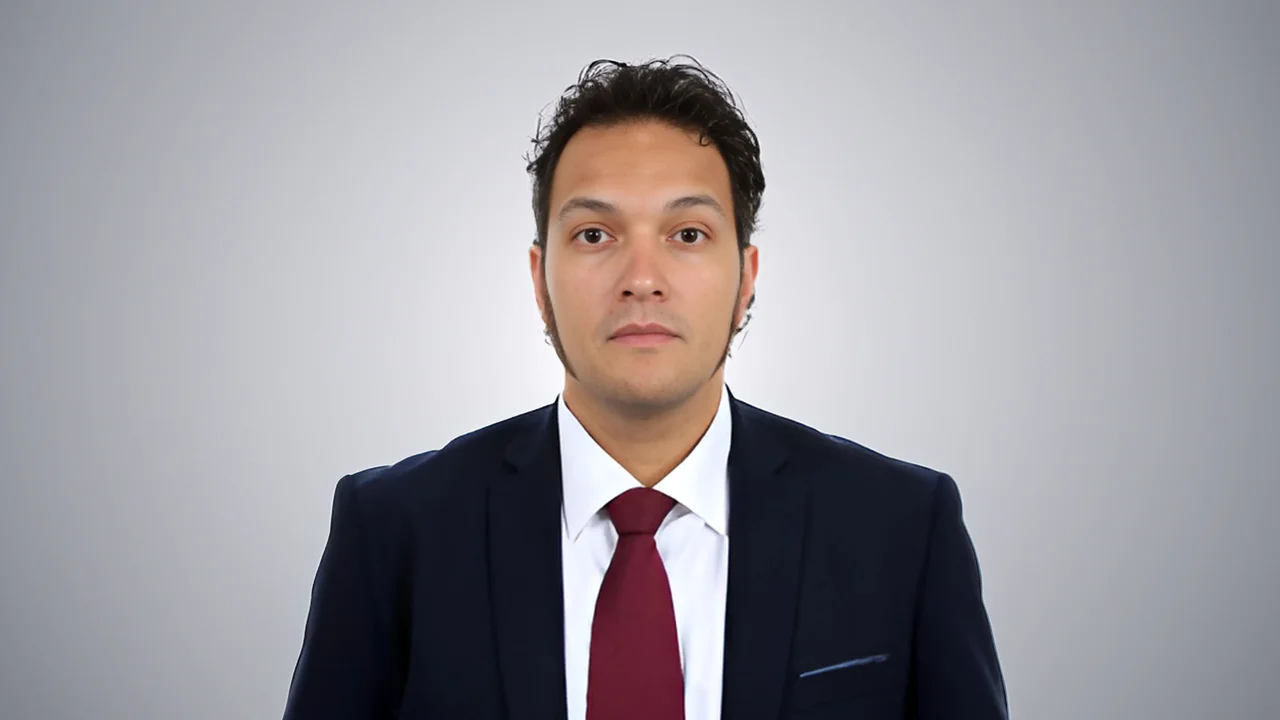
Emmanuel Ambriz
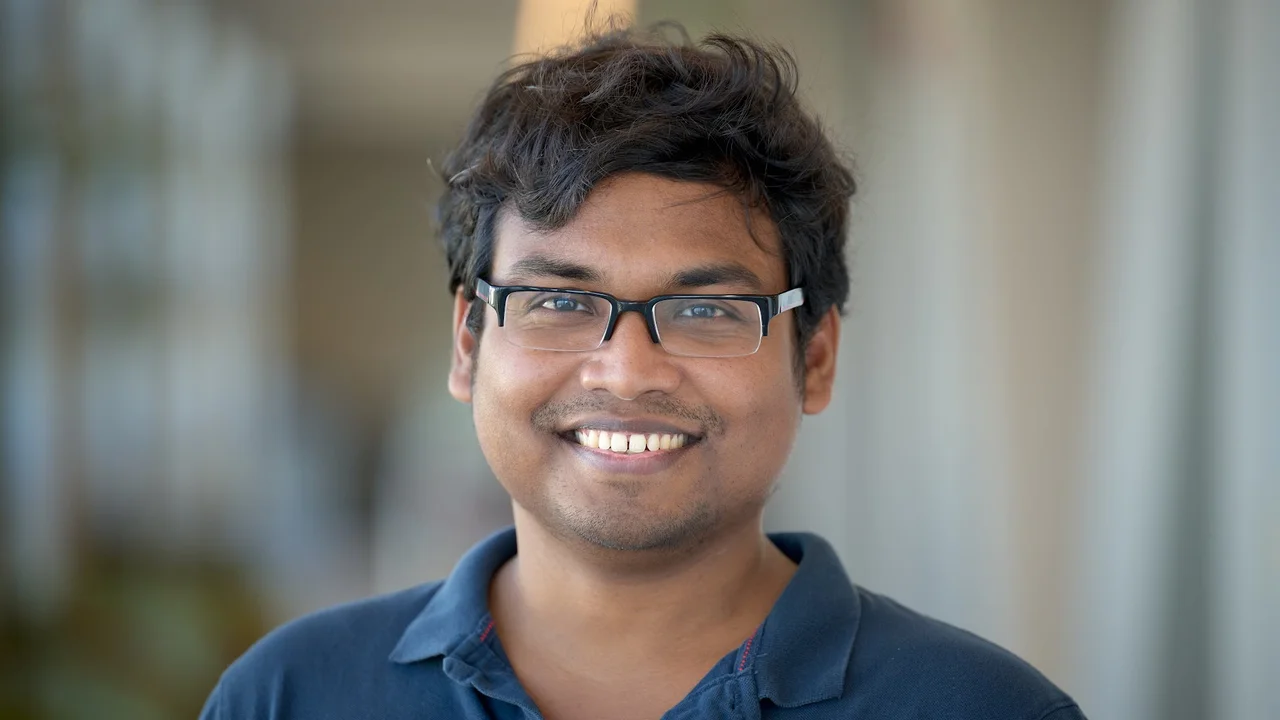
Joydeep Chowdhury
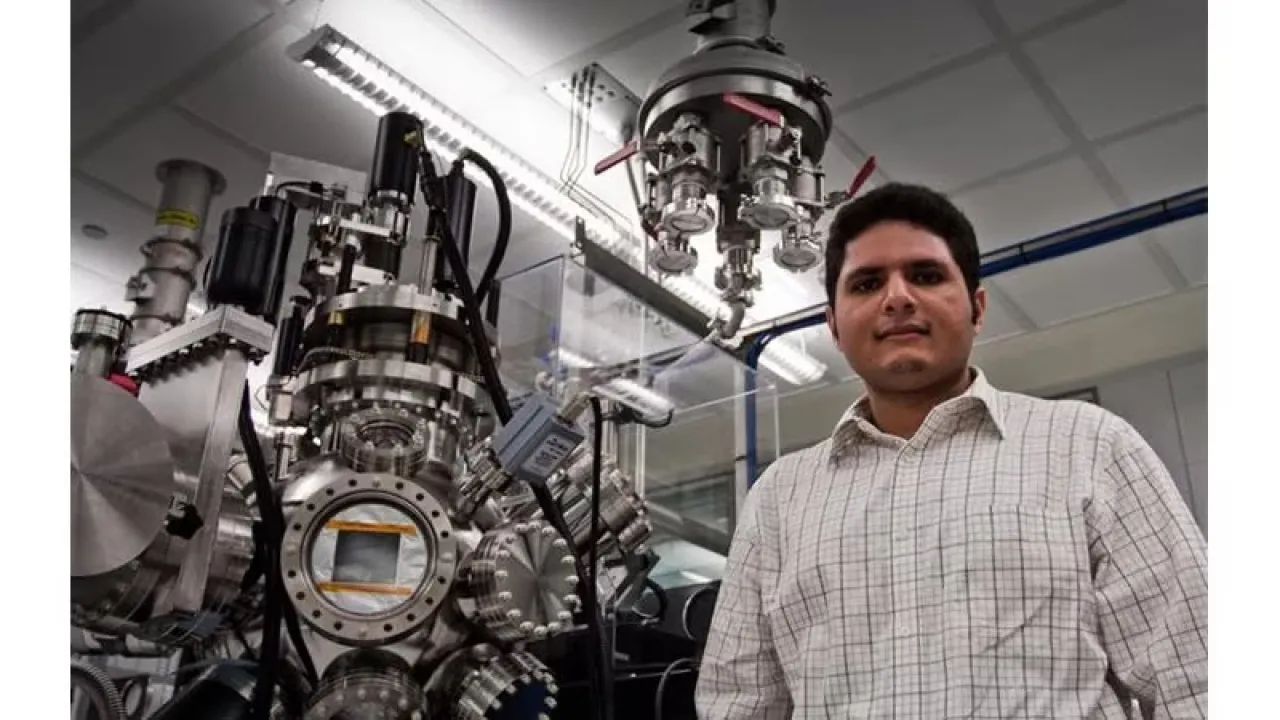

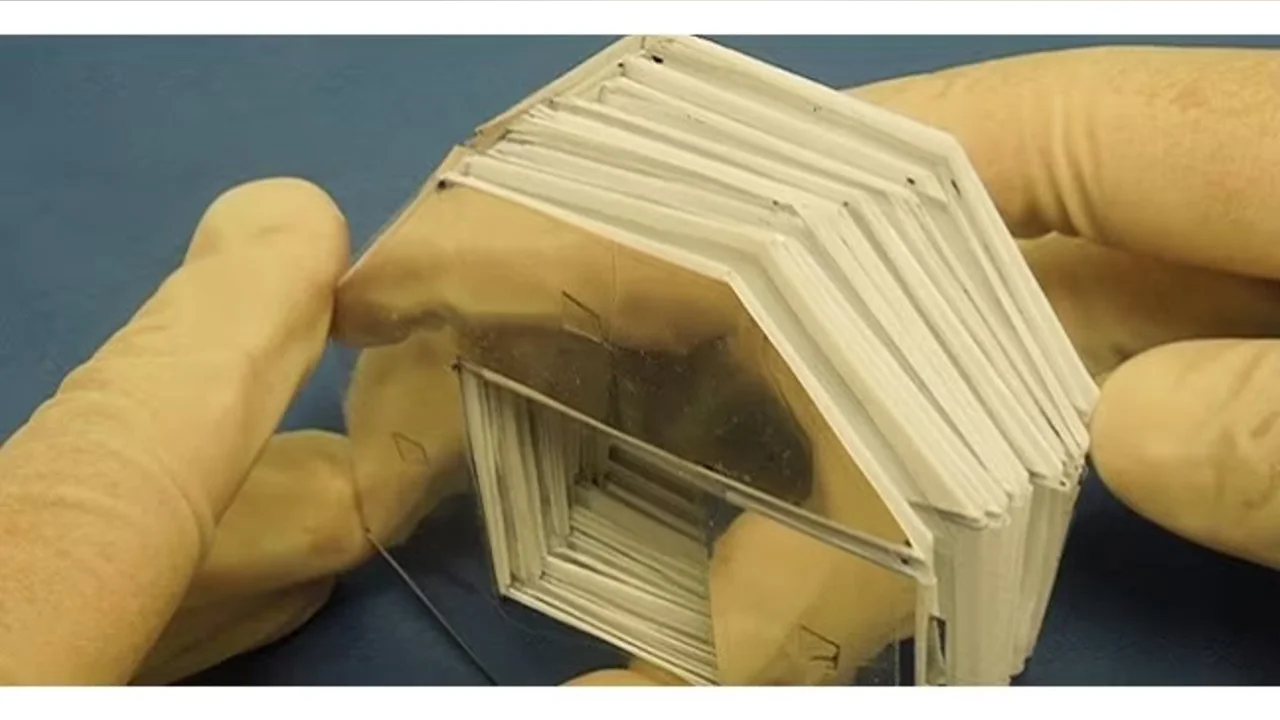


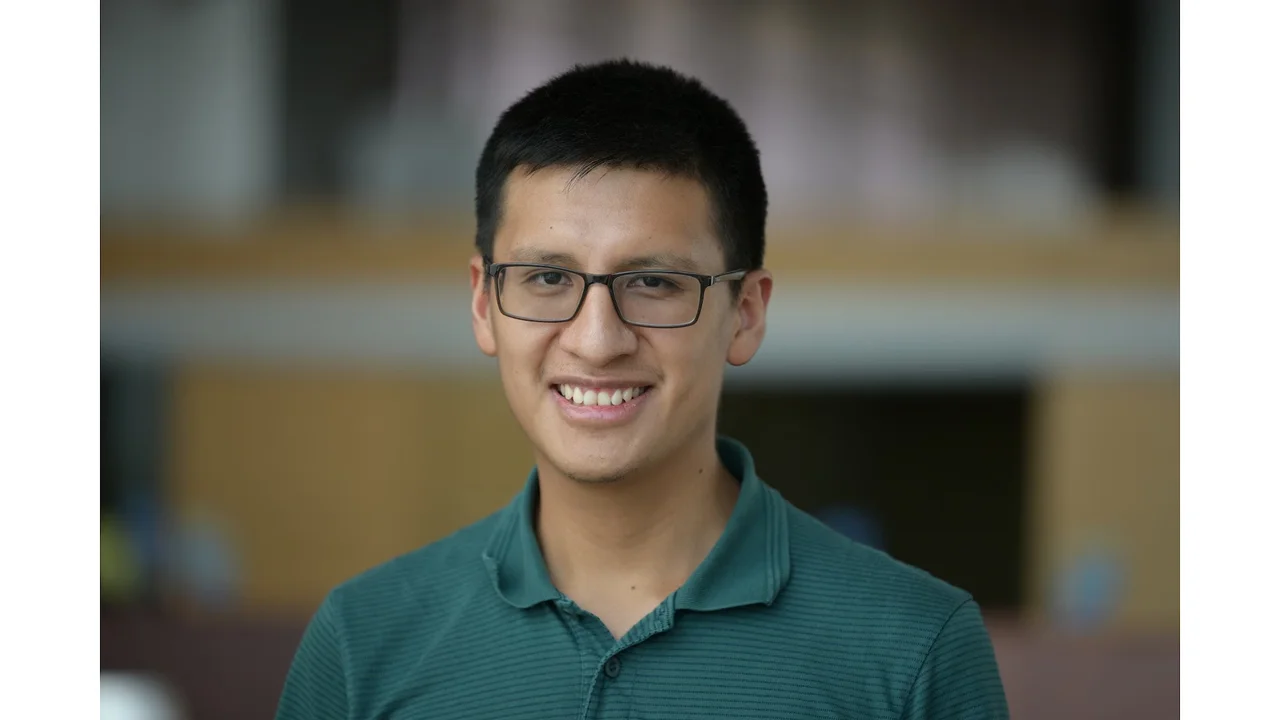
Overcoming the curse of dimensionality: from nonlinear Monte Carlo to deep learning
Arnulf Jentzen, Professor, Applied Mathematics Münster: Institute for Analysis and Numerics, University of Münster
KAUST
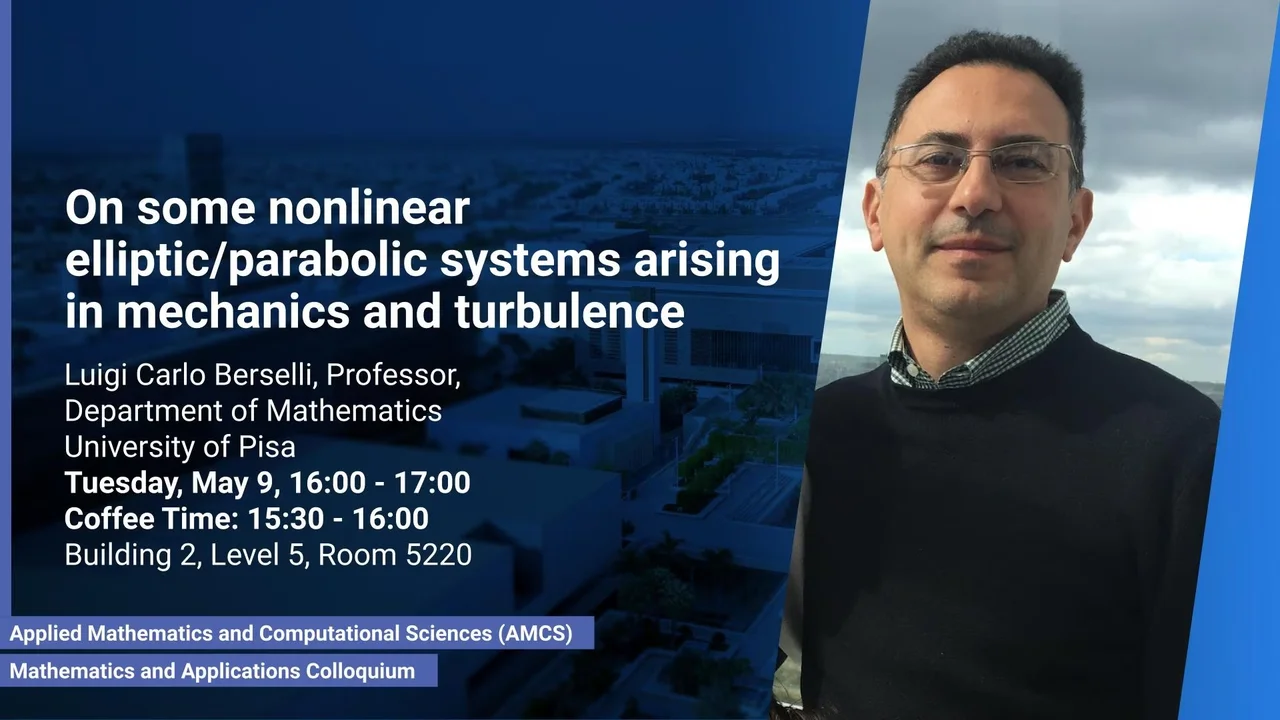
On some nonlinear elliptic/parabolic systems arising in mechanics and turbulence
Prof. Luigi Carlo Berselli
B2 L5 R5220